Vacuum Pump Compressor
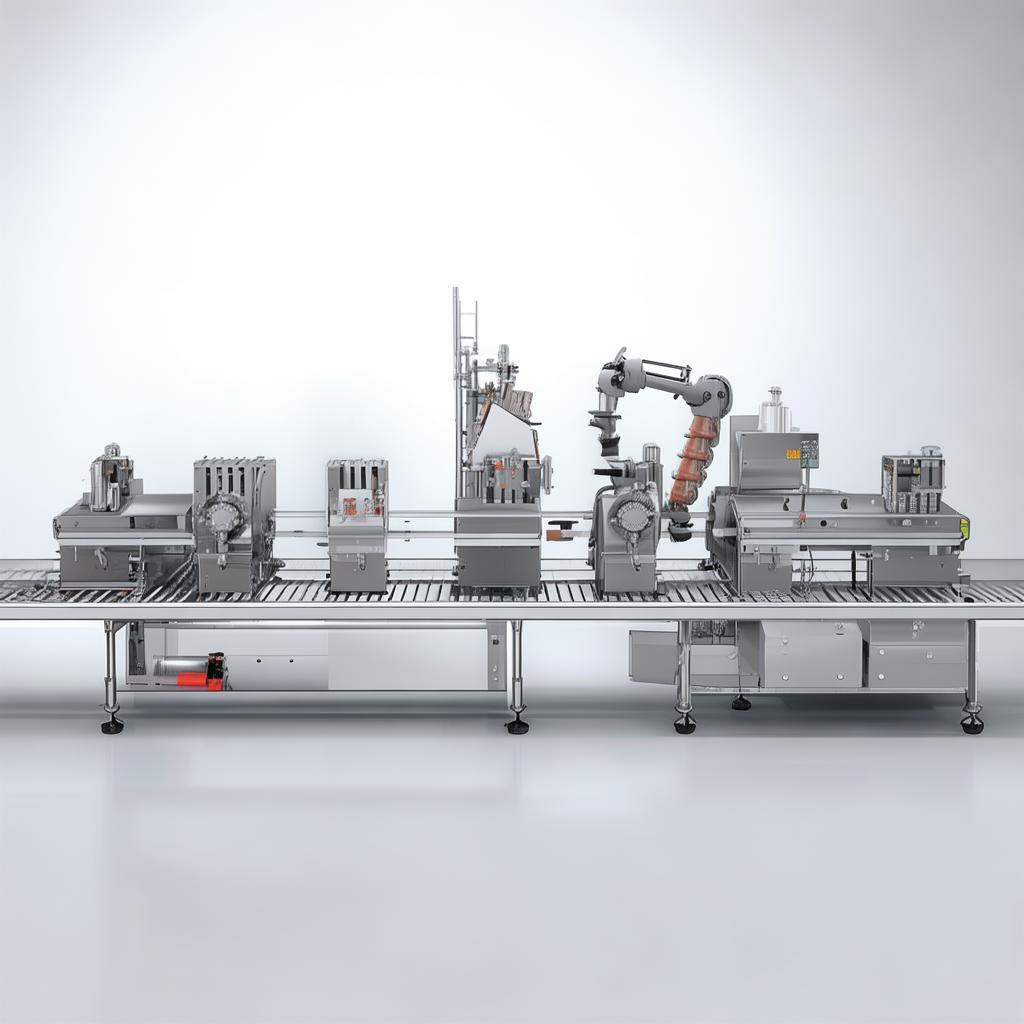
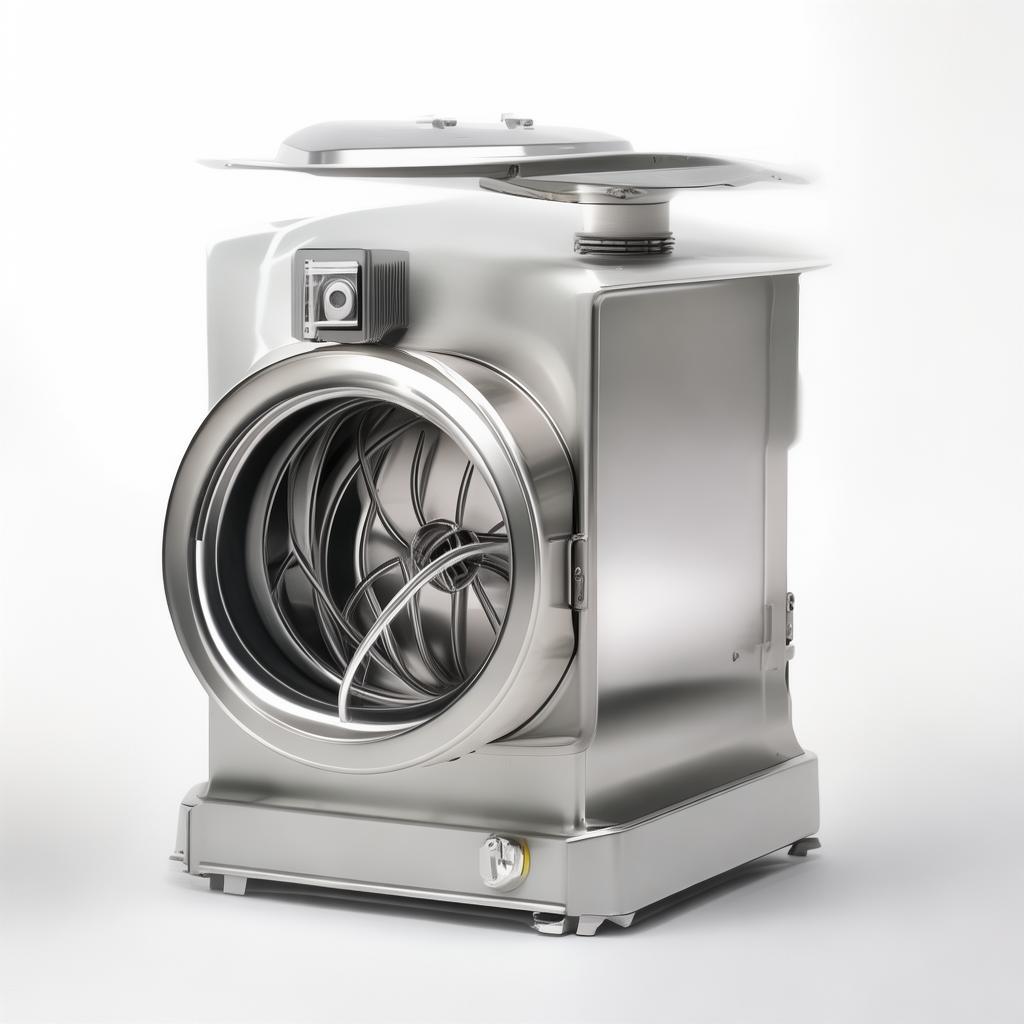
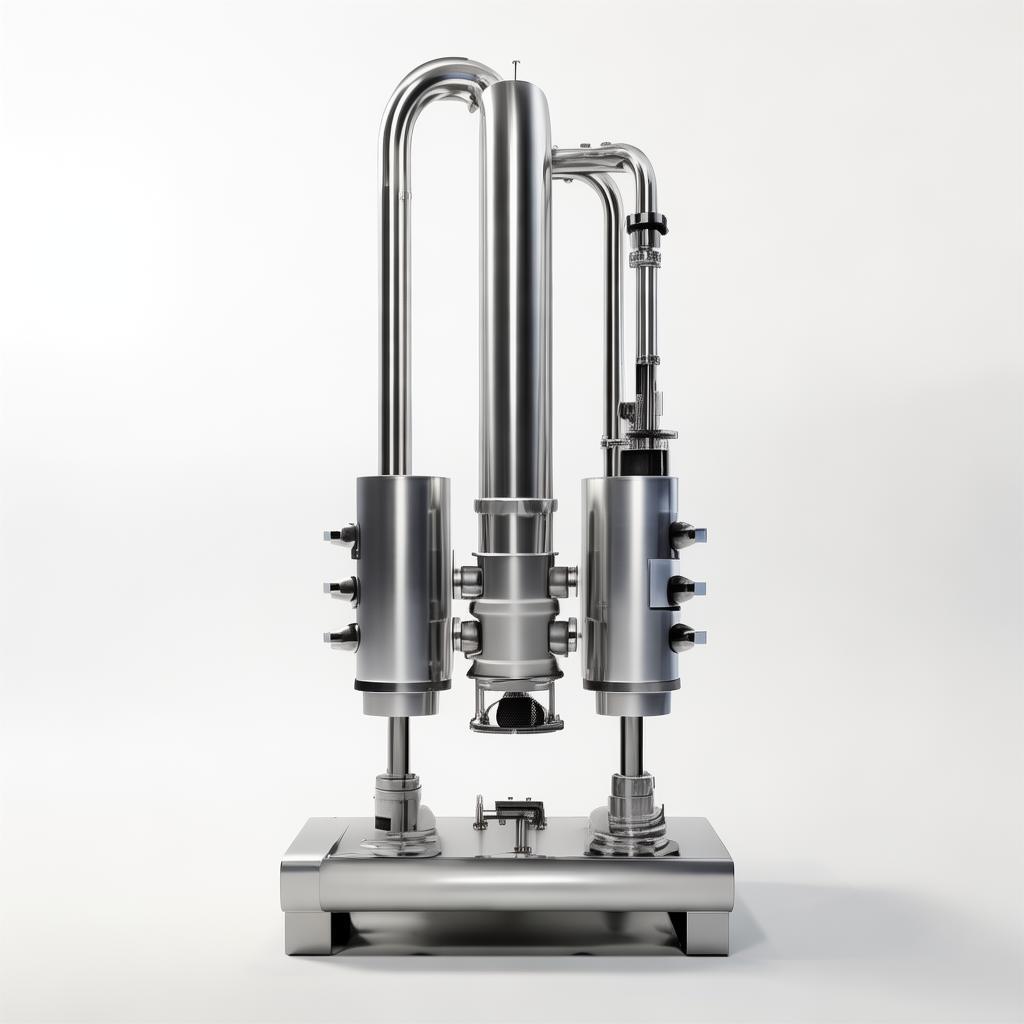
Vacuum Pump Compressors: Powering Precision in Industrial Processes
Your Trusted Source for Reliable Vacuum and Compression Solutions
Navigating the Core of Industrial Efficiency: Understanding Vacuum Pump Compressors
In the intricate world of industrial manufacturing, few components are as fundamental yet as critically overlooked as the vacuum pump compressor. This powerhouse of pneumatic systems is the silent workhorse behind countless processes, from delicate material handling to robust production lines. Whether you're involved in food processing, pharmaceuticals, chemical manufacturing, or advanced material fabrication, the reliable performance of your vacuum pump compressor directly impacts operational efficiency, product quality, and ultimately, your bottom line. It's not just about generating vacuum or pressure; it's about achieving the precise conditions required for specialized tasks, ensuring sterility, maintaining product integrity, and driving innovation forward.
The sheer variety of applications demanding controlled atmospheric conditions can be staggering. Consider the food industry, where vacuum sealing extends shelf life and maintains freshness, or the pharmaceutical sector, where sterile environments are paramount. In these fields, a failure in vacuum or pressure regulation isn't just an inconvenience; it's a critical compliance issue and a potential product spoilage event. Similarly, in manufacturing, precise vacuum levels are essential for pick-and-place operations, molding processes, and even the efficient transfer of sensitive materials. The compressor, as the heart of the system, must be robust, efficient, and tailored to the specific demands of the application. This requires a deep understanding of not just the pump's mechanics, but also the operational context in which it will perform.
Procurement professionals and engineers often face a complex decision tree when selecting the right vacuum pump compressor. Factors like required vacuum depth (measured in mbar or Torr), flow rate (CFM or m³/h), ultimate pressure, gas handling capabilities (wet vs. dry), energy consumption, noise levels, and maintenance schedules all play a significant role. Furthermore, the environment in which the equipment will operate – be it a cleanroom, a corrosive atmosphere, or an explosive zone – dictates material choices, sealing technologies, and safety certifications. This is where understanding the nuances between different pump technologies, such as rotary vane, scroll, diaphragm, and liquid ring, becomes paramount. Each offers distinct advantages and disadvantages for specific use cases, and selecting the wrong type can lead to premature wear, inefficient operation, or even system failure. For instance, a rotary vane pump might be suitable for general-purpose vacuum, but a dry scroll pump is often preferred for clean applications where oil contamination is unacceptable.
The global market for meat processing equipment, for example, is a substantial and growing sector, projected to reach between USD 15 billion and USD 30 billion by 2035 according to various market analyses (e.g., Grand View Research, GMInsights). A significant portion of this market's growth is driven by the increasing demand for processed and convenience meats, which in turn relies heavily on advanced processing technologies. Essential to these technologies are vacuum systems for packaging, filling, and molding, as well as compressors that power auxiliary equipment. The need for consistent product quality, extended shelf life, and adherence to stringent food safety standards like HACCP and ISO 22000, directly translates into a demand for high-performance, reliable vacuum pump compressors. Failing to select the appropriate equipment can compromise hygiene, reduce throughput, and increase waste, directly impacting profitability and brand reputation.
At Hebei Yuanchang Food Mechanism & Technology Co., Ltd., we understand these challenges intimately. With our 40 years of experience since 1986 in industrial machinery, particularly in the demanding food processing sector, we have cultivated a profound expertise in the critical role vacuum and compression play. Our focus isn't just on manufacturing components; it's on providing integrated solutions that enhance your operational capabilities. We recognize that a vacuum pump compressor is more than just a piece of hardware; it's an investment in efficiency, a safeguard for quality, and a facilitator of complex industrial tasks. This commitment to understanding the complete operational lifecycle, from initial procurement to long-term maintenance, sets us apart. We leverage our in-house machining capabilities, including Japanese Mazak CNC centers, to ensure the precision and durability required for high-standard components, ensuring that our vacuum pump compressors are built to last and perform consistently, even under demanding industrial conditions. This ensures that when you partner with us, you are not just buying a product, but a solution backed by decades of hands-on engineering and manufacturing excellence.
Key Applications Where Vacuum Pump Compressors Excel
Food & Beverage Processing
Crucial for vacuum packaging, modified atmosphere packaging (MAP), degassing, filling, and molding operations. Ensuring product freshness, extending shelf life, and maintaining hygiene standards are paramount. The global processed meat market alone is projected to reach over USD 1.3 trillion by 2035 (Precedence Research), highlighting the immense need for reliable processing equipment like vacuum pump compressors.
- Vacuum Sealing & Packaging
- Degassing & Deaeration
- Filling & Molding Assistance
Pharmaceutical & Medical
Essential for sterile environments, vacuum drying, filtration, freeze-drying, and laboratory automation. Maintaining absolute purity and preventing contamination are non-negotiable. Many such processes require oil-free vacuum generation to prevent product contamination, making specific pump types critical.
- Vacuum Drying & Sterilization
- Filtration & Evaporation
- Laboratory Instrumentation
Industrial Manufacturing
Used in CNC machining for workholding, pick-and-place robotics, vacuum conveying, material handling, and molding processes. Precision and reliability are key to maintaining production throughput and minimizing errors.
- Workholding & Clamping
- Material Handling & Conveying
- Industrial Automation
Chemical & Petrochemical
Critical for vacuum distillation, vacuum filtration, solvent recovery, and gas transfer in potentially hazardous environments. Chemical resistance and explosion-proof (ATEX) designs are often required.
- Vacuum Distillation & Evaporation
- Gas Transfer & Sampling
- Solvent Recovery
Technical Deep Dive: Types of Vacuum Pump Compressors
Selecting the correct vacuum pump compressor technology is foundational to achieving optimal performance and operational longevity. Each type has unique operating principles, capabilities, and best-fit applications. Understanding these differences can prevent costly mistakes and ensure your system meets or exceeds performance expectations. The decision often hinges on factors like the required vacuum level (from rough vacuum to high vacuum), the presence of contaminants, the need for oil-free operation, and the overall cost of ownership, including energy consumption and maintenance.
Rotary Vane Pumps
A common choice for general-purpose vacuum applications. These pumps use rotating vanes within a cylinder to trap and compress gas. They offer good performance for medium vacuum levels. Oil-lubricated versions require regular oil changes and filtration, while dry-running versions reduce maintenance but may have limitations in certain environments.
Best For:
- General industrial vacuum
- Packaging and material handling
Scroll Pumps
Known for their oil-free operation and quiet running. Two interleaved spiral scrolls create vacuum pockets that move gas. They are excellent for clean applications where contamination is a concern, such as pharmaceuticals or analytical instrumentation. They typically operate at higher speeds and can achieve good vacuum levels.
Best For:
- Oil-free vacuum needs
- Pharmaceutical and medical
- Laboratory automation
Diaphragm Pumps
These are inherently oil-free and suitable for transferring corrosive or sensitive gases. A flexible diaphragm moves to create vacuum. They are often used for lower flow rates and moderate vacuum levels, ideal for analytical equipment, sample handling, and small-scale chemical processes.
Best For:
- Corrosive gas handling
- Oil-free laboratory applications
- Small-scale fluid transfer
Liquid Ring Pumps
These robust pumps use a liquid seal (often water) to compress gas. They are exceptionally good at handling large volumes of gas, dust, and vapors without damage. Their tolerance for contaminants makes them suitable for harsh industrial environments. They also offer a cooling effect, which can be beneficial.
Best For:
- High flow rate applications
- Dusty or wet environments
- Chemical processing
The Yuanchang Advantage: Why Partner With Us?
In a competitive global market, selecting a supplier for critical industrial equipment like vacuum pump compressors demands careful consideration. It’s about more than just specifications on a datasheet; it’s about reliability, consistency, and long-term partnership. Hebei Yuanchang Food Mechanism & Technology Co., Ltd. brings over four decades of manufacturing expertise to the table, ensuring that you receive not just a product, but a robust solution backed by deep industry knowledge.
Decades of Proven Experience
Since 1986, we have honed our skills in designing and manufacturing complex industrial machinery. This extensive history translates into an unparalleled understanding of what it takes for equipment to perform reliably under real-world, often demanding, operational conditions. Our familiarity extends to auxiliary items and complete production lines, giving us a holistic view of how vacuum pump compressors integrate into larger systems.
Advanced In-House Manufacturing
Our facility spans 14,000 square meters and is equipped with over 20 sets of precision machining equipment, including high-precision grinding machines and boring machines. The addition of Japanese Mazak CNC machining centers in 2012 allows us to produce high-standard, non-standard components with exceptional accuracy and volume. This in-house capability means we control quality at every step, from raw material to finished product.
Commitment to Quality and Compliance
We adhere to rigorous quality control standards throughout our production process. Our manufacturing capabilities enable us to meet diverse international standards, ensuring our vacuum pump compressors are suitable for a global market. We understand the importance of certifications like CE for market access and reliability, and we work diligently to ensure our products meet these benchmarks.
Customer-Centric Solutions
We don't offer one-size-fits-all solutions. Our team of 80-100 dedicated employees works closely with clients to understand their specific needs, offering tailored advice and customized configurations. Whether you require a standard unit or a bespoke OEM/ODM solution, we have the engineering and production capacity to deliver.
Technical Specifications Overview
turbo vacuum pump compressed air vacuum pump vacuum generator pump
While specific models vary, our vacuum pump compressors are engineered for reliability and performance across a range of industrial demands. Below is a general overview of typical specifications you can expect. For detailed datasheets on specific models, please contact our sales engineering team.
| Parameter | Typical Range / Specification | Notes |
|---|---|---|
| Vacuum Level | Up to -99 kPa (or 10 mbar absolute) | Depending on pump type and configuration |
| Flow Rate | 1.5 m³/h to over 100 m³/h (9 to 600+ CFM) | Wide range to suit various applications |
| Motor Power | 0.37 kW to 15 kW (0.5 HP to 20 HP) | Scalable based on flow and vacuum requirements |
| Noise Level | Typically 60-80 dB(A) | Lower noise options available for sensitive environments |
| Materials of Construction | Cast Iron, Stainless Steel, special alloys | Selected based on application and media compatibility |
| Operating Temperature | -10°C to +50°C (ambient) | Consult datasheet for specific unit limits |
| Power Supply | 220V/380V/440V, 50Hz/60Hz, 3-Phase | Configurable for global power standards |
Installation, Maintenance, and Operational Insights
A vacuum pump compressor is a robust piece of machinery, but its long-term efficiency and lifespan are heavily influenced by proper installation and a proactive maintenance strategy. These aren't just afterthoughts; they are integral parts of the total cost of ownership and operational reliability.
Installation Considerations
Proper placement is key. Ensure the pump has adequate ventilation to prevent overheating, especially for oil-lubricated models. Vibration isolation is also important; use anti-vibration mounts to protect both the pump and surrounding equipment. For systems requiring continuous operation, consider redundancy or a backup unit to avoid costly downtime. Correctly sizing the inlet and outlet piping is crucial for maintaining optimal flow rates and preventing backpressure. Many operational issues stem from undersized or poorly routed pipework.
Routine Maintenance Essentials
For oil-lubricated rotary vane pumps, regular oil checks and changes are non-negotiable. The oil acts as a lubricant, coolant, and sealant, so its degradation directly impacts performance and wear. Follow the manufacturer's recommended oil type and change intervals. Air filters and oil mist eliminators should be inspected and replaced as needed to maintain air quality and prevent discharge issues. For all pump types, periodic checks of belts, seals, and electrical connections are advisable. A proactive approach – listening for unusual noises, monitoring temperature, and checking pressure gauges – can catch minor issues before they become major failures.
Optimizing Operational Efficiency
Energy consumption is a significant operational cost. Ensure your vacuum pump compressor is appropriately sized for the task; an oversized unit will waste energy. Variable Frequency Drives (VFDs) can offer substantial energy savings by adjusting motor speed to match demand. Regularly inspect and clean inlet strainers to ensure unobstructed airflow. For systems that run intermittently, implement smart controls to shut down the pump when not in use.
Procurement Guidance: What to Ask Your Supplier
Selecting the right vacuum pump compressor is a strategic decision. When evaluating suppliers, especially for international trade, clear communication and detailed information are vital. Here are key questions to ask:
- Technical Specifications: Can you provide a detailed datasheet for the proposed model, including ultimate vacuum, displacement, power consumption, noise levels, and operating temperature ranges?
- Application Suitability: Based on our described application (e.g., food packaging, chemical processing), which pump technology do you recommend and why?
- Material Compatibility: If we are handling specific gases or liquids, what materials of construction do you offer to ensure chemical resistance and longevity?
- Oil-Free Options: Is an oil-free model available if required for our application (e.g., pharmaceutical, food-grade)? What are the trade-offs in terms of performance or cost?
- Certifications: Does the unit comply with relevant international standards (e.g., CE, UL)? Are specific certifications required for our target market?
- Lead Time and MOQ: What is the typical production lead time for this model? Do you have a Minimum Order Quantity (MOQ)?
- Warranty and After-Sales Support: What is the warranty period? What are your procedures for technical support, spare parts, and potential field service?
- Shipping and Logistics: What are your Incoterms (e.g., FOB, CIF)? Can you provide estimated shipping costs and transit times to our port of destination? What packaging methods do you use for international transit?
- OEM/ODM Capabilities: If we require custom modifications or a branded solution, what are your OEM/ODM capabilities and processes?
At Hebei Yuanchang, we are prepared to answer these questions thoroughly, providing transparent information to support your informed decision-making. Our export experience means we understand the complexities of international logistics and compliance.
Trust and Transparency: Real Client Experiences
We believe in the tangible results our vacuum pump compressors deliver. Here’s what some of our clients have shared:

Procurement Manager, USA
"We switched to Yuanchang for our vacuum packaging line and have seen a noticeable improvement in consistency. The units are robust, and the service has been responsive. They handled our export order efficiently."

Operations Engineer, Japan
"The specific dry-running scroll pump we needed for our cleanroom application was expertly recommended. Installation was straightforward, and it's been running flawlessly. The precision is exactly what our sensitive processes require."

Purchasing Director, Canada
"We had an urgent need for liquid ring pumps for our wastewater treatment process. Yuanchang delivered on time and within budget. Their technical support team was invaluable in helping us select the right configuration."
Ready to Enhance Your Industrial Operations?
Discover how Hebei Yuanchang's vacuum pump compressors can elevate your efficiency, product quality, and operational reliability.
Frequently Asked Questions (FAQs)
What is the typical lifespan of a vacuum pump compressor?
Lifespan varies greatly depending on the pump type, application, maintenance schedule, and operating conditions. However, with proper care and maintenance, many industrial vacuum pump compressors can operate reliably for 10-20 years or more.
How does humidity affect vacuum pump performance?
High humidity can impact performance, especially for oil-lubricated rotary vane pumps, as moisture can degrade the oil and reduce its effectiveness. Liquid ring pumps often use water as a sealing fluid, so they are generally more tolerant of ambient humidity. Proper system design, including moisture traps or separators, can mitigate issues.
What is the difference between a vacuum pump and a compressor?
A vacuum pump *removes* gas from a sealed space to create a lower pressure (vacuum). A compressor *increases* the pressure of a gas. Many industrial units are described as "vacuum pump compressors" because they can perform both functions, or a single unit is designed to generate significant vacuum and then, with a change in configuration or internal routing, can provide positive pressure.
Can your pumps handle corrosive gases?
Yes, we offer models specifically designed for corrosive environments. These often feature special materials of construction (like stainless steel or PTFE coatings) and diaphragm or dry-running technologies that avoid contact with sensitive internal components. Please specify the exact chemicals you'll be processing for the best recommendation.