What Is Vacuum Pump Used For
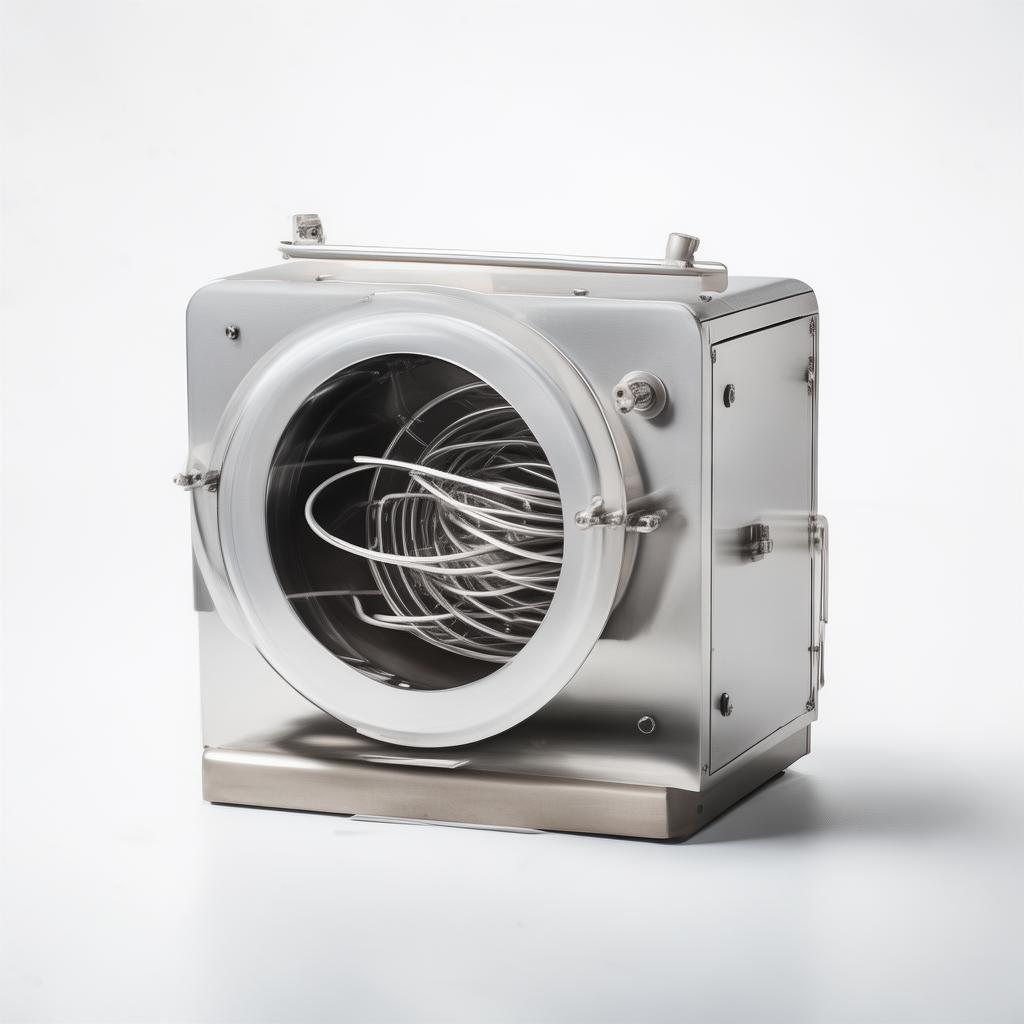
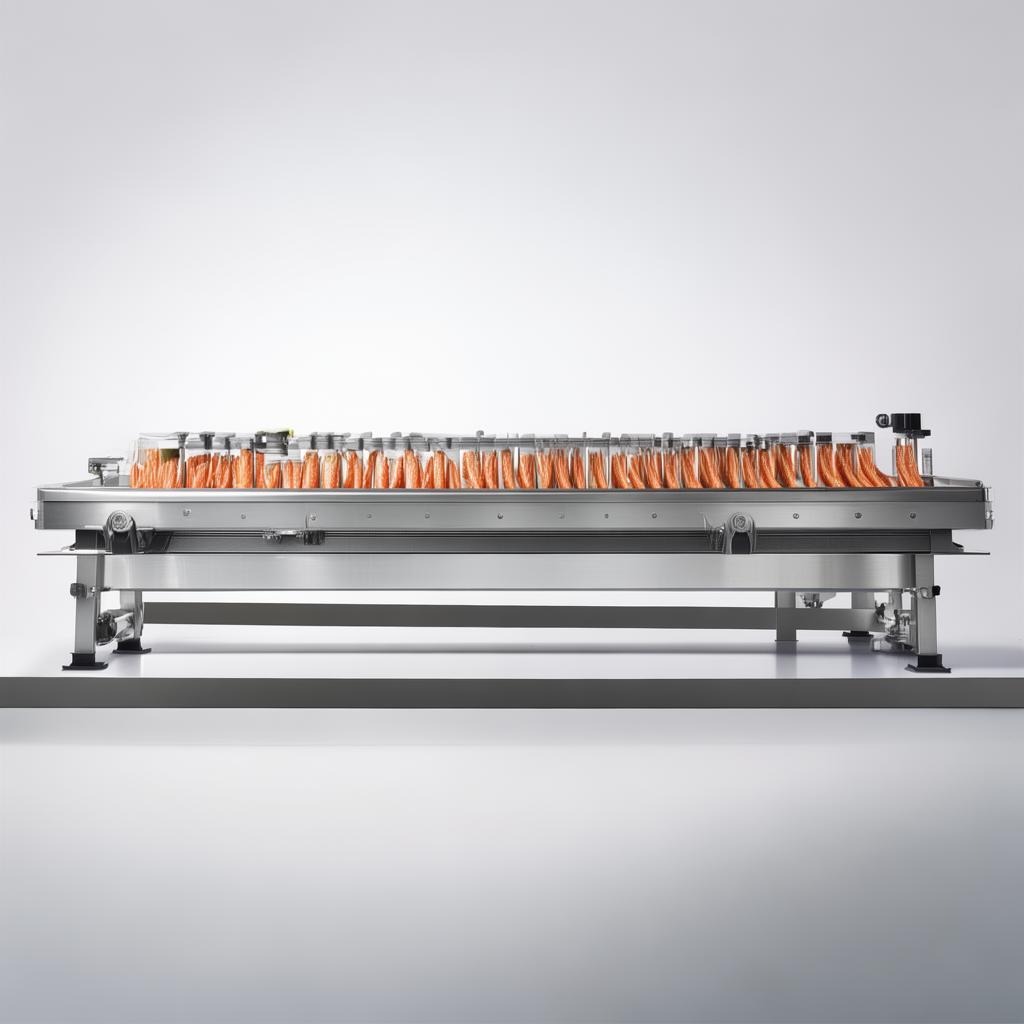
What is a Vacuum Pump Used For? Understanding Industrial Applications and Procurement
By Engineer Li Wei, Senior Production Specialist at Hebei Yuanchang Food Mechanism & Technology Co., Ltd.

Updated: October 26, 2023
Quick Overview: Vacuum Pumps in Industrial Settings
Vacuum pumps are indispensable workhorses across a vast array of industrial sectors. Fundamentally, they create and maintain a partial vacuum by removing gases from a sealed volume. This capability is crucial for countless processes, from delicate manufacturing and material handling to robust food processing and scientific research. Understanding their diverse applications is key to optimizing production, enhancing product quality, and ensuring operational efficiency. At Hebei Yuanchang, we leverage vacuum technology in many of our meat processing solutions, particularly for enhancing product texture and ensuring optimal filling for sausages and formed products.
- Core Function: Gas removal to create vacuum.
- Key Industries: Food processing, manufacturing, pharmaceuticals, medical, packaging, automotive, aerospace, research & development.
- Primary Benefits: Material handling, degassing, sterilization, drying, product filling/molding, leak detection.
The Fundamental Role of Vacuum in Industry
Before diving into specific uses, it's essential to grasp why a vacuum is so valuable industrially. Removing air or other gases from a system achieves several critical outcomes:
- Preventing Oxidation: In many processes, especially those involving heat or sensitive materials, air exposure can lead to degradation, spoilage, or undesirable chemical reactions. A vacuum environment halts or significantly slows these processes.
- Facilitating Material Transfer: Vacuum can be used to lift, hold, or move objects (like glass sheets or metal parts) without direct mechanical contact, reducing the risk of damage.
- Enabling Degassing: Liquids and semi-solids often contain dissolved gases. Removing these gases improves material integrity, prevents voids, and ensures uniform properties.
- Enhancing Sterilization and Drying: Lowering the pressure reduces the boiling point of liquids, allowing for faster drying or sterilization at lower temperatures, which is vital for heat-sensitive materials.
- Optimizing Filling and Molding: In food production, removing air from sausage casings or molds ensures dense, uniform products and better shelf life.
Think about it from a procurement standpoint: by controlling the atmosphere, you control product quality, production speed, and waste reduction. It's a foundational element for many advanced manufacturing operations.
Key Applications: Where Vacuum Pumps Shine
The versatility of vacuum pumps means they're integral to nearly every major industrial sector. Here’s a breakdown of their most common and impactful uses:
1. Food Processing: Enhancing Quality and Shelf Life
This is an area where we at Hebei Yuanchang have deep expertise. Vacuum plays a critical role in several stages of food production:
- Vacuum Packaging: Removing air from food packaging extends shelf life by inhibiting aerobic bacteria and preventing spoilage. It also reduces package volume for more efficient storage and shipping.
- Sausage Stuffer/Filler Optimization: Our meat filling and molding machines often incorporate vacuum systems. Removing air from the meat emulsion before filling into casings or molds prevents voids, ensures a consistent density, and creates a more appealing, uniform product. This is critical for achieving the desired texture and bite. As the meat processing equipment market report highlights, filling and stuffing equipment is a key segment, and vacuum integration is a major contributor to product quality.
- Degassing: For products like cheese, coffee beans, or certain processed meats, vacuum degassing removes trapped air, improving texture and flavor.
- Sterilization and Pasteurization: Low-temperature vacuum drying or sterilization is used for heat-sensitive food products, preserving their nutritional value and taste.
The demand for convenience foods and longer shelf-life products continues to grow, directly impacting the need for reliable vacuum solutions in this sector. Market research from Grand View Research shows consistent growth, with technologies supporting product quality and safety being paramount.
2. Manufacturing and Material Handling
Vacuum is a gentle yet powerful tool for manipulating materials:
- Vacuum Lifters: Essential for moving heavy, flat, or smooth objects like glass panes, metal sheets, stone slabs, and even delicate electronic components without scratching or damaging them. This drastically improves safety and efficiency on assembly lines.
- Clamping and Fixturing: Vacuum chucks are used to hold workpieces in place for machining, drilling, or assembly, especially when traditional mechanical clamping would be difficult or impossible.
- Mold Making and Casting: Vacuum is used in resin casting and mold creation to remove air bubbles, ensuring a void-free, high-quality finished product.
3. Pharmaceuticals and Medical Applications
Precision and sterility are non-negotiable here:
- Vacuum Drying: Pharmaceuticals, vaccines, and delicate biological samples are often dried under vacuum at low temperatures to preserve their potency and extend shelf life.
- Sterilization: Autoclaves utilize vacuum cycles to remove air from the sterilization chamber, allowing steam to penetrate effectively and ensure complete sterilization of medical instruments.
- Lyophilization (Freeze-Drying): This process, crucial for many drugs and food products, involves freezing the material and then sublimating the ice under deep vacuum, resulting in a stable, powdered form.
- Lab Equipment: Buchner filtration, rotary evaporators, and certain analytical instruments all rely on vacuum to function.
4. Packaging and Sealing
Beyond food, vacuum sealing is vital:
- Vacuum Chamber Machines: Widely used for sealing non-food items, electronics, and sensitive components, protecting them from moisture, dust, and oxidation during storage or transit.
- Thermoforming: Vacuum is used to draw plastic sheeting tightly around a mold to create custom packaging for various products.
5. Other Industrial Uses
The list is extensive:
- Aerospace and Automotive: Vacuum is used in testing components under simulated atmospheric conditions, in the curing of composite materials, and in the production of automotive parts.
- Woodworking: Vacuum clamping systems are popular for holding workpieces during finishing or assembly.
- Distillation and Evaporation: In chemical processing, vacuum lowers boiling points, enabling separation of compounds at safer temperatures.
- Leak Detection: Vacuum decay testing is a common method for verifying the integrity of sealed products or systems.
The global meat processing equipment market is projected to reach significant figures, with trends pointing towards automation and enhanced product quality. This directly correlates with the need for sophisticated vacuum systems in applications like ours. SkyQuestt reports a CAGR of 5.6% for this sector, emphasizing growth driven by processed meat demand.
Types of Vacuum Pumps and Their Suitability
Choosing the right vacuum pump depends heavily on the application's specific requirements, such as the desired vacuum level, flow rate, presence of contaminants, and operating environment. Here are some common types:
Rotary Vane Pumps
These are among the most common industrial vacuum pumps. They use a rotor with sliding vanes within a cylinder to trap and compress gas. They offer a good balance of vacuum level and flow rate, making them versatile for packaging, material handling, and general manufacturing. Be mindful of oil mist if using oil-sealed types in food-grade applications.

Liquid Ring Vacuum Pumps
These pumps use a sealed liquid (often water) to create a vacuum. They are robust, can handle large volumes of gas and are well-suited for wet or dirty environments, making them ideal for chemical processing, power plants, and some food applications where vapor or dust is present. They offer high reliability.

Diaphragm Pumps
Oil-free operation is their key advantage. They use a flexible diaphragm to move gas. They are excellent for laboratory applications, medical equipment, and processes where contamination from oil is unacceptable. They typically offer lower flow rates than rotary vane pumps.

Screw Vacuum Pumps
These pumps feature intermeshing screws to compress gas. They are known for their efficiency, low operating costs, and ability to handle wet and dirty gases. Widely used in chemical processing, pharmaceuticals, and large-scale industrial drying.
When evaluating options, always consider the Total Cost of Ownership (TCO), not just the initial purchase price. This includes energy consumption, maintenance, and expected lifespan.
Procurement Considerations: What Buyers Need to Know
Sourcing industrial equipment, especially vacuum pumps, involves more than just comparing specifications. Here’s a procurement-focused perspective:
- Application-Specific Needs: Don't get lost in specs. Clearly define your process requirements: What is the required vacuum level (absolute pressure)? What volume of gas needs to be removed (flow rate)? Are there corrosive elements, high temperatures, or particulates in the gas stream?
- Reliability and Uptime: For continuous operations, pump failure means costly downtime. Look for manufacturers with a proven track record and robust build quality. Ask about Mean Time Between Failures (MTBF) data if available.
- After-Sales Support and Spare Parts: Can you readily source spare parts, especially critical components like seals, vanes, or filters? What is the typical lead time for these parts? A traceable after-sales management system, like ours, ensures we can support our clients long-term.
- Energy Efficiency: Vacuum pumps can be significant energy consumers. Newer models often incorporate variable speed drives (VSDs) or more efficient pumping mechanisms. This impacts your operational budget significantly. For instance, optimizing processes in the meat industry often involves looking at energy consumption across the entire line, from pretreatment to ripening. Reports suggest the meat processing equipment market is driven by efficiency and automation.
- Compliance and Certifications: Depending on your industry, you might need pumps that meet specific standards (e.g., ATEX for explosive environments, food-grade certifications for GMP applications).
- Total Cost of Ownership (TCO): As mentioned, consider not just the upfront cost but also installation, energy, maintenance, and expected lifespan. A slightly more expensive, more reliable, and energy-efficient pump can save substantial amounts over its operational life.
- Supplier Reputation and Experience: Work with established suppliers who understand your industry's challenges. A manufacturer with 40 years of experience, like Hebei Yuanchang, brings invaluable practical knowledge to the table, especially in specialized sectors like food processing.
Procuring the right vacuum system is a strategic decision. It directly influences your production output, product quality, and operational costs.
Hebei Yuanchang: Your Partner in Advanced Processing Solutions
At Hebei Yuanchang Food Mechanism & Technology Co., Ltd., we understand the critical role precision equipment plays in your success. While our core expertise lies in meat processing machinery, the principles of vacuum technology are fundamental to many of our solutions. Our nearly 40 years of experience since 1986 have taught us the importance of robust engineering, high-precision components, and reliable after-sales service.
We integrate advanced vacuum systems into our meat filling and molding machines to ensure optimal product density, texture, and shelf life. This capability is essential for producing high-quality sausages, formed meat products, and pet food.
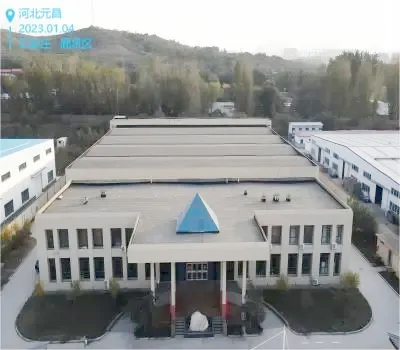
Our state-of-the-art machining workshop.

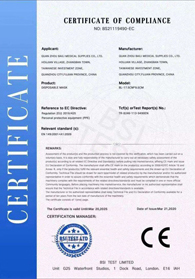
Commitment to quality standards.
Our in-house machining capabilities, including advanced Japanese Mazak CNC centers, allow us to produce high-precision components that meet demanding specifications. This self-sufficiency translates into consistent quality and dependable performance for our clients worldwide.
Our Strengths:
- 40 Years of Industry Experience (since 1986)
- Over 14,000 sq. meters of production facility
- 80-100 Skilled Employees
- Advanced In-house Machining: 20+ Sets of Precision Machinery including CNC Centers
- Independent Production of High-Precision Parts
- Traceable After-Sales Management System
- Expertise in Complete Production Lines
Whether you're looking for advanced meat processing equipment or understanding the ancillary technologies that enhance them, Hebei Yuanchang is equipped to provide solutions.
Ready to Optimize Your Production?
Let's discuss how our integrated solutions can benefit your operations.
Get Factory Pricing Request a CatalogFrequently Asked Questions (FAQ)
Q1: What is the primary function of a vacuum pump in meat processing?
In meat processing, vacuum pumps are crucial for removing air from meat emulsions before filling into casings or molds. This prevents voids, improves product density and texture, enhances shelf life by reducing oxidation, and creates a more visually appealing product. It's a key step for producing high-quality sausages and formed meat products.
Q2: Can I use a standard industrial vacuum pump for food applications?
vacuum pump types and applications type of vacuum pumps vacuum pumping
It depends on the pump type and its design. Oil-sealed rotary vane pumps, for example, can introduce oil mist into the product stream, which is generally not acceptable for food processing. For food applications, look for oil-free pumps (like diaphragm pumps) or pumps specifically designed and certified for food-grade use (e.g., using food-grade lubricants or dry running designs). Hygienic design and easy cleanability are also critical.
Q3: What is the difference between a vacuum pump and a compressor?
They are essentially opposite in function. A vacuum pump removes gas from a sealed volume to create a low-pressure area (a vacuum). A compressor takes in gas and increases its pressure, storing it for later use.
Q4: How do I determine the correct vacuum pump size for my application?
Sizing depends on two primary factors: the required vacuum level (e.g., millibar or Torr) and the volume of gas that needs to be removed per unit of time (flow rate, often in m³/h or L/min). You also need to account for any gas load from leaks or outgassing. Consulting with a pump manufacturer or experienced engineer is highly recommended for accurate sizing.
Real-World Feedback from Our Clients
"The vacuum system integrated into their sausage stuffer has been a game-changer for us. The uniformity of our products is now excellent, and we've seen a noticeable reduction in spoilage due to trapped air. Yuanchang's support team was very knowledgeable."
- David Chen, Operations Manager, Premium Meats Co.

"We needed a reliable OEM solution for our pet food production line. Hebei Yuanchang delivered. The vacuum assist in the filling process ensures our kibble density is consistent, which is critical for product quality and packaging volume. Their customizability options were a big plus."
- Maria Rodriguez, Procurement Lead, Happy Paws Pet Foods

"The technical consultation from Yuanchang's team helped us select the right vacuum configuration for our new ripening tumblers. The improved product consistency and extended shelf life have directly boosted our sales of cured meats."
- Kenji Tanaka, Production Engineer, Artisan Delicatessen

Elevate Your Manufacturing Processes with Expert Vacuum Solutions
Whether you're in food processing, manufacturing, or any industry requiring precise atmospheric control, understanding vacuum pump applications is vital. Let Hebei Yuanchang's decades of experience and commitment to quality empower your production lines.
Trust & Transparency: Direct from Our Team



We believe in open communication and providing clear, actionable information to our partners. Here are snippets of our direct conversations with clients.