Valves For Vacuum Application
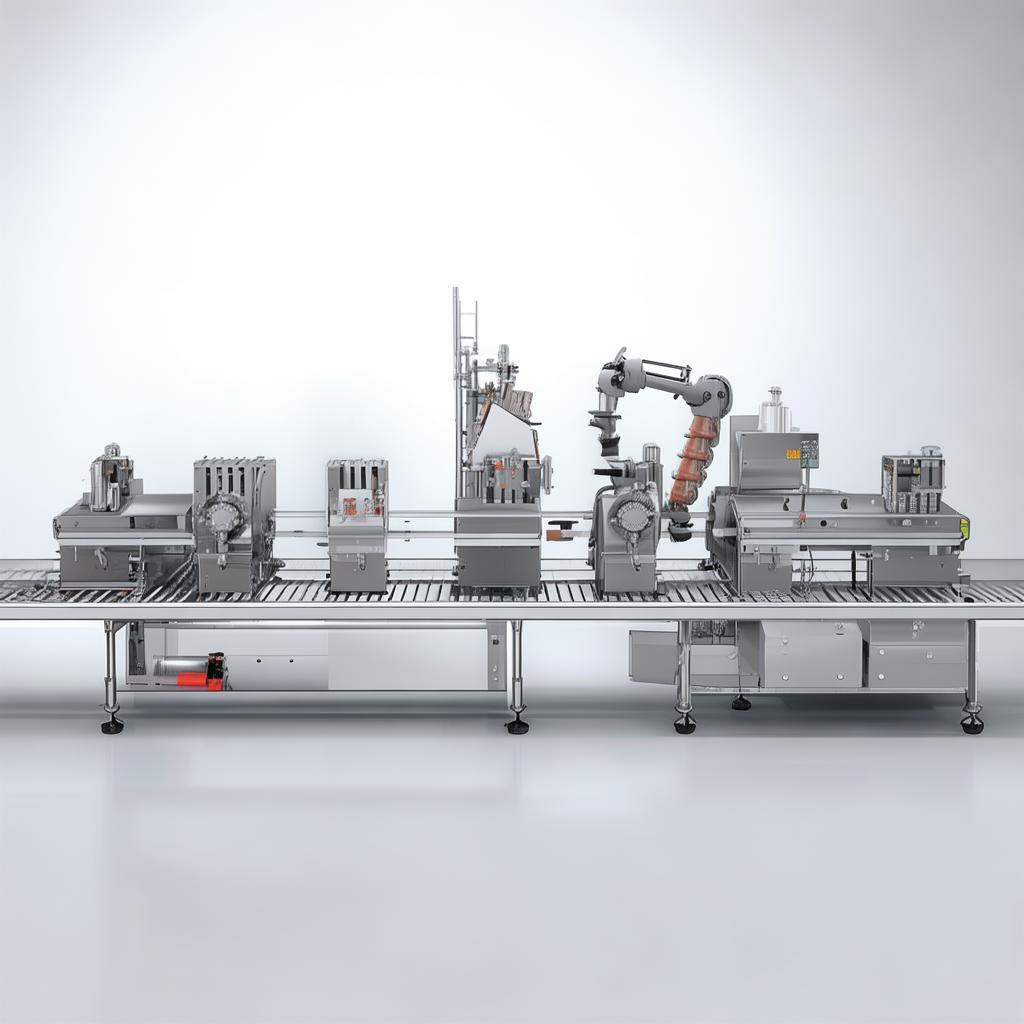
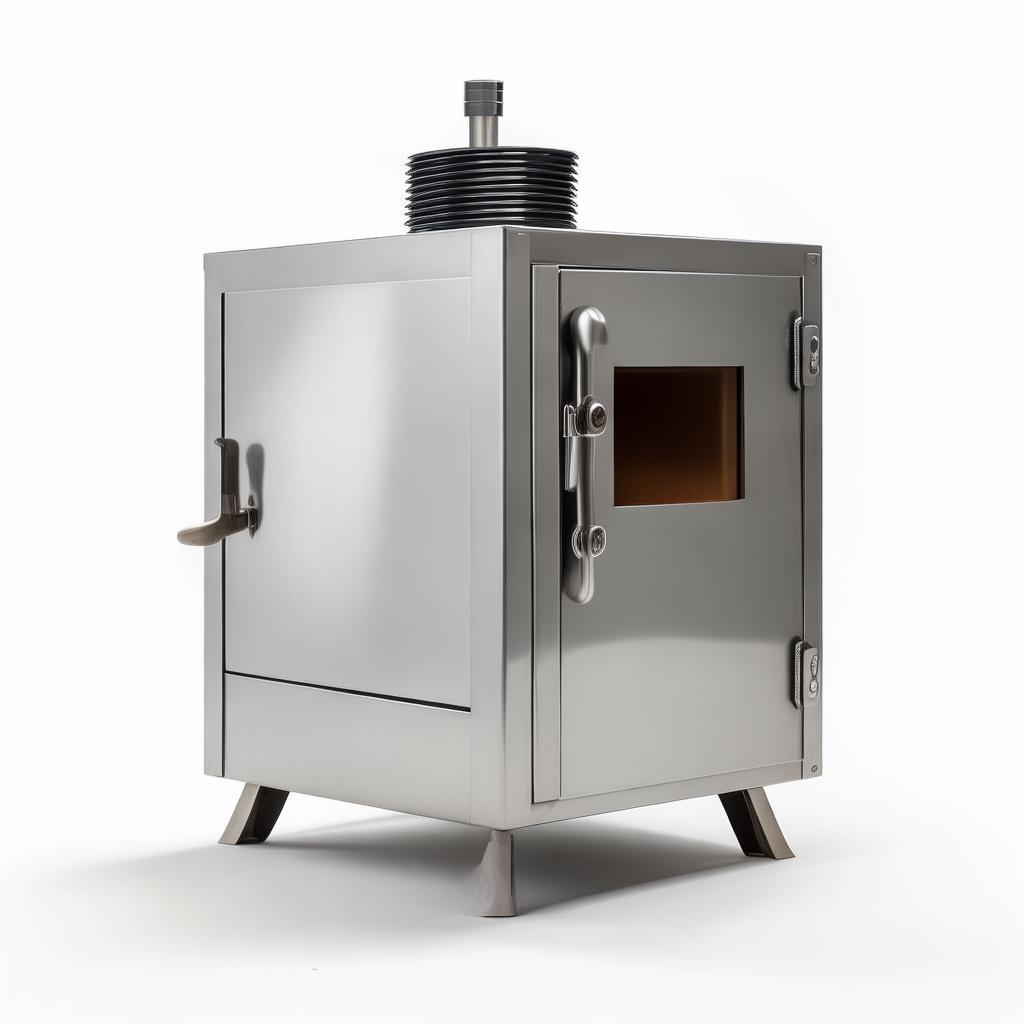
Precision Vacuum Valves: Ensuring Process Integrity for Demanding Industrial Applications
Engineered for Excellence in Vacuum Systems

By Alex Chen, Senior Industrial Applications Engineer
October 26, 2023
The Critical Role of Vacuum Valves
In the intricate world of industrial processes, maintaining a stable and reliable vacuum environment is not merely a feature—it's fundamental. From semiconductor fabrication and advanced materials research to food packaging and aerospace testing, precise control over pressure is paramount. At the heart of these systems lie vacuum valves. These aren't your typical industrial gate valves; they are precision instruments designed to manage gas flow into, out of, or within a vacuum chamber with unparalleled accuracy and leak-tight integrity. The right vacuum valve can mean the difference between a perfectly executed process and costly failure, product rejection, or even safety hazards. Understanding their function, types, and selecting the appropriate one for a specific application is crucial for engineers, procurement specialists, and operations managers alike.
Our commitment at Hebei Yuanchang is to provide robust, high-performance vacuum valves that meet the exacting demands of international industries. We recognize that a vacuum system is only as strong as its weakest link, and faulty or improperly selected valves can lead to significant operational issues. These issues can range from reduced process efficiency and inconsistent product quality to prolonged cycle times and increased energy consumption. For instance, in vacuum coating processes, even minute leaks can compromise the uniformity and adhesion of deposited layers, leading to a batch of sub-standard components. Similarly, in scientific research, maintaining ultra-high vacuum (UHV) conditions requires valves that can withstand extreme temperatures, corrosive environments, and offer exceptionally low outgassing rates.
The global market for processing equipment, including specialized components like vacuum valves, is substantial and growing. Reports indicate the global meat processing equipment market alone was valued at over USD 11 billion in 2024 and is projected to exceed USD 15 billion by 2030, driven by demand for processed foods and automation. (Source: Grand View Research). While this specific market may seem distant, it underscores a broader trend: increased automation, higher quality standards, and the need for reliable, specialized machinery across diverse industrial sectors. Vacuum technology is a cornerstone in many of these advanced manufacturing domains, from the precise molding and filling processes in specialized food production (e.g., vacuum-packed items) to critical pretreatment stages in advanced materials. The demand for leak-tightness, minimal contamination, and precise control—all areas where vacuum valves excel—is a universal constant.
Choosing the correct valve involves a deep dive into operational parameters. Is the application High Vacuum (HV), Ultra-High Vacuum (UHV), or Low Vacuum? What are the operating temperatures, the nature of the gases being handled (corrosive, clean, particle-laden), and the required sealing mechanism (metal seal, elastomer seal)? What actuation method is preferred—manual, pneumatic, or electric? These aren't trivial questions; they dictate material selection, sealing technology, port types, and valve design. A valve designed for HV might not perform adequately in UHV due to outgassing issues, while an elastomer-sealed valve might be unsuitable for high-temperature processes. This detailed understanding is where our experience as manufacturers and suppliers truly adds value to our clients. We don't just sell valves; we help engineer solutions.
Consider the lifecycle of a vacuum system. It involves initial setup, routine operation, periodic maintenance, and eventual upgrades. Each phase presents opportunities for cost savings or unexpected expenses. Investing in a high-quality vacuum valve from the outset, even if the initial cost is slightly higher, often translates to significant savings over time through reduced downtime, lower maintenance requirements, and improved process yields. The failure of a single valve can cascade into system-wide issues, impacting production schedules and potentially damaging expensive vacuum pumps or sensitive process equipment. This perspective is vital for procurement managers focused on total cost of ownership (TCO) rather than just the upfront purchase price.
Furthermore, the global supply chain for industrial components is complex. Sourcing reliable vacuum valves requires due diligence. Factors like lead times, manufacturing capacity, quality control protocols, and after-sales support are critical. A vendor who can provide consistent quality, communicate effectively regarding production schedules, and offer prompt technical assistance is invaluable. Our long history (since 1986) and extensive manufacturing capabilities, including in-house CNC machining, allow us to maintain rigorous quality control from raw material to finished product, ensuring timely delivery and dependable performance for our international clientele. This integrated approach minimizes supply chain risks and ensures we can meet demanding specifications.
The strategic importance of vacuum valves extends to compliance and safety. In certain regulated industries, such as pharmaceuticals or food processing, the materials used in vacuum systems and their sealing integrity must meet specific standards (e.g., FDA compliance for seals in food contact applications). Even in less regulated sectors, ensuring leak-tight operation is a safety imperative, preventing the ingress of atmospheric contaminants into sensitive processes or the uncontrolled release of hazardous gases. Our valve range is designed with these considerations in mind, offering materials and configurations suitable for a wide array of regulatory environments and safety protocols.
This page aims to provide a comprehensive overview of vacuum valves, detailing their functionality, the critical factors in their selection, and the advanced solutions we offer. Whether you are involved in the design of new vacuum systems, the maintenance of existing ones, or the procurement of critical components, our goal is to equip you with the knowledge to make informed decisions. We understand the nuanced requirements of international B2B trade, the precision needed in OEM/ODM manufacturing, and the reliability expected from enterprise-level solutions. Let's delve into how selecting the right vacuum valve can elevate your process performance.
Common Challenges in Vacuum Systems (And How Our Valves Address Them)
-
Inconsistent Vacuum Levels: Fluctuations in vacuum pressure can ruin delicate processes.
Our Solution: Precision-engineered valve seats and sealing mechanisms ensure minimal leakage, providing stable, reliable vacuum integrity. Advanced actuator control offers fine-tuned regulation.
-
Contamination and Outgassing: Material outgassing can introduce impurities into a high-purity vacuum environment, compromising sensitive applications.
Our Solution: We utilize low-outgassing materials like stainless steel and select appropriate seal materials (e.g., Viton®, Kalrez®) to minimize contamination. Surface finishes are optimized for cleanliness.
-
Slow Pumping Speeds or Poor Throughput: Undersized or inefficient valves restrict gas flow, significantly increasing pump-down times.
Our Solution: Our valves feature high conductance designs and generous port sizes, facilitating rapid gas transfer and reducing cycle times. We offer various valve types (e.g., gate, angle, ball) to match flow requirements.
-
Mechanical Wear and Premature Failure: Frequent actuations or abrasive environments can lead to valve wear, causing leaks and operational disruptions.
Our Solution: Robust construction, high-quality materials, and precision manufacturing ensure longevity. We specify high-cycle life actuators and durable sealing surfaces for extended operational periods.
-
Integration Complexities: Connecting valves to existing vacuum systems or automation controls can be challenging.
Our Solution: We offer a range of standard flange configurations (ISO-KF, ISO-CF, ANSI) and custom solutions, alongside pneumatic or electric actuators compatible with common control systems. Our team provides technical consultation for seamless integration.
-
Corrosive or High-Temperature Media: Standard materials may degrade rapidly when exposed to aggressive gases or elevated temperatures.
Our Solution: We offer specialized alloys (e.g., Hastelloy, Monel) and high-temperature resistant sealants, alongside robust construction for demanding environments. Each application is reviewed for material compatibility.
Engineered for Peak Performance: Our Vacuum Valve Solutions
Our comprehensive range of vacuum valves is designed to address the multifaceted needs of industrial vacuum applications. We leverage decades of manufacturing experience and a deep understanding of material science to deliver components that offer reliability, precision, and longevity.
Superior Sealing Technology
Utilizing advanced sealing methods, including high-integrity metal seals for UHV applications and resilient elastomer seals (like Viton®, EPDM, and Kalrez®) for HV and clean processes, our valves ensure minimal leakage rates (often well below 10-8 mbar L/s). This is critical for maintaining process stability and purity.
Robust Construction & Materials
Constructed from high-grade materials such as 304/316L stainless steel as standard, with options for exotic alloys and specialized surface treatments, our valves are built to withstand harsh industrial environments, corrosive gases, and extreme temperatures. Our in-house machining ensures tight tolerances and material traceability.
Wide Range of Actuation Options
We provide versatile actuation solutions including manual handwheels, pneumatic actuators (single or double acting), and electric actuators. This flexibility allows seamless integration into automated systems, offering precise control and remote operation capabilities.
High Conductance Design
Optimized internal flow paths and generous port sizing minimize flow restriction, leading to faster pump-down times and improved process throughput. This is crucial for applications where cycle time is a critical factor.
Beyond these core advantages, each valve type is engineered for specific operational requirements. Our Gate Valves offer excellent sealing and full port opening for minimal restriction, ideal for isolation. Angle Valves and Inline Valves provide precise flow control, suitable for throttling applications. Check Valves ensure unidirectional flow, preventing backflow. For UHV applications, our metal-sealed valves are designed for maximum purity and minimal virtual leaks.
The global demand for advanced processing equipment is undeniable. Market reports consistently highlight growth in sectors requiring high-precision control, including specialized food processing and material science. (e.g., The global meat processing equipment market is projected to reach USD 15.04 billion by 2030, with key segments including filling, massaging, and cutting machines – Grand View Research). While our primary focus is on vacuum technology, this trend towards precision, automation, and specialized equipment is a strong indicator of the market's direction across many industrial verticals. Our vacuum valves are critical enablers for many of these advanced processes, ensuring the controlled environments necessary for quality and efficiency.
Comprehensive Technical Specifications
Understanding the detailed specifications of a vacuum valve is crucial for proper system design and performance. Below is a representative table outlining key parameters. Exact specifications vary by model and configuration.
| Parameter | Specification Range / Description | Notes / Implications |
|---|---|---|
| Valve Type | Gate Valve, Angle Valve, Inline Valve, Ball Valve, Check Valve | Determines sealing, flow control, and isolation capabilities. |
| Flange Type | ISO-KF, ISO-CF, NW, Conflat, ANSI/ASME, Custom | Ensures compatibility with system components and vacuum standards. |
| Body Material | Stainless Steel (304, 316L), Aluminum, Exotic Alloys (Hastelloy, Monel) | Corrosion resistance, cleanliness, and operating temperature range. |
| Seal Material | Viton®, EPDM, Kalrez®, PTFE, Metal Seals (e.g., Copper, Aluminum) | Critical for leak tightness, outgassing, and chemical compatibility. Temperature limits apply. |
| Operating Pressure Range | Atmospheric to UHV (< 10-10 mbar) | Defines application suitability (Low, High, Ultra-High Vacuum). |
| Actuation Method | Manual, Pneumatic (Single/Double Acting), Electric (Solenoid, Motorized) | Automation compatibility, speed of operation, fail-safe features. |
| Operating Temperature | -20°C to +200°C (Standard); Higher options available | Seal compatibility and material expansion/contraction are key. |
| Conductance (Cv / K) | Variable, optimized by design | Impacts pump-down time and gas throughput. |
| Leak Rate | Typically < 10-9 mbar L/s (HV); < 10-10 mbar L/s (UHV) | Direct measure of sealing integrity. |
| Cycle Life | 100,000 to 1,000,000+ cycles | Durability and long-term reliability. |
one way vacuum valve industrial vacuum valves Air vacuum valve
Selecting the correct specifications ensures optimal performance and longevity. For critical applications, consulting with our engineering team is highly recommended to pinpoint the ideal valve configuration.
Where Precision Matters: Key Applications
Our vacuum valves are integral components in a wide array of demanding industrial and scientific applications where precise pressure control is non-negotiable.
Semiconductor Manufacturing
Critical for vacuum deposition, etching, and ion implantation processes where atmospheric contamination can ruin delicate microelectronic circuits. Requires ultra-high purity and low outgassing.
Scientific Research & Development
Used in particle accelerators, mass spectrometers, electron microscopes, and vacuum chambers for materials science experiments. High vacuum integrity and chemical resistance are paramount.
Aerospace & Defense
Applications include vacuum testing of components, space simulation chambers, and thin-film coating for optical instruments. Reliability under extreme conditions is key.
Food & Beverage Packaging
Vacuum sealing extends shelf life by removing air. Valves control gas injection (e.g., nitrogen flush) or maintain vacuum during packaging processes, ensuring product freshness and integrity. (Related to specialized pretreatment and filling equipment trends).
Medical Devices & Pharmaceuticals
Vacuum sterilization, freeze-drying (lyophilization), and controlled atmosphere packaging of sensitive drugs and medical supplies rely on precise vacuum control. Purity and seal integrity are critical.
Industrial Coating & Thin Film Deposition
Vacuum is essential for processes like PVD (Physical Vapor Deposition) and CVD (Chemical Vapor Deposition) to create protective or functional coatings on various substrates. Low leak rates are vital for process quality.
HVAC & Refrigeration Systems
Evacuation of systems before charging with refrigerant removes air and moisture, preventing system damage and ensuring efficiency. Valves control the evacuation process effectively.
Material Science in Vacuum Valve Design
The choice of materials for vacuum valves is directly linked to performance, longevity, and suitability for specific environments. It's not an area where compromise is advisable.
Body Materials
Stainless Steel (304, 316L): This is our standard offering, providing excellent corrosion resistance, mechanical strength, and relatively low outgassing for most High Vacuum (HV) and many Ultra-High Vacuum (UHV) applications. 316L offers superior corrosion resistance due to its molybdenum content, making it ideal for slightly more aggressive environments.
Aluminum Alloys: Used in certain applications where weight is a concern or specific non-magnetic properties are needed. However, aluminum can be more susceptible to corrosion and wear than stainless steel.
Exotic Alloys (Hastelloy, Monel, Titanium): For highly corrosive gases or extreme temperature applications where standard stainless steel would degrade, these specialized alloys offer superior chemical resistance and thermal stability. These are typically custom-ordered solutions.
Seal Materials
Elastomers (Viton®, EPDM, Nitrile, Kalrez®): Commonly used for O-rings and seals in HV applications.
- Viton® (FKM): Excellent resistance to a broad range of chemicals and temperatures, common for general vacuum sealing.
- EPDM: Good for steam and certain polar solvents, but generally less suitable for hydrocarbon-based vacuum oils.
- Kalrez® (FFKM): Offers exceptional chemical resistance, approaching that of PTFE, and higher temperature capability than Viton®, making it suitable for demanding UHV and corrosive environments where elastomers are still preferred. It has very low outgassing.
Metal Seals (Copper, Aluminum, Gold Plated): Essential for UHV applications where minimal outgassing and maximum purity are required. These seals typically require specific flange designs (e.g., Conflat) and are compressed to create a permanent, leak-tight bond. They are not designed for frequent cycling.
Our engineering team can advise on the optimal material combination based on your specific operating conditions, helping to avoid costly material failures and ensuring process integrity.
Installation, Operation, and Maintenance Best Practices
Proper installation and routine maintenance are critical for maximizing the lifespan and performance of any vacuum valve. Neglecting these aspects can lead to premature failure and system inefficiencies.
Installation Considerations
- Cleanliness: Always ensure valves, flanges, and sealing surfaces are scrupulously clean before assembly. Use lint-free wipes and appropriate cleaning agents. Avoid introducing particulate matter into the vacuum system.
- Seal Installation: For O-rings, apply a thin, even layer of compatible vacuum grease (if recommended for the application) to aid installation and sealing. Ensure the O-ring is properly seated and not twisted. For metal seals, follow specific flange assembly procedures meticulously.
- Mounting Orientation: While most valves can be mounted in any orientation, some designs may have preferred positions for optimal performance or drainage. Consult the valve's documentation.
- Pneumatic/Electric Actuators: Ensure pneumatic lines are clean and dry. Connect electrical signals according to the wiring diagram, paying attention to voltage and current requirements.
- Leak Checking: After installation, perform a thorough leak check of the entire system, including the valve body and all connections. Helium leak detection is standard for critical UHV applications.
Operation & Maintenance
- Actuation Limits: Avoid over-tightening manual valves or exceeding actuator travel limits.
- Seal Inspection: Periodically inspect elastomer seals for signs of wear, cracking, or degradation. For critical systems, scheduled seal replacement based on operational hours or system performance is advisable.
- Lubrication: Actuator mechanisms and sometimes valve stems may require periodic lubrication with vacuum-compatible greases. Refer to manufacturer recommendations.
- Cleaning: If process byproducts build up on valve internals, cleaning may be necessary. This should be done with appropriate solvents and in a clean environment to avoid contamination.
- Calibration: For valves used in critical flow control or pressure regulation, periodic calibration may be required to maintain accuracy.
Implementing a proactive maintenance schedule not only prevents costly failures but also ensures your vacuum systems operate at peak efficiency, contributing to overall production quality and output.
Navigating Procurement: What Buyers Need to Know
Sourcing vacuum valves for industrial applications involves more than just comparing prices. A strategic procurement approach can mitigate risks and ensure you receive the best value and performance.
Key Procurement Factors
- Technical Specification Alignment: Ensure the supplier's valve specifications precisely match your application requirements (pressure, temperature, media, flow rate, port size, flange type). Misalignment here is the most common cause of performance issues.
- Material Traceability & Certification: For regulated industries or high-purity applications, request material certifications (e.g., material test reports - MTRs) and compliance documentation. This verifies the quality and origin of materials used.
- Supplier Experience & Reputation: Look for suppliers with a proven track record in vacuum technology and international trade. References, case studies, and industry certifications (like ISO) can indicate reliability.
- Lead Times & Logistics: Understand the supplier's manufacturing capacity and typical lead times. Coordinate shipping and customs clearance effectively for international orders. Our 40 years of experience ensure we manage these complexities efficiently.
- After-Sales Support & Warranty: Inquire about warranty terms and the availability of technical support or spare parts. A responsive supplier is crucial for ongoing operational continuity.
- Customization Capabilities (OEM/ODM): If standard products don't meet your exact needs, assess the supplier's ability to provide custom designs or modifications. Our CNC machining capabilities enable us to produce high-precision, non-standard components.
By considering these factors, procurement professionals can secure reliable vacuum valve solutions that optimize system performance, minimize total cost of ownership, and support long-term operational goals.
Our Manufacturing Advantage: Hebei Yuanchang Expertise
At Hebei Yuanchang Food Mechanism & Technology Co., Ltd., our 40 years of manufacturing experience (since 1986) forms the bedrock of our commitment to quality and precision. While our name reflects our historical roots in food processing machinery, our advanced machining capabilities have positioned us as a reliable supplier of high-precision components, including vacuum valves, for diverse international industries.
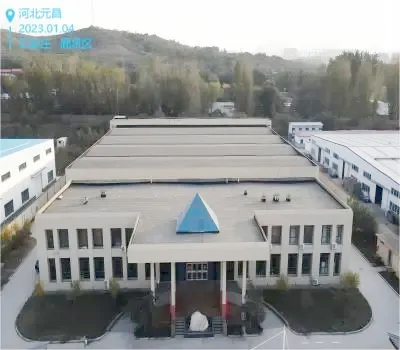
Our modern machining workshop equipped for precision manufacturing.
State-of-the-Art Machining
Our facility spans approximately 14,000 square meters and is equipped with over 20 sets of advanced processing machinery. This includes lathes, milling machines, high-precision grinding machines, boring machines, and wire cutting equipment. The strategic integration of 8 Japanese Mazak CNC machining centers since 2012 allows us to undertake the production of high-standard components requiring large volumes, exceptional precision, and non-standard specifications – precisely what is needed for critical vacuum valve components.
Integrated R&D, Production, and Sales
Our structure allows for seamless integration from design and R&D through to production and sales. This means we can offer tailored solutions, rapid prototyping, and ensure quality control at every stage. Our team of 80-100 skilled professionals brings a wealth of experience to every project.
Our commitment to technological advancement and continuous improvement ensures that our vacuum valves meet the evolving demands of the global market. This robust manufacturing capability allows us to offer competitive pricing, reliable lead times, and the flexibility for OEM/ODM partnerships.
Commitment to Quality: Certifications and Standards
Quality assurance and adherence to international standards are fundamental to our operations. We ensure our products meet rigorous requirements to provide reliability and trust to our global customers.
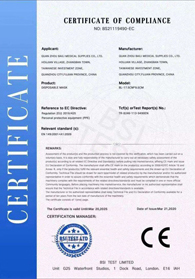
Our manufacturing processes adhere to strict quality management systems, typically aligned with ISO 9001 standards, ensuring consistency and traceability. Many of our products are designed to meet CE marking requirements for European market access, and we pay close attention to materials compliance, such as RoHS directives for hazardous substances. For specific applications, we can accommodate custom certifications or material compliance requirements, including industry-specific standards.
What Our Clients Say
Real-world feedback from our partners highlights the practical benefits of integrating our vacuum valves into their operations.
"We were struggling with inconsistent vacuum levels in our R&D chamber. The gate valves from Hebei Yuanchang provided the precise shut-off and leak tightness we needed. Pump-down times have reduced significantly, and experiments are far more repeatable now. The team was very knowledgeable in helping us select the right model."

Dr. Anya Sharma
Lead Research Scientist, Quantum Dynamics Lab
"As a contract manufacturer for advanced packaging, we require extremely reliable components. Hebei Yuanchang's vacuum valves consistently meet our stringent leak-rate requirements. Their ability to provide documentation for material traceability was a key factor in our selection process. We've experienced minimal downtime since switching to their valves."

Mark Jenkins
Operations Manager, Precision Pack Solutions
"We needed robust angle valves for process gas flow control in our coating machines. The custom modifications and quick turnaround from Hebei Yuanchang were impressive. The valves are performing flawlessly, even with the corrosive gases we use. Great export support too."

Sofia Rodriguez
Purchasing Director, Advanced Surface Technologies
Frequently Asked Questions
Q: What is the typical lead time for your vacuum valves?
A: Lead times can vary based on order volume and customization requirements. Standard configurations are often available with shorter lead times, typically ranging from 4-8 weeks. For custom orders or large quantities, we provide estimated lead times upon quoting. Our integrated manufacturing helps us maintain competitive delivery schedules.
Q: Can you provide valves with custom flange configurations?
A: Absolutely. We specialize in custom solutions. Beyond standard ISO-KF, ISO-CF, and ANSI flanges, we can manufacture valves with specific or non-standard flange dimensions to match your existing system interfaces.
Q: What is the difference between HV and UHV valves?
A: The primary difference lies in their sealing technology and material choice, aimed at achieving lower leak rates and outgassing for UHV. UHV valves typically use metal seals (like copper or aluminum) and highly purified materials with minimal surface area for outgassing, aiming for leak rates below 10-10 mbar L/s. HV valves often use elastomer seals (like Viton®) and are suitable for pressures down to 10-9 mbar or 10-8 mbar.
Q: Do your valves come with warranties?
A: Yes, all our products are backed by a comprehensive warranty against manufacturing defects. Specific warranty periods and terms are detailed in our product documentation and sales agreements.
Q: How do I select the correct valve for my application?
A: We highly recommend consulting our technical team. Key factors include: operating pressure range (HV, UHV), process gas type and temperature, required flow rate/conductance, actuation method, and connection type. Providing us with these details allows us to recommend the most suitable valve.
Trusted Interactions



Real customer inquiries handled by our expert team.
Elevate Your Vacuum System Performance
Ready to ensure process integrity, reduce downtime, and optimize your vacuum applications with precision-engineered valves?
Let Hebei Yuanchang be your trusted partner for high-performance vacuum solutions.