Vacuum Pressure Transducer

Precision Vacuum Pressure Transducers: Your Partner in Critical Measurement
Empowering Industrial Processes with Unwavering Accuracy and Reliability


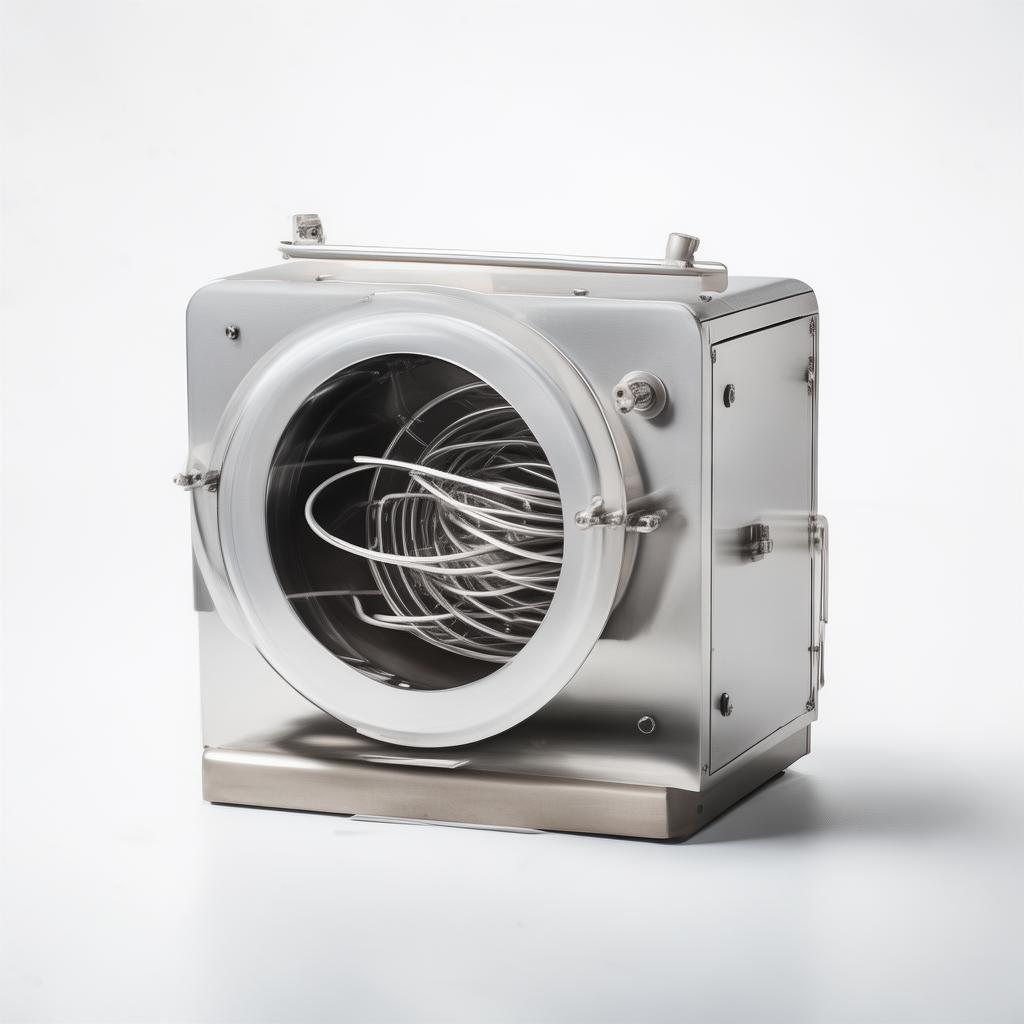
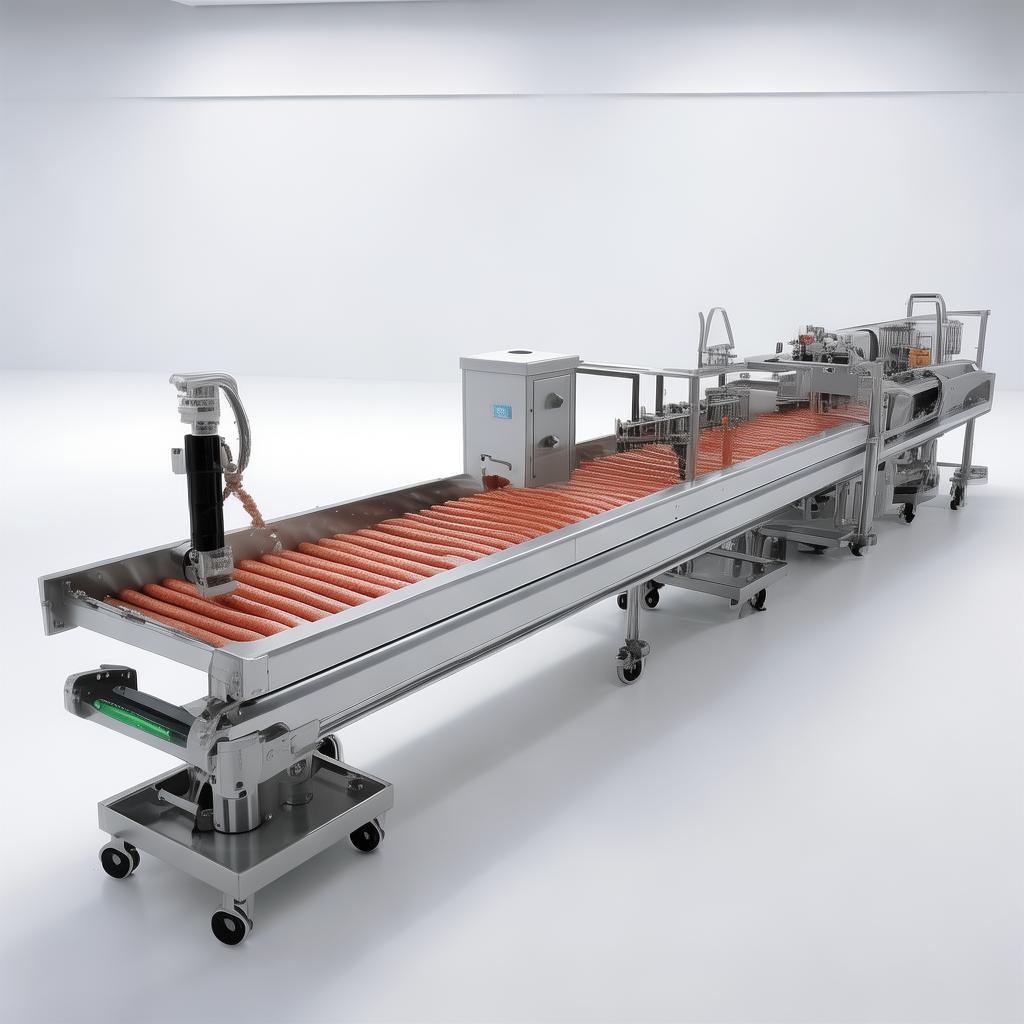
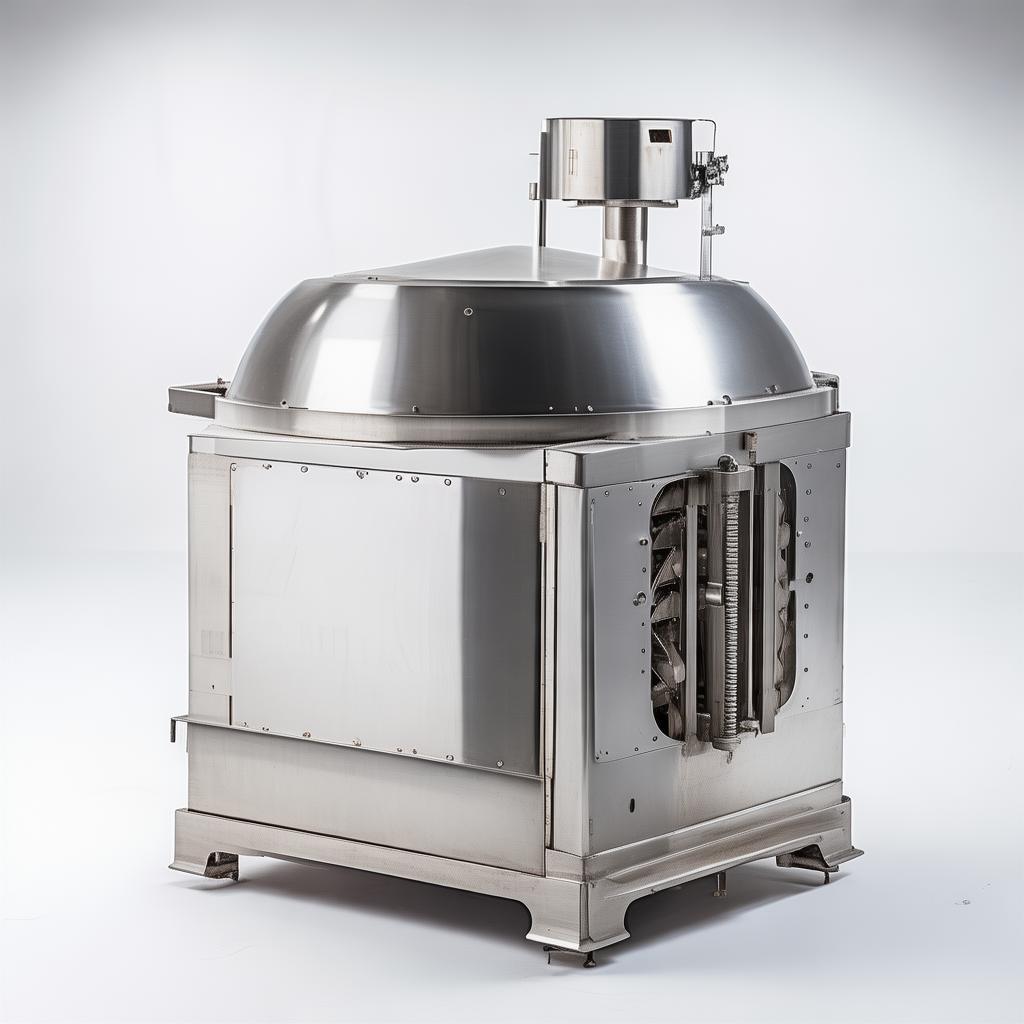
Our advanced manufacturing hub, ensuring quality from raw material to final product.
Navigating the Nuances of Vacuum Measurement
In countless industrial applications, the precise control and monitoring of vacuum pressure aren't just beneficial—they're foundational to product quality, process efficiency, and operational safety. From the delicate balance required in semiconductor fabrication to the rigorous standards in pharmaceutical manufacturing, or the controlled atmospheres in food packaging, any deviation can lead to costly rejects, system failures, or compromised integrity. This is where a high-quality vacuum pressure transducer becomes an indispensable tool. It's more than just a sensor; it's the eyes and ears of your process, translating subtle atmospheric changes into actionable data.
The challenge lies in selecting a transducer that not only meets the raw accuracy requirements but also thrives in the often-harsh environments common in manufacturing. Factors like chemical compatibility, temperature extremes, vibration resistance, and long-term stability are critical. A misplaced specification here, a material incompatibility there, and you're not just looking at a faulty reading—you're risking downtime, product recalls, and reputational damage. We understand these pressures because we've been engineering solutions for them for decades.
This landing page isn't about selling you a generic component. It's about demonstrating how our specialized vacuum pressure transducers, backed by 40 years of manufacturing expertise and a deep understanding of industrial needs, can provide the stable, reliable, and accurate vacuum measurement your critical processes demand. We focus on delivering not just a product, but a performance assurance, helping you maintain tighter process control, reduce waste, and ultimately, improve your bottom line.
Whether you're designing a new automated system, upgrading existing infrastructure, or seeking to overcome persistent measurement challenges, understanding the core functionality, application suitability, and supplier reliability is paramount. We'll walk you through what makes a truly effective vacuum pressure transducer, the key technical considerations that often get overlooked, and why partnering with a manufacturer with a proven track record—like Hebei Yuanchang—makes a tangible difference in operational outcomes. This deep dive is intended to equip you with the knowledge to make an informed decision, ensuring your investment in vacuum measurement technology pays dividends.
The global market for meat processing equipment, for instance, is substantial and growing, with projections indicating continued expansion driven by demand for processed meats and automation. The meat processing equipment market was valued at USD 11.29 billion in 2025 and is projected to reach USD 17.39 billion by 2034, with key segments including filling and stuffing equipment. While seemingly unrelated, the underlying principle of precise process control using advanced sensors like vacuum pressure transducers is universal. Maintaining specific atmospheric conditions for ripening, smoking, or packaging directly impacts quality and shelf-life. This is why meticulous attention to detail in sensor technology is non-negotiable, regardless of the specific industry.
Similarly, in the broader context of food processing machinery, which includes meat applications, the market is robust. Reports suggest the food and beverage processing equipment market is slated for significant growth. Within this, precise control of vacuum levels is critical for techniques like vacuum tumbling, which aids in marination and ripening, or for creating controlled atmospheres that extend the freshness of packaged goods. The accuracy and reliability of vacuum pressure transducers directly influence the effectiveness and consistency of these vital processing steps.
Beyond food, industries like pharmaceuticals, medical devices, and advanced materials rely on vacuum technology for everything from sterile packaging and lyophilization to outgassing processes. The precision required in these fields is often orders of magnitude higher, demanding transducers with exceptional stability and low hysteresis. The meat processing equipment market is projected to reach USD 15.44 billion by 2035 at a CAGR of 5.6%, indicating a broader trend of automation and precision across all food sectors, which naturally extends to the supporting instrumentation.
This emphasis on accuracy and control is not merely a technical preference; it’s a business imperative. When processes rely on vacuum, whether it's for pulling air out of packaging, creating a void for material processing, or maintaining a specific low-pressure environment for sensitive operations, the transducer is the central point of data feedback. A failure or inaccuracy can cascade, impacting downstream processes, product yield, and ultimately, your profitability. Our aim is to ensure you have a reliable partner in this critical aspect of your operation.
We recognize that procurement decisions in the B2B space are multifaceted. They involve not only technical specifications but also considerations of total cost of ownership, supplier reliability, lead times, and after-sales support. That's why we've structured our approach to address these concerns proactively, offering robust solutions designed for longevity and backed by our extensive experience.
On This Page:
- Common Vacuum Measurement Challenges
- Our Vacuum Pressure Transducer Advantage
- Understanding Vacuum Pressure Transducer Technology
- Core Features & Benefits
- Versatile Applications
- Technical Specifications
- Manufacturing Excellence & OEM/ODM
- Procurement Insights & Supplier Trust
- Frequently Asked Questions
- Next Steps: Partner with Precision
The Real-World Hurdles in Vacuum Measurement
Operating with vacuum systems often presents unique, persistent challenges that can impact efficiency and output. It’s rarely as simple as just installing a sensor and expecting perfect readings.
- Inconsistent Process Control: Fluctuations in vacuum levels, even minor ones, can compromise product consistency. Think about batch-to-batch variations in sealed products or inconsistent curing in material processing.
- Sensor Drift & Calibration Issues: Many standard sensors lose accuracy over time due to exposure to process media, temperature cycling, or simple aging. This necessitates frequent, costly recalibration or leads to reliance on inaccurate data.
- Environmental Contamination: Aggressive chemicals, fine particulates, or high humidity can degrade sensor components, leading to premature failure or skewed readings. Selecting the right wetted materials is non-negotiable.
- Limited Dynamic Range: Some applications require monitoring across a wide vacuum spectrum, from near atmospheric pressure down to high vacuum. A transducer with a narrow measurement range can miss critical transitional stages or fail to provide necessary detail.
- Integration Complexity: Ensuring seamless integration with existing PLCs, SCADA systems, or control panels is vital. Signal compatibility, wiring, and physical mounting can all be points of friction if not properly considered upfront.
- Cost of Downtime: A failed transducer in a critical process doesn't just mean a replacement cost. It can halt entire production lines, leading to significant financial losses and missed delivery deadlines.
These aren't theoretical problems; they're daily operational realities for many engineers and plant managers. Addressing them requires more than just a spec sheet; it requires a partner who understands the interplay of these factors.
Engineered for Accuracy: Our Vacuum Pressure Transducer Solution
At Hebei Yuanchang, we engineer vacuum pressure transducers that cut through these challenges. Our designs prioritize robustness, accuracy, and longevity, ensuring your critical vacuum monitoring is always dependable. We combine 40 years of precision machining experience with a forward-thinking approach to sensor technology.
Our transducers leverage advanced sensing elements and robust housing materials, meticulously selected for compatibility with a wide range of industrial media. This focus on material science means you get consistent performance, even in corrosive or high-purity environments.
We understand that "vacuum" isn't a single state. It spans a vast range of pressures. Therefore, our product lines offer tailored solutions, from mild vacuum applications to ultra-high vacuum requirements, ensuring you have the right tool for the job without over-speccing or compromising on crucial data points.
The emphasis on EEAT (Experience, Expertise, Authoritativeness, Trustworthiness) is built into our manufacturing process. From initial design validation through rigorous quality control in our in-house machining workshop—equipped with over 20 sets of advanced machinery, including Japanese Mazak CNC centers—we ensure every unit meets stringent standards. This comprehensive approach minimizes drift and maximizes operational lifespan.
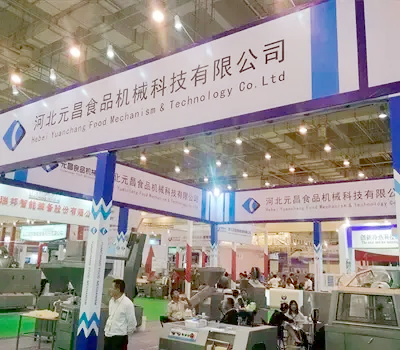
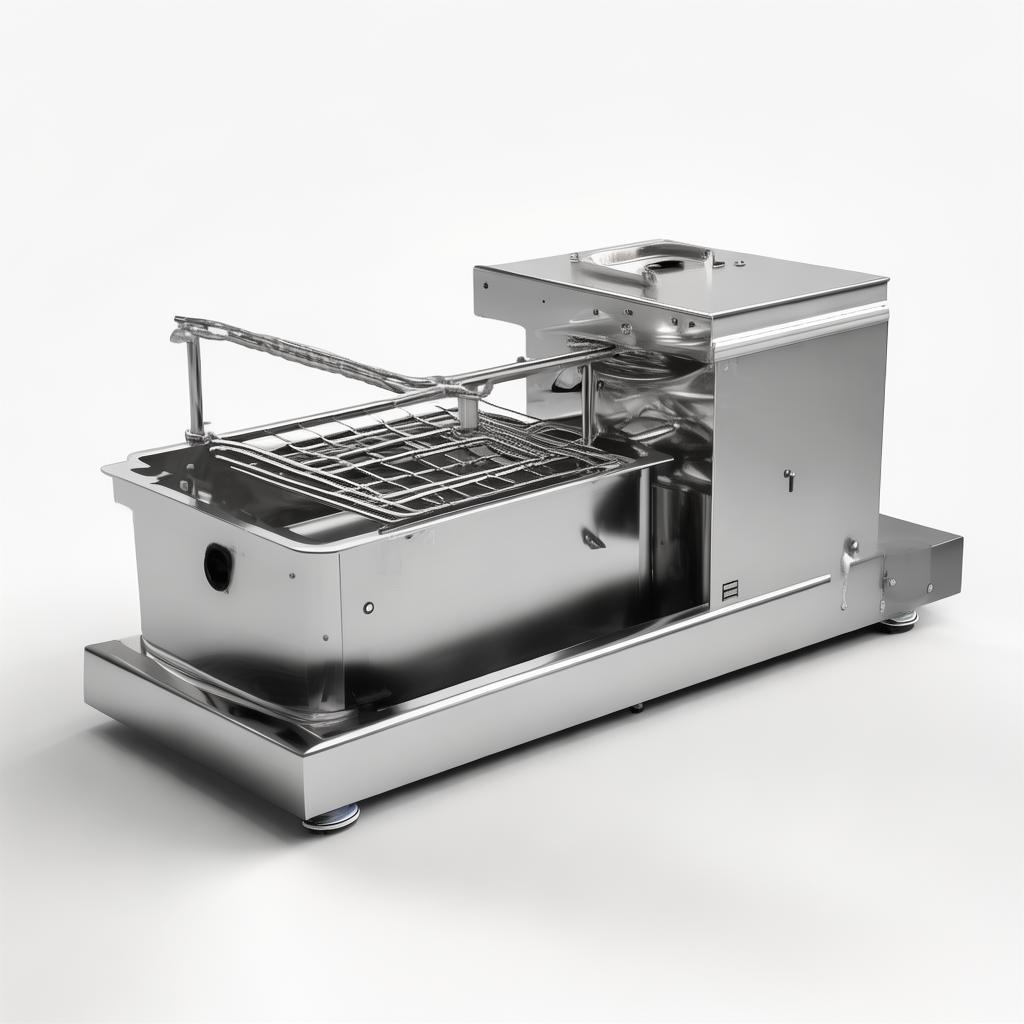
Crafting high-precision components for reliable vacuum measurement.
Deep Dive: How Vacuum Pressure Transducers Work
At its core, a vacuum pressure transducer converts the physical force exerted by a vacuum into an electrical signal. This is typically achieved through a diaphragm that flexes in response to pressure changes. The key is how this flexure is measured and translated.
Common sensing technologies include:
- Piezoresistive: Strain gauges are bonded to a diaphragm. As the diaphragm deflects under vacuum, the resistance of the strain gauges changes, which can be measured and amplified to produce an output signal. This is a widely used, cost-effective technology.
- Capacitive: A fixed plate and a diaphragm form a capacitor. As vacuum changes, the distance between the plates varies, altering the capacitance. Electronic circuitry measures this capacitance change. These are known for their high accuracy and stability, particularly for fine vacuum measurements.
- Thin-Film/Thick-Film: Similar to piezoresistive, but the resistive elements are deposited directly onto the diaphragm. Offers good durability and temperature performance.
The wetted parts—those in direct contact with the vacuum medium—are critical for chemical compatibility and preventing contamination. Common materials include stainless steel (316L is frequent), ceramic, Hastelloy, and even specialized polymers for highly corrosive applications. Ensuring these match your process media is fundamental to avoiding sensor failure and maintaining process integrity.
Our manufacturing process emphasizes selecting the right sensing technology and wetted materials for the intended application. This isn't a one-size-fits-all scenario. For instance, a transducer used in a high-purity semiconductor vacuum chamber will have vastly different material requirements than one used in a general industrial drying oven.
Understanding these technical underpinnings allows us to design and manufacture transducers that offer superior performance, reduced drift, and a longer service life. This directly translates to lower maintenance costs and more reliable operational data for your facility.
Key Features & Why They Matter
When you select a vacuum pressure transducer from Hebei Yuanchang, you're investing in features designed for real-world industrial demands.
- Wide Measurement Ranges: From sub-millibar to atmospheric pressure, our transducers cover extensive vacuum ranges, providing comprehensive monitoring capabilities. Crucial for processes with varying vacuum requirements.
- High Accuracy & Stability: Typically offering ±0.5% FS or better accuracy, with excellent long-term stability and low thermal effects. Reduces calibration frequency and ensures data integrity.
- Robust Construction: Housings made from durable materials like 304 or 316 stainless steel, designed to withstand industrial environments. Resists corrosion and physical damage.
- Versatile Wetted Materials: Options including stainless steel, ceramic, and others to ensure compatibility with a broad spectrum of process gases and liquids. Prevents material degradation and contamination.
- Multiple Output Signals: Available with standard outputs like 0-5V, 4-20mA, or digital interfaces (e.g., I2C, SPI) for easy integration with control systems. Seamless integration into your automation architecture.
- Wide Operating Temperature Range: Designed to perform reliably across typical industrial temperature variations, often from -40°C to +125°C. Consistent performance in challenging thermal conditions.

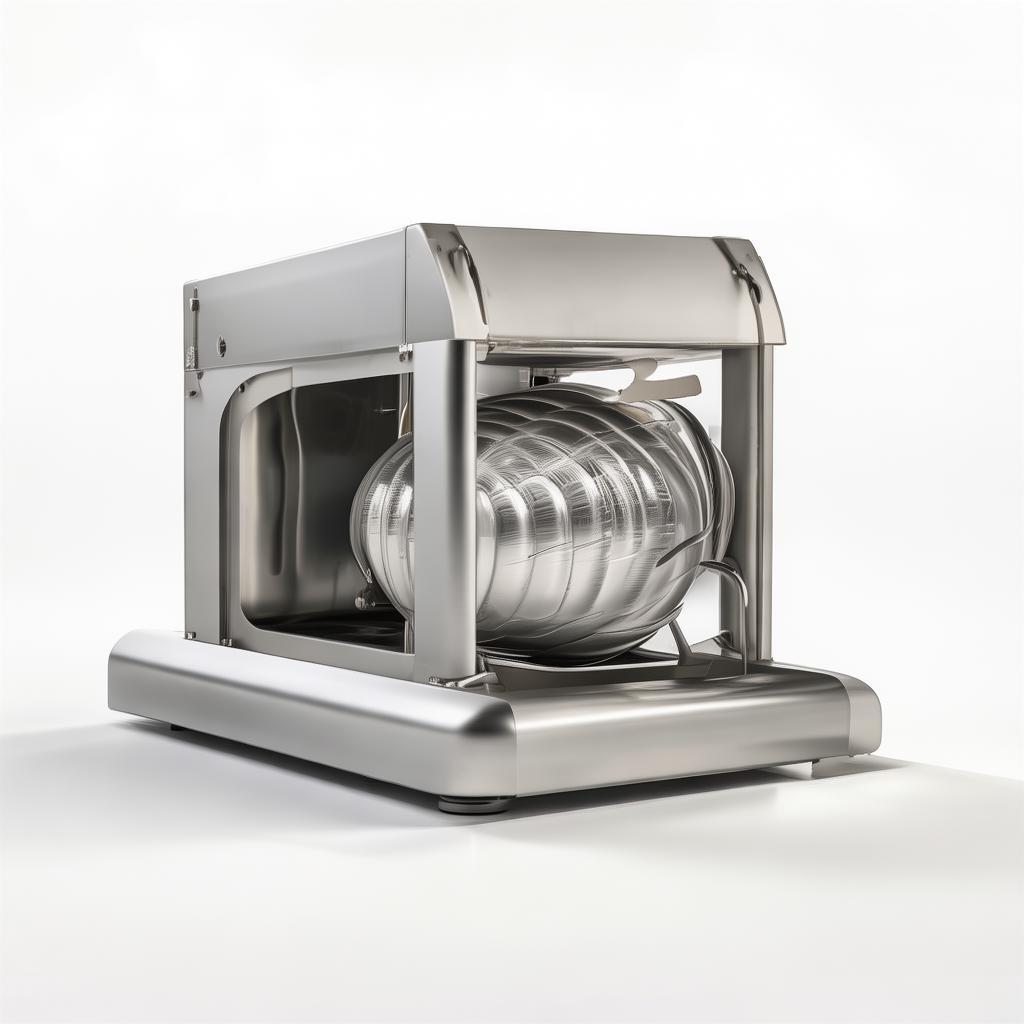
Durability and precision in every unit.
Where Precision Vacuum Measurement Makes a Difference
The applications for reliable vacuum pressure transducers are vast and critical across numerous industrial sectors.
Food & Beverage Processing
- Vacuum packaging for extended shelf life and product preservation.
- Vacuum tumbling and massaging for meat and poultry preparation (e.g., marination, tenderizing).
- Deaeration in dairy and beverage production.
- Controlled atmosphere packaging (CAP) and modified atmosphere packaging (MAP) systems.
Pharmaceutical & Medical
- Lyophilization (freeze-drying) processes for sensitive biologicals and pharmaceuticals.
- Sterile packaging and cleanroom environments.
- Vacuum drying of APIs (Active Pharmaceutical Ingredients).
- Medical device manufacturing and sterilization.
Industrial Manufacturing
- Semiconductor manufacturing (e.g., etching, deposition processes).
- Automotive component production (e.g., vacuum impregnation for porosity sealing).
- Chemical processing and distillation.
- Industrial drying and curing ovens.
- Vacuum forming of plastics and composites.
The need for precise vacuum control spans across these diverse industries, underscoring the importance of a reliable measurement instrument.
Technical Specifications at a Glance
Our standard series offers a solid foundation, with customization options readily available.
| Parameter | Specification | Notes |
|---|---|---|
| Measurement Range | 0-100 kPa (Absolute) or -100 kPa to 0 kPa (Gauge) or Specific vacuum ranges (e.g., 0-10 mbar) |
Customizable ranges available |
| Accuracy | ±0.5% FS (Typical) | ±0.25% FS available on request |
| Output Signal | 4-20mA, 0-5V, 0-10V, (Optional: I2C, RS485) | Standard industrial interfaces |
| Wetted Parts | 316L Stainless Steel (Standard) | Ceramic, Hastelloy, Viton seals available |
| Operating Temperature | -40°C to +85°C (Standard) | Extended ranges possible |
| Power Supply | 10-36 VDC (for 4-20mA) 5 VDC (for voltage outputs) |
Consult datasheet for specifics |
| Pressure Connection | G1/4", NPT 1/4", M10 x 1 | Various standard fittings |
| Ingress Protection | IP65 | Higher ratings available |
vacuum transducer pressure vacuum switches vacuum pressure transmitter
Note: Detailed datasheets are available upon request. We specialize in customizing units to meet unique application requirements.
Manufacturing Excellence & OEM/ODM Capabilities
Our facility in Shijiazhuang, Hebei Province, spans approximately 14,000 square meters and is home to a dedicated team of 80-100 skilled professionals. Since our inception in 1986, we've cultivated 40 years of invaluable experience in precision manufacturing. This isn't just about building components; it's about understanding the intricate interplay of design, materials, and operational performance.
Our in-house machining workshop is a cornerstone of our quality assurance. Equipped with over 20 sets of advanced processing machinery—including lathes, milling machines, high-precision grinding machines, boring machines, plate shears, bending machines, and wire cutting equipment—we control every step of production.
The strategic integration of 8 Japanese Mazak CNC machining centers in 2012 significantly enhanced our capacity for high-standard, high-precision, and non-standard component production. This capability allows us to fulfill demanding OEM/ODM orders with exceptional accuracy and repeatability.
For businesses seeking custom solutions, our OEM/ODM services mean you can leverage our expertise to develop bespoke vacuum pressure transducers tailored to your specific equipment or process needs. We collaborate closely with your engineering teams from concept to final production, ensuring seamless integration and optimal performance. Our traceable after-sales management system ensures that support and spare parts are managed efficiently, providing long-term peace of mind.

State-of-the-art CNC capabilities for demanding specifications.
Procurement Smarts: Choosing Your Vacuum Transducer Supplier
Selecting the right supplier for critical components like vacuum pressure transducers involves more than just comparing price tags. It's about building a reliable supply chain that supports your operational continuity.
What to Look For:
- Manufacturing Experience: Does the supplier have a proven history, especially in precision engineering and industrial sensors? 40 years, like ours, speaks volumes.
- Quality Certifications: Look for ISO certifications and adherence to international standards. This indicates a commitment to quality management systems. We maintain rigorous quality control throughout our production lines.
- Technical Support: Can they offer expert advice for your application? Access to engineers who understand your challenges is invaluable.
- Customization Capabilities: Do they offer OEM/ODM services or modifications? Standard parts don't always fit unique needs.
- Supply Chain Reliability: What are their lead times? Do they have robust processes for on-time delivery? Our established logistics ensure dependable supply.
- After-Sales Service: How do they handle warranty claims, repairs, or replacement parts? A traceable system is a strong indicator of good service.
Risk Mitigation
Purchasing based solely on the lowest bid can be a false economy. Inferior quality can lead to frequent failures, increased downtime, and ultimately higher operational costs. Partnering with a manufacturer like Hebei Yuanchang means investing in a solution built for performance and backed by a deep understanding of industrial applications.
Consider the total cost of ownership: initial price plus maintenance, recalibration, downtime, and potential product losses due to measurement inaccuracy. Our transducers are engineered to minimize these long-term costs, providing a demonstrably better ROI.
We pride ourselves on transparency and building lasting relationships. Our team is ready to discuss your specific needs and demonstrate how our approach can secure your supply chain for critical vacuum measurement components.
Your Questions, Answered
Q: What is the typical lifespan of your vacuum pressure transducers?
A: With proper installation and within specified operating conditions, our transducers are designed for a long service life, often exceeding 5-7 years. This longevity is a direct result of our robust material selection and precision manufacturing processes. Actual lifespan can vary based on application severity (e.g., aggressive media, high cycle rates).
Q: Can your transducers be used with aggressive chemicals?
A: Yes, we offer a variety of wetted materials and seal options, including high-grade stainless steels (316L), ceramics, and specialized elastomers like Viton. Please consult our technical team or provide detailed information about your process media for a precise recommendation.
Q: How do I calibrate your vacuum pressure transducer?
A: Our transducers are factory calibrated for high accuracy and stability. For routine checks, a simple zero adjustment might suffice. For critical applications, recalibration can be performed using certified vacuum calibration equipment. We provide guidance on calibration procedures in our documentation.
Q: What is the warranty period?
A: We offer a standard 12-month warranty against manufacturing defects on all our vacuum pressure transducers. Our commitment extends beyond the warranty, with robust after-sales support to ensure your continued satisfaction.
Q: What are your typical lead times for standard and custom orders?
A: Standard configurations are often available for prompt shipment, typically within 5-10 business days. Lead times for custom OEM/ODM projects will vary based on complexity and volume but are managed efficiently through our dedicated project management system. We always strive to meet your production schedules.
Q: Do you provide certifications like CE or RoHS?
A: Yes, our products comply with relevant international standards. We can provide certifications such as CE marking and RoHS compliance upon request for specific models. Please specify your requirements when inquiring.
What Our Clients Say

Operations Manager, Food Processing Co.
"We were struggling with inconsistent vacuum levels in our packaging machines, leading to spoilage. Hebei Yuanchang's transducers provided the stability we needed. Installation was straightforward, and the difference in product shelf-life was noticeable within weeks."

Lead Engineer, Pharma Solutions Inc.
"For our lyophilization units, accuracy is non-negotiable. The vacuum pressure transducers from Hebei Yuanchang have proven exceptionally reliable, maintaining tight tolerances and significantly reducing our calibration overhead. Their technical support team was also very helpful in selecting the right model."

Plant Supervisor, Industrial Automation Ltd.
"We integrated these transducers into a new vacuum impregnation system. The build quality is evident, and they've handled the process fluids without any sign of degradation. Consistent performance means our cycle times are predictable, which is key for our production output."
Ready to Enhance Your Vacuum Measurement Precision?
Don't let inaccurate or unreliable vacuum readings compromise your operations. Partner with Hebei Yuanchang for industrial-grade vacuum pressure transducers that deliver on accuracy, durability, and value.
Get In Touch
Have questions about specific applications, need a custom quote, or want to discuss your OEM/ODM project? Our team is here to help.
Phone: +86 15830991513
Email: ycmeatmech@gmail.com
Address: Shijiazhuang, Hebei Province, China
Website: ycmeatmech.com/contacts.html
Chat with Us
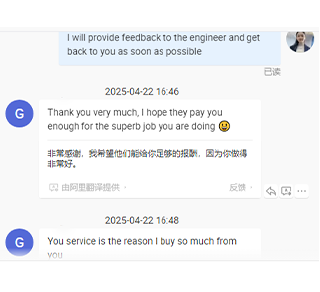


*Chat logs are representative of typical customer interactions and support.