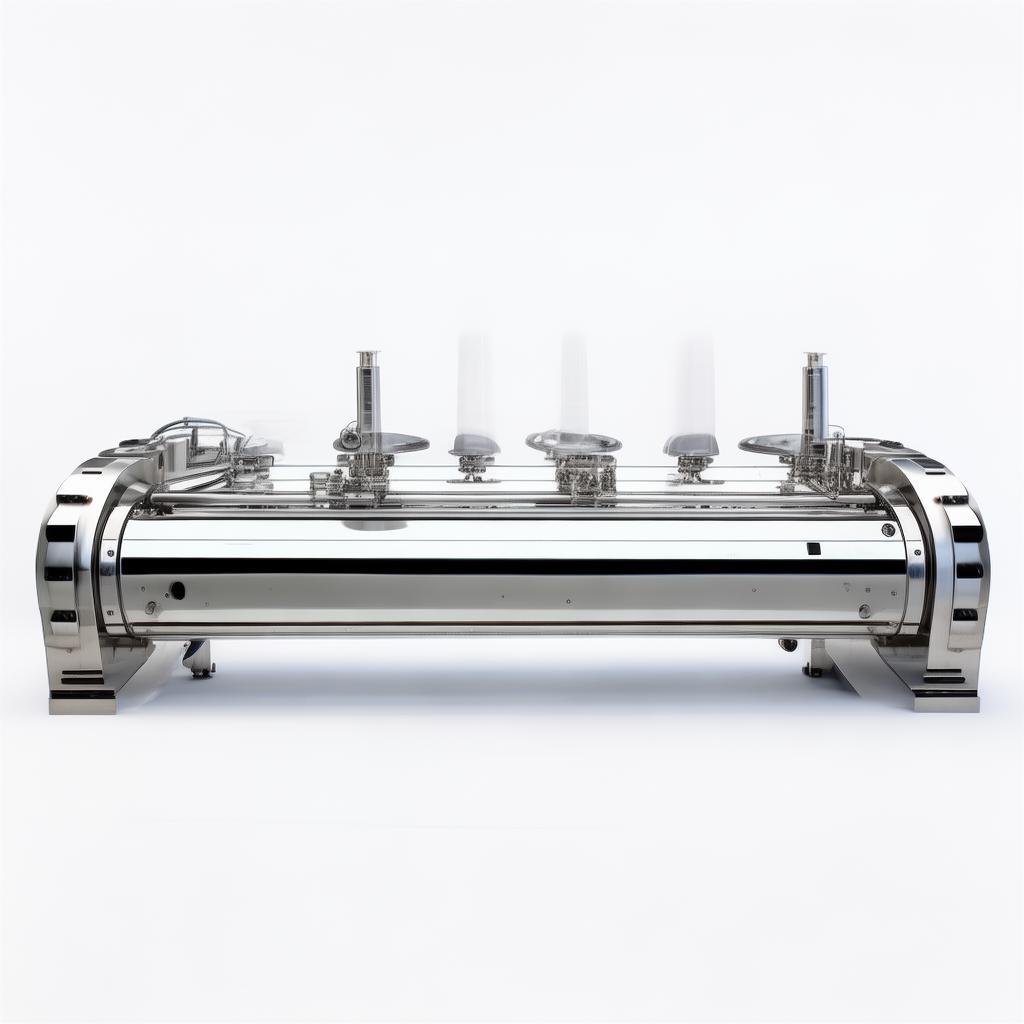
Precision Vacuum Regulator
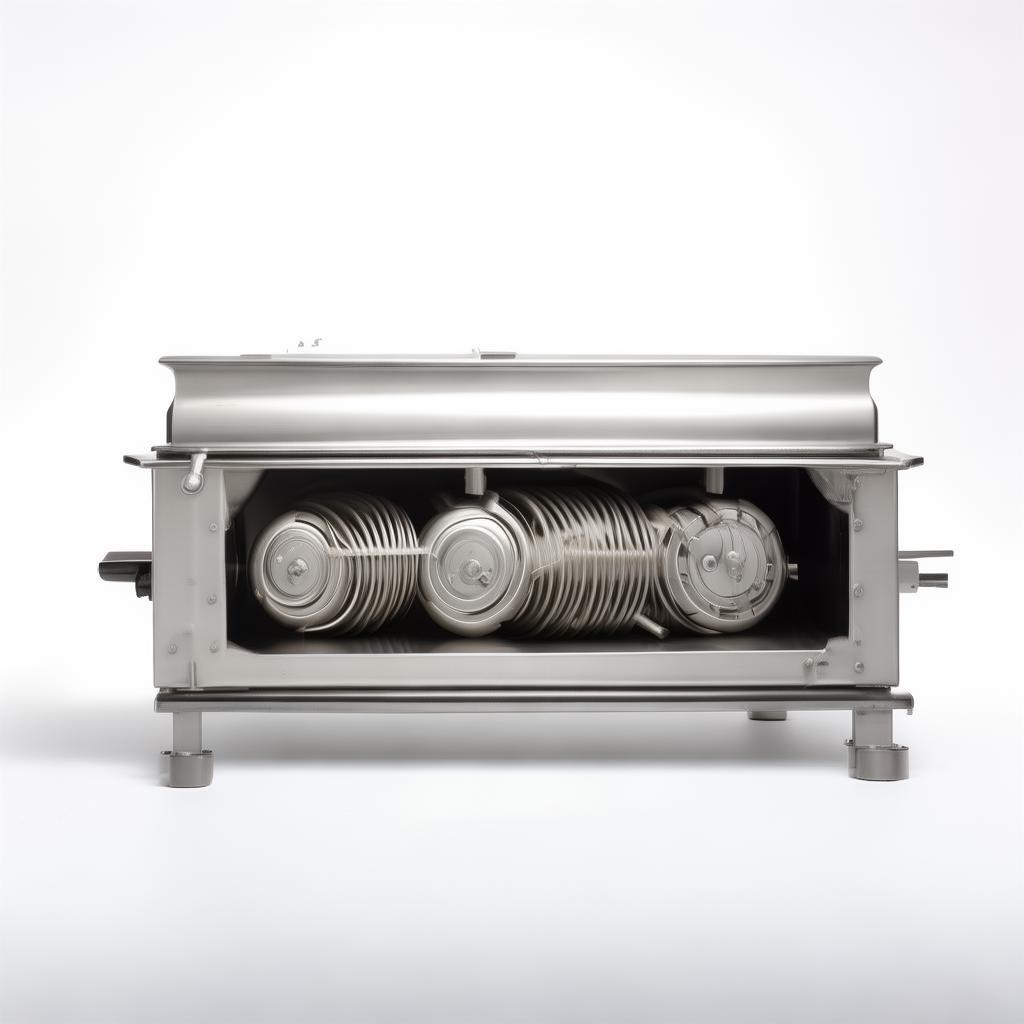

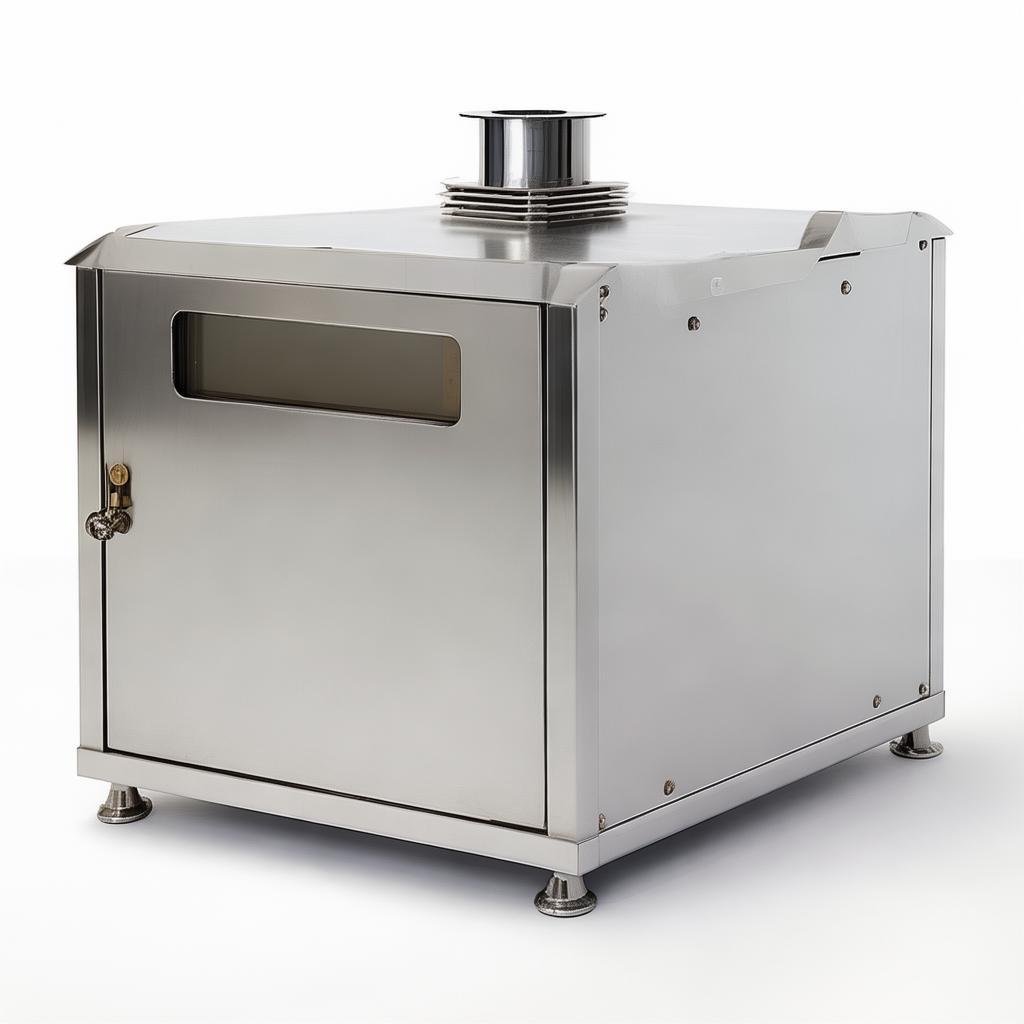
Precision Vacuum Regulators: Optimizing Control for Industrial Processes
Empowering Your Operations with Unwavering Accuracy and Reliability

By Dr. Anya Sharma
Senior Industrial Process Engineer & Consultant
Navigating the Complexities of Pressure Control: Why Precision Vacuum Regulators Matter
In any industrial setting where precise atmospheric pressure management is critical, the choice of vacuum regulation equipment isn't just a detail; it's fundamental to product quality, operational efficiency, and even safety. We’re talking about systems where even slight deviations from the target vacuum level can lead to scrapped batches, compromised material integrity, or unpredictable process outcomes. This is where a precision vacuum regulator steps in, acting as the silent guardian of your controlled environment. Unlike basic vacuum controllers, these sophisticated devices are engineered for uncompromising accuracy and consistent performance under demanding conditions.
Consider the global market for meat processing equipment. Analysts project it to reach upwards of USD 17.39 billion by 2034. Within this, the precision of vacuum systems is paramount for processes like vacuum tumbling for ripening, vacuum filling for precise portioning, and even packaging to extend shelf life. Any fluctuation means inconsistent product texture, improper sealing, or accelerated spoilage. Similar scenarios unfold across diverse sectors: in sensitive laboratory research where gas mixtures must be exact, in advanced manufacturing of electronic components requiring dust-free, low-pressure environments, or in the packaging of delicate pharmaceuticals where product stability is non-negotiable.
The challenge for procurement managers and operations directors is identifying equipment that doesn't just claim precision but consistently delivers it. This often involves understanding the nuances between different types of regulators, the materials they're constructed from, their flow characteristics, and their inherent reliability over extended operational periods. A "good enough" solution might seem cost-effective initially, but the long-term consequences of inadequate vacuum control can far outweigh the upfront savings. This is why we meticulously engineer our precision vacuum regulators, ensuring they integrate seamlessly into your existing infrastructure while providing the stable, repeatable performance critical for your success.
Our focus is on providing solutions that address real-world operational pain points. We understand that downtime is costly, and precise control isn't a luxury—it's a necessity. Whether you're involved in OEM component manufacturing, advanced material processing, or specialized food production, the integrity of your vacuum system directly impacts your bottom line. We delve into the technical intricacies, the material science, and the application-specific demands to ensure that when you choose a precision vacuum regulator from Hebei Yuanchang, you’re investing in peace of mind and predictable operational excellence.
This article will guide you through the essential considerations when selecting and implementing precision vacuum regulators. We’ll cover their critical functions, the technical specifications that truly matter, and how to evaluate potential suppliers to ensure you’re getting a robust, reliable solution tailored to your unique operational needs. It's about more than just regulating pressure; it's about establishing control, enhancing consistency, and ultimately, elevating your entire process.
The Core Functionality: What Makes a Vacuum Regulator "Precise"?
At its heart, a vacuum regulator's job is straightforward: to maintain a specific, stable vacuum level downstream of the regulator, regardless of fluctuations in the upstream supply pressure or changes in downstream flow demand. However, the "precision" aspect elevates this function significantly. A precision vacuum regulator achieves this through a combination of sophisticated design, high-quality components, and sensitive control mechanisms.
Key differentiators include:
- Tight Setpoint Accuracy: The ability to hold the vacuum within a very narrow tolerance band of the desired setpoint (e.g., ±0.5% of full scale). This is crucial for sensitive applications where even minor drifts can have significant consequences.
- High Resolution Sensitivity: The regulator can detect and respond to very small changes in vacuum pressure, allowing for immediate and fine-tuned adjustments.
- Repeatability: When the system is cycled on and off, or when the setpoint is changed and returned to, the regulator can reliably return to the same vacuum level each time.
- Low Hysteresis: Minimal difference in performance whether the vacuum is being approached from a higher or lower pressure.
- Fast Response Time: The regulator can quickly react to changes in system conditions, minimizing transient pressure deviations.
These characteristics are typically achieved through superior diaphragm design, precise spring loading, minimized internal leakage, and often, sophisticated sensing mechanisms. In contrast, standard regulators might offer wider tolerances, slower responses, and are more susceptible to upstream pressure variations. For operations where precise atmospheric control is tied directly to product yield or process integrity—think vacuum packaging for extended shelf life in the processed meat market (a sector projected to reach USD 1,253.77 billion by 2034), or vacuum drying for sensitive pharmaceuticals—the investment in precision is non-negotiable.
Operational Insight: In practice, a high-precision vacuum regulator ensures that your vacuum chambers, filling machines, or process vessels maintain their target pressure consistently. This directly translates to fewer product defects, reduced waste, and more predictable batch outcomes. For instance, in meat processing, consistent vacuum during massing or tumbling impacts texture and shelf-life, while precise vacuum filling ensures uniform product weight, a key factor in meeting regulatory and consumer expectations.
Applications: Where Precision Vacuum Regulators Shine
The demand for precision vacuum control spans a wide array of industries. At Hebei Yuanchang, we’ve seen our regulators deployed in critical roles across numerous sectors, leveraging decades of manufacturing experience dating back to 1986.
Food & Beverage Processing
This is a major area. Think about vacuum packaging machines that extend the shelf-life of cured meats, cheeses, and ready-to-eat meals. Precise vacuum levels are essential for optimal packaging integrity and product preservation. The global meat processing equipment market itself is a testament to this need, with segments like filling and stuffing machines and massagers (for ripening) relying on stable vacuum for product quality. Analysts estimate the market could reach USD 15.04 billion by 2030. Vacuum tumblers for marination and ripening, vacuum fillers for precise product molding, and vacuum de-aerators in beverage production all benefit immensely from precise vacuum regulation.
Pharmaceutical & Medical
In pharmaceutical manufacturing, vacuum is used in freeze-drying (lyophilization) to preserve sensitive compounds, in sterile filling operations, and in vacuum ovens for drying. Maintaining exact vacuum levels is critical for product efficacy and stability. Medical device manufacturing also relies on precise vacuum for processes like vacuum sealing of sterile instruments and material degassing. Compliance with standards like ISO is paramount here.
Semiconductor & Electronics Manufacturing
The assembly of microelectronic components requires ultra-clean, controlled environments. Precision vacuum regulators are used in vacuum chucks for wafer handling, in vacuum coating processes (e.g., PVD, CVD), and in cleanroom air handling systems to maintain specific pressure differentials and prevent particulate contamination. Accuracy here directly impacts yield and device performance.
Laboratory & Scientific Research
Research labs utilize vacuum for manifold systems, vacuum filtration, degassing solvents, operating vacuum chambers for material science experiments, and in mass spectrometry. Consistent and accurate vacuum levels are essential for reproducible and reliable experimental results. The need for precise atmospheric control is echoed in the growing market for specialized laboratory equipment, which is seeing continuous innovation.
Aerospace & Automotive
In these high-stakes industries, vacuum is employed in processes like vacuum infusion for composite material manufacturing, vacuum testing of components for leaks, and in specialized welding or bonding applications. The reliability and accuracy of vacuum control systems are critical for ensuring the structural integrity and performance of aerospace and automotive parts.


Technical Specifications: What to Look For
Selecting the right precision vacuum regulator involves scrutinizing several key technical specifications. These aren't just numbers; they directly dictate the regulator's performance and suitability for your specific application.
| Specification | Description & Importance | What to Consider |
|---|---|---|
| Vacuum Range | The span of vacuum pressure the regulator can accurately control. Usually measured in inHg, mbar, or Torr. | Ensure the range encompasses your operational requirements with adequate margin. Don't choose a regulator designed for deep vacuum if you only need moderate vacuum. |
| Accuracy / Resolution | How closely the regulator holds the setpoint and the smallest pressure change it can detect and react to. | This is the core of "precision." Look for specifications like ±0.5% or better for critical applications. |
| Flow Capacity | The maximum rate of gas flow the regulator can handle while maintaining setpoint accuracy. | Crucial for system performance. Undersized regulators cause slow pump-down times and poor control. |
| Materials of Construction | The materials used for the body, diaphragm, seals, and springs. | Must be compatible with the gases or vapors being regulated (e.g., stainless steel for corrosive environments, buna-N or Viton seals for chemical resistance). Look for RoHS compliance. |
| Port Size & Type | Threaded connections (NPT, BSP) or flange types and their sizes. | Ensure compatibility with your existing piping and hardware. |
| Operating Temperature Range | The ambient and media temperature range within which the regulator will perform accurately. | Critical for stable operation in environments with fluctuating temperatures. |
| Response Time / Dead Band | How quickly the regulator reacts to changes and the smallest pressure change it needs before acting. | Faster response and smaller dead band mean tighter overall process control. |
Adjustable vacuum regulator inline vacuum regulator vacuum control regulator
When procuring, always request detailed datasheets and certifications. For demanding applications, consider regulators with integrated pressure gauges or digital readouts for immediate visual feedback. We offer a range of options, often manufactured to high standards, ensuring compatibility with various atmospheric conditions and chemical environments.
Procurement Tip: Don't solely focus on the purchase price. Evaluate the total cost of ownership, including installation, maintenance, and the potential cost of product loss due to inaccurate vacuum control. A slightly higher initial investment in a precision regulator can yield substantial savings over its lifespan.
OEM/ODM Capabilities: Tailoring Solutions for Your Unique Needs
We understand that off-the-shelf solutions don't always fit the bill. For many of our B2B partners, particularly those in specialized manufacturing or integrators, a custom-designed vacuum regulator or a specific adaptation of our existing models is essential. This is where our OEM (Original Equipment Manufacturer) and ODM (Original Design Manufacturer) services come into play.
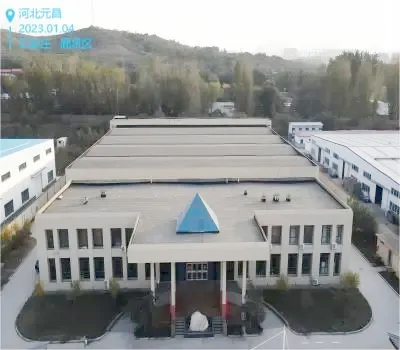
As a factory with 40 years of experience since 1986, Hebei Yuanchang possesses the in-house engineering and machining capabilities to develop and produce precision components that meet your exact specifications. Our extensive workshop, featuring over 20 sets of advanced processing machinery, including Japanese Mazak CNC machining centers acquired in 2012, allows us to handle high-volume, high-precision, and non-standard component production.

Our approach to OEM/ODM projects involves close collaboration with your engineering and procurement teams:
- Design Consultation: Working with your conceptual designs or performance requirements to develop a feasible and optimized regulator.
- Prototyping: Rapid development of prototypes for testing and validation within your specific application.
- Material Selection: Advising on the best materials for chemical compatibility, temperature resistance, and durability.
- Precision Manufacturing: Utilizing our advanced machining and quality control systems to produce components and assemblies to strict tolerances.
- Testing & Validation: Rigorous testing of each unit to ensure it meets the agreed-upon performance metrics.
- Branding & Packaging: Options for custom branding, labeling, and packaging to align with your product lines.
With our traceable after-sales management system, we can guarantee the quality and support for every part we produce. Whether you need a vacuum regulator with specialized port configurations, unique diaphragm materials for aggressive media, or a compact design for space-constrained equipment, we have the expertise to deliver.
Why choose OEM/ODM with us?
- Reduced Lead Times: Integrated R&D, manufacturing, and quality control shorten production cycles.
- Cost Efficiency: Leveraging our scale and manufacturing expertise to offer competitive pricing.
- Assured Quality: Direct oversight from raw material to finished product ensures consistent quality.
- Technical Partnership: Access to our 40 years of industrial processing experience.
Contact us to discuss your custom vacuum regulator requirements. We're ready to engineer a solution that perfectly fits your application.
Installation & Maintenance: Ensuring Long-Term Performance
Even the most precise vacuum regulator requires proper installation and routine maintenance to deliver its full potential over time. Neglecting these aspects can lead to premature failure, inaccurate readings, and ultimately, compromised processes. Based on our experience with a wide range of industrial applications, here are some key considerations.
Installation Best Practices
- Orientation: Most vacuum regulators are designed to be installed in a specific orientation (usually diaphragm vertical) to ensure proper operation and prevent debris accumulation. Consult the manual.
- Cleanliness: Ensure all fittings and pipelines are clean before installation. Introducing contaminants can damage delicate internal components.
- Proper Sealing: Use appropriate thread sealants (PTFE tape, pipe dope) compatible with your media and pressure range. Overtightening can damage ports.
- Minimize Vibration: Mount the regulator securely to minimize vibration, which can affect diaphragm performance and accuracy over time.
- Isolation: Consider installing isolation valves upstream and downstream to allow for easy maintenance or replacement without shutting down the entire system.
- Flow Direction: Always install the regulator in the direction of flow as indicated by any arrow on the body.
Routine Maintenance
Regular checks are crucial. The frequency will depend heavily on the application's severity (e.g., presence of particulate matter, corrosive vapors, or extreme temperatures). A good starting point includes:
- Visual Inspection: Check for any signs of external damage, corrosion, or leaks. Ensure connections are secure.
- Performance Verification: Periodically verify that the regulator is maintaining the set vacuum level accurately. This can be done with a calibrated gauge.
- Filter Checks: If your system utilizes upstream filters (highly recommended for sensitive applications), check and clean/replace them according to manufacturer recommendations. A clogged filter can starve the regulator of adequate vacuum.
- Diaphragm & Seal Inspection: Over extended periods (e.g., annually or bi-annually, depending on usage), the diaphragm and seals may require inspection. Signs of cracking, hardening, or tearing indicate the need for replacement. This is often best performed by trained technicians.
Practical Warning: Attempting internal maintenance without proper training or tools can lead to damage and void warranties. Always refer to the specific service manual for your model. If you're unsure, it's far more economical to use our traceable after-sales service than to risk costly equipment failure.
For critical operations, consider implementing a preventative maintenance schedule. This proactive approach not only ensures continuous, precise vacuum control but also extends the service life of your investment. We provide comprehensive technical support and spare parts to keep your operations running smoothly.
Logistics and Global Supply: Getting Precision to Your Doorstep
As an international supplier, we understand the complexities of global logistics. Our commitment extends beyond manufacturing to ensuring your precision vacuum regulators arrive safely, efficiently, and on time, whether you're in North America, Europe, or Asia. Our experience in exporting over the years has honed our approach to cross-border commerce.
Packaging for Protection:
Each vacuum regulator undergoes rigorous quality checks before packaging. We use robust, multi-layer packaging solutions designed to withstand the rigors of international transit. This typically includes:
- Internal Cushioning: High-density foam inserts or bubble wrap to absorb shock and prevent movement.
- Moisture Protection: Sealed plastic bags to protect against humidity during transit.
- Durable Outer Shell: Sturdy corrugated cardboard boxes or, for larger/sensitive orders, reinforced wooden crates.
Shipping & Export Expertise:
We partner with reliable international freight forwarders experienced in handling industrial equipment. Our team is adept at managing export documentation, customs declarations, and compliance with international shipping regulations. We offer flexible shipping options:
- Air Freight: For urgent deliveries, providing rapid transit times.
- Sea Freight: Cost-effective for larger volumes or less time-sensitive orders. We optimize container loading to maximize efficiency.
- Door-to-Door Service: We can arrange for delivery directly to your facility, simplifying the import process for you.
Understanding Lead Times:
Lead times can vary based on order volume, customization requirements, and current production schedules. For standard models, lead times are typically shorter. Custom OEM/ODM projects will have longer lead times involving design, prototyping, and production phases. We provide clear estimates for every order, enabling you to plan your production schedules effectively. As an example, for certain complex meat processing equipment, lead times can range from 30 to 90 days, and vacuum regulators are often integrated components.
Logistics Consideration: When planning your procurement, factor in not just manufacturing lead time but also shipping transit times and potential customs clearance delays. Building a buffer into your project timelines is always a wise procurement strategy for international orders.
Our goal is to make the international procurement process as seamless as possible. Feel free to inquire about specific shipping costs, estimated delivery times, and customs requirements for your region.
Why Partner with Hebei Yuanchang? Proven Expertise & Trustworthiness
In a global marketplace, choosing the right supplier is as critical as selecting the right equipment. Hebei Yuanchang Food Mechanism & Technology Co., Ltd. brings over four decades of dedicated experience in industrial manufacturing to the table, positioning us as a reliable partner for your precision vacuum regulator needs.

Our Foundation of Experience:
Since 1986, we have been at the forefront of developing and manufacturing specialized machinery, including complete production lines for food processing. This deep-rooted experience in intricate mechanical systems directly informs our design and production of high-precision components like vacuum regulators. Our team of 80-100 dedicated employees comprises skilled engineers, technicians, and production specialists who bring a wealth of practical knowledge.
Commitment to Quality & Precision:
Our in-house machining workshop is equipped with over 20 sets of processing machinery, crucially including 8 Japanese Mazak CNC machining centers acquired in 2012. This investment allows us to manufacture components with the highest levels of precision, catering to non-standard specifications and high-volume orders. Our quality assurance protocols are stringent, integrated at every stage from raw material inspection to final product testing, ensuring compliance with relevant industry standards.
Trustworthiness & Transparency:
We believe in building long-term relationships through transparency and reliable performance. Our traceable after-sales management system means you can always rely on us for support and spare parts. We are committed to providing realistic performance claims and honest advice, ensuring you receive a solution that truly meets your needs.
Industry Standards & Certifications:
While specific certifications for vacuum regulators can vary, our manufacturing processes adhere to principles that support international quality standards. We can discuss specific material compliance, such as RoHS, and ensure our products meet the requirements for your target markets. For food processing applications, hygienic design principles are paramount.


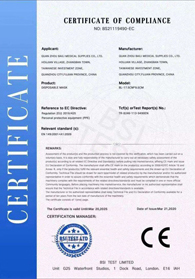
Choose Hebei Yuanchang for precision vacuum regulators, and partner with a company that combines time-tested expertise with modern manufacturing capabilities. We are dedicated to supporting your operational success.
Ready to Enhance Your Process Control?
Let our experts help you find the ideal precision vacuum regulator solution or discuss your custom OEM/ODM requirements.
Visit us: Shijiazhuang, Hebei Province, China | Our Location
Customer Insights: Real-World Performance

David Chen
Operations Manager, Food Packaging Inc.
"We switched to their precision vacuum regulators for our packaging lines, and the difference is noticeable. Product spoilage during transit has dropped significantly. The consistency is key for our premium product lines."

Maria Rodriguez
Lead Engineer, PharmaTech Solutions
"For our vacuum drying applications, precision is non-negotiable. These regulators maintain tight tolerances batch after batch, which has been instrumental in ensuring product stability and meeting regulatory requirements. The OEM support for our specific module was also excellent."

Kenji Tanaka
Procurement Specialist, Electronics Mfg. Corp.
"We needed regulators for our cleanroom vacuum systems. The units from Hebei Yuanchang offer excellent stability and low leak rates, which is critical for preventing contamination. The export process was surprisingly smooth, and delivery was well within the estimated window."
Frequently Asked Questions (FAQs)
Q1: What is the difference between a standard vacuum regulator and a precision vacuum regulator?
A standard regulator might offer broad pressure control suitable for general applications. A precision regulator, however, is engineered for tighter tolerances, higher resolution sensitivity, faster response times, and superior repeatability, making it essential for critical processes where even minor pressure fluctuations can impact outcomes.
Q2: How do I determine the correct vacuum range for my application?
You need to identify the target vacuum level required for your process and any acceptable variance. Always consult your equipment’s specifications or process engineers. It’s advisable to select a regulator whose range comfortably encompasses your operating vacuum, with some margin for fluctuations or future adjustments.
Q3: Are your vacuum regulators suitable for use with corrosive gases or chemicals?
We offer regulators constructed from materials like stainless steel with chemically resistant seals (e.g., Viton, PTFE) for corrosive applications. It's crucial to specify the media you'll be working with when requesting a quote so we can recommend the most suitable materials of construction.
Q4: What is the typical lifespan of a precision vacuum regulator?
The lifespan varies significantly based on application severity, operating hours, maintenance practices, and the quality of the media being regulated. With proper installation and routine maintenance, high-quality precision regulators can last for many years. We provide support for spare parts to extend their service life.
Q5: Can you provide custom solutions for specific OEM requirements?
Absolutely. With our 40 years of manufacturing experience and advanced CNC machining capabilities, we specialize in OEM and ODM services. We can design and produce custom vacuum regulators tailored to your exact mechanical, performance, and material specifications. Contact us to discuss your project needs.