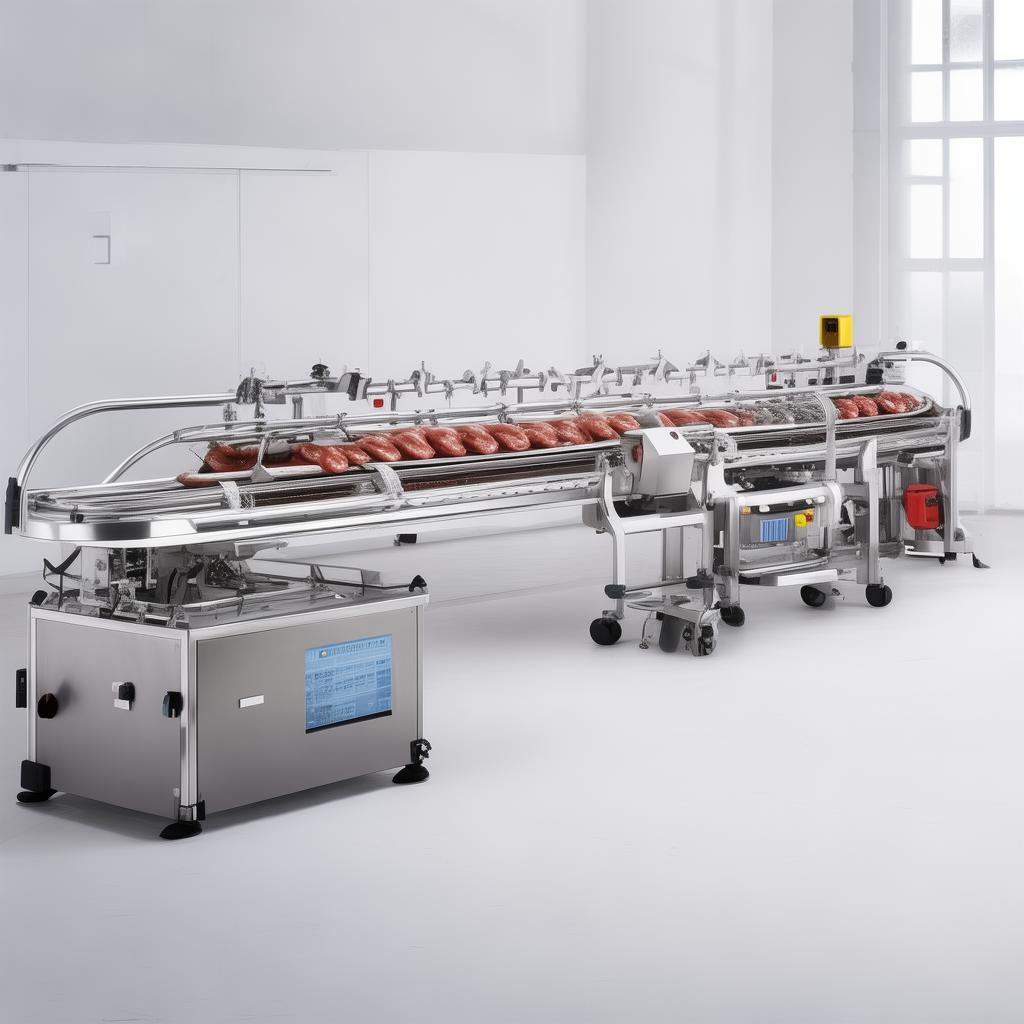
Vacuum Control Regulator
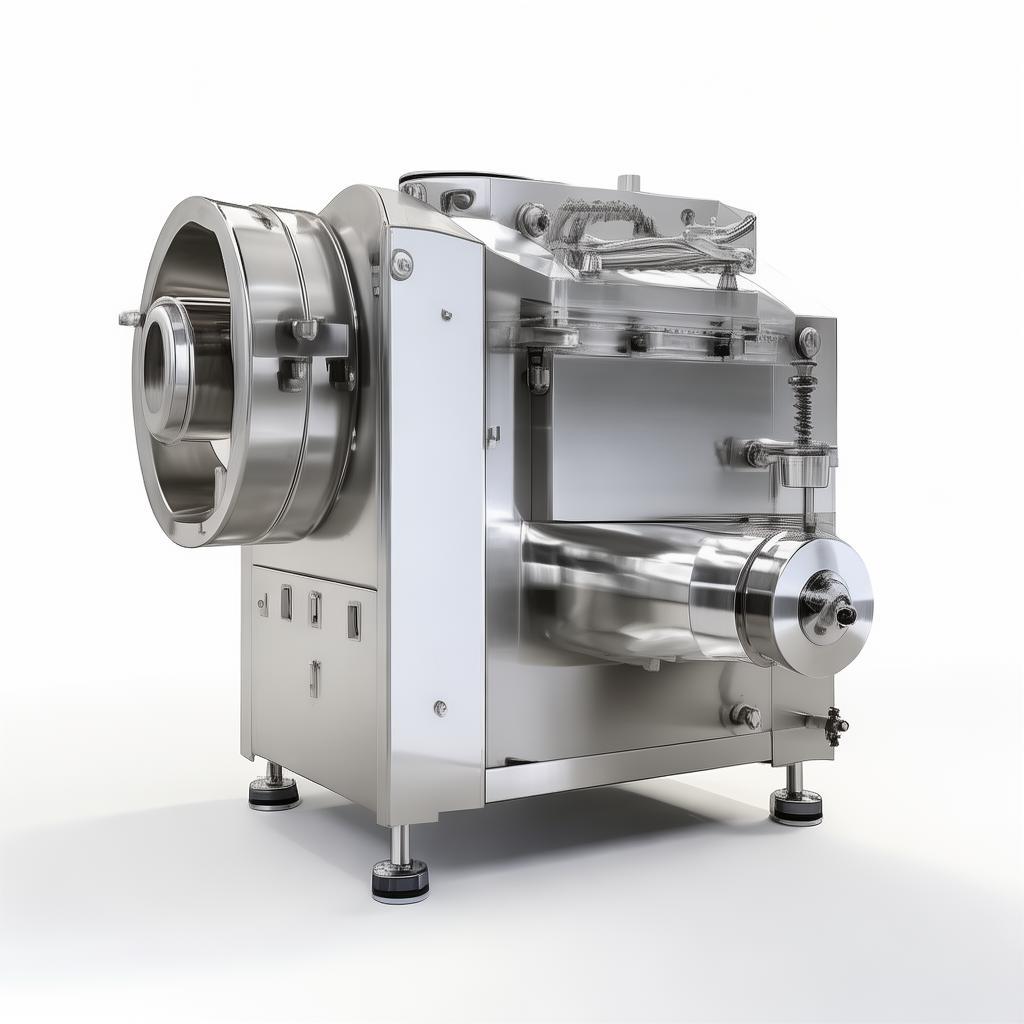
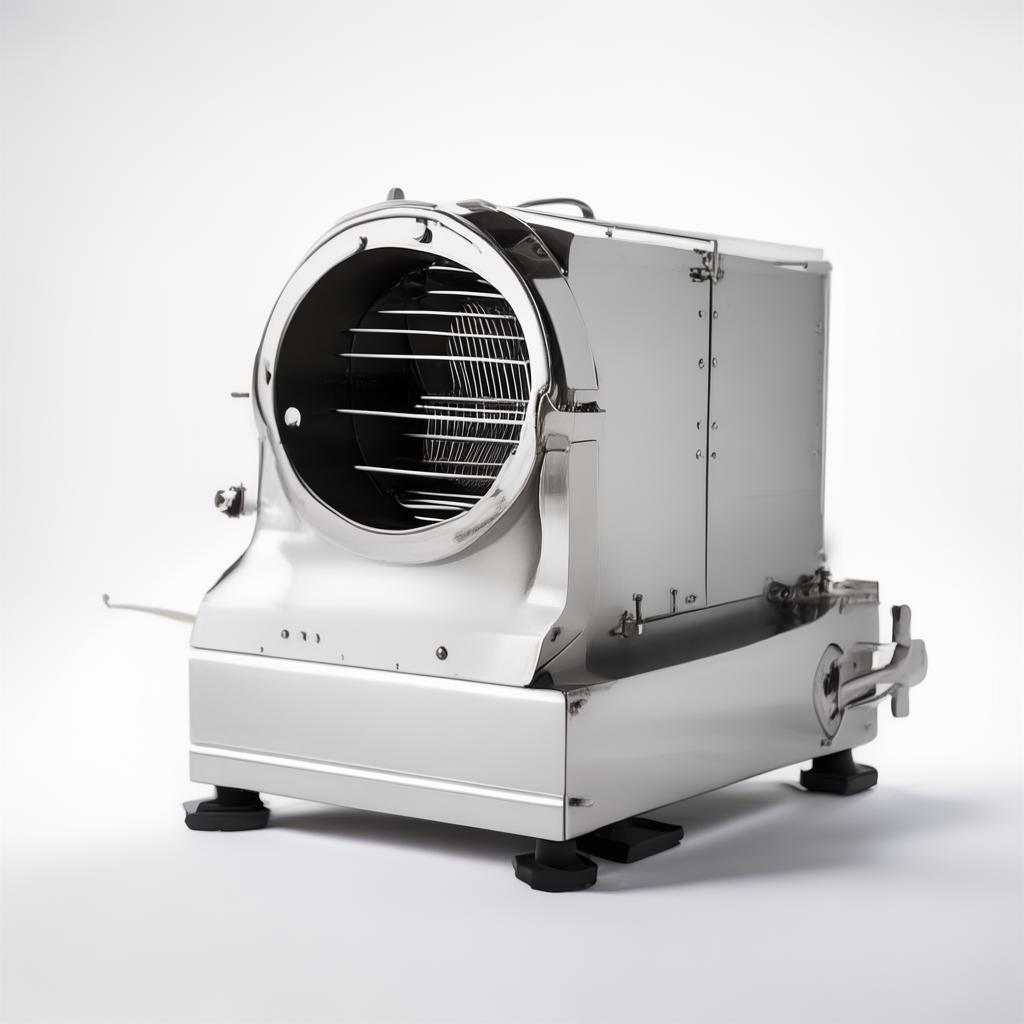
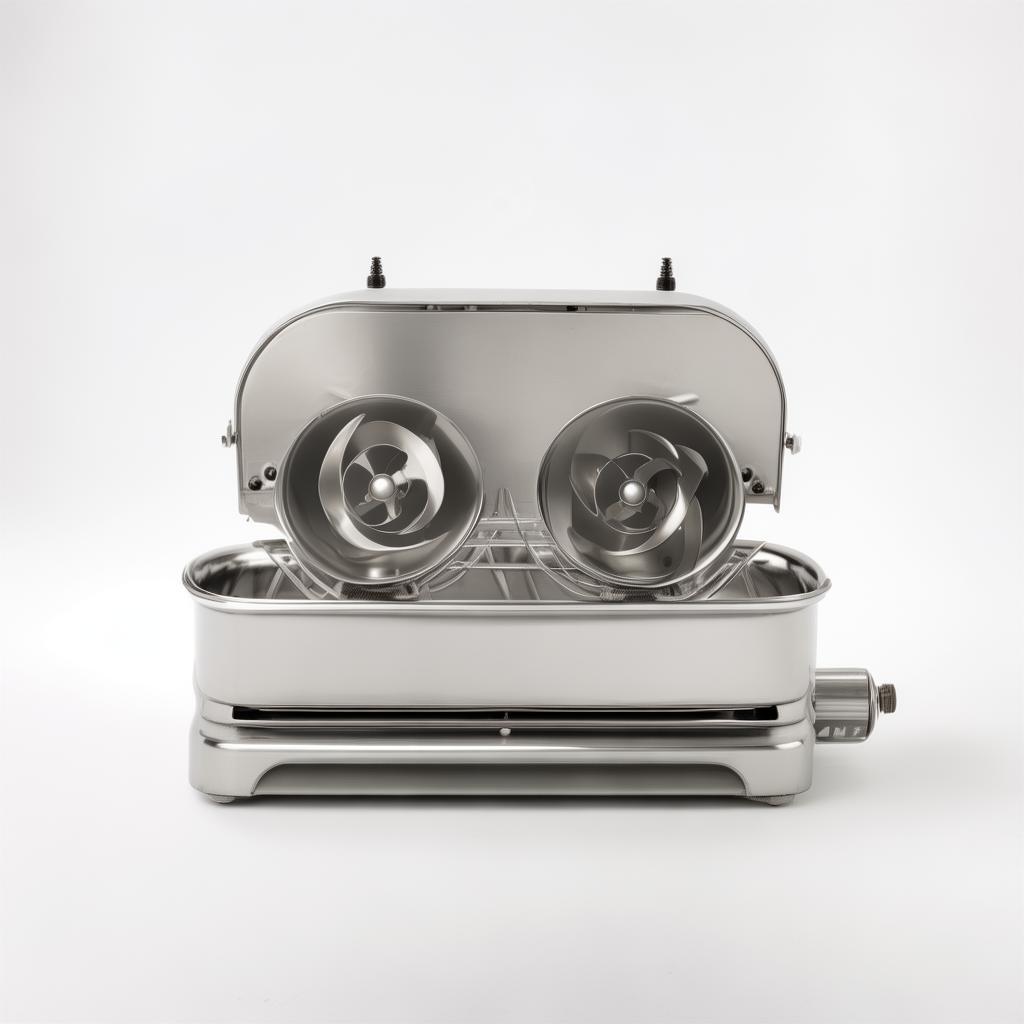
Vacuum Control Regulators: Precision Engineering for Consistent Meat Processing
Essential for quality, safety, and efficiency in modern meat and pet food production lines.
 By Li Wei, Senior Production Engineer at Hebei Yuanchang Food Mechanism & Technology Co., Ltd.
Introduction: The Unsung Hero of Meat Processing Precision
In the intricate world of meat processing, where consistency, safety, and product integrity are paramount, every component plays a vital role. Among these crucial elements, the vacuum control regulator stands out as a deceptively simple yet profoundly important device. It's the unsung hero ensuring that vacuum levels across your entire operation remain precisely within the specified parameters. For any facility engaged in the production of sausages, formed meat products, pet foods, or any application where vacuum filling, stuffing, or molding is critical, a reliable vacuum control regulator isn't just a piece of equipment; it's a cornerstone of quality assurance.
Consider the implications of even minor fluctuations in vacuum. In sausage production, for instance, inconsistent vacuum can lead to casing collapse, air pockets (voids), and uneven filling density. This not only compromises the visual appeal and textural quality of the final product but can also introduce safety concerns by creating environments conducive to bacterial growth. For pet food manufacturers, achieving a uniform fill and density in extruded or molded products is essential for consistent portioning and palatability. Here, a well-regulated vacuum system prevents product deformation during processing and packaging. The global processed meat market, projected to reach between USD 1.25 trillion and USD 1.33 trillion by 2034-2035, underscores the immense scale and demand for high-quality processed items. This growth is directly supported by the efficiency and reliability of processing equipment, with filling and molding technologies being central.
Our extensive experience, spanning over 40 years since 1986, at Hebei Yuanchang Food Mechanism & Technology Co., Ltd. has shown us firsthand how critical ancillary systems like vacuum regulators are. We've seen production lines brought to a halt or compromised by inadequate vacuum control. It's not just about the main processing machinery; it's about the integrated system. Our facility, spanning 14,000 square meters and employing 80-100 dedicated professionals, is built on the principle of providing complete, reliable solutions. This includes R&D, production, and sales of sophisticated meat processing equipment, where every component, down to the smallest regulator, is considered for its impact on overall performance.
The market for meat processing equipment itself is substantial, valued at over USD 11 billion in 2024-2025 and projected to exceed USD 17 billion by 2034. Within this, the demand for filling, stuffing, molding, and ripening equipment is consistently high, driving the need for precise control over associated systems like vacuum regulation. The increasing global consumption of processed meats, coupled with a growing emphasis on food safety and automation, means that precision is no longer a luxury but a necessity. Investing in robust vacuum control is investing in the long-term viability and profitability of your operation. It’s about mitigating risks, optimizing resource utilization, and ensuring that your brand is synonymous with quality.
This page delves into what vacuum control regulators are, why they are indispensable, how to select the right one for your specific needs, and the critical role they play in maintaining operational excellence within a demanding industrial environment. We'll explore their technical nuances, applications, and the benefits of partnering with a manufacturer like Hebei Yuanchang, who understands the complete processing workflow. From our advanced Japanese Mazak CNC machining centers to our rigorous quality control, we ensure that every part we produce, including vital regulators, meets the highest standards.
Understanding Vacuum Control Regulators: The Core Functionality
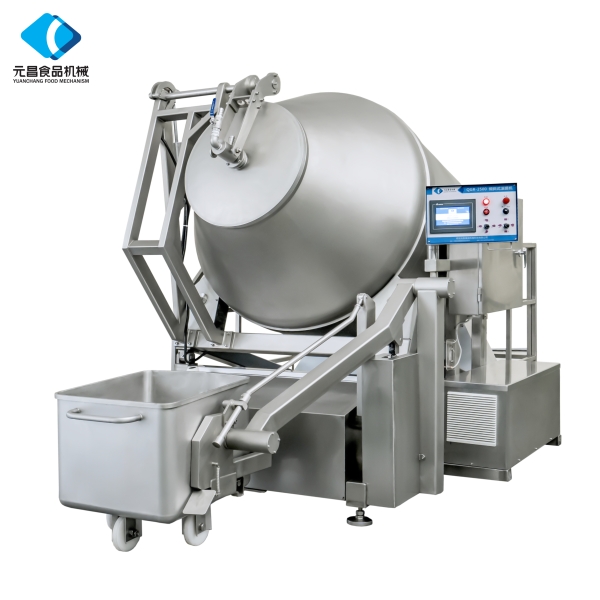
At its most basic, a vacuum control regulator is a device designed to maintain a specific, consistent vacuum level within a system. In meat processing, this typically involves regulating the vacuum generated by pumps used in filling and stuffing machines. These machines work by creating a partial vacuum in a chamber, which then draws the product mixture into the filling hopper. When the filling cycle begins, this vacuum is released, and the product is forced into the casing or mold. Precise control over the vacuum level is essential at several stages:
- Vacuum Generation & Holding: It ensures the pump doesn't over-evacuate the chamber, which could be inefficient or even damaging, and maintains a stable vacuum for consistent product draw.
- Air Release & Cycle Control: It helps manage the precise moment and rate at which vacuum is released, influencing the final product texture and preventing casing blowouts.
- System Protection: By preventing excessively low or fluctuating vacuum, it protects the vacuum pump and other sensitive components from strain and premature wear.
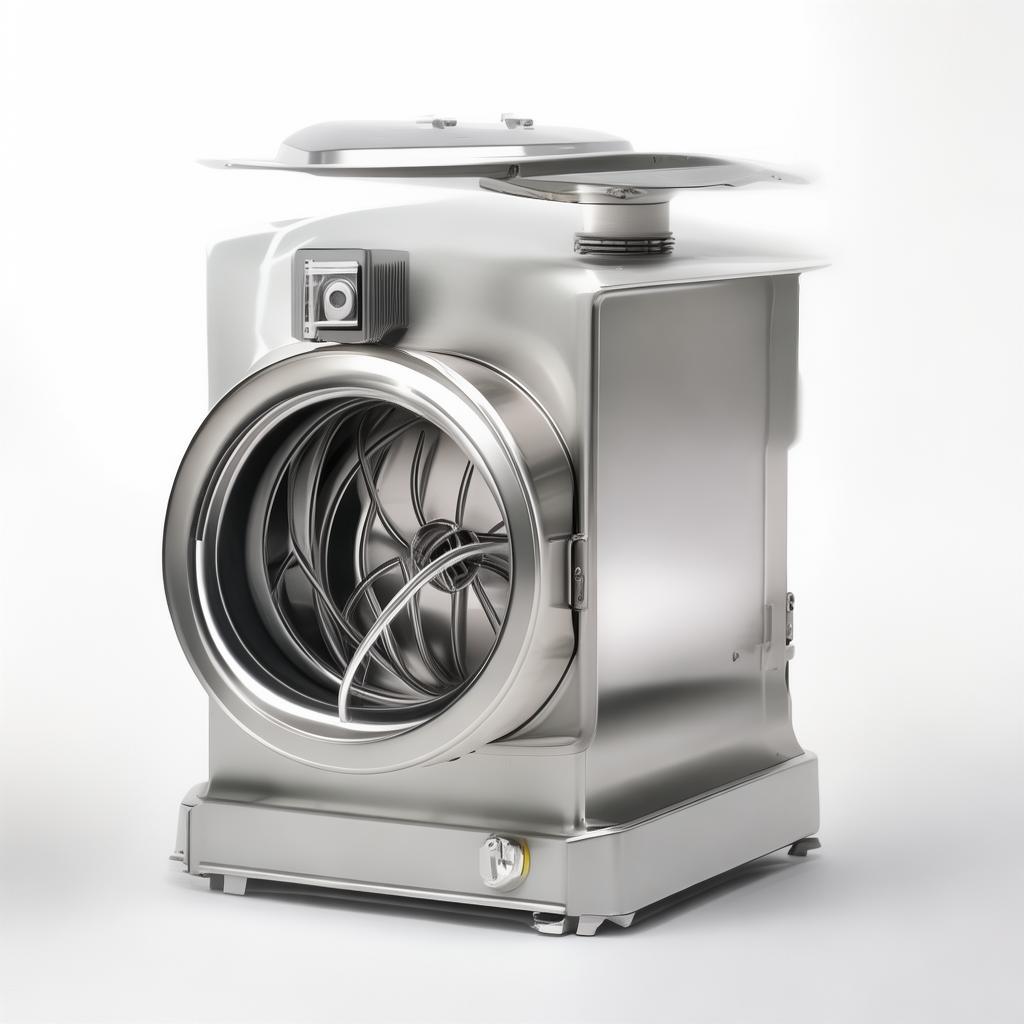
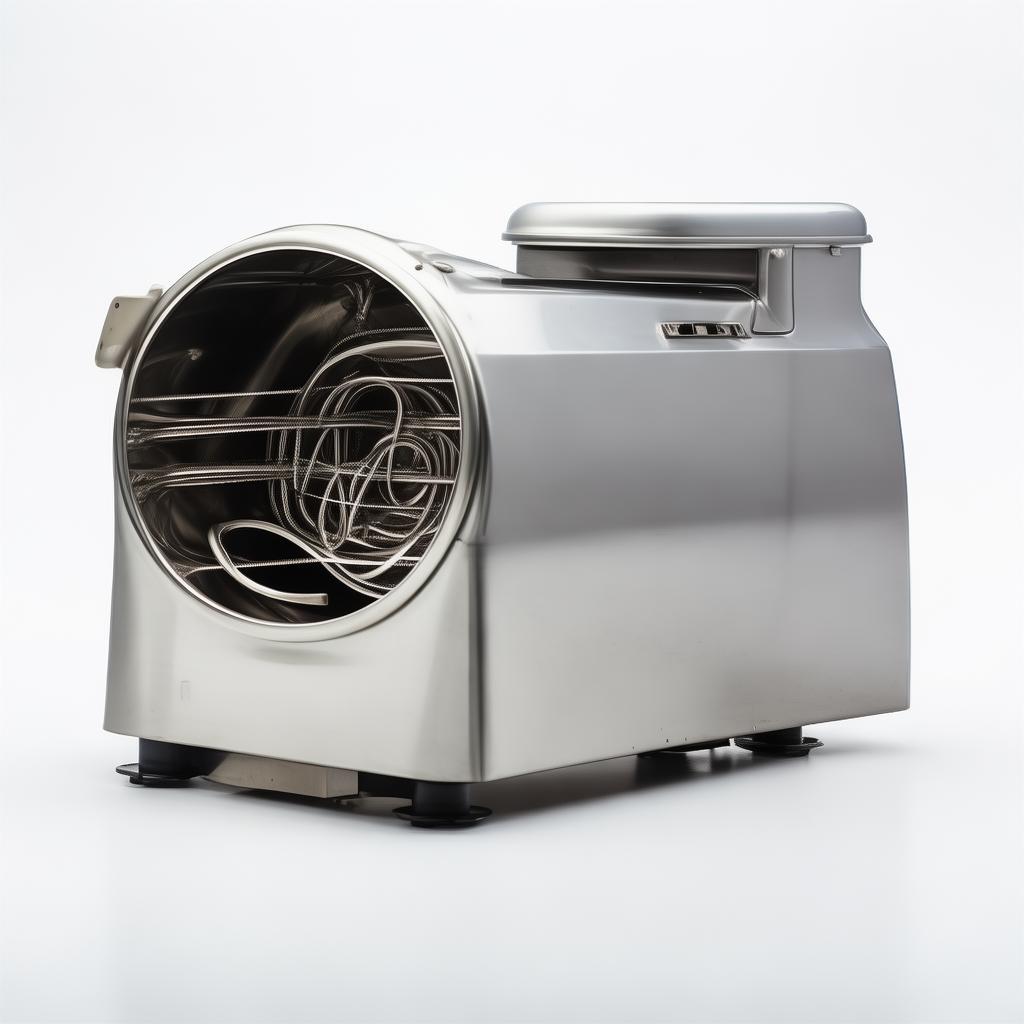
The operational mechanism often involves a diaphragm, a spring, and a valve. As the vacuum in the system changes, it acts on the diaphragm. This movement is counteracted by a calibrated spring, which in turn actuates the valve. If the vacuum drops too low, the diaphragm moves, opening the valve to allow more air in (or signals the pump to maintain output). If the vacuum rises too high, the diaphragm moves in the opposite direction, potentially closing off an air intake or adjusting the pump's load. The "setpoint" for the desired vacuum level is adjusted by changing the tension on the spring, typically via a threaded knob or screw.
Many industrial vacuum regulators also incorporate features like built-in pressure gauges for visual feedback, adjustable vent rates for fine-tuning, and robust construction using materials like stainless steel to withstand the harsh, wash-down environments common in food processing facilities. The choice between a simple mechanical regulator and a more advanced electronic or pneumatic system often depends on the level of precision required, the complexity of the operation, and the existing control infrastructure of the plant.
Why Precision Vacuum Control Matters: Impact on Product Quality & Operational Efficiency
The ripple effects of a poorly controlled vacuum system are felt throughout the production line and can significantly impact your bottom line. For instance, the global demand for processed meat, driven by convenience and evolving consumer preferences, is growing steadily, with market sizes projected to reach over USD 1.3 trillion by 2035. This demand necessitates efficient, high-volume production, where every minute and every kilogram counts.
Consistent Product Texture & Appearance: Imagine producing a batch of premium sausages. If the vacuum fluctuates, you might end up with products showing air pockets, a spongy texture, or uneven filling. This detracts from perceived quality and can lead to customer complaints or product rejection. A stable vacuum ensures the product mixture is drawn consistently, leading to a smooth, dense fill that holds its shape and has the desired mouthfeel. This is crucial for both consumer-facing products and specialized applications like pet food, where texture is key to palatability.
Reduced Product Waste & Rework: Air pockets in sausages can also compromise shelf life and safety. They provide an ideal breeding ground for aerobic bacteria. Furthermore, inconsistent filling can lead to casing bursts during cooking or smoking, resulting in product loss. The labor and time required to rework or discard affected batches are substantial. By maintaining precise vacuum levels, you minimize these risks, leading to higher yields and less waste. Reliable vacuum control directly contributes to reduced operational costs.
Enhanced Equipment Longevity: Vacuum pumps are designed to operate within specific ranges. Consistently overworking a pump to achieve an impossible vacuum level, or allowing it to cycle erratically due to poor regulation, can lead to premature wear and tear on seals, motors, and internal components. A good vacuum regulator acts as a buffer, ensuring the pump operates within its optimal performance envelope. This translates into fewer breakdowns, lower maintenance costs, and extended equipment lifespan – a critical consideration given the overall meat processing equipment market is projected for significant growth.
Improved Production Throughput: When vacuum levels are stable and predictable, filling cycles become more efficient. Operators can trust the machine's performance, leading to less manual intervention and fewer adjustments. This stability translates directly into higher throughput, allowing you to meet production demands and capitalize on market opportunities. A consistent process is an efficient process, and efficient processes drive profitability.
Key Considerations When Selecting a Vacuum Control Regulator
Choosing the right vacuum control regulator is not a one-size-fits-all decision. It requires understanding your specific application, the demands placed upon the system, and the environment in which it will operate. At Hebei Yuanchang, we stress the importance of matching equipment precisely to the task.
1. Vacuum Range and Precision
What is the target vacuum level for your process? Regulators are rated for specific operating ranges (e.g., -0.2 to -0.9 bar or -30 to -13 psi). Ensure the regulator can reliably achieve and maintain your required vacuum with the necessary precision. For highly sensitive applications like specialized pet food extrusion or delicate cured meats, a regulator with finer adjustment capabilities and a tighter tolerance is essential.
2. Flow Rate Capacity
The regulator must be able to handle the volume of air that needs to be evacuated or controlled. This is often specified in terms of SCFM (Standard Cubic Feet per Minute) or L/min. An undersized regulator will struggle to maintain the set vacuum, especially during rapid cycling, impacting efficiency. Consider the maximum vacuum pump capacity and the speed of your filling cycles.
3. Material Construction and Durability
Food processing environments demand robust materials. Look for regulators constructed from food-grade stainless steel (e.g., SS304 or SS316) to resist corrosion from cleaning agents, moisture, and the processing environment itself. Seals and diaphragms should be made of FDA-approved, durable elastomers that can withstand repeated cycling and temperature variations. Our 40 years of manufacturing experience means we select materials that endure.
4. Port Size and Connectivity
Ensure the regulator's port size and thread type (e.g., NPT, BSP) match your existing plumbing and vacuum lines. Standard sizes are common, but custom configurations may be needed for older or specialized equipment. Incorrect connections can lead to leaks or restrict flow.
5. Ease of Adjustment and Monitoring
Regulators with clear, easy-to-use adjustment knobs and integrated pressure gauges are a significant advantage for operators. Visual confirmation of vacuum levels allows for quick checks and adjustments, reducing downtime and improving process control. Some advanced models may offer electronic feedback or integrate with PLC systems for automated monitoring.
6. Environmental Considerations
Will the regulator be exposed to extreme temperatures, high humidity, or wash-down chemicals? Specify requirements accordingly. Robust sealing and appropriate material selection are key to ensuring reliable performance in demanding industrial settings.
When you engage with Hebei Yuanchang, our technical sales team will guide you through these considerations, drawing on decades of practical application knowledge. We understand that each processing line has its unique challenges.
Applications Across the Meat Processing Spectrum
The versatility of a well-calibrated vacuum control regulator makes it indispensable across various segments of the meat and pet food industries. Its primary function—maintaining stable vacuum—is critical wherever air removal or controlled atmospheric pressure is part of the process.
| Application Area | Role of Vacuum Control Regulator | Key Benefit |
|---|---|---|
| Sausage Production | Regulates vacuum for precise filling, preventing casing collapse and air pockets. | Consistent texture, improved appearance, extended shelf life. |
| Formed Meat Products (Patties, Nuggets) | Ensures uniform density and shape during vacuum molding processes. | Uniform product size, consistent cooking, reduced waste. |
| Pet Food Processing (Extruded/Molded) | Controls vacuum for precise ingredient hydration and consistent product structure. | Palatability, stable texture, accurate portioning. |
| Vacuum Packaging Lines | Maintains stable vacuum during the evacuation stage before sealing. | Effective preservation, extended shelf life, reduced spoilage. |
| Meat Curing & Smoking Auxiliaries | Can be used in systems for controlled atmospheric curing or specialized smoking processes. | Uniform curing, enhanced smoke penetration, controlled moisture. |
Adjustable vacuum regulator inline vacuum regulator digital vacuum regulator
The global meat processing equipment market is projected to grow significantly, with segments like filling and molding equipment showing strong demand. This growth inherently requires robust ancillary systems, such as those for vacuum control, to ensure that the increased output does not compromise quality.
Installation, Maintenance, and Operational Insights
Proper installation and routine maintenance are key to unlocking the full potential of any vacuum control regulator. At Hebei Yuanchang, we don't just manufacture; we provide the knowledge gained from decades of equipping production facilities worldwide.
Installation Best Practices:
- Location: Install the regulator as close to the vacuum source or the point of control as practical to minimize pressure drop and ensure responsiveness. Avoid areas with excessive vibration or direct exposure to high-pressure wash-downs unless the unit is specifically rated for it.
- Orientation: Most regulators are designed for vertical installation with flow from bottom to top to leverage gravity for diaphragm operation, but always consult the manufacturer's manual.
- Connections: Use appropriate thread sealant (PTFE tape) for leak-free connections. Ensure all fittings are secure but do not overtighten, which could damage threads or the regulator body.
- Isolation Valve: It's highly recommended to install an isolation valve upstream of the regulator. This allows for safe servicing and maintenance without needing to shut down the entire system.
Routine Maintenance for Longevity:
A proactive maintenance schedule prevents costly breakdowns and ensures consistent performance.
- Visual Inspection: Regularly check for signs of wear, corrosion, or damage on the body, adjustment knob, and any integrated gauge.
- Gauge Functionality: Ensure the pressure gauge is functioning correctly and providing accurate readings. Replace if damaged or unreadable.
- Leak Checks: Periodically check all connections for air leaks, which can compromise vacuum levels and efficiency.
- Diaphragm and Seal Integrity: While not always user-serviceable without disassembly, listen for unusual hissing sounds that might indicate a diaphragm or seal failure. Depending on the model and usage, diaphragms may need replacement after a set operational period or if performance degrades.
- Cleaning: Keep the exterior of the regulator clean, especially in food processing. Use approved cleaning agents and avoid high-pressure sprays directly onto sensitive areas.
Our in-house machining workshop, equipped with over 20 sets of processing machinery and Japanese Mazak CNC centers, allows us to produce high-precision components like regulators. This capability ensures the reliability and longevity that our clients depend on.
Hebei Yuanchang: Your Partner in Precision Meat Processing Equipment
For over four decades, Hebei Yuanchang Food Mechanism & Technology Co., Ltd. has been at the forefront of designing, manufacturing, and supplying high-quality meat processing machinery. Our commitment extends beyond individual components to providing integrated solutions that enhance efficiency, safety, and product quality. We understand that vacuum control regulators are not isolated parts but integral elements of a complex processing chain.
Our Strengths Include:
- 40 Years of Industry Experience: Deep-rooted knowledge in meat processing workflows and equipment optimization.
- Comprehensive Manufacturing Capabilities: From design to final assembly, including advanced CNC machining for high-precision parts.
- Quality Assurance: Rigorous testing and quality control protocols to ensure every product meets international standards.
- Customization & OEM/ODM: We can tailor solutions to your specific operational needs and production volumes.
- Global Export Expertise: Proven track record in supplying to international markets, understanding logistics and compliance.
- Traceable After-Sales Support: Our independent production of high-precision parts ensures reliable service and parts availability.
The meat processing equipment market is robust and growing, driven by demand for convenience and quality. As reported by Fortune Business Insights, the global market was valued at USD 11.29 billion in 2025 and is projected to reach USD 17.39 billion by 2034. Ensuring your equipment, including critical control components like vacuum regulators, is top-tier is essential for capturing market share.
We are not just suppliers; we are partners invested in your success. Let us help you optimize your vacuum control systems for unparalleled precision and efficiency.
Ready to Enhance Your Processing Precision?
Discuss your specific vacuum control needs with our engineering team or request our latest catalog.
Frequently Asked Questions (FAQ)
Q1: How often should I service my vacuum control regulator?
This depends heavily on usage and the operating environment. For high-volume, continuous operations in a demanding food processing setting, annual checks are a minimum. If you notice any performance degradation, unusual noises, or pressure fluctuations, schedule an inspection immediately. Our team can advise on specific maintenance schedules based on your application.
Q2: Can I use a regulator designed for compressed air in a vacuum system?
Generally, no. While some regulators might have similar mechanisms, vacuum regulators are specifically designed to manage negative pressure and often have different porting, diaphragm materials, and flow characteristics optimized for air evacuation. Using the wrong type can lead to poor performance, system inefficiency, or component damage.
Q3: What is the difference between a mechanical and an electronic vacuum regulator?
Mechanical regulators use springs and diaphragms to respond to pressure changes, offering simplicity and reliability. Electronic regulators use sensors and electronic actuators, allowing for more precise control, programmability, remote operation, and integration with PLC systems. For most standard filling applications, a robust mechanical regulator is sufficient and cost-effective.
Q4: How do I adjust the vacuum setpoint on my regulator?
Typically, you'll find a threaded knob or screw on top of the regulator. Turning this knob clockwise usually increases spring tension, which in turn increases the vacuum setpoint (making it harder for the regulator to vent air). Turning it counter-clockwise decreases the spring tension, lowering the vacuum setpoint. Always refer to the specific model's manual and make adjustments while the system is operating to observe the effect.
Q5: What certifications do Hebei Yuanchang regulators typically come with?
While specific certifications can vary based on the model and target market, our products are manufactured to meet high industry standards. We can provide documentation for materials and compliance where required for food-grade applications, such as FDA material compliance. For specific project needs, please inquire.
Testimonials from Our Valued Partners
"Since upgrading our vacuum regulators to Yuanchang's stainless steel models, we've seen a noticeable improvement in sausage consistency. Fewer air pockets, tighter casings. It’s a small part, but it made a big difference."

Production Manager, Prime Meats Co.
"We operate 24/7 on pet food production. Downtime for equipment issues is extremely costly. Yuanchang's regulators have proven incredibly reliable, maintaining stable vacuum during long runs without fuss. Their export support was also excellent."

Operations Lead, Happy Paws Nutrition
"The team at Hebei Yuanchang understood our need for precision in vacuum molding. They recommended the right regulators and even helped troubleshoot our setup. Their technical knowledge is solid, and the product quality speaks for itself."

Procurement Specialist, Gourmet Food Innovators
Enhancing Trust: Real-World Interactions
We believe in transparency and direct communication. Here's a glimpse of how we assist our clients in addressing their specific equipment needs:

Discussing customization options for a filling machine.

Troubleshooting a regulator issue with a client in North America.

Confirming lead times for a bulk order of auxiliary equipment.