


In the field of food processing, auxiliary equipment often receives less attention than primary machines, yet it plays an essential role in ensuring stable, efficient, and hygienic production. These items form the invisible infrastructure that allows major systems—such as grinders, fillers, or tumblers—to operate at their full potential. Without well-designed support tools, even the most advanced machines can face bottlenecks, causing unnecessary downtime or inconsistent results.
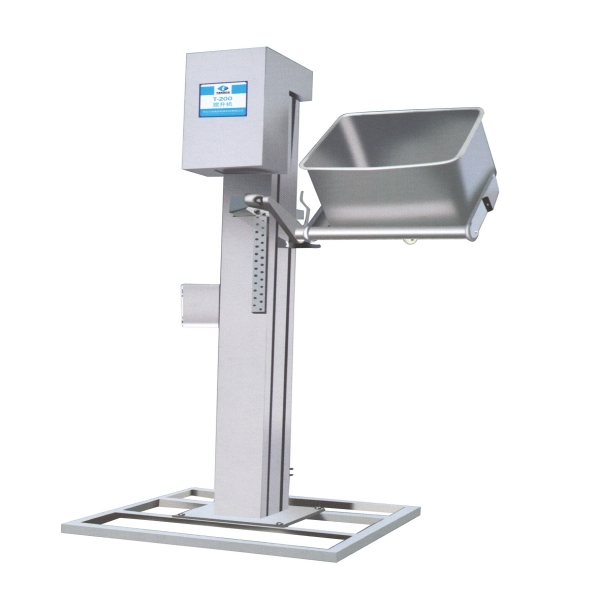
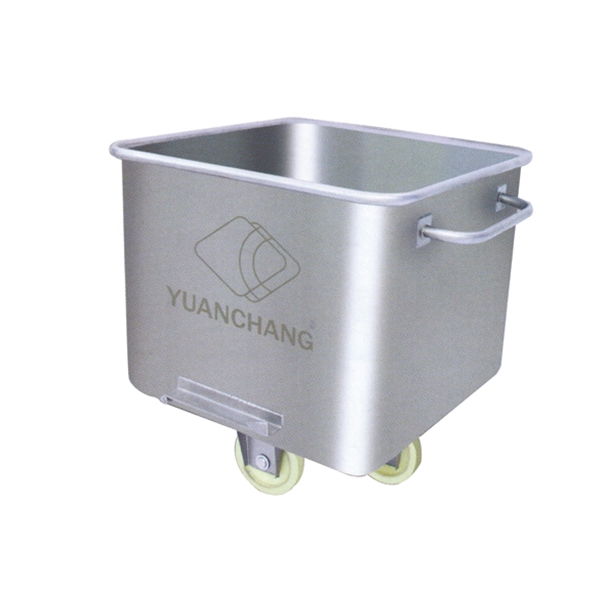
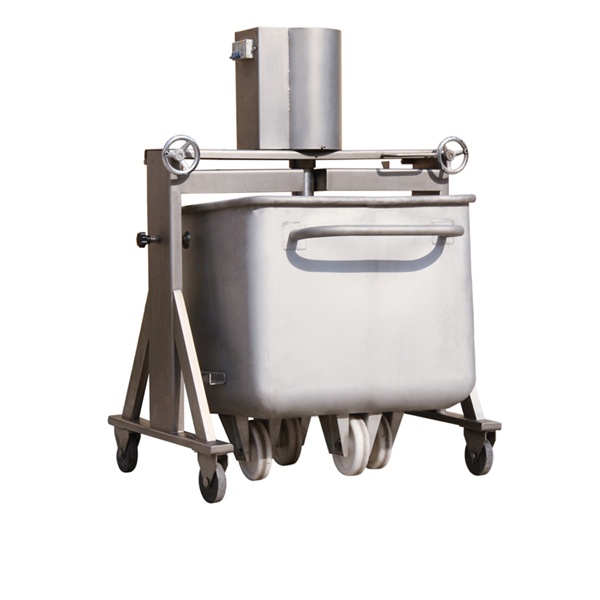
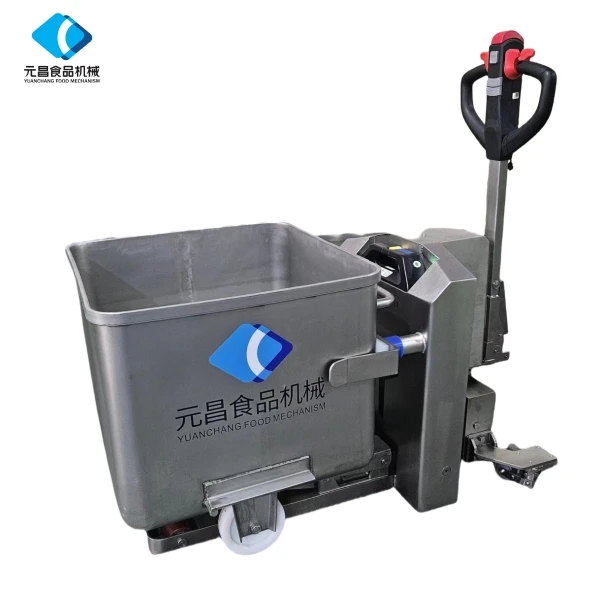
Auxiliary items in food processing cover a broad spectrum, from material handling tools to sanitation-focused components. Carts, trolleys, and bins provide secure movement and storage for ingredients, reducing contamination risks and improving workflow organization. Lifting devices and loading systems help operators manage heavy raw materials safely, while conveyor solutions guarantee smooth product transfer between processing stages. Equally important are cleaning stations, washing racks, and sealing accessories, which support compliance with strict hygiene standards in meat and pet food production.
Another key contribution of auxiliary items lies in improving workplace safety and efficiency. Ergonomically designed handling tools reduce physical strain on workers, while automated auxiliary systems limit the need for repetitive manual tasks. In large-scale operations, this balance between worker safety and operational output is critical, as it directly influences both productivity and employee well-being.
Over the past few decades, the role of auxiliary equipment has shifted from optional add-ons to integral components of modern production lines. As manufacturers aim for higher consistency, faster output, and safer processing environments, these items serve as the connecting elements that transform standalone machines into fully coordinated systems. Companies with long-term expertise in meat and pet food processing equipment, such as those established in the 1980s, have seen how auxiliary solutions evolve alongside core technologies, reflecting the industry’s demand for reliability and efficiency.
Auxiliary equipment in food processing should not be seen as secondary. Instead, it represents the foundation of a production line that is safe, flexible, and capable of scaling with demand. By paying close attention to these supporting tools, food manufacturers position themselves to achieve higher standards of quality and operational performance in an increasingly competitive market.
Hygiene and Safety Standards in Auxiliary Equipment
In food processing, hygiene is not simply a regulatory requirement—it is the foundation of consumer trust and product integrity. Auxiliary equipment, though often seen as supporting tools, plays a central role in ensuring that hygiene and safety standards are consistently maintained throughout production. From stainless-steel trolleys to washing stations, these items form a critical barrier against contamination and operational risks.
One of the most important aspects of auxiliary equipment design is material selection. Stainless steel remains the industry standard because of its resistance to corrosion, ease of cleaning, and durability under intensive use. Surfaces must be smooth and free from crevices to prevent bacterial buildup, making material quality directly tied to food safety outcomes. When used in meat and pet food processing, where raw proteins carry higher microbial risks, such design considerations become indispensable.
Hygiene protocols also rely on auxiliary systems that simplify cleaning and sterilization. Washing racks, disinfection units, and transport containers designed for easy rinsing reduce downtime and make routine sanitation more reliable. In facilities processing large volumes of meat, cleaning cycles are frequent and highly regulated, so equipment that minimizes cleaning complexity helps manufacturers meet international standards like HACCP and ISO certifications without compromising efficiency.
Safety is another dimension where auxiliary equipment provides value. Heavy lifting and manual handling are common in processing plants, but poorly designed systems can expose workers to injury. By incorporating lifting aids, automated loaders, and ergonomic carts, producers not only protect employees but also maintain consistent output without interruptions caused by workplace incidents. A production line that integrates safety-focused auxiliary tools becomes more sustainable in the long term, reducing both health risks and operational costs.
For Hebei Yuanchang Food Machinery Technology Co., Ltd., with decades of experience in building complete processing solutions, auxiliary equipment has evolved into a strategic part of system design rather than an afterthought. The company understands that hygiene and safety cannot be compromised, and it engineers auxiliary tools that meet both rigorous regulatory demands and the practical needs of daily operations.
Auxiliary items safeguard both the product and the people behind it. By choosing equipment that aligns with strict hygiene and safety standards, food manufacturers ensure that every stage of processing—from raw material handling to final packaging—meets the expectations of regulators, markets, and consumers alike.
Improving Workflow Efficiency with Auxiliary Items
Efficiency is one of the defining factors of modern food processing. While core machinery such as grinders or fillers is often the centerpiece of production lines, auxiliary equipment ensures that every stage flows smoothly without unnecessary delays or bottlenecks. These supporting tools are not secondary; they are the connecting elements that turn standalone machines into a coordinated system.
Auxiliary items contribute to efficiency in multiple ways. First, material handling equipment such as conveyors, lifting devices, and carts reduces manual intervention, speeding up product transfer between stages. In meat and pet food production, where raw materials are often heavy and processed in bulk, this automation minimizes downtime and ensures a consistent pace. Second, weighing and measuring systems improve accuracy in batching, ensuring recipes are followed precisely while reducing waste from over-portioning.
Another important factor is workflow organization. Storage bins, ingredient containers, and transport racks keep raw and processed products separated, preventing cross-contamination and streamlining movement across the facility. When these auxiliary solutions are well integrated, workers spend less time on repetitive handling tasks and more time on quality monitoring and production oversight.
For larger facilities, auxiliary equipment becomes essential in scaling operations. A filling machine may process thousands of portions per hour, but without conveyors or loaders to supply it efficiently, throughput will inevitably suffer. Similarly, vacuum sealing or packaging systems need compatible auxiliary tools to keep pace with production. By creating a seamless link between core equipment, these supporting items prevent slowdowns and increase overall line performance.
Hebei Yuanchang Food Machinery Technology Co., Ltd., established in 1986, has seen how efficiency demands in food processing have evolved over the decades. The company’s approach to auxiliary equipment reflects this experience: designing tools that complement high-performance machines while addressing the practical realities of production environments. By considering workflow as a whole, rather than focusing only on individual machines, Yuanchang helps manufacturers achieve smoother, faster, and more reliable operations.
Efficiency in food processing is not just about speed—it is about consistency and balance. Auxiliary equipment ensures that raw materials, workers, and machines interact seamlessly, reducing waste, saving time, and maximizing output. For manufacturers, investing in these often-overlooked tools means building a production line that can adapt to market demands while maintaining quality at every stage.
The Role of Ergonomics in Food Processing Equipment
Behind every successful production line are the people who operate it, and their safety and comfort directly influence productivity. In food processing, auxiliary equipment designed with ergonomics in mind helps create a safer, more sustainable working environment. Rather than being a secondary consideration, ergonomics has become an essential factor in how auxiliary tools are engineered and implemented.
One of the main challenges in meat and pet food production is handling heavy raw materials and repetitive tasks. Auxiliary items such as lifting devices, mobile trolleys, and automated loaders reduce the physical strain placed on workers. By minimizing the need for manual lifting and awkward movements, these tools help lower the risk of injuries such as back strain, while also ensuring that production continues without interruptions caused by workplace accidents.
Ergonomics also extends to equipment layout and usability. Well-designed auxiliary systems improve workflow by reducing unnecessary movement between stations. For instance, strategically placed conveyors or height-adjustable platforms allow operators to work comfortably for longer periods. This not only increases output but also supports employee well-being, which is critical for maintaining a skilled and motivated workforce in industries where retention can be a challenge.
Sanitation-related auxiliary tools further reflect ergonomic principles. Washing racks, cleaning stations, and transport containers are now designed for easier handling, so workers can carry out routine hygiene tasks without excessive effort. When equipment is easier to use, compliance with safety and hygiene protocols naturally improves, reducing the chance of costly contamination incidents.
Hebei Yuanchang Food Machinery Technology Co., Ltd. has long recognized the importance of ergonomics in food processing environments. With decades of experience in providing complete processing solutions, the company integrates user-centered design into auxiliary equipment to balance operational efficiency with worker safety. This approach reflects an understanding that machinery must serve both production goals and the people responsible for daily operation.
Ergonomics in auxiliary equipment is more than a comfort feature—it is a productivity driver. By reducing strain, improving accessibility, and making sanitation routines easier, ergonomically designed tools ensure that employees can work effectively while staying safe. For food manufacturers, investing in ergonomic auxiliary equipment translates into higher efficiency, fewer workplace injuries, and a stronger foundation for long-term success.