Vacuum Pump Inline Filter
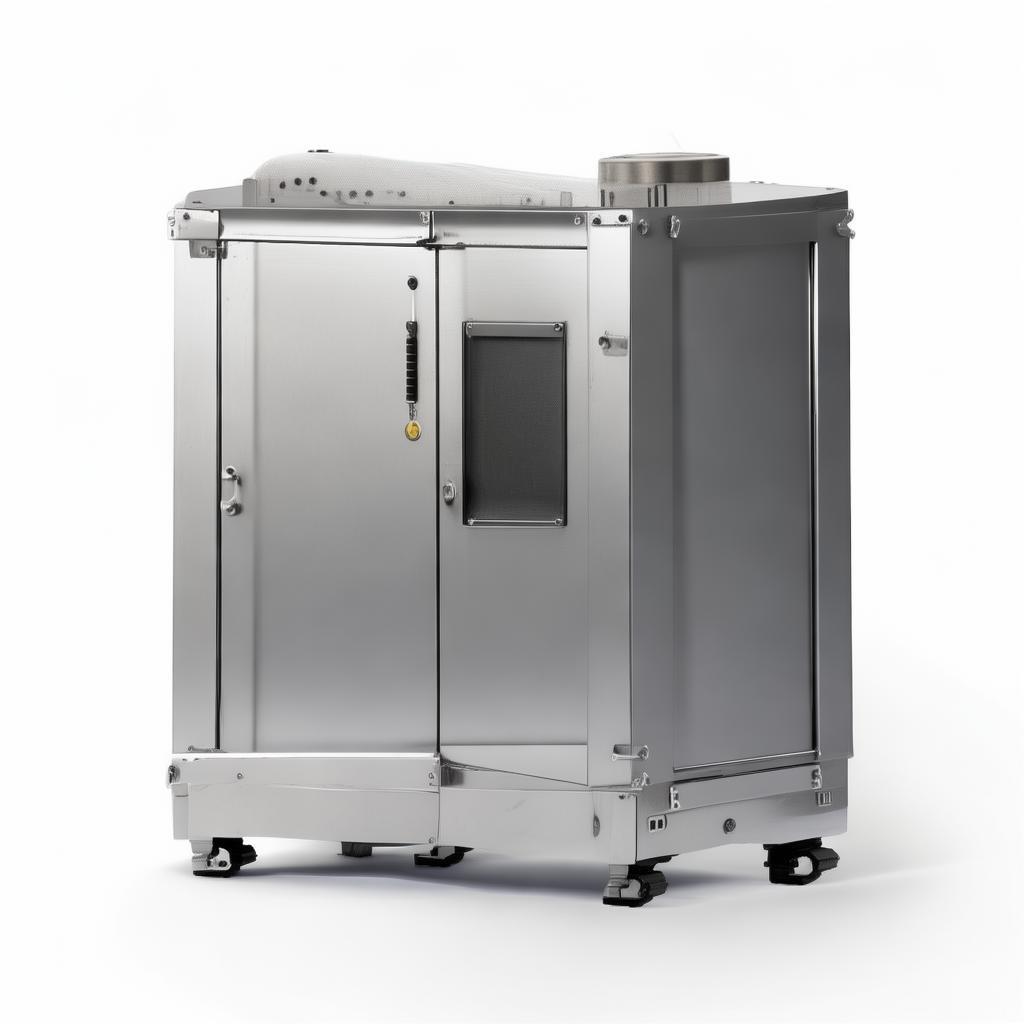
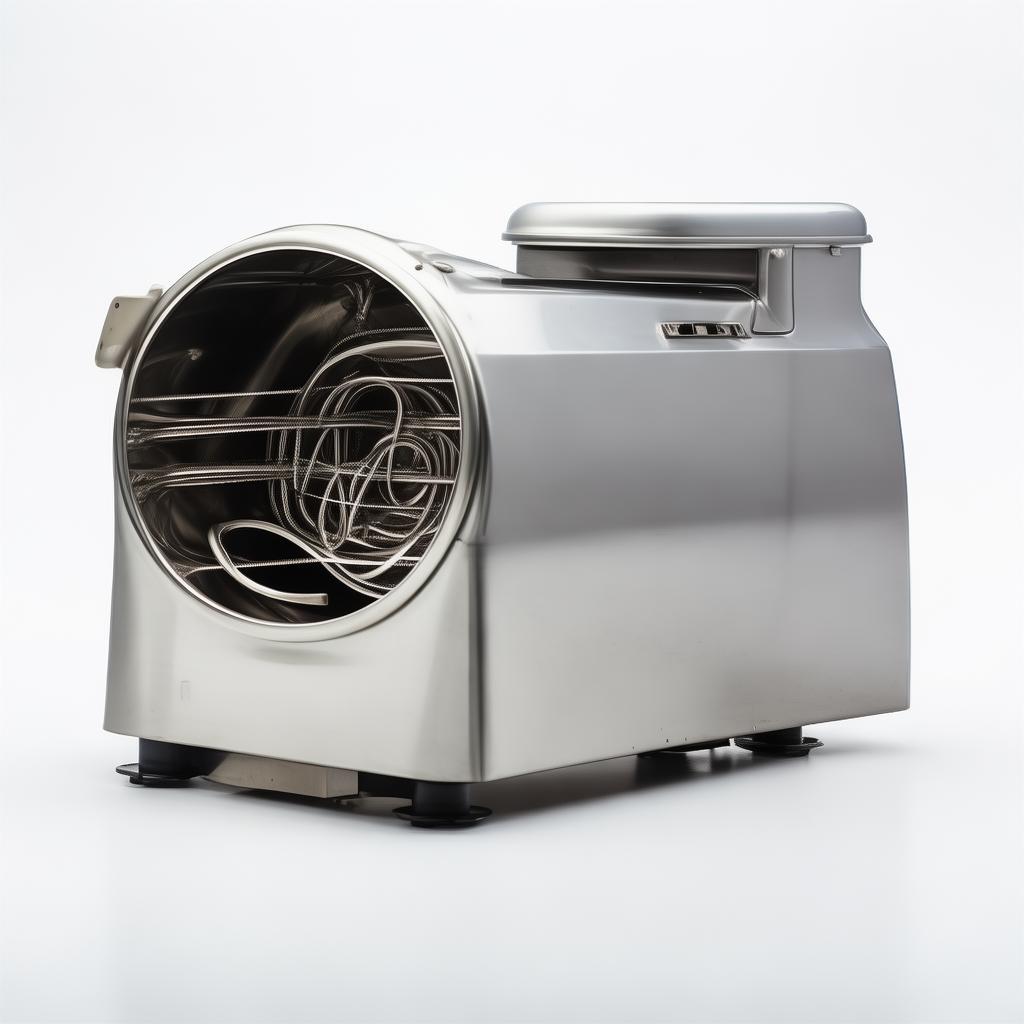
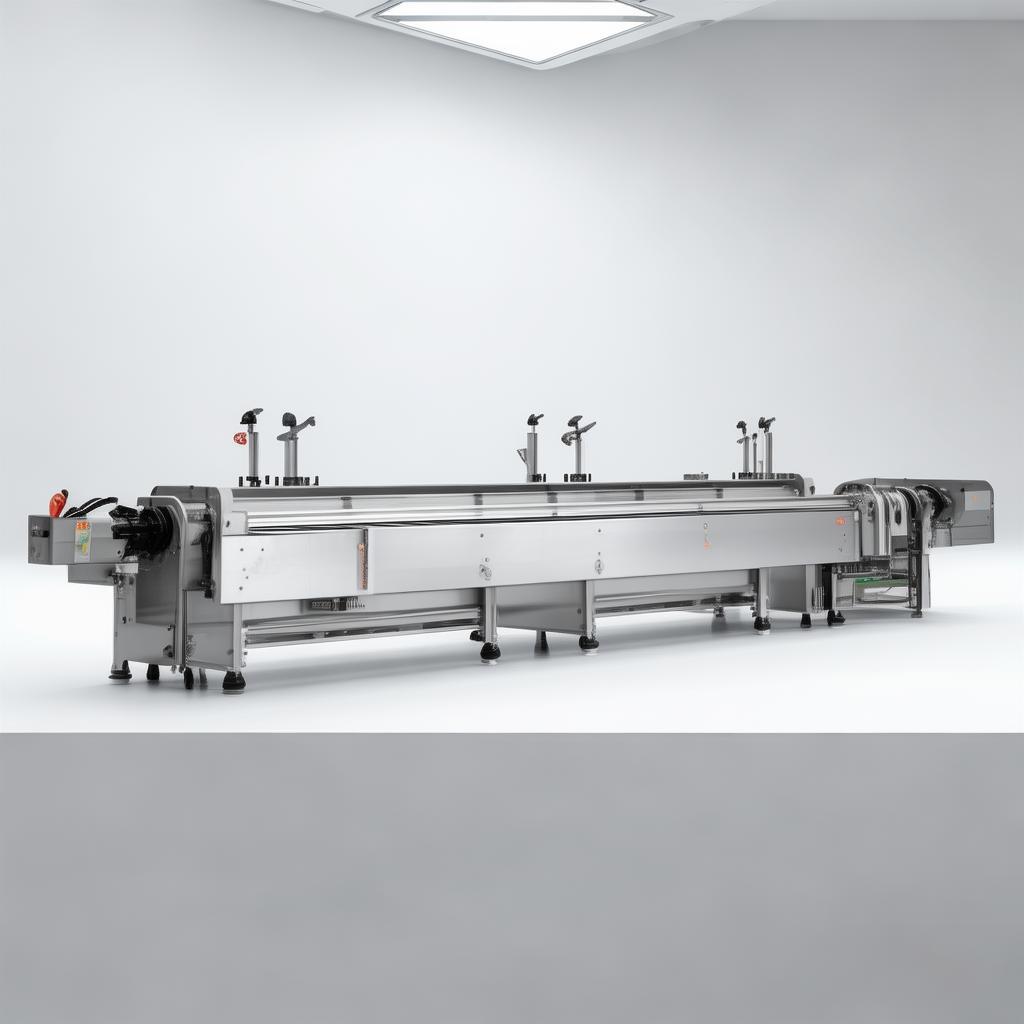
Vacuum Pump Inline Filters: Ensuring Purity and Performance in Critical Industrial Processes
Protect your vacuum system's integrity and efficiency with robust inline filtration solutions.

Why Inline Filters are Non-Negotiable for Vacuum Pumps
In the intricate world of industrial operations, the reliability and longevity of your vacuum systems are paramount. These systems, often the unseen workhorses, are critical for a vast array of processes, from material handling and packaging to research and development. However, their performance is directly tied to the purity of the air or gas they process. Airborne contaminants—dust, debris, moisture, or even fine particulates generated by the process itself—can infiltrate the vacuum pump, leading to a cascade of operational failures. This is where the humble, yet indispensable, vacuum pump inline filter steps in.
Think of your vacuum pump as the heart of a complex circulatory system. Just as a human heart can be compromised by impurities in the bloodstream, a vacuum pump's efficiency and lifespan are severely threatened by unfiltered ingress. Contaminants can cause abrasion, wear down internal components like vanes and seals, lead to blockages in delicate pathways, and even trigger overheating. The cumulative effect is a significant reduction in pumping speed, increased energy consumption, unscheduled downtime for costly repairs, and ultimately, a shortened operational life for an expensive piece of capital equipment. For businesses where vacuum uptime directly translates to production output and revenue, this is an unacceptable risk.
The introduction of an inline filter into the vacuum line is a proactive, strategically sound measure. Positioned strategically between the process intake and the vacuum pump inlet, these filters act as a robust barrier, trapping particulate matter before it can reach sensitive pump mechanisms. This simple addition fundamentally alters the operational landscape, shifting from reactive maintenance and costly breakdowns to a preventative approach that safeguards investment and ensures consistent performance. It's not just about filtering; it's about ensuring process integrity, maintaining product quality, and achieving predictable operational continuity. The global demand for refined industrial processes, driven by needs for higher product purity and reduced waste, underscores the growing importance of advanced filtration solutions. Reports consistently show the meat processing equipment market, for example, growing significantly, with specific mention of filling, molding, and ripening processes all benefiting from clean air environments. A 2023 report by Fortune Business Insights projected the global meat processing equipment market to reach USD 17.39 billion by 2034, highlighting the scale of industries that rely on precise vacuum applications. Similar trends are observed in broader food processing, pharmaceuticals, and manufacturing sectors, all of which depend on contaminant-free environments.
Moreover, the type of contaminants can vary wildly depending on the application. In food processing, it might be fine flour dust or protein particles. In chemical manufacturing, it could be corrosive fumes or catalyst fines. In electronics assembly, it might be microscopic debris from component handling. Each scenario presents unique challenges, requiring filters engineered with specific media, pore sizes, and material resistances. A 'one-size-fits-all' approach is rarely sufficient. Our approach centers on understanding these nuanced requirements. We focus on delivering inline filters that not only meet but exceed the demands of your specific operational context, offering a reliable defense against the myriad of potential ingestions that could compromise your vacuum pump.
The choice of filter is not merely a component selection; it's a critical decision impacting overall equipment effectiveness (OEE). A poorly chosen or ineffective filter can be worse than no filter at all, leading to premature clogging, excessive pressure drop (which reduces system efficiency), and frequent replacement, thereby increasing operational expenditure. Conversely, a well-specified inline filter provides a critical layer of protection, extending pump life, maintaining stable vacuum levels, reducing energy usage, and minimizing the need for costly maintenance interventions. The economic rationale is clear: the upfront investment in quality filtration is invariably recouped through reduced operating costs and enhanced system reliability. As industries worldwide push for higher standards in automation, hygiene, and process control—as seen in the steady growth of the food and beverage processing equipment market, projected to reach USD 109.61 billion by 2035 according to Meticulous Research—the role of inline filters becomes ever more pronounced.
Our commitment at Hebei Yuanchang Food Mechanism & Technology Co., Ltd. is to provide precisely engineered solutions. With over 40 years of experience in precision manufacturing, particularly within demanding sectors like meat processing (where hygiene and reliability are non-negotiable), we understand the criticality of every component. Our expertise in machining, honed through extensive use of advanced CNC centers, allows us to produce inline filter housings and internal components with the high precision and durability required for continuous industrial operation. We don't just supply parts; we deliver peace of mind and operational certainty.
The Hidden Costs of Contamination in Vacuum Systems
Ignoring the need for effective vacuum pump inline filtration isn't just an oversight; it's an invitation to a host of costly problems that can significantly impact your bottom line. These issues often start subtly but can quickly escalate into major operational disruptions.
- Premature Wear and Component Failure: Abrasive particles, whether they're fine dust, metal shavings, or process by-products, act like sandpaper on the internal components of your vacuum pump. Vanes, rotors, bearings, and seals are particularly vulnerable. This leads to accelerated wear, reduced pump efficiency, and ultimately, premature failure requiring expensive replacement parts and labor. For instance, in the food processing sector, fine particulate matter like sugar dust or protein powders can quickly degrade pump internals if not adequately filtered.
- Reduced Pumping Efficiency & Increased Energy Consumption: As contaminants build up on internal surfaces or clog pathways, the pump struggles to achieve and maintain the desired vacuum level. This means it has to work harder, consuming more energy for the same output. Over time, this inefficiency translates to significantly higher electricity bills and a lower overall production throughput.
- Process Contamination and Product Quality Degradation: If the vacuum system is part of your product handling or packaging process, any particles entering the pump could potentially be recirculated or released back into your product stream. This is a critical concern in food, pharmaceutical, and semiconductor manufacturing, where even microscopic contamination can render entire batches unusable, leading to product recalls and reputational damage. The demand for high-quality, pure products, as reflected in the growing processed meat market (projected to reach USD 1,330.45 billion by 2035), makes this risk ever more significant.
- Unscheduled Downtime and Production Loss: Pump failures rarely happen at convenient times. An unexpected breakdown can halt production lines, leading to significant revenue loss, missed delivery deadlines, and contractual penalties. The cost of lost production often far outweighs the investment in preventative filtration.
- Increased Maintenance Costs: Frequent cleaning, component replacement, and emergency repairs all contribute to a higher total cost of ownership for your vacuum system. A robust inline filter drastically reduces the need for such interventions, streamlining maintenance schedules and lowering associated labor costs.
- Environmental and Safety Hazards: In certain applications, the vacuum system might be drawing in hazardous or flammable materials. Without proper filtration, these could pose risks to personnel, equipment, or the environment if not contained effectively. Ensuring the integrity of the intake stream is a fundamental safety measure.
The market for meat processing equipment itself illustrates the scale of these concerns. With segments like filling, molding, and ripening equipment showing strong growth (CAGR of 5.0% to 8.7% across various reports), maintaining sterile and efficient operations is key. Filtration is not a luxury; it's a foundational element for profitability and operational sustainability.
Understanding the Mechanism: How Inline Filters Work
The operational principle behind a vacuum pump inline filter is straightforward yet highly effective. Its primary function is to intercept and retain particulate contaminants present in the gas stream before that stream reaches the vacuum pump's internal mechanisms. This is achieved through a carefully designed construction, typically comprising a durable housing and a specialized filter element.
When the gas or air enters the filter housing through the inlet port, it is directed towards the filter element. This element is the core of the filtration process, constructed from materials chosen for their ability to trap specific sizes and types of contaminants while allowing the clean gas to pass through unimpeded. Common filter media include:
- Pleated Cartridges: Often made from paper, synthetic fibers (like polyester or polypropylene), or specialized microfibers, these are pleated to maximize surface area within a compact volume. The pleats create a tortuous path for the gas, ensuring fine particles are captured efficiently.
- Sintered Materials: Such as sintered bronze, stainless steel, or plastics (like polyethylene), these offer robust, often cleanable, filter structures capable of withstanding higher temperatures and pressures. They are excellent for coarser filtration or in environments where disposable cartridges are impractical.
- Mesh Screens: While typically for larger particle removal, fine mesh filters can be used as a pre-filter or for applications with less stringent requirements.
The gas, now cleansed of impurities, exits the filter through the outlet port and proceeds to the vacuum pump. The housing itself is engineered to withstand the negative pressure (vacuum) conditions of the system, ensuring no leaks occur that could compromise the vacuum level or draw in unfiltered air. The design also considers ease of access for maintenance, allowing for straightforward replacement of disposable elements or cleaning of reusable ones.
The effectiveness of an inline filter is largely determined by its filtration efficiency (often expressed as a percentage of particles removed at a specific micron size) and its capacity (how much contaminant it can hold before requiring service). Matching these specifications to the demands of your application—considering particle size, concentration, and flow rate—is crucial. For instance, in the electronics manufacturing sector, where even micron-sized particles can cause defects, filters with micron ratings of 1 or even 0.3 are often specified. The Food and Beverage Processing Equipment Market, with its stringent hygiene demands, frequently utilizes FDA-compliant materials in filtration components. The market for this equipment is substantial, underscoring the critical role of clean air.
A key consideration is the pressure drop across the filter. While filtration is essential, an excessive pressure drop can strain the vacuum pump, reduce flow rate, and increase energy consumption. High-quality filters are designed to minimize this pressure drop, balancing filtration efficiency with system performance. Our manufacturing expertise ensures we strike this optimal balance, providing filters that protect your equipment without hindering its operation.
Key Advantages of Our Vacuum Pump Inline Filters
When you choose Hebei Yuanchang's vacuum pump inline filters, you're investing in a solution engineered for superior performance, reliability, and cost-effectiveness. We understand the demanding environments our products operate in, and we build them to last.
Extended Pump Lifespan
Our filters effectively capture damaging particulates, significantly reducing abrasive wear on critical pump components. This directly translates to fewer breakdowns and a longer service life for your expensive vacuum equipment.
Maintained System Efficiency
Designed for minimal pressure drop, our filters allow your vacuum pump to operate at optimal performance levels. This ensures consistent vacuum levels and prevents the energy waste associated with struggling systems.
Reduced Operational Costs
By preventing costly pump repairs, minimizing energy consumption, and extending the time between maintenance cycles, our inline filters offer a compelling return on investment, lowering your overall operational expenditures.
Robust Construction
Fabricated from high-quality, durable materials, our filter housings and elements are built to withstand demanding industrial environments, including fluctuations in temperature and pressure.
Versatile Filtration Options
We offer a range of filter media and micron ratings to suit diverse applications, from general dust collection to fine particulate and moisture removal, ensuring a precise fit for your system's needs.
Ease of Maintenance
Designed for straightforward cartridge replacement or cleaning (for reusable types), our filters minimize downtime during routine servicing. We can even advise on optimal replacement schedules based on your operating conditions.
The global meat processing equipment market, valued at over USD 15 billion, consistently emphasizes hygiene and efficiency. Our filtration solutions directly support these goals, preventing contamination that could impact product quality and ensuring reliable operation of related equipment like filling and molding machines.
Tailored Filtration: Technical Specifications
Selecting the right vacuum pump inline filter requires careful consideration of several technical parameters to ensure optimal performance and compatibility with your specific application. At Hebei Yuanchang, we offer a range of configurations to meet diverse industrial demands. Below is a representative overview of specifications you can expect:
| Feature | Description / Range | Impact on Performance |
|---|---|---|
| Filter Element Media | Pleated Cellulose/Polyester Blend, Microfiber, Sintered Bronze, Sintered Stainless Steel, Polyethylene | Determines particle capture efficiency, chemical resistance, and temperature tolerance. |
| Micron Rating (Nominal/Absolute) | Range: 1µm to 100µm (Absolute ratings available for critical applications) | Specifies the size of particles the filter can effectively remove. Crucial for protecting sensitive pump components or ensuring product purity. |
| Housing Material | Anodized Aluminum, Stainless Steel (304/316), Carbon Steel (coated), Engineering Plastics | Ensures chemical compatibility, corrosion resistance, and mechanical strength under vacuum conditions. |
| Connection Size (Inlet/Outlet) | Standard NPT, BSP threads: 1/4", 3/8", 1/2", 3/4", 1", 1.5", 2" | Ensures secure and leak-free connection to your vacuum line. Proper sizing minimizes flow restriction. |
| Maximum Vacuum Rating | Up to -0.99 bar (typical full vacuum) | Confirms the filter housing can withstand the system's operating vacuum without collapsing. |
| Operating Temperature Range | -10°C to +80°C (Standard), Higher/Lower available with specialized materials | Ensures filter integrity and performance across various environmental conditions. |
| Pressure Drop (Clean Element) | Typically <0.1 bar at rated flow | Crucial for system efficiency. Lower drop means less strain on the pump and higher throughput. |
inline vacuum pump filter vacuum pump filter filter vacuum pump
Customization is key. We can tailor filter configurations, including specific micron ratings, connection types, and material selections (e.g., FDA-compliant materials for food applications), to precisely match your operational requirements. For example, in the context of the broad food processing equipment market, where hygiene is paramount, selecting materials like stainless steel housings and food-grade filter media is standard practice.
Versatile Applications Across Industries
The fundamental need to protect vacuum systems from contamination makes our inline filters invaluable across a wide spectrum of industrial sectors. Their adaptability ensures they are a critical component wherever reliable vacuum performance is essential.
Key Sectors & Applications:
Manufacturing & Assembly
Pick-and-place operations, robotic handling, vacuum lifting, product assembly, leak testing.
Food & Beverage Processing
Vacuum packaging, filling machines, automated material transfer, molding and forming equipment auxiliary systems.
Pharmaceuticals & Healthcare
Sterile packaging, laboratory equipment, medical device manufacturing, cleanroom environments.
Chemical & Petrochemical
Gas transfer, vacuum distillation, solvent recovery, handling corrosive or reactive substances (with appropriate material selection).
Woodworking & Furniture
Vacuum clamping, CNC routing (dust extraction interface), edge banding.
Electronics Manufacturing
Wafer handling, component placement, cleanroom filtration, solder paste dispensing.
Printing & Packaging
Vacuum feeders for paper/cardboard, automated packaging lines, bag sealing.
Material Handling
Vacuum conveying systems, dust collection systems, industrial vacuum cleaners.
The broad applicability is supported by market trends. The Meat Processing Equipment Market, for example, sees constant innovation in filling, molding, and ripening technologies. Each of these often relies on precise vacuum control, where preventing particulate contamination ensures both product safety and equipment longevity. Similarly, the Food Processing Equipment Market, growing robustly, demands high standards of hygiene that filtration directly supports.
Installation & Maintenance: Practical Considerations
Proper installation and a proactive maintenance schedule are key to maximizing the benefits of any vacuum pump inline filter. While our filters are designed for ease of use, a few operational insights can make a significant difference.
Installation Best Practices:
- Location is Key: Install the filter as close to the vacuum pump inlet as practically possible, but upstream of any other vacuum accessories (like gauges or solenoids) that might be sensitive to particles. This ensures it captures contaminants before they enter the pump.
- Orientation: Most inline filters can be installed in any orientation, but if your filter has a drain port or a specific flow direction indicated, ensure it's mounted accordingly. Mounting vertically with flow downwards can sometimes aid in particulate drainage if applicable.
- Secure Connections: Use appropriate thread sealant (like PTFE tape) on threaded connections to ensure a robust, leak-proof seal. Overtightening can damage threads, while undertightening can lead to vacuum leaks. Aim for snug but firm.
- Check for Leaks: After installation and initial system startup, always check for air leaks around the filter housing and connections using a leak detection spray or by listening carefully. Even small leaks can significantly impact vacuum performance.
Routine Maintenance:
Regular checks and timely replacement of filter elements are critical for maintaining optimal performance and preventing premature pump damage. The frequency of maintenance depends heavily on the operating environment and the concentration of contaminants.
- Visual Inspection: Periodically inspect the filter element for signs of heavy loading, clogging, or damage. Discoloration from absorbed oils or moisture can also be an indicator.
- Pressure Drop Monitoring: If your system has pressure gauges before and after the filter, a significant increase in the pressure drop indicates the element is becoming clogged and needs replacement. A clean element should show minimal pressure differential.
- Replacement Schedule: Based on your system's operating hours and the nature of contaminants, establish a regular replacement schedule. As a general guideline, disposable elements may need replacement every 3-6 months, but this can vary dramatically. Consult your equipment manual or our support team for specific recommendations.
- Cleaning Reusable Elements: For filters with reusable elements (e.g., sintered metal), follow manufacturer guidelines for cleaning. This might involve backflushing with compressed air or solvent cleaning, depending on the contaminant type. Ensure elements are completely dry before reinstallation.
Consider the logistics: having spare filter elements on hand is a practical measure to minimize downtime when a change-out is required. For busy operations, especially in sectors like food processing where downtime is costly, this proactive inventory management is essential. The global demand for efficient processing lines, as reflected in the growing Meat Processing Equipment Market, means that any delay due to a clogged filter is a direct hit to productivity.
Procurement Insights: What to Look For
Sourcing the right vacuum pump inline filter involves more than just finding the lowest price. As a procurement professional, you need to evaluate factors that guarantee long-term value, operational reliability, and minimal risk. Here’s a practical guide:
Key Evaluation Criteria:
- Technical Specifications Alignment: Does the filter's micron rating, flow rate capacity, temperature tolerance, and connection size precisely match your vacuum pump's requirements and your operational conditions? Misalignment here leads to inefficiency or premature failure.
- Material Quality and Compliance: For food, pharmaceutical, or sensitive applications, verify that materials used in the filter element and housing are FDA-compliant or meet other relevant industry standards (e.g., RoHS for electronics). For harsh chemical environments, material compatibility is non-negotiable.
- Manufacturer's Experience and Reputation: Partnering with a manufacturer that has a proven track record, especially in demanding industrial sectors, provides a level of assurance. Look for companies with deep manufacturing expertise, like ours, with 40 years in precision engineering.
- Filter Lifespan and Maintenance Costs: Consider not just the initial purchase price but the total cost of ownership. A slightly more expensive filter that lasts longer and requires less frequent replacement can be far more economical. Ask about recommended service intervals and the availability of spare parts.
- Pressure Drop Performance: A critical, often overlooked, metric. A low-pressure drop ensures your vacuum system operates efficiently, saving energy and maximizing pump performance. Request data on clean element pressure drop at your typical operating flow rates.
- Supplier Reliability and Support: Can the supplier provide consistent product quality? What level of technical support is available for selection, installation, and troubleshooting? For international orders, reliable shipping and clear communication are essential.
- OEM/ODM Capabilities: If you have unique requirements, consider suppliers who can offer custom solutions. Our extensive in-house machining capabilities allow us to produce non-standard components and develop tailored filter designs.
For buyers in the Meat Processing Equipment Market, for example, sourcing filters that are easy to clean, meet food-grade standards, and effectively capture fine meat particles is a priority. Similarly, in the high-growth Electronics Manufacturing sector, absolute micron ratings and cleanroom compatibility are key procurement drivers.
Our Manufacturing Prowess: The Yuanchang Advantage
At Hebei Yuanchang Food Mechanism & Technology Co., Ltd., our 40 years of experience since 1986 are built on a foundation of robust manufacturing capabilities and a relentless pursuit of precision. While our roots are in food processing equipment, our expertise in machining and engineering extends to critical components like vacuum pump inline filters.
Our facility spans approximately 14,000 square meters, housing a dedicated team of 80-100 skilled professionals. This allows us to integrate R&D, production, and sales seamlessly. What truly sets us apart is our in-house machining workshop, equipped with over 20 advanced processing machines:
- Lathes, milling machines, high-precision grinding machines
- Boring machines, plate shears, bending machines
- Wire cutting equipment
Crucially, since 2012, we have invested in 8 sets of Japanese Mazak CNC machining centers. This investment enables us to undertake the production of high-standard components that demand large volumes, exceptional precision, and non-standard specifications—exactly the requirements for reliable industrial filtration components.
This internal control over component manufacturing means we can guarantee the quality, accuracy, and durability of every filter we produce. Coupled with our traceable after-sales management system, this allows us to independently produce high-precision parts, ensuring worry-free performance and support for our global clientele. We understand that for equipment like vacuum pumps, component integrity is paramount; our manufacturing process reflects this understanding.

Our state-of-the-art machining capabilities ensure precision in every component.
Our 40-year journey in manufacturing has instilled a deep understanding of operational needs, particularly in sectors like food processing where cleanliness and precision are critical. This experience directly informs the design and production of our vacuum pump inline filters, making them robust, reliable, and efficient.
Commitment to Quality: Our Certifications
Quality is not just a goal; it's embedded in our manufacturing DNA. Hebei Yuanchang Food Mechanism & Technology Co., Ltd. adheres to rigorous international standards to ensure our products meet the highest benchmarks for performance, safety, and environmental responsibility. Our commitment is reflected in our adherence to:


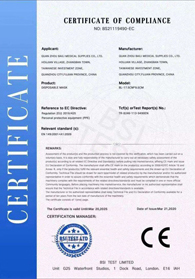
While our core focus has been on food processing equipment, our adherence to quality management systems like ISO 9001 ensures that every component we manufacture, including vacuum pump inline filters, is produced under stringent quality controls. For applications requiring it, we can also ensure our filter materials and constructions meet standards such as RoHS compliance for restricted substances, and provide products with CE marking where applicable for European market access. For specific applications, such as in the pharmaceutical or food industries, we can select and certify materials that meet FDA requirements.
This dedication to verifiable quality means you can trust our vacuum pump inline filters to perform reliably in your critical applications, contributing to both operational efficiency and compliance requirements.
What Our Clients Say
Real-world feedback from businesses like yours underscores the value and reliability of our vacuum pump inline filters.

Operations Manager, Food Packaging Co.
"We were experiencing frequent breakdowns with our vacuum packaging machines due to fine dust contamination. Implementing Yuanchang's inline filters was a game-changer. Downtime has reduced by nearly 30% and the pumps are running much smoother. Installation was straightforward."
Reviewed: November 2023
Procurement Specialist, Electronics Manufacturer
"The precision required in our cleanroom environment means any contamination is unacceptable. Yuanchang provided us with filters that meet our stringent micron requirements. Their technical team was very helpful in selecting the right model, and the consistent quality has been impressive."
Reviewed: August 2023
Plant Engineer, Industrial Woodworking Shop
"We've been using these filters on our CNC dust extraction vacuum systems for over a year now. They handle the fine wood dust effectively without creating excessive backpressure. The cost-effectiveness compared to our previous supplier is also a major plus."
Reviewed: May 2023Frequently Asked Questions
- Q: How often should I replace the filter element?
- A: This depends heavily on your operating environment. In dusty or contaminated conditions, replacement might be needed every few months. In cleaner environments, it could be a year or more. Monitoring pressure drop and visually inspecting the element are the best indicators. We recommend consulting your vacuum pump manual and our technical support for tailored advice.
- Q: Can these filters handle moisture or oil mist?
- A: Some of our filter media are designed to handle a degree of moisture and oil mist. For applications with significant oil vapor, oil coalescing filters might be more appropriate. Please specify your requirements, and we can recommend the most suitable filtration media and housing.
- Q: What is the typical pressure drop for your filters?
- A: Our filters are engineered for low pressure drop to maintain system efficiency. A clean element typically results in a pressure drop of less than 0.1 bar at the rated flow rate. Specific values can be found on individual product datasheets.
- Q: Do you offer custom filter solutions for specific OEM needs?
- A: Absolutely. With our advanced CNC machining capabilities and 40 years of manufacturing experience, we excel at producing custom-designed filter housings, elements, and complete filtration units to meet unique OEM specifications.
- Q: Are your filters suitable for high-temperature applications?
- A: Standard filters are rated for temperatures up to around 80°C. For higher temperature requirements, we can utilize specialized materials for both the housing and filter element. Please discuss your operating temperature range with our sales engineers.
Protect Your Vacuum System's Performance and Longevity
Don't let contaminants compromise your vacuum pump. Invest in reliable filtration from Hebei Yuanchang and ensure uninterrupted, efficient operation.
Contact us today for expert advice and tailored filtration solutions.