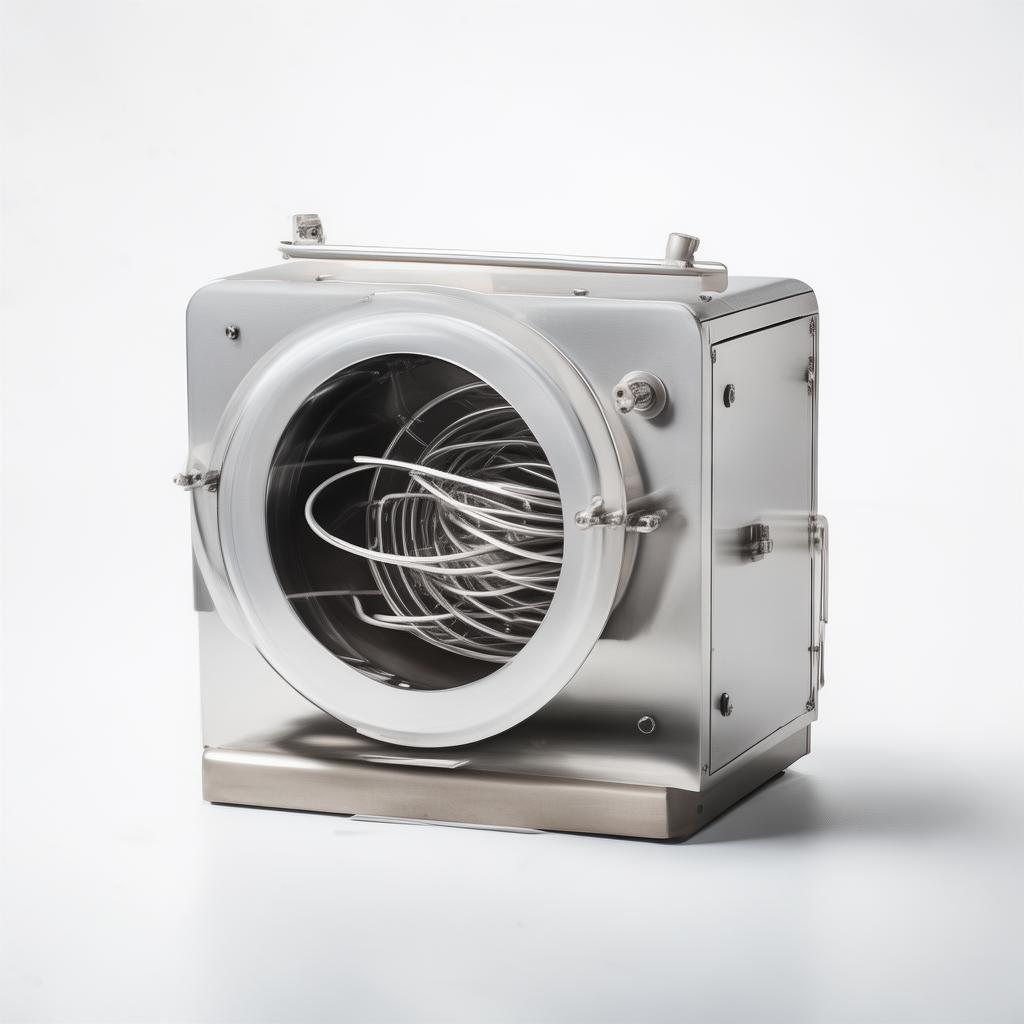
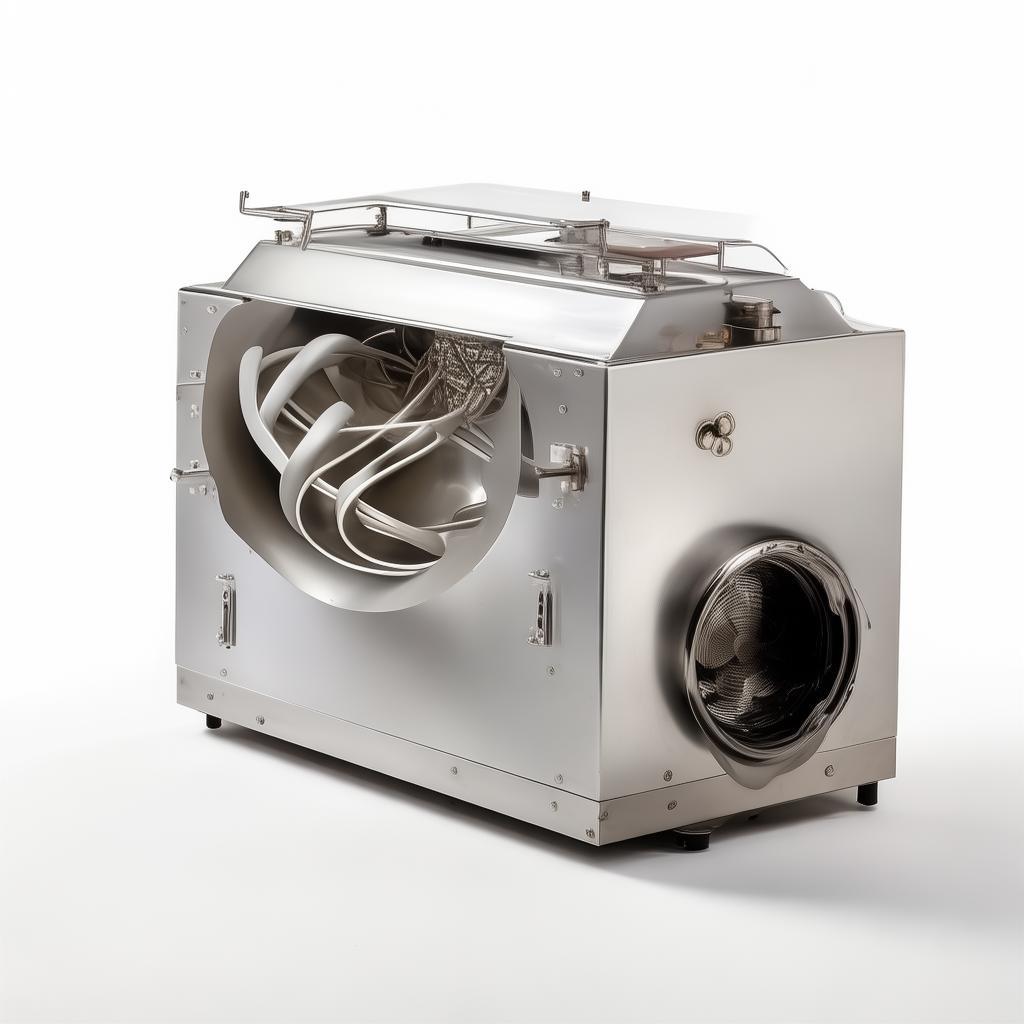
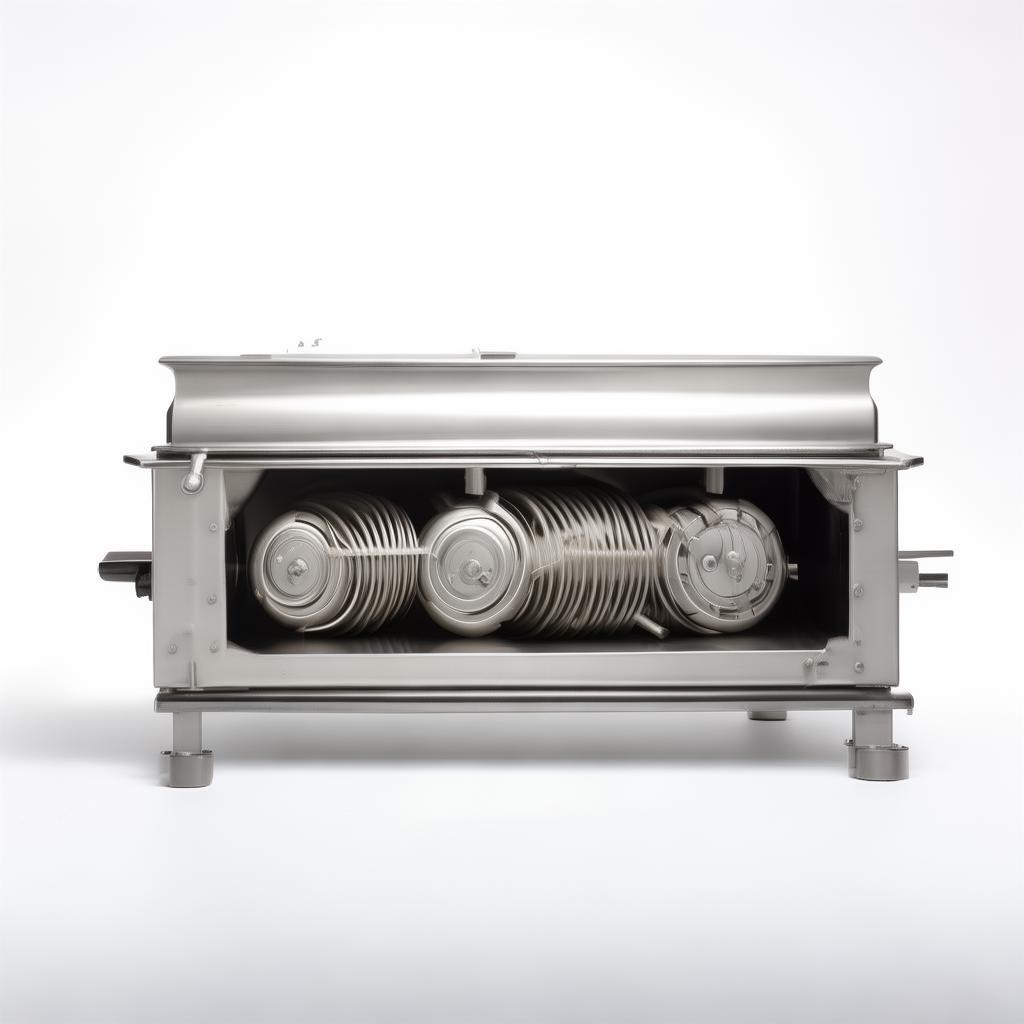
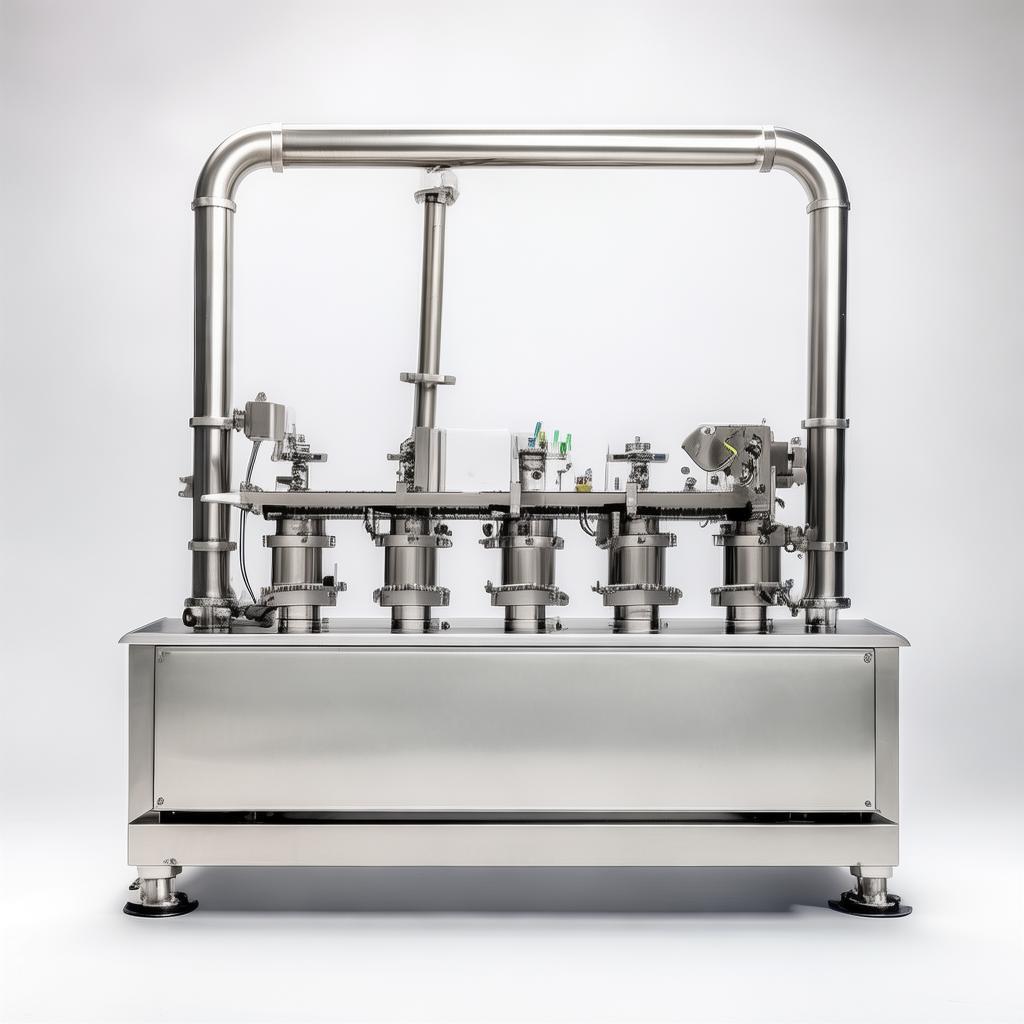
Vacuum Venturi
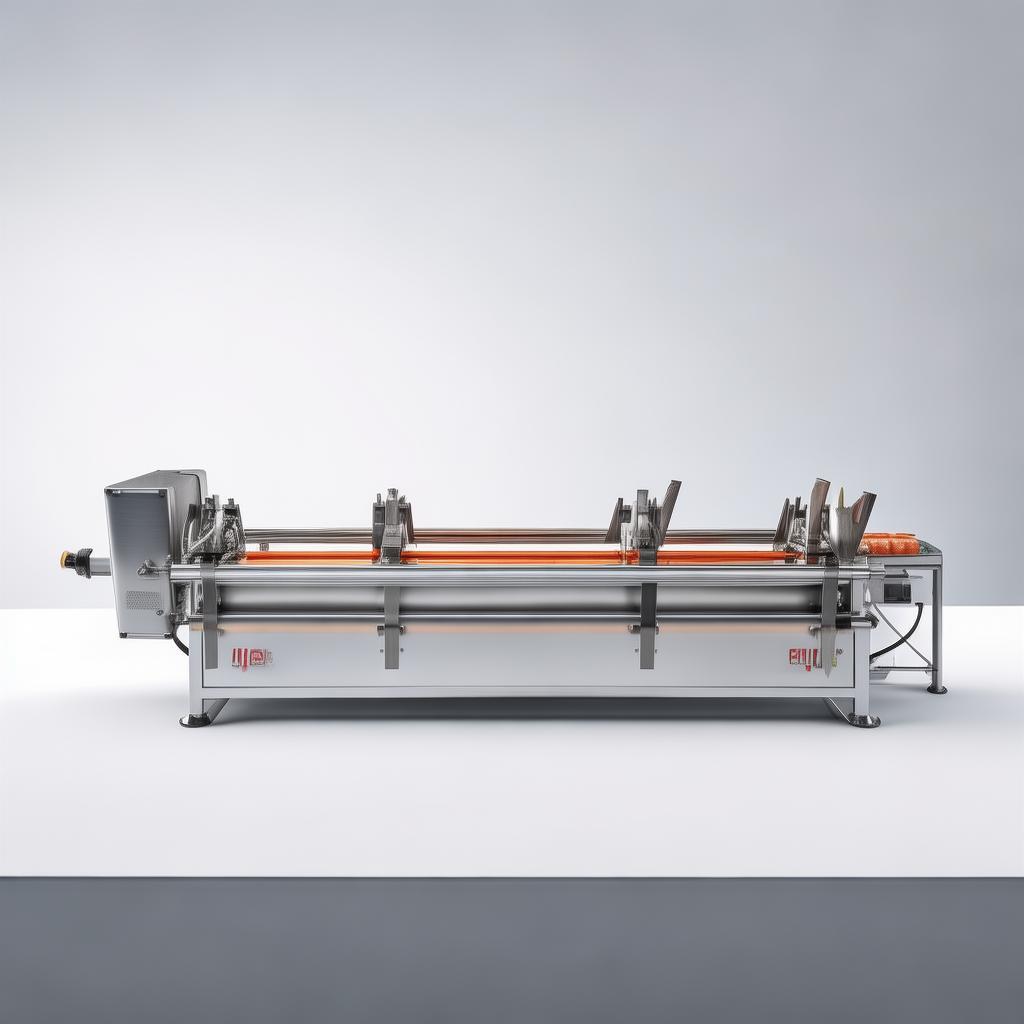
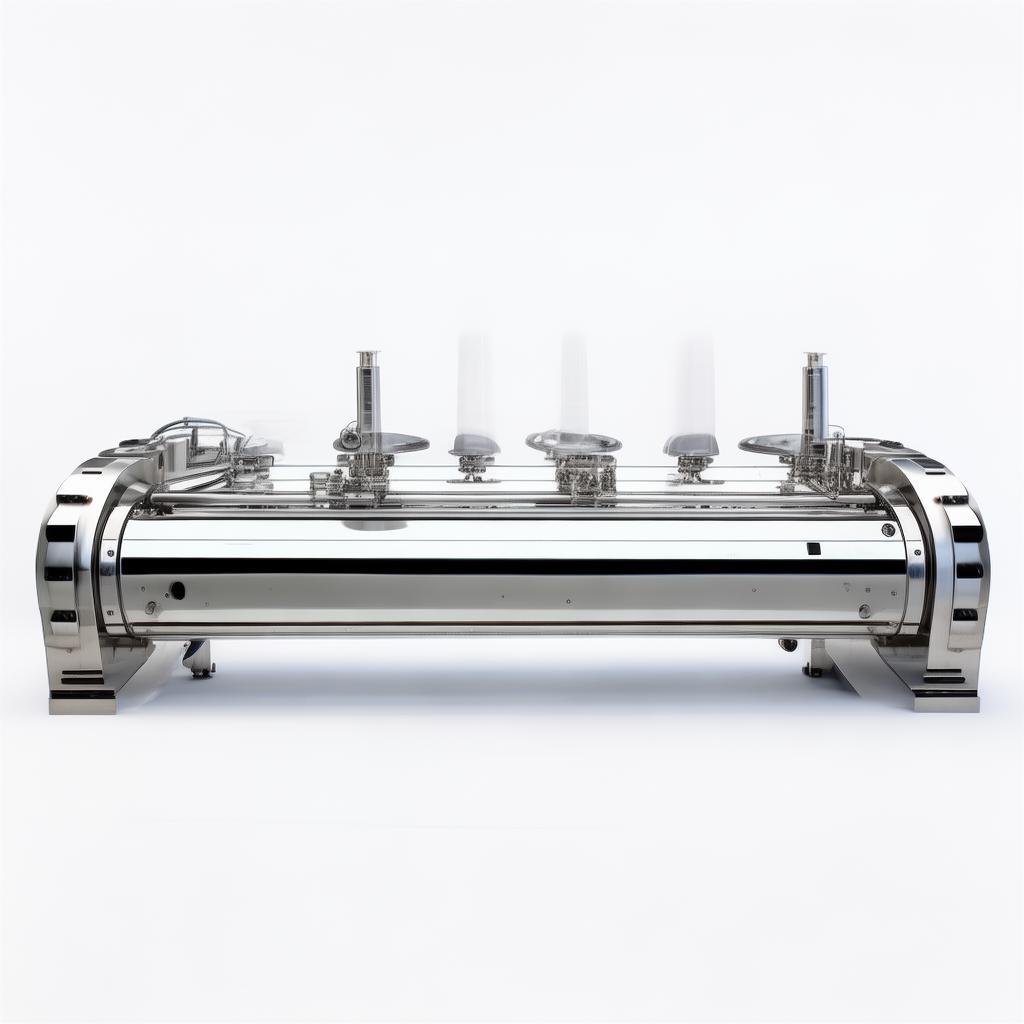
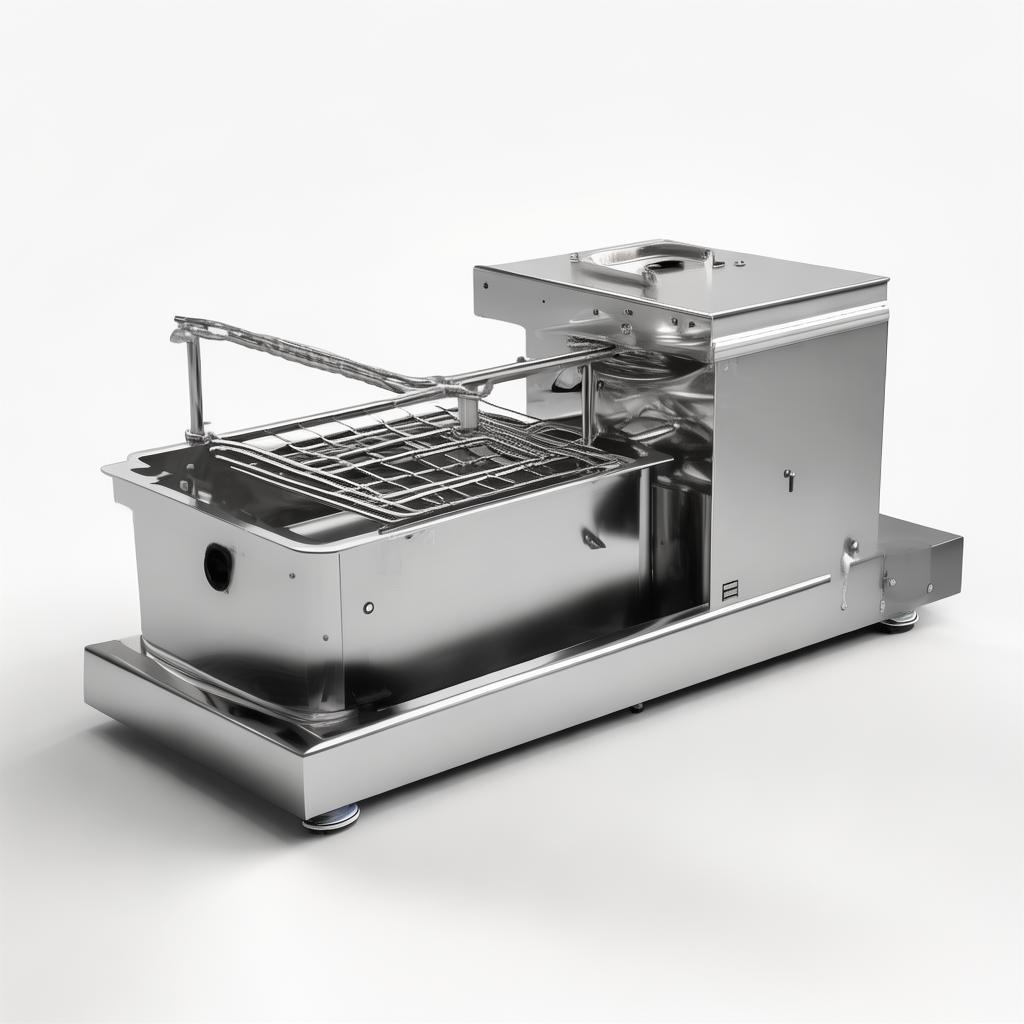
Vacuum Venturi: Precision Airflow Control for Demanding Industrial Processes
Unlock peak efficiency and reliability in your operations with our advanced Vacuum Venturi systems.
Mastering Airflow Dynamics: Why Vacuum Venturi is Critical for Your Operations
In the intricate world of industrial manufacturing, precise control over air and fluid dynamics isn't just a convenience – it's a fundamental requirement for operational integrity, product quality, and overall efficiency. Among the array of sophisticated components designed for these tasks, the vacuum venturi stands out for its robust simplicity and remarkable versatility. This device, often overlooked in favor of more complex machinery, plays a pivotal role in a vast range of applications, from delicate material handling to demanding vacuum generation in processing lines.
At Hebei Yuanchang Food Mechanism & Technology Co., Ltd., we've spent over four decades refining our understanding of industrial processes. Since 1986, our journey in meat processing equipment has ingrained in us the critical importance of reliable, high-performance components. While our primary focus has been on complete production lines for meat products, the underlying principles of precise fluid and air management are universal. This deep-seated expertise allows us to appreciate the nuances of systems like the vacuum venturi, recognizing its potential to enhance operations far beyond its immediate application.
The fundamental principle behind a vacuum venturi, also known as an ejector, is elegantly straightforward: it uses a motive fluid (typically compressed air or steam) to create a vacuum. As the motive fluid is forced through a constricted nozzle, its velocity increases dramatically, following Bernoulli's principle. This high-velocity stream then expands into a diffuser section, where its kinetic energy is converted back into pressure energy. The net result is a significant drop in pressure within the venturi's suction port, effectively drawing in and entraining a secondary fluid – be it air, gas, or even liquid. This process generates a vacuum without the need for moving parts, a key differentiator that translates into unparalleled reliability and minimal maintenance.
Why is this important for your business? Consider the rising global demand for processed meats. Reports suggest the global processed meat market is projected to grow significantly, with figures ranging from USD 750.58 billion in 2026 to USD 1,253.77 billion by 2034 at a CAGR of 6.62% (Fortune Business Insights). This surge necessitates efficient, high-volume processing. Vacuum venturis are instrumental in tasks such as vacuum packaging, where they rapidly evacuate air from product bags, preserving freshness and extending shelf life. They are also crucial in material handling, enabling grippers to pick up delicate or irregularly shaped items like food products or sensitive components without physical contact, thereby minimizing damage and contamination.
Furthermore, in processing environments where hygiene is paramount – a non-negotiable aspect of food production, for instance – the absence of moving parts in a venturi system significantly reduces potential points of contamination and simplifies cleaning protocols. The global meat processing equipment market itself is valued in the billions, projected to reach between USD 11.28 billion and USD 19.66 billion by 2030-2034 (Grand View Research, SkyQuestt). Within this vast market, equipment that enhances automation, efficiency, and product integrity, like robust vacuum systems, is indispensable.
The operational advantages are clear: reduced downtime due to mechanical failure, lower energy consumption compared to traditional vacuum pumps in certain applications, and consistent performance across demanding conditions. Our experience in designing and manufacturing complex machinery has taught us that the reliability of the smallest component can have a cascading effect on an entire production line. A well-designed vacuum venturi isn't just a part; it's a critical node in your operational network.
This page is designed to provide procurement managers, operations directors, and technical engineers with a comprehensive understanding of vacuum venturi technology. We'll explore their diverse applications, delve into the technical specifications that matter for your specific needs, and discuss why partnering with an experienced manufacturer like Hebei Yuanchang ensures you receive a solution that is not only effective but also built for longevity and performance in real-world industrial settings. Whether you're looking to optimize vacuum packaging, implement advanced material handling, or enhance process gas extraction, understanding the capabilities of a vacuum venturi is your first step towards achieving superior operational outcomes.
Understanding the Core Technology: How Vacuum Venturi Works
At its heart, a vacuum venturi is a masterful demonstration of fluid dynamics. It converts the energy of a motive fluid into a vacuum. Let's break down the mechanism:
- Motive Fluid Inlet: This is where the primary fluid – typically compressed air, but sometimes steam or even water – enters the venturi. The pressure of this motive fluid is a key parameter in determining the vacuum level achievable.
- Constricted Nozzle (Throat): As the motive fluid is forced through this narrow section, its velocity increases dramatically according to the principle of continuity. This acceleration is the foundation of the vacuum creation process.
- Diffuser Section: Following the nozzle, the venturi body expands. This gradual increase in diameter allows the high-velocity motive fluid to decelerate. As velocity decreases, kinetic energy is converted back into static pressure. Crucially, in the mixing chamber where the motive fluid and entrained fluid interact, the overall pressure drops significantly below atmospheric, creating the desired vacuum.
- Suction Port: This is where the magic happens. The low-pressure zone created by the expanding motive fluid draws in ambient air, gases, or other secondary fluids from this port.
- Exhaust: The mixed motive fluid and entrained fluid are then expelled from the venturi at a slightly higher pressure than the motive fluid entered, but significantly lower than atmospheric pressure.
The beauty of this design lies in its simplicity and lack of moving parts. This translates directly into several key operational benefits for your plant:
Operational Advantages You Can Count On:
- High Reliability: No seals, pistons, or impellers to wear out or fail.
- Low Maintenance: Primarily requires periodic checks of connections and the motive fluid supply.
- Compact Design: Small footprint, easy integration into existing systems.
- Fast Response Time: Generates vacuum almost instantaneously upon motive fluid supply.
- Contamination Free: Ideal for cleanroom, food-grade, and sterile applications.
- Scalability: Multiple venturi units can be ganged together to achieve higher flow rates or deeper vacuum levels.
Consider the implications for production efficiency. In industries requiring rapid cycling, like automated pick-and-place operations common in electronics assembly or food packaging, a venturi's fast vacuum generation ensures minimal delay between cycles. The global market for food processing equipment, which heavily utilizes such systems, is projected to reach USD 19.11 billion by 2035 (Precedence Research). This growth is fueled by the need for automation and speed, areas where venturi systems excel.
The selection of a vacuum venturi depends on several critical parameters, including the desired vacuum level (e.g., -500 mbar, -800 mbar), the required flow rate at that vacuum level, the type and pressure of the motive fluid, and the operating environment. Our engineering team can guide you through these considerations to select the optimal unit for your specific application.
Applications Across Industries: Where Vacuum Venturi Shines
The adaptability of vacuum venturi technology makes it indispensable across a surprising breadth of industrial sectors. Its ability to create vacuum efficiently and reliably opens doors to numerous operational improvements.
Material Handling & Automation
This is perhaps the most common application. Vacuum venturis are the workhorses behind vacuum suction cups used in robotic pick-and-place systems. They can handle everything from delicate electronic components and glass panels to food items like baked goods, fruits, and formed meat products. The speed at which they can generate and release vacuum allows for rapid, high-cycle automated movements, a critical factor in modern manufacturing and logistics.
Considerations:
- Rapid cycle times are crucial for automated lines.
- Minimal surface contact protects delicate or finished goods.
- Suitable for picking up items with porous surfaces when using specialized suction cups.
Packaging and Sealing
In the food industry, vacuum packaging is key to extending shelf life and ensuring product integrity. Venturi vacuum generators can quickly evacuate air from packaging materials for items like processed meats, cheeses, and coffee. Their simplicity means fewer potential failure points in a high-volume packaging line. The global processed meat market's growth fuels demand for efficient packaging solutions, with auxiliary equipment like vacuum systems playing a vital role.
Considerations:
- Achieving a deep vacuum is essential for effective preservation.
- Fast evacuation speeds up the packaging cycle.
- Hygienic design is paramount for food-grade applications.
Industrial Vacuum Systems
Beyond specific pick-and-place or packaging tasks, venturi ejectors can form the basis of larger vacuum systems. They are used in applications such as:
- Vacuum Furnaces: Creating inert atmospheres for heat treatment.
- Central Vacuum Systems: For cleaning or material transport in plants.
- Filtration and Drying Processes: Accelerating liquid removal or gas extraction.
The scalability of venturi systems, allowing multiple units to be combined, makes them suitable for both small, localized vacuum needs and larger, plant-wide vacuum generation requirements. The food processing equipment market, for example, often integrates these systems for various stages of production, from pretreatments to auxiliary processes.
Laboratories and R&D
In scientific settings, venturi aspirators are common for creating vacuum for filtration, degassing liquids, or operating rotary evaporators. Their reliability and ease of use make them a standard benchtop instrument.
Considerations:
- Consistent vacuum levels are crucial for reproducible results.
- Compatibility with various gases or liquids is often required.
The global meat processing equipment market is a significant driver for many of these applications, with segments like filling & stuffing, massaging, and auxiliary items seeing steady growth. A robust vacuum venturi system is often the unseen backbone of efficient operations in these demanding sectors.
Choosing the Right Vacuum Venturi: Key Specifications and Considerations
Selecting the correct vacuum venturi is crucial for ensuring optimal performance and avoiding costly misapplications. It's not a one-size-fits-all component. Here are the critical factors to evaluate:
| Specification | Description & Importance | Our Expertise |
|---|---|---|
| Maximum Vacuum Level | The lowest pressure the venturi can achieve. Typically measured in mbar (millibar) or inches of Hg. Critical for applications like vacuum packaging or sealing. | We offer venturis capable of reaching deep vacuums, down to -950 mbar, suitable for the most demanding sealing applications. |
| Motive Fluid Type & Pressure | Compressed air is standard, but steam or other fluids can be used. The required pressure (e.g., 4-6 bar, 80-100 psi) directly impacts performance. | Our designs are optimized for standard industrial compressed air supplies (e.g., 5-7 bar), ensuring easy integration into most plant infrastructure. |
| Entrained Flow Rate | The volume of air or gas the venturi can evacuate per unit of time at a given vacuum level. Measured in SCFM or L/min. Crucial for fast cycle times. | We provide detailed flow rate charts for each model, allowing precise selection for your evacuation needs. |
| Materials of Construction | Stainless steel (304, 316) is common for food-grade or corrosive environments. Aluminum or brass for general industrial use. | We offer venturis in SS304 and SS316L for food processing and hygienic applications, ensuring compliance and longevity. |
| Port Size and Connection Type | Standard thread sizes (e.g., NPT, BSP) and tube fittings. Must match your plumbing. | We provide venturis with standard G thread and NPT options, and can accommodate custom connections for OEM projects. |
| Operating Temperature & Environment | Consider ambient temperature, potential exposure to washdowns, dust, or chemicals. | Our units are designed for typical industrial operating temperatures, and stainless steel options provide excellent resistance to washdowns common in food processing. |
venturi vacuum generator vacuum venturi generator venturi vacuum pump
Procurement Insight: When specifying venturi systems, always consider the total cost of ownership. While initial purchase price is a factor, the true value lies in energy efficiency, maintenance costs, and operational uptime. A slightly higher initial investment in a more efficient or durable venturi can yield significant savings over its lifespan. Remember, a production line halted by a failed component costs far more than the component itself.
The global meat processing equipment market's growth trajectory, with projections reaching up to USD 30.5 billion by 2035 (GM Insights), underscores the importance of reliable ancillary equipment like vacuum generators. Our 40 years of experience mean we understand the operational pressures and quality demands of such industries.
Beyond the Specs: Why Partner with Hebei Yuanchang
Choosing a supplier for critical industrial components goes beyond simply matching a part number. It's about securing a partner who understands your operational needs, can provide reliable solutions, and offers genuine support. At Hebei Yuanchang Food Mechanism & Technology Co., Ltd., we bring a unique combination of experience and capability to the table.
40 Years of Manufacturing Excellence
Since 1986, we've been at the forefront of designing and manufacturing food processing machinery. This four-decade tenure means we've encountered and solved countless operational challenges. While our specialization is meat processing, the underlying engineering principles of precision, durability, and efficiency are universally applicable to components like vacuum venturi systems.
In-House Precision Machining Capabilities
Our facility boasts over 20 sets of advanced processing machinery, including lathes, milling machines, high-precision grinders, and wire cutting equipment. Crucially, since 2012, we've integrated 8 Japanese Mazak CNC machining centers. This allows us to produce high-standard, non-standard components with extreme precision and in high volumes – a capability that directly benefits the quality and consistency of our vacuum venturi manufacturing.
This in-house control over component manufacturing ensures that every part meets stringent quality checks, contributing to the reliability and performance that our clients expect. It means shorter lead times for custom solutions and a guarantee of quality that external suppliers cannot always match.
Commitment to Quality and Compliance
We understand that in your industry, compliance is not optional. Our manufacturing processes adhere to strict quality control measures. For specific applications, we can ensure our vacuum venturi components meet relevant standards. Our experience in international trade means we are adept at navigating the documentation and certification requirements for various global markets.
We are proud to hold certifications such as ISO standards, and can provide documentation for CE, RoHS, and other relevant compliance needs upon request.


Traceable After-Sales Service
Our commitment doesn't end when the product ships. With our traceable after-sales management system, we ensure that any support or replacement needs are handled efficiently and effectively. This system allows us to maintain a high level of service, providing you with peace of mind long after your purchase.
The industrial manufacturing sector, and particularly the meat processing equipment market, demands suppliers who are not just vendors but partners. Our decades of practical experience equip us to offer insights and solutions that go beyond generic product offerings. We stand by the quality and performance of our vacuum venturi systems, just as we have for our extensive range of processing machinery.
Installation & Maintenance: Ensuring Peak Performance
While vacuum venturi systems are renowned for their low maintenance needs, proper installation and occasional checks are key to unlocking their full, reliable potential.
Installation Best Practices
- Secure Mounting: Ensure the venturi is securely mounted to prevent vibration and potential damage. Use appropriate fittings to avoid leaks.
- Clean Motive Fluid Supply: The quality of your compressed air (or other motive fluid) is paramount. Ensure it is free from water, oil, and particulate contamination. Consider inline filters and dryers if your air quality is suspect. This is a common point of failure in many systems and has a direct impact on venturi lifespan and performance.
- Proper Port Connections: Verify that all suction and exhaust ports are correctly connected. Blocked exhaust ports can reduce vacuum efficiency.
- Consider Ambient Conditions: While durable, extreme temperatures or highly corrosive environments might necessitate specific materials or protective enclosures.
Routine Maintenance for Longevity
For most vacuum venturi applications, maintenance is minimal:
- Regular Visual Inspection: Periodically check for any external damage, loose connections, or signs of corrosion.
- Motive Fluid Quality Checks: If using compressed air, monitor your air system’s filters and dryers to ensure continued purity. This is the most critical "maintenance" item indirectly related to the venturi.
- Performance Verification: If vacuum levels are critical, periodically check performance with a vacuum gauge to ensure it meets specifications. A drop in vacuum can indicate issues with the motive fluid supply or, in rare cases, internal wear if the unit has been subjected to abrasive particles over a very long operational period.
Operational Tip: Document your installation details and any maintenance checks performed. This log can be invaluable for troubleshooting and for understanding the long-term performance characteristics of the venturi in your specific operational environment.
The global meat processing equipment market's continued expansion means that reliable, easy-to-maintain components are in high demand. Our venturi systems are designed with exactly these operational realities in mind, minimizing your maintenance burden and maximizing your uptime.
Frequently Asked Questions (FAQ)
1. What is the main advantage of a vacuum venturi over a vacuum pump?
The primary advantage is the absence of moving parts. This translates to significantly higher reliability, minimal maintenance requirements, and a lower risk of contamination, making them ideal for critical applications.
2. Can vacuum venturis be used with liquids or gases other than air?
Yes, depending on the venturi's material and design. While primarily used for air, some venturis can handle certain liquids or non-corrosive gases, especially in laboratory aspirator applications. Always consult the specifications or our team for compatibility.
3. How do I determine the correct size of vacuum venturi for my application?
You need to consider your required vacuum level and the volume of air you need to evacuate per minute (flow rate) at that vacuum. Our technical team can assist in selecting the appropriate model based on these requirements and your motive fluid specifications.
4. What kind of motive fluid pressure is typically needed?
Most common venturis operate efficiently with compressed air pressures ranging from 4 to 7 bar (approximately 60 to 100 psi). Specific requirements vary by model.
5. Are your venturis suitable for food-grade applications?
Yes, we offer venturi systems manufactured from food-grade stainless steel (SS304, SS316L) that are designed for hygienic environments, meeting the stringent demands of the food processing industry.
6. What is the lifespan of a vacuum venturi?
With proper installation and a clean motive fluid supply, vacuum venturis can last for many years, often exceeding the operational life of more complex vacuum generation equipment.
Ready to Optimize Your Vacuum Operations?
Don't let inefficient vacuum systems hold back your production. Discover how Hebei Yuanchang's high-quality, reliable vacuum venturi solutions can enhance your operations.
Request a Quote & ConsultationOr talk to an expert engineer today:
+86 15830991513
ycmeatmech@gmail.com
What Our Clients Say

Mark Jenkins
Operations Manager, Apex Foods
"We integrated their stainless steel venturi units into our vacuum packaging line for sausages, and the difference was noticeable. Faster evacuation means higher throughput, and the reliability has been superb. Minimal downtime since installation."

Sarah Chen
Procurement Director, Global Pack Solutions
"We needed a robust vacuum solution for our automated robotic grippers. Yuanchang's team understood our requirements for speed and reliability. The venturi units have performed flawlessly, allowing us to increase our handling speed by nearly 15%."

David Rodriguez
Lead Engineer, AgriTech Innovations
"The vacuum venturi we sourced from Yuanchang for our R&D filtration system is extremely consistent. It's simple, effective, and has significantly reduced our experimental setup time. The material quality is excellent."
Enhance Your Operations Today
Leverage our 40 years of manufacturing expertise. Get reliable vacuum venturi solutions designed for your specific industrial needs.