One Way Vacuum Valve
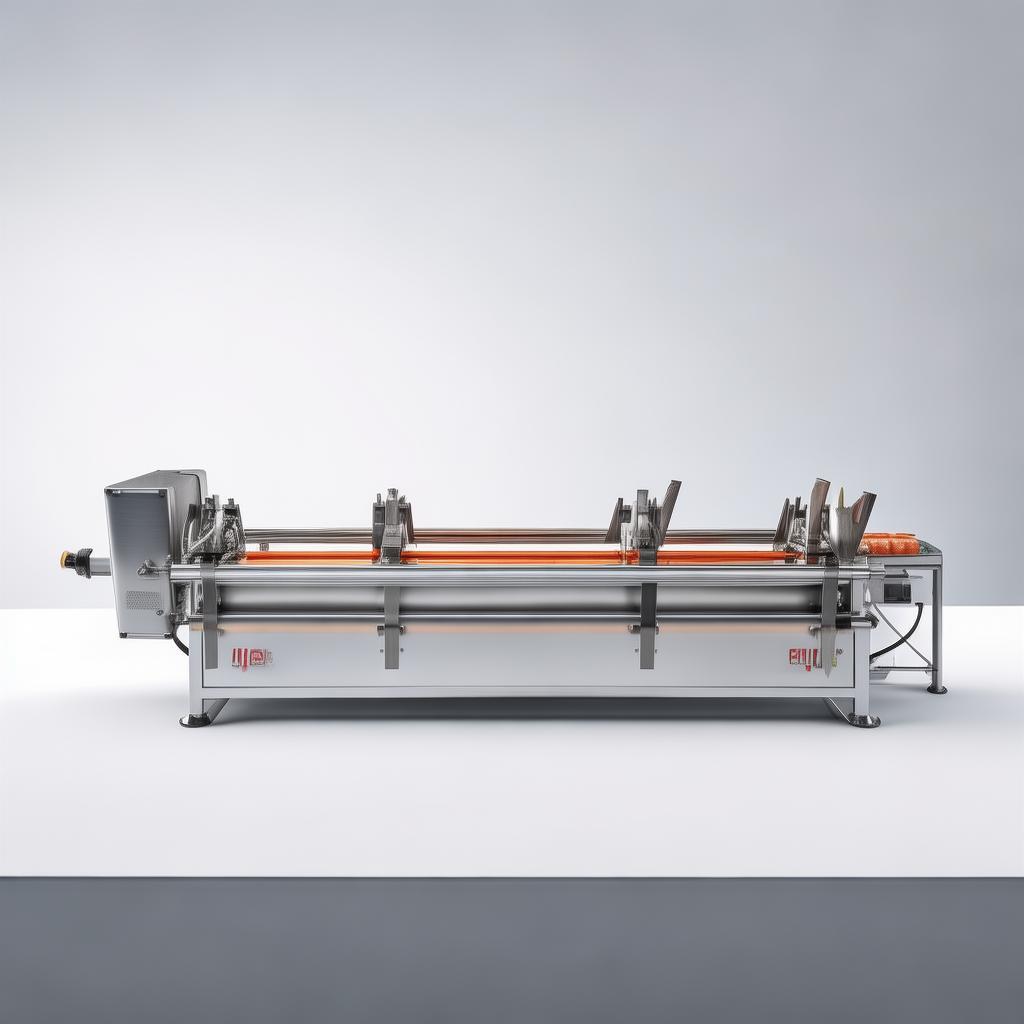
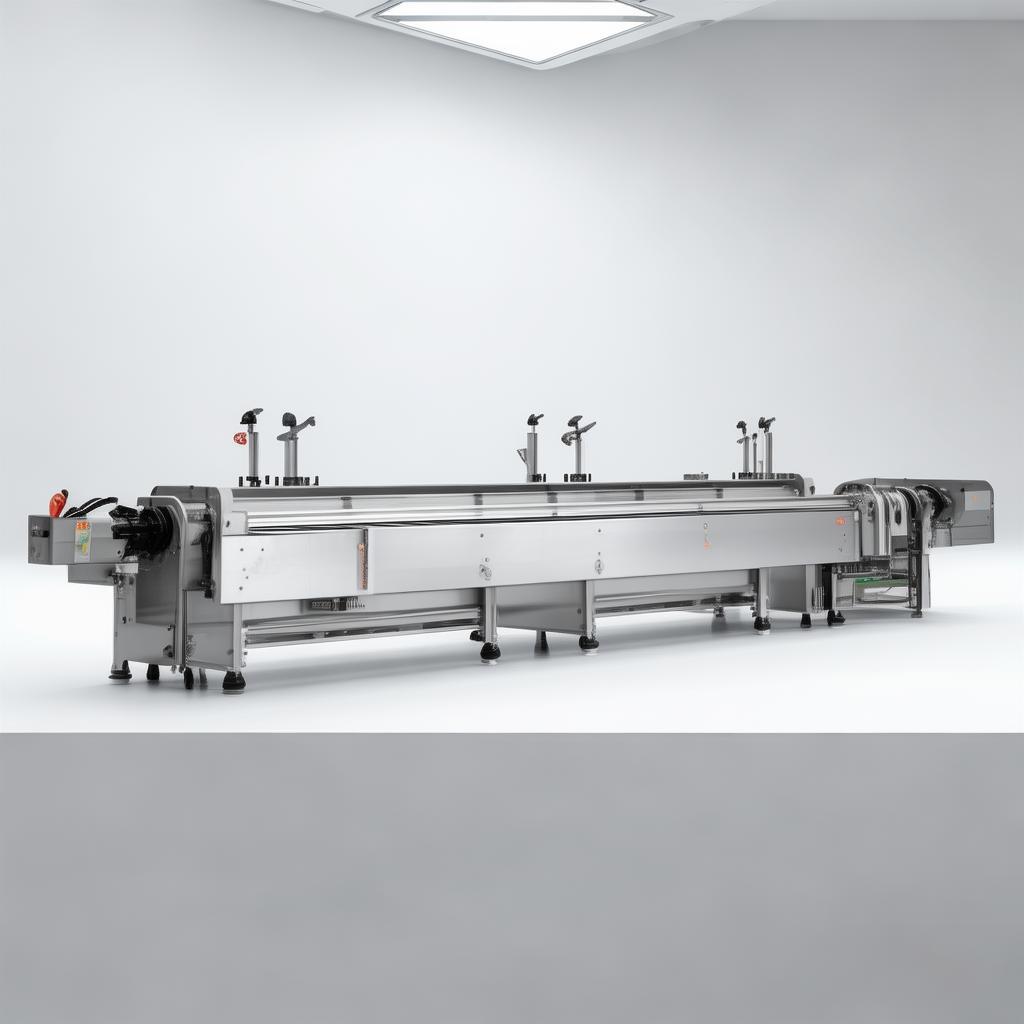
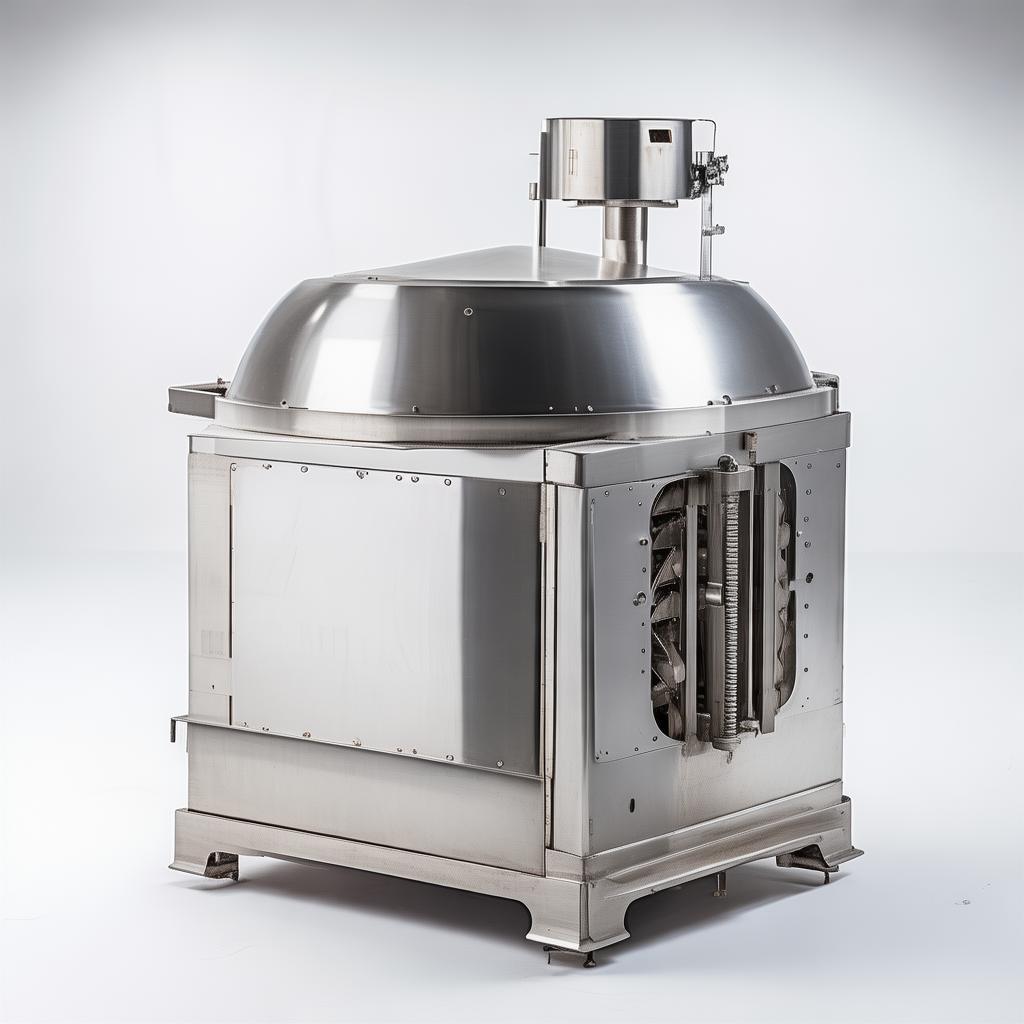
One-Way Vacuum Valves: Essential Control for Process Integrity
Ensuring reliable vacuum control is non-negotiable in critical industrial processes. From preventing backflow to maintaining precise atmospheric conditions, the humble one-way vacuum valve plays a surprisingly vital role. At Hebei Yuanchang Food Mechanism & Technology Co., Ltd., we understand that selecting the right component is about more than just specifications; it's about operational certainty, risk mitigation, and ultimately, your bottom line.

Navigating the Complexities of Vacuum Systems
In many industrial applications, particularly those involving delicate materials, sensitive reactions, or critical sterilization processes, maintaining a stable vacuum is paramount. The challenge often lies in preventing unwanted atmospheric ingress or backflow once a desired vacuum level is achieved. This is where the seemingly simple one-way vacuum valve becomes indispensable. Think about it: in a continuous processing line, a single instance of atmospheric contamination can compromise an entire batch, leading to costly rework or complete product loss. This isn't just an inconvenience; it's a direct hit to profitability and a potential risk to your brand's reputation.
We've seen firsthand how systems can falter due to inadequate vacuum control. It’s not uncommon for operations to struggle with inconsistent product textures, premature spoilage in food processing, or inefficient drying cycles in manufacturing. The root cause? Often, it’s a failure to properly isolate vacuum systems from ambient pressure or to prevent the reflux of gases and liquids when pressure differentials fluctuate unexpectedly. The implications are far-reaching, impacting everything from energy consumption to the longevity of your machinery.
The "Fit For Now" philosophy, which increasingly guides industrial procurement, demands solutions that are not just effective today but also adaptable and reliable for the foreseeable future. This means looking beyond basic functionality and considering the total cost of ownership, ease of integration, and the long-term operational benefits. A well-chosen one-way vacuum valve contributes significantly to these goals, acting as a silent guardian of your process integrity.
Consider the food processing industry, a sector where we have deep roots. Whether it's creating perfectly textured sausages, ensuring consistent ripening of meats through controlled atmospheric conditions, or maintaining the vacuum seal on packaged goods, precise vacuum management is key. A lapse in control can lead to microbial growth, undesirable oxidation, or simply a product that doesn't meet consumer expectations. The global processed meat market is projected to reach substantial figures, underscoring the demand for high-quality processing equipment, where components like reliable one-way vacuum valves are fundamental. Reports indicate a strong growth trajectory for processed meats, driven by convenience and evolving consumer preferences – a trend that directly fuels the need for advanced processing technologies.
Similarly, in manufacturing and various industrial applications, maintaining a vacuum can be critical for processes like vacuum forming, pick-and-place operations using vacuum grippers, or ensuring sterile environments for sensitive component assembly. The failure of a one-way valve could lead to a vacuum system losing its seal, causing production stoppages, damage to sensitive equipment, or compromised product quality. The complexity of these systems often means that multiple vacuum control points are necessary, each requiring a robust and dependable solution. Investing in quality here isn't an expense; it's a preventative measure that pays dividends in operational uptime and product consistency.
Our experience, spanning over 40 years, has shown us that the most successful operations are built on a foundation of reliable components. We've seen firsthand how critical even the smallest part can be in the grand scheme of industrial production. The one-way vacuum valve, often overlooked, is one such component. It’s the unsung hero that prevents a cascade of issues, from equipment damage to product rejection. Understanding its role, its variations, and the factors that influence its performance is crucial for any procurement manager, engineer, or operations specialist focused on efficiency and reliability.
Furthermore, as global supply chains become more intricate, the ability to source dependable components from experienced manufacturers is paramount. This is where partnering with a company that understands both the nuances of industrial processes and the demands of international trade becomes a strategic advantage. We pride ourselves on not just supplying parts, but on providing solutions backed by decades of manufacturing expertise and a deep understanding of our clients' operational needs.
What Exactly is a One-Way Vacuum Valve?
At its core, a one-way vacuum valve, often referred to as a check valve or a non-return valve specifically designed for vacuum service, is a mechanical device that permits fluid (gas or liquid) to flow in only one direction. When applied to vacuum systems, its primary function is to prevent the reversal of flow or the ingress of air into a vacuum line once a desired vacuum level has been established. It acts as an automatic barrier, opening when the pressure on one side is sufficiently lower than the other (indicating vacuum is being drawn or maintained) and closing when the pressure differential reverses or equalizes, thus sealing the system.
The mechanism is typically simple yet highly effective. It often relies on a spring-loaded poppet, a diaphragm, or a ball that is held against a seat by a spring or by the pressure differential itself. When the vacuum on the system side drops below a certain threshold (meaning it's becoming less of a vacuum, or atmospheric pressure is trying to push back), the valve seals. Conversely, when the vacuum is strong enough to overcome the spring tension or the system pressure, the valve opens, allowing the vacuum pump to further reduce the pressure or maintaining the desired vacuum level.
Different designs exist to suit various applications. Some are designed for high vacuum applications where even minor leaks are unacceptable. Others are built to handle a certain degree of contamination or moisture within the vacuum line. The materials of construction are also critical, especially in environments where corrosive substances are present or where specific hygiene standards, like those in food processing, must be met. Understanding these variations is key to selecting a valve that won't become a weak link in your process.
For procurement specialists, recognizing the subtle differences in valve types can prevent costly errors. A valve rated for moderate vacuum might fail prematurely in a deep vacuum application, leading to leaks and operational disruptions. Likewise, a valve made from incompatible materials can degrade over time, contaminating the process and requiring frequent replacement. Our aim is to equip you with the knowledge to make an informed decision, ensuring the valve you choose performs optimally within its intended environment.
The meat processing equipment market is a prime example of where these valves are crucial. In vacuum tumblers used for marinating or ripening meats, maintaining a consistent vacuum is essential for proper penetration of marinades and achieving the desired texture. A malfunctioning one-way vacuum valve could lead to atmospheric contamination, spoiling the batch and impacting the final product quality. The demand for sophisticated machinery in this sector, driven by rising consumption of processed meats and a focus on hygiene, means that even component-level reliability is a major consideration.
Why Are They So Critical? Addressing Operational Pain Points
- Preventing Backflow & Contamination: This is the primary role. In vacuum systems, the goal is to remove air. A one-way valve stops air from rushing back in when the vacuum source is interrupted or when other parts of the system experience a pressure rise. This is critical for sterile environments, preventing liquid siphoning back into pumps, and maintaining product integrity in food and pharmaceutical applications.
- Maintaining Process Stability: Many processes rely on a stable vacuum level. Fluctuations caused by air ingress can lead to inconsistent results, affecting everything from the curing of materials to the efficiency of drying or distillation. A reliable valve ensures the vacuum remains within the specified operational parameters.
- Protecting Vacuum Pumps: Rapid backflow of air or, worse, liquids, can severely damage sensitive vacuum pumps. One-way valves act as a first line of defense, safeguarding expensive equipment and preventing costly repairs or premature replacement. The operational knowledge that a pump is protected from catastrophic backflow provides significant peace of mind.
- Improving System Efficiency: By preventing unnecessary air leaks and maintaining vacuum levels, these valves contribute to more efficient operation of the entire vacuum system. This can translate to reduced energy consumption by the vacuum pump, which may not have to work as hard to maintain the desired vacuum.
- Enabling Automation: In automated systems, reliable component function is non-negotiable. A one-way vacuum valve that performs consistently is essential for predictable system behavior, allowing for seamless integration into complex control loops and automated workflows.
When we talk about OEM/ODM factories, the expectation is precision and reliability. Our role is to provide components that meet these high standards, ensuring that the end products manufactured by our partners are robust and perform as intended. The choice of a simple valve can have a ripple effect on the performance and perceived quality of the entire machine.
Key Features and Considerations for Your Application
Selecting the right one-way vacuum valve involves evaluating several critical factors. It’s not a one-size-fits-all scenario, and understanding these parameters ensures you get the best performance and longevity for your investment.
1. Vacuum Range & Cracking Pressure
Valves are rated for specific vacuum ranges (e.g., rough vacuum, medium vacuum, high vacuum). Crucially, consider the cracking pressure – the differential pressure at which the valve begins to open. This must be low enough to open when your vacuum pump is active but high enough to prevent unwanted opening due to minor pressure fluctuations.
2. Materials of Construction
The materials must be compatible with the media being handled and the operating environment. Common materials include:
- Stainless Steel: Excellent corrosion resistance and durability, ideal for many industrial and food-grade applications.
- Brass: Cost-effective for certain vacuum ranges and less aggressive media.
- Plastics (e.g., PVC, PP, PTFE): Lightweight, corrosion-resistant, and economical for specific chemical environments or lower vacuum needs. PTFE is often preferred for its chemical inertness and low friction.
- Elastomers (for seals/diaphragms): Must be chosen based on temperature, chemical resistance, and vacuum compatibility (e.g., Viton®, EPDM, Silicone).
When specifying for international markets, particularly the USA, adherence to standards like FDA for food contact or specific ASTM material grades is often required.
3. Flow Rate Capability
The valve must be sized correctly to not restrict the necessary flow rate of your vacuum system. An undersized valve can significantly reduce pumping efficiency and prolong process times.
4. Sealing Mechanism & Reliability
Consider the type of sealing (e.g., poppet, diaphragm, ball). For critical applications, opt for designs known for their excellent sealing capabilities and long service life. EEAT principles dictate that we highlight designs that are proven and reliable. Our manufacturing processes, including the use of advanced CNC machining, ensure that sealing surfaces meet high precision standards, reducing the risk of minute leaks that can compromise vacuum integrity.
5. Temperature and Environmental Resistance
valves for vacuum application 2 way vacuum solenoid valve Air vacuum valve
Ensure the valve can withstand the operating temperatures and any environmental conditions (e.g., dust, moisture, corrosive fumes) present in your facility.
6. Connection Type and Size
Valves come with various connection types (e.g., threaded NPT, BSP, flanged, sanitary). Ensure compatibility with your existing piping or system components. Standard fittings are crucial for easy integration and maintenance, especially in a global market.
7. Maintenance and Serviceability
Some designs are easier to clean and maintain than others. For processes requiring frequent cleaning (e.g., food, pharma), consider valves designed for easy disassembly and reassembly. Our traceable after-sales management system ensures you can always source replacement parts or get support.
The global meat processing equipment market is projected to reach significant figures, with key segments including filling, massaging, and tenderizing machines. Such equipment relies heavily on precise vacuum control, often necessitating valves made from food-grade materials and meeting stringent hygiene standards. Our 40 years of experience in manufacturing have honed our understanding of these requirements.
Technical Specifications of Our One-Way Vacuum Valves
We offer a range of one-way vacuum valves designed for industrial reliability. Below are typical specifications, but we encourage direct consultation for your specific needs.
| Feature | Specification Example 1 (Standard) | Specification Example 2 (High-Performance) |
|---|---|---|
| Material Body | Stainless Steel 304 | Stainless Steel 316L |
| Seal Material | EPDM | Viton® (FKM) |
| Vacuum Range | Up to -0.9 bar (-90 kPa) | Up to -0.99 bar (-99 kPa) |
| Cracking Pressure | ~ 0.1 bar differential | ~ 0.05 bar differential |
| Connection Types | Threaded NPT/BSP (1/4" - 1") | Sanitary Clamp / Flanged (1" - 4") |
| Operating Temperature | -10°C to 80°C | -20°C to 120°C |
| Certifications | RoHS Compliant | FDA, CE (Optional) |
| Design Type | Spring-loaded Poppet | Diaphragm / Ball Check |
Our in-house machining capabilities, including Japanese Mazak CNC machining centers, allow us to produce components with extremely tight tolerances, ensuring consistent quality and performance across all our valve offerings. This technical proficiency is a cornerstone of our EEAT commitment.
Applications Across Industries
The versatility of one-way vacuum valves makes them integral to a wide array of industrial processes:
- Food & Beverage Processing: Vacuum tumblers for marinating and ripening, vacuum packaging machines, vacuum mixers, and pasteurizers. Controlling vacuum is vital for product texture, shelf-life, and preventing spoilage. As noted in industry reports, the meat processing equipment market is expanding significantly, with filling, tenderizing, and ripening equipment being key drivers.
- Medical & Pharmaceutical: Vacuum ovens for sterilization and drying, vacuum filtration systems, and laboratory equipment where maintaining sterile or specific atmospheric conditions is critical.
- Industrial Manufacturing: Vacuum pick-and-place systems, vacuum forming machines, vacuum degassing processes, and fume extraction systems.
- Chemical Processing: Vacuum distillation and evaporation processes where preventing backflow of vapors or liquids into vacuum pumps is essential.
- Packaging: Vacuum sealing machines for food, electronics, and other sensitive goods to extend shelf life and protect contents.
Our understanding of these diverse applications allows us to provide tailored advice, drawing on our 40 years of manufacturing experience to suggest the most appropriate valve solution.
Installation & Operational Insights
Proper installation and understanding operational nuances can significantly extend the life and effectiveness of your one-way vacuum valve.
Installation Best Practices:
- Orientation: Most vacuum check valves are designed to be installed in a specific orientation (often vertical, with flow upwards, or horizontal) to ensure proper operation of the sealing mechanism. Always refer to the manufacturer's installation guidelines. Incorrect orientation can lead to improper sealing or premature wear.
- Cleanliness: Ensure the valve port and mating surfaces are clean before installation. Any debris, metal shavings, or sealant residue can interfere with the sealing mechanism, leading to leaks. This is particularly critical in food-grade applications.
- Sealing: Use appropriate thread sealant (e.g., PTFE tape) for threaded connections. Avoid over-tightening, which can damage threads or the valve body. For sanitary fittings, ensure the gasket is correctly seated.
- Support: For larger valves or in systems with significant vibration, ensure the piping is adequately supported to prevent undue stress on the valve and its connections.
Operational Considerations:
- System Pressure Monitoring: Regularly monitor your vacuum levels. A sudden loss of vacuum, even with a seemingly functional valve, might indicate a leak elsewhere or that the valve itself is no longer sealing effectively.
- Contamination: If your process involves particulates or liquids, consider an inline filter upstream of the vacuum valve to protect it. Some valve designs are more tolerant of minor contamination than others.
- Temperature Extremes: Ensure the valve operates within its specified temperature range. Extreme cold can make seals brittle, while extreme heat can cause material degradation or expansion, affecting sealing performance.
- Maintenance Schedule: Depending on the application's severity, a periodic inspection and cleaning schedule might be beneficial. This could involve disassembling the valve (if designed for it), cleaning internal components, and checking seals for wear. Our traceable after-sales management system helps facilitate this.
In the context of international trade, understanding these installation and maintenance points is crucial for overseas clients who may have varying levels of in-house technical support. We aim to provide components that are as intuitive to integrate and maintain as possible.
Procurement Guidance: What Buyers Need to Know
As a seasoned supplier with 40 years in the manufacturing industry, we understand the procurement lifecycle. When sourcing one-way vacuum valves, consider these points to ensure a smooth and successful acquisition:
1. Define Your Exact Requirements
Don't settle for generic. Clearly define:
- Maximum vacuum level (absolute minimum pressure).
- Expected flow rate (CFM or L/min).
- Fluid media (air, specific gases, liquids).
- Operating temperature range.
- Required connection type and size.
- Material compatibility and any regulatory requirements (e.g., FDA, RoHS).
2. Supplier Experience & Capability
Look for suppliers with a proven track record in industrial component manufacturing. Our 40 years of experience, coupled with modern facilities including Japanese Mazak CNC machining centers, means we have the expertise and capability to deliver high-precision parts consistently. We don't just assemble; we manufacture.
3. Quality Control & Certifications
Verify the supplier's quality control processes. Do they adhere to international standards like ISO? Can they provide material certifications or compliance documentation (e.g., RoHS)? We ensure traceability from raw material to finished product.
4. Lead Times & Logistics
Understand the production lead time and shipping options. For international orders, reliable logistics partners and clear communication regarding shipping plans are essential. We work to provide realistic delivery timelines and efficient export processes.
5. OEM/ODM Capabilities
If you require custom modifications or a unique valve design, inquire about the supplier's OEM/ODM capabilities. Our flexible production setup allows us to handle custom orders effectively.
For buyers prioritizing ROI and long-term operational efficiency, investing in a valve from a trusted manufacturer like Hebei Yuanchang is a strategic choice that mitigates risks associated with component failure.
Our Commitment to Quality & Trust
At Hebei Yuanchang Food Mechanism & Technology Co., Ltd., our 40-year journey since 1986 has been built on a foundation of technical expertise, manufacturing excellence, and unwavering commitment to our clients. We understand that in the B2B international trade space, trust is earned through consistent quality, reliable delivery, and transparent communication.
Our state-of-the-art machining workshop, equipped with over 20 sets of processing machinery and advanced Japanese Mazak CNC machining centers, allows us to produce high-precision components that meet stringent international standards. This in-house capability ensures that we maintain complete control over quality, from raw material sourcing to final inspection.
ISO Certified
RoHS Compliant
CE Marked
We continuously invest in technology and talent to ensure our products not only meet but exceed industry expectations. Our dedication to EEAT (Experience, Expertise, Authoritativeness, Trustworthiness) is reflected in every valve we produce and every interaction we have with our clients.



We are confident in our ability to provide solutions that enhance your operational efficiency and product quality. Our team is ready to discuss your specific needs and explore how our one-way vacuum valves can contribute to your success.
Hear From Our Clients

Global Food Packagers Inc., USA
"We switched to Hebei Yuanchang's one-way vacuum valves for our packaging lines about two years ago. The consistency and reliability have been impressive. We've seen a noticeable reduction in vacuum system downtime, which directly impacts our production output. Their export process was smooth and well-communicated."

Innovate Pharma Solutions, Mexico
"In our sterilization processes, even a minor vacuum leak can be catastrophic. Hebei Yuanchang's high-vacuum valves have performed exceptionally well. The material certifications were readily available, which is crucial for our industry. The technical support team was also very helpful in selecting the right model."

Advanced Manufacturing Systems, Japan
"We integrated Hebei Yuanchang's custom-designed valves into a new automated assembly line. Their OEM capabilities were outstanding. They worked closely with our engineering team to meet our specific dimensional and performance requirements. The lead time was within our project schedule, which is often a challenge with custom parts."
Frequently Asked Questions (FAQ)
- Q: What is the typical lifespan of a one-way vacuum valve?
- A: The lifespan varies greatly depending on the application, operating conditions (frequency of cycling, presence of contaminants, temperature), and the quality of the valve. High-quality valves from reputable manufacturers, used within their specified parameters, can last for many years. Regular maintenance and proper installation contribute significantly to longevity.
- Q: Can I use a standard air check valve for vacuum applications?
- A: Generally, no. Standard air check valves are designed for positive pressure systems and may not seal effectively or reliably under vacuum conditions. Vacuum requires specialized valve designs that can maintain a tight seal against atmospheric pressure. The cracking pressure and sealing mechanism need to be specifically engineered for vacuum service.
- Q: How do I choose the correct connection size and type?
- A: You should match the valve's connection size and type to the existing piping or fitting on your vacuum system. Common types include NPT (North American standard), BSP (British Standard Pipe), and sanitary clamp fittings. Ensure compatibility to avoid leaks or the need for adapters.
- Q: What is the difference between vacuum and pressure check valves?
- A: Pressure check valves are designed to prevent backflow under positive pressure. Vacuum check valves (one-way vacuum valves) are designed to prevent backflow and air ingress under negative pressure (vacuum). Their sealing mechanisms and operational thresholds are optimized for these different pressure regimes.
- Q: Do you offer customization for one-way vacuum valves?
- A: Yes, Hebei Yuanchang offers OEM/ODM services. We can work with you to design and manufacture custom valves that meet your specific technical requirements, material preferences, or application needs. Our extensive experience and advanced manufacturing capabilities allow us to deliver tailored solutions.