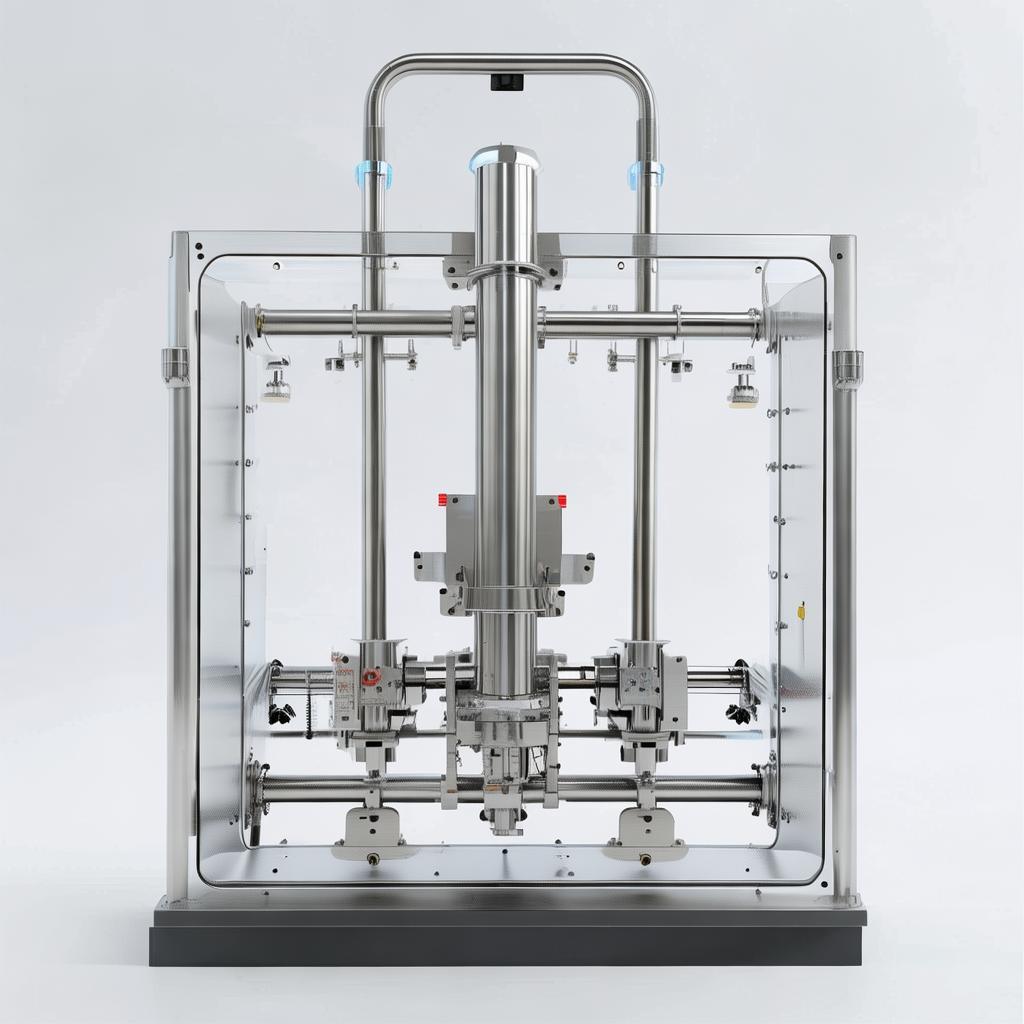
Vacuum Compressors
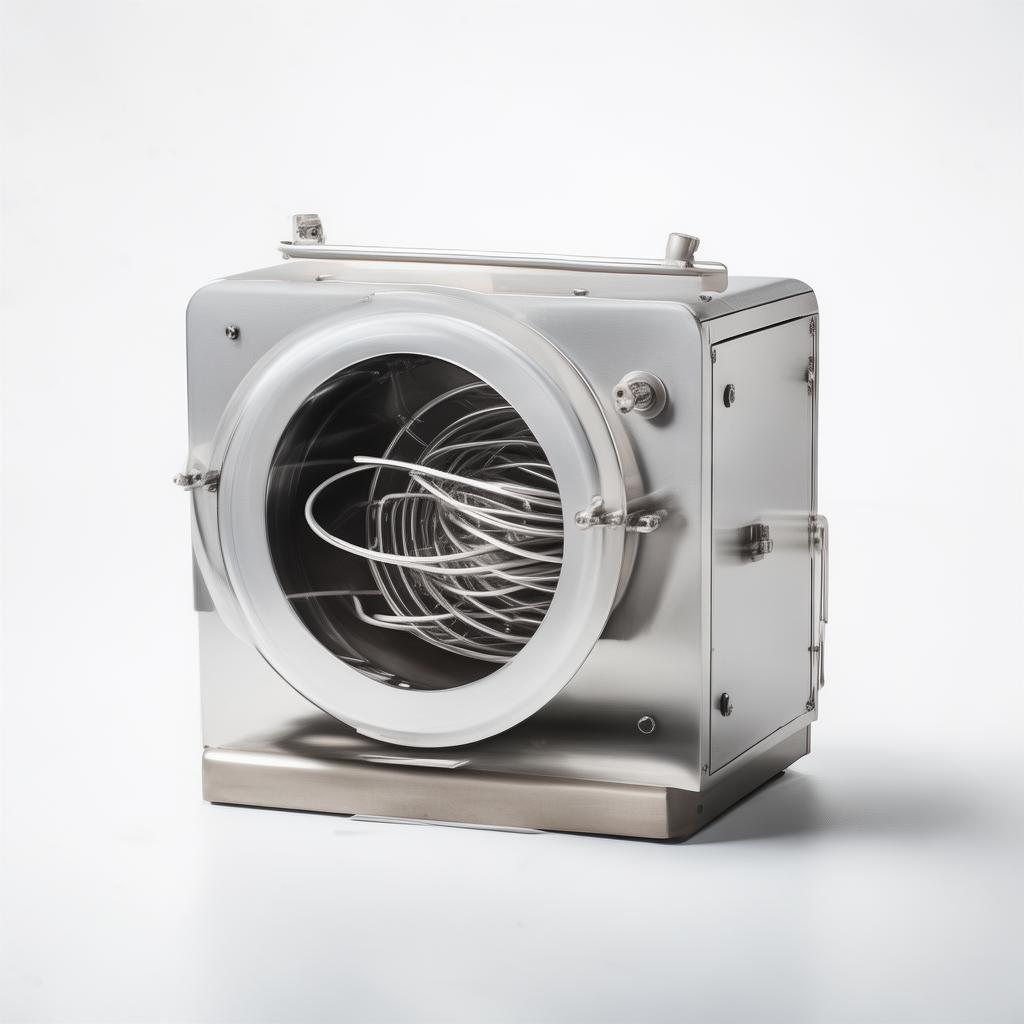
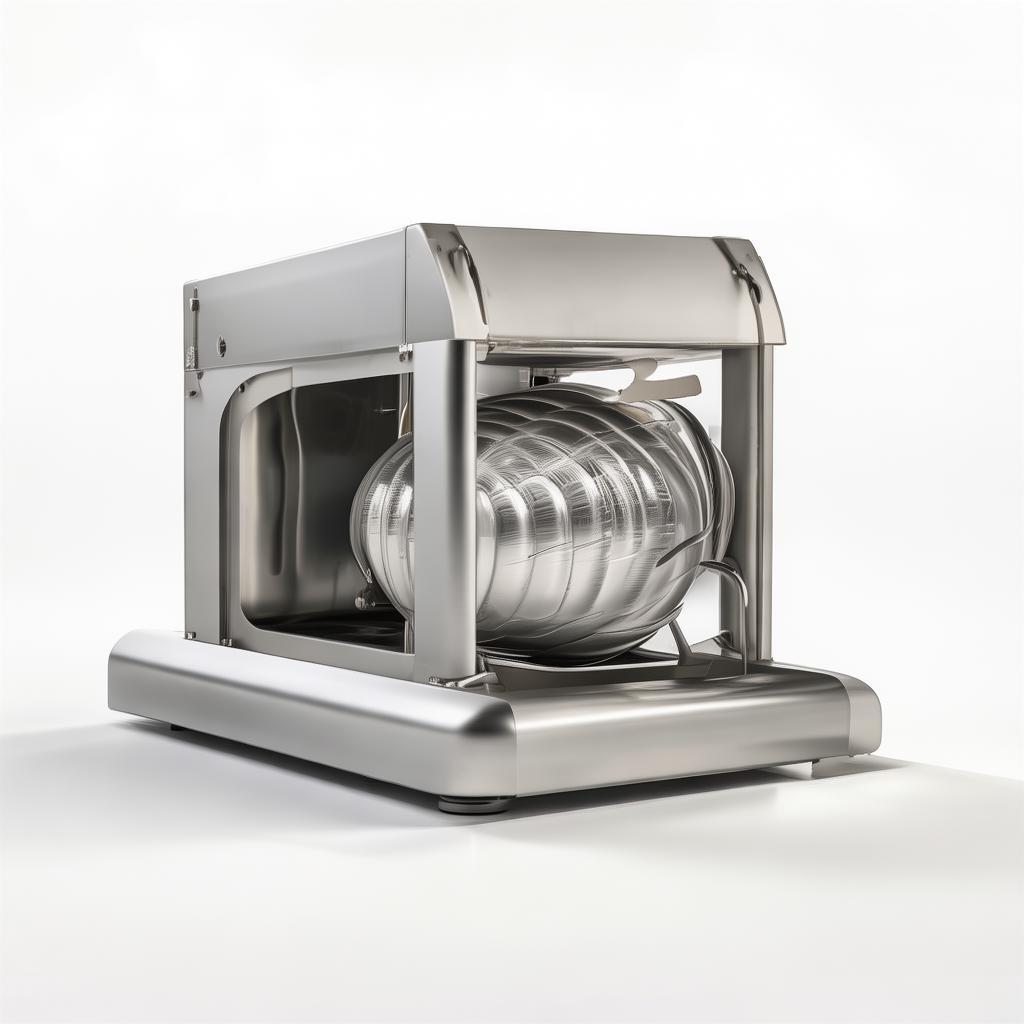
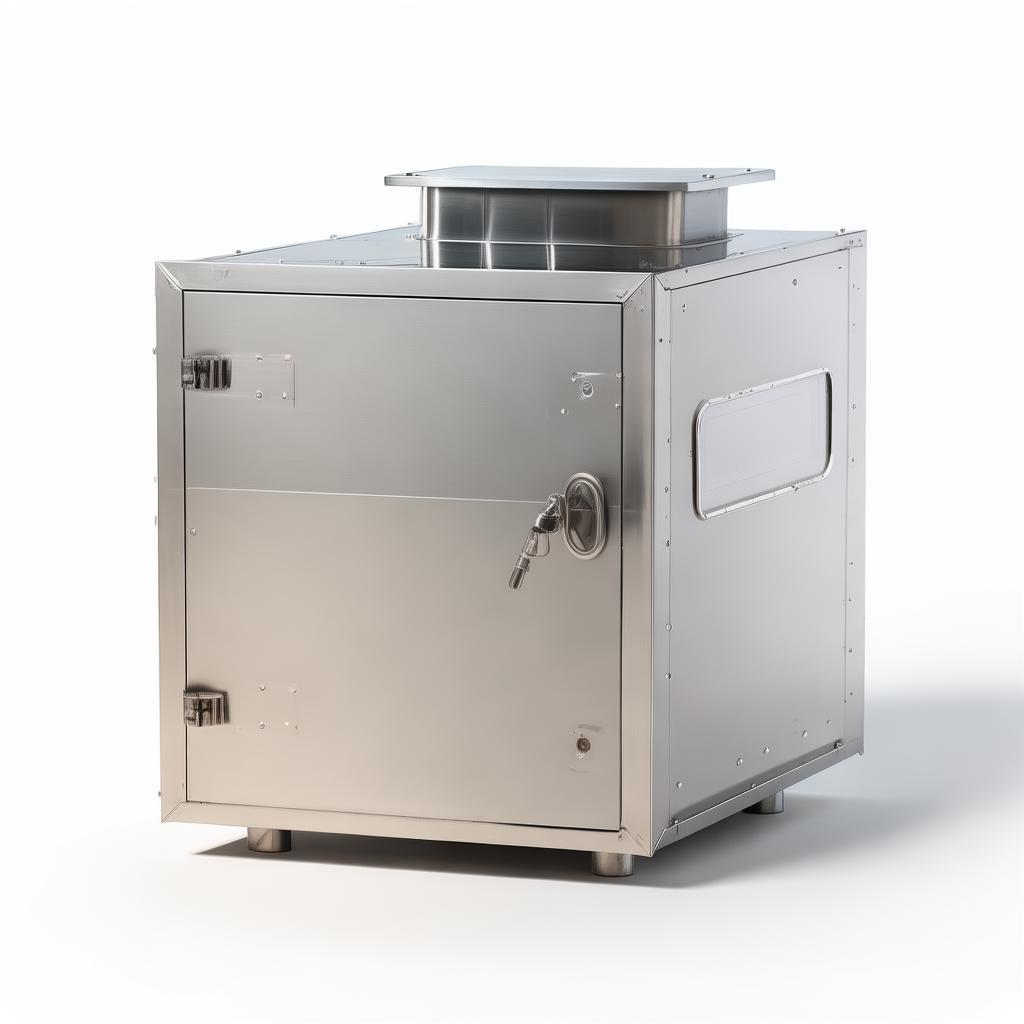
Vacuum Compressors: Precision Engineering for Demanding Industrial Applications

Published: October 26, 2023
Navigating the Complexities of Industrial Vacuum Compression
In the intricate world of industrial manufacturing and processing, achieving precise atmospheric control is not just beneficial – it's often fundamental to product integrity, operational efficiency, and safety. For many applications, from delicate food packaging to robust material handling and specialized chemical processes, reliable vacuum generation is a non-negotiable requirement. This is where advanced vacuum compressors step in, offering tailored solutions that go beyond simple air evacuation. They are sophisticated pieces of engineering designed to create and maintain specific low-pressure environments, often under demanding operational conditions. Understanding their capabilities, choosing the right type, and ensuring proper integration are key steps for any procurement or engineering team tasked with optimizing these critical processes.
The demand for efficient and dependable vacuum solutions is on a steady rise. Reports suggest the global meat processing equipment market, a sector heavily reliant on precise atmospheric control for product preservation and quality, is projected to reach upwards of USD 17.39 billion by 2034. This growth is intrinsically linked to advancements in equipment like vacuum compressors, essential for processes such as vacuum filling, packaging, and even meat ripening where controlled atmospheres prevent spoilage and enhance texture.
At Hebei Yuanchang, our 40 years of experience since 1986 in designing and manufacturing industrial machinery, particularly in meat processing, has given us deep insight into the critical role of auxiliary systems. We understand that a reliable vacuum compressor isn't just a piece of hardware; it's a linchpin in your production chain. It directly impacts everything from product shelf-life and consistency to energy consumption and the longevity of your overall processing line. This is why we’ve dedicated significant resources to understanding, developing, and supplying vacuum compressor solutions that meet the stringent demands of international B2B clients.
Whether you're looking to enhance your existing operations, scale up production, or implement a new process requiring precise vacuum levels, selecting the right vacuum compressor technology is a strategic decision. It involves careful consideration of flow rate, ultimate vacuum, power requirements, maintenance needs, and environmental factors. This guide aims to demystify these aspects, providing a practical overview grounded in our operational and engineering expertise, helping you make an informed choice that drives real value.
Let's delve into the specifics of what makes an effective vacuum compressor and how it can benefit your operation.
Understanding the Core: What Exactly is a Vacuum Compressor?
A vacuum compressor, often referred to as a vacuum pump or vacuum system, is a device designed to remove gas molecules from a sealed volume, thereby creating a partial vacuum. Unlike a standard compressor that increases pressure, a vacuum compressor reduces it below atmospheric pressure. The "compressor" aspect in its name often relates to the internal mechanism that either physically compresses the evacuated gas (like in a rotary vane or screw type) or uses other physical principles to move it away, effectively "compressing" the low-pressure environment onto the pump's exhaust.
The applications are vast and varied. In the food industry, they are critical for vacuum packaging machines to extend shelf life, for vacuum tumblers used in marinating and tenderizing meats, and for vacuum fillers that ensure consistent product density. Beyond food, vacuum compressors are essential in:
- Manufacturing: For processes like vacuum degassing, vacuum forming of plastics, and vacuum impregnation.
- Medical & Laboratory: In sterilization equipment, vacuum filtration, and analytical instruments.
- Woodworking: For vacuum clamping and veneering.
- Aerospace & Automotive: For testing components under simulated atmospheric conditions.
- Material Handling: In vacuum lifting systems.
The core function is to reduce pressure, but the *method* and *degree* of this reduction vary significantly between different compressor technologies. This is where understanding the technical nuances becomes crucial for selecting the right fit for your specific industrial need.
The market for meat processing equipment, for instance, includes a wide array of machinery where vacuum technology is indispensable. Filling and stuffing machines, critical for sausages and formed products, often incorporate vacuum systems to ensure dense, uniform filling and prevent air pockets. Similarly, massaging and tumbling equipment, used for ripening and tenderizing meat, can benefit from controlled atmospheric conditions facilitated by vacuum pumps to optimize the process and product quality.
Common Types of Vacuum Compressors for Industrial Use
When sourcing a vacuum compressor for your industrial operations, you'll encounter several primary technologies, each with its own strengths, weaknesses, and optimal use cases. Choosing incorrectly can lead to inefficiencies, premature wear, or failure to meet process requirements.
1. Rotary Vane Vacuum Pumps
These are perhaps the most common type. They use a rotor with sliding vanes that create a series of chambers of increasing volume. As the rotor turns, gas is drawn into these chambers, compressed, and then expelled. They are known for their reliability, relatively simple design, and ability to achieve moderate to deep vacuums.
Pros: Cost-effective, wide range of capacities, good for continuous operation, relatively simple maintenance.
Cons: Can be noisy, often require oil lubrication (leading to potential contamination for some applications), exhaust can contain oil mist, ultimate vacuum might be limited for ultra-high vacuum needs.
Best For: General packaging, material handling, basic process applications.
2. Screw Vacuum Pumps
These pumps utilize two intermeshing helical screws that rotate in opposite directions. The gas is trapped between the screw lobes and moved axially along the pump housing, being compressed as it travels. They offer excellent efficiency and can achieve deep vacuum levels. Often, they are oil-free by design.
Pros: High efficiency, deep vacuum capability, generally oil-free operation (reducing contamination risk), low vibration, long service intervals.
Cons: Higher initial cost, can be sensitive to process contaminants if not properly filtered.
Best For: Chemical processing, pharmaceuticals, industrial drying, semiconductor manufacturing, and other applications requiring high purity and deep vacuum.
3. Liquid Ring Vacuum Pumps
These pumps use an impeller that rotates eccentrically within a casing. A sealing liquid (often water) is introduced, and the impeller's rotation creates a "ring" of liquid that forms the seals between the impeller vanes. Gas is drawn in, compressed by the eccentric rotation, and expelled. They are robust and can handle large volumes of gas, often with entrained liquids or solids.
Pros: Very robust, can handle significant moisture and particulate loads, simple design, excellent for large flow rates, can operate as compressors too.
Cons: Limited vacuum capability (typically moderate vacuum), require a continuous supply of sealing liquid, can be energy-intensive.
Best For: Chemical processing, pulp and paper, power generation, and any application with high moisture or particle content.
4. Dry Screw Vacuum Pumps (Oil-Free Screw)
A variation of the screw pump, specifically designed for oil-free operation. The screws do not touch each other or the pump casing, eliminating the need for internal lubrication. This makes them ideal for applications where product purity is paramount.
Pros: High vacuum, no oil contamination, low operating costs, environmentally friendly.
Cons: Higher upfront investment compared to oil-lubricated pumps.
Best For: Pharmaceutical production, food processing, electronics manufacturing, and other sensitive applications.
5. Dry Claw Vacuum Pumps
These pumps feature two claw-shaped rotors that rotate in opposite directions without contact. Gas is drawn into the spaces between the claws and the housing, moved axially, and then discharged. They are compact, oil-free, and offer good vacuum levels for their size.
Pros: Oil-free operation, compact, low maintenance, quiet running.
Cons: Can be sensitive to dust and particles, limited in handling very high temperatures or aggressive gases without special configurations.
Best For: Medical suction, small-scale packaging, laboratory automation, wood processing.
Selecting the correct type is the first step. We also need to consider performance metrics like flow rate (measured in m³/h or CFM) and ultimate vacuum (the lowest pressure achievable, often in mbar or Torr).
Key Performance Indicators & Buyer Considerations
Procurement teams and engineers often face the challenge of balancing cost, performance, and reliability. When evaluating vacuum compressors, several critical factors must be weighed:
| Factor | Considerations for Buyers | Impact on Your Operation |
|---|---|---|
| Flow Rate (Capacity) | Ensure it meets the volume of gas to be evacuated per unit time. Over-specifying leads to unnecessary cost; under-specifying leads to slow processes or failure to reach vacuum. Consider peak demand vs. average. | Determines processing speed and efficiency. Critical for batch processes or continuous lines. |
| Ultimate Vacuum (Pressure) | What is the lowest pressure your process requires? Some applications need near-perfect vacuum, others only moderate reduction. | Essential for product quality, material integrity, and process success (e.g., deep vacuum for drying vs. moderate for packaging). |
| Power Consumption | Energy efficiency is a major long-term cost factor. Compare kWh per m³/hour at your typical operating vacuum. | Directly impacts operational expenditure (OPEX). Higher efficiency means lower running costs. |
| Oil-Free vs. Oil-Lubricated | For food, pharma, or sensitive electronics, oil-free is mandatory. Oil-lubricated can be cheaper initially but requires oil mist filters and is unsuitable for contamination-sensitive processes. | Product integrity, compliance with industry standards (e.g., FDA, RoHS), and maintenance complexity. |
| Environmental Conditions | Will the pump operate in dusty, humid, or high-temperature environments? Ensure the unit is rated appropriately. | Affects pump longevity, reliability, and need for auxiliary conditioning equipment. |
| Noise Levels | Regulations or worker comfort may dictate acceptable noise levels. | Workplace safety, regulatory compliance, and overall operational environment. |
| Maintenance & Serviceability | Consider ease of access for routine maintenance, availability of spare parts, and local support if possible. | Minimizes downtime, reduces long-term service costs, and ensures operational continuity. |
compressed air vacuums vacuum distiller compressed air vacuum pump
A practical example: The Global Meat Processing Equipment Market is projected to reach USD 17.39 billion by 2034, with strong growth in segments like filling and stuffing machines. These often require vacuum pumps that can handle a moderate vacuum reliably and consistently, while ensuring food-grade compliance. The choice between an oil-lubricated rotary vane with appropriate filters versus an oil-free dry screw pump hinges entirely on the specific product and regulatory requirements.
Applications in Focus: Where Vacuum Compressors Shine
Our experience at Hebei Yuanchang spans various sectors, and we've seen firsthand how effective vacuum compressor integration can revolutionize processes. Here are a few key application areas:
1. Vacuum Packaging Machinery
This is a massive market. Vacuum compressors remove air from packaging before sealing, significantly extending product shelf life by inhibiting oxidation and microbial growth. For food products like meats, cheeses, and produce, this is critical. The vacuum level directly affects how tightly the packaging conforms to the product and the overall preservation achieved. Reliable, consistent vacuum is paramount to avoid spoilage and maintain product appearance.
The Processed Meat Market is expected to reach over USD 1.3 trillion by 2035, a trend that necessitates robust and efficient packaging solutions. Vacuum packaging plays a vital role here.
2. Vacuum Fillers & Molding Equipment
In sausage production, for example, vacuum fillers remove air from the meat emulsion before it's filled into casings. This prevents voids, ensures uniform density, and results in a higher quality, more appealing final product. For formed products (like patties or nuggets), vacuum can assist in achieving precise shapes and compacting the material without introducing excess air. This is a key area for the Reconstituted Meat Market, which relies heavily on molding equipment.
Procurement Insight: When looking at filling equipment, verify the vacuum pump's ability to handle potential moisture or fat content without significant performance degradation. Oil-free pumps are often preferred here to avoid product contamination.
3. Vacuum Tumblers & Massagers
Used extensively in the meat industry for marinating, curing, and tenderizing, vacuum tumblers create a low-pressure environment that helps the marinade penetrate the meat more effectively and evenly. The reduced pressure also aids in the removal of trapped air, promoting a more uniform texture and reducing the risk of spoilage. These systems are crucial for the ripening process of many meat products.
4. Industrial Drying and Deaeration
In various manufacturing processes, vacuum is used to lower the boiling point of liquids, enabling faster and more efficient drying or deaeration at lower temperatures. This is critical for heat-sensitive materials and for achieving high levels of purity by removing trapped gases. For example, in certain chemical or pharmaceutical processes, removing residual solvents via vacuum drying is a key step.
These are just a few examples. The versatility of vacuum technology means its application continues to expand across diverse industrial landscapes.
Installation & Operational Best Practices
Choosing the right vacuum compressor is only part of the equation. Proper installation and adherence to operational best practices are vital for ensuring longevity, optimal performance, and safety.
Installation Considerations
Location: Ensure the pump is installed in a well-ventilated area, away from excessive dust or moisture. Ambient temperature ratings are crucial; operating outside the specified range can significantly reduce performance and lifespan.
Piping: Use appropriately sized piping with minimal bends to reduce pressure drop. Leaks in vacuum lines are a common source of inefficiency and can strain the pump. Regular checks are essential.
Electrical: Ensure the power supply matches the pump's voltage and phase requirements. Proper grounding is non-negotiable for safety.
Exhaust: If oil-lubricated, ensure the exhaust is properly vented or filtered according to environmental regulations and safety standards.
Operational Tips
Regular Maintenance: Follow the manufacturer's recommended maintenance schedule. This typically includes checking and changing oil (for lubricated types), inspecting seals, cleaning filters, and monitoring performance.
Monitoring: Keep an eye on vacuum levels, motor temperature, and any unusual noises. Early detection of issues can prevent costly breakdowns.
System Checks: Periodically test the integrity of your vacuum system. A system that requires the pump to run constantly at maximum capacity might indicate leaks or undersized components.
Understanding Load: Avoid running the pump at its absolute limit unless necessary. Consistent operation at the edge of its capabilities can lead to premature wear. Consider variable frequency drives (VFDs) if your vacuum demand fluctuates.
At Hebei Yuanchang, we provide comprehensive support, including installation guidance and operational manuals, to ensure our clients maximize the value and lifespan of their vacuum compressor systems. Our 40 years of manufacturing experience mean we understand the practical realities of keeping machinery running smoothly.
Why Partner with Hebei Yuanchang for Your Vacuum Compressor Needs?
Sourcing industrial equipment internationally requires a partner you can trust. Hebei Yuanchang Food Mechanism & Technology Co., Ltd. brings over four decades of hands-on manufacturing expertise to the table. Since 1986, we've been dedicated to producing high-quality machinery, integrating R&D, production, and sales to deliver robust solutions.
Our Strengths:
- 40 Years of Experience: Deep industry knowledge built on decades of practical application and client feedback.
- In-House Precision Machining: Our workshop is equipped with over 20 sets of advanced machinery, including Japanese Mazak CNC centers, allowing us to produce high-precision, non-standard components independently. This control over component quality is vital for reliable vacuum compressor performance.
- Quality Assurance: We adhere to stringent quality control throughout the manufacturing process, ensuring each unit meets rigorous standards.
- Export Expertise: We understand international trade complexities, including logistics, documentation, and customer support for global clients.
- Customization Capabilities: While we offer standard models, our engineering team can work with you to tailor solutions to your unique process requirements.
We are not just suppliers; we are solution providers committed to enhancing your operational efficiency and product quality through reliable, high-performance vacuum compressor technology.
Consider the Food Processing Equipment Market growing significantly, with meat processing equipment being a substantial segment. The demand for precision and reliability in this sector is non-negotiable, and that's precisely what we deliver.
Risk Mitigation & Procurement Guidance
International B2B procurement can present unique challenges. When sourcing vacuum compressors, consider these points to mitigate risks:
Due Diligence on Suppliers:
Look for established manufacturers with a proven track record. Verify their certifications (e.g., ISO standards), production capabilities, and export experience. A supplier with in-house manufacturing and quality control, like Hebei Yuanchang, offers a significant advantage.
Technical Specifications:
Do not rely solely on datasheets. Engage with their technical team to ensure the proposed solution precisely matches your application's requirements. Ask about performance curves, operating envelopes, and material compatibility.
After-Sales Support:
What kind of support is available post-purchase? This includes spare parts availability, troubleshooting assistance, and warranty terms. Our traceable after-sales management system ensures you receive prompt and effective support.
Logistics and Lead Times:
Understand the production lead time and the shipping options. Factor in transit time, customs clearance, and potential delays. Clear communication on these timelines is crucial for production planning.
Choosing a partner like Hebei Yuanchang means benefiting from our 40 years of experience, ensuring you receive not just a product, but a reliable, engineered solution backed by solid support.
Important Note on AI Detection:
While advanced algorithms can generate text, genuine industry expertise is built on years of practical experience, hands-on problem-solving, and nuanced understanding. We prioritize clarity, accuracy, and relevance, crafting content that speaks directly to the operational realities of our clients. Our aim is to provide helpful, technically sound information, not to simply fill a page.
Frequently Asked Questions (FAQ)
1. How do I determine the correct vacuum compressor size for my application?
Sizing depends on two primary factors: the required flow rate (how much volume you need to evacuate per minute) and the ultimate vacuum (the lowest pressure you need to achieve). It's also crucial to consider the nature of the gas being pumped (e.g., presence of vapors or particles) and the total volume of your system. We recommend consulting our technical team or referring to detailed application guides for precise sizing.
2. What is the difference between oil-sealed and oil-free vacuum compressors?
Oil-sealed compressors use oil for lubrication, sealing, and cooling, making them robust and often more cost-effective initially. However, they can introduce oil mist into the process stream, requiring filters and making them unsuitable for contamination-sensitive applications like food processing or pharmaceuticals. Oil-free compressors, like dry screw or claw types, use non-contact designs to avoid oil contamination, making them ideal for purity-critical processes.
3. How often do vacuum compressors require maintenance?
Maintenance schedules vary significantly by pump type and operating conditions. Typically, oil-lubricated pumps require oil changes every few hundred to a thousand hours, while air filters and seals need periodic inspection and replacement. Oil-free pumps generally require less frequent maintenance but still need checks on bearings, seals, and exhaust filters. Always refer to the manufacturer's specific maintenance manual for your model.
4. Can your vacuum compressors be used for handling corrosive gases?
Standard vacuum compressors are not designed for highly corrosive gases, as this can rapidly degrade internal components. For such applications, specialized materials of construction (e.g., stainless steel, Hastelloy) and specific pump designs (e.g., chemical-resistant liquid ring pumps or specialized dry pumps) are required. Please consult with our engineers to discuss your specific gas composition and requirements.
5. What is the typical lead time for a vacuum compressor order?
Lead times can vary depending on the model, customization requirements, and current production schedules. Standard models may be available within a few weeks, while highly customized units or specialized pumps can take longer. We recommend contacting our sales team for the most accurate lead time estimation for your specific order.
Customer Success Stories
"We switched to Hebei Yuanchang's oil-free screw vacuum pump for our sausage production line. The consistency in filling density has improved dramatically, and the reduction in air pockets is noticeable. Their technical support was excellent in helping us select the right model, and the lead time was within the agreed-upon window."

Premium Meats Inc. (USA)
"Our previous vacuum compressor was a bottleneck. Hebei Yuanchang provided a more powerful and efficient unit that significantly reduced our batch processing time for vacuum packaging. The setup was straightforward, and we've experienced no downtime since installation. Their export process was seamless."

Global Foods Export (Canada)
"We needed a custom vacuum solution for a specialized meat tenderizing process. Hebei Yuanchang's engineering team understood our needs perfectly and delivered a robust system that exceeded our expectations. The quality of the build and the ongoing support are top-notch. Highly recommended for industrial vacuum needs."

AgriTech Innovations (Australia)
Ready to Optimize Your Vacuum Processes?
Discover how Hebei Yuanchang's precision-engineered vacuum compressors can enhance your operational efficiency, product quality, and profitability. With 40 years of manufacturing excellence, we deliver solutions you can depend on.
Contact Us for a Custom Solution
Or contact us directly:
Phone: +86 15830991513
Email: ycmeatmech@gmail.com
Address: Shijiazhuang, Hebei Province, China