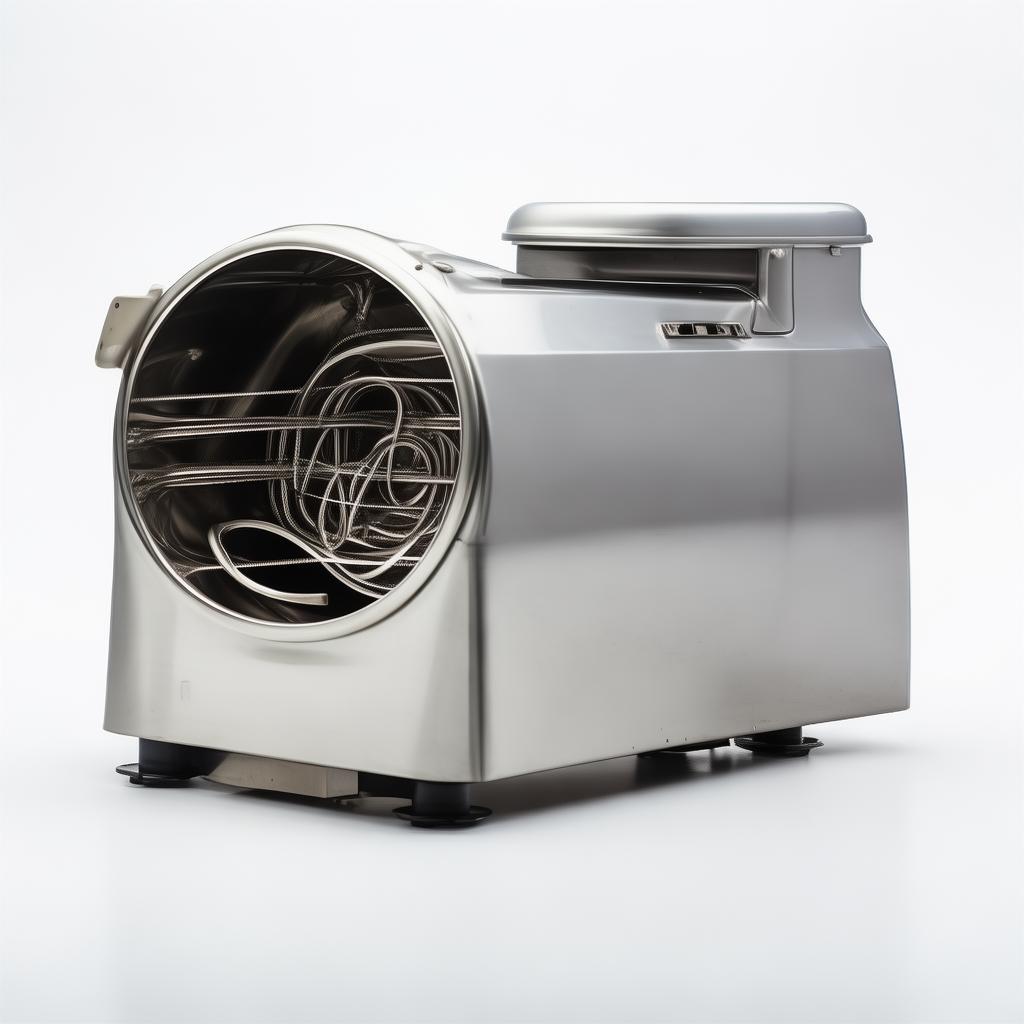
Vacuum Pressure Transmitter

Vacuum Pressure Transmitter: Precision Measurement for Critical Industrial Processes
 By Eng. Marcus Chen, Senior Process Engineer
Reviewed: October 26, 2023
In demanding industrial environments, accurate and reliable measurement of vacuum pressure isn't just a technical requirement; it's the bedrock of operational efficiency, product quality, and safety. Fluctuations or inaccuracies in vacuum levels can cascade into significant process deviations, leading to wasted materials, compromised end-products, and potential equipment damage. This is where the vacuum pressure transmitter steps in, acting as a crucial sensor that translates the subtle nuances of negative pressure into a usable electrical signal for control systems.
Understanding the function, selection, and application of these devices is paramount for engineers, procurement specialists, and operations managers across a wide spectrum of industries – from chemical processing and pharmaceutical manufacturing to food and beverage production, HVAC systems, and even scientific research. A well-chosen vacuum pressure transmitter ensures that your processes remain within precise parameters, safeguarding sensitive reactions, maintaining optimal product stability, and preventing costly system failures. The market offers a diverse range of technologies, materials, and configurations, each suited to specific operating conditions. Navigating this landscape requires a clear grasp of the underlying principles, the various sensor types, and the critical specifications that dictate performance and longevity.
This guide delves deep into the world of vacuum pressure transmitters. We'll explore the fundamental science behind their operation, differentiate between common sensing technologies, and highlight the key factors to consider when specifying a transmitter for your unique application. Whether you're involved in designing new systems, upgrading existing infrastructure, or simply seeking to optimize your current vacuum control loops, this comprehensive overview aims to equip you with the knowledge to make informed decisions. We'll also touch upon the practical aspects of installation, calibration, and maintenance, providing insights that go beyond mere technical specifications. Our goal is to ensure you select a transmitter that not only meets but exceeds your operational demands, offering long-term reliability and contributing to overall plant performance.
The intricate dance of vacuum pressure is vital in many manufacturing steps. Think about vacuum drying processes, where removing moisture at low pressures is key to preserving delicate compounds in pharmaceuticals or food products. Or consider vacuum distillation, essential for separating liquids with close boiling points in chemical synthesis. Even in seemingly simpler applications like vacuum packaging, consistent negative pressure ensures extended shelf life and product integrity. Any deviation can mean spoilage, loss of potency, or a failed batch. The vacuum pressure transmitter is the vigilant guardian of these critical low-pressure environments, providing the real-time data that automated systems rely on to maintain the delicate balance. The complexity arises from the diverse ranges of vacuum – from mild vacuum used in packaging to ultra-high vacuum in research chambers. Each requires a different approach in sensor design and material selection.
For those tasked with procurement, understanding the total cost of ownership is as important as the initial price. A cheap transmitter that fails prematurely, requires frequent recalibration, or inaccurately measures pressure can quickly become far more expensive than a robust, well-specified unit. We'll address common pitfalls in selection, explore the benefits of choosing transmitters built with durable materials suitable for corrosive or aggressive media, and discuss how factors like ingress protection (IP ratings) and temperature compensation directly impact performance in challenging industrial settings. Furthermore, we'll look at the various output signals (e.g., 4-20mA, 0-10V, digital protocols) and how they integrate with different control architectures, from basic PLCs to advanced DCS systems.
This isn't just about identifying a product; it's about finding a partner in measurement. Hebei Yuanchang Food Mechanism & Technology Co., Ltd. has been a cornerstone in providing robust, high-precision equipment for sensitive industrial applications for over 40 years. While our roots are in sophisticated food and meat processing machinery, our engineering expertise extends to the critical components that ensure the precision and reliability of those systems – including high-quality sensors like vacuum pressure transmitters. We understand the real-world challenges faced by plant managers and engineers. Our commitment is to provide solutions that are not only technically sound but also operationally practical and economically viable for international trade.
Navigating the Nuances: What Exactly is a Vacuum Pressure Transmitter?
At its core, a vacuum pressure transmitter is a sophisticated sensor designed to measure pressure below atmospheric levels. Unlike pressure transmitters that measure positive pressure (above atmospheric), vacuum transmitters are calibrated to detect and quantify negative pressure, often expressed in units like Pascals (Pa), millibars (mbar), Torr, inches of mercury (inHg), or millimeters of mercury (mmHg). The "transmitter" aspect signifies its ability to convert the measured physical pressure into a standardized electrical output signal, making it readily interpretable by control systems, data loggers, or displays.
This conversion is vital for automated process control. Imagine a vacuum drying oven for sensitive pharmaceutical powders. The process requires a specific vacuum level to efficiently remove solvent without degrading the active pharmaceutical ingredient (API). A vacuum pressure transmitter continuously monitors the chamber's internal pressure. If the vacuum starts to decrease (meaning pressure is rising, perhaps due to a seal leak or outgassing), the transmitter sends a signal to the control system. This signal can then trigger actions like increasing vacuum pump speed, closing a valve to isolate the chamber, or alerting an operator to a potential issue. Without this continuous feedback loop, maintaining the precise conditions necessary for product quality and safety would be impossible.
The range of vacuum is broad. On one end, you have "low vacuum" (e.g., -50 mbar to -950 mbar), commonly used in HVAC, packaging, and some material handling systems. On the other, you have "high vacuum" (down to 10⁻³ mbar) and "ultra-high vacuum" (UHV, below 10⁻⁷ mbar) crucial for scientific research, semiconductor manufacturing, and space simulation. Vacuum pressure transmitters are engineered to cover these distinct ranges, with sensor technology and materials carefully selected to ensure accuracy and reliability across the desired operating spectrum.
The physical principle behind most modern vacuum transmitters involves a diaphragm or sensing element that deflects under pressure. This deflection is then translated into an electrical signal. The complexity lies in how this deflection is measured and converted, as well as the materials used to ensure longevity and chemical compatibility. For instance, a transmitter used in a food processing line might need to be hygienic and easy to clean, while one used in a chemical plant must withstand corrosive vapors. These requirements directly influence sensor design, diaphragm material (like stainless steel, Hastelloy, or ceramics), and sealing technology.
In essence, a vacuum pressure transmitter bridges the gap between a physical phenomenon – the absence of pressure – and the digital or analog world of industrial control. It's a critical component in maintaining the integrity of processes where atmospheric pressure is detrimental or where controlled low-pressure environments are essential for achieving desired outcomes. The accuracy and stability of this measurement directly impact the efficiency, safety, and quality of countless industrial operations worldwide.
Why Precision Vacuum Measurement Matters: Industrial Pain Points Addressed
In the fast-paced world of industrial manufacturing and processing, inefficiencies can quietly erode profit margins and compromise product quality. For operations relying on controlled vacuum environments, a lack of precision in pressure measurement is a recurring headache. Here are some common pain points that a well-specified vacuum pressure transmitter can effectively mitigate:
- Product Quality Inconsistency: In processes like vacuum drying for pharmaceuticals or food products, insufficient vacuum can lead to incomplete solvent removal or uneven drying, resulting in batch failures, reduced shelf life, or altered product properties. Conversely, excessive vacuum might damage delicate materials.
- Process Inefficiency & Energy Waste: Systems that operate inefficiently due to inaccurate vacuum readings often consume more energy than necessary. For example, a vacuum pump working harder than needed because the transmitter is slow to respond or inaccurately reports pressure leads to higher electricity bills and premature equipment wear.
- Equipment Damage & Downtime: Operating outside critical vacuum parameters can stress equipment. For instance, sudden pressure changes can cause implosion in certain vessels or damage seals, leading to unexpected breakdowns and costly downtime for repairs.
- Safety Hazards: In processes involving volatile substances or high temperatures under vacuum, maintaining precise pressure is critical for preventing hazardous conditions like implosion, explosion, or uncontrolled release of fumes.
- Material Wastage: Inconsistent vacuum levels in molding or forming processes can lead to defective parts, requiring costly rework or disposal of materials.
- Calibration & Maintenance Headaches: Cheap or poorly designed transmitters may drift over time, requiring frequent recalibration. This is time-consuming, resource-intensive, and can lead to periods of unreliable measurement.
By providing a stable, accurate, and reliable measurement of vacuum pressure, these transmitters become indispensable tools for maintaining process integrity and operational excellence. They act as the eyes and ears for your control systems, enabling precise management of low-pressure environments.
Key Considerations for Selecting Your Vacuum Pressure Transmitter
Choosing the right vacuum pressure transmitter isn't a one-size-fits-all decision. It requires a careful evaluation of your specific operational requirements. Here are the critical factors that should guide your selection process:
1. Measurement Range and Accuracy
This is the most fundamental parameter. Define the absolute lowest and highest vacuum pressures you expect in your process. Transmitters are designed for specific ranges (e.g., 0-760 mmHg, -100 kPa to 0 kPa, 1 mbar to 1000 mbar). Ensure the transmitter's range comfortably encompasses your operational needs with sufficient margin. Accuracy is typically specified as a percentage of the full scale (e.g., ±0.5% FS). For critical applications, higher accuracy is essential.
2. Process Connection Type and Size
How will the transmitter physically connect to your system? Common process connections include NPT, BSP, flange types (e.g., KF, ISO), or hygienic fittings. Consider thread size, material, and compatibility with your existing infrastructure. Incorrect connections lead to leaks and inaccurate readings.
3. Wetted Materials & Chemical Compatibility
The diaphragm and wetted parts of the transmitter will be in contact with your process medium. Select materials resistant to corrosion, erosion, or degradation from chemicals, solvents, or high temperatures present in your application. Common materials include 316L Stainless Steel, Hastelloy, Ceramic, or special alloys.
4. Output Signal Type
Transmitters output electrical signals that control systems can interpret. Common analog outputs include 4-20mA (widely used for industrial automation due to its robustness and ability to signal wire breaks) and 0-10V. Digital outputs like Modbus or PROFIBUS offer more data and diagnostic capabilities. Ensure the output signal is compatible with your PLC, DCS, or SCADA system.
5. Environmental Conditions & Protection (IP Rating)
Consider the ambient temperature, humidity, dust, and potential for washdowns or submersion. A high IP (Ingress Protection) rating (e.g., IP67 or IP68) is crucial for equipment exposed to harsh environments or frequent cleaning.
6. Temperature Compensation
Temperature fluctuations can affect sensor accuracy. Transmitters with built-in temperature compensation provide more stable and reliable readings across a wider operating temperature range.
7. Hazardous Area Certifications (ATEX, IECEx)
If your application involves potentially explosive atmospheres (e.g., flammable gases, vapors, or dusts), you must select transmitters with appropriate hazardous area certifications to ensure intrinsic safety and prevent ignition.
8. Power Supply Requirements
Verify the voltage and current requirements of the transmitter and ensure they match your available power supply or control system capabilities.
Carefully evaluating these points will help you pinpoint a vacuum pressure transmitter that offers the best balance of performance, reliability, and cost-effectiveness for your specific industrial needs.
Common Vacuum Pressure Transmitter Technologies
The way a vacuum pressure transmitter senses and converts pressure into an electrical signal varies depending on the technology employed. Each has its strengths and is suited for different applications and vacuum ranges. Understanding these differences is key to selecting the right device.
1. Piezoresistive/Silicon Strain Gauge
These are perhaps the most common type for general industrial vacuum applications. A silicon diaphragm is etched with piezoresistive strain gauges. As pressure changes, the diaphragm deflects, changing the resistance of the gauges. This change is then amplified and conditioned into a standard output signal. Pros: Good accuracy, wide range capabilities, cost-effective, compact size. Cons: Can be sensitive to temperature variations if not properly compensated; diaphragm material limits chemical compatibility.
2. Ceramic Capacitive
This technology uses a ceramic diaphragm as one plate of a capacitor. As pressure deflects the diaphragm, the distance between the plates changes, altering the capacitance. This capacitance change is measured and converted. Ceramic is known for its excellent chemical resistance and stability. Pros: High corrosion resistance, excellent long-term stability, good accuracy, good temperature stability. Cons: Can be more brittle than metallic diaphragms; may be more sensitive to vibration.
3. Stainless Steel Diaphragm with Strain Gauge
Similar to piezoresistive, but utilizes a robust stainless steel diaphragm to isolate the sensing element from the process medium. Strain gauges are bonded to the diaphragm or a structure connected to it. Pros: Very robust, excellent chemical resistance (depending on steel grade), good for aggressive media. Cons: Can be more expensive; accuracy might be slightly lower than pure silicon types in some ranges.
4. Pirani Gauge & Thermocouple Gauge (For High Vacuum)
These are typically used for measuring in the medium to high vacuum range (e.g., 10⁻³ to 1 mbar). Pirani gauges measure thermal conductivity, while thermocouple gauges measure the cooling effect of gas molecules on a heated filament. They are often combined into a single "dual gauge" transmitter. Pros: Effective for high vacuum ranges, relatively inexpensive. Cons: Not suitable for low vacuum or positive pressure; sensitive to gas composition changes.
The choice often comes down to the vacuum range, the nature of the process fluid, required accuracy, and environmental considerations. For most general industrial vacuum applications (e.g., up to ~99% vacuum), piezoresistive or ceramic capacitive sensors offer a good balance. For very high vacuum applications, dedicated gauge technologies are employed.
Technical Specifications Overview
When comparing different vacuum pressure transmitters, a detailed look at the technical specifications is crucial. Here’s a breakdown of what you'll typically find and why it matters:
| Parameter | Description | Importance |
|---|---|---|
| Measurement Range | e.g., -101 kPa to 0 kPa, 0-760 mmHg, 1-1000 mbar | Must cover your expected vacuum levels. A safety margin is advisable. |
| Accuracy | e.g., ±0.5% FS, ±1% FS | Higher accuracy is critical for sensitive processes. Always check if it's defined at a specific temperature. |
| Output Signal | 4-20 mA, 0-10 VDC, 0-5 VDC, Modbus RTU | Must be compatible with your control system. 4-20mA is standard for industrial automation. |
| Process Connection | 1/4" NPT, G 1/2", KF Flange, Hygienic Clamp | Ensures correct physical interface with your system. |
| Wetted Materials | 316L SS, Hastelloy C, Ceramic, Viton seals | Crucial for chemical compatibility and preventing contamination. |
| Operating Temperature Range | e.g., -40°C to +125°C (Process & Ambient) | Must suit your environment. Note if temperature compensation is included. |
| Ingress Protection (IP) Rating | IP65, IP67, IP68 | Defines resistance to dust and water ingress, vital for harsh conditions. |
| Electrical Connection | M12 connector, DIN 43650 Plug, Cable gland | Compatibility with your wiring setup and environmental sealing needs. |
| Overpressure / Proof Pressure | e.g., Max vacuum + 2 bar (gauge) | The maximum pressure the transmitter can withstand without permanent damage. Important for accidental over-pressurization. |
| Certifications | CE, RoHS, ATEX, IECEx | Compliance with regional safety and environmental standards. ATEX/IECEx are mandatory for hazardous areas. |
vacuum pressure sensor wika vacuum pressure gauge vacuum pressure transducer
Applications Across Industries
The versatility of vacuum pressure transmitters makes them indispensable across a broad range of industrial sectors. Their ability to precisely monitor and control negative pressure underpins critical processes in:
Pharmaceutical & Chemical Processing
Vacuum drying, vacuum distillation, filtration, solvent recovery, sterile packaging.
Food & Beverage Production
Vacuum packaging, vacuum deaeration, vacuum cooling, vacuum filling, freeze-drying.
Semiconductor & Electronics Manufacturing
Vacuum coating, etching, wafer handling, cleanroom pressure monitoring.
HVAC & Refrigeration
System evacuation before charging refrigerants, vacuum leak testing.
General Industrial & Automation
Vacuum conveying, vacuum lifting, pneumatic systems, process control in diverse manufacturing.
Research & Development
Laboratory vacuum systems, experimental setups, vacuum chambers.
Installation, Calibration, and Maintenance Insights
Even the best vacuum pressure transmitter needs proper installation and care to perform optimally. Hebei Yuanchang's experience with complex machinery highlights the importance of these seemingly minor details.
Installation Best Practices:
- Mounting Orientation: While many modern transmitters are robust, consult the manual for recommended mounting. For some, mounting vertically can prevent potential issues if condensate forms.
- Vibration Isolation: Excessive vibration can affect accuracy and shorten the lifespan of electronic components. If your system vibrates significantly, consider using a flexible hose or a vibration dampener between the process line and the transmitter.
- Protecting the Sensing Port: Ensure the pressure port is clean and free from debris before installation. For dusty or dirty environments, consider a small filter or a diaphragm seal if compatible with the process.
- Wiring Correctness: Double-check polarity and connections according to the manufacturer's diagram. Incorrect wiring is a common cause of immediate failure. Use appropriate shielded cables for longer runs to minimize electrical noise.
- Sealing: Use appropriate thread sealant (PTFE tape or paste) suitable for your process and temperature. Overtightening can damage the connection threads or the transmitter body.
Calibration Considerations:
Calibration ensures the transmitter maintains its accuracy over time.
- Frequency: Calibration frequency depends on the criticality of the application, environmental conditions, and manufacturer recommendations. High-precision applications may require monthly or quarterly checks, while less critical ones might be annual or biennial.
- Method: Calibration typically involves applying known vacuum pressures and adjusting the transmitter's output signal to match. This often requires specialized vacuum calibration equipment and software for digital transmitters.
- Traceability: For quality-assured environments (like ISO-certified facilities), ensure your calibration equipment is itself calibrated and traceable to national or international standards.
Routine Maintenance:
Beyond calibration, visual inspections are vital. Periodically check for signs of physical damage, corrosion, or leaks around the process connection. Ensure electrical connections remain clean and secure. For transmitters in food-grade applications, adherence to cleaning protocols is essential.
Investing a little time in proper installation and periodic checks can significantly extend the operational life and maintain the accuracy of your vacuum pressure transmitter, preventing costly process disruptions.
Logistics and Export Considerations
As a global supplier, Hebei Yuanchang understands that reliable logistics are as critical as product quality. When sourcing vacuum pressure transmitters internationally, several factors come into play:
- Packaging for Transit: Transmitters, especially those with delicate sensing elements, require robust packaging to withstand the rigors of international shipping. Multiple layers of protection, including foam padding and sturdy outer cartons, are essential to prevent damage from shock and vibration.
- Documentation: Accurate customs documentation is paramount. This includes commercial invoices, packing lists, and certificates of origin. For sensitive applications, manufacturers might also provide material test reports (MTRs) for wetted parts or calibration certificates.
- Shipping Methods: The choice between air freight and sea freight depends on urgency and cost considerations. Air freight offers speed for critical replacements, while sea freight is more economical for larger orders or non-urgent stock. We ensure products are prepared for either method, optimizing container loading for efficiency and protection.
- Lead Times: Understanding manufacturing lead times, especially for custom-specified units, is vital for project planning. Transparent communication about production schedules helps manage expectations and avoid project delays.
- Compliance: Ensuring the product meets destination country regulations (e.g., RoHS compliance for electronics in Europe) is non-negotiable.
At Hebei Yuanchang, our 40 years of export experience means we handle these complexities efficiently, ensuring your vacuum pressure transmitters arrive on time and in perfect condition, wherever you are. We offer flexible shipping solutions tailored to your needs.
Why Choose Hebei Yuanchang for Your Vacuum Pressure Transmitter Needs?
With over four decades in industrial manufacturing, Hebei Yuanchang Food Mechanism & Technology Co., Ltd. combines deep engineering expertise with a commitment to quality and customer satisfaction. While our primary focus has historically been on advanced meat processing machinery, our in-house machining capabilities and stringent quality control processes are perfectly suited for producing high-precision components like vacuum pressure transmitters.
Proven Manufacturing Excellence
Our 14,000 sq meter facility, equipped with over 20 sets of precision machining equipment, including Japanese Mazak CNC centers, allows us to manufacture components with high precision and non-standard specifications. This capability directly translates to the reliability and accuracy of our vacuum pressure transmitters.
Extensive Industry Experience
Since 1986, we've been refining our understanding of industrial processes. This experience informs our design choices, ensuring our transmitters are not just technically sound but also practically suited for demanding operational environments.
Commitment to Quality Control
Every component undergoes rigorous testing. Our traceable after-sales management system ensures accountability and continuous improvement. We don't cut corners on quality, which is why our clients trust our equipment.
Global Reach & Support
We have a proven track record in international trade, understand export complexities, and are dedicated to providing timely support and reliable logistics to our global partners.
Partner with us for vacuum pressure transmitters that deliver precision, reliability, and value. We understand the critical role these components play, and our engineering team is ready to assist you in finding the optimal solution.
Hear From Our Clients

"We were struggling with inconsistent vacuum levels in our pharmaceutical drying process, leading to rejections. The vacuum pressure transmitters we sourced from Hebei Yuanchang have been exceptionally stable and accurate. Their technical team guided us to the perfect model."
- Sarah Chen, Operations Manager, PharmaChem Solutions, USA

"Reliability is key in our food packaging line. We needed transmitters that could withstand frequent washdowns and deliver consistent vacuum readings. Hebei Yuanchang's units are robust, perform flawlessly, and the export process was smooth. Highly recommended."
- David Miller, Procurement Lead, Global Food Pack Ltd., Canada

"We were impressed with the manufacturing quality and the competitive pricing from Hebei Yuanchang. Their vacuum transmitters are integral to our automated material handling systems, and they have proven dependable over the past two years. Excellent communication throughout."
- Anya Petrova, Technical Engineer, Industrial Automation Experts, UK
Frequently Asked Questions (FAQ)
Q: What is the difference between a vacuum gauge and a vacuum transmitter?
A: A vacuum gauge is primarily a display device that shows the current vacuum level. A vacuum transmitter, on the other hand, measures the vacuum pressure and converts it into a standardized electrical signal (e.g., 4-20mA) that can be sent to a control system, recorder, or PLC for automation and monitoring.
Q: Can I use a standard pressure transmitter for vacuum measurement?
Generally, no. Standard pressure transmitters are often designed and calibrated for positive gauge pressures. While some may have a limited vacuum range, dedicated vacuum transmitters are specifically engineered for accurate measurement below atmospheric pressure, covering wider vacuum ranges and often using different sensing principles or calibration methods.
Q: How often should a vacuum pressure transmitter be calibrated?
The frequency depends on the application's criticality, environmental conditions, and the manufacturer's recommendations. For highly sensitive processes, calibration might be required monthly or quarterly. For less demanding applications, annual or even biennial calibration may suffice. Regular checks are crucial to ensure ongoing accuracy.
Q: What are the typical units for vacuum pressure?
Common units include Pascals (Pa), kilopascals (kPa), millibars (mbar), Torr, inches of mercury (inHg), and millimeters of mercury (mmHg). It's essential to know which unit your process requires and ensure the transmitter's specifications are clearly understood in that context.
Q: What does ATEX certification mean for a vacuum transmitter?
ATEX is a European directive concerning equipment intended for use in potentially explosive atmospheres. If your process environment contains flammable gases, vapors, or dust, you must use ATEX-certified (or equivalent, like IECEx) vacuum transmitters to prevent ignition and ensure safety.
Q: Can I get custom vacuum pressure transmitters?
Yes. With our advanced CNC machining capabilities, Hebei Yuanchang can often accommodate custom specifications regarding process connections, materials, or even specific measurement ranges. Contact us to discuss your unique requirements.
Ready to Enhance Your Process Control?
Achieve unparalleled precision and reliability in your vacuum applications. Discover how our high-quality vacuum pressure transmitters can optimize your operations and drive efficiency.