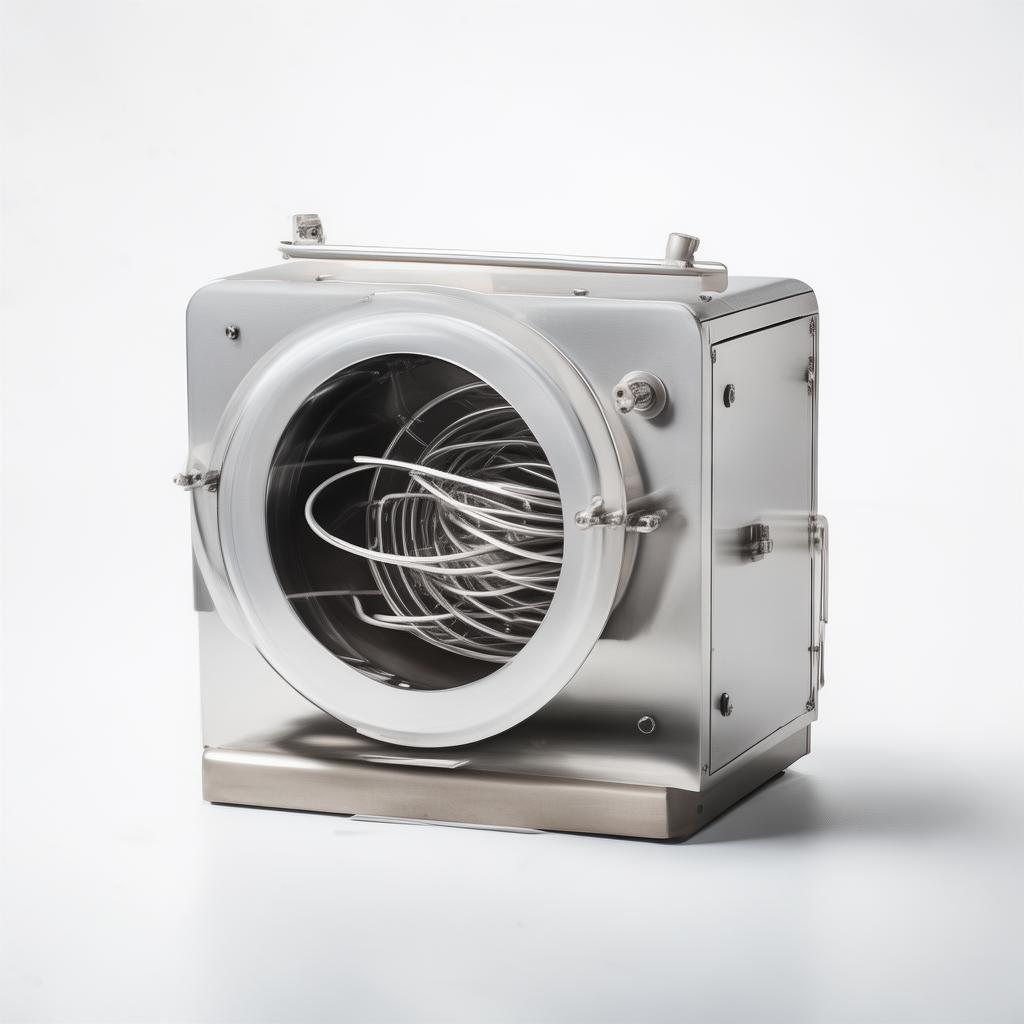
Vacuum Pump Types And Applications
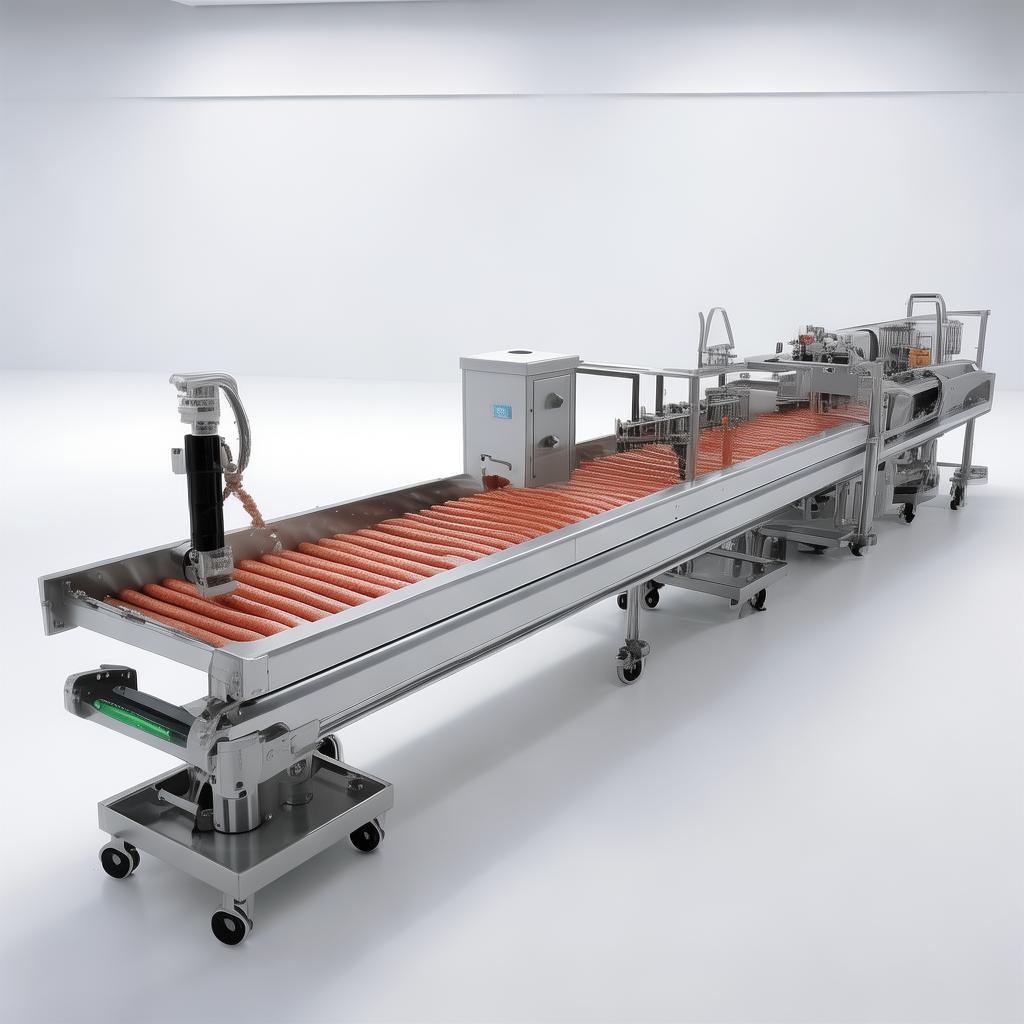
Vacuum Pump Types and Applications: A Comprehensive Guide for Industrial Procurement
Navigating the complexities of vacuum technology for your manufacturing and processing needs.
 By Dr. Evelyn Reed, Senior Industrial Process Consultant
Introduction to Vacuum Pump Technology
In the complex world of industrial manufacturing and processing, achieving precise atmospheric conditions is often paramount to product quality, efficiency, and safety. Vacuum, essentially a space with significantly reduced pressure compared to the surrounding atmosphere, plays an indispensable role across a vast spectrum of applications. At the heart of generating and maintaining these low-pressure environments are vacuum pumps. These critical pieces of equipment are the unsung heroes in processes ranging from sensitive pharmaceutical manufacturing to robust food packaging, and intricate scientific research. Understanding the different types of vacuum pumps, their underlying operational principles, and their suitability for specific applications is not just a matter of technical knowledge; it's a strategic imperative for procurement professionals and operations managers aiming for optimal performance and cost-effectiveness.
The global market for meat processing equipment, a sector where vacuum technology is often vital for preservation and product integrity, illustrates the scale of this technological integration. Reports indicate this market was valued at over USD 11 billion in 2025 and is projected to grow significantly, reaching upwards of USD 19 billion by 2033. Key segments include filling, massaging, and tenderizing equipment, all of which can benefit from or even require specific vacuum conditions. This growth trajectory, driven by rising demand for processed meats, automation, and stringent food safety standards, underscores the constant need for reliable, high-performing vacuum solutions. Likewise, the broader food processing sector relies heavily on vacuum for techniques like vacuum sealing, freeze-drying, and vacuum infusion, all contributing to extended shelf life and enhanced product appeal.
The complexity arises from the sheer variety of vacuum pump designs, each engineered to meet distinct performance requirements. Whether your operation demands high vacuum levels for delicate electronics manufacturing or robust, consistent vacuum for heavy-duty industrial processes, the choice of pump technology directly impacts your output. Factors such as required vacuum level (measured in Torr, mbar, or Pa), flow rate (volume of gas removed per unit time), tolerance for particulates, operating environment, energy consumption, and maintenance needs all come into play. Making an informed decision requires a deep dive into the operational mechanics of different pump types – from the workhorse rotary vane pumps to the precision of scroll pumps and the high-capacity performance of liquid ring systems.
Hebei Yuanchang Food Mechanism & Technology Co., Ltd., with nearly four decades of experience since 1986, understands the intricate needs of industrial processing. While our primary expertise lies in meat processing equipment, including pet food lines, we recognize the foundational importance of supporting technologies like vacuum systems. Our commitment to integrating R&D, production, and sales, bolstered by an in-house machining workshop featuring over 20 sets of advanced processing machinery and Japanese Mazak CNC centers, allows us to appreciate and deliver on the high-precision, reliability, and efficiency demands that vacuum pumps represent in any industrial setting. We understand that for critical applications, such as ensuring sterile conditions in medical device manufacturing or achieving precise moisture removal in food drying, the vacuum pump is not just a component but a linchpin.
This guide aims to demystify vacuum pump technology, providing procurement managers, engineers, and operations specialists with the essential knowledge to specify, select, and implement the right vacuum solutions. We’ll explore the physics behind vacuum generation, the distinct advantages and limitations of leading pump types, and their critical roles in various industrial sectors. Our goal is to equip you with the insights needed to make a purchase decision that enhances your operational efficiency, product quality, and ultimately, your bottom line.
For instance, in the food processing industry alone, the demand for processed meats and convenience foods is a significant driver. The global processed meat market is expected to exceed USD 1.2 trillion by 2034, fueled by urbanization and consumer preferences. Vacuum packaging is fundamental to extending the shelf life of many of these products, preventing oxidation and microbial growth. This directly translates into a sustained demand for reliable vacuum pumps capable of fast evacuation and deep vacuum levels suitable for packaging applications. Similarly, in medical and pharmaceutical fields, sterile environments and precise evacuations are non-negotiable, often requiring specialized, high-purity vacuum systems.
This comprehensive overview is designed to provide actionable insights, whether you are evaluating new equipment, upgrading existing systems, or troubleshooting operational challenges. We will also touch upon critical considerations like installation, routine maintenance, and the importance of partnering with a supplier who offers robust technical support and quality assurance – aspects we pride ourselves on at Hebei Yuanchang.
The Unseen Power: Why Vacuum is Indispensable in Modern Industry
Vacuum technology is far more than a niche application; it's a fundamental enabler for countless industrial processes. The ability to reduce atmospheric pressure unlocks unique physical and chemical phenomena that are crucial for manufacturing high-quality products efficiently and safely. From enabling precise molding in complex manufacturing to extending the shelf-life of consumables, vacuum systems are integral to operational success.
Consider the simple act of packaging food products. By removing air, vacuum packaging drastically slows down spoilage caused by oxidation and the growth of aerobic bacteria. This translates directly to longer shelf lives, reduced waste, and the ability to distribute perishable goods over wider geographical areas. According to market research, the processed meat market alone is booming, creating a sustained demand for effective preservation methods, where vacuum plays a leading role. This isn't just about convenience; it's about ensuring food safety and meeting global supply chain demands.
In manufacturing, vacuum is critical for:
- Molding and Forming: Vacuum is used to draw materials like plastics, composites, and even metals into complex molds, ensuring intricate details and uniform shapes. This is prevalent in industries from automotive to aerospace.
- Degassing: Removing dissolved gases from liquids (like resins, adhesives, or molten metals) prevents defects like voids and bubbles in the final product.
- Material Handling: Vacuum cups and lifters utilize atmospheric pressure difference to securely grip and move objects, enabling automated handling of everything from delicate glass to heavy industrial components.
- Assembly: In electronics manufacturing, vacuum processes are essential for component placement and sealing, ensuring precision and integrity.
The medical and pharmaceutical sectors rely heavily on vacuum for processes like:
- Sterilization: Autoclaves use vacuum cycles to ensure steam penetrates all surfaces for effective sterilization of equipment.
- Freeze-Drying (Lyophilization): This critical process for preserving sensitive biological materials, pharmaceuticals, and even high-value food items involves freezing the substance and then sublimating the ice under vacuum, preserving molecular integrity.
- Evaporation and Distillation: Lowering the boiling point of liquids under vacuum allows for gentler processing of heat-sensitive compounds, crucial in chemical synthesis and pharmaceutical production.
Beyond these, vacuum finds applications in printing, woodworking (clamping), analytical instrumentation (mass spectrometry), and even in the energy sector for leak detection. The diversity of these uses means there isn't a one-size-fits-all vacuum pump. Each application imposes unique demands on the pump's performance characteristics, reliability, and the purity of the vacuum it can achieve. For example, a liquid ring pump might be ideal for handling process vapors in a chemical plant due to its robust nature and ability to handle condensable gases, while a scroll pump might be preferred for cleanroom semiconductor manufacturing where oil-free, high-purity vacuum is essential.
At Hebei Yuanchang, while we specialize in processing machinery, we understand that the efficiency of our equipment—be it for meat filling, molding, or ripening—is often intrinsically linked to the performance of supporting systems like vacuum pumps. A poorly performing vacuum system can lead to inconsistent product filling, inadequate sealing in packaging, or compromised ripening processes. This is why we emphasize the importance of selecting the right peripheral technologies. Our extensive experience in designing and manufacturing complex machinery since 1986 has given us a keen appreciation for how every component, including vacuum generation, contributes to the overall success of a production line.
Understanding Vacuum Pump Technologies: A Deep Dive
The generation of vacuum is achieved through various mechanical and physical principles, leading to a diverse range of vacuum pump technologies. Each type has its own operational mechanics, performance envelope, and suitability for different industrial environments and vacuum levels. Understanding these differences is the cornerstone of selecting the most efficient and reliable system for your specific operational needs.
1. Rotary Vane Pumps
Perhaps the most common type of vacuum pump for general industrial applications, rotary vane pumps are known for their reliability, relatively low cost, and ability to achieve medium vacuum levels (typically down to 10-2 mbar). They operate on a simple principle: a rotor with spring-loaded vanes rotates within a cylindrical housing. As the rotor turns, the vanes slide in and out, creating expanding and contracting chambers that trap, compress, and expel gas. A continuous oil seal is often used for lubrication and to prevent leakage, making them suitable for applications where a small amount of oil mist in the exhaust is acceptable.
Key Features:
- Cost-effective for basic vacuum needs.
- Robust and durable for many industrial environments.
- Available in single-stage and two-stage configurations for deeper vacuum.
Considerations: Oil mist generation can be an issue in sensitive applications; can struggle with high particulate loads without proper filtration.
2. Screw Pumps
Screw pumps, particularly dry-running types, offer robust performance and high efficiency. They utilize two intermeshing helical rotors that rotate in opposite directions without touching. This design creates sealed pockets that move gas from the inlet to the outlet. Dry screw pumps eliminate the need for sealing oil, making them ideal for processes where contamination from oil is unacceptable, such as chemical processing or semiconductor manufacturing. They can achieve medium to high vacuum levels and are known for their tolerance to process gases and vapors.
Key Features:
- Oil-free operation for contamination-sensitive processes.
- High pumping speeds and efficient operation.
- Good tolerance for corrosive gases and vapors (with appropriate materials).
Considerations: Higher initial cost compared to rotary vane pumps; requires precise engineering for efficient operation.
3. Liquid Ring Pumps
Liquid ring pumps are renowned for their simplicity, reliability, and ability to handle large volumes of gas, including those with entrained liquids, dust, and vapors. They use a rotor that spins eccentrically within a casing partially filled with a sealing liquid (often water). This creates a ring of liquid that forms seals between the rotor and the casing, generating expanding and contracting chambers to move gas. Their inherent ability to absorb heat from compression makes them excellent for processes with high vapor loads.
Key Features:
- Excellent for handling wet and dirty gases.
- Robust design with few moving parts; low maintenance.
- Can operate at relatively low temperatures.
Considerations: Typically achieve only moderate vacuum levels (down to ~30 mbar); require a constant supply of sealing liquid, which can be a factor in water-scarce regions or when dealing with reactive gases.
4. Scroll Pumps
Scroll pumps employ two interleaved, spiral-shaped scrolls. One scroll is fixed, while the other orbits eccentrically without rotating. This motion creates progressively smaller pockets of gas that are swept from the inlet to the exhaust port. They are known for being quiet, efficient, and producing a clean, oil-free vacuum. Scroll pumps are favored in applications requiring high purity vacuum, such as semiconductor manufacturing, laboratory equipment, and medical devices, typically reaching high vacuum levels (down to 10-3 mbar).
Key Features:
- Oil-free operation.
- Quiet and vibration-free operation.
- Excellent for high-purity vacuum applications.
Considerations: Less tolerant of particulates and corrosive gases compared to other types; can be more sensitive to thermal load.
5. Diaphragm Pumps
Diaphragm pumps (or membrane pumps) utilize a flexible diaphragm that moves back and forth, changing the volume of a chamber to draw in and expel gas. They are inherently oil-free and offer good chemical resistance, especially when constructed with appropriate diaphragm and valve materials. Diaphragm pumps are typically used for applications requiring moderate vacuum levels and are common in laboratories, medical equipment, and for small-scale industrial processes. They are particularly useful when precise control and minimal contamination are required.
Key Features:
- Oil-free, clean vacuum.
- Good chemical resistance.
- Compact and relatively low maintenance.
type of vacuum pumps what is vacuum pump used for vacuum pumps for hvac
Considerations: Generally achieve only moderate vacuum levels; flow rates can be lower compared to other pump types for similar sizes.
6. Turbo-Molecular Pumps
For applications requiring ultra-high vacuum (UHV), turbo-molecular pumps are essential. These pumps use high-speed rotating blades to impart momentum to gas molecules, pushing them from the inlet towards the exhaust. They function as momentum transfer pumps and require a backing pump (usually a roughing pump like a rotary vane or scroll pump) to achieve their optimal vacuum range. Turbo pumps are characterized by their high pumping speeds and ability to reach very low pressures (down to 10-10 mbar and beyond).
Key Features:
- Achieve extremely high vacuum levels.
- Clean operation.
- High pumping speeds for lighter gases.
Considerations: Require a backing pump; sensitive to shock and vibration; not suitable for high gas loads or particulates.
The selection process involves a careful assessment of your required vacuum level, gas load, the nature of the gas (clean, dirty, corrosive, condensable), and operational constraints. At Hebei Yuanchang, our decades of experience have shown us that understanding these nuances upfront prevents costly mistakes down the line, especially when integrating vacuum systems with complex food processing machinery.
Key Applications Across Industries: Where Vacuum Pumps Shine
The versatility of vacuum technology means it's a critical component in a multitude of industrial sectors. Matching the right vacuum pump type to a specific application is key to achieving optimal process performance, product quality, and operational cost-effectiveness. Here’s a look at some of the most significant areas where vacuum pumps are indispensable.
Manufacturing & Production
In modern manufacturing, vacuum plays a foundational role in achieving precision, efficiency, and material integrity. From the automotive industry to electronics assembly, reliable vacuum systems are crucial.
- Material Handling: Vacuum grippers and suction cups enable robotic arms and automated systems to securely lift, move, and place a vast array of objects, from delicate glass panes to heavy components. This is crucial for assembly lines and packaging operations.
- Molding and Forming: Techniques like vacuum forming and injection molding rely on vacuum to draw molten plastics or composites into intricate mold cavities, ensuring accurate shapes and void-free products. This applies to producing plastic casings, automotive parts, and composite materials.
- Degassing: In the production of resins, adhesives, and even metals, dissolved gases can lead to product defects. Vacuum degassing removes these trapped air bubbles, ensuring material uniformity and strength.
- Printing: Vacuum tables are used to hold flexible materials like paper or fabric flat and precisely in place during printing processes, ensuring sharp, accurate images.
Food Processing & Packaging
The food industry leverages vacuum extensively for preservation, processing, and packaging. The demand for convenience and extended shelf-life makes vacuum technology vital. The global meat processing equipment market, valued at over $11 billion and growing, heavily utilizes vacuum for filling, packaging, and preservation.
- Vacuum Packaging: The most common application. Removing air from packaging extends the shelf life of products like meats, cheeses, and ready-to-eat meals by inhibiting oxidation and microbial growth. This is a cornerstone for the processed meat market, which is projected to exceed $1.2 trillion by 2034.
- Vacuum Tumbling and Marinating: In meat processing, vacuum tumblers create a massaging effect under reduced pressure, allowing marinades to penetrate deeper and faster, enhancing flavor and tenderness. This is a key area for our expertise at Hebei Yuanchang, where efficient ripening and tenderizing are paramount.
- Vacuum Frying: This low-temperature frying process under vacuum reduces oil absorption and preserves nutrients and color, producing healthier snacks and chips.
- Freeze-Drying (Lyophilization): For premium food products, vacuum freeze-drying removes water at low temperatures, preserving flavor, texture, and nutritional content for long-term storage.
- Deaeration: Removing dissolved air from liquids like juices or sauces before packaging prevents oxidation and improves clarity.
Medical & Pharmaceutical
In these highly regulated fields, vacuum is essential for sterility, precise processing, and the preservation of sensitive compounds.
- Sterilization (Autoclaves): Vacuum is used in steam sterilizers to remove air, ensuring effective steam penetration for medical instruments and supplies.
- Freeze-Drying (Lyophilization): Critical for extending the shelf life of vaccines, antibiotics, and biological samples. This process requires deep vacuum levels and precise temperature control.
- Vacuum Distillation/Evaporation: Used in chemical synthesis and drug manufacturing to purify or concentrate compounds at lower temperatures, preventing degradation.
- Filtration: Vacuum filtration is a common method for separating solids from liquids in laboratory and pharmaceutical production.
Research & Laboratory
Precision and cleanliness are paramount in research settings. Vacuum pumps are standard equipment for a wide array of analytical and experimental setups.
- Mass Spectrometry: Achieving the ultra-high vacuum necessary for the ionization and detection of molecules.
- Electron Microscopy: Maintaining a vacuum environment to prevent electron scattering and contamination.
- Vacuum Ovens: Used for drying samples, curing materials, and outgassing components at controlled temperatures and reduced pressures.
- General Lab Vacuum: For rotary evaporators, filtration setups, and vacuum manifolds.
Our experience at Hebei Yuanchang, particularly with sophisticated meat processing lines, highlights how vacuum technology is often integrated with other systems to achieve specific product outcomes. For example, precise vacuum control during filling operations ensures consistent product density and optimal packaging efficiency. This deep understanding of integrated industrial processes allows us to appreciate the critical role of selecting the appropriate vacuum pump, ensuring your entire operation runs smoothly.
Selecting the Optimal Vacuum Pump: A Procurement Manager's Checklist
Choosing the right vacuum pump is a critical procurement decision that directly impacts operational efficiency, product quality, and long-term costs. It's not just about finding a pump that generates vacuum; it's about finding the pump that performs reliably and cost-effectively under your specific operating conditions. A systematic approach is essential.
Critical Selection Factors
When evaluating vacuum pump options, consider the following key parameters:
1. Ultimate Vacuum Level
What is the lowest pressure your application requires? This is often the primary driver. Pumps are rated by their ultimate pressure, typically expressed in mbar, Torr, or Pa. Rough vacuum (1-1000 mbar), medium vacuum (10-3 to 1 mbar), high vacuum (10-7 to 10-3 mbar), and ultra-high vacuum (<10-7 mbar) all require different pump technologies.
2. Pumping Speed (Flow Rate)
How quickly does the pump need to evacuate a chamber or maintain a certain process pressure? This is measured in liters per minute (L/min) or cubic meters per hour (m3/h). The required speed depends on the volume of your system, the desired pump-down time, and any gas load present.
3. Process Gas Characteristics
What kind of gas are you pumping? Is it clean, dry air? Or does it contain vapors, corrosive elements, dust, or particulates? This heavily influences pump selection. Oil-sealed pumps might be fine for clean air but unsuitable for corrosive processes. Liquid ring pumps excel with wet gases, while dry-running pumps are essential for contamination-sensitive applications.
4. Operating Environment
Consider ambient temperature, humidity, and any potential hazards (e.g., explosive atmospheres). Some pumps require specific ventilation or cooling. The physical footprint and weight can also be critical factors, especially for integration into existing production lines.
5. Contamination Sensitivity
Does your process require an oil-free vacuum? For food processing, pharmaceuticals, or semiconductor applications, oil contamination can be disastrous. Oil-free pumps like scroll, diaphragm, or dry screw pumps are often mandatory.
6. Energy Efficiency & Operational Cost
Pumps operate continuously, so energy consumption is a significant factor in total cost of ownership. Modern pumps are designed for greater efficiency, reducing electricity bills and environmental impact.
7. Maintenance Requirements & Reliability
Consider the frequency and cost of maintenance. Some pumps require regular oil changes or component replacements, while others are virtually maintenance-free. Long-term reliability and availability of spare parts are crucial to minimize downtime.
8. Initial Investment vs. Lifecycle Cost
While initial purchase price is important, it's the total cost over the pump's lifespan—including energy, maintenance, and potential downtime—that truly matters. A slightly higher upfront investment in a more efficient or durable pump can yield significant savings.
Our 40 years of experience in industrial machinery, including systems that rely on precise vacuum control, has taught us that overlooking any of these factors can lead to suboptimal performance, increased operational costs, or premature equipment failure. For example, in meat processing, using a pump not rated for high moisture content can lead to internal corrosion and reduced efficiency. Similarly, in sensitive food packaging, even a trace of oil mist can compromise product safety and shelf-life. It’s about finding the right technical fit for the application.
At Hebei Yuanchang, we emphasize a holistic approach to equipment selection. While we don't manufacture vacuum pumps, we understand their critical role in our machinery's performance. We work with clients to ensure that the vacuum systems they integrate are perfectly aligned with their processing needs, be it for achieving the perfect seal on a package of sausages or ensuring consistent filling of meat products. This consultative approach helps prevent costly integration issues.
Maintenance, Logistics, and Support: Ensuring Long-Term Performance
Selecting the right vacuum pump is only half the battle. Ensuring its long-term reliability and seamless integration into your operations requires careful attention to maintenance protocols, logistical considerations, and robust supplier support.
Operational Longevity Through Proper Maintenance
Regular maintenance isn't just about preventing breakdowns; it's about maximizing efficiency and extending the operational life of your vacuum pump. While specific schedules vary by pump type and manufacturer recommendations, key areas typically include:
- Fluid Levels and Quality: For oil-sealed or liquid-ring pumps, regular checks of fluid levels and condition are crucial. Contaminated or depleted fluids can lead to increased wear and reduced performance. Timely fluid changes are essential.
- Filter Replacement: Inlet and exhaust filters protect the pump from contaminants and prevent the release of oil mist or particulates. Clogged filters restrict airflow, reduce efficiency, and can damage the pump.
- Seal and Vane Inspection: For rotary vane pumps, inspecting and replacing worn vanes and seals is vital for maintaining effective compression and vacuum levels.
- Vibration and Noise Monitoring: Unusual increases in vibration or noise can indicate bearing wear, imbalance, or other developing issues that require prompt attention.
- System Checks: Ensuring proper ventilation for the pump and checking for leaks in the vacuum system itself are also part of routine maintenance.
Ignoring maintenance schedules can lead to significant costs. A blown seal or worn vane might seem minor, but it can result in a drop in vacuum that impacts your production output, leading to rejected batches or spoiled products. For example, in food packaging, a compromised vacuum seal means shorter shelf life and potential spoilage, directly impacting revenue and customer trust. Our experience with industrial machinery shows that preventive maintenance is always more cost-effective than reactive repairs.
Logistical Considerations for International Procurement
When sourcing vacuum pumps internationally, logistics are a critical component of the procurement process. This includes:
- Shipping & Handling: Vacuum pumps can be heavy and sensitive. Proper crating, handling procedures, and insurance are essential to prevent damage during transit. Understanding Incoterms (e.g., FOB, CIF) is vital for clarity on responsibilities.
- Customs & Import Duties: Navigating international customs regulations, tariffs, and import documentation can be complex. Working with experienced freight forwarders or suppliers who manage this process is highly recommended.
- Lead Times: Manufacturing and shipping times can vary significantly. Accurate lead time estimations are crucial for production planning. Our 40 years in manufacturing mean we understand the importance of realistic timelines, and we strive to provide transparent lead times for our equipment.
- Installation & Commissioning: Depending on the pump type and your team's expertise, professional installation and commissioning services might be necessary to ensure optimal setup and performance from day one.
The Importance of Supplier Support and Expertise
Choosing a supplier that offers more than just a product is key. Look for:
- Technical Consultation: An experienced supplier should be able to guide you through the selection process, understanding your application and recommending the most suitable pump technology.
- After-Sales Service & Spare Parts: Reliable access to technical support, troubleshooting assistance, and readily available spare parts is critical for minimizing downtime. Our traceable after-sales management system at Hebei Yuanchang is designed for this very reason.
- Warranty: Understand the warranty terms and what they cover. A manufacturer with confidence in their product will offer a solid warranty.
- Certifications & Quality Standards: Ensure the pumps comply with relevant industry standards (e.g., CE, UL) and are manufactured under a robust quality management system.
By considering these maintenance, logistical, and support factors, procurement professionals can make more informed decisions, ensuring that their investment in vacuum technology delivers sustained value and contributes positively to their manufacturing objectives.

Why Partner with Hebei Yuanchang for Your Processing Needs?
At Hebei Yuanchang Food Mechanism & Technology Co., Ltd., we bring nearly 40 years of dedicated experience in designing and manufacturing high-quality food processing equipment, particularly for the meat industry. Since 1986, we've been at the forefront, integrating research, development, and production to deliver reliable solutions.
Our robust in-house machining capabilities, featuring over 20 sets of advanced processing machinery and cutting-edge Japanese Mazak CNC machining centers, allow us to produce high-precision components that meet demanding specifications. This internal capacity ensures quality control and the ability to offer custom solutions tailored to your unique operational requirements.
We understand that the efficiency of your entire production line hinges on every component, including critical supporting systems like vacuum pumps. While we specialize in complete production lines for meat products, our expertise in machinery design means we appreciate the need for reliable, high-performance peripheral technologies. We are committed to providing machinery that integrates seamlessly with best-in-class vacuum solutions, ensuring optimal results for your filling, molding, and ripening processes.
Choosing Hebei Yuanchang means partnering with a company that values:
- Unmatched Experience: Four decades of refining our manufacturing processes.
- Advanced Manufacturing: State-of-the-art CNC technology for precision parts.
- Quality Assurance: Rigorous quality control from raw material to finished product.
- Traceable After-Sales Service: Comprehensive support for your peace of mind.
- Customization: Ability to adapt machinery to your specific needs.
Frequently Asked Questions About Vacuum Pumps
Q1: What is the difference between a vacuum pump and a compressor?
A vacuum pump removes gas from a sealed space to create a low-pressure environment (vacuum). A compressor takes gas and increases its pressure, creating a high-pressure environment. They perform opposite functions.
Q2: Do I need a special pump for food processing?
Yes, often. For vacuum packaging or other food contact applications, you typically require oil-free pumps to prevent contamination. Material compatibility and ease of cleaning are also critical considerations. Pumps must comply with relevant food safety standards.
Q3: How do I determine the correct size vacuum pump for my application?
Sizing involves considering the volume of your system, the desired pump-down time, and any continuous gas load (process gases, leaks). It's best to consult with a vacuum pump specialist or use manufacturer sizing tools, providing them with your specific application details.
Q4: What is the difference between single-stage and two-stage rotary vane pumps?
A single-stage pump achieves a certain vacuum level. A two-stage pump uses two sets of stages in series, with the first stage compressing gas and passing it to the second stage for further compression. This allows two-stage pumps to achieve significantly lower ultimate pressures than single-stage models.
Q5: Can liquid ring pumps handle high temperatures?
Liquid ring pumps are generally good at handling heat generated during compression due to the cooling effect of the sealing liquid. However, the operating temperature is limited by the vapor pressure of the sealing liquid and the pump's construction materials. For very high temperatures, specific designs or alternative pump types might be necessary.
Q6: What maintenance is typically required for a dry screw vacuum pump?
Dry screw pumps generally require less maintenance than oil-sealed types. Key tasks include periodic inspection and cleaning of inlet filters, checking shaft seals, monitoring operating temperatures, and occasional inspection of the intermeshing rotors for wear. Refer to the manufacturer's manual for a specific schedule.
Ready to Optimize Your Vacuum Process?
Navigating vacuum pump selection can be complex, but the right choice is crucial for your operational success. Let our 40 years of industrial machinery experience guide you.
We are committed to providing reliable industrial solutions. Contact us today to discuss your specific needs for processing equipment and integrated systems.