Vacuum Feedthrough Connector
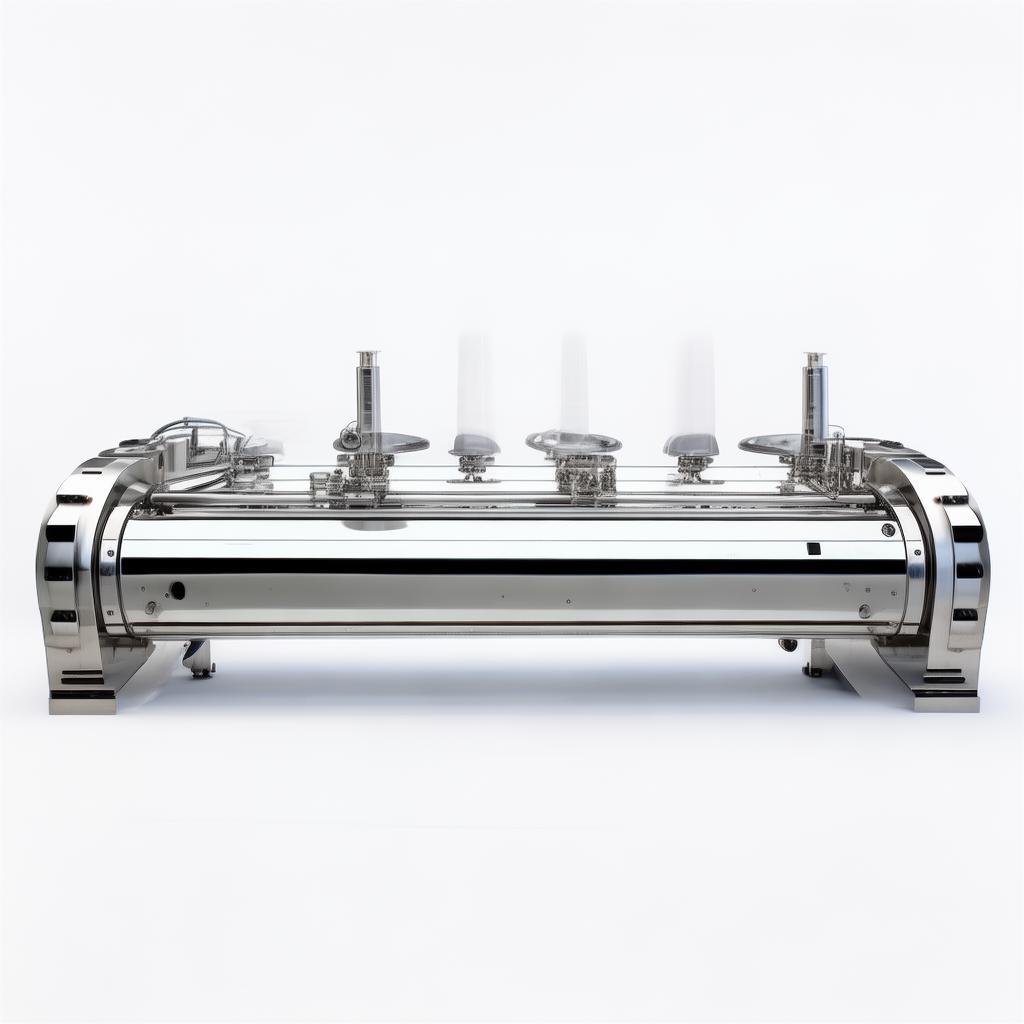
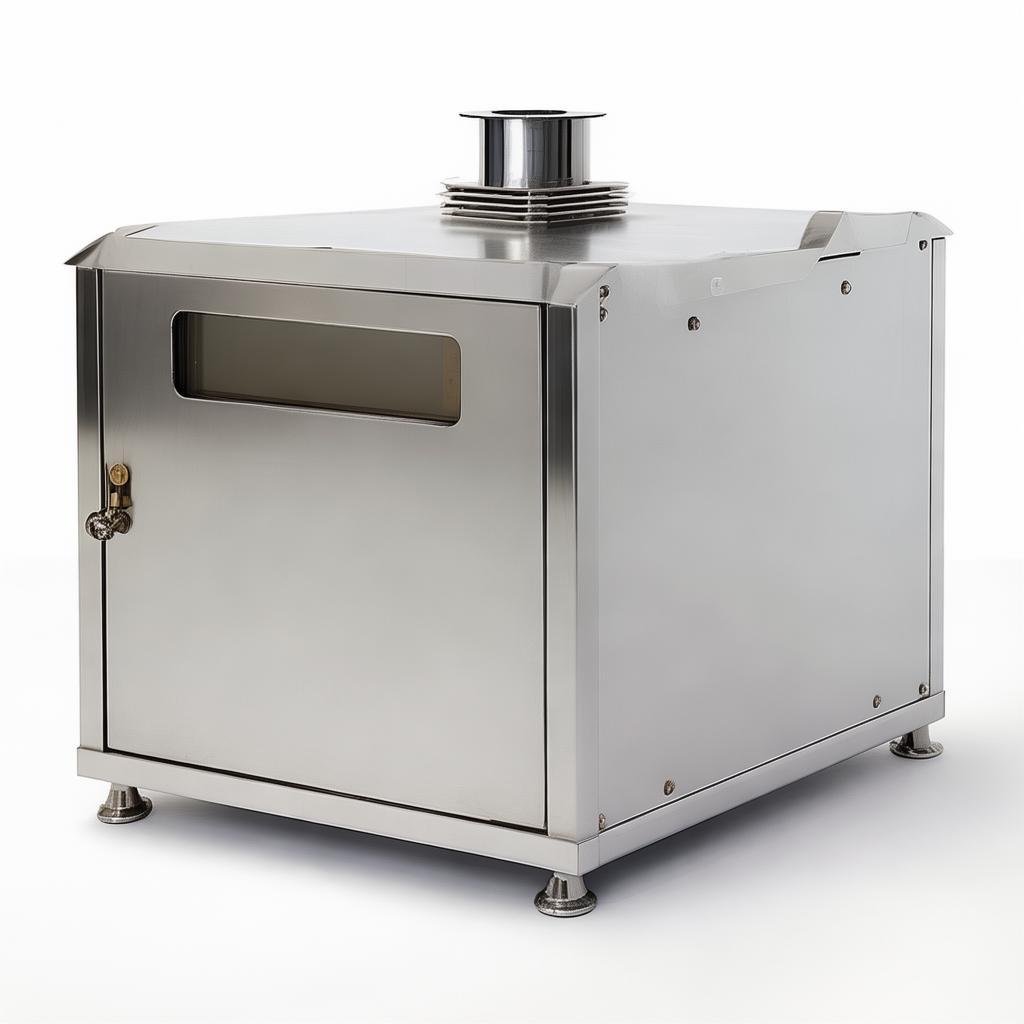
Vacuum Feedthrough Connectors: The Unseen Backbone of High-Performance Systems
Ensuring Seamless Electrical and Mechanical Transfer in Demanding Environments
 By: Alex Chen, Senior Process Engineer
|
Published: October 26, 2023
By: Alex Chen, Senior Process Engineer
|
Published: October 26, 2023
Navigating the Complexities of Vacuum Integrity and Signal Transmission
In the intricate world of scientific research, industrial automation, and advanced manufacturing, maintaining a high vacuum environment is often paramount. Whether you're operating particle accelerators, semiconductor fabrication plants, or sophisticated material science laboratories, the integrity of your vacuum system directly dictates the success of your operations. Yet, within these sealed chambers, the need for external power, control signals, and even physical manipulation is unavoidable. This is where the humble yet critical vacuum feedthrough connector steps in.
For procurement managers and R&D engineers alike, sourcing reliable vacuum feedthroughs isn't just about finding a component; it's about ensuring the uninterrupted function of high-stakes equipment. The wrong choice can lead to costly leaks, contamination, signal degradation, and significant downtime. It’s a component that, while often overlooked in the grand design, carries immense responsibility. We've seen firsthand how critical the selection and implementation of these connectors can be, especially when pushing the boundaries of scientific discovery or industrial efficiency.
Think about the challenges: maintaining a perfect vacuum down to 10-9 Torr or even lower while simultaneously passing power for heating elements, signals for precise sensor readings, or even fiber optic lines for data transfer. This requires a design that is not only robust but also meticulously engineered to prevent the ingress of even the smallest gas molecules. The materials used, the sealing mechanisms, and the manufacturing precision all play a crucial role. It's a delicate balance between offering a conduit for external connections and preserving the isolation of the vacuum chamber.
The landscape of vacuum feedthroughs is diverse, ranging from simple power feedthroughs that handle basic electrical current to complex multi-pin D-sub or USB feedthroughs, and even specialized units for RF or thermocouple signals. Each type is designed with specific applications in mind, necessitating a deep understanding of the operational parameters. For instance, a feedthrough designed for a cryogenic environment will have vastly different material and sealing requirements compared to one operating at elevated temperatures within a plasma chamber.
From a procurement perspective, this variety can be daunting. You need to consider not just the electrical or mechanical specifications but also the vacuum compatibility, the outgassing rate of the materials, the flange type (e.g., ConFlat, KF, ISO), and the thermal expansion coefficients to avoid stressing the vacuum vessel. These aren't minor details; they are fundamental to the longevity and reliability of your entire system. We often advise clients to think of feedthroughs as integrated components of the vacuum vessel itself, not merely add-ons.
This page aims to demystify the world of vacuum feedthrough connectors, offering insights from our years of experience in designing, manufacturing, and supporting high-vacuum systems. We'll delve into the critical aspects that matter to engineers, buyers, and operations managers – from understanding the fundamental principles to evaluating suppliers and ensuring you select the right solution for your specific needs. Our goal is to equip you with the knowledge to make informed decisions, ultimately enhancing the performance, reliability, and efficiency of your vacuum-dependent processes. After all, a reliable feedthrough is the unsung hero that keeps your critical research or production running smoothly.
The market for vacuum technology, including feedthroughs, is constantly evolving. Driven by advancements in fields like advanced materials, semiconductor manufacturing, and fusion energy research, there's an ongoing demand for feedthroughs that can handle higher power, more complex signal arrays, and more extreme vacuum conditions. Ensuring your supply chain can keep pace with these technological shifts is a key strategic consideration for any forward-thinking organization.
Why Do Your Vacuum Systems Demand High-Quality Feedthroughs?
At its core, a vacuum feedthrough connector serves a dual purpose: it allows something to pass into or out of a vacuum chamber while maintaining the vacuum seal. This seemingly simple requirement becomes incredibly complex when you consider the operating conditions.
- Maintaining Vacuum Integrity: The most fundamental requirement. Even a microscopic leak can compromise experiments, contaminate sensitive surfaces (like in thin-film deposition), or prevent equipment from reaching its operational vacuum level. The sealing mechanism—often relying on O-rings, compression fittings, or brazed connections—must be flawless and resistant to permeation.
- Signal and Power Transmission: Whether it's delivering precise voltage to a heater, sending control signals to a manipulator, or transferring data from a sensor, the feedthrough must reliably conduct electricity or transmit signals without degradation or interference. This includes handling specified current loads, voltage ratings, and signal frequencies.
- Mechanical Movement: For applications requiring motion within the vacuum, rotary or linear feedthroughs allow shafts or rods to be moved externally while maintaining the vacuum seal. These demand robust sealing against kinetic motion.
- Environmental Resistance: Many vacuum systems operate in harsh conditions. Feedthroughs must be constructed from materials that can withstand high temperatures, cryogenic temperatures, corrosive gases, or high radiation environments without degrading or outgassing.
- Low Outgassing: Materials used in feedthroughs must have minimal outgassing properties to avoid contaminating the vacuum. This is crucial for ultra-high vacuum (UHV) applications where even a small amount of released gas can significantly impact vacuum performance.
The global meat processing equipment market, projected to reach USD 17.39 billion by 2034 at a CAGR of 5.0%, highlights the demand for precision and reliability in industrial processes. While our specialization is in food processing machinery, the underlying principles of maintaining environmental integrity and enabling complex operations are shared. Similarly, advancements in the broader food processing sector underscore the need for robust, specialized components. The Meat Processing Equipment Market Analysis shows a trend towards automation and hygiene, demanding components that can reliably perform under strict conditions – a parallel we see in vacuum technology.
Types of Vacuum Feedthrough Connectors
Selecting the correct vacuum feedthrough connector depends heavily on the specific application. Here's a breakdown of common types you'll encounter:
Electrical Feedthroughs
The most common type, designed for power and signal transmission. They can range from single-pin DC connectors to multi-pin AC or high-current configurations.
- Power Feedthroughs: For heaters, solenoids, motors. Rated for specific voltages and amperages.
- Signal Feedthroughs: For sensors (thermocouples, RTDs, pressure), data lines (USB, Ethernet), control signals. Low noise and signal integrity are key here.
- BNC, SMA, and RF Feedthroughs: For high-frequency signals.
Considerations include the number of pins, current/voltage ratings, and vacuum compatibility of the insulators.
Rotary Feedthroughs
Allow for rotational movement from outside the vacuum chamber to the inside. Essential for stirring, manipulating samples, or actuating mechanisms.
- Sealing Methods: Often use O-rings, magnetic couplings, or ferrofluidic seals for UHV applications.
- Torque Ratings: Must handle the required torque without compromising the seal.
- Rotational Speed: Limited by the sealing mechanism.
Ferrofluidic seals offer excellent performance for UHV but come at a higher cost.
Linear Feedthroughs
Enable linear (push-pull) motion through the vacuum chamber wall. Used for precise positioning of components or actuating vacuum valves.
- Stroke Length: The total distance of linear travel.
- Force Transmission: Ability to transmit force effectively.
- Vacuum Compatibility: Materials must be suitable for the vacuum level.
Often employ bellows or precision bearings to ensure smooth, leak-tight motion.
Fluid and Gas Feedthroughs
Allow the passage of liquids or gases into or out of the vacuum system. Critical for supplying process gases, cooling fluids, or venting.
- Material Compatibility: Must be resistant to the specific fluids or gases.
- Flow Rate: Capacity to handle the required flow.
- Sealing: Robust sealing is essential to prevent leaks.
Used in applications like gas injection systems or cooling loops.
Custom & Specialized Feedthroughs
For unique requirements, custom-designed feedthroughs are often necessary. This can include combinations of electrical, mechanical, and fluid feedthroughs, or units designed for extreme temperature ranges or specific flange types.
This is where deep engineering collaboration becomes vital.
Technical Deep Dive: What to Look for in a Vacuum Feedthrough Connector
Beyond the basic type, several technical specifications dictate a feedthrough's suitability and performance. Getting these right upfront saves immense trouble down the line. We’ve learned that a thorough understanding of these parameters is non-negotiable for critical applications.
Vacuum Rating
This is your primary filter. Feedthroughs are rated for specific vacuum ranges:
- Low/Rough Vacuum: Up to 10-3 Torr (e.g., vacuum pumps, roughing lines).
- Medium Vacuum: 10-3 to 10-6 Torr (common in many industrial processes).
- High Vacuum (HV): 10-6 to 10-9 Torr (scientific instruments, surface science).
- Ultra-High Vacuum (UHV): Below 10-9 Torr (particle accelerators, advanced semiconductor fabs).
Using a feedthrough rated for lower vacuum levels in a UHV system is a recipe for disaster – it will likely leak or outgas excessively, preventing you from achieving your target vacuum. Always select a feedthrough rated for your system's lowest expected pressure.
Materials and Outgassing
The materials used for insulators, seals, and structural components are critical. Stainless steel (like 304 or 316L) is common for flanges and bodies due to its vacuum compatibility and mechanical strength. For insulators, ceramics like Alumina (Al2O3) are standard for their electrical insulation properties and low outgassing in UHV. Polymers like PEEK or PTFE might be used in less demanding vacuum applications, but their outgassing rates must be carefully considered.
When specifying for UHV, look for components made from materials with certified low outgassing rates, often achieved through specific cleaning procedures and bake-outs. This is a detail often missed by less experienced buyers.
Electrical and Mechanical Specifications
Ensure the feedthrough meets your application's electrical requirements:
- Current & Voltage Rating: Exceeding these limits can cause arcing, insulation breakdown, or connector failure.
- Signal Type & Bandwidth: For RF or high-speed data, impedance matching and bandwidth are crucial.
- Number of Pins/Circuits: Match your system's needs without over-complicating.
- Wire Gauge: Ensure it's appropriate for the current load.
For mechanical feedthroughs, consider torque, speed, and stroke length carefully.
Flange Type and Size
Feedthroughs are typically attached to the vacuum chamber via standard flanges. Common types include:
- ConFlat (CF) Flanges: The industry standard for UHV and HV, offering metal-to-metal seals for the highest integrity.
- Quick-Connect (QF) / Small Flanges (KF): Common for roughing lines and systems that require frequent assembly/disassembly. They use O-ring seals.
- ISO Flanges: Similar to KF but with different standardization.
Ensure the flange type and size match your existing vacuum vessel ports. Adapters are available but add complexity and potential leak points.
Sealing Mechanism
How the feedthrough seals against the vacuum vessel is critical. CF flanges use a knife-edge that bites into a copper gasket. KF and ISO flanges use an O-ring compressed by a clamp. Some specialized feedthroughs might use brazed ceramic-to-metal seals or other advanced techniques for extreme reliability.
Temperature Range
Consider the maximum and minimum operating temperatures the feedthrough will experience. This influences material selection (especially for seals and insulators) and potential for thermal expansion/contraction issues.
The precision engineering required for these components mirrors the high standards in specialized manufacturing. For instance, the global market for meat processing equipment, projected for significant growth, relies on components manufactured to exact specifications for hygiene, durability, and performance. While the end application differs vastly, the commitment to quality and precision remains a common thread. This focus on detailed specifications is something we apply directly to our vacuum feedthrough solutions.
Applications Where Vacuum Feedthroughs Are Indispensable
You'll find vacuum feedthrough connectors playing a vital role across a wide spectrum of industries and research fields. Their ability to bridge the gap between atmospheric pressure and high vacuum makes them truly versatile components.
Semiconductor Manufacturing
Essential for processes like sputtering, CVD (Chemical Vapor Deposition), etching, and ion implantation, where precise control of power, gas flow, and wafer positioning is critical within vacuum chambers.

Scientific Research
Used in particle accelerators, mass spectrometers, electron microscopes, fusion research tokamaks, and high-energy physics experiments where maintaining extreme vacuum is fundamental to operation and data integrity.

Aerospace and Defense
In vacuum chambers for thermal vacuum testing of satellites and components, material outgassing studies, and vacuum coating processes for optics or specialized materials.
Industrial Coating
For PVD (Physical Vapor Deposition) and other vacuum coating processes used to apply thin films to optics, tools, or decorative items, requiring reliable power for electron beams or magnetrons.
Food Processing (Specialized)
While our core focus is large-scale production, niche applications in freeze-drying or specialized atmospheric control within vacuum environments might utilize specific feedthroughs for temperature control or sensor monitoring.

The demand for robust solutions in industries like semiconductor manufacturing is immense. Reports suggest the global semiconductor market, heavily reliant on vacuum technologies, continues to expand, driving innovation in related componentry. The need for high-precision, reliable vacuum feedthrough connectors is a constant in this dynamic sector.
Installation and Maintenance: Practical Considerations
Even the highest quality vacuum feedthrough can fail if not installed and maintained correctly. This is where practical, hands-on experience truly matters.
Proper Installation Procedures
* Cleanliness is paramount: Always handle feedthroughs with clean, lint-free gloves. Ensure the flange surfaces and any O-rings are free from debris, grease, or particulate contamination before mating.
* For CF flanges: Ensure the copper gasket is seated correctly in its groove and that the knife-edge of the mating flange is clean. Tighten bolts evenly in a star pattern to ensure uniform compression. Overtightening can deform the gasket or flange; undertightening will cause leaks.
* For KF/QF flanges: Inspect the O-ring for nicks or damage. Ensure it is properly seated. The clamp must be fully engaged and tightened correctly to achieve a seal.
* Electrical Connections: Ensure external connections are secure and appropriate for the environment. Avoid stressing the feedthrough’s internal wiring.
Bake-out Procedures
For UHV systems, bake-outs are essential to drive off adsorbed gases from surfaces and achieve low base pressures. Vacuum feedthroughs must be able to withstand the temperatures required for the bake-out (often 150-200°C or higher for full UHV). Ensure your chosen feedthrough’s materials and seals are rated for these temperatures. Proper venting during cool-down is also important.
Regular Inspection and Leak Checking
Periodically leak-check your vacuum system, paying close attention to feedthroughs, especially those involving moving parts (rotary/linear) or frequent connection/disconnection. Mass spectrometers are commonly used for highly accurate leak detection on sensitive systems.
For mechanical feedthroughs, monitor for increased friction or difficulty in operation, which can indicate seal wear or internal damage.
Replacement Strategy
Mechanical feedthroughs, particularly those with dynamic seals like O-rings or ferrofluidic seals, have a finite lifespan. Develop a proactive replacement schedule based on usage, vacuum levels, and manufacturer recommendations to prevent unexpected failures.
Similarly, electrical contacts can degrade over time. Regular checks of signal integrity can help identify potential issues before they cause critical failures.
Procurement Guidance: Finding the Right Supplier for Vacuum Feedthrough Connectors
Sourcing high-quality vacuum feedthroughs requires diligence. It's not just about the price tag; it's about partnering with a supplier who understands the critical nature of your application.
Evaluate Manufacturer Expertise
Look for suppliers with a proven track record in vacuum technology. Do they design and manufacture in-house? Can they provide detailed technical specifications and material certifications? Experience in UHV applications is a significant plus.
Customization Capabilities
Many applications demand bespoke solutions. A good supplier should offer customization services, working with your engineering team to develop feedthroughs that meet unique requirements for pin configurations, size, materials, or performance characteristics.
Quality Certifications and Traceability
For critical applications, ask about quality management systems (e.g., ISO 9001) and material traceability. Knowing the origin and specifications of the materials used provides an essential layer of trust.
While ISO certifications are widespread, understanding the scope and depth of their quality system is more important than just the logo. We ensure all critical components trace back to certified material sources.
Lead Times and Support
Understand the typical lead times for both standard and custom orders. Reliable communication regarding production status and shipping is vital for project planning. Post-sales technical support is also a key differentiator.
Sample Availability
For critical or new applications, arranging for sample units for testing in your own environment can be invaluable before committing to a large order. A supplier willing to provide samples demonstrates confidence in their product.
Understand OEM/ODM Opportunities
If you're integrating feedthroughs into a larger system or product line, inquire about OEM (Original Equipment Manufacturer) or ODM (Original Design Manufacturer) services. This can involve custom branding, specialized packaging, or even co-design for unique integration needs.
For example, in the processed meat market, manufacturers often seek equipment suppliers who can offer integrated solutions. We extend this collaborative approach to our vacuum feedthrough clients, ensuring seamless integration into their systems.
Hebei Yuanchang Food Mechanism & Technology Co., Ltd.: Your Partner in Precision Components
While our name might suggest a focus solely on food processing, our core expertise lies in precision engineering, advanced machining, and robust manufacturing processes. With 40 years of experience since 1986, Hebei Yuanchang has developed extensive capabilities that translate directly to the production of high-quality, reliable components for demanding industries, including specialized vacuum feedthrough connectors.
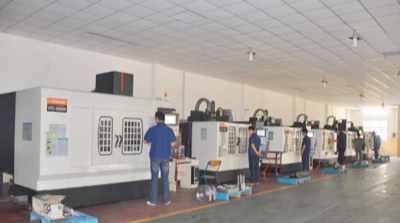
Our 14,000 square meter facility is equipped with over 20 sets of advanced processing machinery, including lathes, milling machines, high-precision grinding machines, and wire cutting equipment. Crucially, since 2012, we have integrated 8 sets of Japanese Mazak CNC machining centers. This investment allows us to undertake the production of high-standard components that require large volumes, exceptional precision, and non-standard specifications – precisely the requirements for reliable vacuum feedthroughs.
We understand that in vacuum technology, precision and material integrity are non-negotiable. Our in-house machining capabilities mean we have complete control over the manufacturing process, from raw material selection to final inspection. This traceability and control ensure that every component meets stringent quality standards.
Precision Machining Expertise
Leveraging Mazak CNC centers for tight tolerances and complex geometries required in vacuum applications.

Material Control & Traceability
Strict oversight on material selection and processing for optimal vacuum compatibility.
Custom Design & Production
Capability to manufacture non-standard specifications and custom-designed feedthroughs.

Our dedication to quality is reflected in our comprehensive after-sales management system, ensuring that the precision and reliability you expect are maintained throughout the product lifecycle. While we specialize in meat processing equipment, the underlying manufacturing discipline and commitment to engineering excellence are directly applicable to producing critical vacuum feedthrough components.
We understand the rigors of international trade and the importance of reliable supply chains. Let us leverage our decades of manufacturing experience to provide you with vacuum feedthrough connectors that perform exceptionally, even in the most demanding environments.
Client Testimonials
Hear from our satisfied clients who rely on our precision-engineered components.
 Dr. Evelyn Reed - Lead Physicist, Advanced Research Lab
"We needed highly reliable UHV electrical feedthroughs for our new beamline. The precision and low outgassing characteristics of the components supplied by Hebei Yuanchang exceeded our expectations. Their technical team was responsive and helped us select the perfect configuration. This has significantly improved our vacuum stability."
 Mark Jenkins - Procurement Manager, Semiconductor Equipment Manufacturer
"Sourcing consistent, high-quality vacuum feedthroughs for our OEM systems has always been a challenge. Hebei Yuanchang offers a robust product and reliable supply chain. Their ability to handle custom orders with tight tolerances and provide clear documentation has made them a key partner for us."
 Sarah Chen - R&D Engineer, Materials Science Lab
"We were looking for rotary feedthroughs that could withstand moderate vacuum and enable precise sample manipulation. The ones we received are smooth, reliable, and very well-constructed. The lead time was also surprisingly short for a specialized component."
Featured Products: Vacuum Feedthrough Connectors
Explore our range of high-performance vacuum feedthrough connectors, designed for reliability and precision.
High-Vacuum Electrical Feedthroughs
Multi-pin power and signal connectors. CF and KF flange options. UHV compatible.
Precision Rotary Feedthroughs
For external control of internal mechanical systems. Magnetic and O-ring sealed options.
Linear Motion Feedthroughs
Smooth, reliable linear actuation for vacuum chambers. Various stroke lengths available.
Frequently Asked Questions
Q: What is the difference between High Vacuum (HV) and Ultra-High Vacuum (UHV) feedthroughs?
UHV feedthroughs are designed for environments below 10-9 Torr and must have extremely low outgassing rates and be constructed from vacuum-compatible materials that can withstand rigorous bake-out procedures. HV feedthroughs are typically rated for pressures down to 10-6 or 10-7 Torr and may have slightly less stringent material requirements.
Q: Can I use a standard electrical connector inside my vacuum chamber?
No, standard connectors are not designed for vacuum. They typically contain materials that outgas significantly and lack the sealing mechanism required to maintain vacuum integrity. Specialized vacuum feedthrough connectors are engineered with vacuum-compatible materials and robust sealing.
Q: What is the typical lead time for a custom vacuum feedthrough?
Lead times vary greatly depending on complexity, material availability, and our current production schedule. Standard configurations might be available within weeks, while highly custom solutions could take 6-12 weeks or longer. We provide estimated lead times upon receiving your specific requirements.
Q: How do I ensure my feedthrough will withstand my system's operating temperature?
You need to consider the temperature rating of the feedthrough's components, especially seals and insulators. For high-temperature applications or systems requiring bake-outs, ceramic insulators and specific seal materials (like Viton for moderate temperatures, or metal seals for high temps) are critical. Always check the product specifications or consult with our engineering team.
Ready to Ensure Your Vacuum System's Integrity?
Don't let unreliable components compromise your critical operations. Partner with experts who understand the nuances of vacuum technology and precision manufacturing.
Phone: +86 15830991513 | Email: ycmeatmech@gmail.com
Address: Shijiazhuang, Hebei Province, China | Visit Our Contact Page