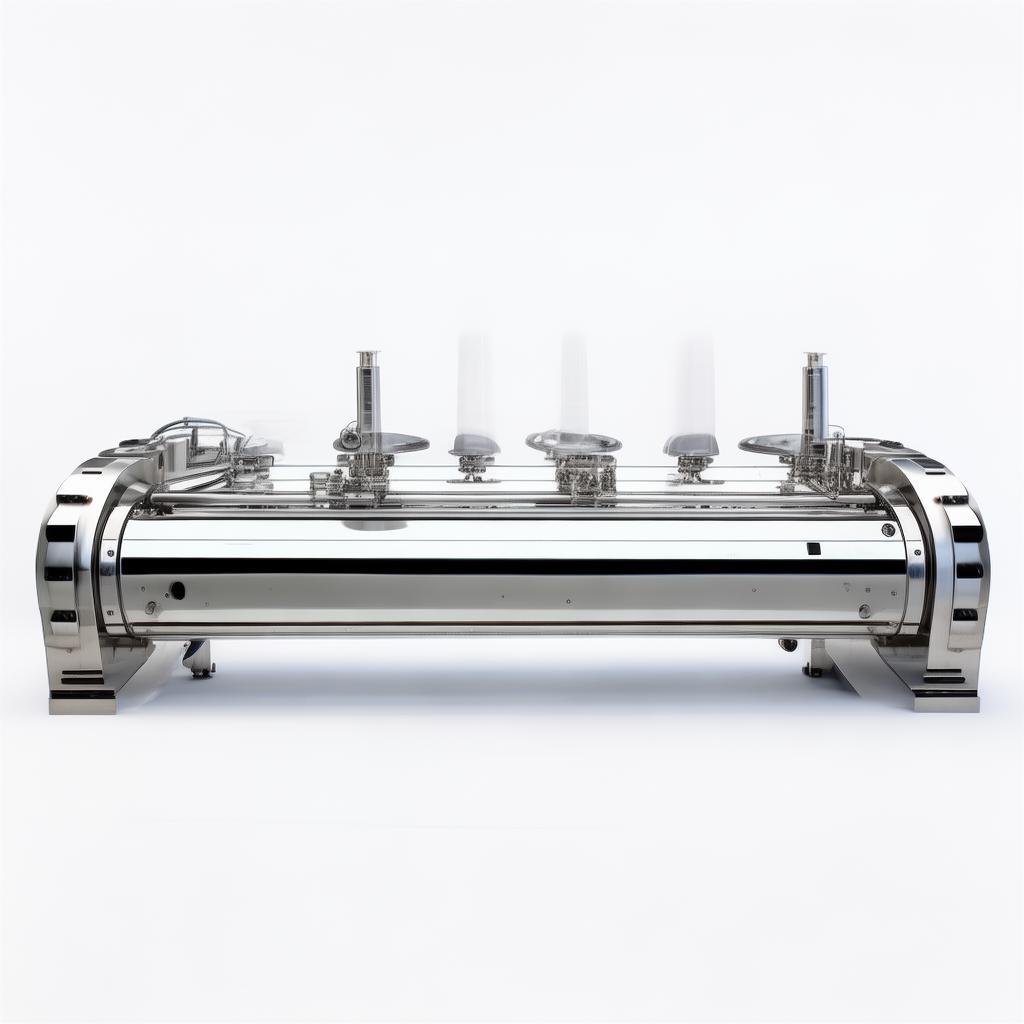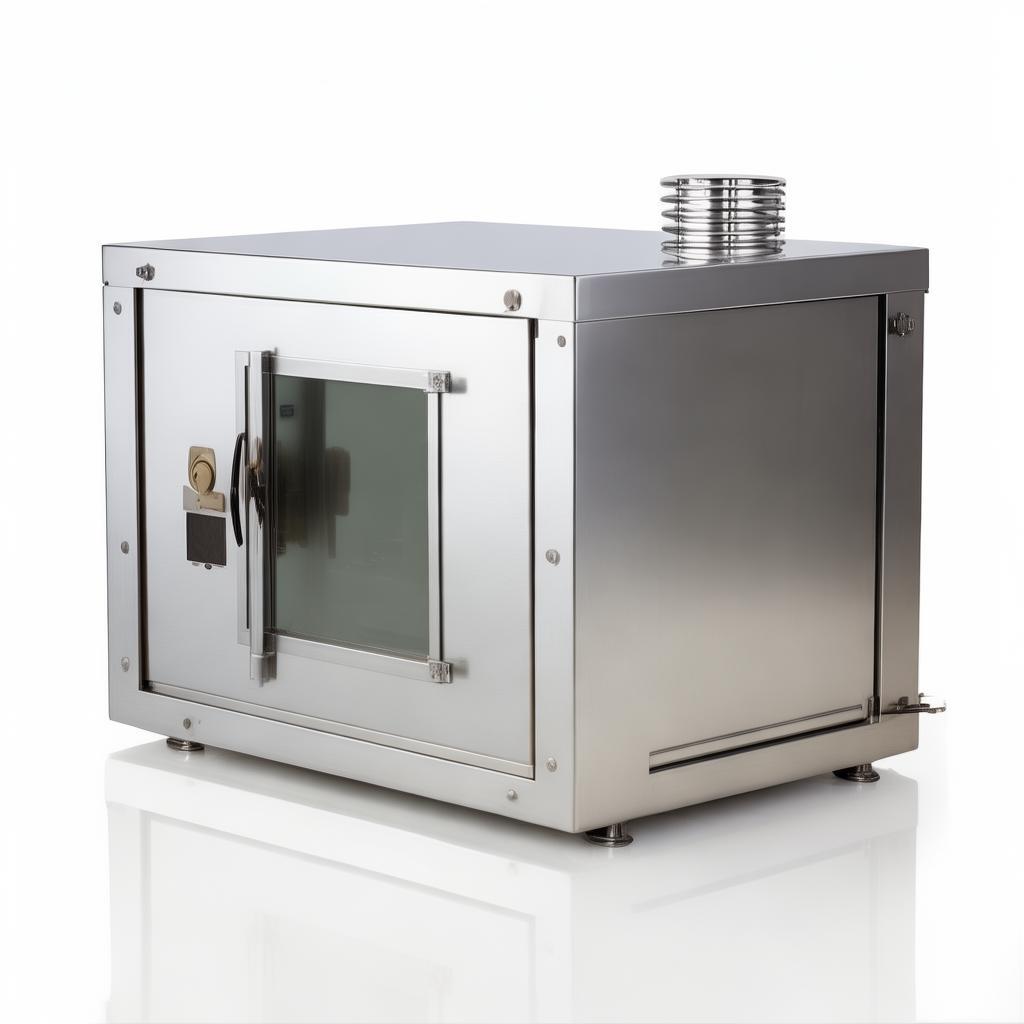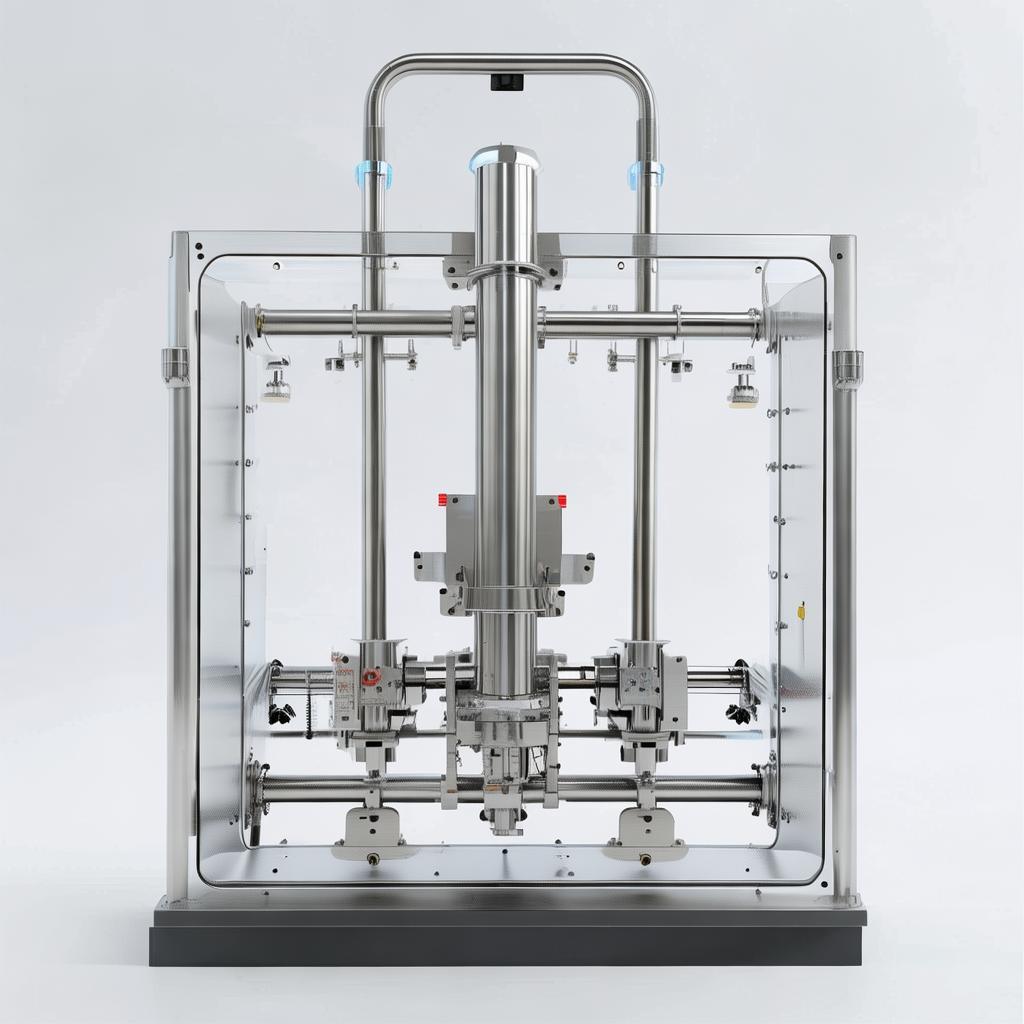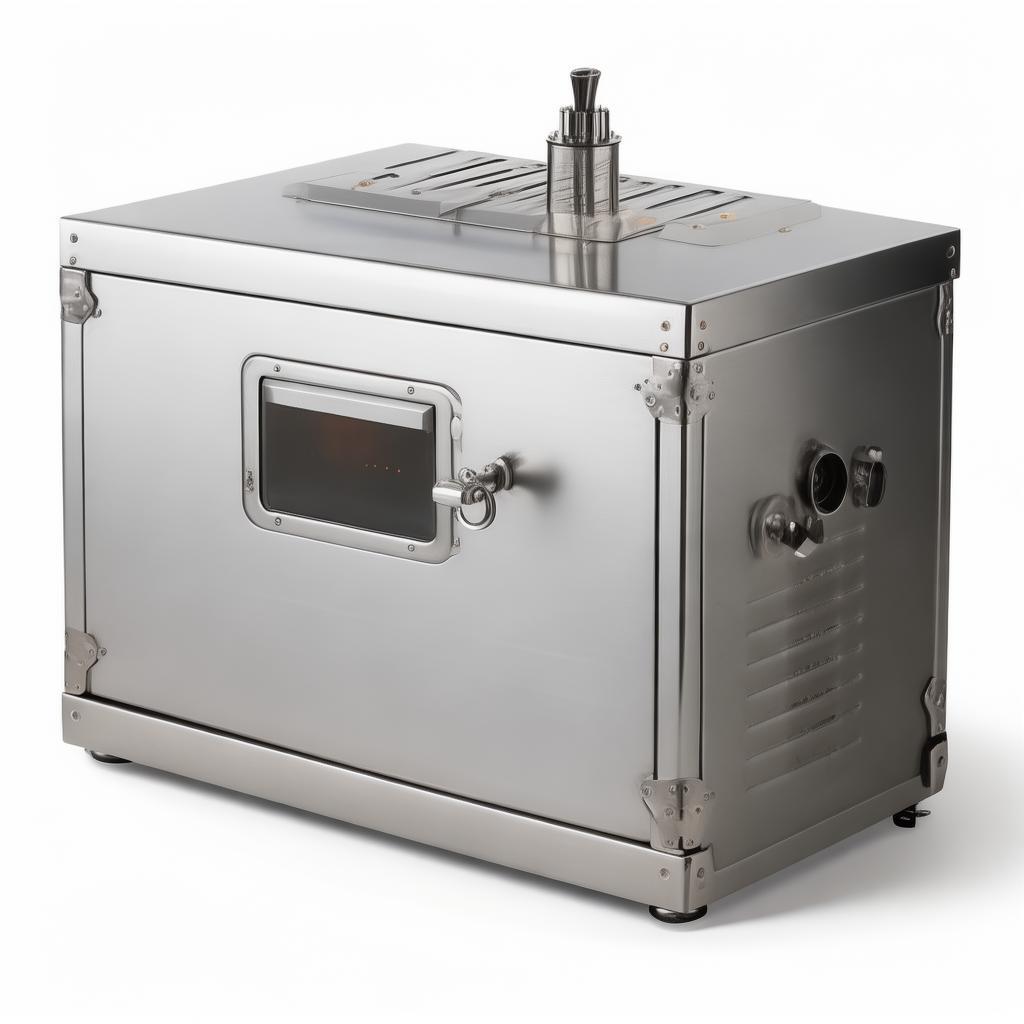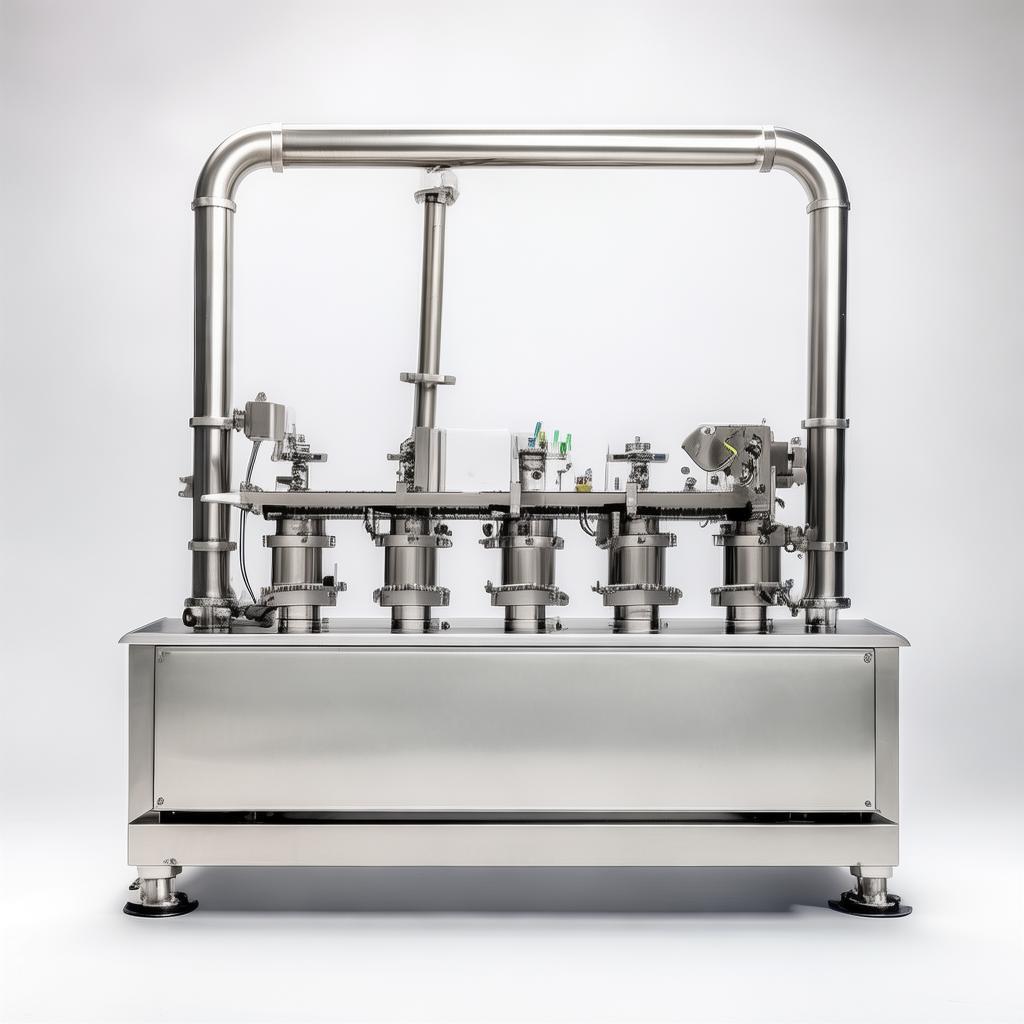
Vacuum Receiver
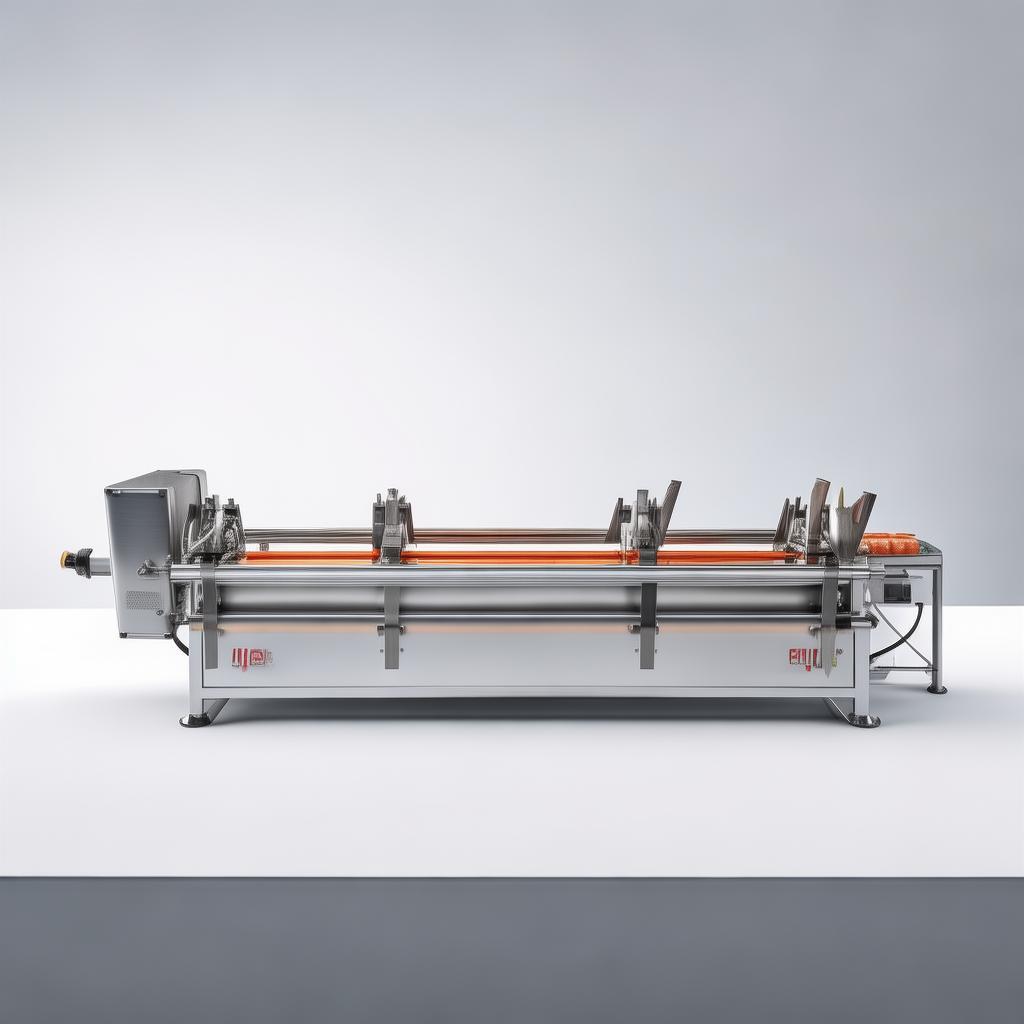
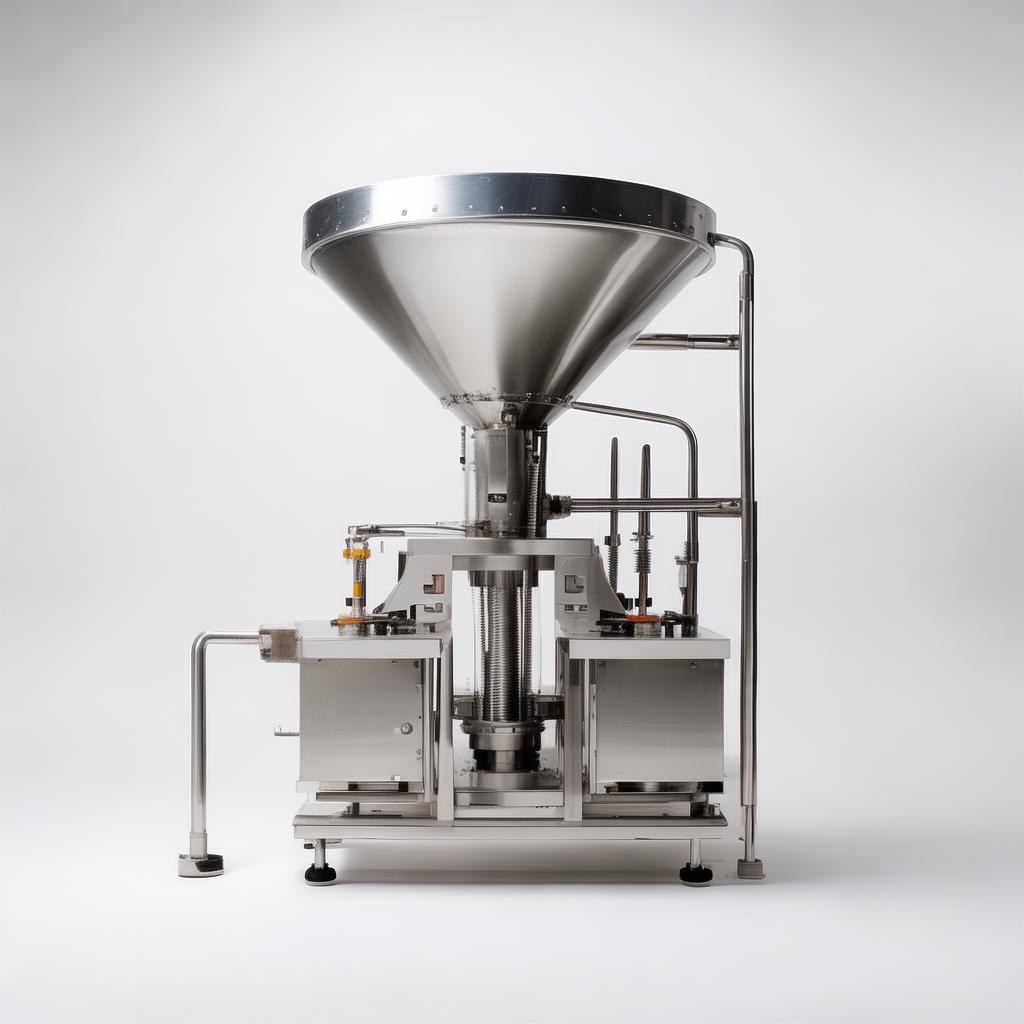
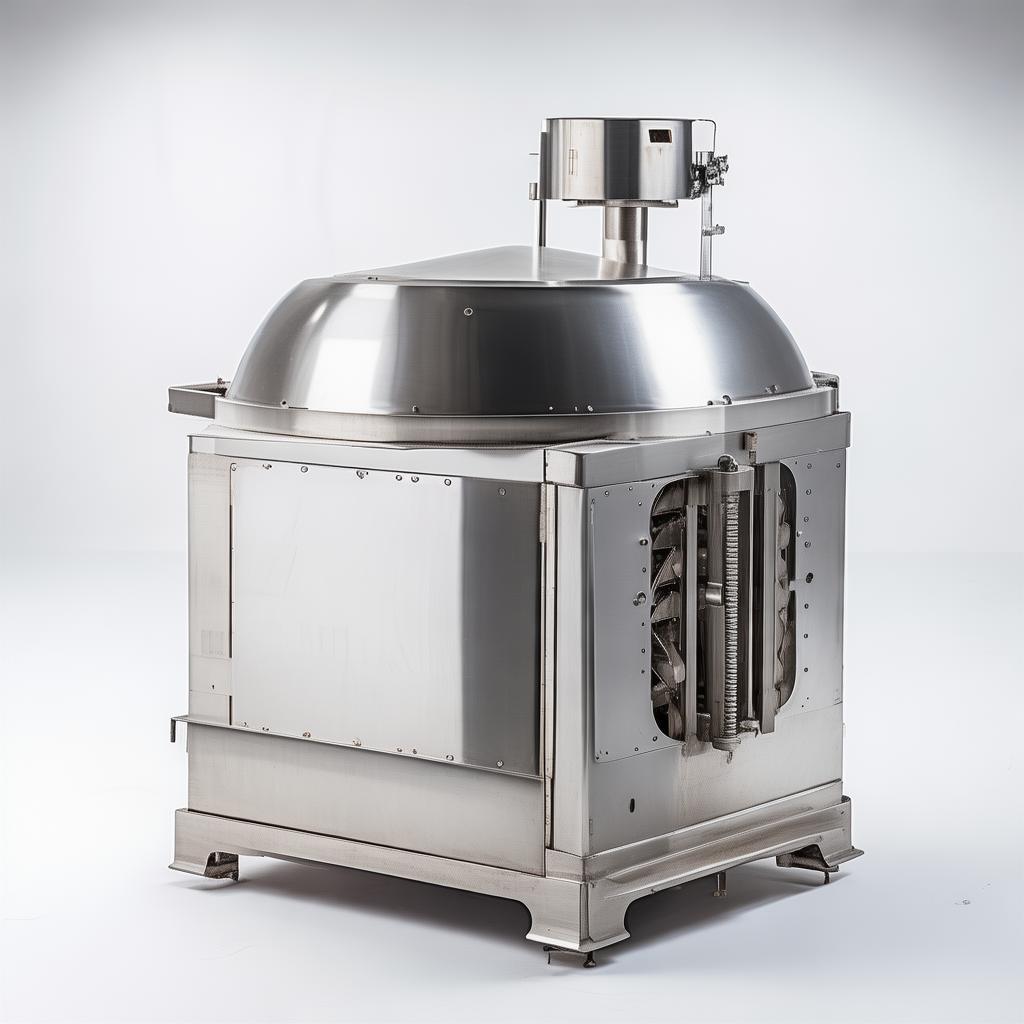
Precision Vacuum Receivers for Enhanced Industrial Throughput
By:  Dr. Evelyn Reed, Senior Industrial Engineer
Published: October 26, 2023
Understanding the Critical Role of Vacuum Receivers in Modern Manufacturing
In the intricate world of industrial processing, particularly within sectors like food manufacturing, pharmaceuticals, and advanced material handling, maintaining consistent operational integrity is paramount. Every component, no matter how seemingly minor, plays a crucial role in the overall efficiency, product quality, and safety of a production line. Among these vital elements are vacuum receivers. These specialized vessels are not mere storage tanks; they are engineered components designed to manage and regulate vacuum pressure, ensuring that sensitive processes are not disrupted by fluctuations or contamination. For operations demanding precise atmospheric control, a well-designed vacuum receiver is indispensable. Think about the challenges in bulk powder transfer where maintaining a stable vacuum prevents material clumping or segregation, or in delicate food processing where precise vacuum levels are key to preventing product degradation during chilling or smoking. The market for meat processing equipment alone, valued at over USD 11 billion and projected to grow significantly (Fortune Business Insights), highlights the extensive need for reliable machinery, including critical support systems like vacuum receivers.
The function of a vacuum receiver is rooted in its ability to create and maintain a low-pressure environment. This is achieved by drawing air or other gases out of a contained system. However, its utility extends far beyond simple evacuation. In many applications, the receiver acts as a buffer, an accumulator, or a filter. For instance, in pneumatic conveying systems, it separates entrained solids from the air stream, preventing damage to vacuum pumps or contamination of downstream processes. For products requiring controlled cooling or degasification, the vacuum receiver ensures that the low-pressure environment is stable and uniform, allowing for consistent product treatment. The complexity of modern supply chains, with their emphasis on product consistency and shelf-life, places a premium on technologies that offer this level of control. The global processed meat market, projected to exceed USD 1.2 trillion by 2034 (Fortune Business Insights), demonstrates a massive demand for precise processing techniques where vacuum receivers are often integral.
When procurement professionals or engineers search for "vacuum receiver," they are typically looking for solutions to specific operational challenges. These might include improving the efficiency of material transfer, ensuring product integrity during vacuum-dependent processes, protecting sensitive equipment like pumps from particulate ingress, or simply meeting stringent regulatory requirements for process control. The search intent is rarely just about the product itself, but about the outcome it promises: smoother operations, higher yields, reduced waste, and greater reliability. This is where understanding the nuances of vacuum receiver design, material selection, and application-specific configurations becomes critical for making the right purchasing decision. The diversity in equipment needs across various sectors—from the high-volume demands of the meat processing market (expected to reach USD 19.66 billion by 2033, SkyQuestt) to the precision required in pharmaceutical powder handling—means that a one-size-fits-all approach is rarely effective.
Our role at Hebei Yuanchang Food Mechanism & Technology Co., Ltd. is to provide not just a product, but a comprehensive solution. With 40 years of experience since 1986, and a dedicated team of 80-100 employees spread across 14,000 square meters, we've seen firsthand how a robust, well-engineered vacuum receiver can transform a production line. Our in-house machining capabilities, including advanced Japanese Mazak CNC centers, allow us to produce high-precision components that meet rigorous international standards. This deep manufacturing expertise, combined with our understanding of procurement workflows and operational demands, allows us to address the core needs driving a search for vacuum receivers. We understand that you're not just buying a vessel; you're investing in a critical piece of your process that impacts everything from raw material intake to final product quality. Therefore, the information you need extends beyond basic specifications to encompass reliability, material compatibility, integration ease, and long-term support.
The search for a vacuum receiver often stems from a need to solve a problem. It might be related to maintaining consistent vacuum for ripening processes in meat production, where massaging equipment is often paired with vacuum systems to improve texture and shelf life. Or it could be about safely handling bulk ingredients in a food production line, ensuring no product is lost or degraded due to unstable air pressure during pneumatic transfer. The global meat processing equipment market is a prime example, projected to reach USD 17.39 billion by 2034 (Fortune Business Insights). Within this landscape, efficient and reliable auxiliary systems, such as vacuum receivers, are non-negotiable for maintaining competitiveness and quality.
As you navigate this search, consider the specific demands of your operation. Are you dealing with fine powders, granular materials, liquids, or gases? What temperatures and pressures are involved? What are the sanitary requirements? The answers to these questions will guide you towards the most suitable vacuum receiver design, material construction, and filtration or separation capabilities. This level of detail is what we bring to every client interaction, ensuring that the "vacuum receiver" you acquire is not just a part number, but a meticulously engineered solution designed for your unique challenges.
A deep dive into the complexities of vacuum receiver selection reveals that it's a decision influenced by more than just nominal capacity. Factors like the required vacuum level, the nature of the medium being handled (corrosive, abrasive, food-grade), the need for filtration or separation, and integration with existing equipment all play a part. The continuous innovation in the food processing sector, with market growth projected by various reports, underscores the need for advanced components that can keep pace. This means understanding not just the mechanics, but also the regulatory environment and the long-term operational costs associated with different receiver designs and materials.
Industry Challenges & How Our Vacuum Receivers Provide Solutions
Inconsistent Process Vacuum
Fluctuations in vacuum pressure can lead to product quality issues, material segregation, or inefficient transfer. Our receivers are designed with advanced flow dynamics and pressure regulation to ensure stability.
Solution: Stable, predictable vacuum environments for critical processes like degasification, curing, and pneumatic conveying.
Contamination and Particulate Ingress
Fine dust, debris, or moisture can enter vacuum systems, damaging pumps, compromising product purity, and leading to costly downtime. Integrated filtration systems are key.
Solution: Multi-stage filtration options and robust construction to protect downstream equipment and maintain product integrity.
Product Degradation During Handling
In food processing, for example, maintaining vacuum is crucial during cooling or smoking to prevent oxidative damage and ensure optimal texture. Inconsistent vacuum can ruin batches.
Solution: Precisely engineered internal geometry and venting controls for uniform product treatment, crucial for ripening processes and the USD 1.2 trillion global processed meat market.
Equipment Damage and Downtime
Poorly designed receivers can lead to wear and tear on pumps, valves, and seals due to vibration, backflow, or abrasive materials. This impacts operational continuity.
Solution: Durable construction, shock-absorbing designs, and proper material selection (e.g., stainless steel for food-grade applications) to extend equipment lifespan.
Integration and Scalability Issues
Many facilities operate with existing infrastructure. A new component must fit seamlessly into the current setup and allow for future expansion without major retooling.
Solution: Flexible port configurations, standard flange sizes, and modular designs for easy integration and scalable performance, accommodating growth in sectors like meat processing where automation is key.
Technical Deep Dive: Engineered for Performance
At Hebei Yuanchang, our vacuum receivers are not off-the-shelf commodities. They are designed with a deep understanding of fluid dynamics, material science, and the specific demands of international B2B trade. We leverage our 40 years of manufacturing experience, including precision work with Japanese Mazak CNC machinery, to produce components that exceed industry expectations. This ensures unparalleled reliability and longevity, crucial for operations across North America and beyond.
Material Excellence
We primarily utilize high-grade stainless steel (e.g., SS304, SS316L) for our vacuum receivers. This choice is driven by its superior corrosion resistance, durability, and ease of sanitation – critical factors for food, beverage, and pharmaceutical applications. The material selection directly impacts the receiver's lifespan and its compliance with stringent hygiene standards, such as those prevalent in the processed meat market, which is a significant driver for equipment demand.
Precision Engineering & Construction
Our in-house machining workshop is equipped with over 20 sets of processing machinery, including high-precision grinding machines and boring machines. This capability allows us to fabricate receivers with smooth internal surfaces, precisely machined flanges, and leak-proof welds. This meticulous construction minimizes turbulence, prevents material buildup, and ensures the integrity of the vacuum seal, a vital aspect for processes requiring stable low-pressure environments.
Advanced Filtration and Separation
Many applications require efficient separation of solids from gases. Our vacuum receivers can be integrated with advanced filtration systems, including multi-stage filters and cyclone separators, to capture fine particulates. This protects sensitive vacuum pumps, prevents cross-contamination, and ensures the purity of handled materials. For operations dealing with bulk powders or fine granules, this feature is indispensable. The growing demand for automation in meat processing, a sector where hygiene and product purity are paramount, further emphasizes the importance of effective filtration solutions.
Customization and Scalability
Understanding that no two operations are identical, we offer extensive customization options. This includes varying receiver capacities, port configurations, inlet/outlet designs, and specialized coatings. Our modular approach also ensures that your vacuum receiver system can scale with your business growth, a key consideration for expanding enterprises in the dynamic global food processing equipment market.
| Feature | Specification | Benefit |
|---|---|---|
| Material Construction | SS304 / SS316L (Food-Grade) | Enhanced corrosion resistance, hygiene compliance, longevity. |
| Vacuum Rating | Up to -0.99 bar (adjustable) | Precise process control for various applications. |
| Capacity Options | Customizable (e.g., 50L to 5000L+) | Scalable to meet diverse production volumes. |
| Filtration | Optional: Multi-stage, HEPA, Cartridge filters | Pump protection, product purity, clean air discharge. |
| Connection Ports | Customizable flanges (Tri-Clamp, DIN, ANSI) | Seamless integration with existing systems. |
vacuum deaerator digital vacuum regulator vacuum control unit
Applications Across Industries
The versatility of our vacuum receivers makes them suitable for a wide array of industrial applications. Whether you are involved in food processing, chemical handling, or advanced material manufacturing, our solutions are engineered to enhance your operational efficiency and product quality.
- Meat Processing: Critical for vacuum tumbling, massaging, and chilling processes, ensuring optimal texture, color, and shelf-life for processed meats. The growth in this sector alone fuels significant demand for reliable auxiliary equipment.
- Pharmaceuticals: Used for vacuum drying, powder transfer, and sterile processing, where maintaining a controlled atmosphere is vital for product integrity and compliance.
- Chemical & Petrochemical: Employed in vacuum distillation, solvent recovery, and degassing operations, handling potentially corrosive or volatile substances.
- Food & Beverage: Essential for vacuum packaging, deaeration of liquids, freeze-drying, and cooling tunnels to preserve freshness and extend shelf life.
- Plastics & Polymers: Used in vacuum forming, drying of plastic pellets, and pneumatic conveying of raw materials.
- Industrial Manufacturing: Applicable in various processes requiring controlled atmospheric conditions, such as vacuum impregnation or specialized coating applications.
The market for meat processing equipment, projected to reach USD 19.11 billion by 2035 (Precedence Research), illustrates the scale of industries that rely on precise vacuum control for product quality and safety. Our receivers are designed to meet these exacting standards.
Procurement Guidance: What to Consider When Buying a Vacuum Receiver
Selecting the right vacuum receiver is a strategic procurement decision. It impacts your operational efficiency, product quality, and long-term costs. As a company with 40 years of manufacturing and export experience, we’ve guided countless clients through this process. Here are key factors to scrutinize:
1. Application Specifics are Paramount
What exactly will the receiver do? Is it for material transfer, process stabilization, or product cooling? The medium being handled (solid, liquid, gas, corrosiveness, abrasiveness) dictates material choice and filtration needs. For instance, handling fine powders in a food plant requires different considerations than vacuum degasification in a chemical process. The food processing equipment market, for example, sees significant demand for receivers tailored to hygiene and specific product handling.
2. Material Compatibility and Hygiene
For food, pharmaceutical, or medical applications, materials like SS304 or SS316L are essential due to their non-reactive nature and ease of cleaning. Ensure all internal surfaces are smooth and free of crevices where bacteria could harbor. For industries dealing with chemicals, resistance to specific reagents is critical. Verify compliance with relevant standards (e.g., FDA, EC 1935/2004).
3. Capacity and Flow Rate
Size the receiver appropriately for your process volume and throughput. An undersized receiver can lead to system instability, while an oversized one might be inefficient. Consider the rate at which your vacuum pump operates and the volume of air/gas it needs to evacuate. Proper sizing prevents bottlenecks and ensures consistent vacuum levels.
4. Filtration and Separation Requirements
Will the receiver be handling particulates? If so, what size and density? Integrated filtration systems protect downstream equipment (especially vacuum pumps) and prevent product contamination. Consider options like cartridge filters, bag filters, or even integrated cyclone separators. This is particularly vital for pneumatic conveying systems in sectors like meat processing.
5. Integration and Connections
Verify that the receiver's inlet, outlet, and vent ports are compatible with your existing piping and equipment. Standard connection types like Tri-Clamp, DIN, or ANSI flanges simplify installation and maintenance. Our ability to customize these configurations is a significant advantage for international clients.
6. Supplier Reliability and Support
Look for manufacturers with a proven track record, robust quality control, and transparent communication. For international buyers, understanding lead times, shipping logistics, and after-sales support is crucial. At Hebei Yuanchang, our traceable after-sales management system and independent production of high-precision parts mean worry-free service. We understand the challenges of cross-border commerce and aim to make procurement as smooth as possible.
Choosing a supplier that can offer both technical expertise and dependable manufacturing is key. The meat processing equipment market, for instance, is highly competitive, and selecting partners who understand the operational nuances is critical for success.
Ready to optimize your vacuum processes?
Request a custom quote and speak with one of our application engineers today. We'll help you select the perfect vacuum receiver for your needs.
Get Factory Pricing & ConsultationInstallation & Maintenance Insights
Proper installation and routine maintenance are vital for ensuring the longevity and optimal performance of your vacuum receiver. While robustly built, these components require mindful integration and care.
Installation Considerations
- Secure Mounting: Ensure the receiver is mounted on a stable, level surface to prevent vibration and stress on connections. Use appropriate anchoring systems.
- Connection Integrity: Verify that all pipework and flange connections are securely fastened and sealed. Gaskets should be the correct type and in good condition to prevent vacuum leaks.
- Ventilation: The vent port should be unobstructed and directed to a safe area, especially if process gases are being discharged.
- Drainage: If the receiver is designed to collect condensates or fine solids, ensure any drain valves are accessible and functional.
- Integration with Pump: Connect the receiver to your vacuum pump with appropriately sized piping to minimize pressure drop. Consider anti-suck-back valves to protect the pump.
Routine Maintenance Schedule
- Daily/Shiftly: Visually inspect for any leaks, unusual noises, or external damage. Check sight glasses for material levels or condensate buildup.
- Weekly: Inspect and clean or replace filter elements if equipped. This is critical for maintaining airflow and protecting vacuum pumps.
- Monthly: Check all connections for tightness. Test drain valves to ensure they operate freely. Clean internal surfaces if required by your process (especially for food-grade applications).
- Annually: Conduct a more thorough inspection of internal components, seals, and welds. Consider a professional pressure test if your operational standards require it.
Adhering to these guidelines, especially regarding filtration and leak prevention, will significantly extend the service life of your vacuum receiver and the connected vacuum pump system. For complex industrial processes, particularly within the rapidly growing meat processing sector, such diligence is not just good practice but a requirement for consistent production and regulatory compliance.
Why Partner with Hebei Yuanchang? Our Factory Strength & Global Reach
Choosing a supplier for critical industrial components like vacuum receivers is a decision that impacts your entire operation. At Hebei Yuanchang Food Mechanism & Technology Co., Ltd., our 40 years of experience since 1986 have equipped us with unparalleled expertise in R&D, production, and global sales. We don't just sell machinery; we provide manufacturing solutions backed by genuine industry knowledge.
Integrated Manufacturing Excellence
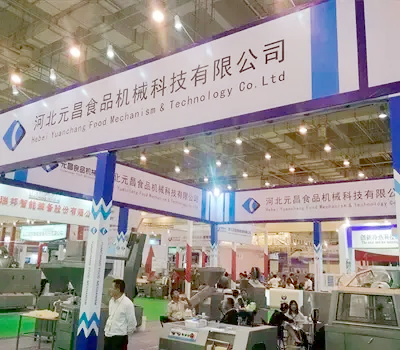
Our 14,000 square meter facility houses a comprehensive in-house machining workshop. With over 20 sets of processing machinery, including advanced Japanese Mazak CNC machining centers, we have the capability to produce high-precision, non-standard components independently. This means we control every aspect of quality from raw material to finished product, ensuring your vacuum receiver meets exact specifications. This level of control is crucial for industries like food processing where consistency and safety are paramount.
40 Years of Practical Expertise
Since 1986, we have accumulated extensive practical knowledge in complete production lines, particularly in meat and pet food processing. This deep understanding translates into vacuum receivers that are not just technically sound but also operationally practical, designed to solve real-world manufacturing challenges. We know what works on the factory floor, and we build that intelligence into our designs.
Commitment to Quality & Compliance
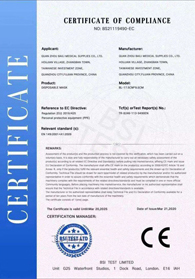
We are committed to meeting international standards. Our manufacturing processes adhere to strict quality control protocols. While specific certifications depend on the product line, our robust engineering and production capabilities enable us to meet demanding requirements for global markets, including those in the USA.

Global Export Experience
We have a proven history of exporting our equipment worldwide. Our team is experienced in managing international logistics, documentation, and customer support, ensuring a smooth transaction and delivery process for clients in the USA and beyond. We understand the intricacies of cross-border commerce and are equipped to handle them efficiently.
Traceable After-Sales Support
Our traceable after-sales management system ensures that we can provide support and spare parts long after your purchase. Our ability to independently produce high-precision parts means you can rely on us for continued operational uptime. This commitment is a cornerstone of our customer service philosophy.
Hear From Our Satisfied Clients
Real-world feedback is essential. Here’s what some of our partners have to say about working with us and the performance of our vacuum receivers in their operations:

Operations Manager, Apex Foods USA
"We integrated their vacuum receiver into our new sausage production line. The difference in consistency during the vacuum tumbling stage was immediately noticeable. Material breakage is down, and product texture is much more uniform. Their export team was professional and handled all the shipping details seamlessly."

Procurement Director, Global Pharma Solutions
"For our sensitive API handling process, vacuum integrity is non-negotiable. Yuanchang's receivers, built with SS316L and precise fittings, have performed flawlessly. Their willingness to customize port configurations saved us significant installation time. We appreciate their technical insight."

Plant Engineer, TerraChem Industries
"We needed a rugged vacuum receiver for our solvent recovery system. The unit from Yuanchang has held up exceptionally well under continuous operation. The materials are robust, and the support we received during the selection process was very helpful in navigating our specific chemical resistance requirements."
Enhance Trust with Direct Communication
We believe in transparent and direct communication to ensure your needs are fully understood and met. Don't hesitate to reach out with your specific questions or requirements.

Query regarding material compatibility for a new project.

Discussion on OEM options for a large-scale order.

Logistics and shipping plan for North American delivery.
Get In Touch
Discover how our precision vacuum receivers can enhance your industrial processes. We are ready to provide tailored solutions and competitive factory pricing.
Contact Us:
Phone: +86 15830991513
Email: ycmeatmech@gmail.com
Address: Shijiazhuang, Hebei Province, China