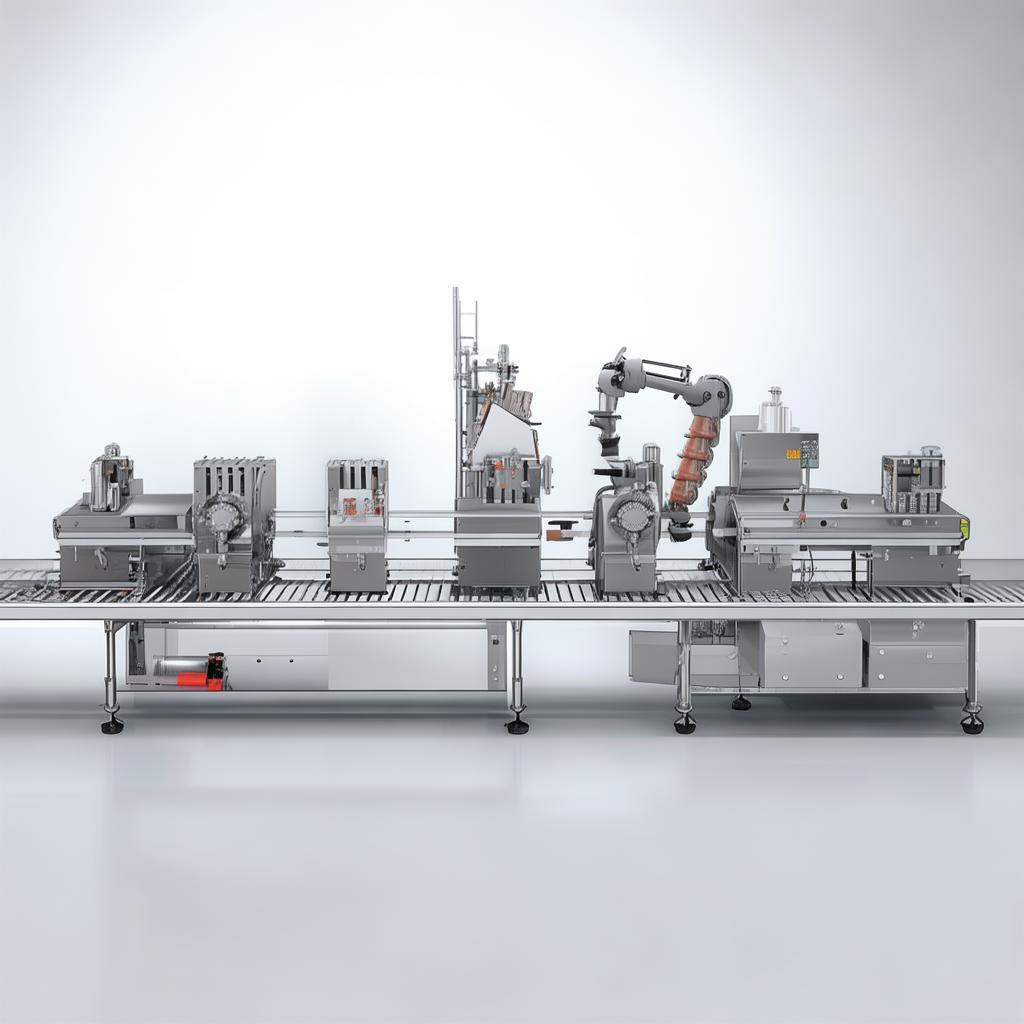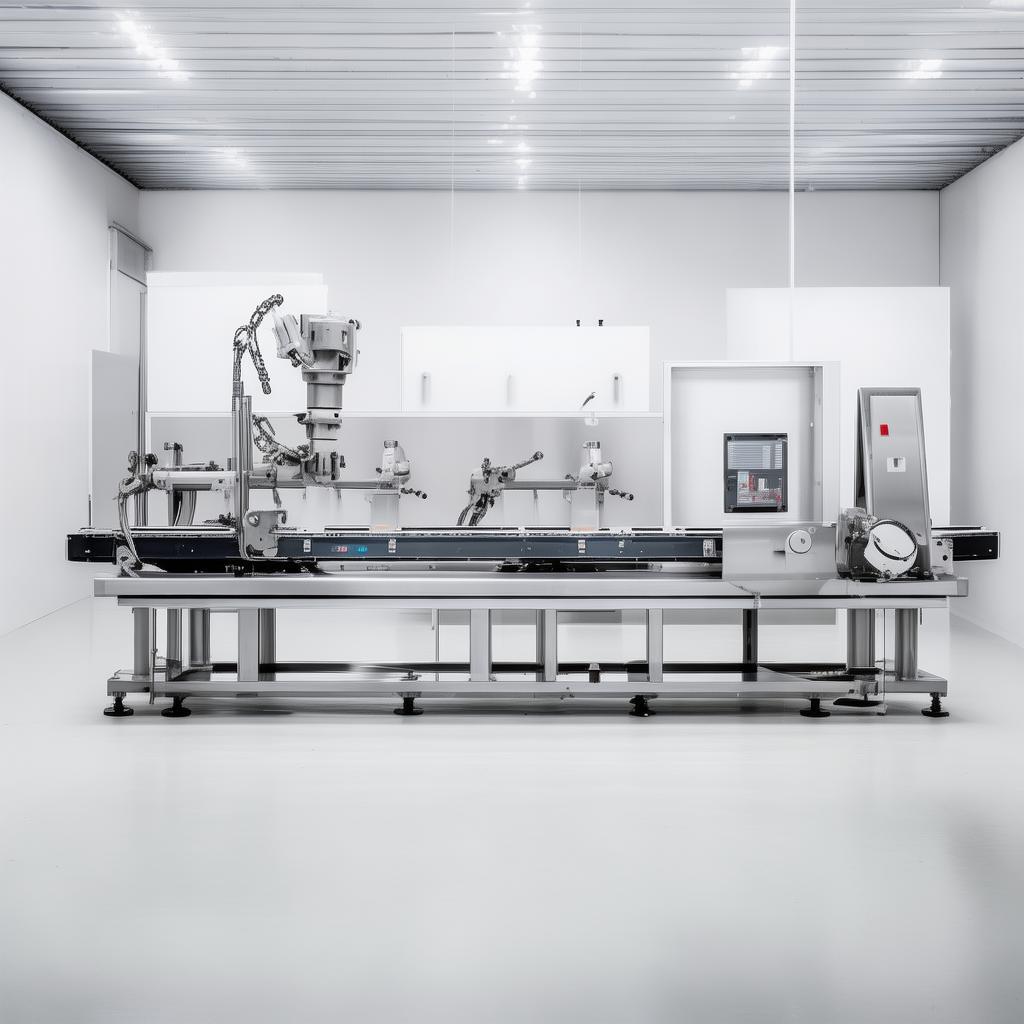
Penning Vacuum Gauge
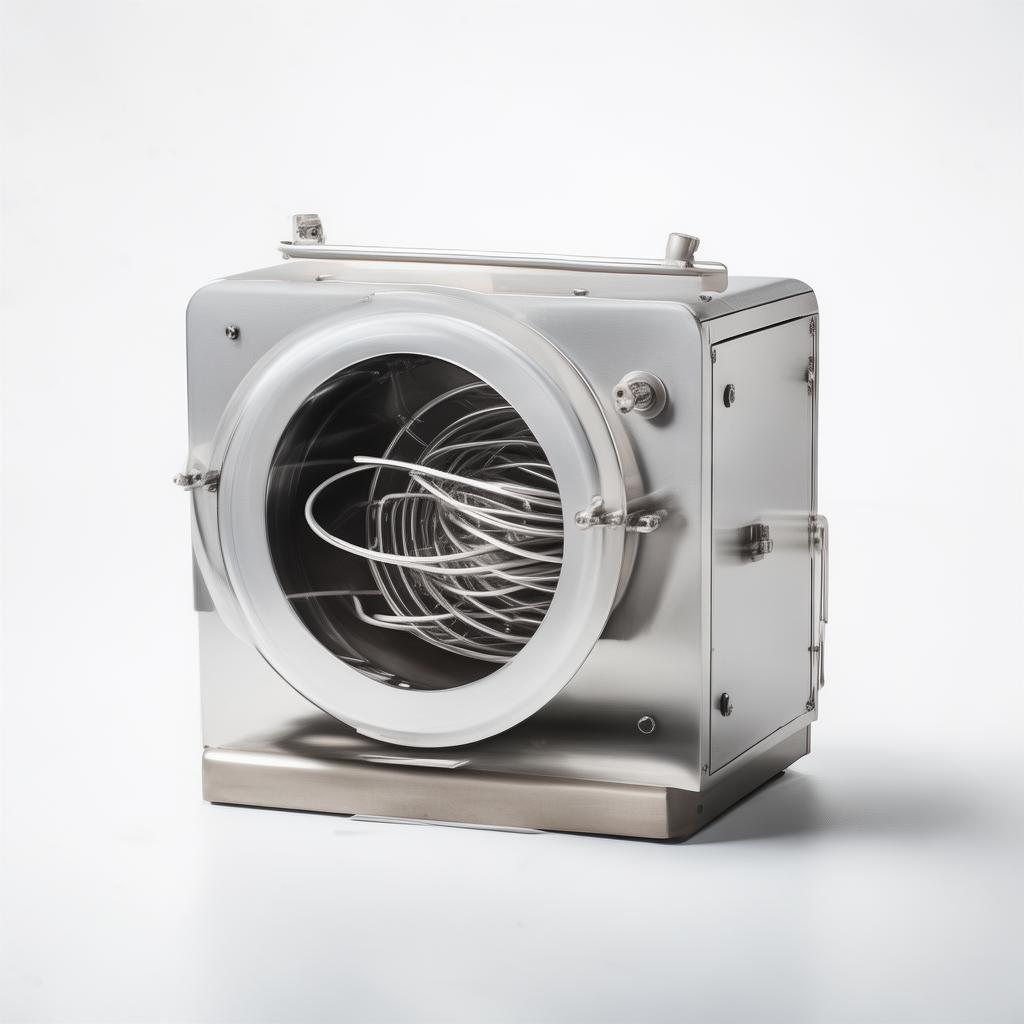
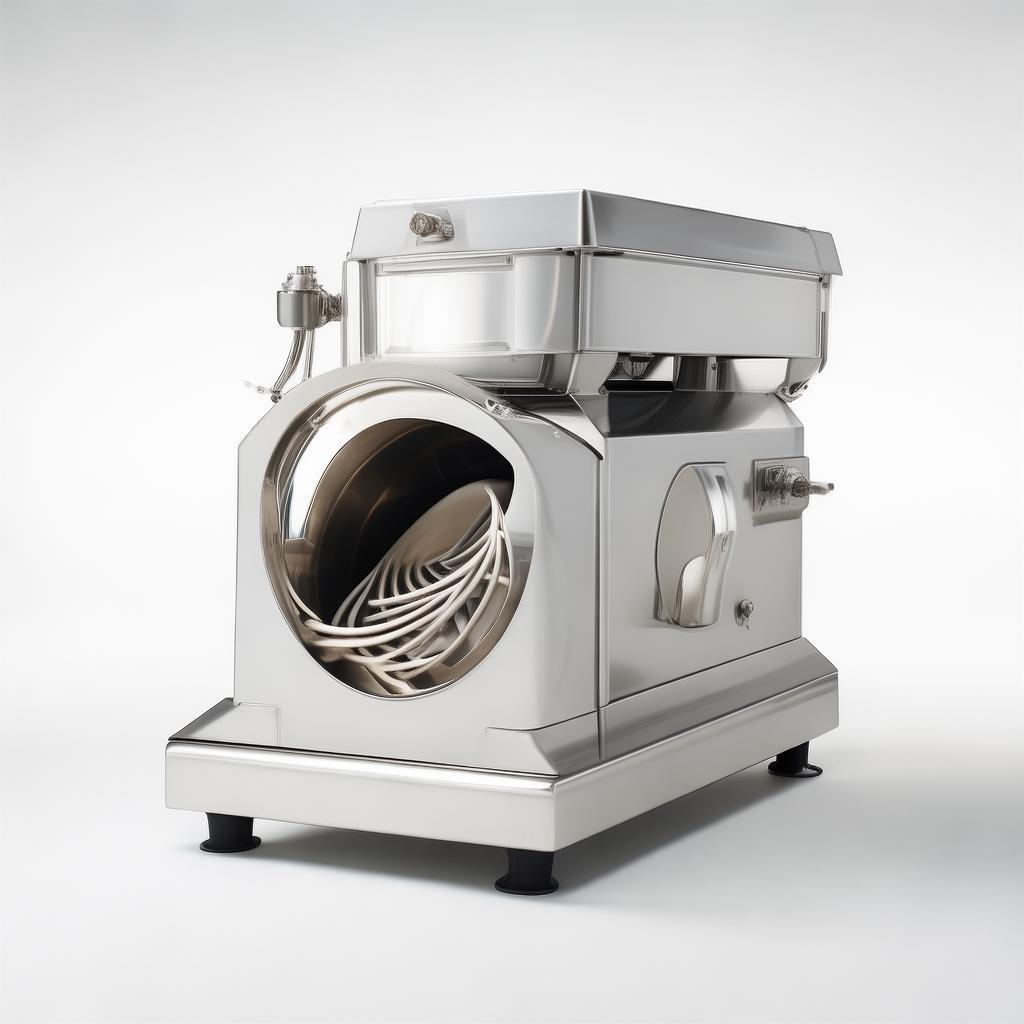
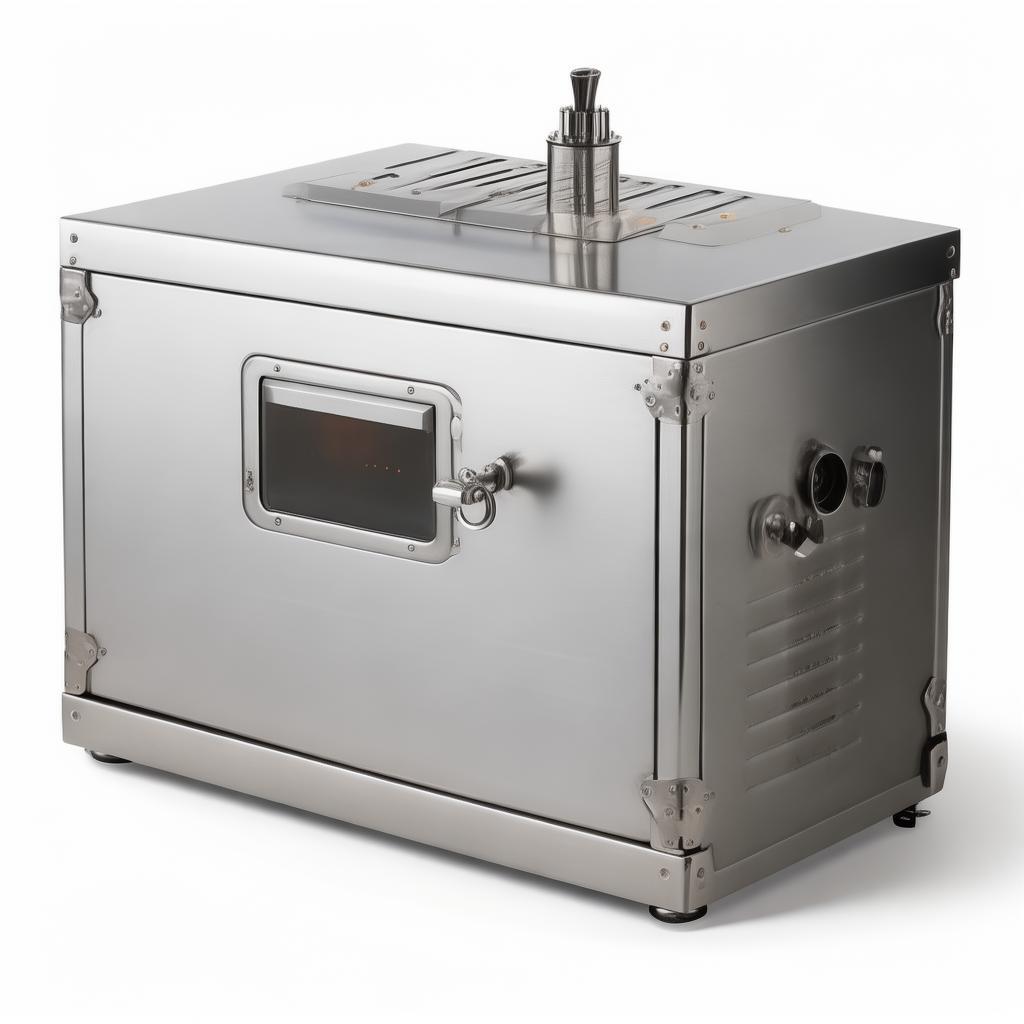
High-Precision Penning Vacuum Gauges: Your Key to Process Control & Efficiency
Empowering Industrial Operations with Reliable Vacuum Measurement



On This Page
- Understanding the Importance of Penning Vacuum Gauges
- Operational Pains & Why Precise Vacuum Matters
- Our Penning Vacuum Gauge Solution
- Key Technical Specifications
- Where Precision Vacuum Measurement is Critical
- Our Manufacturing Edge: Quality You Can Trust
- Procurement Insights for Industrial Buyers
- Industry Standards & Certifications
- What Our Clients Say
- Frequently Asked Questions
- Ready to Enhance Your Process Control?
Understanding the Importance of Penning Vacuum Gauges
In the intricate world of industrial manufacturing and scientific research, achieving and maintaining precise vacuum levels is not merely a technical detail; it's fundamental to process integrity, product quality, and operational safety. Whether you're involved in semiconductor fabrication, thin-film deposition, scientific instrumentation, or advanced material processing, the ability to accurately measure and control vacuum conditions within the ultra-high vacuum (UHV) range is paramount. This is where specialized instruments like the Penning vacuum gauge come into their own, offering robust performance where other vacuum measurement technologies falter.
The demands placed on vacuum systems in modern industrial applications are increasingly stringent. Fluctuations, even minor ones, can lead to compromised product yields, reduced component lifespan, inaccurate experimental results, and potentially catastrophic process failures. Think about the delicate processes in semiconductor manufacturing – a slight pressure variation could ruin an entire batch of microchips, costing millions. Or consider vacuum metallurgy where precise atmospheric control is key to creating alloys with specific, high-performance properties. In these scenarios, reliance on guesswork or less sensitive gauges simply isn't an option. A reliable vacuum gauge needs to be not only accurate but also stable, durable, and capable of operating reliably under challenging environmental conditions often found in industrial settings.
This is precisely why understanding the role and specifications of a Penning gauge is vital for purchasing managers, process engineers, and R&D professionals. Unlike many other types of vacuum gauges that operate based on mechanical principles or thermal conductivity, the Penning gauge employs a principle rooted in electromagnetism. It measures the pressure by determining the ion current generated when charged particles collide with gas molecules within a magnetic field. This direct measurement of ionization offers a distinct advantage, particularly in the lower pressure regimes.
The global market for vacuum equipment, encompassing pumps, gauges, and related systems, is a significant sector. Reports indicate a steady growth trajectory, with projections suggesting the meat processing equipment market (as an example of industrial equipment trends, though not directly related to vacuum gauges) showing substantial expansion. While specific figures for Penning gauges are often nested within broader vacuum instrumentation markets, the underlying drivers – industrial automation, advanced manufacturing, and R&D investment – are universal. The increasing complexity of processes requiring vacuum environments fuels the demand for high-performance, reliable measurement tools.
We understand that selecting the right vacuum measurement instrumentation is a critical procurement decision. It impacts not just the immediate operational parameters but also the long-term cost of ownership, including maintenance, calibration, and potential downtime. Our goal is to provide you with the clarity and confidence needed to make an informed choice. This page is dedicated to exploring the capabilities of our Penning vacuum gauges, detailing their technical advantages, and demonstrating why they are a sound investment for your critical applications.
Our company, Hebei Yuanchang Food Mechanism & Technology Co., Ltd., brings a unique blend of precision engineering and decades of manufacturing experience to the table. While our name might suggest a specialization in food processing, our core competencies lie in the meticulous design and production of high-precision mechanical and technological equipment. For over 40 years, since 1986, we have honed our skills in R&D, production, and sales, accumulating extensive practical knowledge that translates directly into the quality and reliability of our vacuum measurement solutions. Our in-house machining capabilities, including advanced CNC machining centers, allow us to produce components with the high precision and non-standard specifications required for sensitive instruments like Penning gauges. This self-sufficiency in manufacturing ensures strict quality control from raw material to finished product, and provides the foundation for our traceable after-sales service.
Operational Pains & Why Precise Vacuum Matters
In many industrial and scientific processes, the vacuum environment is the critical control variable. When it's not accurately measured or maintained, the consequences can range from minor inconveniences to significant financial losses. Let's look at some of the common challenges businesses face:
- Inconsistent Product Quality: Variations in vacuum pressure during processes like thin-film coating, semiconductor etching, or vacuum heat treatment can lead to non-uniform material properties, defects, or premature failure of the end product. Achieving consistent results batch after batch becomes a major hurdle.
- Reduced Process Yield: Sub-optimal vacuum conditions can directly impact the efficiency of processes. For example, in certain chemical vapor deposition (CVD) or physical vapor deposition (PVD) applications, incorrect pressure can lead to inefficient deposition rates or unwanted side reactions, thereby lowering the overall yield of usable products.
- Equipment Damage and Downtime: Operating equipment outside specified vacuum ranges can lead to increased stress, premature wear, or even immediate damage to sensitive components. This translates directly into costly downtime for repairs and lost production time. Regular, reliable vacuum monitoring is key to preventative maintenance.
- Inaccurate Research Data: In R&D settings, the integrity of experimental data hinges on precise control of environmental parameters, including vacuum. If the vacuum gauge is inaccurate or unstable, the results obtained may be misleading, leading to wasted research efforts and resources.
- Safety Concerns: Certain high-vacuum applications, especially those involving reactive gases or high temperatures, can pose safety risks if not properly controlled. Accurate vacuum measurement is a crucial safety interlock in many systems.
Considering the current industrial landscape, where automation and precision are driving efficiency gains, the need for accurate and reliable measurement is only growing. The meat processing equipment market, for instance, shows a CAGR of around 5.0%, driven by automation and hygiene standards. This broad trend towards industrial modernization underscores the importance of precise control across all manufacturing sectors, including those reliant on vacuum technology.
Many buyers grapple with the complexity of selecting the right vacuum technology. They need to understand the operating principle, the pressure range, potential cross-sensitivity to different gases, and the overall robustness for their specific application environment. A Penning gauge, with its unique measurement principle, addresses the needs for reliable performance in the low to ultra-high vacuum range where other gauges might not be suitable. Our aim is to demystify this selection process.
Our Penning Vacuum Gauge Solution
The Penning vacuum gauge, also known as a cold cathode gauge, is a type of ionization gauge that measures pressure by creating a plasma discharge in a magnetic field. It's particularly well-suited for measuring pressures in the rough vacuum to ultra-high vacuum (UHV) range (typically from 10-3 Pa down to 10-8 Pa or even lower, depending on the design).
How it Works: At its core, a Penning gauge consists of two parallel plate electrodes (an anode and a cathode) placed within a strong magnetic field. A high voltage is applied between the electrodes. Electrons emitted from the cathode are forced to travel in complex helical paths due to the magnetic field. As these electrons collide with gas molecules in the vacuum chamber, they can ionize them. These positive ions are then attracted to the cathode, generating a measurable ion current. This ion current is directly proportional to the gas pressure. The strength of the magnetic field is crucial for sustaining the plasma and enhancing the electron path length, thereby increasing sensitivity at lower pressures.

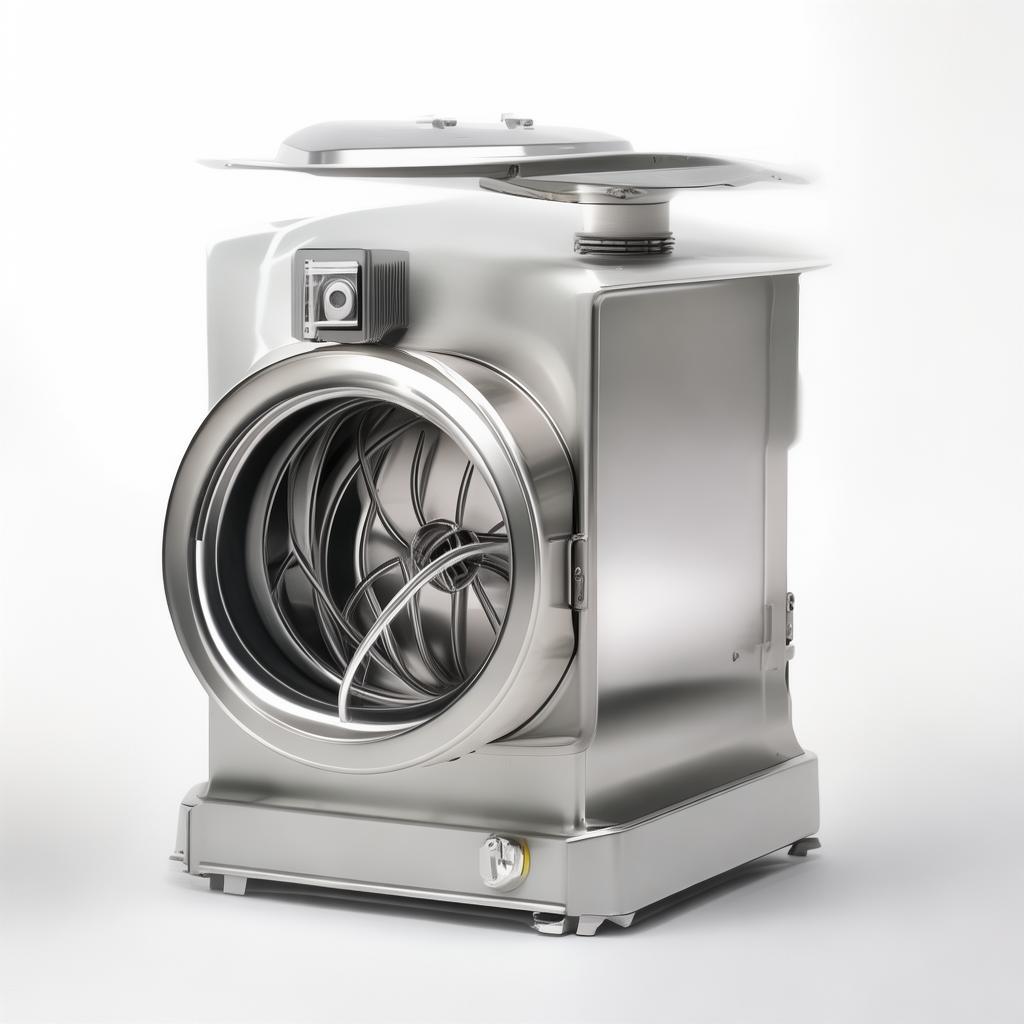
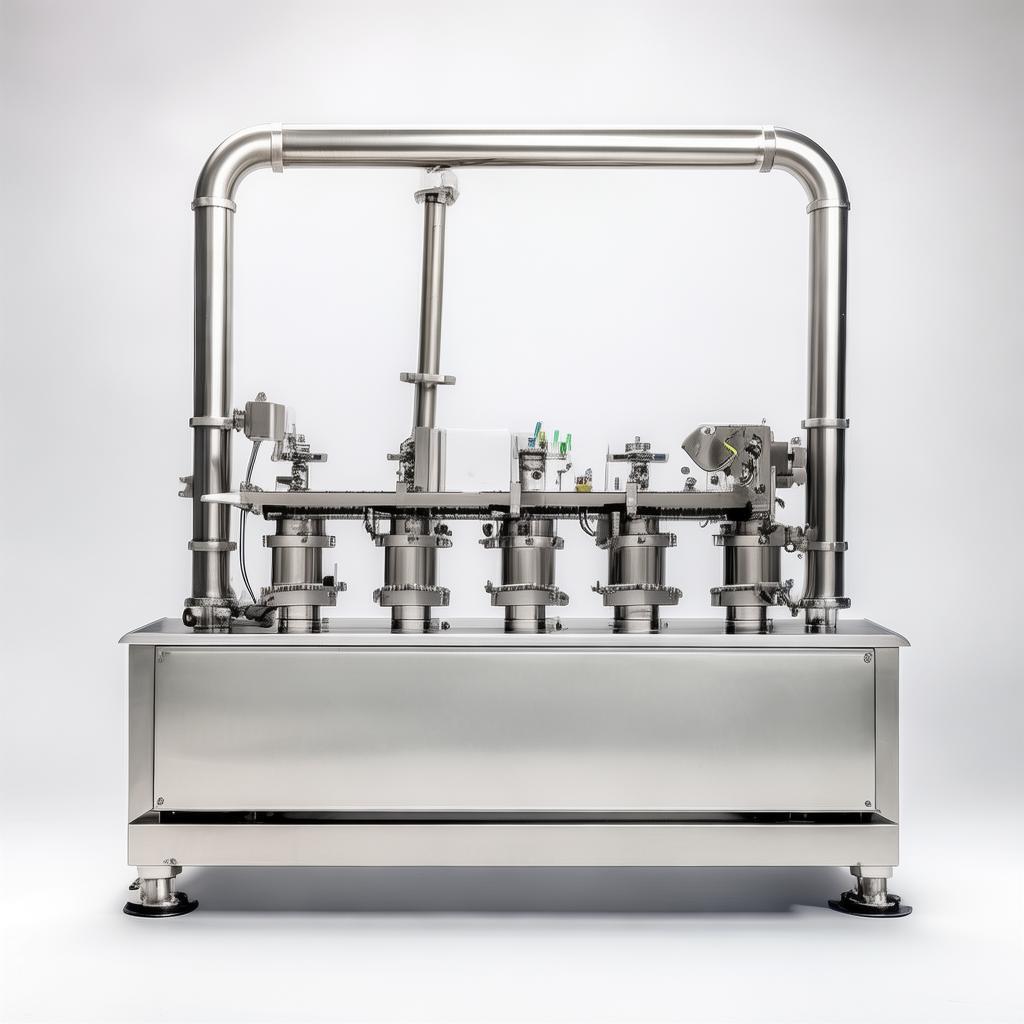
Precision engineered for demanding UHV applications.
Key Advantages
- Wide Measurement Range: Effective from moderate vacuum to UHV, bridging the gap for many complex processes.
- Robust Construction: Designed for industrial environments, often featuring durable materials.
- Fast Response Time: Provides near real-time pressure readings.
- Low Power Consumption: Efficient operation for continuous monitoring.
- Resistance to Contamination: Less prone to contamination issues compared to some other gauge types in certain applications.
Our specific models are engineered with advanced materials and manufacturing techniques to ensure exceptional performance and longevity. We offer configurations optimized for various gas types and process conditions, ensuring you get a gauge that precisely fits your operational needs. The ability to integrate these gauges with automated control systems makes them indispensable for modern, high-throughput manufacturing environments.
Key Technical Specifications
Choosing the right gauge hinges on understanding its technical capabilities. Below are the typical specifications for our range of Penning vacuum gauges. Please note that exact values may vary by model. We encourage you to consult our detailed datasheets for precise specifications.
| Parameter | Specification | Details / Notes |
|---|---|---|
| Measurement Principle | Cold Cathode Ionization (Penning) | Utilizes magnetic field to create and sustain plasma discharge for ion current measurement. |
| Pressure Range | 1 x 10⁻³ Pa to 1 x 10⁻⁸ Pa (or lower) | Covers rough to ultra-high vacuum regimes. Higher ranges available with dual gauges. |
| Accuracy | Typically ±(5-10)% of reading | Accuracy can be affected by gas composition and temperature. Calibration is key. |
| Response Time | < 1 second | Enables rapid process adjustments and monitoring. |
| Filament Material | Tungsten, Molybdenum, or other robust alloys | Selected for durability and performance in high vacuum. |
| Operating Temperature | 0°C to 50°C (Gauge head) | Controller electronics may have different ranges. Consult datasheet. |
| Voltage Requirements | Typically 1-5 kV (Anode Voltage) | Requires a dedicated controller unit. Safety precautions are essential. |
| Magnetic Field Strength | 0.1 - 0.5 Tesla (typical) | Crucial for ionization efficiency; external magnets or integrated coils. |
| Connection Type | ConFlat (CF) or other standard vacuum flanges | Available in various sizes (e.g., 2.75" CF) for easy integration. |
mechanical vacuum gauge usg vacuum gauge high vacuum gauge digital
Understanding these parameters helps ensure compatibility with your existing vacuum systems and process requirements. For instance, the flange type dictates how easily the gauge can be physically mounted, while the pressure range dictates its suitability for your specific application. If your process spans a wider range, consider pairing a Penning gauge with a Pirani or Bourdon gauge for full-spectrum coverage.
Where Precision Vacuum Measurement is Critical
The versatility and precision of Penning vacuum gauges make them essential components in a broad array of demanding industries. Their ability to accurately measure in the high vacuum and ultra-high vacuum ranges opens doors for critical applications that would be impossible with less capable instruments.
Semiconductor Manufacturing
Crucial for processes like sputtering, PVD, CVD, and ion implantation where precise control of residual gases prevents contamination and ensures wafer quality.
Scientific Research & Development
Essential for particle accelerators, high-energy physics experiments, vacuum chambers for material science, and surface analysis techniques (e.g., XPS, Auger). Accurate vacuum is key to experimental integrity.
Thin-Film Deposition
Used in the deposition of optical coatings, protective layers, and conductive films on various substrates, where vacuum level dictates film properties and adhesion.
Space Simulation & Testing
For creating vacuum environments that mimic outer space conditions to test spacecraft components and materials.
Vacuum Metallurgy
In vacuum arc remelting (VAR) or electron beam melting, precise vacuum control is necessary to produce high-purity metals and alloys.
Medical Equipment Manufacturing
For sterilizing equipment, manufacturing vacuum-sealed medical devices, and in some analytical instrumentation.
In many of these fields, the processed meat market (as a proxy for specialized industrial equipment needs) highlights the global trend towards advanced processing. The demand for precision, efficiency, and quality control in meat processing equipment mirrors the requirements for accurate vacuum measurement in high-tech industries. This cross-industry evolution underscores the critical role of reliable instrumentation.
Our Manufacturing Edge: Quality You Can Trust
At Hebei Yuanchang Food Mechanism & Technology Co., Ltd., our 40 years of experience since 1986 in precision manufacturing directly translates into the quality and reliability of our Penning vacuum gauges. We don't just assemble components; we meticulously engineer and produce them with a deep understanding of operational requirements.
In-House Machining Excellence
Our extensive facility boasts over 20 sets of advanced processing machinery, including lathes, milling machines, high-precision grinding machines, and wire cutting equipment. This allows us to maintain tight tolerances and produce components with superior accuracy and finish.
Japanese CNC Technology
Since 2012, the integration of 8 sets of Japanese Mazak CNC machining centers has elevated our capabilities. We can now undertake the production of high-standard components that demand large volumes, extreme precision, and non-standard specifications – critical for sensitive vacuum instrumentation.
Traceable Quality Control
Every component manufactured in our facility is subject to rigorous quality checks. Our traceable after-sales management system ensures that we stand behind our products, providing peace of mind and worry-free service.
This vertically integrated approach to manufacturing means we control every aspect of production, from material selection to final calibration. It allows us to offer custom solutions and modifications to meet unique client requirements, a crucial aspect for specialized OEM/ODM partnerships in the vacuum technology sector. Our commitment to precision engineering is not just about meeting standards; it's about exceeding expectations and ensuring the long-term performance of your critical vacuum systems.
Procurement Insights for Industrial Buyers
Sourcing industrial equipment like Penning vacuum gauges requires a strategic approach. As experienced suppliers, we know what purchasing managers and engineers look for. Here are some key considerations to guide your procurement process:
Application-Specific Needs
Understand your exact pressure range, required accuracy, gas compatibility, and environmental conditions. A gauge perfect for UHV semiconductor processing might be overkill for a less demanding application.
Supplier Reputation & EEAT
Look for suppliers with demonstrated expertise (Experience), in-depth knowledge (Expertise), recognized certifications (Authoritativeness), and transparent operations (Trustworthiness). Check for case studies, testimonials, and clear technical documentation.
Total Cost of Ownership
Consider not just the initial purchase price, but also installation costs, calibration frequency, potential maintenance needs, and the gauge's expected lifespan. Robust construction often leads to lower long-term costs.
Lead Times & Logistics
For international orders, understand production lead times, shipping options, customs procedures, and delivery timelines. Clear communication on logistics is vital to avoid production delays.
When evaluating suppliers, consider our 40 years of manufacturing excellence. We offer not just products but also the assurance of quality backed by advanced in-house production capabilities. Many industry reports, like those on the meat processing equipment market, point to growth driven by technological advancements and automation. This emphasis on technological sophistication applies directly to the need for advanced, reliable instrumentation like ours.
Don't hesitate to ask for detailed specifications, calibration certificates, and information on OEM/ODM capabilities. We are equipped to provide comprehensive support for your procurement needs.
Industry Standards & Certifications
Adherence to international standards is a hallmark of quality and reliability in industrial manufacturing. While specific certifications for vacuum gauges can vary, our manufacturing processes and products are aligned with principles that ensure global compliance and customer trust.

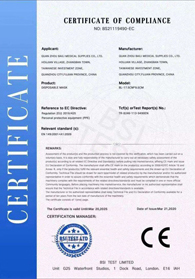

- ISO 9001 (Manufacturing Process): Our manufacturing facilities operate under stringent quality management systems, reflecting ISO 9001 principles to ensure consistent product quality and continuous improvement.
- CE Marking: Our products intended for the European market comply with relevant EU directives, indicated by CE marking, ensuring they meet safety, health, and environmental protection requirements.
- RoHS Compliance: We adhere to the Restriction of Hazardous Substances directive, ensuring our products do not contain certain hazardous materials, which is increasingly important for global market access and environmental responsibility.
- Factory Audits: We welcome potential clients and partners to conduct factory audits to verify our manufacturing capabilities and quality control processes firsthand.
These certifications and standards are not just badges; they represent our deep commitment to delivering products that meet the highest global expectations for performance, safety, and environmental stewardship. This is crucial for businesses operating in regulated industries or exporting to international markets.
What Our Clients Say
Real-world performance and customer satisfaction are the ultimate indicators of quality. Here’s what some of our clients have shared:

Aerospace Components Mfg.
"We needed a reliable vacuum gauge for our thin-film coating process operating in the 10-6 Pa range. Your Penning gauge has been incredibly stable, and the readings correlate perfectly with our other instruments. Integration was straightforward, and the lead time was manageable for a custom component."

R&D Lab Equipment Supplier
"We source vacuum components for our scientific instrumentation partners. Hebei Yuanchang's commitment to precision manufacturing is evident. The communication regarding specifications and delivery was excellent, making it easy for us to meet our client's demanding project timelines."

Specialty Gas Production
"Maintaining high vacuum integrity is critical for our high-purity gas separation processes. The Penning gauges we procured from Yuanchang have significantly improved our process stability and reduced product rejection rates. Their technical support team was very knowledgeable."
We are proud of the relationships we've built and the trust our clients place in our products. Your success is our metric.
Frequently Asked Questions
- Q: What is the primary advantage of a Penning gauge over a Pirani gauge?
- A: A Penning gauge is an ionization gauge effective in the high vacuum and ultra-high vacuum (UHV) range (typically below 10-3 Pa), where Pirani gauges (thermal conductivity) are no longer accurate. Pirani gauges are best for the rough vacuum range.
- Q: Can a Penning gauge measure all types of gases accurately?
- A: Ionization gauges, including Penning gauges, have a sensitivity that depends on the type of gas. The readings are typically calibrated for nitrogen. For other gases, a correction factor may be needed, which is usually available in the gauge's specifications or can be calculated.
- Q: What is the lifespan of a Penning gauge tube?
- A: The lifespan of a Penning gauge tube can vary significantly depending on usage, the pressure range it operates in, and the type of gas present. In UHV applications, it can last for thousands of hours. Operating at higher pressures for extended periods can reduce its lifespan. Regular calibration and maintenance are key.
- Q: How is a Penning vacuum gauge typically integrated into a system?
- A: A Penning gauge requires a dedicated electronic controller unit to provide the high voltage and process the ion current signal. The gauge head itself is connected to the vacuum system via a standard vacuum flange (e.g., ConFlat). The controller then provides an output signal (analog or digital) for display or integration into a PLC.
- Q: Can you provide OEM/ODM services for Penning vacuum gauges?
- A: Absolutely. With our extensive in-house machining capabilities and 40 years of manufacturing experience, we are well-equipped to provide OEM and ODM services. We can customize specifications, integrate proprietary features, and develop bespoke solutions for your specific product lines or system requirements.
Enhance Your Process Precision Today
Don't let inadequate vacuum measurement compromise your critical operations. Discover the reliability and accuracy of our Penning vacuum gauges, backed by decades of manufacturing expertise.
Get In Touch
Contact Us Directly
Phone: +86 15830991513
Email: ycmeatmech@gmail.com
Address: Shijiazhuang, Hebei Province, China