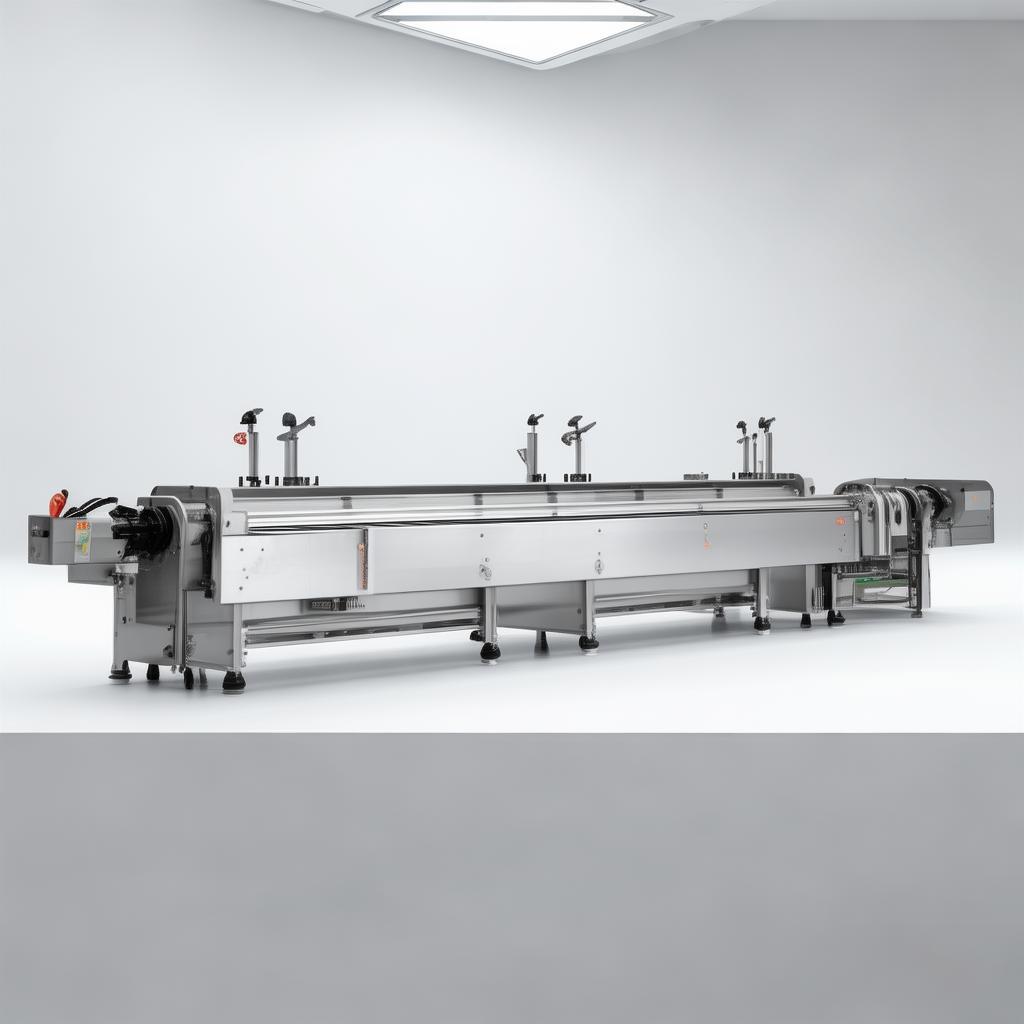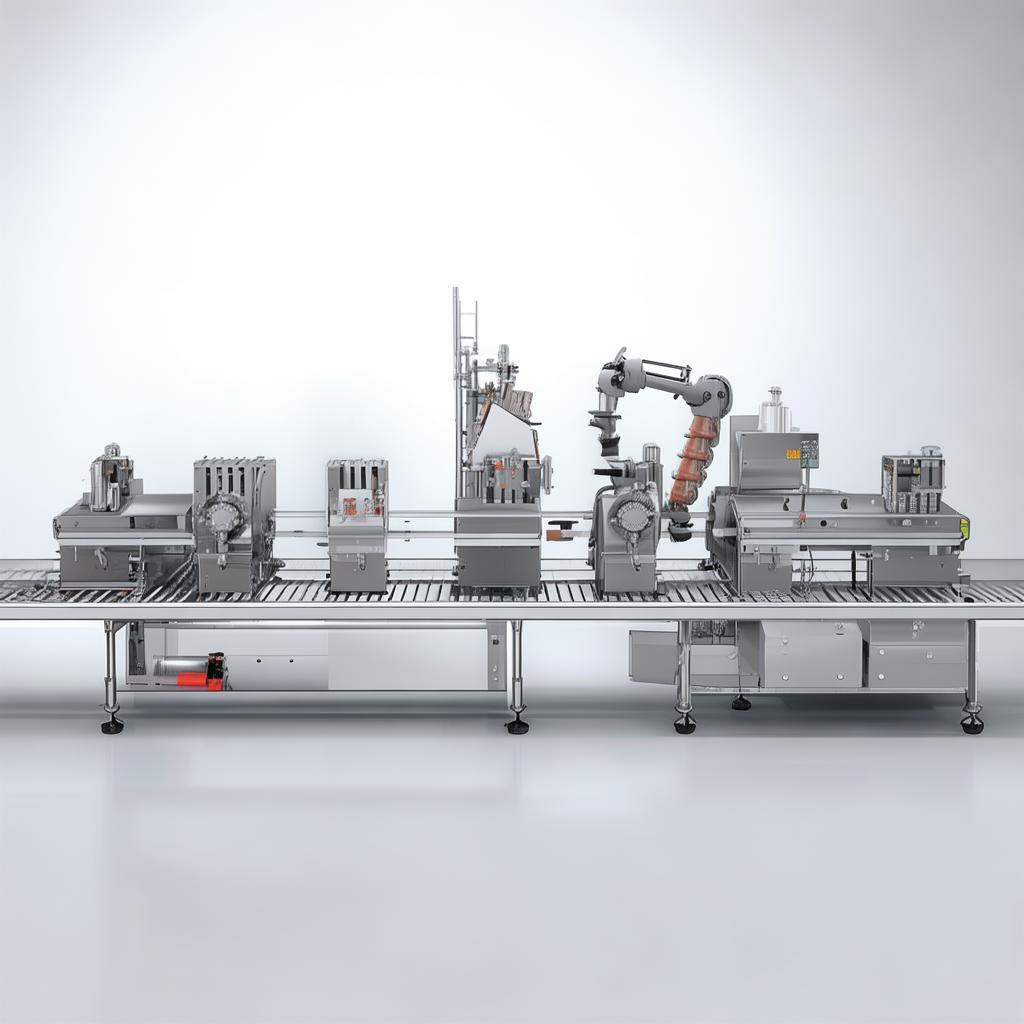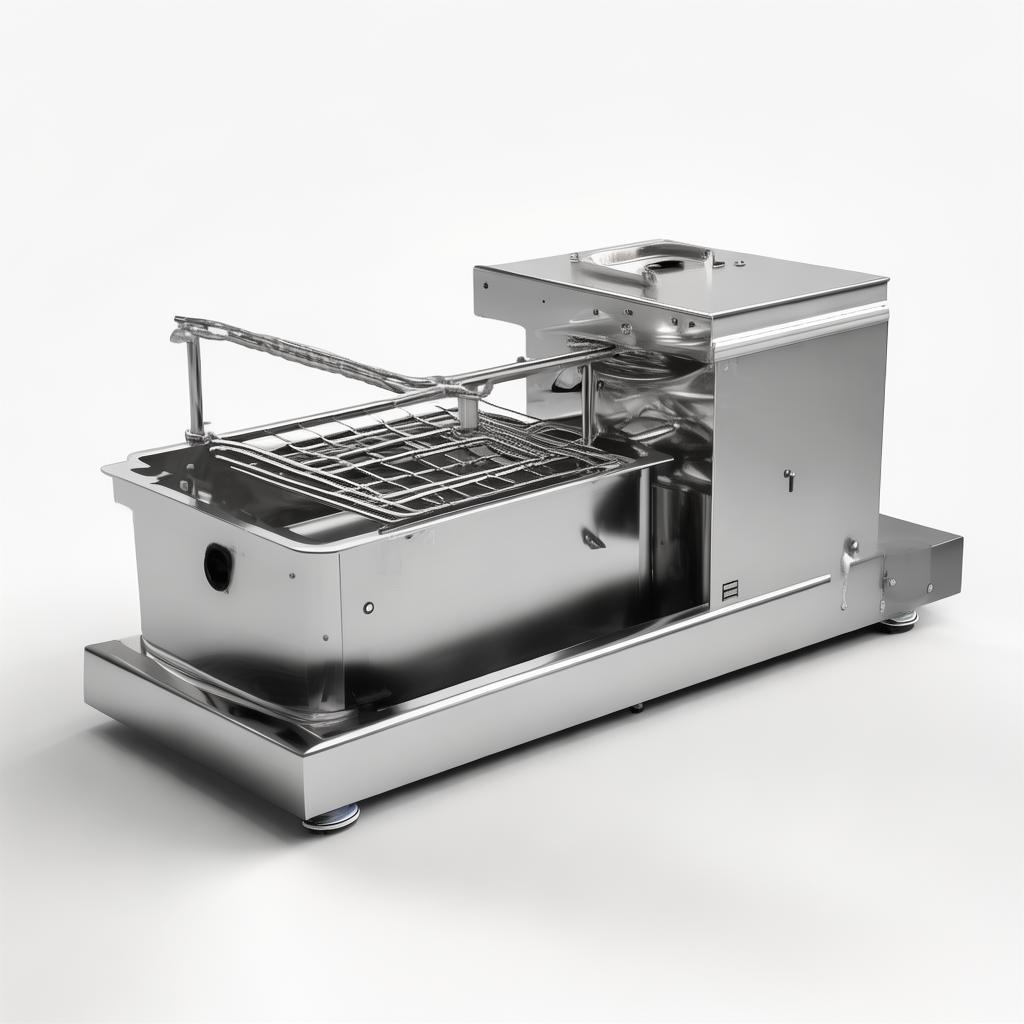
Vacuum Construction
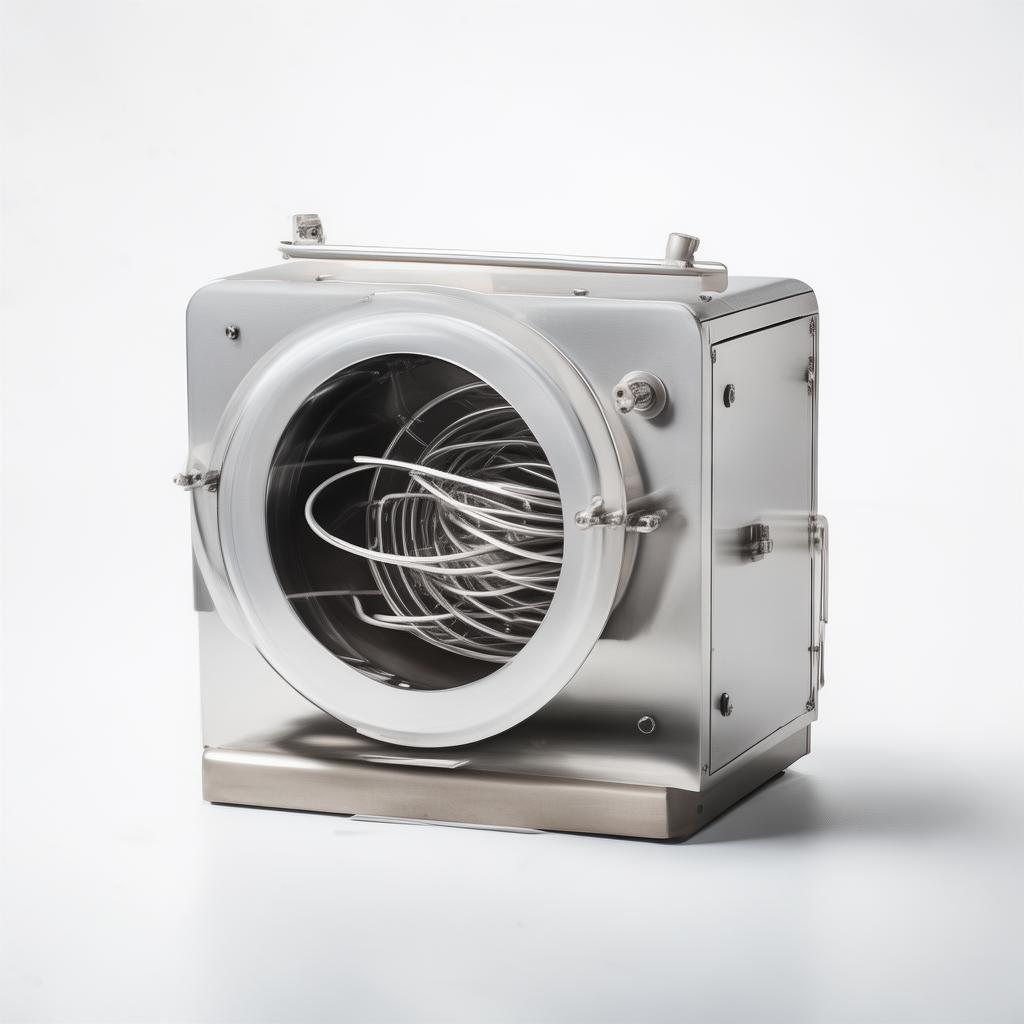
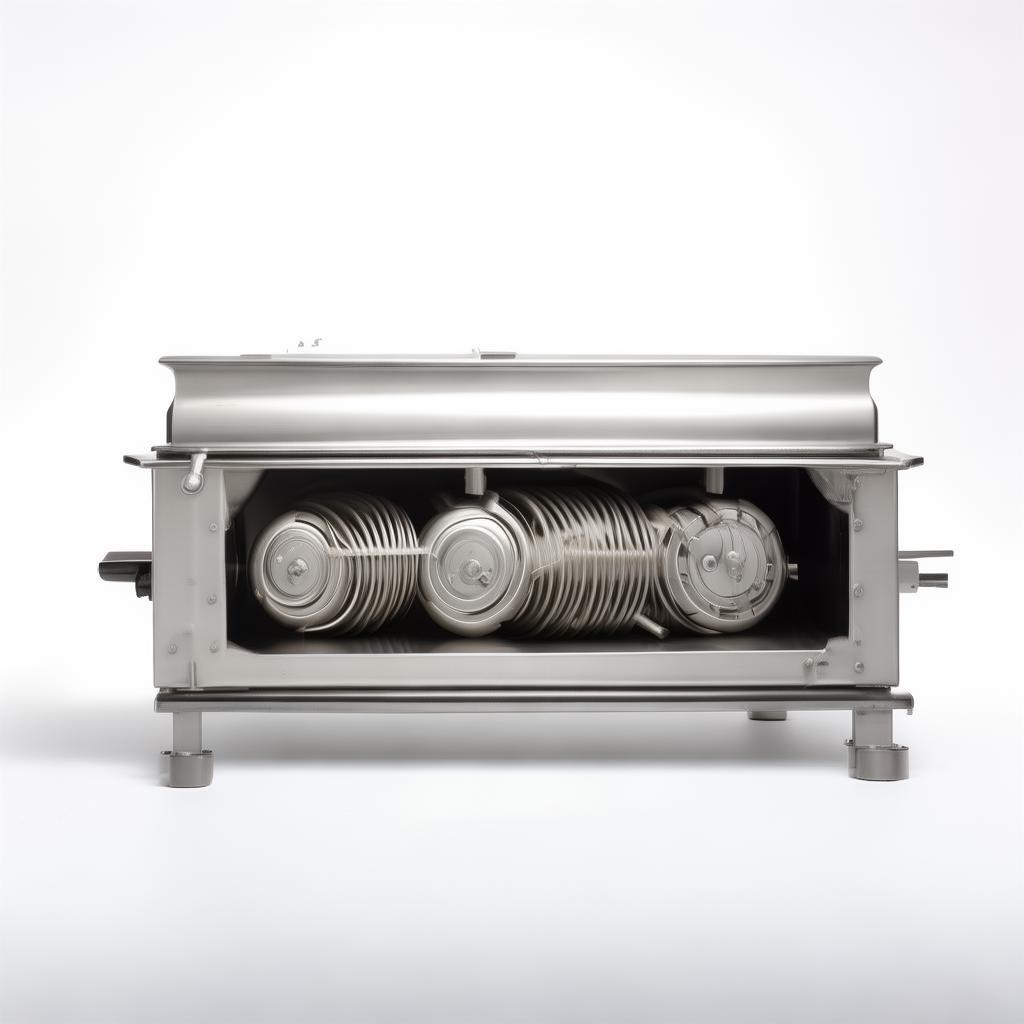
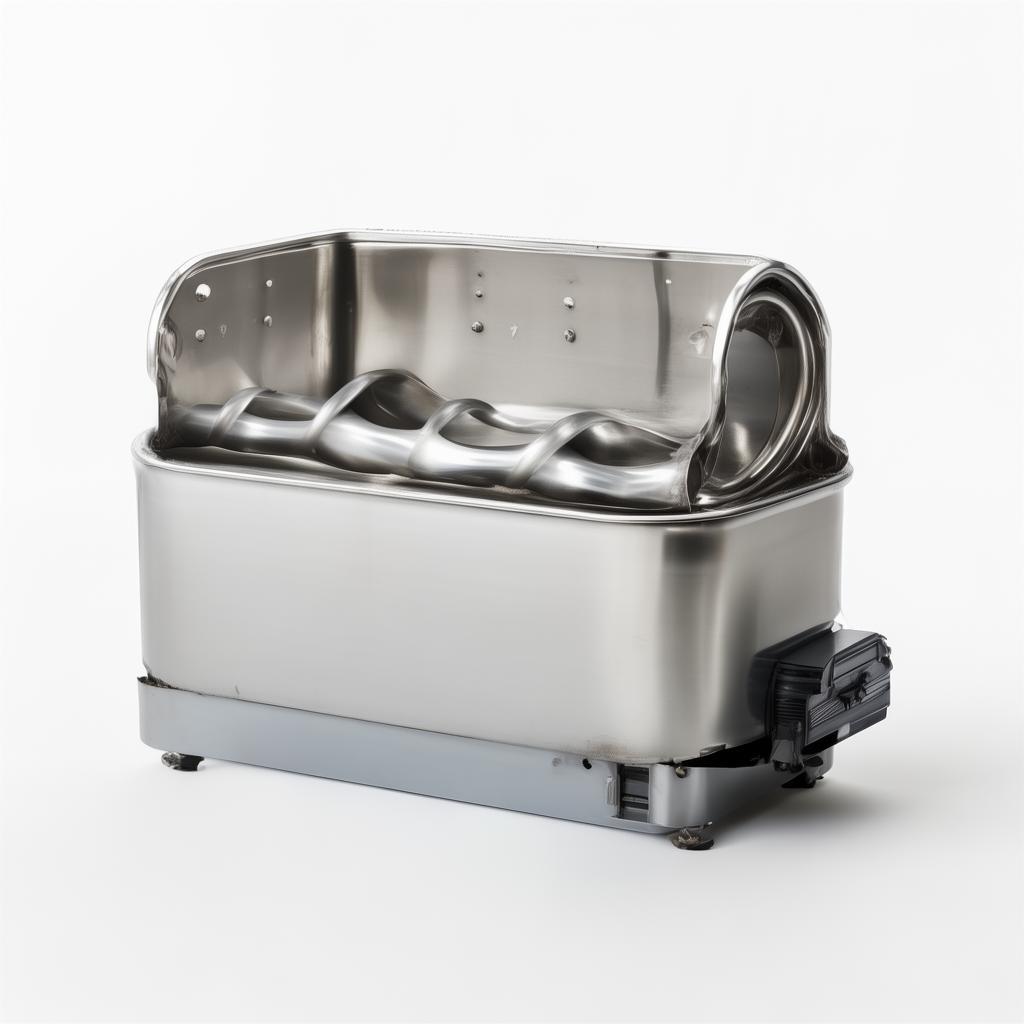
Advanced Vacuum Construction Equipment: Precision, Efficiency, and Reliability for Industrial Needs
 By David Chen, Senior Export Manager
|
October 26, 2023
By David Chen, Senior Export Manager
|
October 26, 2023
Understanding Vacuum Construction: More Than Just Suction
In the demanding world of industrial manufacturing and construction, efficiency, precision, and material integrity are paramount. When we talk about "vacuum construction," it's easy to jump to simple notions of suction. However, in an industrial context, particularly for B2B applications, vacuum technology encompasses a sophisticated range of processes and equipment designed for critical tasks like material handling, molding, deaeration, and even specialized structural applications. It's about controlled atmospheric pressure to achieve outcomes that gravity or manual labor simply cannot replicate reliably. For companies involved in international trade, understanding the nuances of vacuum construction equipment – from its applications to its technical specifications and supplier reliability – is key to optimizing operations and securing competitive advantages.
The global market for meat processing equipment, a sector heavily reliant on sophisticated vacuum technologies for filling, molding, and ripening, underscores this complexity. Reports indicate this market was valued at approximately USD 11.29 billion in 2025 and is projected to reach USD 17.39 billion by 2034, with key segments including filling and stuffing equipment, and massaging machines used for ripening. (Source: Fortune Business Insights). This growth is driven by rising demand for processed meats, automation for hygiene and efficiency, and stringent food safety standards. While our focus here is broader industrial vacuum construction, the principles of precise control, consistent performance, and hygienic design are universal across these demanding sectors. Whether you’re involved in food processing, advanced manufacturing, or specialized construction materials, the intelligent application of vacuum technology can dramatically impact your product quality and production throughput.
Our expertise at Hebei Yuanchang Food Mechanism & Technology Co., Ltd., honed over 40 years since 1986, extends far beyond our core in meat processing. We understand the underlying mechanical engineering, precision machining, and quality control that are fundamental to any high-performance vacuum system. Our 14,000 square meter facility, equipped with over 20 sets of advanced processing machinery, including Japanese Mazak CNC machining centers, allows us to produce high-standard components with extreme precision and for non-standard specifications. This capability is directly transferable to the design and manufacture of robust vacuum construction equipment that meets the rigorous demands of international B2B clients.
The operational challenges faced by procurement managers and engineers in sourcing reliable vacuum construction solutions are significant. They need equipment that offers not just suction power, but consistent vacuum levels, durability under harsh operating conditions, ease of maintenance, and seamless integration into existing production lines. Furthermore, factors like lead times, shipping logistics, and after-sales support are critical decision points. This is where a seasoned manufacturer with a proven track record, like ourselves, can provide a distinct advantage. We don’t just sell machines; we provide engineered solutions backed by decades of hands-on experience in complex manufacturing environments. We understand that the right vacuum system can be the linchpin of an efficient, safe, and profitable operation. Let's delve deeper into what makes this technology essential and how to select the right partners for your global sourcing needs.
Industry Pain Points in Vacuum Applications
Many operations grapple with inconsistent vacuum performance, leading to production bottlenecks and compromised product quality. Think about material handling where inconsistent suction leads to dropped loads, or molding processes where uneven pressure results in defective parts. These aren't minor inconveniences; they translate directly to wasted materials, increased rework, and missed delivery schedules.
- Inconsistent Vacuum Levels: Fluctuations in pressure can sabotage precision tasks, affecting everything from material adhesion to the integrity of molded components.
- Equipment Downtime: Unreliable pumps, leaky seals, or complex maintenance routines disrupt continuous operations, costing valuable production hours and revenue.
- Poor Material Handling: Inadequate or unreliable suction for lifting, positioning, or conveying materials slows down assembly lines and increases the risk of damage.
- Deaeration Challenges: Incomplete removal of air or gases from viscous materials or composite structures can lead to internal voids, weakening the final product.
- Energy Inefficiency: Older or poorly maintained vacuum systems often consume excessive power, driving up operational costs without delivering optimal performance.
- Sourcing Challenges: Finding a manufacturer that offers not just standard units but can also customize solutions, provide clear technical documentation, and ensure reliable international shipping is a constant hurdle for procurement teams.
Addressing these issues requires equipment designed for robustness, precision control, and operational longevity. It’s about investing in systems that solve problems, not create new ones.
The Technical Backbone of Vacuum Construction
At its core, vacuum construction equipment relies on creating a pressure differential. This is typically achieved using vacuum pumps, which come in various types, each suited for different applications and required vacuum levels. Understanding these types is crucial for selecting the right system:
Rotary Vane Pumps
These are common for medium vacuum applications. They are robust, reliable, and offer good pumping speeds. Often used in material handling and general industrial processes.
Liquid Ring Vacuum Pumps
Ideal for harsh environments with dust, moisture, or corrosive vapors. They offer a simple design with few moving parts and can handle large volumes of gas. Excellent for deaeration and processes involving vapors.
Dry Screw Pumps
These offer oil-free operation, crucial for sensitive applications like food processing or cleanroom environments. They provide high efficiency and low maintenance.
Roots Blowers
Often used in series with other pumps to boost pumping speed and achieve higher vacuum levels efficiently. Useful for large-scale material conveying or large-volume deaeration.
Beyond the pump, the system includes critical components like vacuum chambers, filtration systems, pressure regulators, gauges, and specialized end-effectors (suction cups, molds, etc.). The material choice for these components—stainless steel, high-grade polymers, specialized rubbers—is vital for compatibility with the process environment and longevity. For instance, in food processing, materials must meet FDA or EU food-grade standards, while in heavy industry, resistance to abrasion and chemicals is paramount.
The global market for meat processing equipment, as noted by Grand View Research, highlights the importance of these components, estimating the market at USD 11.28 billion in 2024 and projected to reach USD 15.04 billion by 2030. This includes equipment essential for pretreatment, molding, and ripening, where precise vacuum control is non-negotiable for product quality and safety. Our 40 years of experience in developing complex machinery have given us a deep understanding of the integration and precision required for such systems.
Key Advantages of Industrial Vacuum Systems
Implementing a well-designed vacuum construction system brings tangible benefits to any operation:
| Benefit | Impact on Operations |
|---|---|
| Enhanced Material Handling | Secure and rapid lifting, positioning, and conveyance of diverse materials, from delicate components to heavy loads, improving assembly line efficiency. |
| Precision Molding and Forming | Achieve intricate shapes and uniform density in molded products, composites, and food items by ensuring consistent pressure distribution. Reduces scrap rates significantly. |
| Effective Deaeration | Remove trapped air or gases from liquids, pastes, or composites, preventing voids, improving structural integrity, and extending product shelf life. |
| Improved Process Control | Maintain stable vacuum levels, enabling repeatable results and tighter quality control for critical manufacturing processes. |
| Increased Throughput | Automated vacuum processes can operate continuously and at higher speeds than manual methods, significantly boosting production capacity. |
| Reduced Labor Costs | Automation of material handling, molding, and other vacuum-assisted tasks reduces the need for manual labor, particularly beneficial in regions with rising labor costs. |
construction vacuums uhv vacuum vacuum fill
Considering the processed meat market, which is projected to grow from USD 750.58 billion in 2026 to USD 1,253.77 billion by 2034 (Fortune Business Insights), the demand for efficient filling, molding, and ripening equipment is paramount. Vacuum technology is central to achieving the quality, texture, and safety demanded by consumers, showcasing its broad impact.
Diverse Applications in Industrial Vacuum Construction
The versatility of vacuum technology allows it to be integrated across a wide spectrum of industrial operations:
Food & Beverage Processing
Vacuum fillers for sausages, paté, and delicate food products; vacuum packaging to extend shelf life; deaeration of liquids and sauces; vacuum molding of confectionery and cheese.
See our specialized meat processing equipment.
Advanced Manufacturing & Composites
Vacuum bagging for composite material layup (e.g., aerospace, automotive); deaeration of resins and adhesives; vacuum casting for precise prototyping and small-batch production.
Electronics & Semiconductor
Vacuum pick-and-place systems for handling sensitive components; vacuum degassing of potting compounds; cleanroom-compatible vacuum systems.
Construction Materials
Vacuum impregnation of wood or concrete to enhance durability and resistance; vacuum dewatering in concrete applications; vacuum forming of specialized architectural elements.
Pharmaceutical & Medical
Vacuum drying of pharmaceutical powders; vacuum filtration; sterile handling of sensitive materials; deaeration of medical devices and reagents.
The Meat Processing Equipment Market, projected to grow significantly, demonstrates the critical role of specialized vacuum systems in forming products like sausages, which often requires precise filling and molding. Similarly, the Meat and Poultry Processing Equipment Market, expected to reach USD 30.5 billion by 2035, highlights the demand for efficient tenderizing, smoking, and filling equipment where vacuum plays a supporting role in texture and preservation.
For international buyers, sourcing equipment for these diverse applications necessitates a supplier capable of understanding specific operational needs and providing tailored solutions, not just off-the-shelf products.
Evaluating Your Vacuum Equipment Supplier
Choosing the right manufacturing partner is critical for B2B international trade. Don't just look at the price tag. Consider these factors:
- Manufacturing Experience & History: How long have they been in business? Do they have a deep understanding of the machinery they produce? 40 years of experience, like ours, signifies stability and a wealth of practical knowledge.
- Technical Capabilities: Do they have in-house design and engineering? What kind of machinery do they use for production? Access to advanced CNC machines (like our Japanese Mazak centers) is a strong indicator of precision and capability.
- Quality Control & Certifications: Are their processes ISO certified? Do their products meet relevant international standards (CE, FDA, RoHS)? This is non-negotiable for compliance and safety.
- Customization Options: Can they adapt standard designs or engineer entirely new solutions to meet your specific application requirements (OEM/ODM)?
- After-Sales Support: What is their warranty policy? How do they handle spare parts and technical assistance? A traceable after-sales management system is a significant plus.
- Logistics & Export Experience: Can they manage international shipping efficiently and compliantly? Do they have experience exporting to your region?
A supplier that demonstrates a commitment to all these areas is more likely to deliver reliable equipment and a smooth international procurement experience. Think of it like sourcing from a reliable contractor – you need confidence in their expertise and their ability to deliver consistent results.
We believe in transparency and robustness. Our in-house machining workshop, boasting over 20 sets of processing machinery and advanced CNC capabilities, ensures we control every critical component. This direct control means worry-free after-sales service and guaranteed precision.
Our Manufacturing Strength: Hebei Yuanchang's Commitment to Precision

Our state-of-the-art machining facility.
At Hebei Yuanchang Food Mechanism & Technology Co., Ltd., our 40 years of experience since 1986 have been invested in building a manufacturing powerhouse. Spanning approximately 14,000 square meters with a dedicated team of 80-100 skilled professionals, we integrate R&D, production, and sales seamlessly. Our strength lies in:
- Comprehensive Machining Workshop: Equipped with over 20 sets of advanced machinery, including lathes, milling machines, high-precision grinding machines, boring machines, plate shears, bending machines, and wire cutting equipment.
- High-Precision CNC Capabilities: Our 8 sets of Japanese Mazak CNC machining centers allow us to produce high-standard components requiring large volumes, exceptional precision, and non-standard specifications. This is critical for sensitive vacuum system parts.
- Integrated Production Lines: Expertise in complete production lines, from pretreatment to auxiliary items, giving us a holistic understanding of integrated industrial systems.
- Traceable After-Sales Management: Our system ensures we can independently produce high-precision parts, guaranteeing reliable and prompt after-sales service.
While our primary focus has been meat processing machinery, the underlying engineering principles, material science knowledge, and precision manufacturing techniques are directly applicable to creating robust vacuum construction equipment. We possess the infrastructure and expertise to handle complex, custom projects for international clients.
Quality Assurance & International Standards
Commitment to quality is not just a slogan; it's embedded in our manufacturing processes and validated by international standards.

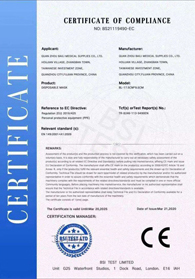

We ensure our equipment adheres to stringent quality benchmarks, enabling seamless integration into global supply chains and compliance with diverse regional regulations.
Client Insights: Real-World Performance
Our commitment to quality and performance is reflected in the feedback from our international partners. Here are a few insights:

USA
"We were initially looking for specialized vacuum fillers, but the team at Yuanchang demonstrated a deep understanding of precision engineering. Their ability to customize based on our precise volumetric requirements was exceptional. The lead time was reasonable, and the equipment performs flawlessly, improving our product consistency significantly."

Canada
"The industrial vacuum pumps we sourced from Yuanchang have been robust. We operate in a challenging environment, and the consistent performance, even with some particulate matter present, has reduced our downtime considerably. Their communication throughout the export process was clear and efficient."

Germany
"We needed a deaeration chamber for a new composite material. Yuanchang's engineering team worked closely with us, understanding the specific vacuum requirements and material properties. The custom solution they provided exceeded expectations in terms of void reduction and build quality. Highly recommend their OEM capabilities."
Your Questions Answered
We understand that sourcing industrial equipment internationally involves many considerations. Here are answers to common queries:
- Q: What is the typical lead time for custom vacuum construction equipment?
- Lead times vary significantly based on complexity and current production schedules. For custom OEM/ODM projects, we typically provide an estimated timeline after the initial design and specification phase, usually ranging from 8 to 16 weeks.
- Q: Can you handle large volume orders for export?
- Absolutely. Our facility is equipped to handle both large production runs and individual custom orders. We have experience with container loading optimization and managing international logistics for bulk shipments.
- Q: What kind of warranty do you offer on your vacuum equipment?
- We offer a standard 12-month warranty on our machinery, covering manufacturing defects. Our traceable after-sales management system ensures prompt support for spare parts and service inquiries.
- Q: How do you ensure the quality of components manufactured with your equipment?
- The quality of components is a direct result of the precision and consistency of the vacuum equipment. Our focus on high-tolerance manufacturing, reliable pump performance, and uniform pressure distribution ensures that your processes yield high-quality end products, whether it's molded parts, processed foods, or composite materials.
- Q: What is the difference between OEM and ODM?
- OEM (Original Equipment Manufacturer) usually means we manufacture a product based on your design and specifications. ODM (Original Design Manufacturer) implies we design and manufacture the product, which you then brand as your own. We are equipped for both, offering flexibility for your business needs.
Ready to Enhance Your Operations with Advanced Vacuum Technology?
Leverage our 40 years of manufacturing expertise to find the optimal vacuum construction solution for your global business needs. From precision filling and molding to robust material handling, we deliver reliability and efficiency.