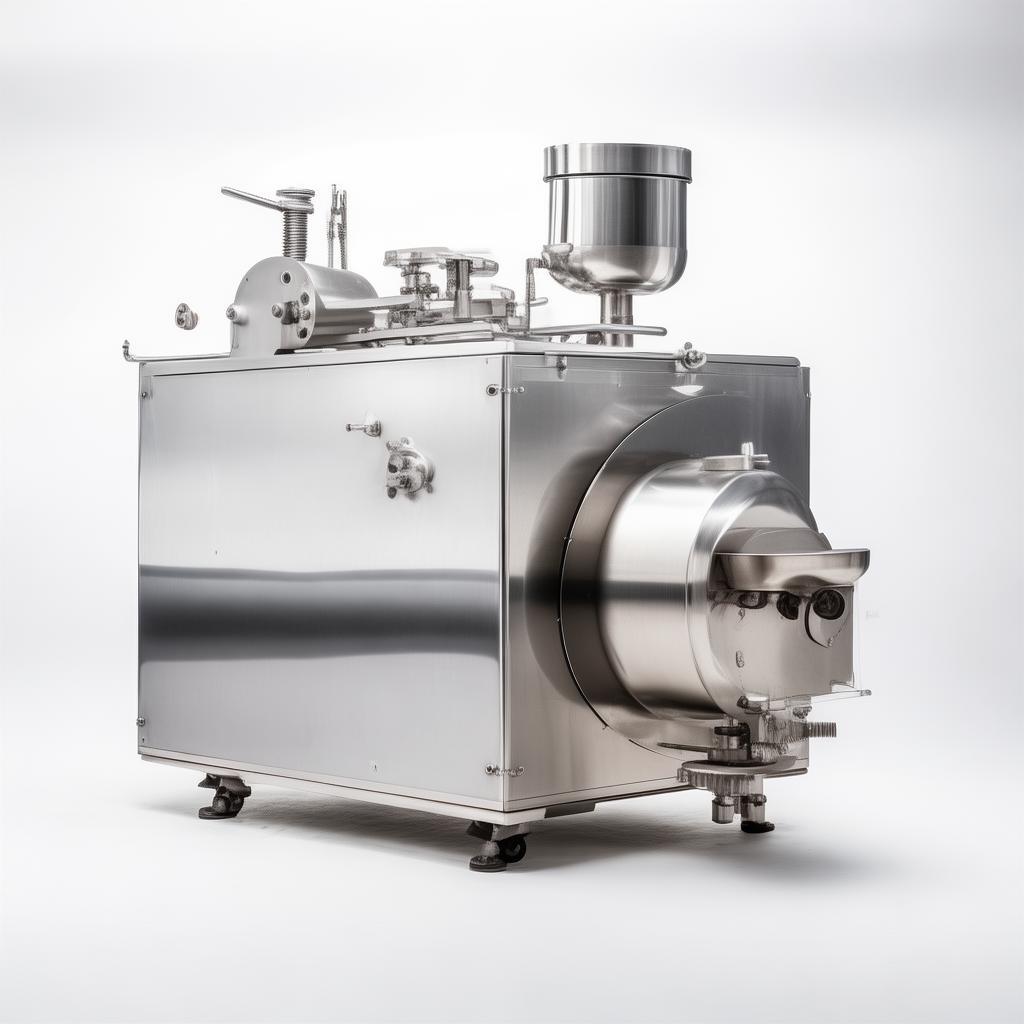
Portable Industrial Vacuum Systems
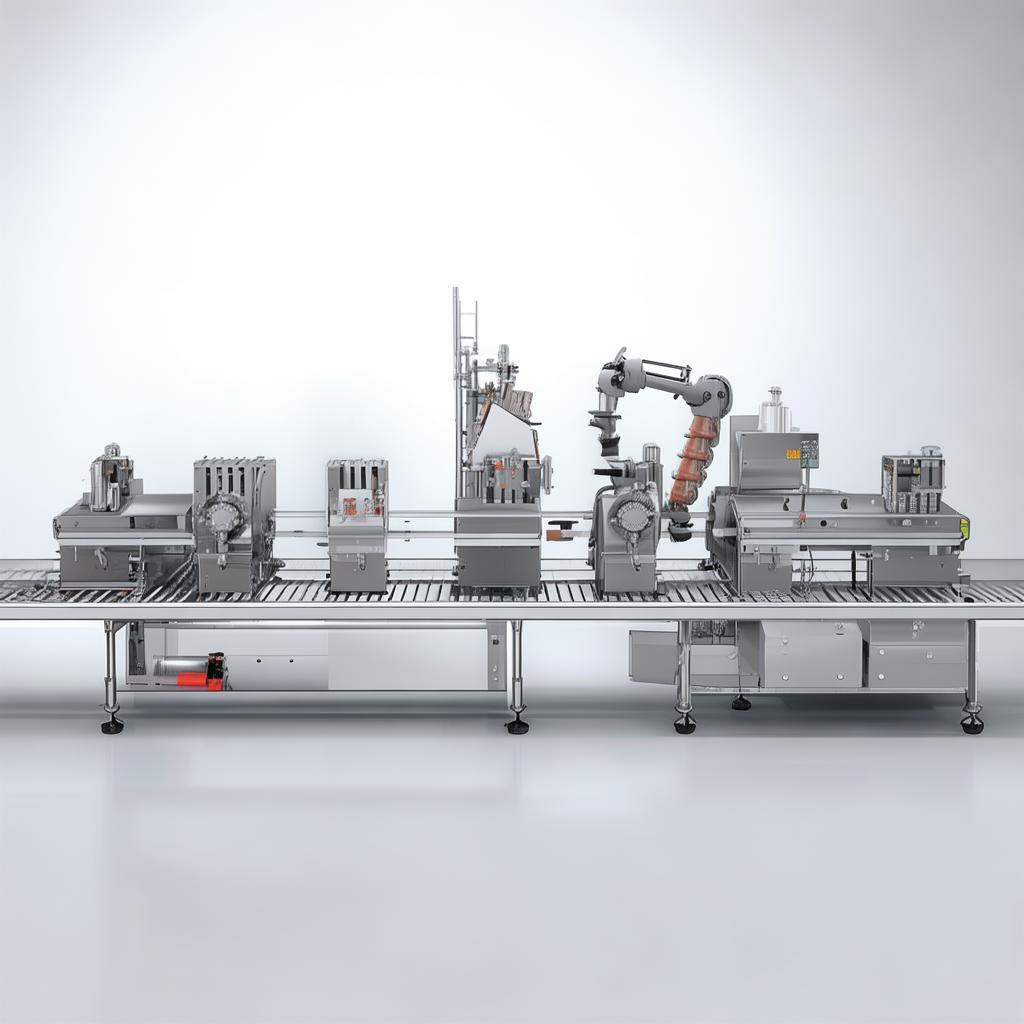
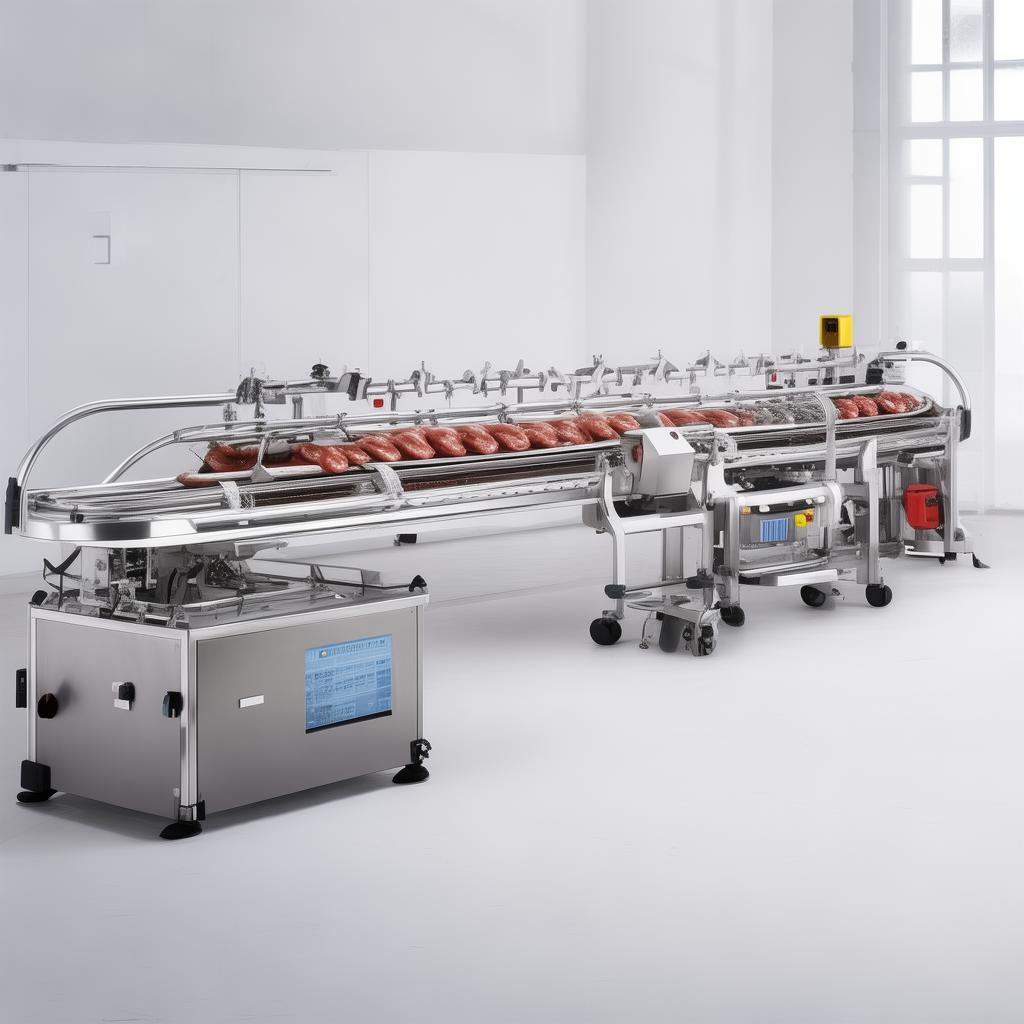
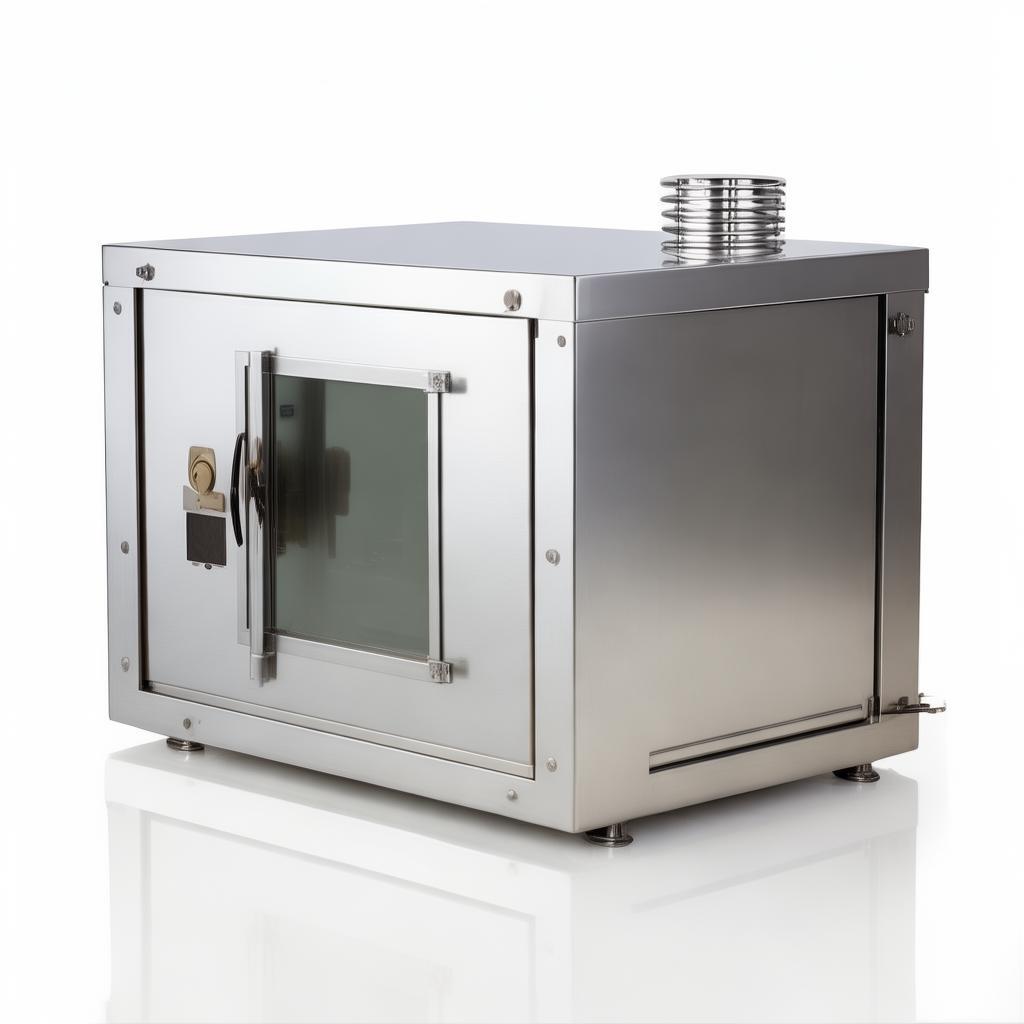
Portable Industrial Vacuum Systems: The Flexible Solution for Demanding Environments
Engineered for efficiency, reliability, and ease of deployment across your most challenging operational needs.
 Authored by: Alex Chen, Senior Export Manager
The Need for Agility in Industrial Cleanup
In today's fast-paced industrial landscape, especially within sectors like manufacturing, construction, food processing, and heavy industry, the ability to maintain a clean and safe working environment is paramount. But not all cleanup challenges are created equal, and often, fixed or large-scale vacuum systems simply aren't practical. This is where portable industrial vacuum systems step in, offering a crucial blend of power, flexibility, and maneuverability. These aren't your typical household vacuums; they are robust, purpose-built machines designed to tackle heavy-duty debris, hazardous materials, and large volumes of dust and waste that would overwhelm standard equipment. The search for such solutions often stems from a direct operational pain point: downtime due to poor housekeeping, safety violations, or inefficient cleanup processes. Businesses are constantly looking for ways to optimize workflow, reduce risks, and cut costs, and the right portable vacuum system can be a game-changer.
Consider a typical manufacturing floor. Spills of fine particulate matter, metal shavings, or chemical residues can accumulate rapidly. If left unaddressed, these can lead to slip hazards, equipment damage, or even health risks for personnel. Traditional brooms and shovels are often insufficient and can even aerosolize fine dust, exacerbating air quality issues. Similarly, a construction site might require the removal of plaster dust, concrete chips, or even small demolition debris from areas that are difficult to access. The global meat processing equipment market, for instance, sees significant demand for efficient cleanup to maintain stringent hygiene standards. Reports indicate the market was valued at [USD 11.29 billion in 2025, projected to reach USD 17.39 billion by 2034](https://www.fortunebusinessinsights.com/meat-processing-equipment-market-115455), underscoring the scale of operations requiring specialized machinery, including effective waste management solutions like industrial vacuums. This growth is driven by rising demand for processed meat and the need for automation for hygiene and labor efficiency.
Furthermore, the need for portability isn't just about moving a unit from one room to another. It's about deploying a solution precisely where and when it's needed, minimizing disruption. This could be on a ship during repairs, within a confined space during maintenance, on a mobile processing line, or in a remote project location. The capacity to quickly set up and efficiently remove material without extensive infrastructure is a significant advantage. This agility is key for industries where space is constrained or workflows are dynamic. For example, the increasing demand for convenience foods globally means more production lines, and thus more potential cleanup needs, are being established in varied layouts. The [Processed Meat Market is projected to grow from USD 750.58 billion in 2026 to USD 1,253.77 billion by 2034](https://www.fortunebusinessinsights.com/industry-reports/processed-meat-market-100556), which directly fuels the need for efficient auxiliary equipment.
When selecting a portable industrial vacuum system, buyers are looking for more than just suction power. They're assessing reliability, durability, safety features (especially when dealing with hazardous dust like silica or combustible dust), ease of maintenance, and the total cost of ownership. The initial investment is one factor, but operational costs, filter life, and potential downtime are equally critical. This is where understanding the technical specifications, material construction, and the manufacturer's experience becomes vital. A unit that fails prematurely or requires frequent, costly repairs is a drain on resources and can negate any perceived initial cost savings.
The market for industrial vacuum solutions is evolving, with a growing emphasis on energy efficiency, advanced filtration for finer particles, and integrated safety features. Suppliers like Hebei Yuanchang Food Mechanism & Technology Co., Ltd. understand these nuances deeply. With 40 years of experience in industrial machinery since 1986, our focus has always been on providing robust, practical solutions that address real-world operational challenges. While our core expertise lies in meat processing equipment—covering pretreatment, filling, molding, and ripening—the principles of robust engineering, precise manufacturing, and reliable performance apply directly to the development of high-quality portable industrial vacuum systems. We leverage our in-house machining capabilities, including Japanese Mazak CNC centers, to produce components with the high precision and durability our clients expect, ensuring that even our auxiliary equipment, such as vacuum systems, meets the same rigorous standards.
The intent behind searching for "portable industrial vacuum systems" is multifaceted. It can be informational, seeking to understand what these systems are and their capabilities. It's often commercial, comparing different models, brands, and features. For many, it's transactional, looking to identify a reliable supplier and secure pricing. Some are troubleshooting, needing to solve an immediate cleanup problem. And increasingly, it's about finding a trusted manufacturing partner for OEM/ODM solutions. Our goal is to address all these intents by providing clear, detailed, and practical information, backed by our extensive experience in industrial manufacturing.
Addressing Core Operational Challenges
Operating in demanding industrial environments presents unique cleanup hurdles. Generic solutions rarely cut it, and inefficient methods lead to significant operational drag.
- Inconsistent Production Environments: Work areas change, product lines shift, and temporary setups are common. Fixed vacuum systems can't keep pace.
- Hazardous Material Handling: Fine dust (silica, wood dust), combustible dust, or even small chemical spills require specialized collection to prevent explosions or health risks. Standard vacuums are often unsafe.
- Limited Access Areas: Tight corners, under machinery, or elevated platforms demand equipment that can maneuver easily without sacrificing power.
- Downtime and Inefficiency: Slow or ineffective cleanup means longer production halts, increased labor costs, and potential damage to equipment or finished goods.
- Compliance and Safety Regulations: Maintaining OSHA standards, EPA guidelines, or specific industry hygiene protocols necessitates reliable and effective dust and debris management.
- Cost of Inaction: Ignoring accumulated dust or debris can lead to expensive equipment failures, potential fires, or workplace accidents, far outweighing the cost of proper equipment.
Our portable industrial vacuum systems are engineered to directly counter these issues, providing a reliable, efficient, and safe solution.
Why Choose Our Portable Industrial Vacuums?
We don't just build machines; we engineer solutions that enhance your operational efficiency and safety. Our portable industrial vacuums offer a distinct advantage.
Unmatched Portability & Deployment
Compact designs, robust casters, and optional lifting points allow for rapid repositioning. Get cleaning power exactly where you need it, when you need it, without fixed infrastructure.
Serious Suction Power
High-performance motors and optimized airflow design deliver powerful suction capable of handling fine dust, heavy debris, liquids, and more. Critical for maintaining clean production zones.
Advanced Filtration Systems
Multi-stage filtration, including HEPA options, ensures capture of even microscopic particles. Protects personnel health, safeguards sensitive equipment, and helps meet environmental standards.
Robust Construction & Durability
Built with heavy-gauge steel or high-impact polyethylene, our units are designed for the rigors of industrial use, ensuring a long service life and minimal maintenance downtime.
Safety First Design
Features like explosion-proof options, grounding systems, and sealed collection tanks are available for handling combustible dusts or hazardous materials, aligning with stringent safety protocols.
Versatile Material Handling
Designed to handle dry solids, dust, liquids, and sludge. This versatility reduces the need for multiple specialized machines, streamlining your equipment inventory.
Technical Deep Dive: What Powers Your Operations
Understanding the core technical components is key to selecting the right system for your specific needs. We engineer for performance and longevity.
Key Components and Considerations:
- Motor & Power: Typically, industrial vacuums use powerful bypass motors (often 1000W to 3000W or higher) providing strong airflow (CFM) and water lift (vacuum pressure). Single or three-phase options are available depending on your facility's power infrastructure.
- Filtration Technology: This is critical. Standard filters trap larger debris, but for fine dust, HEPA (High-Efficiency Particulate Air) filters are essential, capturing 99.97% of particles down to 0.3 microns. For combustible dust, specific certified filtration (e.g., NFPA-compliant) is non-negotiable.
- Collection Tank Capacity: Varies from a few gallons to over 100 gallons. A larger tank reduces emptying frequency but increases the unit's overall size and weight. Consider material density when estimating volume.
- Construction Materials: Options include stainless steel (excellent for corrosive environments or food-grade applications), powder-coated steel (robust, cost-effective), and high-density polyethylene (lightweight, chemical-resistant).
- Hose and Wand Durability: Industrial hoses need to withstand abrasion, crushing, and static buildup. Flexible, reinforced materials are standard. Wand extensions allow for better reach.
- Optional Features: Consider wet/dry capabilities, pneumatic discharge for bulk material transfer, built-in dust collection systems (like cyclone separators), or specialized tool kits for specific applications.
We can provide detailed specification sheets for each model. For applications involving combustible dusts, proper grounding and explosion-proof ratings are paramount. The NFPA 654 standard provides critical guidance, and our systems can be configured to meet these demanding requirements.
Sample Specification Table (Model: YC-PV750)
| Feature | Specification |
|---|---|
| Motor Power | 2200W (3 HP) Bypass Motor |
| Voltage | 220-240V / 50-60Hz / 1 Phase |
| Tank Capacity | 75 Liters (19.8 Gallons) |
| Filtration | Standard Cartridge Filter (Optional HEPA) |
| Material Construction | Powder-coated Steel |
| Dimensions (LxWxH) | 100cm x 70cm x 110cm |
| Weight | 120 kg |
| Certifications | CE |
industrial portable loader vacuum commercial portable vacuum commercial vacuum machine
Versatile Applications Across Industries
The adaptability of our portable industrial vacuums makes them indispensable in a wide array of operational settings.
Manufacturing & Metalworking
Collecting metal shavings, industrial dust, cutting fluids, and general workshop debris. Essential for machine tool maintenance and maintaining a safe production floor.
Construction & Demolition
Ideal for capturing concrete dust, plaster, drywall debris, and small rubble during renovation or construction projects. Critical for dust containment on site.
Food & Beverage Processing
Collecting flour, sugar, grains, powders, and spills. Stainless steel options are available for hygienic requirements. Assists in maintaining strict food safety standards.
Pharmaceutical & Chemical
Handling fine powders, spills, and waste. HEPA-filtered units are crucial for containment of active pharmaceutical ingredients (APIs) or hazardous chemicals.
Automotive & Repair Shops
Collecting oil spills, brake dust, battery acid residue, and general automotive waste. Wet/dry capabilities are a significant advantage here.
Warehousing & Logistics
Cleaning up pallet spills, dust accumulation on shelves, and general debris in large storage and distribution centers. Quick deployment is key.
Deployment and On-Site Practicalities
The "portable" aspect of these systems is a major selling point, but practical considerations for deployment and logistics matter. We ensure your operations are minimally disrupted.
Operational Integration:
Setting up a portable vacuum is typically straightforward. Ensure a stable, level surface for operation and access to a suitable power source. For models designed for hazardous environments, proper grounding is essential. Training personnel on safe operation, filter maintenance, and debris disposal procedures is a critical first step.
Logistics and Shipping:
Shipping industrial equipment requires careful planning. Our units are typically shipped on pallets, crated, or containerized depending on order size and destination. We work with experienced freight forwarders to ensure timely and cost-effective delivery to your door, whether it's a single unit or multiple systems for a large project. Understanding import duties, customs procedures, and local regulations for your specific region is part of our export process.
Consider the dimensions and weight when planning internal site logistics. Can the unit be easily moved through doorways? Is there a suitable storage location when not in use? Does it need to be transported between different work zones regularly? These factors influence the choice between different models and accessory options, like specialized dollies or lifting attachments.
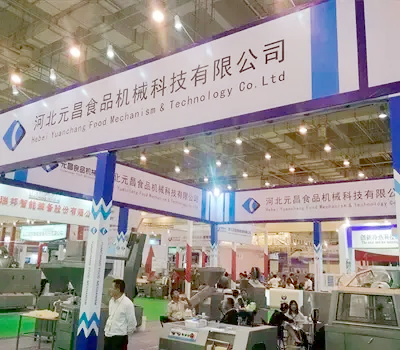 Efficient deployment across various industrial sites.
Procurement Smarts: What Buyers Need to Know
Buying industrial equipment involves more than just checking a spec sheet. It's a strategic decision that impacts your operations, budget, and safety compliance.
Key Procurement Considerations:
- Define Your Application Precisely: What materials will you be vacuuming? What volume? What are the environmental conditions (e.g., wet, dusty, potentially explosive)? Accurate answers guide feature selection.
- Safety First: For combustible dust, explosion-proof ratings (ATEX, Class II, Division 2) are paramount. Don't compromise here. Consult relevant safety standards like NFPA.
- Total Cost of Ownership (TCO): Look beyond the initial price. Factor in energy consumption, filter replacement costs, maintenance requirements, and expected lifespan. A slightly higher upfront investment can yield significant long-term savings.
- Supplier Reliability & Support: Can you get spare parts easily? Is there technical support available? A long-standing manufacturer with a good reputation (like our 40 years in business) indicates stability and commitment.
- Certifications: Ensure the equipment meets relevant international standards (e.g., CE for European markets). This indicates design and manufacturing compliance.
- OEM/ODM Capabilities: If you have specific requirements not met by standard models, inquire about customization. Our extensive in-house machining allows for tailored solutions.
We recommend engaging with our sales or technical team early in your procurement process. Understanding your operational context allows us to recommend the most suitable and cost-effective solution. We've seen many clients over-specify or under-specify based on initial assumptions, leading to costly mistakes. Our goal is to prevent that.
Procurement Insight: Often, buyers focus solely on CFM. While important, consider water lift (suction power) and filtration efficiency just as critically, especially for fine dust or deep cleaning tasks.
Our Manufacturing Edge: Beyond the Product
Our expertise in industrial machinery, forged over 40 years, directly translates into the quality and reliability of our portable industrial vacuum systems.
Integrated Manufacturing Excellence:
Hebei Yuanchang Food Mechanism & Technology Co., Ltd. operates from a 14,000 sq meter facility. We don't outsource critical component manufacturing. Our strengths lie in:
- In-House Machining: Over 20 advanced processing machines, including lathes, milling machines, grinding machines, and wire cutting equipment, ensure precision for every part.
- High-Precision CNC: With 8 Japanese Mazak CNC machining centers (added in 2012), we handle complex, high-volume, and non-standard components requiring tight tolerances. This capability is crucial for durable vacuum system parts.
- Experienced Workforce: Our team of 80-100 skilled employees brings decades of collective experience in industrial equipment design and production.
- Quality Control: Every stage, from raw material inspection to final assembly, is subjected to rigorous quality checks. This is why our after-sales service is worry-free – we control the precision of the parts ourselves.
- Traceable Systems: Our traceable after-sales management system ensures accountability and quick resolution of any technical issues.
This vertically integrated approach means we control quality, lead times, and costs more effectively, translating into better value and reliability for you. Our experience in demanding applications within the food processing industry—where hygiene and precision are paramount—equips us to build industrial vacuums that meet the highest standards.
 Our state-of-the-art machining capabilities.
Commitment to Quality: Certifications and Standards
For international trade and industrial applications, adherence to recognized standards is non-negotiable. It assures performance, safety, and market access.
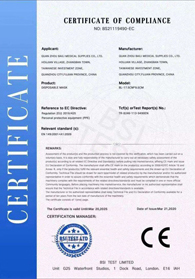
CE Marking
Indicates conformity with health, safety, and environmental protection standards for products sold within the European Economic Area (EEA).

ISO 9001 Certified
Demonstrates our commitment to a robust Quality Management System, ensuring consistent product quality and customer satisfaction.
RoHS Compliant
Confirms adherence to regulations on the restriction of hazardous substances in electrical and electronic equipment.
For specific applications, such as handling hazardous dust, units can be configured to meet standards like ATEX or NFPA Class II requirements. We are transparent about the certifications applicable to our models and can provide documentation upon request. Our goal is to ensure your equipment not only performs but also meets all necessary regulatory and safety mandates.
What Our Clients Say
Real-world feedback from businesses that have integrated our portable industrial vacuum systems into their operations.
"We needed a robust vacuum for our metal fabrication shop to handle fine steel dust that was constantly clogging machinery. The YC-PV750 model has been a lifesaver. It's powerful, easy to maneuver, and the filter system keeps the air remarkably clean. Downtime has significantly decreased."

"Our food processing plant requires constant cleaning to meet hygiene standards. We chose a stainless steel version of their portable unit for its durability and ease of sanitization. It handles flour and sugar dust efficiently without compromising safety. The portability is key for moving it between different processing areas."

"We operate in a dusty construction environment and needed a vacuum that could handle concrete dust safely and effectively. The team at Yuanchang understood our needs for HEPA filtration and provided a solution that fits our budget and safety requirements. It's a reliable piece of equipment that sees daily use."

Frequently Asked Questions
Q1: Can your portable vacuums handle wet materials?
Many of our models are designed for wet/dry applications. Please check the specific model's specifications or consult with our sales team to confirm its liquid handling capabilities and any necessary accessory configurations.
Q2: What is the typical lead time for an order?
Lead times vary based on product availability, customization requirements, and order volume. For standard models, delivery from our factory can typically range from 30-60 days. Custom orders may require longer. We provide estimated lead times upon order confirmation.
Q3: How do I determine the right filter for my application?
Filter selection is crucial. For general dust and debris, a standard cartridge filter may suffice. For fine particulates like silica dust or allergens, HEPA filtration is recommended. For combustible dust environments, specialized certified filters and intrinsically safe designs are mandatory. Our technical team can advise based on your specific material and safety requirements.
Q4: Do you offer OEM or ODM services?
Yes, absolutely. With our extensive in-house machining capabilities and 40 years of manufacturing experience, we are well-equipped to handle OEM and ODM projects. We can customize features, branding, and specifications to meet your unique market demands. Contact us to discuss your project requirements.
Q5: What is the warranty period for your industrial vacuums?
Our portable industrial vacuum systems typically come with a one-year limited warranty covering manufacturing defects. Specific warranty terms may vary by model and region. We pride ourselves on the durability of our equipment, backed by our robust manufacturing processes.
Ready to Enhance Your Operations with Reliable Vacuum Solutions?
Don't let inefficient cleanup or safety concerns slow you down. Explore how our portable industrial vacuum systems can streamline your processes and protect your workforce.
Get In Touch
Contact Us Directly
Phone: +86 15830991513
Email: ycmeatmech@gmail.com
Address: Shijiazhuang, Hebei Province, China
Website: www.ycmeatmech.com
We are available to answer your inquiries promptly during business hours.
Send Us a Message
Hebei Yuanchang Food Mechanism & Technology Co., Ltd. - 40 Years of Industrial Manufacturing Excellence.
All rights reserved.
Live Chat Support
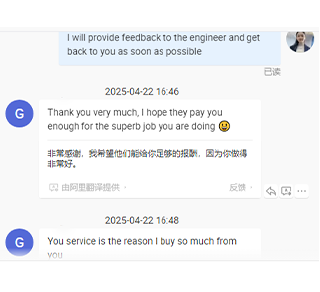

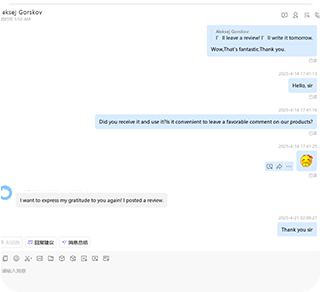
Our support team is ready to assist you via live chat for immediate inquiries.