Vacuum Generator Pneumatic
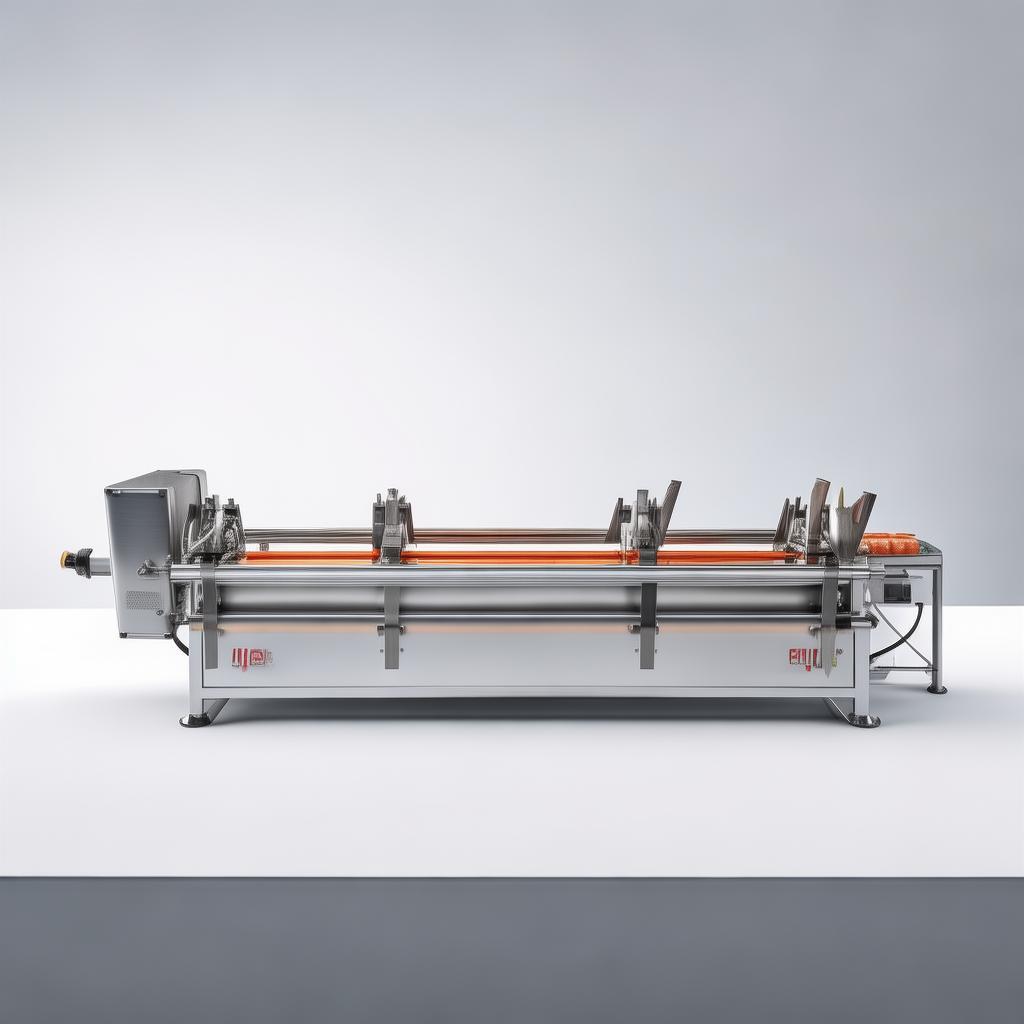
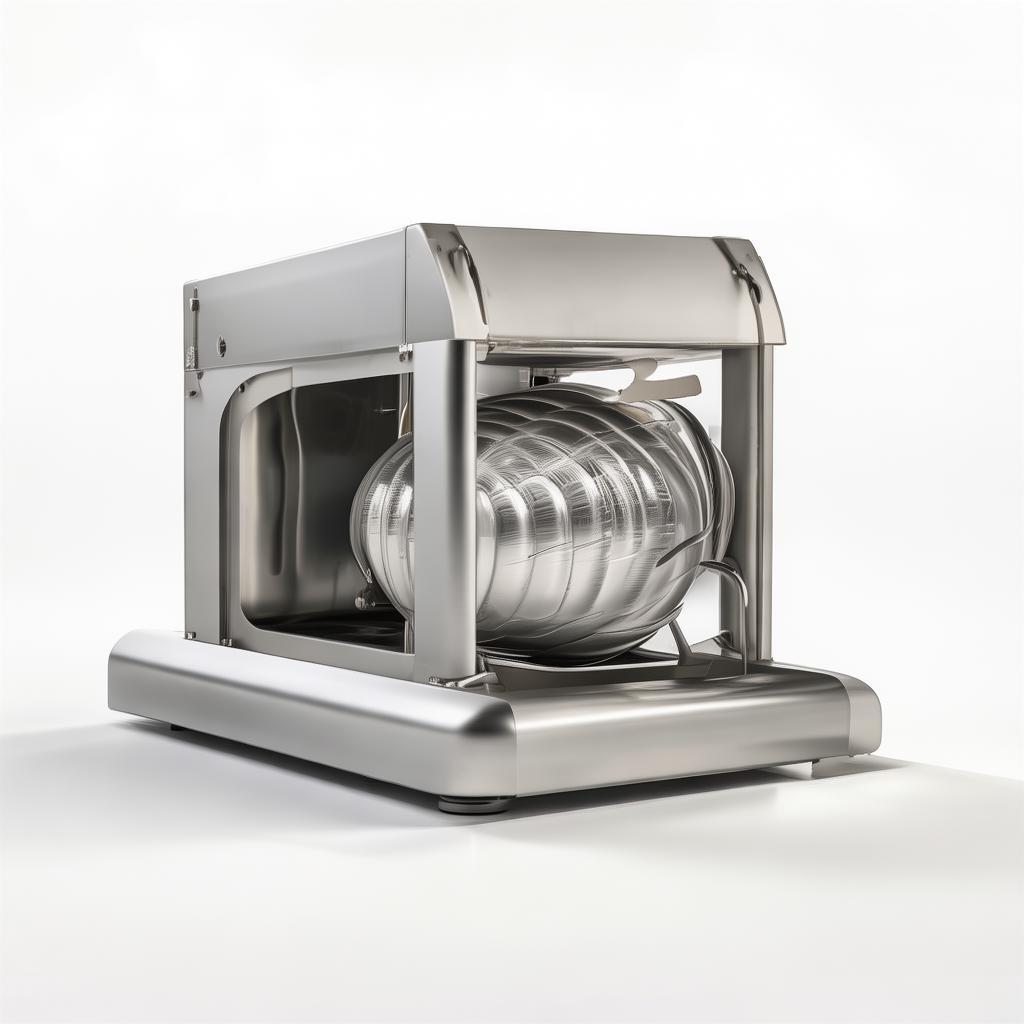
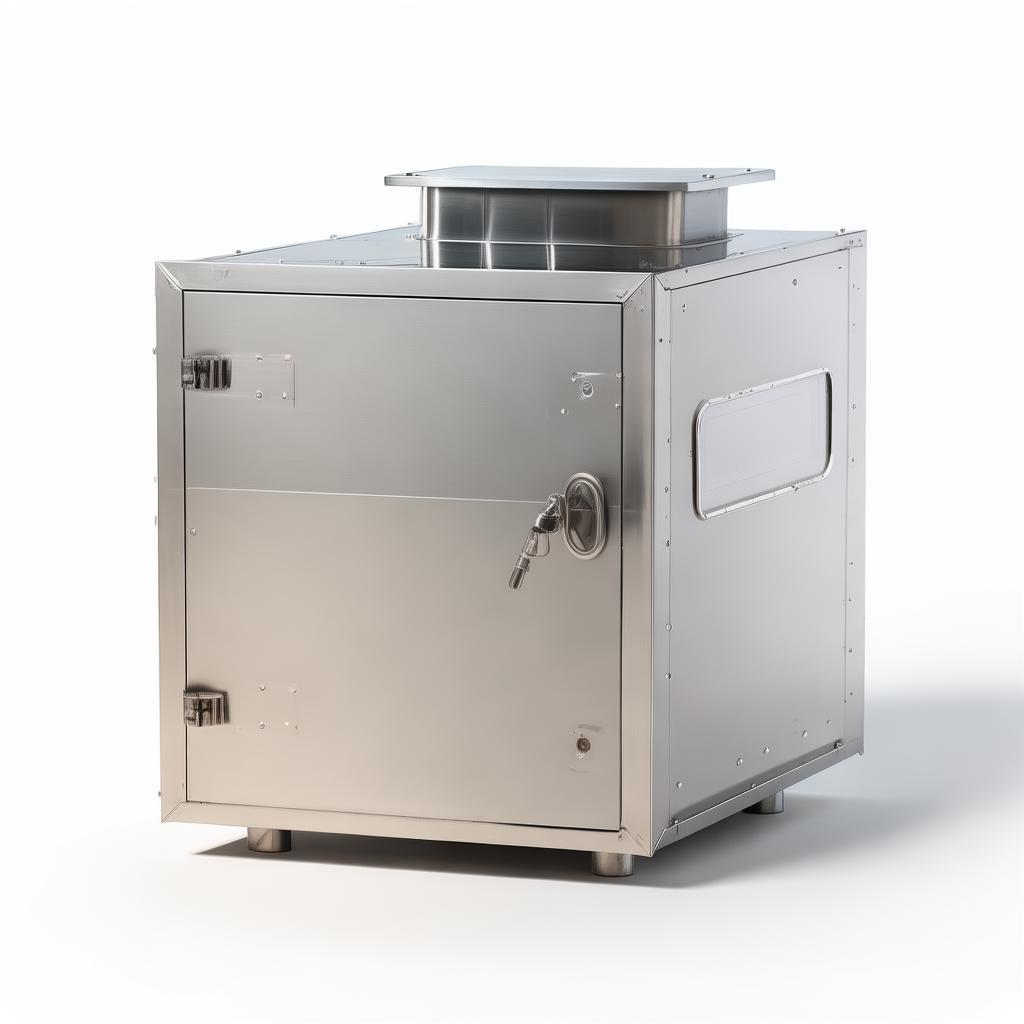
Vacuum Generator Pneumatic Solutions: Precision, Efficiency, and Reliability for Industrial Automation
Empowering Your Manufacturing Processes with Advanced Vacuum Technology
 By Alex Chen, Senior Industrial Automation Engineer
Precision Vacuum for Enhanced Automation
In the fast-paced world of modern manufacturing and international trade, efficiency, precision, and reliability aren't just desirable—they're the bedrock of operational success. For businesses pushing the boundaries in industrial automation, especially those involved in wholesale export and OEM/ODM manufacturing, the seamless integration of components is paramount. This is where advanced vacuum generator pneumatic systems play a crucial, often understated, role. These devices are the workhorses behind countless automated tasks, from delicate pick-and-place operations in electronics assembly to robust material handling in heavy industry.
Understanding the intricacies of pneumatic vacuum generation is key to optimizing your production lines. It's not simply about creating suction; it’s about generating a controlled, consistent, and precise vacuum that interfaces seamlessly with your existing machinery and processes. Whether you're a procurement director sourcing for a new automated line, an operations manager looking to reduce cycle times, or a B2B distributor seeking reliable components, this deep dive will illuminate why investing in high-quality vacuum generators is a strategic imperative. We'll explore their technical underpinnings, practical advantages, and how to select the right solution for your specific demands.
The global market for industrial automation equipment, including sophisticated pneumatic components, is on a significant upward trajectory. Reports indicate the meat processing equipment market, a sector where precision handling is vital, is projected to reach figures exceeding USD 15 billion by 2030, with substantial growth driven by automation and hygiene standards. While our specialty lies in areas requiring robust handling, the principles of precise vacuum application are universal. 【Meat Processing Equipment Market Size, Share Report, 2030 - https://www.grandviewresearch.com/industry-analysis/meat-processing-equipment-market - Key segments include filling & stuffing, massaging & tumbling equipment, driving demand for reliable pneumatic systems.】 This growth underscores a broader industrial trend: the increasing reliance on automated, pneumatically driven systems for enhanced productivity and product quality.
At Hebei Yuanchang Food Mechanism & Technology Co., Ltd., our 40 years of experience since 1986 have honed our expertise not only in food machinery but also in the fundamental mechanical and pneumatic principles that underpin all advanced manufacturing. Our extensive in-house machining capabilities, including Japanese Mazak CNC centers, allow us to produce high-precision components that are critical for the reliable performance of systems like vacuum generators. We understand that in international B2B trade, component quality directly impacts the longevity and efficiency of the entire production line. A faulty vacuum generator can lead to costly downtime, damaged goods, and missed shipping deadlines. This is why we emphasize robust design and meticulous manufacturing.
This page is designed to be a comprehensive resource for anyone evaluating vacuum generator pneumatic solutions. We aim to provide the detailed insights necessary for informed decision-making, moving beyond generic product descriptions to offer practical, operationally relevant information. We will cover everything from the basic principles of how these generators work, through to their application in diverse settings like packaging, robotics, and assembly lines, to help you understand their commercial value and technical nuances.
The search for "vacuum generator pneumatic" often stems from a need to solve specific challenges related to gripping, holding, or moving objects reliably and efficiently. This might involve handling delicate items that cannot withstand mechanical grippers, ensuring a consistent seal in packaging applications, or enabling robotic arms to perform rapid, precise movements. The core functionality of a pneumatic vacuum generator is to convert compressed air into a vacuum, creating a suction force that can be used for these varied purposes. This process is fundamental to many automated systems, driving efficiency and enabling complex manufacturing workflows.
Consider the implications for SaaS and enterprise solutions that rely on automated data capture or product sorting. Even in these seemingly digital realms, the physical interface often involves precise material handling, where vacuum generators are indispensable. The demand for automated solutions is globally recognized; the global processed meat market, for instance, is expected to grow substantially, requiring sophisticated handling technologies. 【Processed Meat Market Size, Share & Growth Report - https://www.fortunebusinessinsights.com/industry-reports/processed-meat-market-100556 - The global processed meat market is projected to grow from USD 750.58 billion in 2026 to USD 1,253.77 billion by 2034 at a CAGR of 6.62%.】 This expansion fuels the need for reliable, high-throughput equipment, including advanced pneumatic components that ensure product integrity and production speed.
Common Industrial Hurdles Our Vacuum Generators Address
In the trenches of international manufacturing and supply chain operations, bottlenecks and inefficiencies are constant adversaries. We've seen firsthand how the right components can dismantle these barriers. Many businesses struggle with:
- Inconsistent Gripping Force: Traditional methods or poorly designed vacuum systems can lead to dropped parts, damaged products, and significant material loss. This is especially critical when handling fragile components or high-value items.
- Slow Cycle Times: The efficiency of a production line is often dictated by its slowest step. Vacuum generators that struggle to evacuate air quickly or maintain a stable vacuum will inevitably slow down the entire process, impacting throughput and cost-effectiveness.
- Complex System Integration: Integrating new components into existing pneumatic or robotic systems can be a major headache. Manufacturers need plug-and-play solutions or easily adaptable designs to minimize engineering time and integration costs.
- High Energy Consumption: Older or less efficient pneumatic systems can be major energy drains. For businesses focused on operational costs and sustainability, reducing compressed air usage is a key consideration.
- Maintenance Downtime: Unreliable components lead to unexpected breakdowns. The cost of labor, lost production, and expedited shipping for replacement parts can be substantial. A robust vacuum generator needs to be built for longevity.
- Environmental Contamination: In sensitive environments like food processing or electronics manufacturing, preventing contamination is paramount. Vacuum systems must be designed to avoid introducing foreign particles or compromising product integrity.
These are not minor inconveniences; they translate directly into lost revenue and damaged client relationships. Our pneumatic vacuum generators are engineered with these specific pain points in mind, offering solutions that deliver measurable improvements.
Consider the complexities in the food processing sector, where hygiene and precision are paramount. The market for meat processing equipment is substantial, with significant investment in technologies that ensure product quality and safety. 【Meat Processing Equipment Market Size, Share & Industry Analysis - https://www.fortunebusinessinsights.com/meat-processing-equipment-market-115455 - The global meat processing equipment market was valued at USD 11.29 billion in 2025 and is projected to reach USD 17.39 billion by 2034 at a CAGR of 5.0%.】 Reliable vacuum handling is crucial for tasks like packaging and component placement in such environments, directly impacting waste reduction and quality control.
The Science Behind Pneumatic Vacuum Generation
At its core, a pneumatic vacuum generator operates on a simple yet powerful principle: the Venturi effect. Compressed air is directed through a specially designed nozzle, creating a high-velocity jet. As this jet passes through a converging-diverging passage, it entrains surrounding air, effectively lowering the pressure in the chamber and creating a vacuum. This vacuum is then available to be connected to a suction cup or other gripping mechanism.
The beauty of this system lies in its simplicity and robustness. Unlike electric vacuum pumps, pneumatic generators require no electricity at the point of use, making them ideal for environments where explosive hazards exist or where electrical wiring is impractical. They are also inherently simpler in design, often with fewer moving parts, which translates to greater reliability and lower maintenance requirements.
Key components typically include:
- Compressed Air Inlet: Where the supply of compressed air is connected.
- Venturi Nozzle: The heart of the generator, responsible for creating the airflow and entrainment.
- Ejector Body: Houses the nozzle and forms the vacuum chamber.
- Vacuum Port: The outlet where the vacuum is drawn, connected to suction cups or other grippers.
- Exhaust Port: Where the entrained air is expelled.
The performance of a vacuum generator is defined by several parameters:
- Flow Rate: The volume of air the generator can evacuate per unit of time (e.g., liters per minute, scfm). This determines how quickly a suction cup can grip and release.
- Maximum Vacuum Level: The lowest pressure achievable, typically expressed in mbar or inHg. This is critical for securely holding the workpiece.
- Compressed Air Consumption: The amount of compressed air required to operate the generator. Lower consumption means reduced energy costs.
- Response Time: The speed at which the generator can achieve and release vacuum.
Our range of vacuum generators is designed to offer optimized performance across these parameters. We utilize precision-engineered components and advanced Venturi designs to ensure high vacuum levels with minimal air consumption. This focus on efficiency directly benefits your bottom line by reducing operational expenses.
The ongoing advancements in materials science and manufacturing precision mean that even seemingly simple components like vacuum generators are constantly evolving. Companies are investing heavily in R&D to improve energy efficiency and adaptability, aligning with global trends toward smarter manufacturing. 【Food Processing Equipment Market Forecast 2036 - https://www.meticulousresearch.com/product/food-processing-equipment-market-5049 - The food processing equipment market (including meat) reaches USD 129.47 billion by 2036, with meat segments driving filling and pretreatment demand.】 This continuous improvement cycle is why selecting a supplier with a strong commitment to engineering excellence is crucial for long-term operational stability.
Why Choose Our Pneumatic Vacuum Generators?
When evaluating vacuum generator pneumatic solutions, the tangible benefits are what truly matter to procurement and operations teams. Our offerings are designed to deliver immediate and long-term advantages:
Enhanced Operational Efficiency
Rapid evacuation and stable vacuum levels mean faster pick-and-place cycles. This directly translates to higher throughput, allowing you to meet demanding production schedules and export commitments. Our generators are optimized for quick response, minimizing idle time.
Reduced Energy Costs
Engineered for minimal compressed air consumption, our generators help reduce your overall energy expenditure. This focus on efficiency is critical for cost management, especially in large-scale industrial operations.
Superior Reliability & Durability
Built with high-quality materials and precision manufacturing processes, our vacuum generators are designed for extended service life. This reduces the frequency of replacements and costly downtime, a crucial factor for international trade where delivery reliability is key.
Compact and Versatile Design
Their compact form factor allows for easy integration into existing systems, even in space-constrained environments. A variety of mounting options and port configurations are available to suit diverse application needs.
High Precision Control
Achieve consistent and precise vacuum levels, essential for handling delicate or irregularly shaped objects. This precision minimizes product damage and ensures secure gripping for every operation.
Low Maintenance Requirements
With minimal moving parts and robust construction, our generators require very little maintenance. This saves on labor costs and ensures your production lines remain operational.
Where Our Vacuum Generators Excel
The versatility of pneumatic vacuum generators makes them indispensable across a broad spectrum of industrial sectors. Their ability to reliably handle diverse materials and shapes makes them a preferred choice for automation.
Robotics and Automation
Essential for robotic end-effectors, enabling pick-and-place of components in assembly lines, palletizing, and material handling. Ideal for robots that need to handle a variety of product sizes and weights.
Packaging Industry
Used for sealing bags and containers, picking and placing items into packaging, and handling delicate products like food items or pharmaceuticals without damage. Ensuring a good seal is critical for product shelf-life.
Electronics Manufacturing
Perfect for handling sensitive electronic components, circuit boards, and semiconductor wafers. The non-contact nature of vacuum gripping prevents damage to delicate circuitry.
Automotive Production
Handling car body panels, glass components, and interior trim parts during assembly. The ability to generate significant holding force is key here.
Woodworking and Furniture
Securing workpieces on CNC machines, handling large panels, and automated assembly processes. Ensuring a firm grip on smooth surfaces is a common requirement.
Printing and Paper Handling
Lifting and positioning sheets of paper, labels, or printed materials for automated printing presses and finishing equipment.
For businesses involved in OEM/ODM manufacturing, selecting a supplier that understands these diverse application needs is crucial. It ensures that the components you source are not just functional but optimized for your specific end-user requirements. The global food processing equipment market continues to grow, with rising demand for processed meats driving innovation in handling and packaging. 【Meat Processing Equipment Market Size, Share & Industry Analysis - https://www.fortunebusinessinsights.com/meat-processing-equipment-market-115455 - Key segments include filling & stuffing equipment, massaging & tumbling (for ripening/tenderizing), cutting, grinding, and smoking machines.】 This market evolution necessitates reliable and efficient auxiliary systems like vacuum generators.
Technical Specifications and Model Selection
Choosing the right vacuum generator involves matching its specifications to the demands of your application. We offer a range of models designed for different performance requirements, from high-flow, high-vacuum applications to low-power, compact solutions. Below is a representative overview of our popular series. For detailed datasheets and custom solutions, please reach out to our technical sales team.
| Model Series | Max Vacuum (mbar) | Airflow (L/min) | Air Consumption (SCFM) | Port Size | Typical Applications |
|---|---|---|---|---|---|
| VG-HighFlow | -850 | 350 | 12.3 | 1/4" NPT | Robotics, Large Item Handling, Palletizing |
| VG-PreciseGrip | -900 | 180 | 6.3 | M5 / G1/8" | Electronics, Delicate Parts, Assembly |
| VG-CompactEvo | -750 | 120 | 4.2 | M5 | Small-Scale Automation, Packaging |
| VG-MultiStage | -920 | 250 (per stage) | 8.8 | G1/4" | High Vacuum Demands, Lifting Heavy Loads |
pneumatic vacuum generators pneumatic vacuum ejector vacuum pneumatic conveying system
When specifying, consider:
- Workpiece Characteristics: Weight, surface porosity, shape, and fragility. Porous materials require higher flow rates.
- Required Holding Force: Calculate the necessary vacuum level and cup surface area.
- Cycle Time Requirements: Faster pick-and-place demands faster vacuum generation and release, pointing towards models with optimized Venturi systems.
- Compressed Air Availability: Ensure your compressed air system can supply the required pressure and flow rate efficiently.
Selecting the correct vacuum generator is a balance between performance, efficiency, and cost. Our engineering team can assist you in making the optimal choice, ensuring your investment delivers maximum ROI.
Practical Insights: Installation and Maintenance
A robust vacuum generator is only as effective as its installation and upkeep. While our generators are designed for minimal maintenance, proper installation is key to unlocking their full potential and ensuring long service life.
Installation Considerations:
- Compressed Air Quality: Always ensure your compressed air supply is clean, dry, and filtered. Moisture and particulate matter are the primary enemies of pneumatic components and can lead to premature wear. Consider inline filters and regulators.
- Hose and Tubing: Use appropriate diameter and length hoses for both the compressed air supply and the vacuum line. Overly long or narrow tubing can restrict airflow, reducing performance. Avoid sharp bends.
- Mounting: Securely mount the vacuum generator to prevent vibration, which can lead to component fatigue over time. Ensure adequate space for exhaust.
- Vacuum Cups: Select vacuum cups suited to the workpiece material and surface. For porous materials, consider high-flow cups or multi-stage generators. Ensure a good seal.
- Integration: If connecting to a PLC or control system, ensure proper wiring for vacuum ON/OFF signals and potentially vacuum sensing.
Maintenance Best Practices:
- Regular Checks: Periodically inspect the generator for any signs of wear, leaks, or damage. Listen for unusual noises.
- Air System Maintenance: Adhere to a schedule for draining air receivers and cleaning filters for your entire compressed air system. This is the most critical factor for pneumatic component longevity.
- No Lubrication Needed: Most of our vacuum generators are designed for non-lubricated air. Do not introduce lubricants unless explicitly specified for a particular model, as it can degrade internal seals.
- Filter Replacement: If using inline filters, replace filter cartridges as per manufacturer recommendations.
A proactive approach to installation and basic maintenance can save significant costs and prevent disruptions in your international trade operations. We provide comprehensive documentation for all our products to aid your technical teams.
Smart Procurement for Your Automation Needs
Procuring industrial components, especially for international markets, requires a strategic approach that balances cost, quality, reliability, and supplier support. When sourcing vacuum generator pneumatic systems, consider these points:
- Supplier Experience: Look for manufacturers with a proven track record in industrial automation and pneumatic components. Companies with extensive manufacturing experience, like ours with 40 years in the field, bring invaluable practical knowledge.
- Technical Support: Can the supplier offer pre-sales technical consultation and post-sales support? This is crucial for selecting the right product and troubleshooting any issues. Access to experienced engineers is a significant advantage.
- Customization (OEM/ODM): If you require specific features or integrated solutions, inquire about OEM/ODM capabilities. A factory that can produce high-precision, non-standard components offers greater flexibility.
- Lead Times and Logistics: Understand the production lead times and the supplier's experience with international shipping. Reliable delivery is paramount for maintaining project schedules and client commitments. We manage our production and logistics to ensure timely exports.
- Quality Certifications: Ensure the manufacturer adheres to relevant international quality standards (e.g., ISO). This is a strong indicator of consistent product quality and manufacturing processes.
- Total Cost of Ownership (TCO): Don't just look at the unit price. Factor in energy consumption, maintenance costs, expected lifespan, and potential downtime. A slightly higher initial investment in a reliable unit often yields lower TCO.
In the B2B international trade landscape, choosing a partner is as important as choosing a product. We pride ourselves on transparency, reliability, and a deep understanding of our clients' operational needs.
The demand for efficient material handling and automated solutions is a global trend, impacting various sectors from manufacturing to food processing. 【Meat Processing Equipment Market - https://www.marketresearchfuture.com/reports/meat-processing-equipment-market-21807 - The meat processing equipment market is projected to reach USD 15.44 billion by 2035 at a CAGR of 5.6%.】 This broad demand highlights the need for robust and adaptable pneumatic systems that can support diverse operational requirements.
Our Manufacturing Edge: Precision and Experience
At Hebei Yuanchang, our 40 years of experience since 1986 are deeply embedded in our manufacturing capabilities. We don't just assemble components; we engineer and produce them with an unwavering commitment to quality and precision. Our facility covers 14,000 square meters, staffed by 80-100 dedicated professionals who bring expertise from R&D to sales.
What sets us apart is our comprehensive in-house machining workshop. Equipped with over 20 sets of advanced processing machinery, including lathes, milling machines, high-precision grinding machines, and wire cutting equipment, we have complete control over the quality of every part we produce.

Precision machining of critical components.

Commitment to international quality standards.
The strategic introduction of 8 Japanese Mazak CNC machining centers in 2012 was a significant step, enabling us to undertake the production of high-standard components demanding large volumes, extreme precision, and non-standard specifications. This capability is directly applicable to the intricate designs required for high-performance vacuum generators. We can independently produce these high-precision parts, ensuring that our clients receive components that meet the most stringent requirements, backed by our traceable after-sales management system. This vertical integration allows us to maintain quality control and responsiveness that is difficult for competitors to match.
Whether you require standard vacuum generators or custom-engineered solutions under an OEM/ODM agreement, our factory is equipped to deliver. We understand the complexities of international B2B trade and are committed to providing robust, high-quality products that enhance your automation and manufacturing processes.
Quality Assurance and Industry Certifications
For international buyers, certifications are a critical benchmark for quality, safety, and compliance. They represent a supplier's commitment to rigorous standards and provide a level of assurance for your procurement decisions.
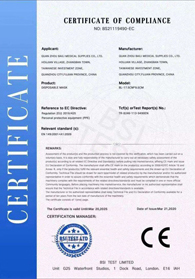


Our manufacturing processes adhere to strict quality control protocols, and many of our products are designed to meet or exceed international standards such as ISO 9001 for quality management. Products intended for specific markets may also carry CE marking, demonstrating conformity with health, safety, and environmental protection standards within the European Economic Area, or RoHS compliance, ensuring restrictions on hazardous substances. This dedication to compliance is fundamental to our role as a trusted supplier in the global marketplace.
By choosing Hebei Yuanchang, you are partnering with a manufacturer that prioritizes quality and regulatory compliance, ensuring your supply chain is robust and your operations are protected.
Frequently Asked Questions
- Q: How do I select the correct vacuum generator for my application?
- Q: Can your vacuum generators be used with porous materials?
- Q: What is the expected lifespan of your pneumatic vacuum generators?
- Q: Do you offer OEM/ODM services for vacuum generators?
- Q: What is the typical lead time for international orders?
Client Testimonials: Real-World Impact
Hear directly from businesses that have integrated our vacuum generator pneumatic solutions into their operations.

"We were struggling with consistent pick-and-place for our electronic components. The VG-PreciseGrip series has been a game-changer. Cycle times are down, and we've virtually eliminated component damage. Excellent support from their engineering team made the integration seamless."
Sarah Jenkins, Operations Manager, TechSolutions Inc. (USA)
"For our automated packaging line, reliability is everything. The VG-HighFlow generators provide the robust performance we need, handling varying product sizes with consistent vacuum. Their export process was smooth, and the quality is exactly what we expected from an experienced manufacturer."
Mark Peterson, Procurement Director, GlobalPack Logistics (Canada)
"We needed a custom solution for handling large automotive panels. Hebei Yuanchang not only understood our complex requirements but delivered OEM units that exceeded performance expectations. Their advanced CNC capabilities were evident in the precision of the components."
David Lee, Lead Engineer, AutoMotive Systems (UK)We are proud to contribute to the success of businesses worldwide, delivering automation solutions that drive efficiency and reliability.
Ready to Enhance Your Automation?
Discover how our precision-engineered vacuum generator pneumatic systems can optimize your manufacturing processes, reduce operational costs, and boost productivity.