Pneumatic Vacuum Generators
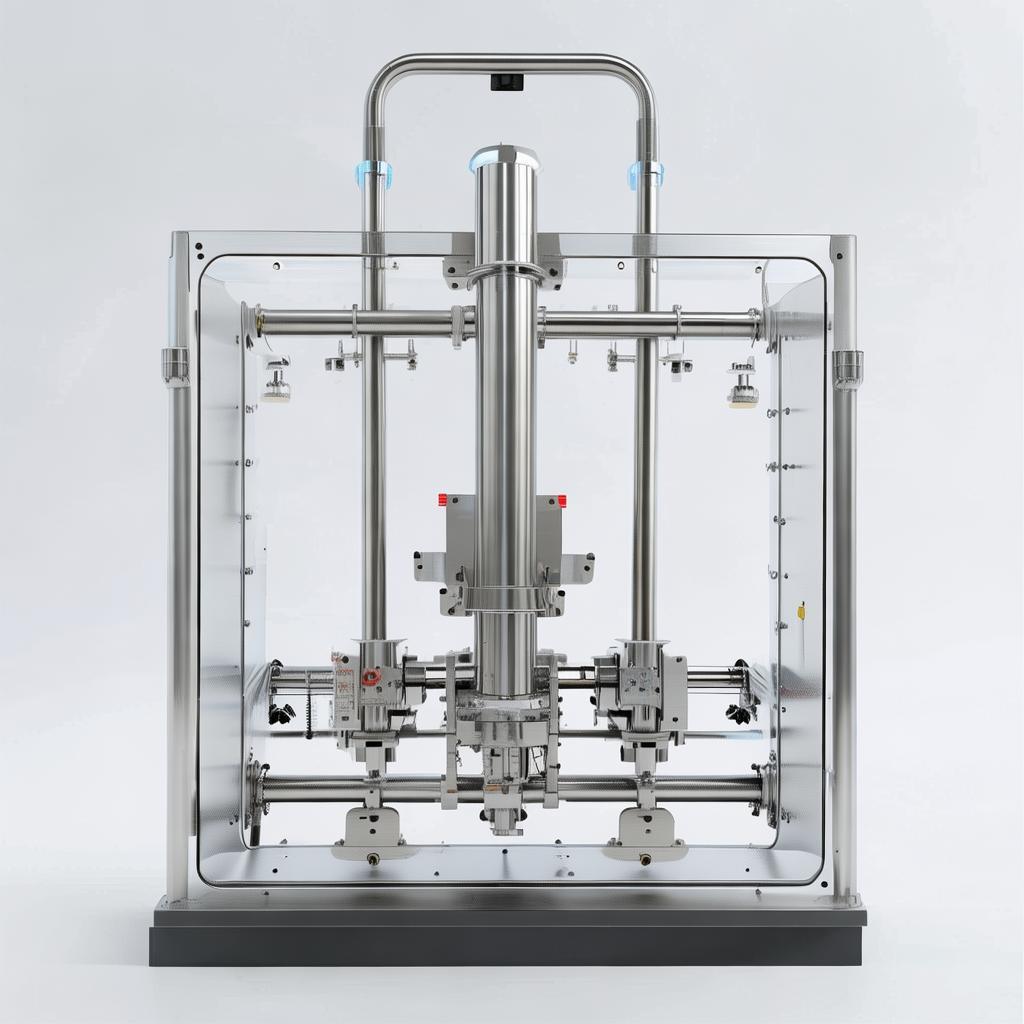
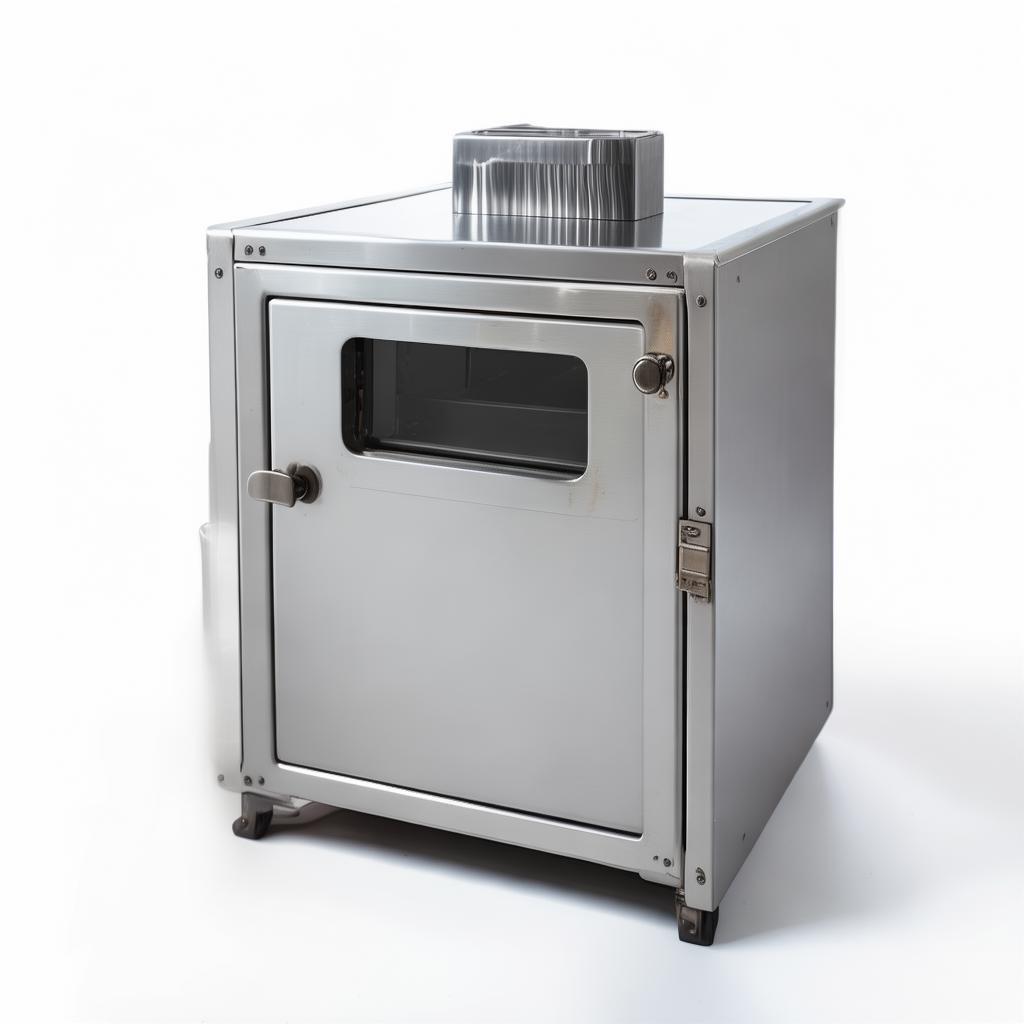
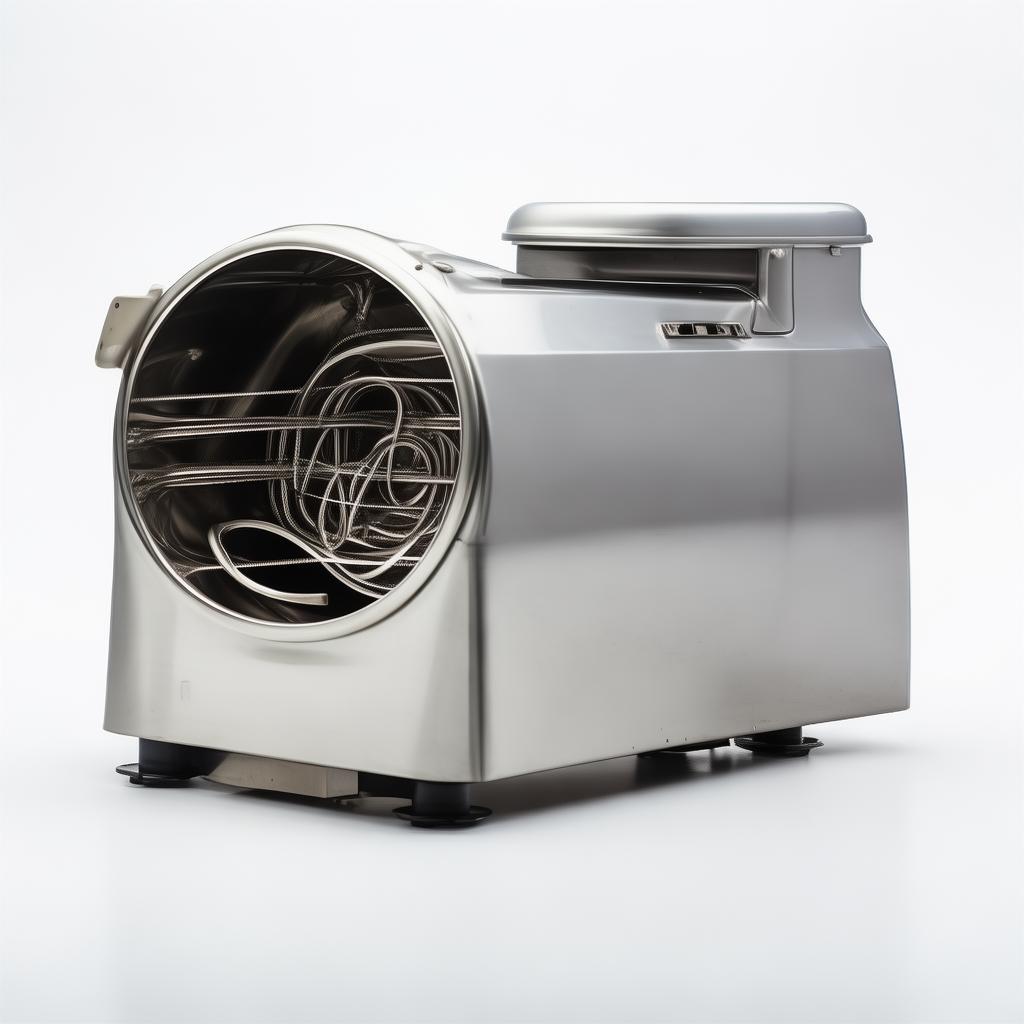
Pneumatic Vacuum Generators: The Backbone of Efficient Material Handling
Precision, Speed, and Reliability for Demanding Industrial Applications

Authored by: Alex Chen, Senior Industrial Automation Specialist
Table of Contents
- Introduction: Understanding Pneumatic Vacuum Generators
- Operational Challenges & The Vacuum Solution
- The Core Mechanics: How Pneumatic Vacuum Generators Operate
- Unpacking the Advantages: Why Choose Pneumatic Vacuum
- Technical Specifications: Finding the Right Fit
- Versatile Applications Across Industries
- Installation & Integration Considerations
- Procurement Insights: What Buyers Need to Know
- Our Manufacturing Prowess
- Quality Assurance & Certifications
- What Our Partners Say
- Frequently Asked Questions
- Ready to Enhance Your Operations?
Introduction: Understanding Pneumatic Vacuum Generators
In the intricate world of industrial automation and material handling, efficiency, precision, and reliability are not just desirable traits; they are absolute necessities. For operations that involve picking, placing, lifting, or holding a wide variety of objects – from delicate electronic components to heavy industrial parts – the method of gripping and moving them is paramount. This is where the unassuming yet powerful pneumatic vacuum generator steps into the spotlight. Far from being a simple component, it’s a sophisticated device that leverages basic physics to create suction, forming the heart of many vacuum gripping systems.
At its core, a pneumatic vacuum generator, often referred to as a venturi vacuum generator or ejector, is a compact module that converts a supply of compressed air into a vacuum. This vacuum is then used to hold an object via a suction cup or other vacuum tooling. The beauty of this system lies in its simplicity of operation, its robustness, and its ability to adapt to diverse handling tasks. Unlike mechanical grippers that require complexctuation and precise alignment, or suction cups that can be prone to leakage, vacuum generators provide a flexible and effective gripping force.
The demand for advanced material handling solutions is continuously growing across numerous sectors. The global meat processing equipment market, for instance, is projected to reach substantial figures, with reports indicating values between USD 11.28 billion and USD 18.3 billion in recent years, and expected growth to over USD 30 billion by 2035. This sector, like many others, relies heavily on efficient handling of products, where vacuum technology plays a crucial role in tasks like filling, molding, and packaging. Similarly, the broader food processing equipment market, expected to exceed USD 100 billion, underscores the pervasive need for reliable automation. For these industries, precision in handling fragile or irregularly shaped items is key. The versatility of pneumatic vacuum generators allows them to be integrated into lines for everything from delicate packaging of processed meats to the robust assembly of automotive components.
Procurement managers and engineers are constantly evaluating solutions that offer not only immediate operational benefits but also long-term value, cost-effectiveness, and ease of integration. Pneumatic vacuum generators fit this brief exceptionally well. They are typically low-maintenance, require minimal space, and can be adapted to specific performance requirements by adjusting air pressure or generator configuration. This adaptability is critical for businesses dealing with diverse product lines or fluctuating production demands. The procurement guidance section will delve deeper into making informed decisions when selecting these units.
Furthermore, in a global market where operational uptime is directly correlated with profitability, the inherent reliability of well-designed pneumatic systems is a significant advantage. The robust manufacturing capabilities behind these generators ensure they can withstand the rigors of continuous industrial operation. This translates into fewer unplanned downtimes and a more predictable production schedule. The technology itself, while appearing straightforward, involves precise engineering to achieve optimal flow dynamics and vacuum levels. Understanding the underlying principles is crucial for maximizing its application.
As we navigate through this discussion, we will explore the fundamental principles that govern these devices, highlight the tangible benefits they bring to various industrial processes, and provide practical insights for selecting, integrating, and maintaining them. Whether you are looking to streamline your current material handling processes, seeking more adaptable solutions for a new production line, or simply aiming to understand the state-of-the-art in vacuum technology, this comprehensive guide to pneumatic vacuum generators is designed to equip you with the knowledge needed to make informed decisions.
"The efficiency gained from adopting a well-engineered vacuum generation system is often underestimated. It's not just about picking up an item; it's about doing it consistently, rapidly, and without damaging the product or the machinery. This is where pneumatic venturi technology truly shines." - Industry Consultant Perspective
Operational Challenges & The Vacuum Solution
Manufacturing and logistics operations often face recurring hurdles that impact productivity, product quality, and bottom-line profitability. Manual handling is labor-intensive and prone to ergonomic injuries. Mechanical grippers can be bulky, slow to actuate, and require specialized tooling for each product variation. Over-reliance on suction cups alone, without an efficient generator, can lead to slow evacuation times and insufficient holding force, especially with porous or uneven surfaces.
Consider the challenges in assembly lines: Rapidly and accurately positioning small, lightweight components can be difficult. Traditional pick-and-place mechanisms might be too imprecise or too slow. In the packaging industry, handling diverse materials – from rigid plastic trays to flexible bags of product – demands a gripping solution that can adapt quickly without crushing the contents.
For businesses involved in food processing, the need for gentle yet firm handling of products, ensuring both product integrity and hygiene compliance, is paramount. The global processed meat market's growth, estimated to reach over USD 1.3 trillion by 2035, highlights the increasing demand for specialized handling equipment that can manage raw and processed items efficiently. This often involves picking products from conveyors, placing them into molds, or transferring them for packaging – tasks where vacuum gripping excels.
Even in sectors dealing with raw materials or finished goods logistics, moving items like bags of product, small boxes, or even sheet materials presents challenges. Ensuring a secure grip without damaging the surface or losing product integrity during transit is critical. The labor cost associated with manual movement, combined with the inherent risks of dropped items, makes automated solutions a necessity. The Grand View Research report notes the projected growth in meat processing equipment, emphasizing the role of automation in improving hygiene and labor efficiency – areas where vacuum technology is a key enabler.
This is precisely where a well-designed pneumatic vacuum generator offers a compelling solution. By converting compressed air into a powerful, controllable vacuum, these generators enable suction cups to reliably grip a vast array of items. They are:
- Compact and Lightweight: Easily integrated into robotic end-effectors or automated machinery without adding significant bulk.
- Fast Acting: Can generate vacuum and release objects rapidly, crucial for high-speed pick-and-place applications.
- Versatile: Adaptable to different object shapes, sizes, and surface properties with the right suction cup selection.
- Durable and Low Maintenance: With few moving parts, they offer a long operational life and minimal upkeep.
- Cost-Effective: Generally lower initial investment and operating costs compared to other gripping technologies.
The market analysis across various processing industries confirms a consistent trend towards automation driven by efficiency needs. Pneumatic vacuum generators are a foundational technology in achieving this automation.
"We used to spend hours manually placing these delicate pastry items. The risk of damage was high, and consistency was a nightmare. Implementing vacuum gripping with high-speed generators changed everything. Now, it's automated, fast, and the waste rate dropped significantly." - Operations Manager, Bakery Production
The Core Mechanics: How Pneumatic Vacuum Generators Operate
The fundamental principle behind a pneumatic vacuum generator is the Venturi effect. It’s a concept familiar to many engineers, demonstrating how a fluid's velocity increases as it passes through a constricted section of a pipe, leading to a drop in pressure. In a vacuum generator, this principle is harnessed to create suction.
Here’s a simplified breakdown of the process:
- Compressed Air Input: Clean, dry compressed air is supplied to the generator at a specific pressure. This is the energy source.
- Orifice and Constriction: Inside the generator, the compressed air is forced through a carefully engineered nozzle or orifice. This constriction accelerates the air to a high velocity.
- Pressure Drop (Venturi Effect): As the high-speed air stream passes through the narrowest point, the pressure within that area drops significantly below atmospheric pressure. This is the created vacuum.
- Ejection and Vacuum Port: The low-pressure area is strategically located adjacent to a port that connects to the suction cup or vacuum tooling. This pressure differential draws air from the suction cup, evacuating it and creating the holding force.
- Exhaust: The high-velocity air, now mixed with any evacuated air, is expelled through an exhaust port, typically to atmosphere. This continuous flow of air maintains the vacuum as long as the supply is active.
Many modern pneumatic vacuum generators incorporate additional features for enhanced performance:
- Multi-Stage Ejectors: For applications requiring deeper vacuum or faster evacuation rates, multi-stage designs use a series of Venturi nozzles, each building upon the vacuum created by the previous one.
- Integrated Solenoid Valves: These allow for precise on/off control of the vacuum supply, typically controlled by the automation system (PLC). This ensures immediate vacuum generation when needed and rapid release when the grip is no longer required.
- Air Saving Systems: Some advanced generators feature logic that allows them to stop consuming compressed air once a target vacuum level is reached, significantly reducing energy consumption during prolonged gripping cycles.
- Filter and Silencer: Built-in filters protect the delicate internal components from particulate contamination, while silencers reduce the noise from the exhaust air, improving the working environment.
The technical specifications for these generators typically include their performance curves, showing vacuum level achievable at different supply pressures and flow rates. Understanding these curves is key to selecting a generator that can handle the required load, considering factors like the weight of the object, the type of suction cup used, and the surface porosity.
Practical Note: The efficiency of a vacuum generator is often measured by its Air Consumption Rate (ACR). Lower ACR means less compressed air is used to achieve the same vacuum level, leading to energy savings. This is a critical factor for large-scale operations looking to optimize costs.
"The elegance of the Venturi principle in a compact device is remarkable. We've seen implementations where a simple change from a less efficient generator to a high-performance one led to noticeable reductions in compressed air usage, directly impacting energy bills." - Manufacturing Process Engineer
Unpacking the Advantages: Why Choose Pneumatic Vacuum
When evaluating material handling technologies, the benefits of a pneumatic vacuum generator system often emerge as a clear choice for many applications. Beyond the basic function of creating suction, these systems offer a compelling suite of advantages that translate into real-world operational improvements.
1. Simplicity and Reliability
Pneumatic vacuum generators, particularly Venturi-type units, have very few moving parts. This inherent mechanical simplicity means less wear and tear, fewer potential failure points, and a consequently high degree of operational reliability. They are not sensitive to dust or dirt in the same way as some mechanical systems, and their robust construction allows them to operate in demanding industrial environments. This translates directly into reduced maintenance downtime and more consistent production.
2. High Speed and Responsiveness
Compressed air allows for very rapid actuation. Vacuum generators can build vacuum and release it almost instantaneously upon signal. This speed is critical for high-cycle applications, such as those found in automated assembly, packaging, and palletizing where thousands of pick-and-place operations occur daily. The ability to quickly grip and release items maximizes throughput and efficiency. Many industry reports highlight the drive for automation and speed in processing lines, a direct benefit enabled by fast vacuum systems.
3. Adaptability and Versatility
A single pneumatic vacuum generator can be paired with various types and sizes of suction cups to handle an enormous range of objects. Whether it's a flat, smooth surface, a slightly curved one, or even a porous material (with specialized cups), there’s usually a vacuum solution. This versatility makes them ideal for operations that handle diverse product types or change configurations frequently. The application scenarios section will detail this further.
4. Compact Footprint and Lightweight Design
These generators are typically very small and light. This allows them to be mounted directly onto robotic arms or end-effectors, close to the point of suction. This proximity minimizes response times and reduces the risk of air leaks. Their compact size also means they don't require significant mounting space, making them suitable for integration into existing machinery with limited room.
5. Cost-Effectiveness
Compared to many other gripping technologies, pneumatic vacuum systems offer a very attractive cost-benefit ratio. The initial purchase price of the generator and suction cups is generally lower, and their simple design leads to lower installation and maintenance costs. Furthermore, advanced models with air-saving features can significantly reduce operational energy costs. This makes them a prudent choice for ROI-driven procurement decisions.
6. Safety Features
When properly implemented with appropriate safety measures (like vacuum monitoring switches or backup systems), pneumatic vacuum gripping can be very safe. In the event of a complete power failure, the vacuum is lost, and the item is released gently, avoiding complex mechanical pinch points or uncontrolled drops. This inherent fail-safe characteristic is crucial in many automated environments.
Industry Insight:
Many market reports on meat processing equipment highlight the need for solutions that balance speed, hygiene, and gentle product handling. Pneumatic vacuum generators, coupled with appropriate suction cups and control systems, are perfectly suited to meet these demands, whether for filling, molding, or packaging delicate food items.
"The simplicity is what first caught my eye. Our old pneumatic grippers were prone to jamming. Switching to Venturi-based generators meant less time spent troubleshooting and more time producing. The impact on our OEE was measurable." - Maintenance Supervisor
Technical Specifications: Finding the Right Fit
Selecting the appropriate pneumatic vacuum generator is crucial for ensuring optimal performance, efficiency, and reliability in your material handling application. It’s not a one-size-fits-all scenario; a careful consideration of several key technical parameters is required.
Key Parameters to Consider:
| Parameter | Description & Importance | Impact on Application |
|---|---|---|
| Flow Rate (L/min or CFM) | The volume of air the generator can move to create and maintain vacuum. Usually specified at a standard vacuum level. | Crucial for suction cup performance. Higher flow rates are needed for larger cups, porous materials, or faster cycle times to overcome leakage. Insufficient flow leads to dropped parts. |
| Vacuum Level (mbar or inHg) | The depth of the vacuum produced, measured relative to atmospheric pressure. Typically specified at a given supply pressure. | Determines the holding force achievable. Must be sufficient to overcome the weight of the object, plus a safety margin, accounting for factors like acceleration and surface imperfections. |
| Supply Air Pressure (bar or psi) | The operating pressure range for the compressed air supply. | Generators are optimized for specific pressure ranges. Operating outside this range can lead to reduced performance or damage. Must match available plant air supply. |
| Air Consumption (ACR) (L/min or CFM) | The amount of compressed air consumed to generate the specified vacuum and flow. Often specified "at" a certain vacuum level. | Directly impacts operating costs and plant air supply capacity. Lower consumption is always preferable for energy efficiency. Advanced units may have "air saving" modes. |
| Port Size (e.g., M5, 1/4" NPT) | The size of the threaded connections for air supply and vacuum ports. | Dictates the required fittings and tubing sizes. Proper sizing is essential to avoid restricting airflow and impacting performance. |
| Operating Temperature Range (°C / °F) | The ambient and media temperature limits for reliable operation. | Crucial for applications in environments with extreme temperatures, such as near ovens or in refrigerated areas. |
vacuum generator pneumatic pneumatic vacuum ejector vacuum pneumatic conveying system
Beyond these core specs, consider the number of ejectors (single-stage for simplicity, multi-stage for higher performance) and whether integrated features like solenoid valves, filters, and silencers are required. For applications involving food handling, materials compliant with FDA or EU regulations might be necessary, along with designs that minimize potential for contamination.
Case Example: A typical requirement for handling a 1kg object with a 50mm diameter suction cup might need a generator providing at least 100 L/min flow at -500 mbar vacuum, with a safety margin of 2x. The choice of generator would depend on available supply pressure and desired cycle speed. Consulting performance charts provided by the manufacturer is essential.
Our team is experienced in analyzing these requirements and recommending the most suitable pneumatic vacuum generator model for your specific needs. Contact us to discuss your application.
Versatile Applications Across Industries
The inherent flexibility and efficiency of pneumatic vacuum generators make them indispensable across a broad spectrum of industrial sectors. Their ability to handle diverse materials, shapes, and sizes with precision and speed has cemented their role in modern automation.
1. Manufacturing & Assembly
From automotive plants to electronics assembly lines, pneumatic vacuum generators are critical for pick-and-place operations. They reliably handle small components, PCBs, glass panels, car doors, and more. Their speed allows for high-cycle rates required in mass production environments. Entity: PCB handling, automotive assembly, robotics end-effectors.
2. Packaging Industry
In packaging, these generators are used for tasks such as placing lids on containers, forming boxes, lifting and transferring bags of product, and handling flexible packaging materials. Their gentle yet firm grip is ideal for delicate items. The processed meat market report indicates significant growth, driving demand for packaging automation, where vacuum generators are key.
"For our pre-portioned meal kits, consistent and gentle bag handling is non-negotiable. Vacuum gripping ensures we don't tear the packaging and maintain product integrity." - Packaging Line Supervisor
3. Food and Beverage Processing
This is a sector where vacuum technology is extensively utilized. Applications include picking and placing baked goods, confectionery, dairy products, meat products (e.g., sausages, formed patties), and fruits/vegetables. The need for hygiene, gentle handling, and high throughput makes pneumatic vacuum generators a preferred choice. They are integral to filling, molding, and ripening processes assisted by specialized equipment.
"We use them for picking marinated chicken portions directly from trays and placing them onto the cooking line. The controlled grip prevents damage, and the speed is excellent for our production volume." - Food Production Plant Manager
The meat and poultry processing equipment market is projected to reach USD 30.5 billion by 2035, with automation for handling being a major driver.
4. Logistics and Warehousing
Automated palletizing and de-palletizing systems often employ vacuum gripping to handle boxes, bags, and other packaged goods. This significantly speeds up warehouse operations and reduces the physical strain on workers. Entity: Palletizing robots, automated storage and retrieval systems (AS/RS).
5. Material Handling of Sheets and Panels
Industries working with sheet metal, glass, wood, or plastics use vacuum generators for lifting and positioning large, flat, or slightly curved panels. This is common in construction, furniture manufacturing, and automotive body shops.
6. Printing and Converting
In the printing industry, vacuum systems are used to hold paper or film substrates flat against surfaces, ensuring accurate registration and preventing movement during high-speed printing or cutting processes.
Cross-Industry Benefit:
The consistent application of Entity: PLC control and pneumatic principles means that a vacuum generator solution developed for one industry can often be adapted to another with minimal modification, offering a rapid deployment advantage.
"We introduced robotic arms with vacuum gripping to our palletizing line for bagged cement. The previous manual process was slow and hazardous. Now, we can palletize twice as fast, with virtually no product damage and significantly improved worker safety." - Logistics Manager
Installation & Integration Considerations
While pneumatic vacuum generators are designed for straightforward implementation, a few key considerations can ensure a smooth installation process and optimal long-term performance. Getting these details right upfront can prevent troubleshooting headaches down the line.
1. Compressed Air Quality
This is perhaps the most critical factor. Compressed air used for vacuum generators must be clean, dry, and free of oil. Particulates can clog the fine internal passages of the ejector, while moisture and oil can lead to corrosion and premature wear. Investing in a good air preparation unit (filter, regulator, lubricator – though lubricants are often not recommended for vacuum generators themselves, they are crucial for upstream pneumatic components) is essential. Many generator manufacturers specify ISO 8573-1 air quality standards. For demanding applications, consider coalescing filters and dryers.
2. Mounting Location and Proximity
To maximize vacuum performance and response time, the vacuum generator should be mounted as close as possible to the suction cup(s). This minimizes the volume of air that needs to be evacuated and reduces the potential for leaks in the vacuum line. If using multiple suction cups, ensure they are arranged optimally for the object's shape and surface. Entity: End-effector design, robot arm integration.
3. Tubing and Fittings
Use appropriately sized and rated tubing for both the compressed air supply and the vacuum lines. Undersized tubing can restrict air flow, reducing performance. Ensure all fittings are securely tightened to prevent air leaks, which are detrimental to vacuum systems. Flexible tubing is often preferred for robotic applications to allow for movement. Consider materials resistant to abrasion and kinking.
4. Electrical Connections (if applicable)
If your generator includes integrated solenoid valves for control, ensure proper electrical connections are made according to the manufacturer's specifications and your automation system's requirements (e.g., PLC voltage, wiring diagrams). Use appropriately rated connectors and cable management to protect wiring from damage.
5. Control System Integration
The vacuum generator will need to be controlled by your automation system (e.g., PLC, robot controller). This typically involves sending a signal to the solenoid valve to enable or disable the compressed air supply, thereby activating or deactivating the vacuum. Consider implementing vacuum monitoring switches to detect if a sufficient vacuum level is achieved before attempting to move an object. This is a critical safety feature for preventing dropped loads. Entity: PLC logic, safety interlocks, sensor integration.
6. Environmental Factors
Consider the operating environment. Extreme temperatures, humidity, corrosive elements, or areas with heavy dust or debris may require specialized generator materials, IP-rated enclosures, or additional protective measures. For instance, applications in the food industry often require materials compliant with FDA standards and easy-to-clean designs.
Practical Warning: Attempting to run a vacuum generator with significantly higher or lower air pressure than specified can lead to poor performance, increased air consumption, or even damage to the internal components. Always adhere to the manufacturer's recommended operating range.
"We've seen systems underperform simply because the air lines were too long and narrow, or because the air wasn't clean enough. A little upfront attention to installation details saves a lot of operational headaches later." - Senior Field Service Engineer
Procurement Insights: What Buyers Need to Know
Sourcing pneumatic vacuum generators involves more than just comparing part numbers and prices. As a procurement specialist or a plant engineer, understanding the nuances of supplier capabilities, product specifications, and long-term value is key to making a wise investment. This section provides practical advice for navigating the procurement process.
1. Define Your Application Requirements Clearly
Before you even start looking at suppliers, thoroughly document your needs. What is the weight and shape of the items you need to handle? What is the surface texture (smooth, porous, oily)? What is the required cycle rate? What is the operating environment? What is your existing compressed air infrastructure like? This detailed understanding will guide your selection of technical specifications and help you communicate effectively with potential suppliers.
2. Evaluate Technical Performance and Efficiency
Don't just look at the peak vacuum or flow rate. Analyze the Air Consumption Rate (ACR) at your typical operating vacuum. A generator that is slightly less expensive upfront but consumes significantly more compressed air can cost much more over its lifetime. Look for models with integrated air-saving features if your application involves long gripping times. Performance curves are invaluable here.
3. Consider Supplier Expertise and Support
A good supplier offers more than just a product. They provide technical expertise to help you select the right solution, application support, and responsive after-sales service. Can they provide detailed datasheets and performance charts? Do they have engineers available for consultation? What is their lead time for delivery? For international buyers, understanding their export experience and logistics capabilities is crucial. For example, knowing the lead time for manufacturing and shipping can be a make-or-break factor for project timelines.
4. Look for OEM/ODM Capabilities
If you have unique requirements or need custom solutions, inquire about a supplier's OEM/ODM (Original Equipment Manufacturer/Original Design Manufacturer) capabilities. A factory with strong in-house engineering and manufacturing can modify existing designs or develop entirely new ones to precisely fit your application, ensuring optimal performance and integration. Our facility, for instance, is equipped with advanced CNC machining centers enabling us to produce high-precision, non-standard components, a testament to our OEM/ODM strength.
5. Evaluate Quality, Certifications, and Durability
Beyond basic functionality, consider the build quality and materials used. Look for certifications like CE marking, which indicate compliance with European safety standards. While not always directly applicable to vacuum generators, understanding a supplier's overall quality management systems (e.g., ISO 9001) provides assurance. Entity: ISO 9001, CE certification.
6. Factor in Total Cost of Ownership
The initial purchase price is only one part of the equation. Consider the costs associated with energy consumption (compressed air), maintenance, potential downtime, and integration support. A slightly higher upfront investment in a more efficient and reliable unit can yield significant savings over time.
Procurement Risk Mitigation:
Always request samples or arrange for on-site trials if possible for critical applications. Verify supplier credentials and look for long-term partnership potential. Understanding their after-sales management system is vital for continued support.
"When sourcing components like vacuum generators, especially for export, you need a supplier who is transparent about lead times, shipping methods, and has a proven track record of quality. A false economy on a critical component can shut down your entire line." - Global Procurement Director
Our Manufacturing Prowess: Hebei Yuanchang Food Mechanism & Technology Co., Ltd.
At Hebei Yuanchang, we bring over four decades of dedicated experience in precision manufacturing to the production of high-quality pneumatic vacuum generators and related industrial automation components. Established in 1986, our journey has been defined by a relentless pursuit of engineering excellence and customer satisfaction.
A Legacy of Precision Engineering
Our expansive facility, covering approximately 14,000 square meters, houses a team of 80-100 skilled professionals. This team is the driving force behind our integrated approach to R&D, production, and sales. While our roots are in complex food processing machinery, the core competencies developed over 40 years – precision machining, material understanding, and quality control – are directly applied to the manufacturing of our vacuum generation systems.
State-of-the-Art Machining Capabilities
Our in-house machining workshop is equipped with over 20 sets of advanced processing machinery. This includes essential equipment like lathes, milling machines, high-precision grinding machines, boring machines, plate shears, and bending machines. Crucially, since 2012, we have invested in 8 sets of Japanese Mazak CNC machining centers. This investment allows us to undertake the production of high-standard components that demand exceptional precision, large volumes, and non-standard specifications – the very qualities required for reliable vacuum generator internals.
Independent Production for Uncompromised Quality
Our ability to independently produce high-precision parts is a cornerstone of our quality assurance. This vertical integration means we have complete control over the manufacturing process, from raw material to finished product. Coupled with our traceable after-sales management system, this ensures that every component we produce meets stringent quality standards, giving our clients peace of mind.
Our Commitment to Excellence:
We pride ourselves on our OEM/ODM capabilities, leveraging our deep manufacturing experience to serve diverse industrial needs. From custom component production to complete system integration, our factory is geared for precision and reliability.

"The precision of the internal components is paramount for the efficiency and longevity of a vacuum generator. Our investment in Japanese CNC technology and rigorous quality control ensures that every unit leaving our factory performs to the highest standards." - Production Manager
Quality Assurance & Certifications
At Hebei Yuanchang, quality is not an afterthought; it's integrated into every step of our manufacturing process. We understand that for industrial clients, especially those involved in international trade, adherence to recognized standards and certifications is critical for trust, compliance, and performance assurance.
ISO 9001: Quality Management System
We operate under an ISO 9001 certified Quality Management System. This internationally recognized standard ensures that our processes for design, development, production, installation, and servicing consistently meet customer and applicable statutory and regulatory requirements. It signifies our commitment to continuous improvement and customer satisfaction.

CE Marking for European Compliance
Many of our products, including those suitable for integration into systems destined for the European market, are CE marked. This indicates that they conform to the health, safety, and environmental protection standards required for products sold within the European Economic Area (EEA). This certification demonstrates our adherence to rigorous European standards.
Material Compliance and Traceability
For applications in sensitive industries like food and beverage, we ensure that materials used comply with relevant regulations, such as FDA or RoHS standards where applicable. Our robust internal traceability systems mean we can track components and materials throughout the production process, ensuring accountability and facilitating quality control.
Rigorous Internal Quality Control
Beyond external certifications, our internal quality control protocols are extensive. Each pneumatic vacuum generator undergoes multiple stages of inspection and testing, including dimensional checks, functional tests under load, and vacuum leak tests. This multi-layered approach minimizes the risk of defects reaching our customers.
Commitment to International Standards: Our dedication to quality is reflected in our adherence to standards like ISO and our ability to meet specific market requirements through certifications such as CE marking. This ensures our products are reliable and compliant for global distribution.
"When we source components internationally, certifications like ISO and CE are non-negotiable. They provide a baseline assurance of quality and safety that simplifies our own compliance efforts. Yuanchang's clear commitment in these areas is a significant factor." - International Procurement Manager
What Our Partners Say
Hearing directly from our clients provides the best insight into the real-world performance and value of our pneumatic vacuum generators and related solutions. We're proud of the partnerships we've built.

Procurement Lead, Automotion Inc.
"We integrated Yuanchang's vacuum generators into our new robotic assembly cell for handling electronic panels. The performance has been exceptional – consistent vacuum holding, fast cycling, and very low air consumption. Their technical support team was instrumental in helping us select the right model for our specific payload and speed requirements. Highly recommended for precision applications."

Operations Manager, TastyBites Foods
"For our packaging line, handling delicate pastry items, reliable and gentle gripping is crucial. Yuanchang's vacuum generators, paired with their suitable suction cups, have dramatically reduced product damage and improved our overall efficiency. The durability is also impressive; they've been running non-stop for months with no issues. The OEM customization options they offered were a bonus."

Maintenance Supervisor, Industrial Logistics Ltd.
"We needed a robust solution for our automated palletizing system that could handle varying box sizes. Yuanchang's Venturi generators are performing flawlessly. Installation was straightforward, and the low maintenance requirement has freed up our technicians. Their export logistics were smooth, and the communication throughout the process was excellent."
We are proud to be a trusted partner for businesses seeking reliable and efficient material handling solutions.
Frequently Asked Questions (FAQ)
1. What is the primary function of a pneumatic vacuum generator?
Its primary function is to convert a supply of compressed air into a vacuum. This vacuum is then used, typically via a suction cup, to grip and lift objects for material handling applications.
2. How does a Venturi vacuum generator work?
It works on the Venturi principle: compressed air is forced through a constricted nozzle, accelerating the air and creating a low-pressure (vacuum) zone in an adjacent port. This vacuum draws air from the connected suction cup, creating holding force.
3. What is the difference between a single-stage and a multi-stage vacuum generator?
A single-stage generator uses one Venturi nozzle. A multi-stage generator uses several nozzles in series to achieve deeper vacuum levels or faster evacuation rates, often at the cost of higher air consumption.
4. Can pneumatic vacuum generators handle porous materials?
Yes, but they require specific types of suction cups designed for porous surfaces (e.g., cups with a soft sealing lip or a high flow rate generator to compensate for air leakage). The choice of generator and cup is crucial here.
5. How much compressed air do they consume?
Consumption varies greatly depending on the generator's size, design (single vs. multi-stage), and operational settings. Modern, efficient generators are designed to minimize air consumption. Look at the Air Consumption Rate (ACR) in the specifications for comparison.
6. What maintenance is required?
Generally, very little. The primary requirement is ensuring the compressed air supply is clean and dry. Periodic checks for obstructions in the air supply or exhaust ports, and ensuring connections are secure, are good practice.
7. What is the typical lifespan of a pneumatic vacuum generator?
With proper installation and maintenance (especially clean air), pneumatic vacuum generators can last for many years, often exceeding 10-20 million cycles, due to their simple, low-wear design.
8. Can you provide custom solutions or OEM options?
Yes, Hebei Yuanchang specializes in OEM/ODM services. Our advanced manufacturing capabilities, including Japanese Mazak CNC centers, allow us to produce custom components and modify designs to meet specific application needs.
Need more answers? Don't hesitate to reach out. Our technical team is ready to assist you with your specific questions regarding applications, specifications, and integration.
Ready to Optimize Your Material Handling?
Discover how our high-performance pneumatic vacuum generators can enhance your operational efficiency, reduce costs, and improve product handling precision.
Contact us today for personalized solutions and expert advice.