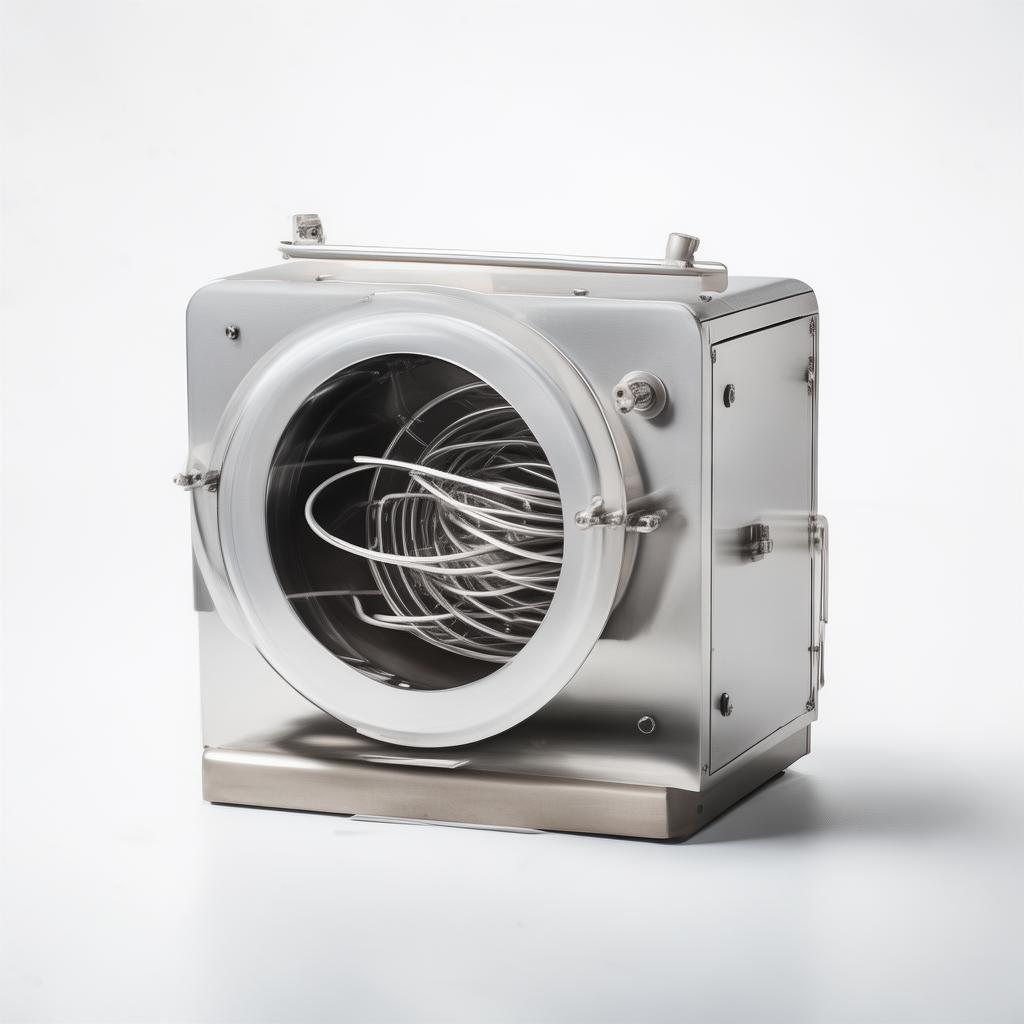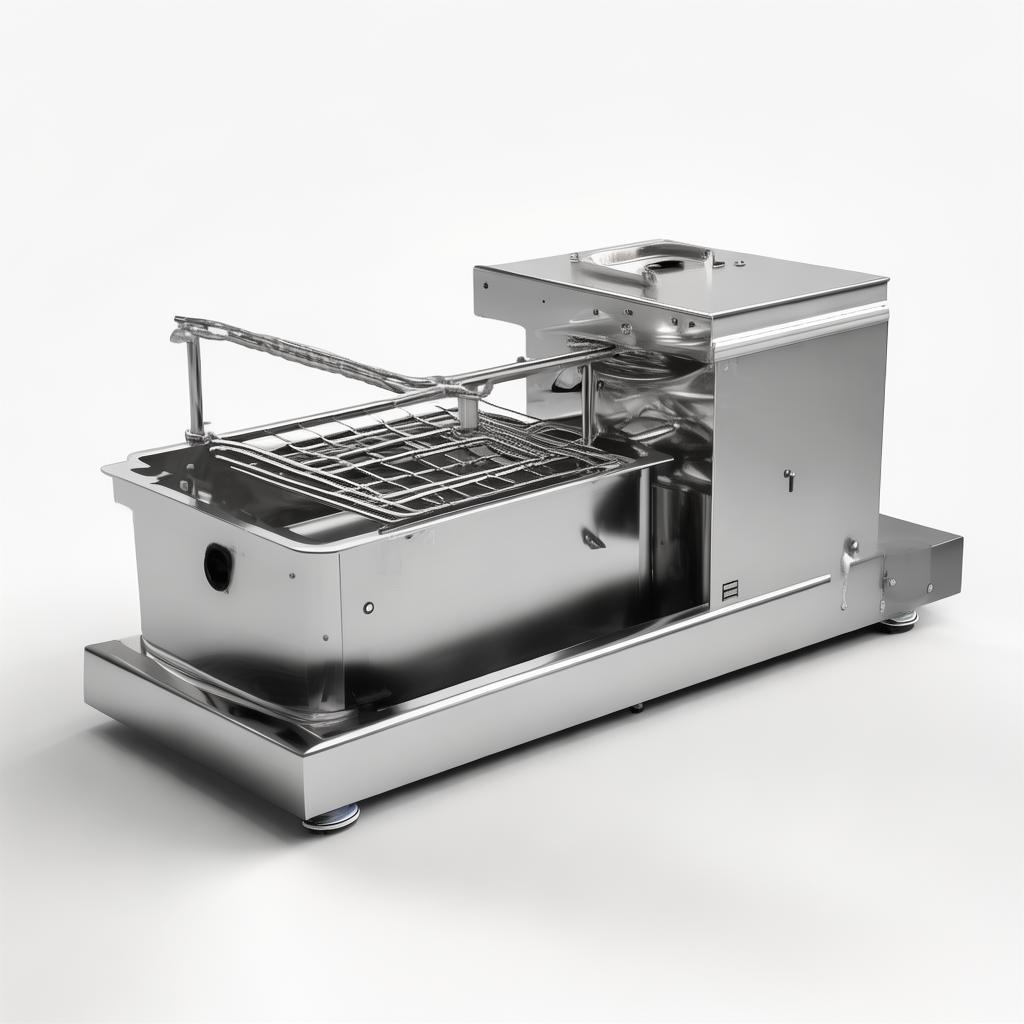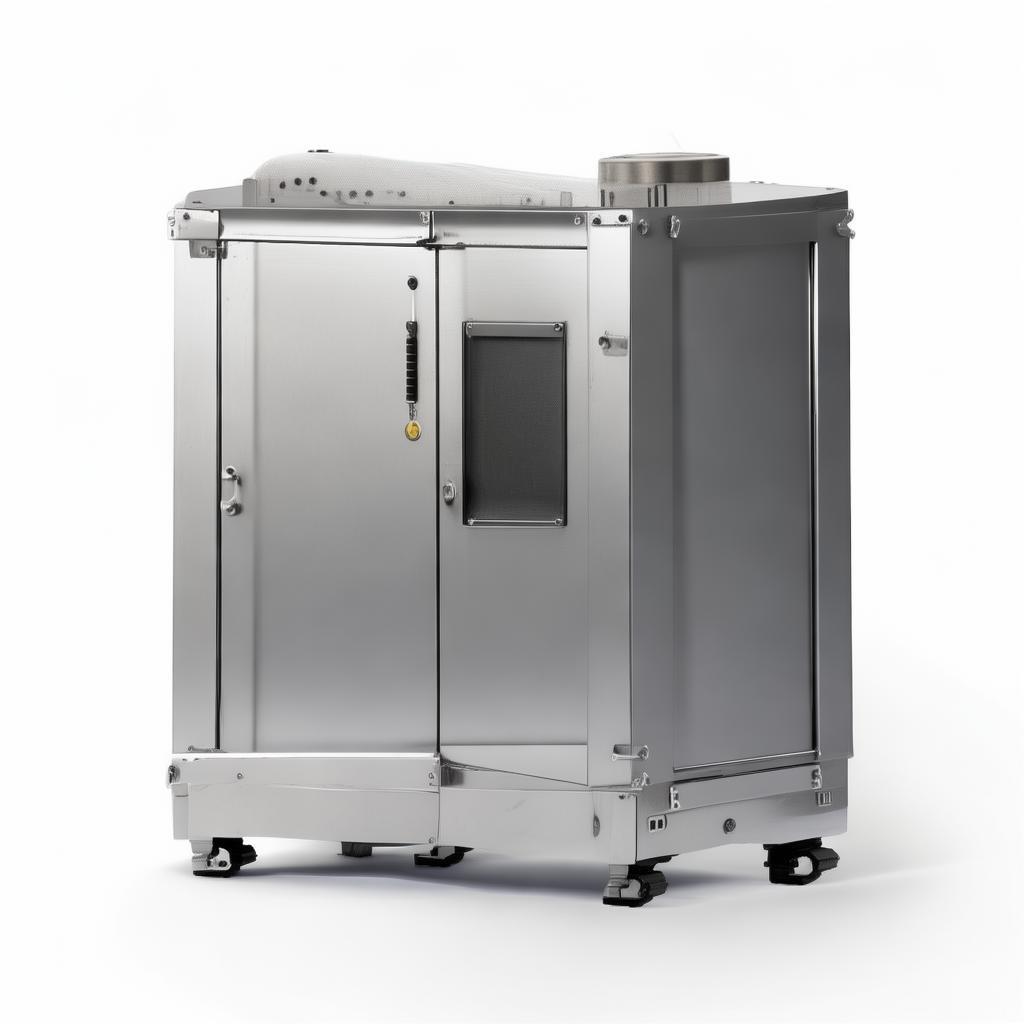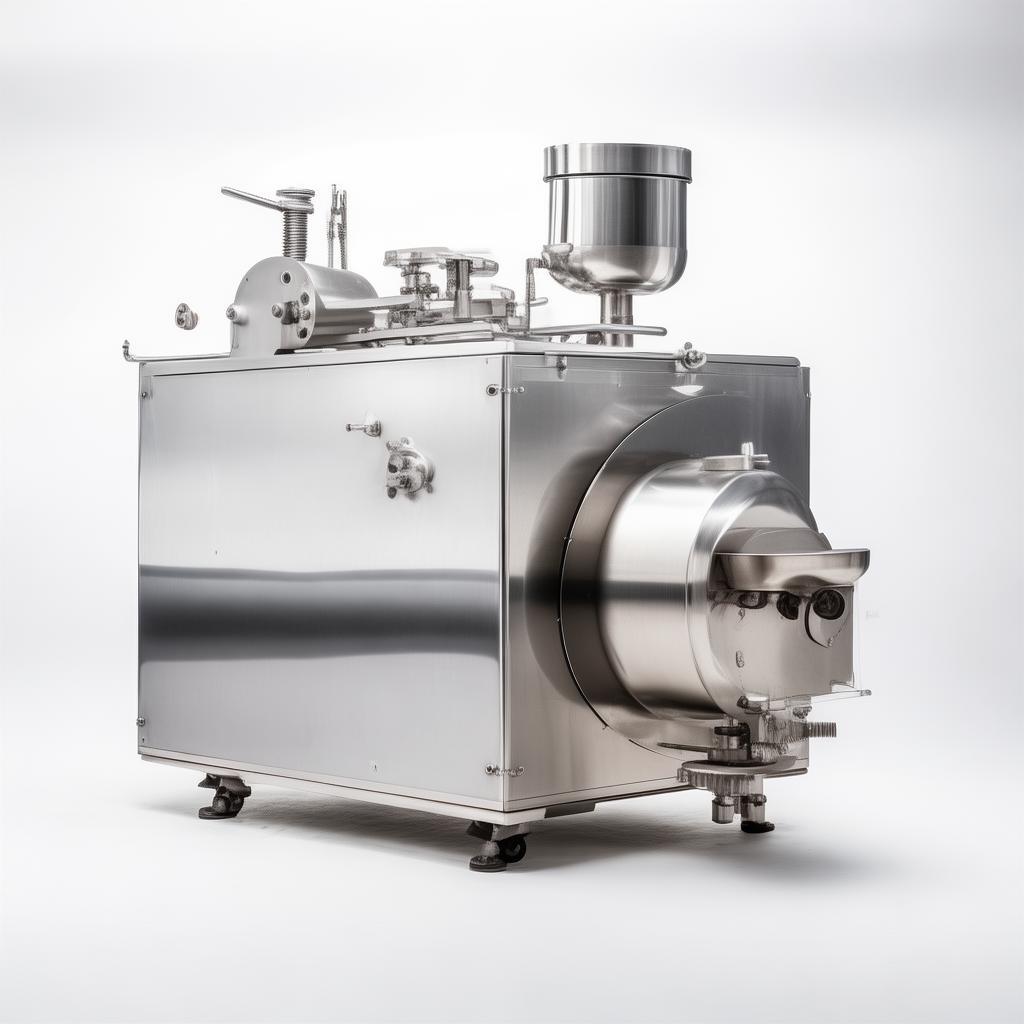
Pneumatic Vacuum System
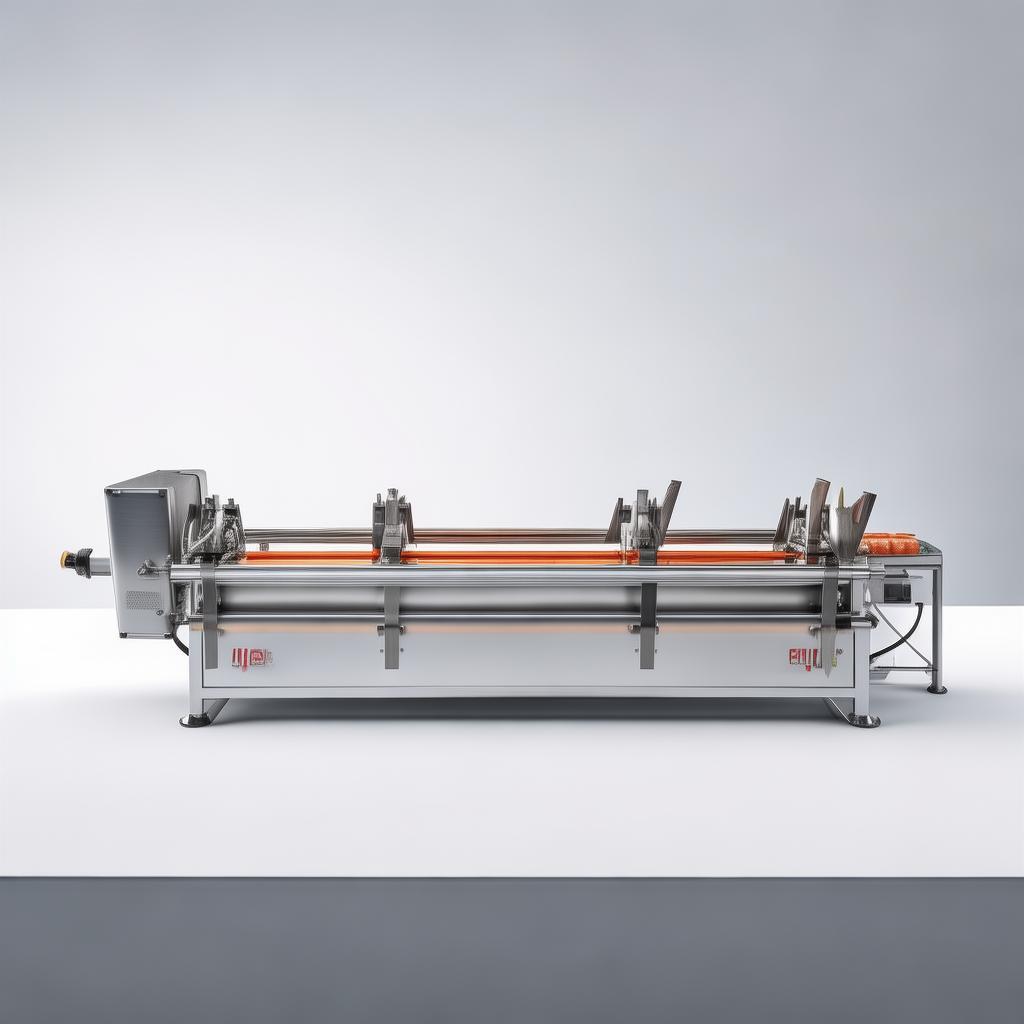
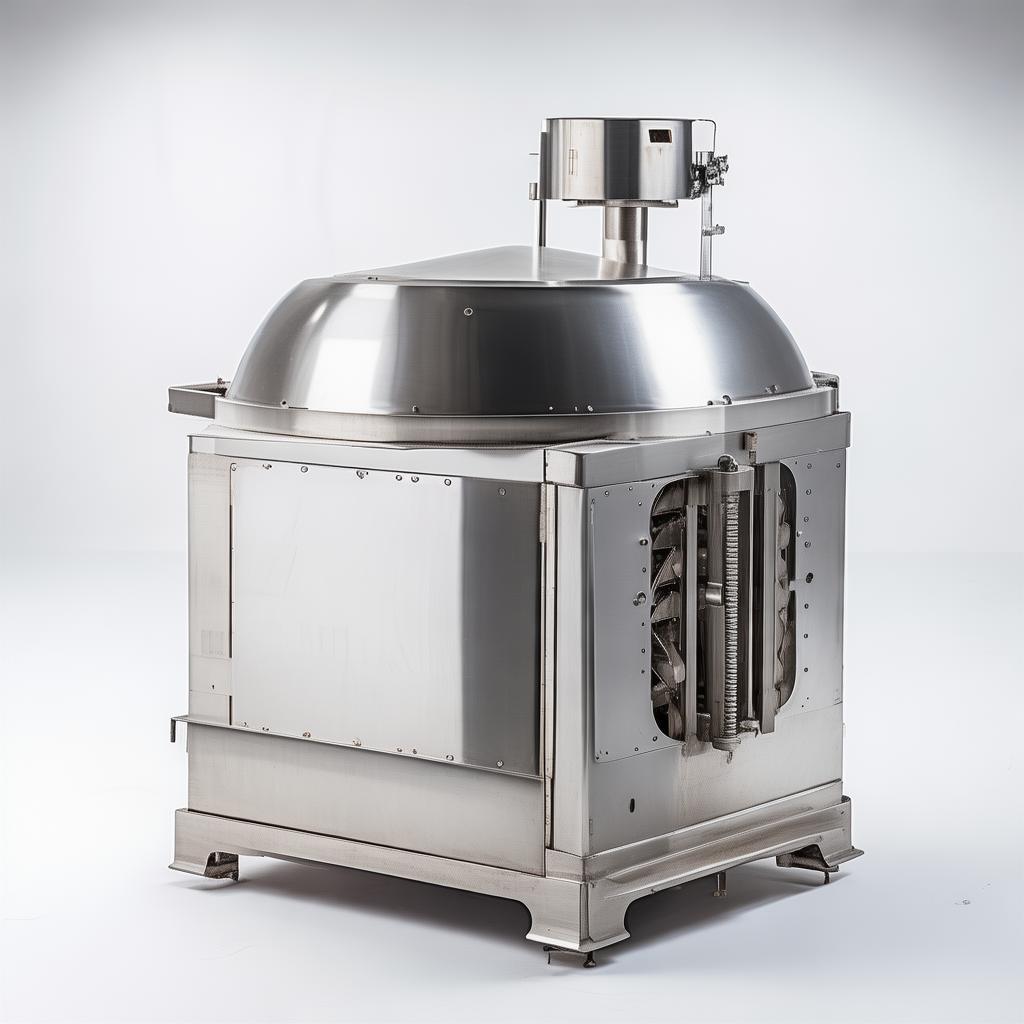
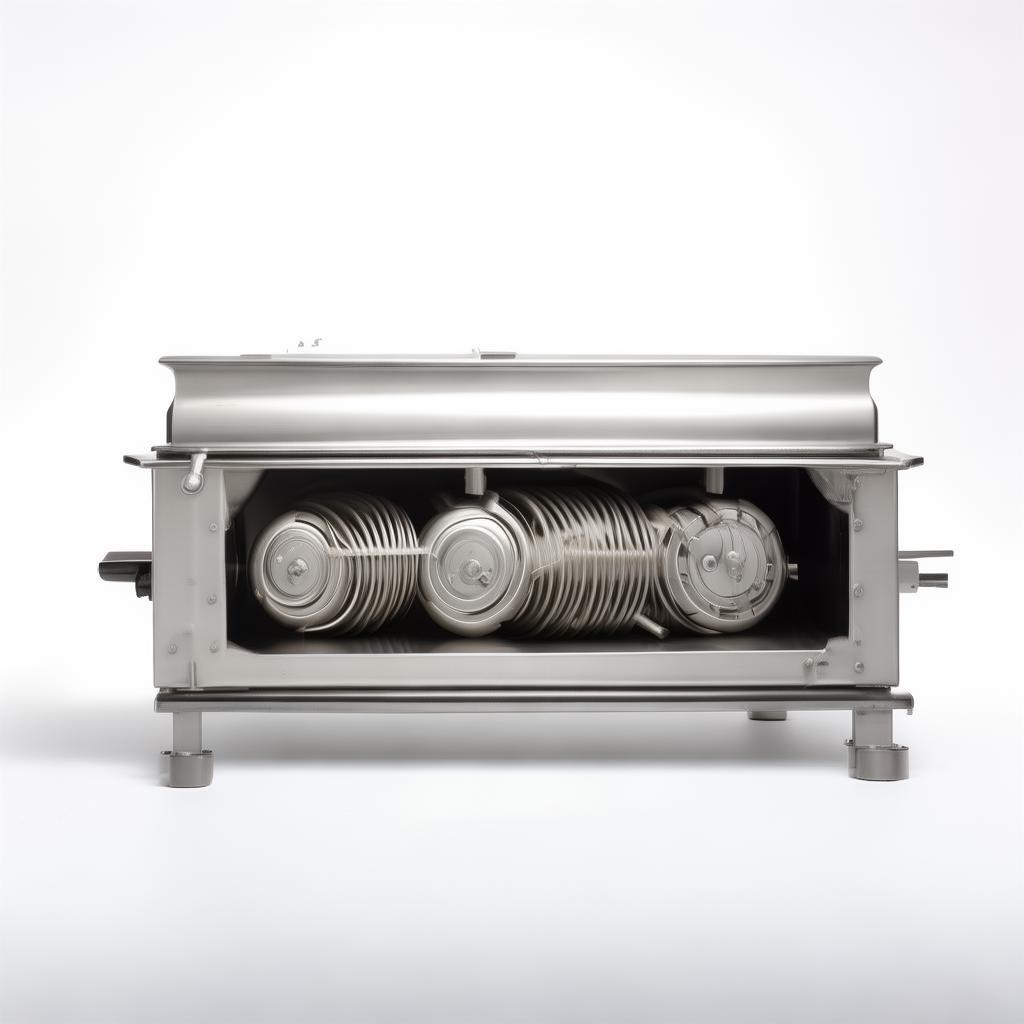

Pneumatic Vacuum Systems: Precision Engineering for Demanding Industrial Applications
By Dr. Anya Sharma, Senior Industrial Process Engineer
Published: October 26, 2023
Unlock unparalleled efficiency and reliability in your material handling and processing operations. This guide delves into the core of pneumatic vacuum systems, exploring their intricate design, diverse applications, and the critical role they play in modern manufacturing and logistics.
Navigating the Complexities of Modern Material Handling: Why Pneumatic Vacuum Systems Matter
In today's fast-paced industrial landscape, the efficient and safe movement of materials is not just a logistical necessity; it's a core determinant of operational success and profitability. Whether you're dealing with granular powders, delicate electronic components, or bulky finished goods, the method of transfer can significantly impact throughput, product integrity, and workforce safety. This is where pneumatic vacuum systems, often misunderstood or overlooked, emerge as indispensable workhorses across a vast spectrum of industries. Unlike older, more rudimentary conveying methods, these systems harness the power of air pressure differentials to move materials through enclosed pipelines, offering a blend of precision, cleanliness, and flexibility that is hard to match.
The global market for meat processing equipment, a sector that frequently relies on robust vacuum conveying for precise filling and product handling, illustrates this trend. Reports indicate the market was valued at over USD 11 billion in 2024, projected to exceed USD 17 billion by 2034. A significant portion of this growth is driven by the need for automation in hygiene-sensitive environments and the increasing demand for processed and convenience meats which require precise material handling at every stage. For instance, filling and molding equipment, critical for sausages and formed products, often integrates vacuum technology for consistent density and shape. Likewise, the demand for ready-to-eat meats accelerates the adoption of automation, where reliable vacuum transfer systems are paramount. This isn't limited to food; imagine pharmaceutical powders being precisely dosed, plastic pellets moved without contamination in an electronics assembly, or bulk chemicals safely transferred in a chemical plant. The underlying principle remains the same: controlled air movement for superior material transport.
At its heart, a pneumatic vacuum system operates on a simple yet powerful physical principle: creating a lower pressure area (a vacuum) within a sealed conveying line. This pressure difference then draws materials from a pickup point into the system and propels them towards a destination, typically a receiver or hopper. The elegance lies in its versatility. By controlling the vacuum level, airflow, and pipeline design, engineers can tailor these systems to handle a remarkable range of materials – from fine, dusty powders that would otherwise create airborne hazards to heavier granules, flakes, or even small, irregular solid objects. This adaptability is crucial for businesses facing diverse product portfolios or fluctuating production demands.
Considering procurement for such a system involves more than just selecting a unit based on capacity. It requires a deep dive into the specific characteristics of the materials being handled: their flowability, abrasiveness, particle size distribution, density, and any sensitivity to heat or shear. An improperly specified system can lead to material degradation, blockages, excessive wear on components, or even safety hazards. This is why understanding the nuances of vacuum conveying—from the types of vacuum generators (e.g., regenerative blowers, liquid ring pumps, rotary vane pumps) to the design of pickup points, filters, diverter valves, and the receiver – is essential for making an informed purchase decision. It's about building a robust, integrated solution, not just buying a piece of equipment. The ultimate goal is enhanced operational efficiency, reduced material waste, improved product quality, and a safer working environment.
Furthermore, the international trade aspect adds another layer of complexity. Sourcing reliable, high-quality pneumatic vacuum systems from reputable manufacturers requires navigating international shipping, customs regulations, and ensuring compliance with regional safety standards (like CE marking in Europe or UL listing in North America). Businesses must also consider the availability of local support and spare parts, especially for critical components that could lead to costly downtime if not readily accessible. This diligence in supplier selection and system specification is what separates efficient, high-performing operations from those that constantly battle material handling inefficiencies.
Our focus today is to demystify these systems, providing you with the operational insights and technical depth necessary to evaluate and select the right pneumatic vacuum solution for your specific needs. We will explore the advantages these systems offer, the technical considerations for implementation, and why partnering with an experienced manufacturer is paramount.
Key Industry Challenges Solved
- Dust and Contamination Control: Enclosed systems minimize airborne particulate, crucial for food safety, pharmaceuticals, and cleanroom environments.
- Material Degradation: Gentle handling reduces breakage and fines for sensitive materials.
- Hazardous Material Transfer: Safely convey chemicals, fine powders, or volatile substances away from personnel.
- Limited Space: Flexible piping can navigate complex plant layouts.
- Manual Handling Risks: Automating bulk material movement reduces worker strain and injury.
- Process Inefficiencies: Continuous, high-volume transfer boosts overall production speed.
Operational Advantages
- High Reliability: Robust designs minimize downtime, unlike bulkier, more complex mechanical conveyors.
- Energy Efficiency: Optimized airflow and vacuum levels can lead to significant energy savings compared to other conveying methods.
- Versatile Material Handling: Suitable for powders, granules, pellets, flakes, and even some small bulk solids.
- Low Maintenance: Fewer moving parts in the conveying line itself mean less wear and tear.
- Scalability: Systems can be designed for small-batch or high-volume continuous operations.
Understanding the Core Components: How a Pneumatic Vacuum System Works
A functional pneumatic vacuum system is a carefully orchestrated assembly of several key components. Each element plays a crucial role in generating, maintaining, and controlling the vacuum pressure required for material transport. Let's break down the typical architecture:
1. Vacuum Generator
This is the heart of the system, responsible for creating the negative pressure. Common types include:
- Regenerative Blowers (Side-Channel Blowers): Ideal for low-to-medium vacuum levels and moderate throughput. They are relatively simple, efficient, and maintenance-friendly.
- Liquid Ring Vacuum Pumps: Offer higher vacuum levels and are excellent for handling dusty or potentially damp materials as the liquid sealant provides cooling and sealing. Require circulation and disposal of sealing liquid.
- Rotary Vane Vacuum Pumps: Provide high vacuum levels and are suitable for applications requiring very low pressures, often used for sensitive materials or deep evacuation. Require oil lubrication and careful filtration.
2. Conveying Pipeline
This network of tubes, typically made from stainless steel, carbon steel, or wear-resistant alloys depending on the material properties, forms the transport path. Pipe diameter, length, and bend radius are critical design parameters affecting airflow and pressure drop.
3. Pickup Point / Inlet Valve
Where the material is introduced into the system. This can range from a simple suction wand or nozzle for manual loading to sophisticated air-operated gates or rotary valves for automated feeding from hoppers, tanks, or process equipment. Precise control here prevents uncontrolled air ingress.
4. Filtration System
Crucial for protecting the vacuum generator and preventing product loss. Typically located between the receiver and the vacuum source, these filters capture fine particles. Bag filters, cartridge filters, or HEPA filters are common, selected based on particle size and material characteristics. Regular filter inspection and replacement are non-negotiable for system longevity and efficiency.
5. Receiver (Optional but Common)
In many dilute-phase or dense-phase systems, a receiver separates the conveyed material from the airstream. This vessel, often equipped with a cone bottom and a discharge valve (like a rotary valve or a butterfly valve), collects the material before it's fed to the next stage of processing. The cyclone effect within the receiver plays a key role in initial material separation.
6. Control System
Manages the system's operation, including vacuum levels, cycle times (for batch operations), and interlocks with other process equipment. This can range from simple start/stop controls to sophisticated PLC-integrated systems for complex automation.
Material Suitability: What Can You Convey with a Pneumatic Vacuum System?
The versatility of pneumatic vacuum conveying is one of its strongest selling points. However, like any technology, it has optimal applications and limitations. Proper material characterization is key to successful implementation.
Ideal Materials for Vacuum Conveying:
- Powders: From fine pigments and pharmaceutical actives to flour, sugar, and cement. Dust control is a major benefit here.
- Granules: Plastic pellets (PET, PVC, PE), coffee beans, grains, fertilizer pellets, small ceramic beads.
- Flakes: Detergent flakes, dried food ingredients, wood shavings.
- Pellets: Various sizes and densities.
- Crystals: Pharmaceutical intermediates, chemical salts.
- Small, Lightweight Solids: Electronic components (with specialized grippers/fixtures), dried herbs, tea leaves.
The global demand for processed and reconstituted meat products, for example, highlights the need for reliable filling equipment. Vacuum systems are integral to achieving consistent product density and shape in sausages, pâtés, and formed meat products. This mirrors the broader trend in food processing, where automation and precision handling are paramount. Reports on the meat processing equipment market frequently cite filling and stuffing machines as key growth areas, underscoring the role of vacuum technology in achieving consistent results efficiently. As the meat processing equipment market is projected to reach USD 17.39 billion by 2034, precision handling systems are indispensable.
Materials Requiring Special Consideration (or Unsuitable):
- Sticky or Hygroscopic Materials: Can clog the system if not properly managed or if humidity is high.
- Large, Irregularly Shaped Objects: May cause blockages unless the system is specifically designed for them.
- Extremely Abrasive Materials: Can cause rapid wear on pipes and components; specialized wear-resistant materials are needed.
- Heat-Sensitive Materials: Conveying air can generate some heat; this needs to be factored in.
- Very Fragile Materials: While gentle, high-velocity conveying can still cause some attrition.
For materials with complex flow characteristics, engineers often perform "flowability tests" to determine factors like angle of repose, density, and particle cohesion. This data directly informs the system design, influencing the required vacuum levels, airflow rates, and the choice of components like diverter valves and discharge gates. For instance, handling fine, cohesive powders might necessitate a dense-phase vacuum system operating at lower velocities but higher pressures to push material effectively without bridging in the pickup area.
Technical Specifications: What to Look For in a Pneumatic Vacuum System
When evaluating pneumatic vacuum systems, particularly from international OEM/ODM partners, understanding the key technical specifications is paramount. These metrics dictate performance, suitability, and ultimately, ROI. We've compiled essential parameters to consider:
| Parameter | Description | Typical Units | Importance |
|---|---|---|---|
| Vacuum Level | The negative pressure generated by the vacuum source. Determines the driving force for material transport. | inHg (inches of Mercury), mbar (millibar), kPa (kilopascals) | CRITICAL: Directly impacts conveying distance, speed, and material handling capability. Too low: poor transport. Too high: potential material damage or excessive energy use. |
| Airflow Rate | The volume of air moved by the vacuum generator per unit of time. Crucial for maintaining material suspension and velocity. | CFM (cubic feet per minute), m³/h (cubic meters per hour) | VERY IMPORTANT: Needs to be matched with material properties and conveying line configuration. Insufficient airflow leads to settling and blockages. |
| Conveying Capacity | The maximum mass or volume of material the system can transport per hour. | kg/hr (kilograms per hour), tph (tons per hour), lbs/hr (pounds per hour) | KEY FOR ROI: Must align with production output requirements. |
| Material Density | The mass per unit volume of the material being conveyed. | kg/m³ (kilograms per cubic meter), lb/ft³ (pounds per cubic foot) | ESSENTIAL for sizing: Directly affects the airflow and vacuum needed to suspend and move the material. |
| Particle Size & Distribution | The range of particle dimensions and how they are distributed. | Microns (µm), mm (millimeters) | IMPORTANT FOR FILTRATION & FLOW: Affects filter selection, potential for clogging, and conveying velocity. |
| Abrasiveness / Friability | The material's tendency to wear down system components or break apart during transport. | Qualitative (e.g., low, medium, high) or specific testing | CRITICAL FOR DURABILITY & PRODUCT QUALITY: Dictates pipe material, bend design, and vacuum generator type. |
| Conveying Distance & Elevation | The horizontal and vertical distance the material needs to be transported. | Meters (m), Feet (ft) | DESIGN DRIVER: Higher values require more powerful vacuum generators and optimized piping. |
| Filter Efficiency | The percentage of particles of a given size captured by the filtration system. | % efficiency (e.g., 99.9% @ 1 micron) | ESSENTIAL FOR PROTECTION & COMPLIANCE: Protects downstream equipment and ensures environmental/product purity. |
vacuum pneumatic conveying system pneumatic vacuum ejector pneumatic vacuum switch
When discussing specifications with a potential supplier, be prepared to provide detailed information about your material. A good manufacturer will ask probing questions to ensure a precise system match. For instance, when specifying for food-grade applications, certifications like FDA compliance or EU 1935/2004 for materials in contact with food are non-negotiable. Likewise, ATEX certification is vital for systems handling potentially explosive dusts.
Applications Across Industries
The utility of pneumatic vacuum systems spans nearly every manufacturing and processing sector:
- Food & Beverage: Transferring powders (flour, sugar, cocoa), grains, coffee beans, spices, dried fruits, and bulk ingredients for filling and packaging. Precise dosing of ingredients is a common application. The meat processing equipment market, expected to reach $15.04 billion by 2030, relies heavily on such precise handling for forming and filling operations.
- Pharmaceuticals: Moving active pharmaceutical ingredients (APIs), excipients, and granules under stringent cleanroom conditions. Contamination control is paramount here, demanding high-efficiency filtration and materials like 316L stainless steel.
- Plastics & Polymers: Conveying raw pellets (PVC, PET, PE, PP), regrind, and powders from storage silos to extruders, injection molders, and downstream processing equipment. Maintaining material integrity is key to final product quality.
- Chemical Processing: Transferring bulk chemicals, additives, pigments, and catalysts safely, especially when dealing with hazardous or dusty materials.
- Minerals & Metallurgy: Handling powders, sand, ores, and metal powders. Wear resistance is a critical factor in these abrasive environments.
- Agriculture: Moving grains, animal feed, seeds, and fertilizer.
- Packaging: Feeding materials into packaging machines for various products.
Consider the intricacies of automated production lines; the global food processing machinery market, projected to exceed $100 billion, integrates countless such systems. For instance, the processed meat market itself, expected to cross $1.2 trillion by 2034, depends on high-volume, precise handling of raw materials and finished product components.
OEM/ODM Capabilities
As a leading supplier, Hebei Yuanchang Food Mechanism & Technology Co., Ltd. excels in offering both standard and custom-engineered pneumatic vacuum systems. Our 40 years of experience, since 1986, allow us to deeply understand the nuances of material handling for diverse industries. We leverage our in-house machining capabilities, including advanced Japanese Mazak CNC centers, to produce high-precision components tailored to your exact specifications. Whether you need a turnkey solution or a specific component upgrade, our team is equipped to deliver.

State-of-the-art machining for precision components.
Installation, Maintenance, and Logistics: Practical Considerations
Implementing and maintaining a pneumatic vacuum system requires foresight. Operational considerations and logistics play a significant role in the overall lifecycle cost and performance.
Installation Insights
Proper installation is critical. This involves:
- Site Assessment: Evaluating space, power availability, environmental conditions (temperature, humidity), and proximity to material sources and destinations.
- Piping Layout: Designing the shortest, smoothest pipeline path possible, minimizing bends and avoiding sharp transitions to reduce pressure drop and wear.
- Component Placement: Ensuring easy access for maintenance, cleaning, and operation of valves and filters.
- Electrical & Pneumatic Connections: Ensuring proper grounding, wiring, and air supply to all components.
- Commissioning & Testing: Thoroughly testing the system with representative materials before full production begins, adjusting parameters for optimal performance. Rushing this step can lead to significant operational issues down the line.
For international shipments, ensuring all components are well-protected for transit and that installation guides are clear and comprehensive is vital. We provide detailed documentation and can offer remote or on-site support for complex installations.
Maintenance Realities
Routine maintenance keeps the system running efficiently and prevents unexpected downtime:
- Filter Cleaning/Replacement: The most frequent task. Blocked filters drastically reduce vacuum and airflow.
- Vacuum Generator Service: Following manufacturer recommendations for lubrication, seal replacement, and motor checks.
- Pipeline Inspection: Checking for wear, corrosion, or potential leaks, especially at bends and connections.
- Valve and Actuator Checks: Ensuring smooth operation of inlet, discharge, and diverter valves.
- Seal Integrity: Regularly inspecting seals on receivers, manholes, and valves for wear or damage.
A well-maintained system not only performs better but also lasts longer, reducing long-term capital expenditure. Predictive maintenance strategies, using sensors to monitor vibration or temperature on key components like the vacuum generator, can further minimize unplanned downtime.
Logistics and Shipping
For international trade, logistics are a key component of the procurement process. We have extensive experience in:
- Secure Packaging: Ensuring components are protected against shock, moisture, and theft during transit.
- Container Optimization: Maximizing space utilization in shipping containers to reduce freight costs.
- Documentation: Providing all necessary export/import documentation, certificates of origin, and customs declarations.
- Shipping Options: Coordinating with reliable freight forwarders for sea, air, or multimodal transport to major global ports.
- Lead Time Management: Providing realistic production and delivery timelines, factoring in potential customs delays.
Our goal is to make the cross-border procurement process as seamless as possible. We understand that reliable delivery is as critical as system performance itself.
Procurement Guidance: Selecting Your Ideal Pneumatic Vacuum System Partner
Choosing the right supplier for a pneumatic vacuum system is a decision with long-term implications. Procurement managers and engineers need to evaluate several factors beyond just the price tag.
Key Supplier Evaluation Criteria:
- Experience & Expertise: Look for a supplier with a proven track record in your specific industry and application. 40 years in the field, like ours at Hebei Yuanchang, signifies deep knowledge and a robust understanding of complex material handling challenges.
- Technical Capability: Can they offer custom solutions (OEM/ODM) if your needs are unique? Do they have in-house engineering and manufacturing facilities to ensure quality control?
- Material Handling Knowledge: A supplier who understands material science and flow characteristics is invaluable. They should guide you on the best system type (dilute phase, dense phase) and component selection.
- After-Sales Support: Availability of spare parts, technical assistance, and service globally is crucial for minimizing downtime. A traceable after-sales management system is a strong indicator of commitment.
- Certifications & Compliance: Do their products meet relevant international standards (e.g., CE, ISO)? Are materials compliant with industry-specific regulations (e.g., FDA for food)?
- References & Case Studies: Request examples of similar installations and speak with existing clients to gauge satisfaction.
- Transparency: Clear communication on lead times, pricing, warranties, and system capabilities is essential.
Risk Mitigation in Procurement
Procuring industrial equipment internationally carries inherent risks:
- Under-specification: Buying a system that's too small or not designed for the material can lead to constant blockages and operational failure.
- Quality Issues: Non-compliance with standards or use of substandard components leads to premature failure and safety hazards.
- Logistical Delays: Poor planning or unreliable shipping partners can disrupt production schedules.
- Lack of Support: Inability to get timely spare parts or technical help can be incredibly costly.
At Hebei Yuanchang, we mitigate these risks through rigorous design processes, in-house quality control in our machining workshop (equipped with over 20 sets of processing machinery, including high-precision grinding and CNC centers), and a commitment to transparent communication and reliable after-sales service. Our goal is to be a trusted partner, not just a vendor.
Procurement Insight from the Field:
"When we first looked into vacuum conveying for our specialty chemicals, we were overwhelmed by the options. What made the difference was working with a supplier who didn't just sell units, but truly understood our material's properties – its particle shape, its tendency to clump in humidity, and its abrasive nature. They guided us towards a dense-phase system with specialized wear-resistant piping. It cost a bit more upfront, but the reduction in downtime and material loss has been significant. Don't underestimate the value of expert consultation."
Why Hebei Yuanchang Food Mechanism & Technology Co., Ltd. is Your Premier Partner
With four decades of dedicated experience (since 1986), Hebei Yuanchang has established itself as a leader in providing robust, efficient, and precisely engineered material handling solutions. Our integrated approach, encompassing R&D, advanced production, and global sales, ensures that we deliver not just equipment, but complete, reliable systems.
- Unmatched Experience: 40 years means we've seen and solved nearly every material handling challenge imaginable.
- In-House Precision Manufacturing: Our extensive machine park, including Japanese Mazak CNC centers, allows for the production of high-tolerance, custom components that guarantee superior system performance and longevity.
- Comprehensive Product Range: From pretreatment and filling to auxiliary items, our expertise extends across complete production lines, ensuring a holistic approach to your operational needs.
- Global Reach: We export worldwide, understanding the complexities of international trade, logistics, and compliance.
- Commitment to Quality: Adherence to rigorous quality control measures at every stage of production.
- Traceable After-Sales Service: Our integrated management system ensures that support and spare parts are readily available, providing peace of mind long after installation.

Our facility, spanning 14,000 square meters and employing 80-100 dedicated professionals, is geared towards delivering excellence. We pride ourselves on not just meeting expectations, but exceeding them through reliable engineering and exceptional customer support.
Ready to Optimize Your Material Handling?
Discover how a tailored pneumatic vacuum system from Hebei Yuanchang can transform your operations. Get expert advice, detailed proposals, and competitive factory pricing.
Frequently Asked Questions (FAQ)
Q1: What is the typical lifespan of a pneumatic vacuum system?
With proper maintenance, pneumatic vacuum systems can last 10-20 years or even longer. Key components like the vacuum generator and filters require regular servicing or replacement, but the core piping infrastructure is very durable.
Q2: How much maintenance is typically required?
Routine checks and filter cleaning/replacement are the most frequent tasks, often daily or weekly depending on throughput and material dustiness. Major servicing of the vacuum generator might be required annually or bi-annually based on usage and manufacturer guidelines.
Q3: Can these systems handle very fine powders without loss?
Yes, absolutely. High-efficiency filtration systems (like cartridge or bag filters with fine pore sizes) and well-designed receivers are standard in pneumatic vacuum systems to capture even micron-sized particles, protecting the vacuum source and preventing product loss.
Q4: What are the energy requirements for a typical system?
Energy consumption varies greatly depending on the vacuum generator's power, system size, and operating parameters. Regenerative blowers are generally more energy-efficient for lower vacuum applications. We can provide detailed energy consumption estimates based on your specific system design.
Q5: Do you offer installation support for international clients?
Yes, we provide comprehensive installation manuals and can arrange for expert technical support, either remotely or on-site, depending on the project's complexity and client requirements. Our goal is to ensure a smooth setup and optimal system performance.
Client Testimonials

Procurement Manager, Polymer Solutions Inc.
"Hebei Yuanchang's custom vacuum system for our plastic pellet transfer has been a game-changer. They understood our need for minimal material degradation and designed a system that exceeded expectations. Installation was straightforward thanks to their detailed guidance. Highly recommended for OEM solutions."
- October 2023

Operations Director, Global Pharma Ingredients
"We needed a system that met stringent pharmaceutical standards for powder transfer. Hebei Yuanchang delivered a high-quality, sanitary vacuum system with excellent filtration. Their technical team was responsive and knowledgeable, ensuring seamless integration into our existing cleanroom environment. Reliability is paramount for us, and this system delivers."
- September 2023

Production Supervisor, AgroFeed Industries
"Our old system was prone to blockages, costing us production time. The new pneumatic vacuum system from Hebei Yuanchang handles our feed ingredients smoothly. The large capacity and reliable airflow have significantly improved our process efficiency. Their service and willingness to address our specific needs were excellent."
- August 2023
Connect With Our Experts Today
Let's discuss your specific material handling challenges and how our advanced pneumatic vacuum systems can provide an efficient, reliable solution tailored to your operational needs.