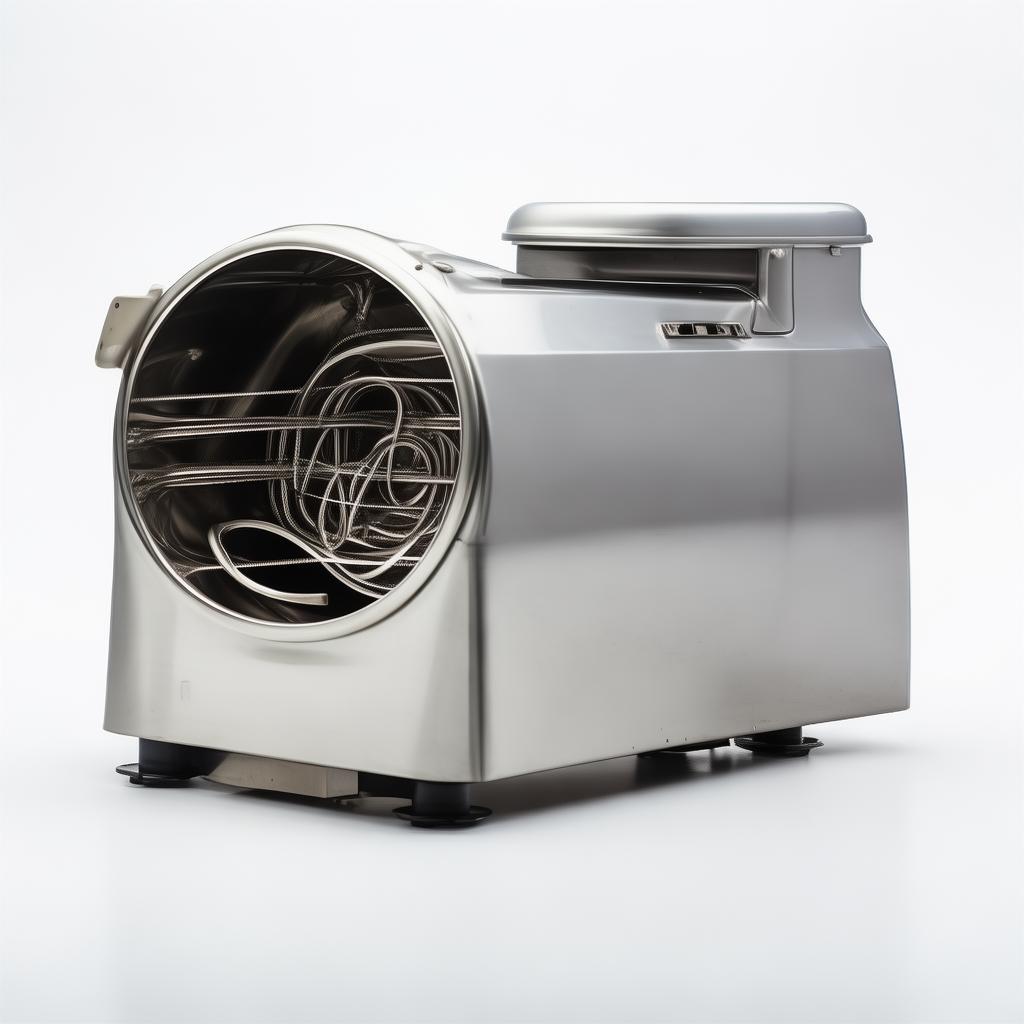
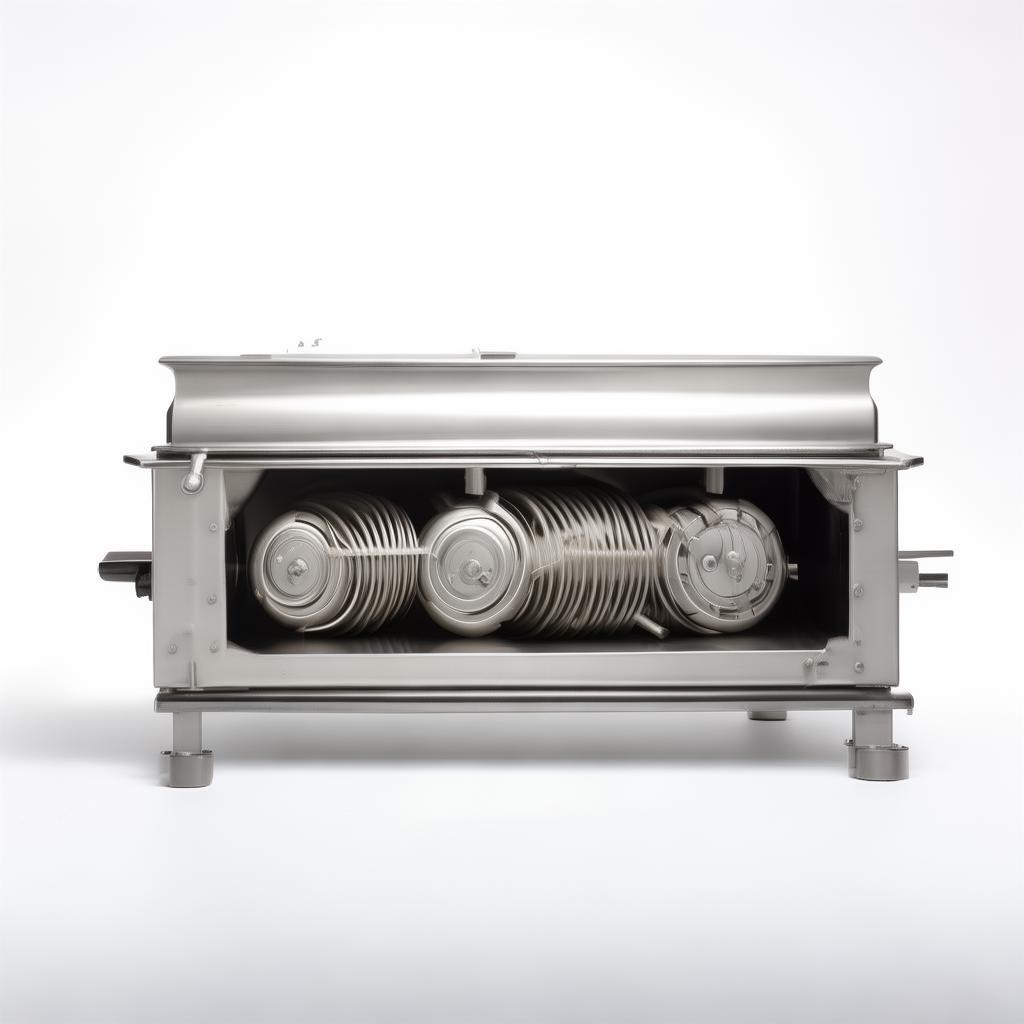
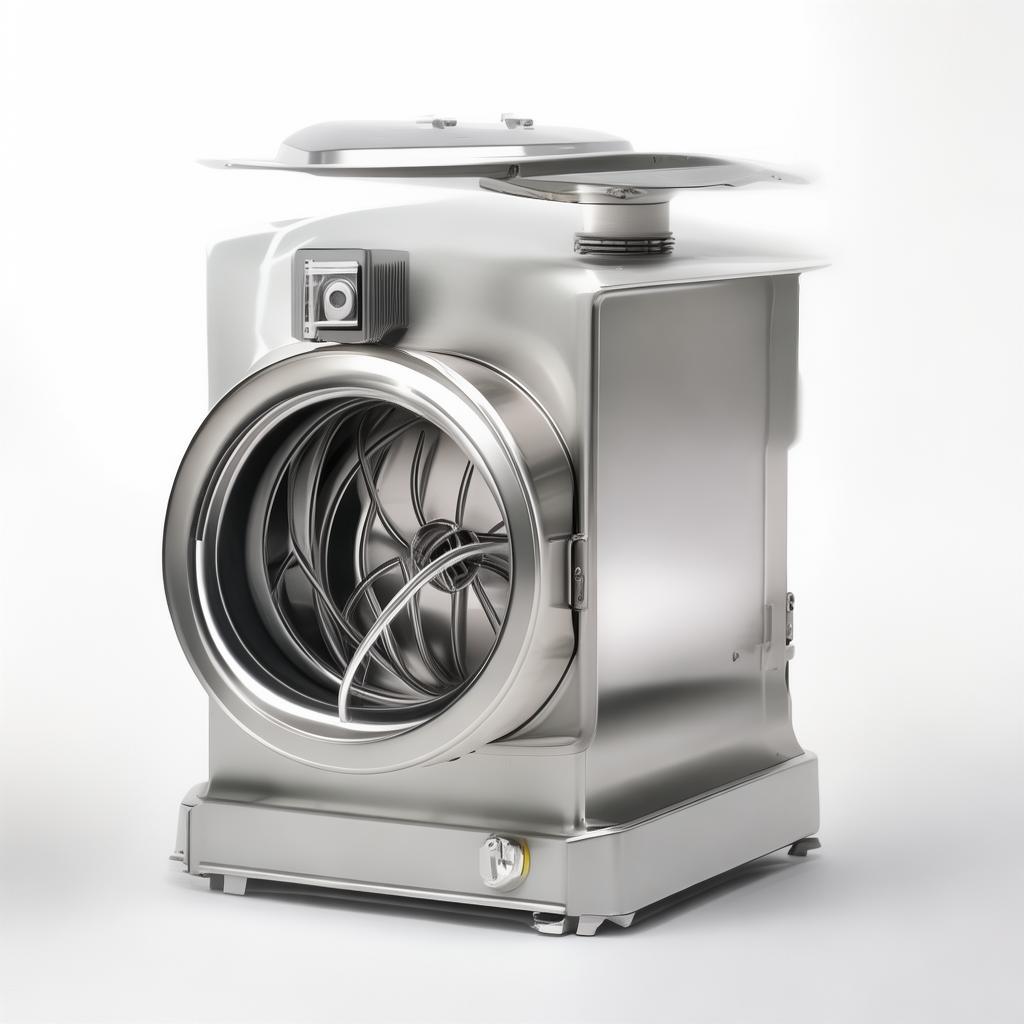
Pneumatic Vacuum Ejector
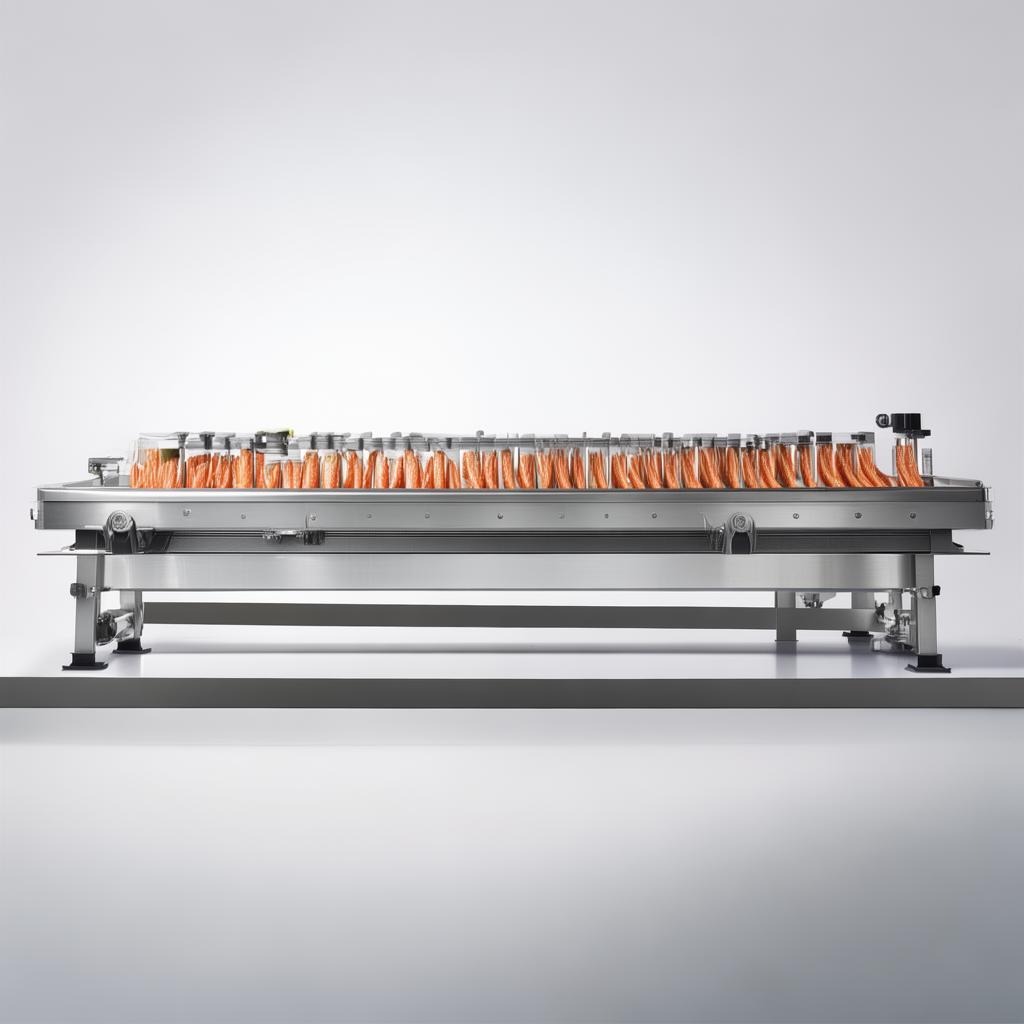
Pneumatic Vacuum Ejectors: Precision Control for High-Speed Material Handling in Industrial Automation

Authored by: Dr. Evelyn Reed, Senior Industrial Automation Consultant
Published: October 26, 2023
Table of Contents
- 1. Introduction: The Core of Vacuum Gripping
- 2. Industry Challenges & The Need for Advanced Ejectors
- 3. Understanding Pneumatic Vacuum Ejector Mechanics
- 4. Key Advantages: Why Choose a Modern Ejector?
- 5. Critical Technical Specifications to Consider
- 6. Diverse Applications Across Industries
- 7. Smart Procurement: What Buyers Need to Know
- 8. Installation & Maintenance Realities
- 9. Our Manufacturing & Export Capabilities
- 10. What Our Clients Say
- 11. Frequently Asked Questions (FAQ)
- 12. Ready to Optimize Your Material Handling?
Introduction: The Core of Vacuum Gripping
In the fast-paced world of modern manufacturing and logistics, efficient and reliable material handling is paramount. At the heart of many automated systems lies the vacuum gripper, a versatile tool capable of securely holding, lifting, and moving a vast array of objects. Whether it's delicate electronic components, heavy industrial parts, or porous materials like cardboard, the effectiveness of a vacuum gripper hinges on its ability to generate and maintain a consistent, robust vacuum. This is precisely where the pneumatic vacuum ejector plays its critical role.
Often referred to as vacuum generators, these compact, pneumatically driven devices are the workhorses that create the necessary suction. They leverage the Venturi principle, using compressed air to draw in ambient air and create a vacuum at the point of application. Unlike traditional mechanical grippers or suction cups that require a separate vacuum pump, ejectors integrate the vacuum generation directly into the gripping head. This simplification leads to fewer components, reduced installation complexity, and often, a more agile and responsive system. For businesses aiming to boost throughput, improve accuracy, and reduce operational costs, understanding and selecting the right vacuum ejector is a foundational step.
The demand for sophisticated automation solutions continues to surge globally. Reports indicate a robust growth trajectory for the meat processing equipment market, with projections showing values reaching upwards of USD 17.39 billion by 2034, driven by increasing demand for processed meats and automation. Similarly, the broader food processing machinery market is anticipated to reach USD 129.47 billion by 2036. While these statistics focus on food processing, the underlying principles of efficient material handling and precise automation are universal. Across diverse sectors—from automotive assembly and packaging to electronics manufacturing and palletizing—the need for reliable vacuum technology, powered by effective ejectors, remains constant. The ability to handle varied product shapes, weights, and surface conditions often dictates the success of an automated line.
The evolution of pneumatic vacuum ejectors has moved beyond simple suction generation. Today's advanced units incorporate features like integrated air saving, self-priming capabilities, and modular designs for easy integration and maintenance. For procurement managers and engineers evaluating these systems, the key is to look beyond basic vacuum flow rates. Factors such as energy efficiency, responsiveness (e.g., quick blow-off for object release), noise levels, and durability in harsh environments become equally important. Furthermore, the cost of compressed air, a significant operational expense in many facilities, makes energy-efficient ejectors a compelling choice for long-term ROI. A well-specified ejector can dramatically reduce compressed air consumption compared to older, less efficient models.
Consider the complex logistics involved in international trade. When sourcing critical automation components, buyers face challenges related to lead times, quality assurance, and supply chain reliability. A supplier that not only provides high-quality pneumatic vacuum ejectors but also offers comprehensive support—from technical consultation and customized solutions to efficient shipping and after-sales service—becomes an invaluable partner. This is where experience, expertise, and trustworthiness intersect. For instance, the meat processing industry, with its stringent hygiene standards and demand for reliable machinery, relies heavily on precise handling. Technologies such as filling and molding equipment, vital for sausages and formed products, demand equally reliable upstream and downstream automation, including vacuum gripping. This reliance highlights the foundational importance of components like vacuum ejectors.
The global meat processing equipment market alone is projected to grow significantly, with various segments indicating a substantial need for automation. Reports from sources like Fortune Business Insights and Grand View Research consistently highlight the growth drivers: rising demand for processed meat, adoption of automation for hygiene and efficiency, and expansion in key regions. These trends underscore the interconnectedness of industrial processes. Even for a component as seemingly straightforward as a vacuum ejector, its performance directly impacts the overall efficiency and quality of a much larger production line, whether it's handling delicate PCBs, stacking uniform boxes, or securing irregularly shaped automotive parts. The right ejector isn't just a part; it's an enabler of complex automation strategies.
Industry Challenges & The Need for Advanced Ejectors
Many manufacturing and logistics operations grapple with persistent challenges that impact productivity and profitability. These often include:
- Inconsistent Product Handling: Difficulty in reliably gripping objects with varying surfaces, weights, or shapes, leading to dropped items and production delays.
- High Energy Consumption: Older vacuum systems, especially those relying on centralized pumps, can be energy-intensive, driving up operational costs significantly.
- Complex Integration: Separate vacuum pumps and associated plumbing can make automation cell design cumbersome and increase installation time and expense.
- Slow Cycle Times: Inefficient vacuum generation or slow release mechanisms can limit the speed at which items can be picked and placed.
- Maintenance & Downtime: Mechanical failures in vacuum pumps or seals can lead to costly unplanned downtime.
- Material Sensitivity: Gripping delicate or porous materials requires precise vacuum control to avoid damage or leakage.
These aren't isolated issues. They compound, affecting overall equipment effectiveness (OEE). For instance, the global processed meat market, projected to exceed USD 1.3 trillion by 2035, relies heavily on efficient handling of diverse products, from sausages to formed patties. Failures in upstream gripping or downstream packaging can ripple through the entire line. Similarly, in electronics manufacturing, where components can be tiny and fragile, a reliable vacuum system is non-negotiable.
The core of solving many of these problems lies in decentralized, intelligent vacuum generation. This is where advanced pneumatic vacuum ejectors, particularly those incorporating innovative designs like multi-stage ejectors and integrated valve systems, offer a significant advantage. They move away from the brute-force approach of large vacuum pumps towards more precise, responsive, and energy-efficient solutions tailored to the specific gripping task.
Consider a scenario where a plant handles both heavy steel parts and lightweight plastic containers on the same automated line. A traditional single-source vacuum system might struggle to provide the necessary vacuum for the heavier parts without over-stressing or damaging the lighter ones, or it might require complex valve manifolds to adjust suction. Modern ejector systems, often modular and controllable, can adapt more readily to these dynamic requirements.
Understanding Pneumatic Vacuum Ejector Mechanics
At its simplest, a pneumatic vacuum ejector operates on the Venturi principle. Compressed air is fed into a nozzle within the ejector body. As this air is forced through a constricted passage (the nozzle), its velocity increases, and its pressure drops significantly. This low-pressure zone creates a suction effect that draws in surrounding air, either from the atmosphere or from a connected vacuum port. This drawn-in air is then mixed with the primary compressed air flow and expelled through an exhaust port.
The core components include:
- Air Inlet: Where compressed air is supplied.
- Nozzle: The critical component that accelerates the air and creates the pressure drop. The design of this nozzle dictates the ejector's performance.
- Venturi Tube: The chamber where the primary air jet entrains secondary air.
- Vacuum Port: The outlet that connects to the suction cup or gripper, where the vacuum is applied.
- Exhaust Port: Where the mixed air is expelled.
Many modern ejectors go beyond this basic design. They often feature integrated solenoid valves for on/off control and blow-off (to quickly release the object), sometimes multi-stage nozzles for higher vacuum levels or increased flow rates, and air-saving control systems that shut off compressed air when a stable vacuum is achieved. These advanced features directly address operational efficiency and responsiveness.
 Schematic of a typical multi-stage pneumatic vacuum ejector.
The type of ejector—whether it's a single-stage, multi-stage, or hybrid design—significantly impacts its performance characteristics. Single-stage ejectors are simpler and provide moderate vacuum and flow. Multi-stage ejectors, by using a series of Venturi stages, can achieve higher vacuum levels or greater air flow for a given supply pressure, making them ideal for porous materials or heavier objects. For example, in the realm of meat processing, handling dense, perhaps slightly wet, meat products might necessitate a higher vacuum capacity than handling delicate pastries. The "Fit For Now" (2026) directive emphasizes practical, adaptable solutions, and understanding these mechanical nuances is key to selecting equipment that fits current needs while remaining viable for future process adjustments.
Key Advantages: Why Choose a Modern Ejector?
The strategic adoption of advanced pneumatic vacuum ejectors offers a compelling suite of benefits for industrial operations:
Compact & Lightweight
Directly integrated into the gripper head, eliminating the need for bulky external vacuum pumps and their associated plumbing. This leads to simpler robot end-effector design and improved maneuverability.
High Responsiveness
With integrated valves, ejectors can generate and release vacuum almost instantaneously, enabling faster cycle times critical for high-throughput applications like packaging and assembly.
Energy Efficiency
Many advanced ejectors feature air-saving control functions. They automatically shut off compressed air once a stable vacuum is achieved and reactivate only when needed, significantly reducing overall air consumption and operational costs.
Reliability & Durability
Fewer moving parts compared to traditional vacuum pumps mean reduced points of failure. Robust construction materials ensure longevity even in demanding industrial environments.
Versatile Vacuum Generation
Available in various configurations (single-stage, multi-stage) to achieve the precise vacuum level and flow rate required for different materials and tasks, from sealing delicate films to lifting irregular objects.
Reduced Maintenance
The absence of a central vacuum pump, along with simplified pneumatic circuits, drastically lowers maintenance requirements and associated downtime costs.
These advantages translate directly into improved operational efficiency. For example, a study on the processed meat market highlights the growing demand for convenience and ready-to-eat products, necessitating faster and more reliable production lines. Ejectors contribute to this by enabling quicker gripping and release, a critical factor in high-volume processing. The global meat processing equipment market is projected to reach substantial figures, and the efficiency gains from optimized vacuum systems are a key factor in achieving that scale.
Moreover, the trend towards Industry 4.0 and smart manufacturing emphasizes decentralized control and data integration. Many modern ejectors can be equipped with sensors and communication capabilities, allowing for real-time monitoring of vacuum levels, performance diagnostics, and predictive maintenance alerts—aligning perfectly with the "Fit For Now" (2026) and future-proof automation strategies.
Critical Technical Specifications to Consider
Selecting the correct pneumatic vacuum ejector requires careful attention to its technical specifications. Not all ejectors are created equal, and the optimal choice depends heavily on the application. Here are the key parameters:
| Specification | Description & Importance |
|---|---|
| Supply Air Pressure | Typically ranges from 0.3 to 0.6 MPa (3 to 6 bar). Must be matched to the ejector's rating. |
| Maximum Vacuum Level | The highest vacuum the ejector can achieve, usually expressed in kPa or mbar. Crucial for determining gripping force. (e.g., -85 kPa). |
| Air Consumption | The volume of compressed air used per unit of time (e.g., L/min or SCFM). Lower is better for energy savings. |
| Suction Flow Rate (Effective Air Flow) | The amount of air that can be evacuated from the system after the vacuum is established. Essential for gripping porous materials or achieving rapid evacuation for fast cycles. |
| Nozzle Diameter / Ejector Type | Determines the balance between vacuum level and flow rate. Multi-stage ejectors generally offer higher flow or vacuum. |
| Response Time (Pick-up & Release) | How quickly vacuum is established (pick-up) and released (e.g., via integrated blow-off). Critical for cycle speed. |
| Operating Temperature Range | Ensures reliable operation in different environmental conditions. |
| Port Sizes / Connections | Standardized fittings for easy integration into existing pneumatic circuits. |
| Integrated Features | e.g., Air-saving control, integrated solenoid valves (3/2 or 5/2), vacuum sensors. |
pneumatic vacuum system vacuum pneumatic conveying system vacuum generator pneumatic
For instance, if you're handling porous materials like cardboard for packaging, you'll need an ejector with a high suction flow rate to compensate for air leakage through the material. Conversely, gripping smooth, non-porous objects like glass bottles might prioritize a high vacuum level. The data from market reports reinforces the complexity of applications; the meat processing sector, for example, requires equipment that can handle varied textures and weights, often under strict hygiene regulations. Choosing an ejector with the correct flow-to-vacuum ratio is not just about performance but also about preventing dropped products and ensuring consistent quality.
When evaluating specifications, it's wise to consider the total cost of ownership, not just the upfront price. Energy consumption is a major factor. An ejector that uses 20-30% less compressed air can lead to substantial savings over its lifespan, especially in facilities running 24/7. This aligns with the operational realism expected by procurement professionals focused on ROI.
Diverse Applications Across Industries
The versatility and compact nature of pneumatic vacuum ejectors make them indispensable across a wide spectrum of industrial sectors. Their ability to provide precise, localized vacuum control opens up numerous possibilities for automation:
Automotive Manufacturing
Handling car body panels, windshields, interior trim components, and electronic modules. The need for precision and speed is critical here, especially on high-speed assembly lines.
Packaging and Palletizing
Picking and placing boxes, bags, bottles, and other packaged goods onto conveyor belts, into machines, or onto pallets. Ejectors with fast response times are essential for high-throughput operations. Handling diverse packaging materials, from rigid plastics to flexible films, is also a common task.
Electronics Assembly
Precisely handling delicate electronic components, PCBs, semiconductor wafers, and small parts. Anti-static versions of ejectors and suction cups are often required to prevent electrostatic discharge (ESD).
Food and Beverage Processing
As noted, this sector relies heavily on vacuum technology. Handling items like food packaging, delicate pastries, fruits, or even processed meat products. Ejectors designed for wash-down environments and compliant with food safety standards (e.g., FDA-compliant materials) are crucial. The growth in processed meat itself (market size projected to reach USD 1.33 trillion by 2035) directly fuels demand for efficient handling equipment.
Woodworking and Furniture
Moving large, flat panels like plywood, MDF, or glass sheets during cutting, shaping, or assembly processes.
Pharmaceuticals
Handling vials, blister packs, and other pharmaceutical packaging. Hygiene and precision are paramount.
The common thread across these diverse applications is the need for reliable, efficient, and often highly specific vacuum generation. Selecting the right ejector means matching its performance characteristics—vacuum level, flow rate, response time—to the demands of the product being handled and the speed of the operation. This requires a deep understanding of both the product's properties and the ejector's capabilities.
Smart Procurement: What Buyers Need to Know
Procuring the right pneumatic vacuum ejectors involves more than just looking at a datasheet. For purchasing managers, engineers, and operations directors, a strategic approach can prevent costly mistakes and ensure long-term operational success.
1. Define Your Application Requirements Meticulously: Before even contacting suppliers, clearly document what you need to handle:
- Object Properties: Weight, dimensions, surface texture (smooth, porous, oily, wet), fragility.
- Environment: Temperature, humidity, presence of dust or chemicals, wash-down requirements, cleanroom standards.
- Cycle Time: How fast does the gripper need to pick and place? This dictates the required response time of the ejector.
- Vacuum Source: What is the available compressed air pressure and quality?
2. Evaluate Supplier Expertise and Reliability: Look for manufacturers or suppliers with a proven track record in pneumatic automation and material handling. Consider:
- Technical Support: Can they offer expert advice to help you select the best model? Do they have application engineers available?
- Customization Options: Do they offer OEM/ODM services or can they tailor solutions if standard models don't quite fit?
- Certifications & Compliance: For sensitive industries (e.g., food, pharma), ensure materials and designs meet relevant standards.
- Lead Times & Logistics: How quickly can they deliver? What are their international shipping capabilities and experience? We at Hebei Yuanchang Food Mechanism & Technology Co., Ltd. pride ourselves on our extensive export experience and traceable logistics.
3. Prioritize Total Cost of Ownership (TCO): Don't just compare unit prices. Factor in:
- Energy Consumption: Compare air consumption figures and calculate potential savings.
- Maintenance Costs: Simpler designs generally mean lower maintenance.
- Downtime Costs: The cost of unplanned stops can far outweigh initial equipment savings. Reliability is key.
- Integration Costs: Simpler installation saves labor and reduces commissioning time.
4. Consider Future Scalability and Flexibility: Will the chosen ejector system accommodate potential changes in production? Modular designs and readily available accessories offer greater long-term value.
From a procurement perspective, aligning with a supplier that demonstrates deep Experience, Expertise, Authoritativeness, and Trustworthiness (EEAT) is crucial. This involves clear communication, transparent pricing, reliable delivery schedules, and robust after-sales support. For example, when sourcing equipment for the global meat processing industry, which is expected to grow significantly, buyers must partner with suppliers who understand the unique challenges of hygiene, efficiency, and reliability inherent in that sector.
We understand the challenges of cross-border commerce and have built our reputation on delivering not just high-quality pneumatic vacuum ejectors, but also on providing the support and reliability that international buyers demand.
Installation & Maintenance Realities
While pneumatic vacuum ejectors are designed for simplicity, proper installation and routine maintenance are key to maximizing their lifespan and performance. Ignoring these aspects can lead to unexpected downtime and reduced efficiency.
Installation Considerations:
Air Supply Quality: Ensure your compressed air is clean, dry, and within the specified pressure range for the ejector. Contaminants can damage internal components like the nozzle and valves. Consider inline filters.
Connection Integrity: Use appropriate fittings and tubing sizes. Leaky connections waste compressed air, increase costs, and reduce vacuum performance. Ensure secure connections to the suction cup and the main air line.
Mounting: Securely mount the ejector to the gripper or end-effector. Vibrations can loosen connections over time. Some ejectors are designed to be mounted directly onto a suction cup manifold for maximum space savings.
Electrical Connections (if applicable): If the ejector has integrated solenoid valves or sensors, ensure correct wiring to the PLC or control system. Pay attention to voltage requirements.
Maintenance Best Practices:
Regular Cleaning: Keep the ejector and associated components free from dust and debris. For wash-down applications, follow manufacturer guidelines for cleaning procedures.
Filter Checks: Periodically inspect and clean or replace air filters in the compressed air line. This is one of the most critical maintenance tasks.
Visual Inspection: Look for any signs of wear, damage, or leaks in tubing, seals, and the ejector body.
Performance Monitoring: Keep an eye on cycle times and vacuum levels. A noticeable drop in performance could indicate a developing issue, such as a clogged nozzle or a leaking seal.
Unlike large central vacuum pumps that require significant maintenance, ejectors are designed for low maintenance. Most issues stem from the compressed air supply or external factors like contamination. Proactive checks, often simply visual inspections and filter maintenance, are usually sufficient. For example, in the food processing industry, where maintaining stringent hygiene standards is paramount, the ease of maintenance and cleaning for integrated ejector systems is a major advantage over complex pump setups.
We offer comprehensive technical documentation and support to ensure your pneumatic vacuum ejectors are installed and maintained correctly, maximizing their operational lifespan and your ROI.
Our Manufacturing & Export Capabilities
At Hebei Yuanchang Food Mechanism & Technology Co., Ltd., our commitment to quality and innovation is deeply rooted in our extensive manufacturing experience and global reach. With over 40 years of operation since 1986, we have cultivated a deep understanding of industrial machinery and precision component manufacturing.
 Our state-of-the-art machining workshop.
Our facility spans approximately 14,000 square meters and is staffed by a dedicated team of 80-100 professionals. We integrate research & development, production, and sales seamlessly. Our comprehensive in-house machining workshop is equipped with over 20 sets of advanced processing machinery, including lathes, milling machines, high-precision grinding machines, boring machines, plate shears, bending machines, and wire cutting equipment.
A significant milestone in our capability enhancement was the introduction of 8 sets of Japanese Mazak CNC machining centers in 2012. This investment allows us to produce high-standard components with exceptional precision, catering to large volumes and non-standard specifications that demand rigorous quality control. This capability is directly applicable to manufacturing precision components for pneumatic vacuum ejectors, ensuring consistent performance and reliability.
Our expertise is not limited to manufacturing. We also offer:
- Independent Production of High-Precision Parts: Ensuring superior quality control from raw material to finished product.
- Traceable After-Sales Management: Providing worry-free support and service globally.
- Extensive Export Experience: Facilitating smooth international transactions and deliveries to clients worldwide.
- OEM/ODM Capabilities: Offering customized solutions to meet specific client needs, including specialized ejector designs or integrated systems.
We understand that international buyers prioritize reliability, quality, and responsive service. Our long history, advanced manufacturing infrastructure, and experienced team position us as a trusted partner for your pneumatic vacuum ejector needs and other industrial automation components. Whether you are in the USA, Europe, or anywhere else globally, we have the capacity and experience to meet your demands.
What Our Clients Say
Hearing directly from our clients offers genuine insight into the performance and reliability of our pneumatic vacuum ejectors and our service.
"We were looking for a more energy-efficient vacuum solution for our robotic palletizing cell. The multi-stage ejectors from Yuanchang drastically cut our compressed air usage by about 25%. Installation was straightforward, and the technical support team was very helpful in selecting the right model for our varied box sizes."

Operations Manager, Logistics Co. (USA)
"Reliability is key in our food packaging line. Downtime is extremely costly. Yuanchang's ejectors have proven to be very robust. We've had them running continuously for over a year with minimal issues. The speed of pick-up and release is excellent, allowing us to maintain our high throughput targets."

Production Lead, Snack Foods Inc. (Canada)
"We required a specialized vacuum ejector for handling delicate electronic components. Yuanchang's ability to offer OEM solutions and customize specs, including anti-static options, was invaluable. The consistent vacuum they provide prevents component damage, which was a major concern."

Automation Engineer, Tech Solutions Ltd. (USA)
Frequently Asked Questions (FAQ)
Q: What is the main difference between a vacuum ejector and a vacuum pump?
A vacuum ejector uses compressed air to create vacuum via the Venturi effect, typically integrated directly into the gripper. A vacuum pump is a separate mechanical device that draws air from a system to create vacuum, often serving multiple grippers or a larger area. Ejectors are generally more compact, faster responding, and suitable for decentralized vacuum generation.
Q: How do I select the correct pneumatic vacuum ejector for my application?
Consider the weight and surface properties of the object to be gripped, the required cycle speed, the environment, and the available compressed air supply. Key specifications to match are maximum vacuum level and suction flow rate. Consulting with an experienced supplier or engineer is highly recommended.
Q: Are pneumatic vacuum ejectors energy efficient?
Modern ejectors can be very energy efficient, especially those with integrated air-saving control functions. These systems automatically stop air consumption once a stable vacuum is achieved, significantly reducing compressed air usage compared to older or simpler models.
Q: Can pneumatic vacuum ejectors be used for porous materials?
Yes, ejectors designed with higher suction flow rates (often multi-stage types) are well-suited for porous materials like cardboard or textiles, as they can compensate for air leakage and maintain a sufficient vacuum for gripping.
Q: What maintenance is required for these ejectors?
Maintenance is generally low. The primary requirement is ensuring a clean and dry compressed air supply. Periodic checks for leaks in the system and cleaning of external surfaces are usually sufficient. Filter maintenance in the air line is critical.
Q: Do you offer custom solutions or OEM options for vacuum ejectors?
Yes, we leverage our extensive manufacturing experience and advanced CNC capabilities to provide OEM and ODM services. We can develop custom pneumatic vacuum ejector solutions tailored to your specific application requirements.
Elevate Your Automation with Precision Vacuum Ejectors
Discover how our high-performance pneumatic vacuum ejectors can optimize your material handling processes, boost efficiency, and reduce operational costs.