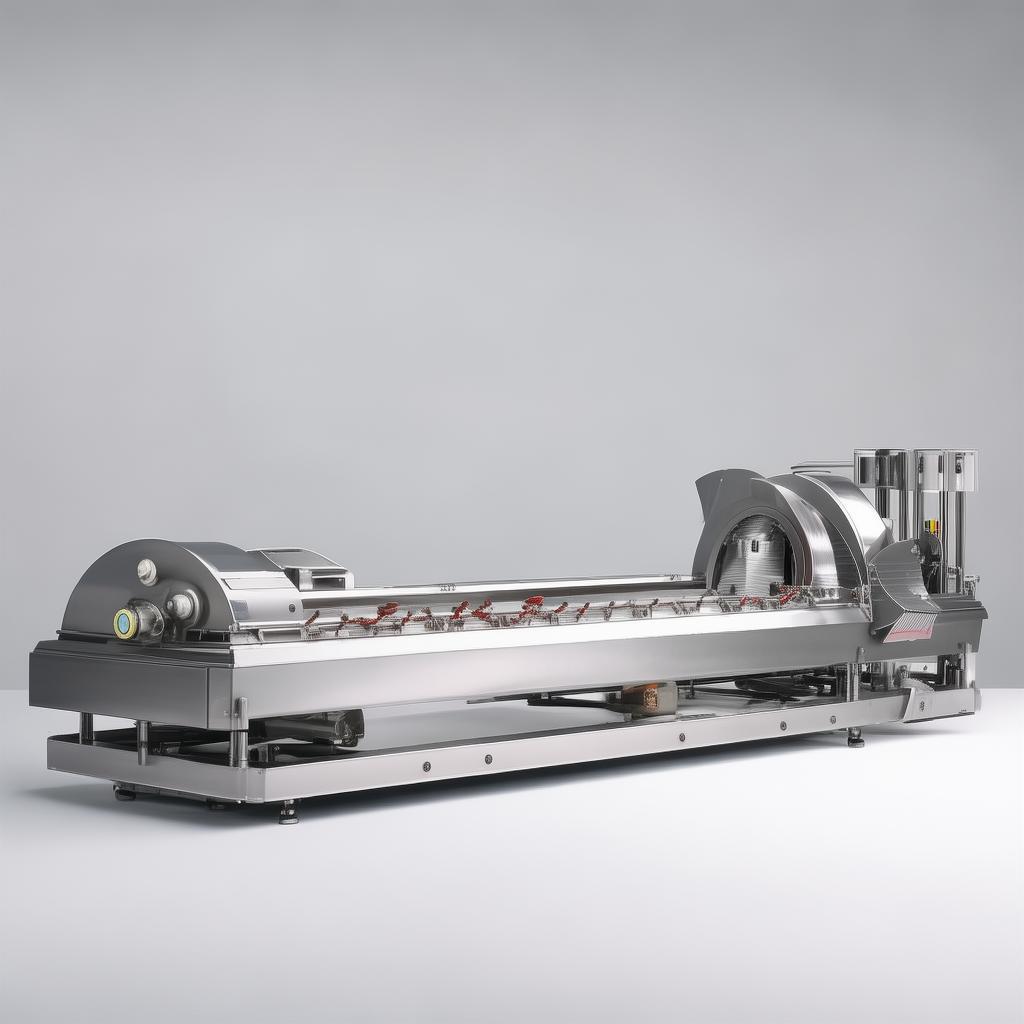
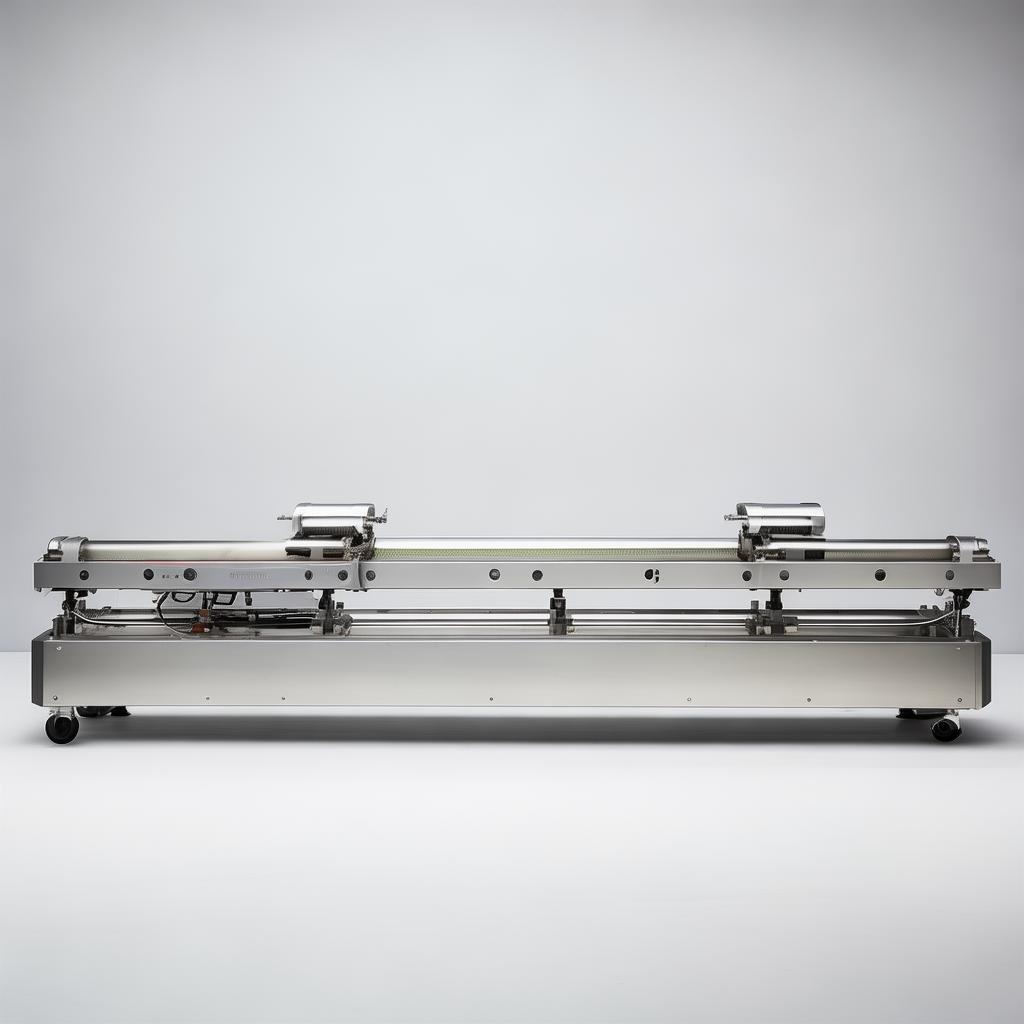
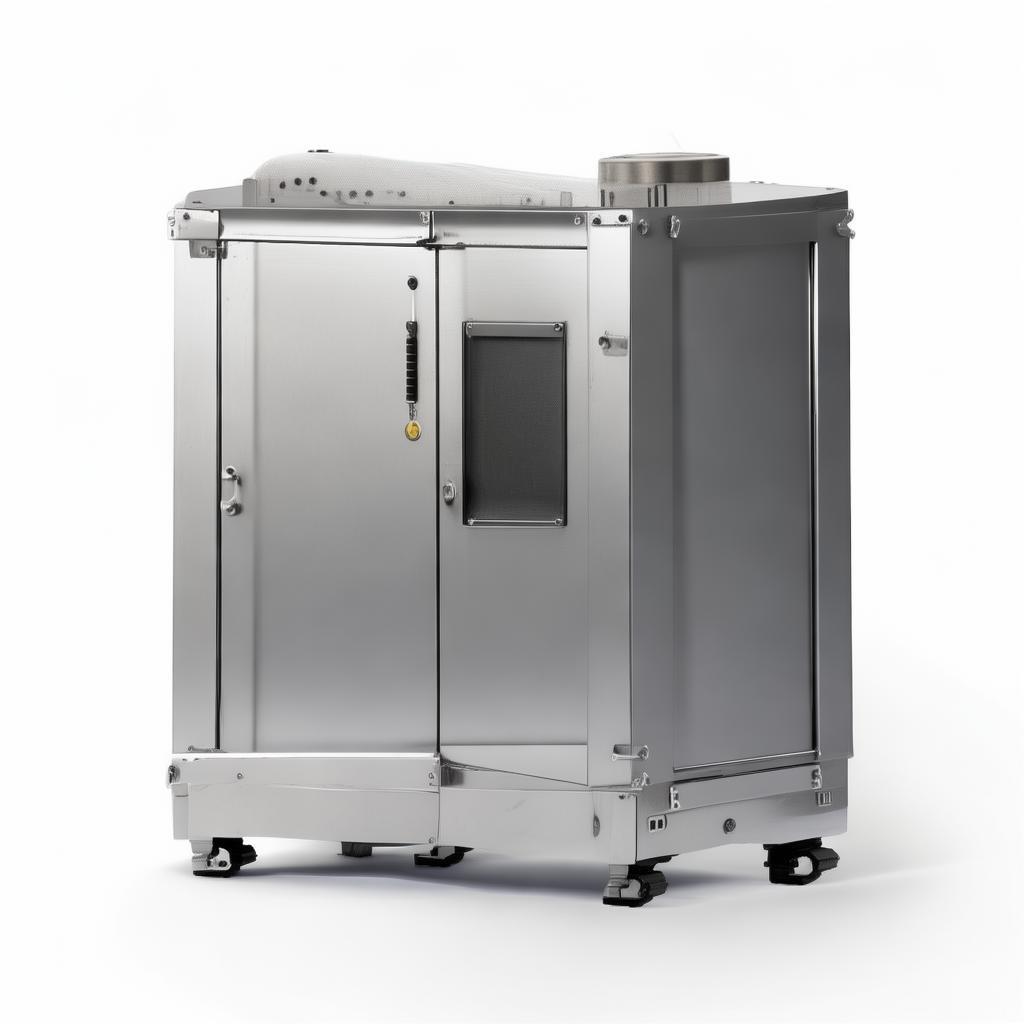
Vacuum Compatible Linear Actuator
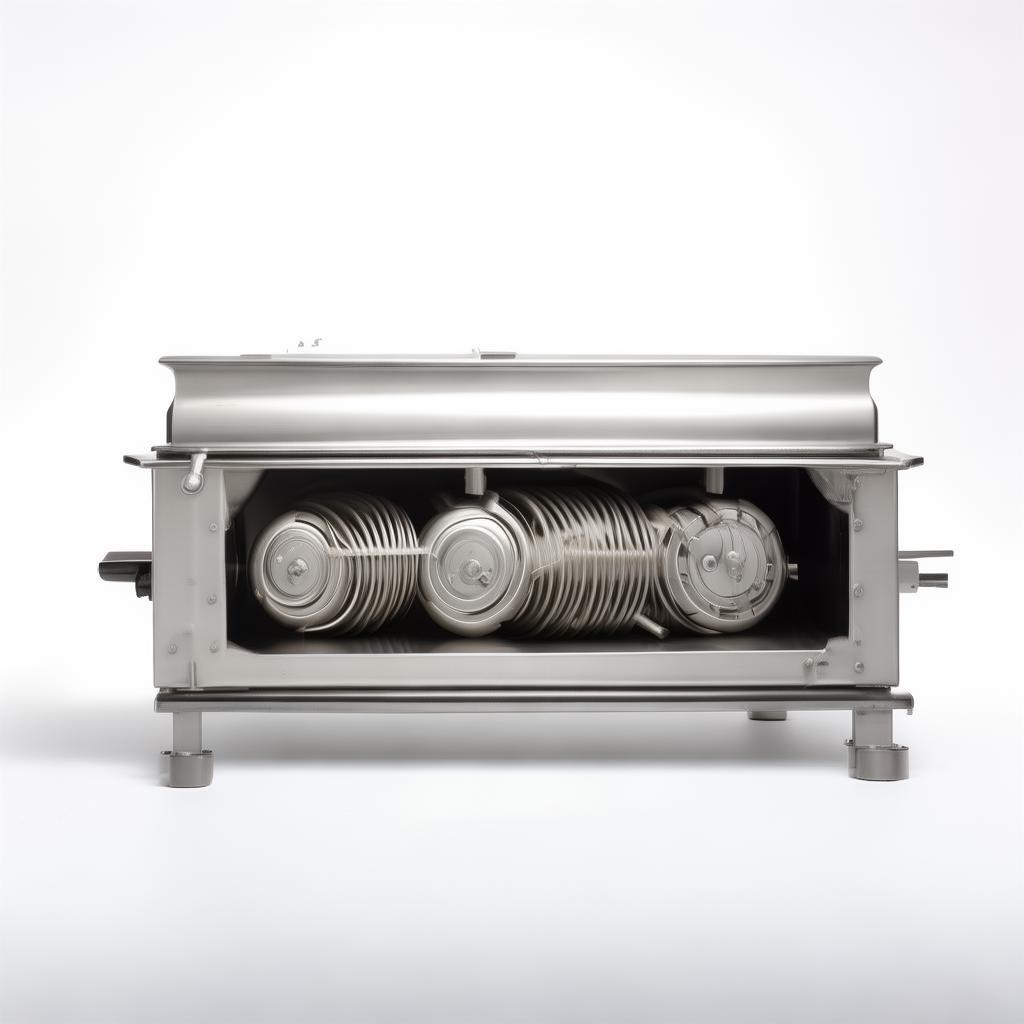
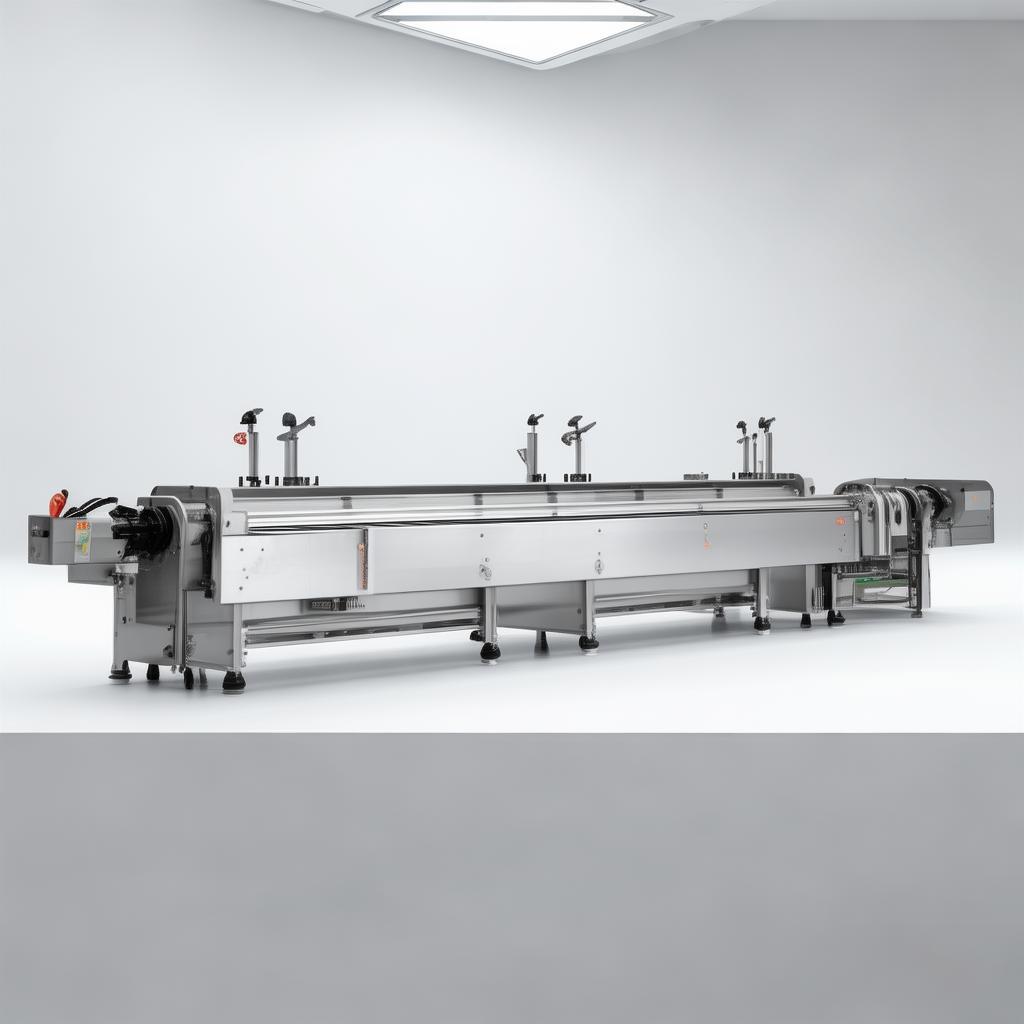
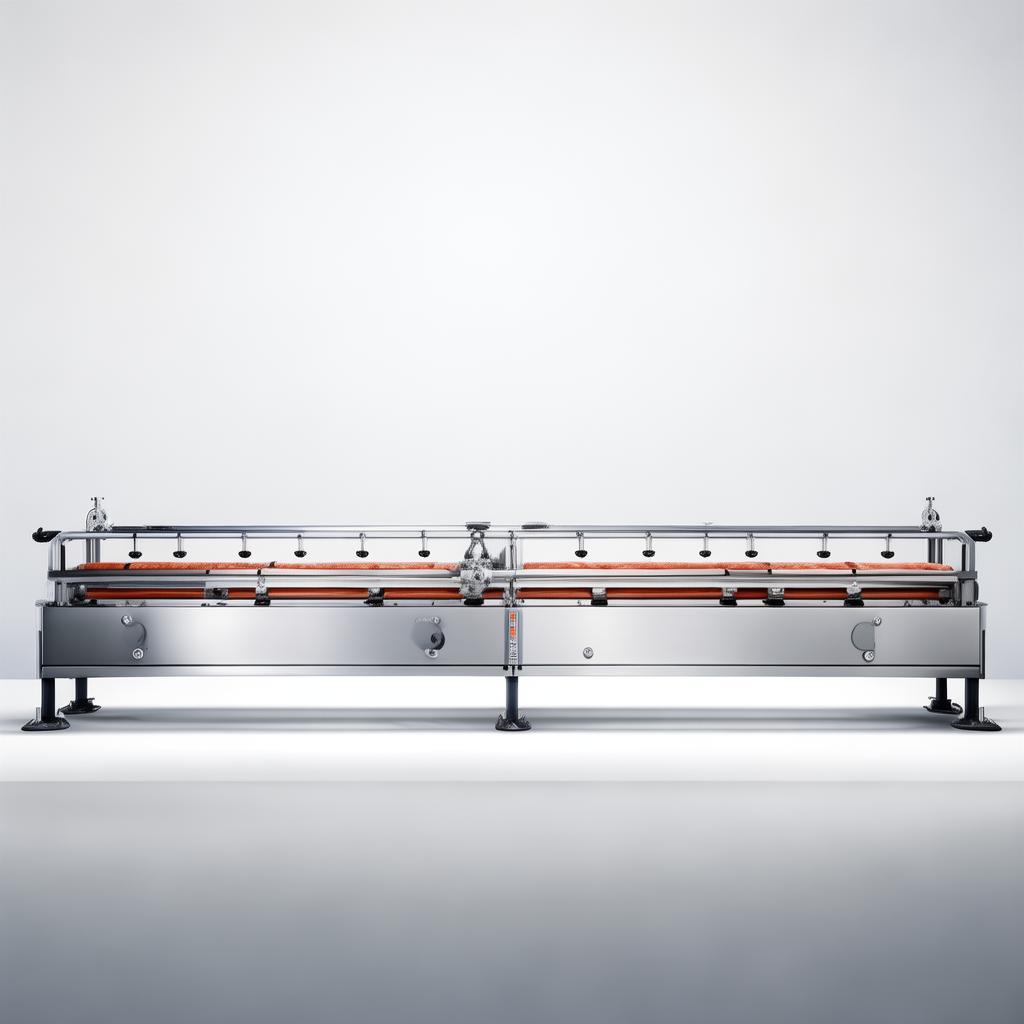
Vacuum Compatible Linear Actuators: Precision Motion for Critical Environments
Engineered for Stability, Reliability, and Peak Performance in the Toughest Conditions

By: Dr. Anya Sharma
Senior Industrial Engineer
Published: October 26, 2023
Last Updated: October 26, 2023
Understanding the Demands of Vacuum Environments
Operating any electromechanical system within a vacuum presents a unique set of challenges. From research and development labs to advanced manufacturing facilities and space exploration projects, the absence of atmospheric pressure creates conditions that can compromise standard equipment. Gases evolved from materials, outgassing, and the lack of convective cooling mean that components must be specifically designed and constructed to withstand these extreme environments. This is where the vacuum compatible linear actuator steps in, offering precise, reliable motion control where it's needed most.
For engineers and procurement specialists tasked with sourcing components for vacuum chambers, cleanrooms, semiconductor fabrication, or even astronomical observatories, the selection criteria are stringent. Standard actuators, typically sealed with O-rings and lubricated with conventional greases, are simply not an option. These materials can outgas significantly, contaminating the vacuum, while the lack of atmosphere prevents effective heat dissipation, leading to premature failure. The very concept of movement – the sliding of surfaces, the rotation of motors – becomes a source of potential contamination and thermal stress.
At Hebei Yuanchang Food Mechanism & Technology Co., Ltd., we understand these critical requirements. With 40 years of experience since 1986, our expertise isn't limited to meat processing machinery. Our robust in-house machining capabilities, including over 20 sets of processing machinery and advanced Japanese Mazak CNC machining centers, allow us to engineer highly specialized components. This includes custom solutions for demanding industrial applications. We've leveraged this precision manufacturing prowess to develop linear actuators specifically engineered for vacuum compatibility. These aren't just modified off-the-shelf parts; they are solutions designed from the ground up to meet the rigorous demands of high-vacuum, ultra-high-vacuum (UHV), and even low-outgassing environments.
The market for specialized motion control components is growing, driven by advancements in fields requiring sterile, controlled environments. Reports indicate the global meat processing equipment market, where we have deep roots, is substantial, with significant investment in automation and precision. {{ ["Meat Processing Equipment Market Size, Share & Industry Analysis - https://www.fortunebusinessinsights.com/meat-processing-equipment-market-115455 - The global meat processing equipment market was valued at USD 11.29 billion in 2025 and is projected to reach USD 17.39 billion by 2034 at a CAGR of 5.0%. Key segments include filling & stuffing equipment, massaging & tumbling (for ripening/tenderizing), cutting, grinding, and smoking machines. Growth is driven by rising demand for processed meat, automation adoption for hygiene and labor efficiency, strict food safety standards, and strong expansion in Asia-Pacific. Filling and molding equipment are critical for sausages and formed products, while massaging equipment enhances ripening and texture."] }} While this specific market focuses on food, the underlying principles of precision, hygiene, and reliability are universal. Our deep manufacturing experience allows us to translate these quality standards to other high-stakes industries.
When selecting a vacuum linear actuator, buyers often grapple with the trade-offs between performance, material selection, sealing, lubrication, and overall cost. A common pitfall is underestimating the outgassing potential of standard lubricants or seals, leading to prolonged pump-down times and compromised vacuum integrity. Another is overlooking the thermal management required in a vacuum; without air to carry heat away, internal friction can quickly lead to overheating. Our vacuum compatible linear actuators address these concerns head-on through careful material science, advanced lubrication techniques suitable for vacuum, and robust construction.
We often see clients seeking solutions that not only perform reliably but also integrate seamlessly into their existing vacuum systems. This involves considering physical dimensions, mounting interfaces, electrical connections, and importantly, the vacuum class the actuator is rated for. Whether you need a simple XY stage for sample manipulation in a moderate vacuum, a high-precision positioning system for optics in UHV, or a robust actuator for extended operation in a semiconductor process chamber, the underlying need is for predictable, repeatable motion without introducing contamination or compromising the vacuum integrity. Our team is adept at guiding you through these choices, ensuring you select the most appropriate vacuum compatible linear actuator for your specific application.
This guide aims to demystify the complexities of vacuum linear actuators, covering their unique design considerations, key performance parameters, and the advantages they offer over conventional solutions. We'll delve into the materials, lubrication, and engineering that make them suitable for environments ranging from laboratory vacuum chambers to industrial process equipment. By understanding these factors, procurement professionals and engineers can make informed decisions, ensuring the longevity and success of their vacuum-dependent projects.
The Engineering Behind Vacuum Performance
What truly sets a vacuum compatible linear actuator apart is the meticulous attention to material science and design. Standard actuators rely on atmospheric pressure for cooling and common lubricants like grease or oil for smooth motion and sealing. In a vacuum, these elements become liabilities. Grease and oil can evaporate, contaminating the chamber and requiring excessive pump-down time. The absence of air means heat generated by friction must be managed differently. Our approach addresses these issues through:
- Material Selection: We utilize materials with inherently low outgassing properties. This includes specific grades of stainless steel for structural components, specialized polymers for guides and bearings, and vacuum-rated seals where necessary. Avoidance of porous materials is paramount.
- Vacuum-Rated Lubrication: Traditional greases are replaced with solid lubricants like molybdenum disulfide (MoS2) or specialized vacuum greases that exhibit extremely low vapor pressure. These are applied in thin, controlled layers to minimize outgassing while providing adequate lubrication for the intended lifespan.
- Sealing Strategies: While some applications aim for full UHV compatibility where seals are avoided entirely, many vacuum applications benefit from seals designed for low outgassing. We use materials like Viton® or Kalrez® specifically formulated for vacuum environments.
- Component Design: Every component, from the lead screw and nut to the bearings, is designed to minimize friction and heat generation. Careful tolerance control ensures smooth operation without excessive wear, which can also generate particles.
Consider the journey of a standard linear actuator. It's designed for a world with air, where heat can dissipate easily and a standard nitrile seal is sufficient. Take that into a vacuum chamber, and the seal can dry out and crack, the grease can evaporate and contaminate your experiment or process, and any heat generated simply builds up. This leads to premature failure, costly downtime, and potentially ruined work. Our vacuum actuators are built to avoid these pitfalls. We've seen firsthand in our extensive manufacturing operations how critical material choices and precise machining are for product longevity and performance. This translates directly to the reliability of our vacuum-grade components.
Applications Where Precision Matters Most
The demand for reliable motion control in vacuum environments spans a wide array of sophisticated industries. The precision and reliability offered by vacuum compatible linear actuators are not just beneficial; they are often fundamental requirements for successful operation. Here are some key sectors where these specialized actuators are indispensable:
Semiconductor Manufacturing
In the fabrication of microchips, vacuum is essential for processes like sputtering, etching, and deposition. Linear actuators are used for precise positioning of wafers, target materials, and processing heads within vacuum chambers.
Research & Development
Scientific research often requires ultra-high vacuum (UHV) for experiments in physics, chemistry, and materials science. Actuators enable precise manipulation of samples, probes, and optical components in vacuum environments.
Space & Aerospace
Testing components for space missions under simulated vacuum conditions, or deploying instruments on satellites, requires actuators that can perform reliably in the harsh vacuum of space.
Medical & Pharmaceutical
In vacuum drying (lyophilization) equipment, sterilization processes, and advanced analytical instruments, precise motion control in vacuum is often required.
Optics & Photonics
Alignment of lasers, detectors, and optical components within vacuum chambers for high-precision applications necessitates robust and contamination-free linear motion.
Technical Specifications: What to Look For
When specifying a vacuum compatible linear actuator, several key technical parameters demand close attention to ensure optimal performance and compatibility with your vacuum system:
| Specification | Description & Importance | Considerations for Vacuum |
|---|---|---|
| Vacuum Rating | The ultimate pressure the actuator can operate in (e.g., 10-6 Torr, 10-9 Torr UHV). | Must match or exceed your chamber's operational pressure. Critical for avoiding outgassing and material breakdown. |
| Outgassing Rate | The rate at which gases are released from materials into the vacuum. Measured in Torr-L/s. | Lower is always better. Specified for seals, lubricants, and structural materials. |
| Lubrication Type | Method used for reducing friction (e.g., solid lubricant, vacuum grease). | Standard greases are unacceptable. MoS2 or specialized vacuum greases are required. |
| Materials of Construction | The materials used for housing, lead screw, nut, guides, etc. | Stainless steel, anodized aluminum, PEEK, PTFE are common. Must have low outgassing properties. |
| Travel Range | The maximum linear distance the actuator can move. | Standard requirement, ensure it meets application needs. Consider stroke length versus overall actuator size in confined chambers. |
| Load Capacity | The maximum force or weight the actuator can push or pull. | Crucial for reliable operation. Ensure margin for unexpected loads or accelerations. |
| Repeatability | The consistency of the actuator's positioning after multiple cycles. | Essential for precise positioning tasks in R&D and manufacturing. |
vacuum linear actuator vacuum actuators Adjustable vacuum regulator
Choosing the right specifications is not just about meeting a vacuum level; it's about ensuring the long-term health and integrity of your vacuum system. A component that outgasses excessively can significantly increase the time it takes to reach your target vacuum, thereby impacting your project timelines and operational efficiency. We've observed that many R&D budgets are tightly controlled, making upfront investment in reliable, vacuum-rated components a cost-effective strategy to avoid much larger expenses down the line.
Regarding materials, the difference between standard and vacuum-rated components can be stark. For example, while anodized aluminum is common in general industrial applications, specific anodizing processes and surface treatments are required for vacuum use to minimize porosity and outgassing. Similarly, not all stainless steels are created equal; passivation treatments are often critical for vacuum compatibility. Our 40 years of manufacturing experience mean we understand these nuances deeply.
Procurement Insights: Sourcing with Confidence
Sourcing specialized components like vacuum compatible linear actuators requires a different approach than procuring standard industrial parts. Beyond just price, several factors contribute to a successful procurement strategy:
Supplier Expertise & Experience
Look for manufacturers with a proven track record in producing vacuum-rated components. Inquire about their experience with specific vacuum levels and challenging applications. Our 40 years in precision manufacturing, including our recent adoption of Japanese Mazak CNC centers, ensures we have the depth of knowledge and capability for highly specialized parts.
Material Traceability & Certifications
Ensure suppliers can provide documentation on material certifications (e.g., ASTM, ISO standards) and manufacturing processes. This is crucial for verifying low outgassing properties and overall quality.
Customization Capabilities
Many vacuum applications have unique requirements. A supplier's ability to customize dimensions, travel lengths, or mounting options can be critical. Our in-house machining workshop allows us to tailor solutions extensively.
Lead Times & Logistics
Understand the manufacturing lead time for these specialized components. Reliable shipping and international logistics are also vital, especially for overseas buyers. We manage these processes with meticulous care.
Installation & Maintenance Considerations
Proper installation and mindful maintenance are key to maximizing the lifespan and performance of any vacuum-compatible linear actuator. While designed for demanding environments, these components still require careful handling:
Installation Best Practices
- Cleanliness: Always handle vacuum components in a cleanroom or a meticulously cleaned environment. Wear nitrile gloves to prevent contamination.
- Mounting: Ensure mounting surfaces are flat and free of debris. Use appropriate vacuum-compatible fasteners. Avoid over-tightening, which can distort components.
- Wiring: Use vacuum-rated electrical feedthroughs and connectors. Secure cables to prevent strain on connections.
- Initial Pump-Down: Be aware that even vacuum-rated components may require an initial bake-out or extended pump-down period to reach their optimal performance level.
Maintenance Realities
- Lubrication: Re-lubrication is rarely required during the life of a vacuum-compatible actuator due to the use of solid lubricants or low-volatility greases. If service is necessary, only vacuum-approved lubricants and procedures should be used.
- Inspection: Visually inspect for any signs of wear or damage during chamber maintenance. Particle generation is a key indicator of potential issues.
- Replacement: Plan for eventual replacement based on operational hours and load. Early detection of wear can prevent damage to other system components.
From our perspective in manufacturing, understanding how a product will be installed and maintained in the field is crucial. It informs our design choices. For instance, we ensure our actuators are designed for ease of integration, minimizing potential installation errors that could compromise vacuum integrity. Our traceable after-sales management system is built on this principle of providing ongoing support and ensuring customer satisfaction long after the initial sale.
Why Partner with Hebei Yuanchang?
Choosing a supplier for critical vacuum components is a decision that impacts project success, system reliability, and long-term operational costs. At Hebei Yuanchang Food Mechanism & Technology Co., Ltd., we bring a unique combination of experience, precision manufacturing, and commitment to quality that makes us an ideal partner:
- 40 Years of Manufacturing Excellence: Since 1986, we've honed our expertise in producing high-quality mechanical components.
- Advanced Machining Capabilities: Our facility is equipped with over 20 sets of precision machinery, including Japanese Mazak CNC machining centers, enabling us to produce high-standard, custom components.
- Vacuum-Specific Engineering: We don't just adapt standard parts; we engineer solutions specifically for vacuum environments, considering outgassing, lubrication, and thermal management.
- Commitment to Quality: Our rigorous quality control and traceable after-sales management system ensure that every component meets strict standards.
- Cost-Effective Solutions: By leveraging our integrated R&D, production, and sales model, we offer competitive pricing without compromising on quality or performance.
The complexity of global supply chains means that finding a reliable supplier for specialized industrial equipment can be challenging. We pride ourselves on our transparency, our technical capability, and our dedication to meeting client needs. Whether you require standard vacuum linear actuators or a fully custom-engineered solution, our team is ready to support your project.
Customer Experiences
Hear from some of our clients who have integrated our vacuum compatible linear actuators into their critical systems:
 Dr. Kenji Tanaka
"We integrated Yuanchang's actuators into our new UHV deposition system. The low outgassing performance has significantly reduced our pump-down times, allowing us to increase our experimental throughput. The precision is exactly what we needed."
- Lead Scientist, Advanced Materials Lab
 Sarah Chen
"Our previous vacuum system relied on standard components that constantly failed due to contamination. Switching to Yuanchang's vacuum-rated actuators has been a game-changer. Reliability has improved dramatically."
- Operations Manager, Semiconductor Equipment Integrator
 Mark Johnson
"We needed a custom stroke length for our research optics setup. The team at Yuanchang worked closely with us to provide a perfect fit. The machining quality is superb, and it performs flawlessly in our vacuum chamber."
- R&D Engineer, Photonics Institute
Frequently Asked Questions (FAQ)
1. What is the difference between a standard linear actuator and a vacuum compatible one?
The primary difference lies in material selection, lubrication, and sealing. Standard actuators use materials and lubricants that outgas significantly in a vacuum, contaminating the environment and potentially causing failure. Vacuum-compatible actuators use low-outgassing materials and specialized lubricants (or none) and often employ vacuum-rated seals, if any.
2. What vacuum level can your actuators operate in?
Our vacuum compatible linear actuators are typically rated for high vacuum environments, often down to 10-7 Torr. For ultra-high vacuum (UHV) applications (10-9 Torr and below), we offer specialized designs with even stricter material controls and often without traditional seals. Please specify your required vacuum level when inquiring.
3. Do I need to use special lubricants?
Yes. Standard greases and oils are unsuitable due to their high vapor pressure and outgassing rates. We utilize vacuum-rated greases with extremely low vapor pressure or solid lubricants like Molybdenum Disulfide (MoS2) applied in thin films. Some UHV applications may use dry-lubricated designs.
4. Can your actuators be customized?
Absolutely. With our extensive in-house machining capabilities, including CNC centers, we excel at producing custom actuators. This can include specific travel lengths, mounting configurations, lead screw pitches, motor integrations, and material choices to meet your exact application needs.
5. What is the typical lead time for a vacuum compatible linear actuator?
Lead times can vary based on complexity and volume. Standard models may ship within a few weeks, while highly customized solutions can take longer. We provide estimated lead times upon request and work to meet your project deadlines.
Ready to Enhance Your Vacuum Operations?
Discover how Hebei Yuanchang's vacuum compatible linear actuators can bring precision, reliability, and efficiency to your most demanding applications. Our engineering team is standing by to discuss your specific requirements and recommend the optimal solution.
© 2023 Hebei Yuanchang Food Mechanism & Technology Co., Ltd. All rights reserved.
Shijiazhuang, Hebei Province, China | Phone: +86 15830991513 | E-mail: ycmeatmech@gmail.com | Contact Us
Trust & Transparency: