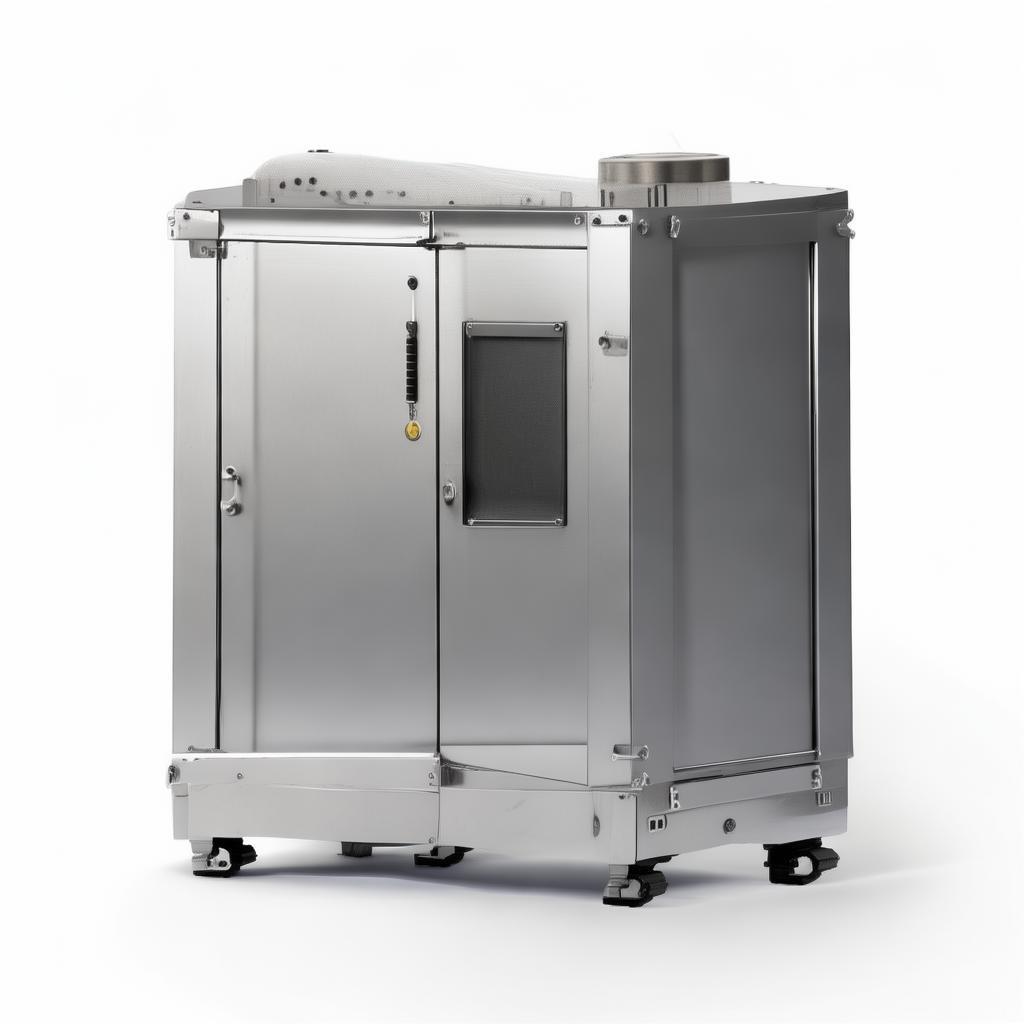
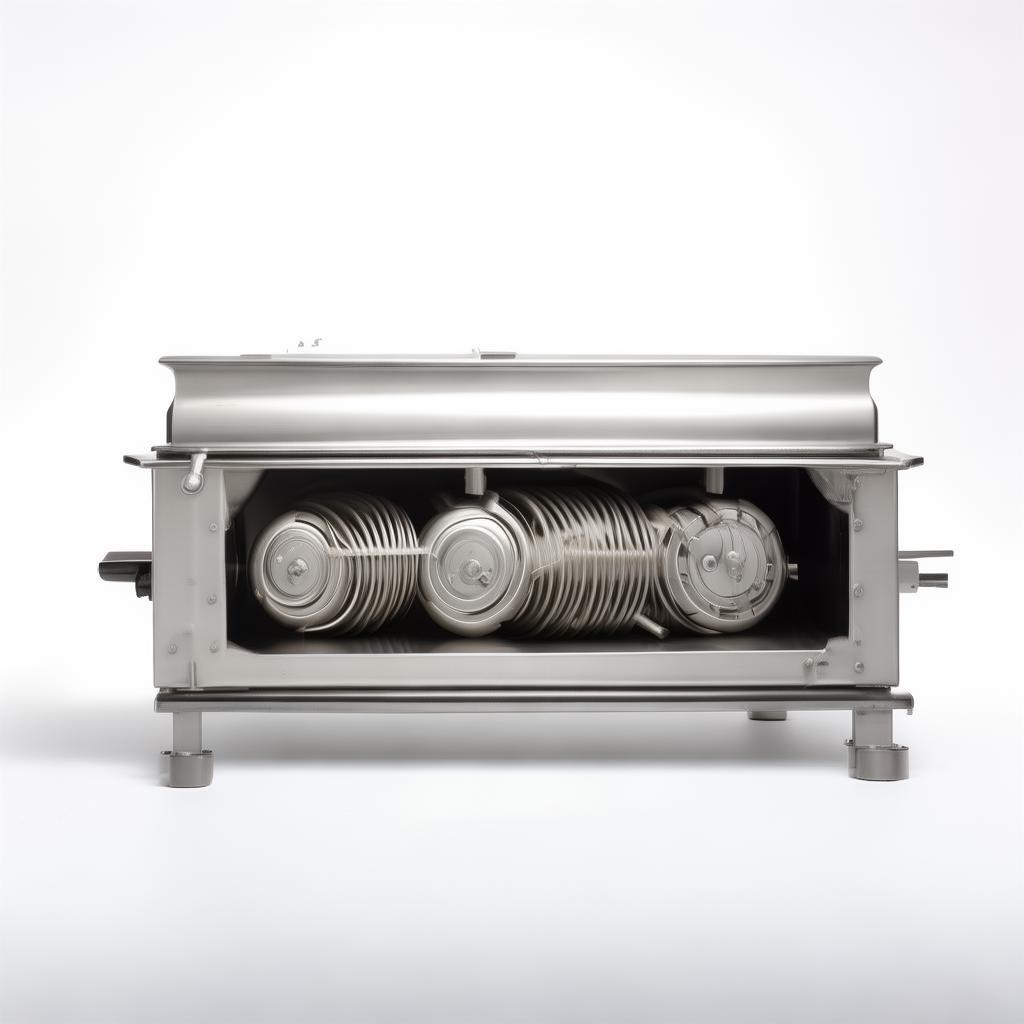
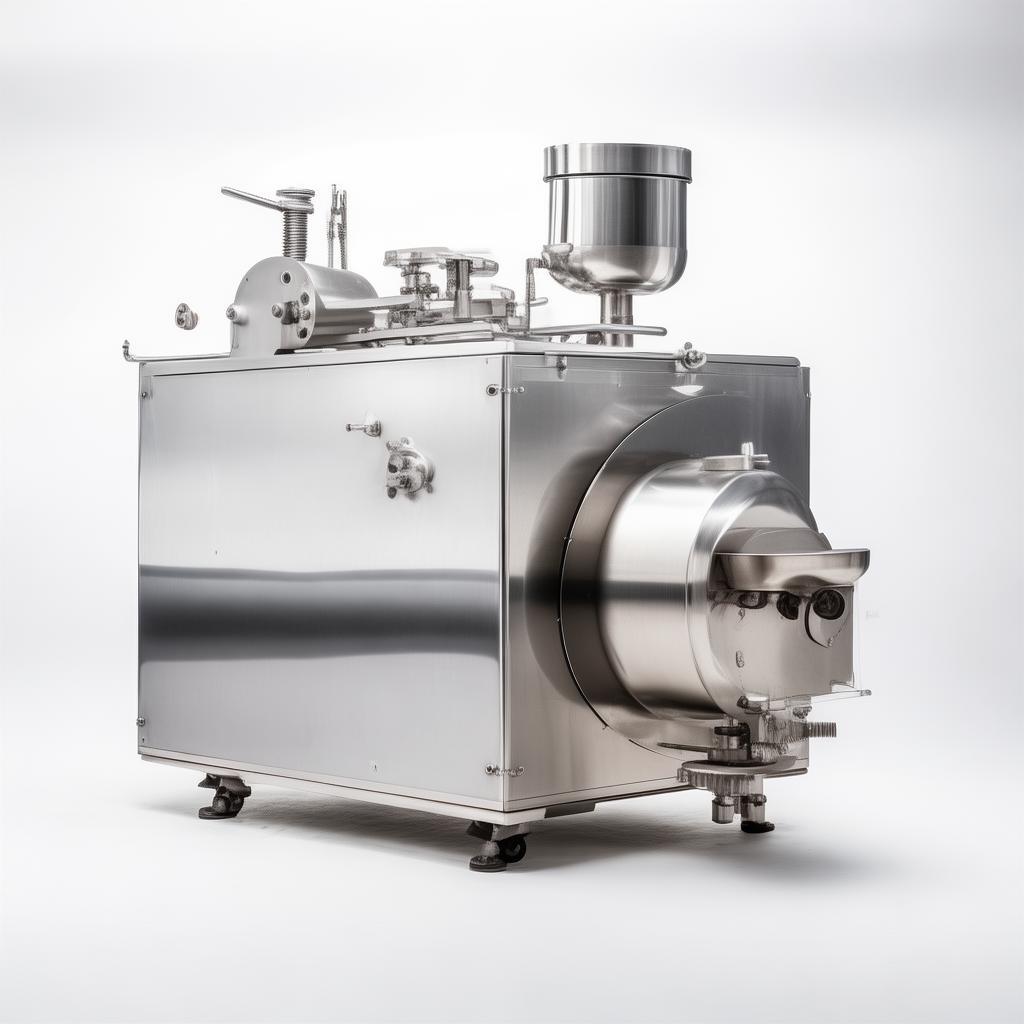
Vacuum Linear Actuator
Precision Motion Control: Understanding and Implementing Vacuum Linear Actuators in Industrial Automation

Authored by: Dr. Evelyn Reed, Senior Industrial Automation Consultant
Published:
In the complex world of industrial manufacturing and automation, precision, reliability, and efficiency are paramount. Vacuum linear actuators represent a critical component in achieving these goals, offering elegant solutions for a wide array of motion control challenges. This comprehensive guide delves into their functionality, applications, selection criteria, and the operational advantages they bring to diverse industrial processes.
1. The Core Functionality of Vacuum Linear Actuators
At its heart, a vacuum linear actuator is a pneumatic device designed to convert the potential energy of a vacuum into controlled linear motion. Unlike traditional pneumatic cylinders that rely on positive air pressure to extend or retract, vacuum actuators leverage the absence of pressure. This fundamental difference offers unique advantages in certain automation scenarios, particularly where simplicity, inherent safety, and precise positioning are critical.
Imagine a scenario where you need to pick up and place delicate components on an assembly line. A vacuum linear actuator can be configured to grip an object using a vacuum cup. When vacuum is applied, the actuator extends, drawing the component towards its destination. When the vacuum is released (often through a vent port), atmospheric pressure or a light spring assists in retracting the actuator. This direct, almost intuitive operation makes them highly effective for tasks involving repetitive movement, positioning, and material handling.
The global market for meat processing equipment, for instance, highlights the demand for reliable motion control. Reports indicate that the market, encompassing filling & stuffing, massaging, and cutting machines, is projected to reach significant figures by 2034, driven by automation and hygiene standards. While not directly for meat processing, the underlying need for precise, safe, and efficient linear movement is universal across manufacturing, and vacuum linear actuators fill a crucial niche. They are integral to systems that require precise object manipulation, precise component placement, or gentle handling, often found in electronics assembly, packaging, and laboratory automation.
The operational principle relies on creating a differential pressure. A vacuum generator (like an ejector or a pump) creates a low-pressure environment within the actuator's housing or attached tooling. This vacuum pulls a piston or a rod assembly in one direction. To reverse the motion, the vacuum is broken, and often a spring or the ambient air pressure pushes the assembly back. The elegance lies in its simplicity; fewer components are often needed compared to complex servo-driven systems, leading to potentially lower costs and reduced maintenance.
Consider the meat processing equipment market. While specialized, the underlying demand for precise control and repeatable actions in filling, molding, and ripening processes underscores the broader industrial need for reliable actuators. Vacuum linear actuators are the silent workhorses enabling many such precise movements in varied applications. They represent a robust solution for pick-and-place operations, part ejection, and precise linear positioning where direct pneumatic force might be too aggressive or complex to control.
2. Why Choose Vacuum for Linear Motion?
The decision to incorporate vacuum-based actuation into an automated system is driven by several compelling factors. Primarily, vacuum offers inherent safety features. If there's a loss of vacuum (e.g., power failure, air leak), the system typically defaults to a safe, non-actuated state, making it ideal for applications involving sensitive materials or environments where uncontrolled movement could be hazardous.
Simplicity of Design and Operation: Vacuum actuators often require less complex control circuitry than their positive pressure counterparts. A simple solenoid valve can often control the vacuum supply, making integration straightforward. This simplicity translates to reduced initial investment and lower ongoing maintenance costs.
Cost-Effectiveness: For many pick-and-place and positioning tasks, vacuum actuation is incredibly cost-effective. The components themselves can be less expensive, and the energy requirements, especially with efficient ejector systems, can be optimized. The global meat processing equipment market, valued at billions, shows how specialized machinery drives efficiency, and in many industrial sectors, vacuum actuators contribute to this efficiency at a component level.
Precise Positioning and Control: While not always offering the high speeds of servo systems, vacuum linear actuators, particularly when combined with position feedback or mechanical stops, can achieve remarkably precise linear movements. They excel in applications requiring repeatable end-of-stroke accuracy.
Gentle Handling: When paired with vacuum cups, these actuators can handle delicate items like electronic components, glass panes, or soft food products with minimal risk of damage. The grip force can be precisely managed by controlling the vacuum level.
Reduced Air Consumption: In many designs, particularly ejector-based systems, vacuum is generated efficiently, often requiring less compressed air than a comparable positive-pressure pneumatic cylinder for the same task, especially in applications with short stroke movements and intermittent operation.
Looking at market trends, the meat processing equipment market shows growth driven by automation and hygiene. This mirrors the broader industrial trend where vacuum actuators provide a clean and controlled way to automate tasks. For instance, in a cleanroom environment, a vacuum system might be preferred to minimize particulate generation compared to traditional pneumatic systems that exhaust air into the atmosphere.
3. Key Components and Operational Principles
A typical vacuum linear actuator system comprises several key elements, each playing a vital role in achieving precise linear motion:
- Actuator Body: The main housing containing the moving elements and providing the vacuum seal.
- Piston/Rod Assembly: The core moving part that translates vacuum force into linear displacement. This could be a sealed piston within a cylinder or a guided rod.
- Vacuum Port: The connection point where the vacuum source (ejector or pump) is attached to create the low-pressure environment.
- Vent Port: Used to release the vacuum, allowing the actuator to return to its original position, often aided by a spring or atmospheric pressure.
- Seals and Gaskets: Crucial for maintaining the vacuum integrity of the system. Material choice depends on the operating environment and required lifespan.
- Optional: Return Spring: In some designs, a spring is integrated to ensure positive retraction when vacuum is released, providing more predictable return stroke performance.
- Optional: Dampening: Built-in shock absorption at the end of stroke to prevent impact and wear.
The operational sequence is straightforward:
- Actuation: A vacuum generator is activated, creating suction at the vacuum port.
- Movement: The pressure differential pulls the piston/rod assembly, causing linear extension or retraction depending on the actuator's design and vacuum application point.
- Holding: The vacuum is maintained to hold the position.
- Return: The vacuum is released (e.g., by opening the vent port), and the spring or atmospheric pressure returns the assembly to its home position.
For a better understanding of industrial machinery, consider the meat processing equipment market. Equipment like filling and stuffing machines rely on precise pneumatic control. While different in function, the principle of controlled force application for repeatable actions is shared. Vacuum linear actuators offer a specific, often simpler, method for achieving controlled linear motion compared to the complex mechanisms in some specialized food processing machinery.
The material used for seals and internal components is critical. For instance, materials resistant to oils, chemicals, or extreme temperatures will extend the actuator's service life. A common concern in industrial settings is the longevity of seals. Manufacturers who offer material traceability and high-quality seal options provide a significant advantage.
4. Diverse Applications Across Industries
The versatility of vacuum linear actuators makes them indispensable in a wide range of industrial automation tasks. Their precision and gentle handling capabilities are particularly valued in sensitive applications.
Electronics Manufacturing:
Pick-and-place operations for delicate semiconductor components, PCBs, and small electronic parts. Vacuum cups attached to the actuator arm can securely grip and position these items with minimal force, preventing damage. The repeatability is crucial for high-volume production lines.
Automotive Industry:
Assembly of smaller components, positioning of sensors, and part feeding on production lines. Their ability to operate reliably in potentially harsh environments is a significant benefit.
Packaging Automation:
Loading and unloading of products into packaging, case erection, and palletizing of lightweight items. The consistent stroke and reliable gripping minimize product loss and ensure efficient throughput. For example, consider the meat processing equipment market, where specialized filling and molding machines are essential. Vacuum actuators serve a similar role in precise material placement in less specialized packaging contexts.
Medical Device Manufacturing:
Handling of sterile components, assembly of diagnostic tools, and precise placement of tiny parts in life-saving devices. The inherent cleanliness and reliability of vacuum systems are paramount here.
Material Handling and Robotics:
As end-effectors on robotic arms for collaborative tasks, simple positioning stages, and automated sorting systems. They provide a straightforward means of achieving linear motion for robotic manipulation.
Laboratory Automation:
Automated sample handling, reagent dispensing, and precise positioning of laboratory equipment. Their accuracy and repeatability are vital for scientific research and testing.
The processed meat market is experiencing substantial growth, driving demand for efficient production lines. While vacuum linear actuators aren't direct food processing machines, they are crucial for the automated handling and assembly of packaging materials that protect these food products. The need for accuracy and reliability in material handling is a constant across diverse sectors.
5. Selecting the Right Vacuum Linear Actuator
Choosing the appropriate vacuum linear actuator requires a thorough understanding of the application's demands. Making the wrong choice can lead to premature failure, decreased efficiency, or inadequate performance.
Stroke Length:
Determine the exact distance the actuator needs to travel. Over-specifying can lead to unnecessary complexity and cost, while under-specifying will render the actuator useless for the task.
Payload Capacity:
What is the maximum weight or force the actuator will need to move or hold? This includes the weight of the component being handled and any attached tooling. The vacuum generation system must be capable of generating sufficient force.
Speed and Cycle Time:
How quickly does the operation need to be performed? Consider both extension and retraction speeds. For high-cycle applications, the durability and responsiveness of the actuator are critical.
Operating Environment:
Will the actuator be exposed to dust, moisture, chemicals, extreme temperatures, or high vibration? Material selection and sealing (IP rating) become critical factors. For instance, in food processing (akin to the meat processing equipment market), hygiene and washdown capabilities are paramount.
Mounting Configuration:
How will the actuator be mounted in the existing machinery? Standardized mounting options and accessories can simplify integration.
Vacuum Source:
Will you use a venturi ejector, a vacuum pump, or an existing vacuum manifold? The type and capacity of the vacuum generator directly impact performance and energy efficiency.
Procurement Insight: When evaluating suppliers, always ask about recommended vacuum generation methods for specific actuator models. A mismatch here is a common pitfall that impacts performance and longevity. Many purchasing managers overlook the vacuum source, focusing only on the actuator itself.
6. Essential Technical Specifications to Consider
When reviewing datasheets for vacuum linear actuators, several technical specifications demand close attention:
| Specification | Description | Why it Matters |
|---|---|---|
| Bore Size / Piston Diameter | The diameter of the piston or the effective working area. | Directly influences the force generated by the vacuum. Larger diameter = more force. |
| Stroke Length | The maximum linear distance the actuator can travel. | Must match the application's required movement range. |
| Operating Vacuum Range | The specified range of vacuum pressure (e.g., -0.5 to -0.9 bar) for optimal performance. | Ensures the actuator operates within its design parameters. Crucial for grip force calculations. |
| Theoretical Force (Extend/Retract) | Calculated force based on bore size and vacuum level. | Helps determine if the actuator can handle the required payload. Always factor in a safety margin. |
| Speed (Extend/Retract) | The rate of linear movement, often specified at a given vacuum level. | Essential for meeting cycle time requirements. |
| Operating Temperature Range | The ambient temperature range within which the actuator can reliably operate. | Critical for applications in extreme environments. |
| Fluid Compatibility | Materials used are compatible with specific gases or fluids. | Important if operating in non-standard environments or with specific gas types. |
| IP Rating | Ingress Protection rating, indicating resistance to dust and water. | Determines suitability for washdown or dusty environments. |
| Mounting Type | How the actuator attaches to the machine structure. | Ensures easy integration and mechanical stability. |
vacuum compatible linear actuator vacuum actuators inline vacuum regulator
When looking at the meat processing equipment market, specifications like IP ratings and material compatibility are non-negotiable for hygiene. Similarly, for vacuum linear actuators, understanding these specs ensures the component will function reliably and safely in its intended industrial setting.
7. Operational Advantages and ROI
Implementing vacuum linear actuators can yield significant operational benefits, directly impacting a company's bottom line. Beyond the technical performance, the return on investment (ROI) is often realized through increased efficiency and reduced operational expenditure.
- Increased Throughput: Reliable and repeatable motion allows for faster cycle times, meaning more units processed or assembled per hour. This boosts overall production capacity.
- Reduced Downtime: Simple designs and robust construction often lead to higher reliability and fewer breakdowns compared to more complex systems. This minimizes costly production interruptions.
- Lower Energy Consumption: Efficient vacuum generation, particularly with venturi ejectors, can result in lower compressed air usage, leading to energy cost savings.
- Minimized Product Damage: Gentle handling capabilities reduce rejection rates and waste associated with damaged goods. This is particularly valuable for high-value or delicate components.
- Simplified Maintenance: Fewer moving parts and less complex control requirements translate to easier and less frequent maintenance, freeing up skilled technicians for other critical tasks.
- Enhanced Safety: The inherent fail-safe nature of vacuum systems in many applications can improve workplace safety and reduce accident-related costs.
The processed meat market growth necessitates efficient machinery. In parallel, vacuum linear actuators contribute to efficiency in numerous manufacturing sectors by optimizing material flow and component handling, ultimately impacting overall operational profitability.
Consider the long-term savings: While the initial purchase price is a factor, the reduced energy bills, lower maintenance spend, and decreased product damage contribute to a favorable total cost of ownership over the actuator's lifespan. A well-chosen actuator is an investment that pays dividends.
8. Installation and Maintenance Considerations
Proper installation and routine maintenance are crucial for maximizing the lifespan and performance of vacuum linear actuators. Neglecting these aspects can lead to unexpected failures and costly repairs.
Installation Best Practices:
- Secure Mounting: Ensure the actuator is securely fastened to a stable surface using the designated mounting points. Any vibration or movement can stress the internal components.
- Clean Air/Vacuum Lines: Connect the vacuum source (ejector, pump) using clean tubing. Debris in the lines can clog ports or damage seals. For critical applications, filtration might be necessary.
- Proper Tubing Size: Use tubing of the recommended diameter for vacuum lines. Undersized tubing can restrict airflow, reducing vacuum efficiency and speed.
- Avoid Bending/Kinking: Ensure vacuum lines have smooth bends and are not kinked, as this restricts vacuum flow.
- Electrical Connections (if applicable): For actuators with integrated sensors or control valves, ensure all electrical connections are made according to the manufacturer's specifications, paying attention to grounding and polarity.
Routine Maintenance:
- Inspect Seals: Periodically check seals and O-rings for signs of wear, cracking, or damage. Replace them if any deterioration is observed. This is a common point of failure.
- Cleanliness: Keep the actuator and surrounding area clean. Dust and debris can compromise seals and internal mechanisms.
- Check Vacuum Levels: Regularly monitor the vacuum levels at the actuator port to ensure the system is maintaining adequate suction. A drop in vacuum can indicate a leak or a failing vacuum generator.
- Lubrication (if specified): Some actuators may require specific lubrication points. Refer to the manufacturer's manual for recommendations. Many are designed for long-life lubrication and require no further attention.
- Test Return Function: Ensure the actuator returns to its home position reliably after vacuum release.
Operational Warning: Always disconnect the vacuum source and ensure the actuator is in a stable position before performing any maintenance. Failure to do so could result in unexpected movement and injury.
When considering industrial equipment, like that found in the meat processing equipment market, maintenance schedules are critical for hygiene and performance. For vacuum linear actuators, a proactive maintenance approach, focusing on seal integrity and vacuum levels, is the best way to ensure consistent operation.
9. Partnering with a Reliable Manufacturer
Selecting the right supplier for vacuum linear actuators is as critical as selecting the right product. Your choice impacts not only the immediate project but also long-term support, scalability, and overall operational efficiency.
Key Evaluation Criteria:
- Experience and Expertise: Look for manufacturers with a proven track record in pneumatic components and linear motion solutions. Decades of experience, like our 40 years at Hebei Yuanchang Food Mechanism & Technology Co., Ltd. (since 1986), demonstrate deep understanding and continuous improvement.
- Quality and Certifications: High-quality manufacturing processes and adherence to international standards (e.g., ISO certification) are essential indicators of reliability.
- Technical Support: Responsive and knowledgeable technical support is invaluable. Can they assist with product selection, application engineering, and troubleshooting?
- Customization Capabilities (OEM/ODM): If your application requires specific stroke lengths, mounting configurations, or material properties, an OEM/ODM partner who can provide tailored solutions is crucial. Our in-house machining workshop with advanced CNC capabilities allows us to meet these precise needs.
- Lead Times and Logistics: Understand their production capacity and typical lead times. For international buyers, efficient export logistics and clear communication regarding shipping schedules are paramount. We offer reliable after-sales management for peace of mind.
- After-Sales Service: What kind of warranty is offered? How accessible are replacement parts? A robust after-sales system ensures your operations aren't left stranded.
Procurement Risk Mitigation: When sourcing internationally, especially from regions like China, due diligence is key. Verifying certifications, requesting detailed technical documentation, and establishing clear communication channels upfront can prevent costly misunderstandings and ensure supply chain continuity. We pride ourselves on our transparent process and commitment to customer satisfaction.
The demand for precision in sectors like meat processing equipment highlights the need for reliable suppliers. Our 40 years of experience, coupled with advanced manufacturing capabilities including Japanese Mazak CNC centers, positions us as a trusted partner for precision-engineered components.
Connect with Experts
Need assistance selecting the right vacuum linear actuator for your specific application or exploring OEM/ODM opportunities? Our team of experienced engineers and export specialists are ready to help.
Phone: +86 15830991513
Email: ycmeatmech@gmail.com
Visit our Contact Page for more details.
10. Frequently Asked Questions
Q1: What is the primary difference between a vacuum linear actuator and a standard pneumatic cylinder?
The core difference lies in their operating principle. Standard pneumatic cylinders use positive air pressure to extend and retract. Vacuum linear actuators, however, use the absence of pressure (vacuum) to create motion, often relying on atmospheric pressure or a spring for return. This makes them inherently safer in certain failure scenarios.
Q2: Can vacuum linear actuators be used in high-speed applications?
While not typically as fast as servo-driven systems, vacuum linear actuators can achieve respectable speeds. Performance depends heavily on the stroke length, payload, and the efficiency of the vacuum generation system. For extremely high-speed, precision positioning, other solutions might be more suitable, but for many pick-and-place and repetitive tasks, they are more than adequate.
Q3: How do I calculate the required vacuum force?
Force is calculated based on the effective area (piston diameter) and the differential pressure (vacuum level). Force = Area × Pressure Differential. Always factor in a safety margin (typically 1.5x to 2x) to account for friction, dynamic loads, and variations in vacuum levels. Consulting our technical team is recommended for accurate calculations.
Q4: What is the expected lifespan of a vacuum linear actuator?
Lifespan varies significantly based on the quality of manufacturing, the application environment, duty cycle, and maintenance practices. High-quality actuators from reputable manufacturers, when operated within their specifications and properly maintained, can last for millions of cycles. We use high-precision components and rigorous testing to ensure longevity.
Q5: Are these actuators suitable for cleanroom environments?
Yes, many vacuum linear actuators are well-suited for cleanroom applications. Their operation can be quieter and produce fewer airborne particles than some other pneumatic systems, especially when using filtered air for the vacuum source or vent. Their simplicity also reduces potential contamination sources.
Q6: What if I need a custom stroke length or specific mounting?
This is where partnering with an experienced manufacturer like Hebei Yuanchang becomes essential. Our extensive machining capabilities allow us to produce custom vacuum linear actuators with non-standard stroke lengths, specialized mounting interfaces, or unique material requirements. We offer full OEM/ODM services to meet precise project needs.
Still Have Questions?
Don't hesitate to reach out to our technical experts. We can help clarify any aspect of vacuum linear actuator technology and its application to your specific needs.
Optimize Your Automation with Precision Vacuum Linear Actuators
Ready to enhance the precision, efficiency, and reliability of your automated systems? Discover how our high-quality vacuum linear actuators can meet your exact requirements.