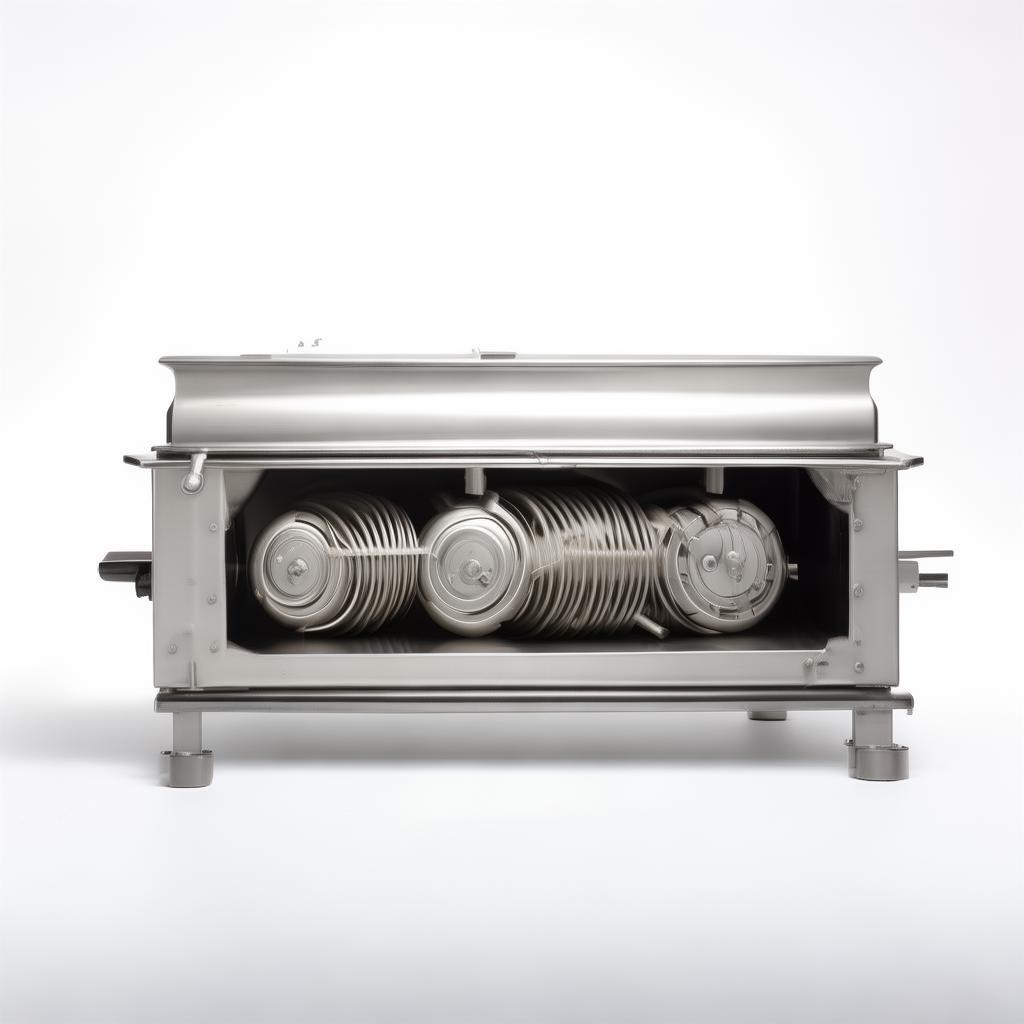
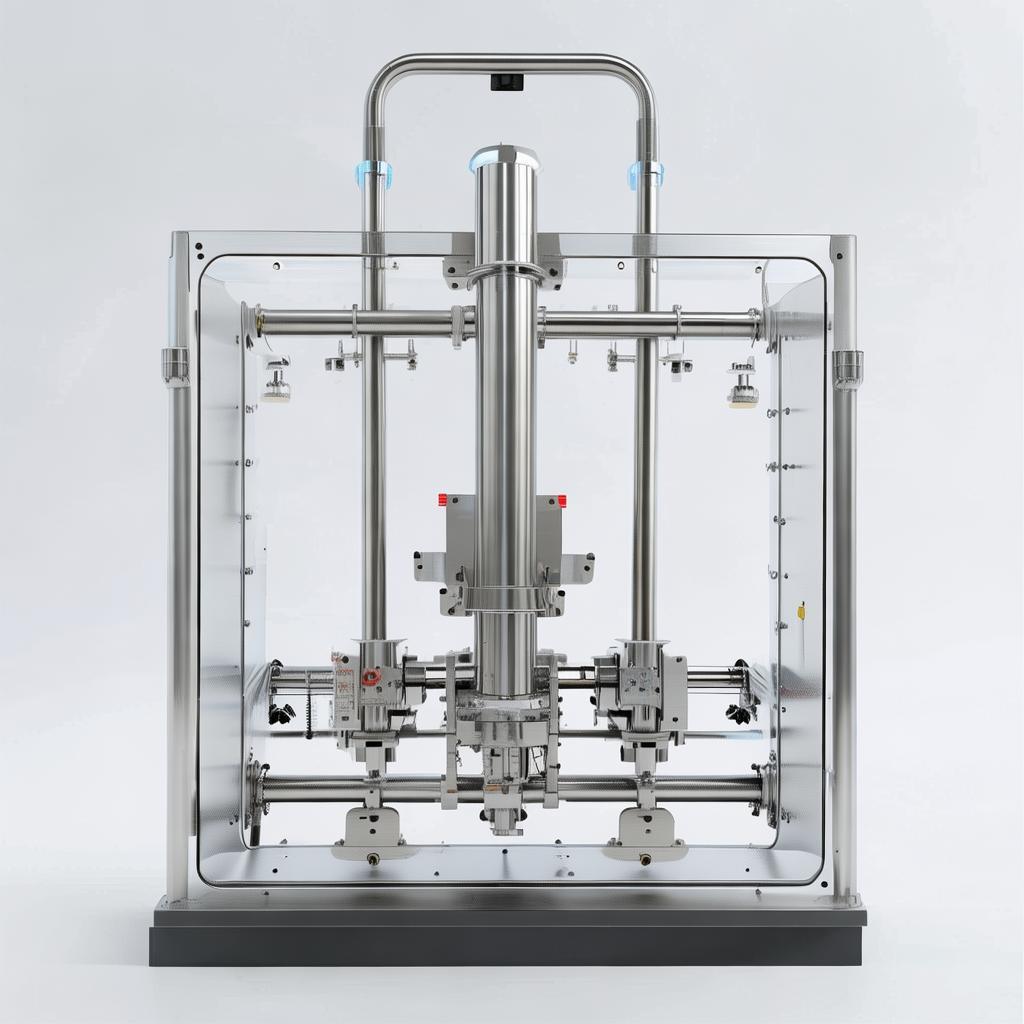
Multi Stage Venturi Vacuum Generator
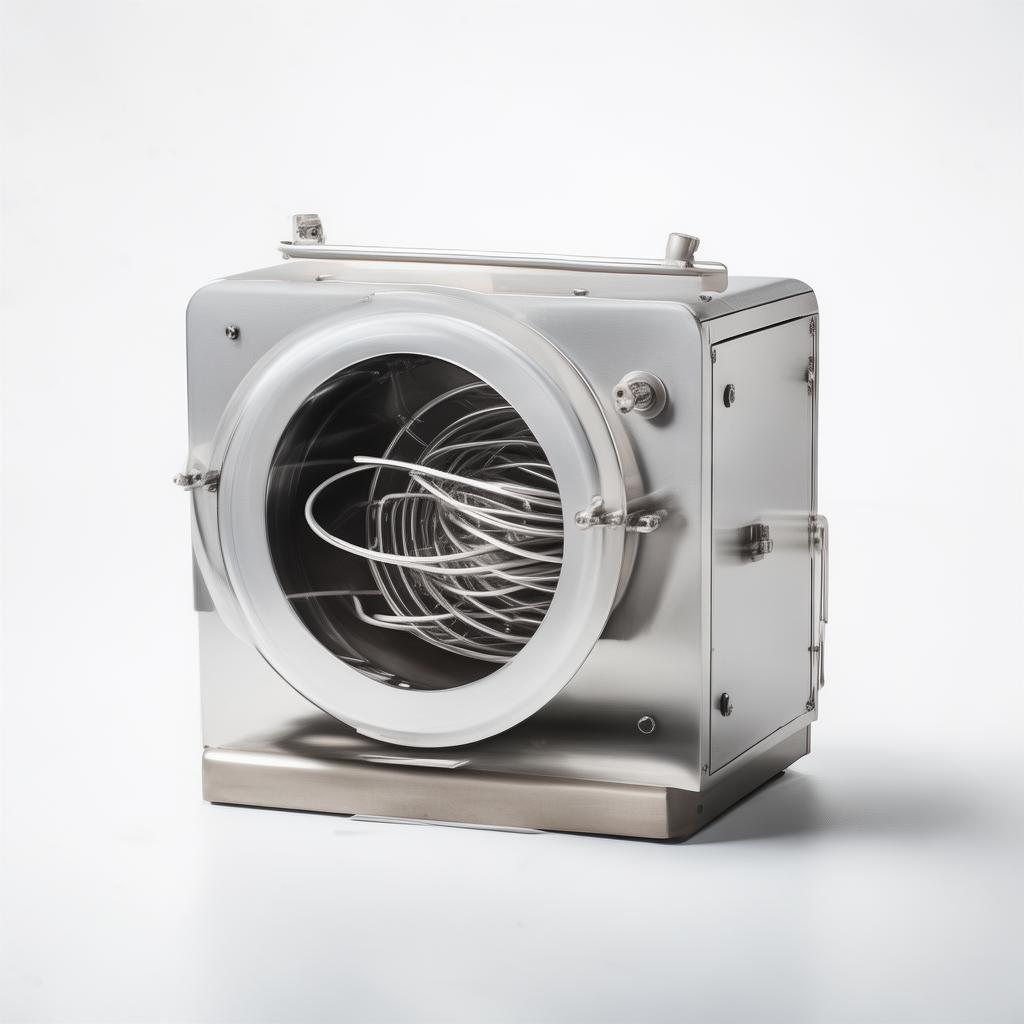
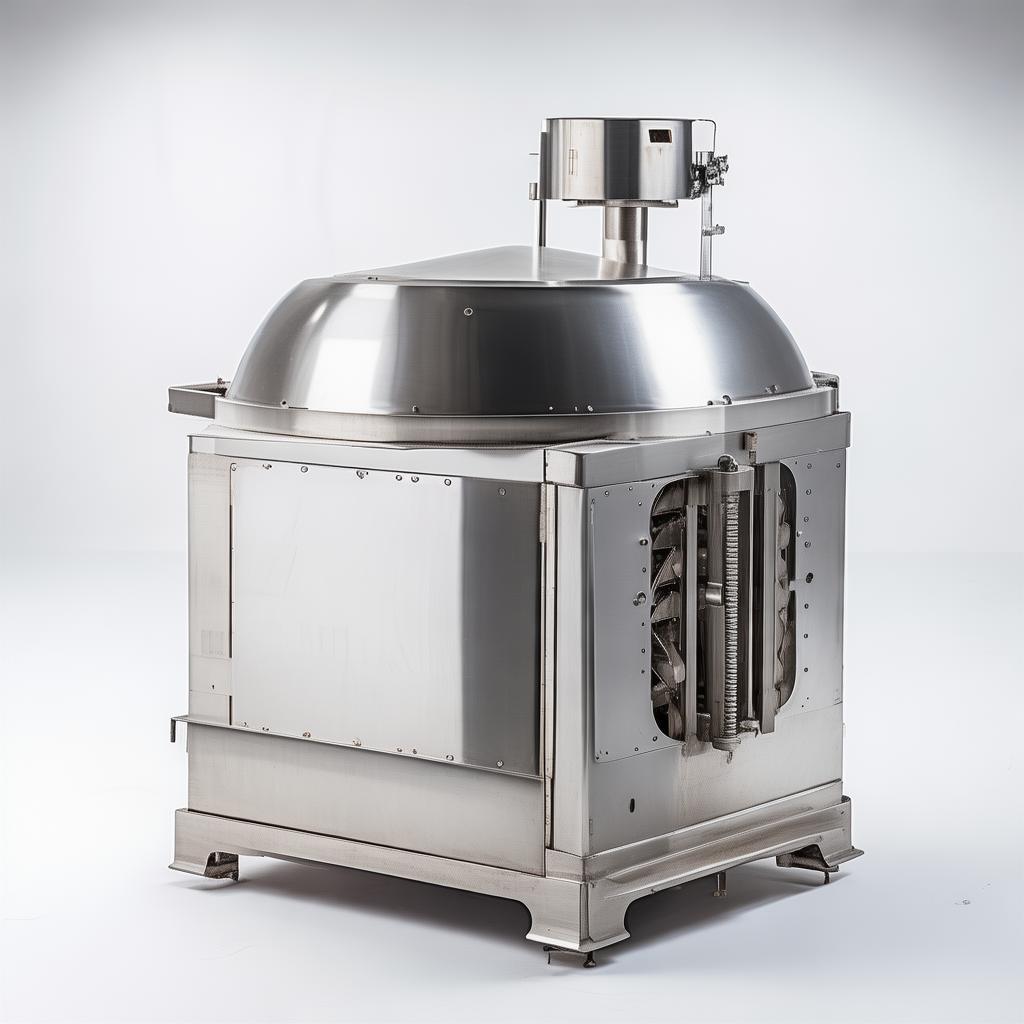
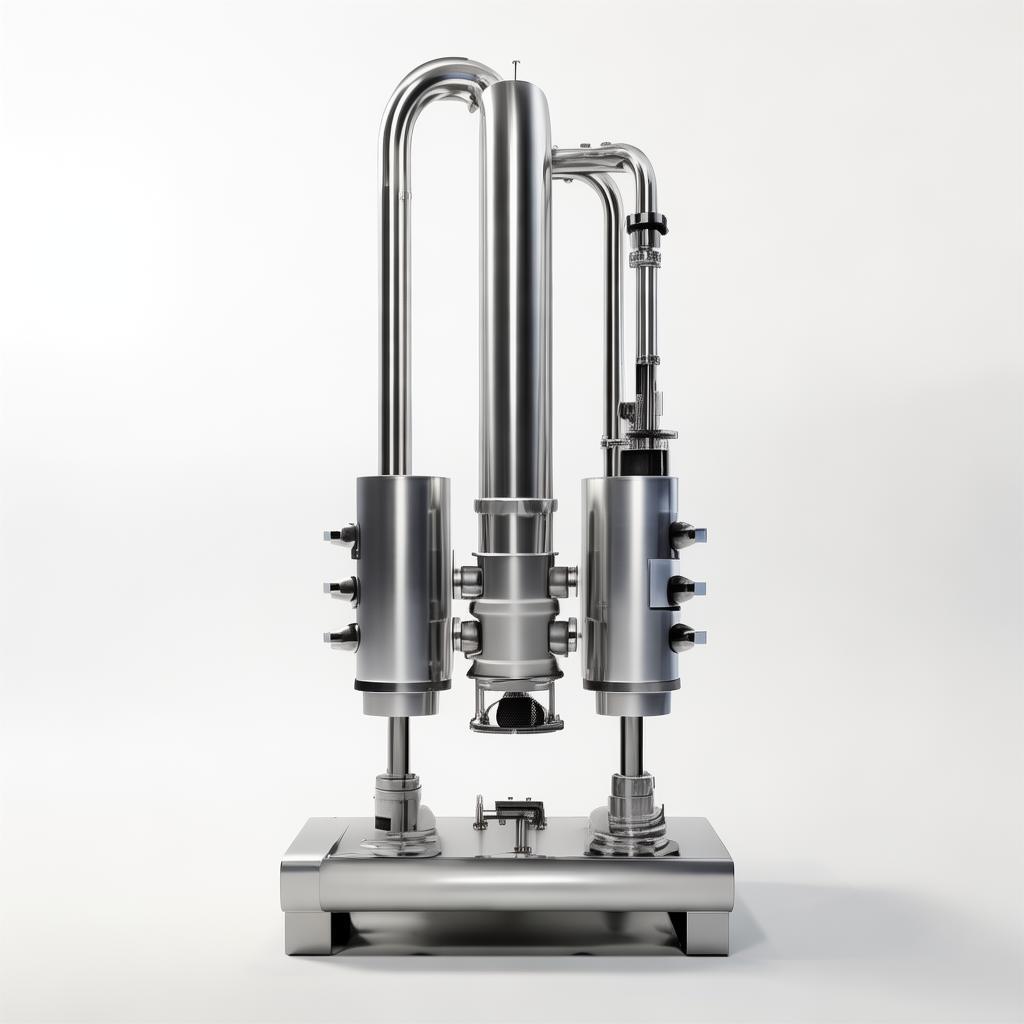
High-Performance Multi-Stage Venturi Vacuum Generators: Precision for Demanding Industrial Applications
Engineered for Reliability, Efficiency, and Seamless Integration in Your Operations.

By Dr. Evelyn Reed
Senior Industrial Automation Consultant & Export Specialist
With over 20 years in global manufacturing solutions.
Understanding Multi-Stage Venturi Vacuum Generators
In the intricate world of industrial automation and material handling, achieving reliable and precise vacuum is often the linchpin for operational success. For many manufacturing processes, especially those involving delicate or heavy items, the ability to generate and maintain a specific vacuum level quickly and efficiently is non-negotiable. Traditional vacuum pumps can be bulky, energy-intensive, and slow to respond, introducing inefficiencies and potential points of failure. This is where the advanced design of multi-stage Venturi vacuum generators comes into play.
Unlike single-stage systems, multi-stage Venturi generators leverage a cascade of Venturi effects, where compressed air is progressively accelerated through a series of converging-diverging nozzles. Each stage enhances the vacuum potential by drawing in surrounding air, creating a more potent and stable vacuum with remarkable speed. This sophisticated design offers a compelling solution for applications demanding rapid evacuation, high flow rates, and precise vacuum control, all within a remarkably compact and robust package. It’s not just about creating suction; it’s about creating controlled, efficient, and reliable vacuum for critical tasks.
The global market for meat processing equipment, a sector where precise vacuum is crucial for packaging, molding, and product integrity, highlights the demand for such advanced solutions. Market reports indicate a strong CAGR for this sector, driven by rising demand for processed meats and automation. For instance, the Meat Processing Equipment Market Analysis by Fortune Business Insights projects substantial growth, underscoring the need for reliable components like vacuum generators. Similarly, Grand View Research notes the market's expansion driven by automation for hygiene and labor efficiency. Our multi-stage Venturi vacuum generators are engineered precisely to meet these evolving industrial demands, offering superior performance for tasks ranging from delicate component handling in electronics manufacturing to the robust requirements of food processing and packaging lines.
Consider the challenges in automated packaging for sensitive food products. Achieving a quick and deep vacuum to create a hermetic seal without damaging the product requires a system that is both powerful and gentle. Single-stage systems might struggle to evacuate large volumes rapidly, leading to longer cycle times and potentially compromising product freshness. Our multi-stage Venturi generators, however, are built to handle these high-demand scenarios. They evacuate air exceptionally fast, enabling shorter packaging cycles and ensuring product integrity. This is particularly relevant in industries where speed-to-market and product preservation are paramount.
Furthermore, the operational landscape is constantly shifting. Supply chain disruptions, a growing emphasis on energy efficiency, and the relentless pursuit of higher productivity mean that every component in a manufacturing line must perform optimally. A vacuum generator that is slow to build vacuum, prone to leaks, or consumes excessive compressed air directly impacts throughput and operational costs. This is why understanding the nuances of Venturi technology, particularly the multi-stage variants, becomes critical for procurement managers and engineers looking to future-proof their automated systems. The investment in a well-designed multi-stage system translates directly into tangible benefits: reduced cycle times, lower energy consumption, and increased overall equipment effectiveness (OEE).
Our experience, honed over decades in the industrial mechanism sector, particularly with equipment for meat processing—a field demanding precision, hygiene, and efficiency—allows us to deeply understand these practical needs. We recognize that a component like a vacuum generator isn't just a part number; it's a critical enabler of your entire production process. Whether it’s ensuring a perfect seal on a pre-packaged steak or precisely positioning a delicate electronic component on an assembly line, the reliability of the vacuum system is paramount. The insights from market reports, like those from Mordor Intelligence, which highlight the growing demand for equipment supporting molded and cured meat production, directly correlate with the need for sophisticated vacuum generation technologies.
The Evolving Needs of Modern Manufacturing & Procurement
Today's industrial environments are characterized by a constant push for greater efficiency, tighter tolerances, and reduced operational costs. Procurement teams are under immense pressure to source components that not only meet stringent technical specifications but also offer demonstrable ROI, long-term reliability, and seamless integration into complex automated systems. The challenge lies in identifying solutions that can keep pace with rapid production cycles and fluctuating demands.
We frequently encounter situations where existing vacuum systems are a bottleneck. This could manifest as longer-than-expected pick-and-place times, inconsistent gripping forces, or excessive compressed air consumption. These issues aren't isolated; they ripple through the entire production line, impacting throughput, increasing labor costs, and potentially leading to product damage or rejection. For example, in automated assembly, a vacuum generator that struggles to maintain vacuum when a small leak is present can lead to dropped components, a costly and time-consuming problem to rectify.
From a procurement standpoint, selecting the right vacuum technology involves more than just comparing price lists. It requires a deep understanding of the application's specific needs: the size and weight of the object to be handled, the required speed of evacuation, the available compressed air supply, and the environmental conditions. We've seen buyers get caught out by systems that promise high performance but deliver inconsistently under real-world operating pressures, leading to premature wear and unscheduled downtime. Choosing a robust, multi-stage Venturi system often mitigates these risks effectively.
The push for sustainability and energy efficiency also plays a significant role. Compressed air is notoriously energy-intensive. A vacuum generator that uses compressed air inefficiently translates directly into higher energy bills. Multi-stage Venturi designs, by optimizing air usage and achieving vacuum faster, can offer substantial energy savings over the lifecycle of the equipment. Market analyses, such as those from Precision Business Insights, often highlight efficiency and automation as key drivers, valuing the market significantly for the coming years. Our focus is on providing solutions that are not just performant but also economically and environmentally sound.
Furthermore, the global supply chain has introduced new considerations for international buyers. Lead times, shipping costs, and the reliability of suppliers are critical factors. A supplier’s ability to provide comprehensive technical support, documentation, and consistent quality assurance is paramount. This is where our 40 years of experience in manufacturing, including intricate processes within the food and meat processing industries—as evidenced by market reports from Yatr.com and IMARC Group detailing the growth in meat processing equipment driven by hygiene and automation—becomes a significant advantage. We understand the buyer's journey, from initial inquiry to after-sales support.
It's essential to consider the long-term operational costs. A seemingly cheaper single-stage vacuum pump might require more frequent maintenance, consume more energy, and lead to higher product rejection rates. Over time, the total cost of ownership for a multi-stage Venturi generator, with its superior efficiency and reliability, can be significantly lower. We aim to be transparent about these factors, helping our clients make informed purchasing decisions that benefit their bottom line and operational continuity. Our own in-house machining capabilities, including Japanese CNC centers, ensure that even non-standard, high-precision components are manufactured to exacting standards, reducing the risk of premature failure.
Our Multi-Stage Venturi Vacuum Generator Series: Engineered for Performance
At Hebei Yuanchang Food Mechanism & Technology Co., Ltd., we've leveraged our extensive experience in high-precision manufacturing to develop a line of multi-stage Venturi vacuum generators that meet the rigorous demands of modern industrial automation. These units are designed for exceptional performance, durability, and ease of integration.
Our generators utilize a series of precisely engineered Venturi nozzles. Compressed air is injected into the first stage, creating a moderate vacuum. This partially evacuated air, along with ambient air drawn in, is then fed into the second stage, where the Venturi effect is amplified. This cascading process is repeated across multiple stages, resulting in a significantly deeper vacuum and higher flow rate than achievable with single-stage designs, all while maintaining a compact footprint. This design is inherently robust, with no moving parts other than the air supply itself, meaning less wear and tear, and significantly reduced maintenance requirements compared to traditional vacuum pumps.

Key features of our series include:
- High Evacuation Speed: Rapidly create deep vacuum levels essential for fast-cycling automation.
- Adjustable Vacuum Levels: Fine-tune vacuum output to suit different product handling requirements, minimizing the risk of damage.
- Compact & Lightweight Design: Easy integration into robotic end-effectors, pick-and-place systems, and tight machine spaces.
- No Moving Parts (Internal): Maximizes reliability, minimizes wear, and drastically reduces maintenance needs.
- Energy Efficient: Optimized compressed air consumption for lower operational costs.
- Durable Construction: Built with high-quality materials (e.g., anodized aluminum, chemical-resistant polymers) for longevity in harsh industrial environments.
- Customizable Options: Available in various configurations and materials to meet specific OEM or application needs.
We understand that in sectors like food processing, hygiene is paramount. Our generators can be supplied with materials and finishes that comply with relevant food-grade standards, making them suitable for direct contact or close proximity applications. Reports such as those from Global Market Insights emphasize the growing demand for hygienic processing equipment, a need our vacuum generators are designed to fulfill.
Whether you're looking to automate a delicate assembly process, improve the efficiency of your packaging line, or require a robust vacuum solution for material handling, our multi-stage Venturi vacuum generators offer a superior blend of performance, reliability, and value. The precision engineering behind each unit is a direct result of our extensive manufacturing heritage, ensuring that when you choose our product, you are choosing a solution built to last and perform.
How Multi-Stage Venturi Technology Works: Precision in Fluid Dynamics
The core principle behind a Venturi vacuum generator is fluid dynamics – specifically, the Venturi effect. This states that as a fluid (in this case, compressed air) flows through a constricted section of a pipe (the nozzle), its velocity increases, and its pressure decreases. This drop in pressure creates a vacuum, which can then be used to draw in a secondary fluid or gas – in our case, the air from the workspace that needs to be evacuated.
A multi-stage Venturi vacuum generator takes this principle and applies it sequentially:
- Stage 1: Initial Vacuum Creation: Compressed air is fed into the primary Venturi nozzle. As it accelerates through the narrow throat, its pressure drops significantly. This low-pressure zone is connected to the intake port, drawing ambient air from the application area.
- Stage 2: Vacuum Amplification: The mixture of primary compressed air and the first volume of evacuated air then flows into the second Venturi nozzle. Here, the process repeats. The accelerated flow within the second nozzle further reduces pressure, drawing in more air from the intake.
- Subsequent Stages: This cascading effect continues through each stage. With each subsequent Venturi, the vacuum potential increases, and more air is evacuated from the connected workspace. This "stacking" of Venturi effects allows for the generation of deeper vacuum levels and higher flow rates than a single Venturi could achieve.
- Exhaust: The combined air (original compressed air plus all evacuated air) is then expelled through an exhaust port, typically back into the atmosphere.
The key advantage here is efficiency and speed. Because each stage builds upon the vacuum created by the previous one, the system can achieve a high vacuum level much faster than a single, large Venturi or a mechanical pump struggling against atmospheric pressure. This rapid evacuation is crucial for applications like high-speed pick-and-place robotics, where cycle times are measured in milliseconds.
Consider the engineering involved. The precise dimensions of each Venturi nozzle, the spacing between stages, and the internal porting are all critical. Slight deviations can significantly impact performance. Our extensive R&D, coupled with our own advanced machining capabilities using equipment like Japanese Mazak CNC machining centers, ensures that every generator is manufactured to exacting tolerances. This meticulous approach is what differentiates a standard Venturi from a high-performance, multi-stage unit designed for critical industrial tasks. We produce high-precision components that meet non-standard specifications, ensuring superior performance.
The beauty of this design lies in its simplicity and robustness. Unlike rotary vane pumps or diaphragm pumps, there are no seals to wear out, no impellers to clog, and no oil to contaminate the process. This inherent reliability translates directly into reduced downtime and lower maintenance costs, a critical factor for procurement professionals focused on total cost of ownership. Reports on the meat processing equipment market consistently highlight automation and hygiene as growth drivers, areas where reliable vacuum generation is indispensable.
Furthermore, the performance characteristics can be tailored. By adjusting the input pressure of the compressed air, users can fine-tune the generated vacuum level and flow rate. This adaptability makes our multi-stage Venturi generators suitable for a wide range of gripping and handling applications, from heavy-duty industrial parts to delicate food items. Our manufacturing expertise ensures that we can provide these units in various configurations and materials to meet specific international standards and application requirements.
Unpacking the Operational & Commercial Benefits
The adoption of a multi-stage Venturi vacuum generator is a strategic decision that offers tangible advantages across operational, technical, and commercial aspects of your business. These aren't just theoretical benefits; they translate directly into improved productivity, reduced costs, and enhanced product quality.
1. Unmatched Speed and Responsiveness: The cascade effect of multi-stage Venturi technology allows for exceptionally rapid evacuation of air. This translates to faster cycle times in automated systems. For pick-and-place applications, this means quicker gripping and release, directly boosting throughput. In packaging, it means faster sealing cycles, enabling higher production volumes. This speed is often a critical differentiator in competitive markets.
2. High Vacuum Stability and Control: While achieving high vacuum quickly, these systems also maintain a stable vacuum level. The absence of internal moving parts, unlike many mechanical pumps, prevents pulsation and ensures consistent suction. Furthermore, the vacuum level can often be precisely adjusted by regulating the compressed air supply pressure, allowing for delicate handling of sensitive materials without compromising grip strength. This control is vital for applications involving fragile components or varying product densities.
3. Robustness and Reliability: The inherent simplicity of the Venturi design—relying on the physics of fluid flow rather than complex mechanics—makes these generators incredibly durable. With no internal wear parts like seals, pistons, or impellers, the risk of mechanical failure is significantly reduced. This translates to higher uptime, reduced maintenance schedules, and predictable operational costs. Our own manufacturing heritage, including decades in producing robust machinery, ensures this reliability is built-in.
4. Energy Efficiency: While compressed air generation itself consumes energy, multi-stage Venturi generators optimize its use. They achieve the required vacuum quickly and efficiently, often allowing for shorter run times or lower operating pressures compared to less sophisticated systems. This focus on efficiency aligns with modern sustainability goals and directly impacts operational expenditure. Reports from Market Research Future frequently cite automation and energy efficiency as key market drivers in related sectors.
5. Compact and Lightweight Footprint: The design allows for a very high vacuum generation capability within a small physical size. This is crucial for applications where space is at a premium, such as robotic end-effectors or integrated into compact machinery. A lighter unit also simplifies mounting and reduces the payload on robotic arms.
6. Reduced Maintenance and Lower TCO: Due to the absence of critical wear parts, maintenance requirements are minimal, often limited to ensuring the compressed air supply is clean and dry. This significantly lowers the total cost of ownership (TCO) over the equipment's lifespan, a key metric for procurement professionals. For example, in the demanding environment of meat processing, where hygiene and continuous operation are critical, a low-maintenance vacuum system is invaluable.
7. Versatility and Customization: Our series can be configured with different materials and porting options to suit a wide array of applications and environmental conditions. This adaptability, combined with our ability to produce custom components, ensures that we can meet unique OEM and specialized industrial requirements.
Considering these advantages, a multi-stage Venturi vacuum generator is not merely a component; it's an investment in operational excellence. It addresses common pain points like slow cycles, unreliable performance, and high maintenance costs, paving the way for more efficient and profitable manufacturing.
Versatile Applications Across Diverse Industries
The inherent benefits of multi-stage Venturi vacuum generators—speed, reliability, precision, and compact size—make them exceptionally versatile. They are not confined to a single sector but are integral to numerous automated processes across global industries.
1. Material Handling & Robotics: This is a primary application area. Vacuum grippers powered by Venturi generators are widely used for picking and placing a vast array of objects, from delicate electronic components and glass panes to heavier items like pre-cast concrete blocks or automotive parts. The rapid evacuation allows for high-speed robotic movements.
2. Food & Beverage Processing: In this sector, vacuum plays a critical role in packaging, molding, and handling. Our generators are ideal for:
- Packaging: Creating vacuum for modified atmosphere packaging (MAP) or vacuum sealing, ensuring product freshness and extended shelf life. This directly supports the growth in processed and pre-packaged meats, as noted by Fortune Business Insights.
- Molding: Assisting in the precise molding of products like sausages, paté, or formed meat products, leveraging vacuum to shape and hold the material.
- Handling: Gently gripping and transferring delicate food items without damage.
3. Automation & Assembly Lines: In electronics manufacturing, pharmaceuticals, and general assembly, vacuum is used for precise component placement, holding workpieces in position during machining or assembly, and for automated testing procedures.
4. Printing & Packaging Machinery: Vacuum is essential for accurate paper feeding, sheet positioning, and maintaining tension in various printing and packaging processes.
5. Medical Device Manufacturing: Handling small, precise components, operating automated laboratory equipment, and in specific sterilization processes where controlled vacuum is required.
6. Woodworking and CNC Machining: Vacuum clamping systems, often powered by Venturi generators, hold workpieces securely on CNC routers and other machining equipment, allowing for edge access and precise cuts without mechanical clamps.
The key factor across these diverse applications is the ability of the multi-stage Venturi generator to provide a specific, reliable vacuum level quickly. For instance, in the context of meat processing equipment market growth detailed by GM Insights, the demand for automated filling, molding, and ripening systems necessitates dependable vacuum solutions for optimal product texture and safety. Our generators fulfill this critical need.
Our commitment is to provide solutions that enhance operational efficiency and product quality regardless of your industry. We work with clients globally to identify the ideal vacuum generation strategy for their unique challenges.
Technical Specifications: Tailored for Performance
Understanding the technical details is crucial for integrating any component into your existing or new system. Below are typical specifications for our multi-stage Venturi vacuum generator series. Please note that specific models may vary, and customization options are available.
We pride ourselves on offering a range of models to suit different flow rates, vacuum levels, and connection types. Our in-house manufacturing capabilities, including the use of high-precision CNC machining centers, allow us to produce units with exceptional accuracy and consistency.
| Parameter | Model A (Compact) | Model B (High Flow) | Model C (Deep Vacuum) |
|---|---|---|---|
| Number of Stages | 2-3 | 3-4 | 4-5 |
| Max. Vacuum Level | -0.85 bar (-12.3 PSI) | -0.90 bar (-13.0 PSI) | -0.92 bar (-13.3 PSI) |
| Max. Air Consumption (at 6 bar) | 20-40 LPM | 40-80 LPM | 30-60 LPM |
| Max. Flow Rate (at atmospheric) | 15-30 LPM | 35-70 LPM | 25-50 LPM |
| Operating Pressure Range | 4-7 bar (58-101 PSI) | 4-7 bar (58-101 PSI) | 4-7 bar (58-101 PSI) |
| Port Connections (Air In/Out/Vacuum) | G1/4" / G1/2" / G1/4" | G1/2" / G3/4" / G1/2" | G3/8" / G3/4" / G3/8" |
| Body Material | Anodized Aluminum / POM | Anodized Aluminum / Stainless Steel (Optional) | Anodized Aluminum / Stainless Steel (Optional) |
| Operating Temperature | 5°C to 60°C (41°F to 140°F) | 5°C to 60°C (41°F to 140°F) | 5°C to 60°C (41°F to 140°F) |
| Optional Features | Silencer, Integrated Solenoid Valve | Silencer, Integrated Solenoid Valve, Ejector Control | Silencer, Integrated Solenoid Valve, Ejector Control, Vacuum Switch |
vacuum venturi generator venturi vacuum generator venturi vacuum pump
Note: These specifications are indicative. For detailed datasheets and application-specific recommendations, please contact our technical sales team. We can also discuss custom solutions, including specialized materials for hygienic applications or different port configurations to match your existing infrastructure. Our goal is to ensure seamless integration and optimal performance in your specific industrial setup.
The precision manufacturing we employ ensures that these specifications are consistently met. With over 20 sets of processing machinery in our workshop, including high-precision grinders and boring machines, we are equipped to handle the tight tolerances required for optimal Venturi nozzle performance. This dedication to quality is fundamental to the reliability our clients expect.
Navigating the Procurement Process: Making the Right Choice
Sourcing industrial components internationally requires careful consideration. As an experienced exporter, we understand the procurement challenges faced by purchasing managers and engineers. Our aim is to make this process as transparent and straightforward as possible.
1. Define Your Application Needs: Before reaching out, clearly understand the critical parameters:
- Object Characteristics: Size, weight, surface porosity, and fragility of the item to be handled.
- Cycle Time Requirements: How quickly does vacuum need to be established and released?
- Required Vacuum Level: What depth of vacuum is necessary for a secure grip or seal?
- Compressed Air Availability: Pressure (bar/PSI) and flow rate (LPM/CFM) of your compressed air system.
- Environmental Conditions: Temperature, humidity, presence of dust or chemicals.
- Integration Constraints: Available space, existing port sizes, power requirements for any integrated valves.
2. Evaluate Supplier Capabilities: When looking for a supplier, consider:
- Experience: How long have they been manufacturing and exporting these types of products? Our 40 years in business provide a solid foundation.
- Manufacturing Strength: Do they have in-house machining capabilities for high precision? Our extensive workshop and CNC centers are key here.
- Quality Assurance: Do they adhere to international standards? We have certifications like ISO.
- Technical Support: Can they offer expert advice for selection and integration? Our team is ready to assist.
- Logistics and After-Sales: Are they experienced in international shipping? Do they have a traceable after-sales system?
3. Understand Total Cost of Ownership (TCO): Don't just compare unit prices. Factor in energy consumption, maintenance costs, potential downtime, and product lifespan. A multi-stage Venturi generator, while potentially having a higher upfront cost than a basic single-stage unit, often offers a significantly lower TCO due to its efficiency and reliability.
4. Request Detailed Specifications and Samples: Always ask for detailed technical datasheets. If possible, request a sample unit for testing in your actual application to validate performance and integration. This is a crucial step often overlooked in international procurement.
5. Clear Communication: Ensure open lines of communication regarding lead times, shipping arrangements (FOB, CIF, etc.), payment terms, and any specific packaging requirements. Our dedicated export team is proficient in managing these details.
We understand the risks associated with international sourcing. By emphasizing transparency, providing robust technical data, and backing our products with decades of manufacturing expertise, we aim to be your trusted partner. We aim to reduce the perceived risk, ensuring you receive a high-quality, reliable product that meets your operational needs.
Our Manufacturing Prowess: Foundation of Quality
At Hebei Yuanchang Food Mechanism & Technology Co., Ltd., our foundation is built on decades of hands-on manufacturing experience. While our historical focus has been on sophisticated food processing machinery—including critical components for meat product pretreatment, molding, and ripening—this expertise directly translates to the precision required for advanced industrial components like our multi-stage Venturi vacuum generators.
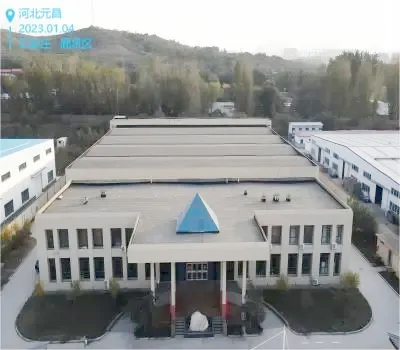
We operate on a substantial site of approximately 14,000 square meters, staffed by a dedicated team of 80-100 skilled professionals. This allows us to integrate Research & Development, meticulous production, and efficient sales operations under one roof. Our strength lies in our in-house capabilities:
- Comprehensive Machining Workshop: Equipped with over 20 sets of advanced processing machinery, including lathes, milling machines, high-precision grinding machines, boring machines, plate shears, bending machines, and wire cutting equipment.
- High-Precision CNC Machining: Since 2012, we've invested in 8 sets of Japanese Mazak CNC machining centers. This technology enables us to produce components requiring extreme precision, large volumes, and non-standard specifications, ensuring the critical tolerances needed for Venturi nozzles.
- Independent Component Production: Our ability to manufacture high-precision parts in-house means we control quality at every step. This reduces reliance on external suppliers for critical elements and guarantees consistency.
- Traceable After-Sales Management: We maintain rigorous systems for tracking product performance and customer feedback, allowing for continuous improvement and reliable after-sales support.
This deep integration of R&D and manufacturing allows us to not only produce standard, high-quality vacuum generators but also to offer significant OEM and ODM customization. We understand that specific applications may require unique configurations, materials, or performance characteristics. Our engineering team works closely with clients to develop bespoke solutions, leveraging our extensive production infrastructure to bring those designs to life efficiently and cost-effectively.
The experience gained from developing complete production lines for the food industry, where hygiene, food-grade materials (like stainless steel options), and precise molding are paramount, informs our approach to all industrial components. This ensures that our vacuum generators are not only technically advanced but also built with the durability and quality assurance expected by demanding international clients. Reports from LinkedIn Pulse discussing the growth in meat processing equipment highlight the need for reliable, automated solutions—a sector we deeply understand.
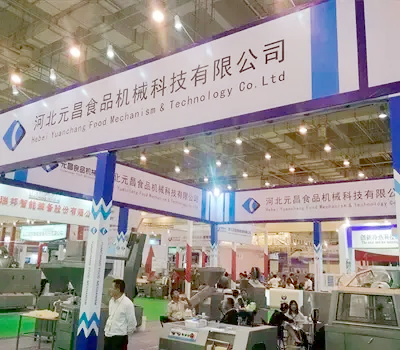
Our commitment to quality is further underscored by our adherence to international standards and certifications, ensuring our products meet global market requirements. When you partner with us, you're not just buying a component; you're gaining access to decades of manufacturing expertise and a partner dedicated to your operational success.
We are equipped to handle export requirements, ensuring timely delivery and proper documentation for international clients worldwide.
Real-World Performance: What Our Clients Say
Hearing directly from users provides the most authentic view of our product's performance and impact. Here are a few testimonials from clients who have integrated our multi-stage Venturi vacuum generators into their operations:

David Chen, Operations Manager | Electronics Assembly Firm, USA
"We were struggling with inconsistent pick-and-place rates on our high-speed SMT lines. The previous vacuum system was too slow to evacuate air effectively for our smallest components. Switching to your multi-stage Venturi generators was a game-changer. Cycle times improved by nearly 15%, and component drop rates are virtually eliminated. The compact size also made retrofitting straightforward."

Maria Rodriguez, Procurement Specialist | Food Packaging Company, Mexico
"Reliability is key in our 24/7 operation. We needed a vacuum system for our modified atmosphere packaging that could handle high throughput without frequent maintenance. Your generators have performed exceptionally well. They establish vacuum quickly, ensuring a proper seal every time, and we've seen a noticeable reduction in maintenance calls related to the vacuum system. The ease of integrating them into our existing setups was also a big plus."

Kenji Tanaka, Lead Engineer | Automation Solutions Provider, Japan
"As a system integrator, we require components that are robust, perform as specified, and are adaptable. Your multi-stage Venturi units fit these criteria perfectly. We've used them in various custom robotic end-effector designs, and their consistent performance, especially the rapid vacuum build-up and stable holding force, has been consistently praised by our clients. The OEM options you provided were also invaluable for a recent project with tight space constraints."

Anil Sharma, Production Supervisor | Automotive Parts Manufacturer, India
"We installed your vacuum generators on our CNC machines for holding custom metal parts. The previous clamping methods were slow and sometimes interfered with machining access. These Venturi units provide strong, consistent holding pressure across the entire surface, and the quick release is essential for our rapid production cycle. Energy consumption seems lower too, which is a welcome bonus."
Buyer FAQs: Addressing Your Key Questions
We've compiled answers to common questions to assist you in making an informed decision.
Q1: How do multi-stage Venturi vacuum generators differ from single-stage units?
Single-stage units use one Venturi nozzle to create vacuum. Multi-stage units use a series of Venturi nozzles, where the output of one stage feeds into the next, amplifying the vacuum potential. This results in faster evacuation speeds and deeper vacuum levels, crucial for high-speed or demanding applications.
Q2: What are the maintenance requirements for your Venturi generators?
Due to the absence of internal moving parts, maintenance is minimal. The primary recommendation is to ensure the compressed air supply is clean, dry, and filtered to prevent any debris from potentially obstructing the Venturi passages. Periodic checks of connections and external surfaces are generally sufficient.
Q3: Can these generators handle dusty or contaminated environments?
While the design is robust, heavily contaminated environments can eventually impact performance. For such applications, we recommend implementing robust compressed air filtration systems upstream of the generator. We can also discuss models with more resistant materials or specific sealing options if required.
Q4: How do I select the correct model for my application?
Selection depends on your specific requirements: object size/weight, required cycle time, necessary vacuum level, and compressed air supply. We highly recommend contacting our technical sales team. With the details of your application, we can provide expert guidance to ensure you choose the most efficient and effective model.
Q5: Do you offer OEM/ODM services for custom vacuum solutions?
Absolutely. Leveraging our extensive manufacturing capabilities, including advanced CNC machining, we specialize in OEM and ODM services. We can customize port sizes, materials, flow rates, and even integrated features to meet your specific product development needs.
Q6: What are the typical lead times for international orders?
Lead times can vary based on order volume and product availability. For standard configurations, lead times are typically between 2-4 weeks. For custom or large OEM orders, lead times will be discussed and confirmed during the quotation process. Our aim is always to fulfill orders efficiently.
Q7: How do your products align with international standards (e.g., CE, RoHS)?
We ensure our products meet relevant international standards. Many of our models are CE marked, and we can supply units compliant with RoHS directives upon request. We provide necessary documentation to support your compliance efforts.
Ready to Optimize Your Vacuum Systems?
Experience the difference that precision-engineered, high-performance multi-stage Venturi vacuum generators can make in your operations. Enhance your productivity, reduce costs, and ensure reliable performance.
We are committed to providing solutions that drive efficiency and reliability in your global operations.