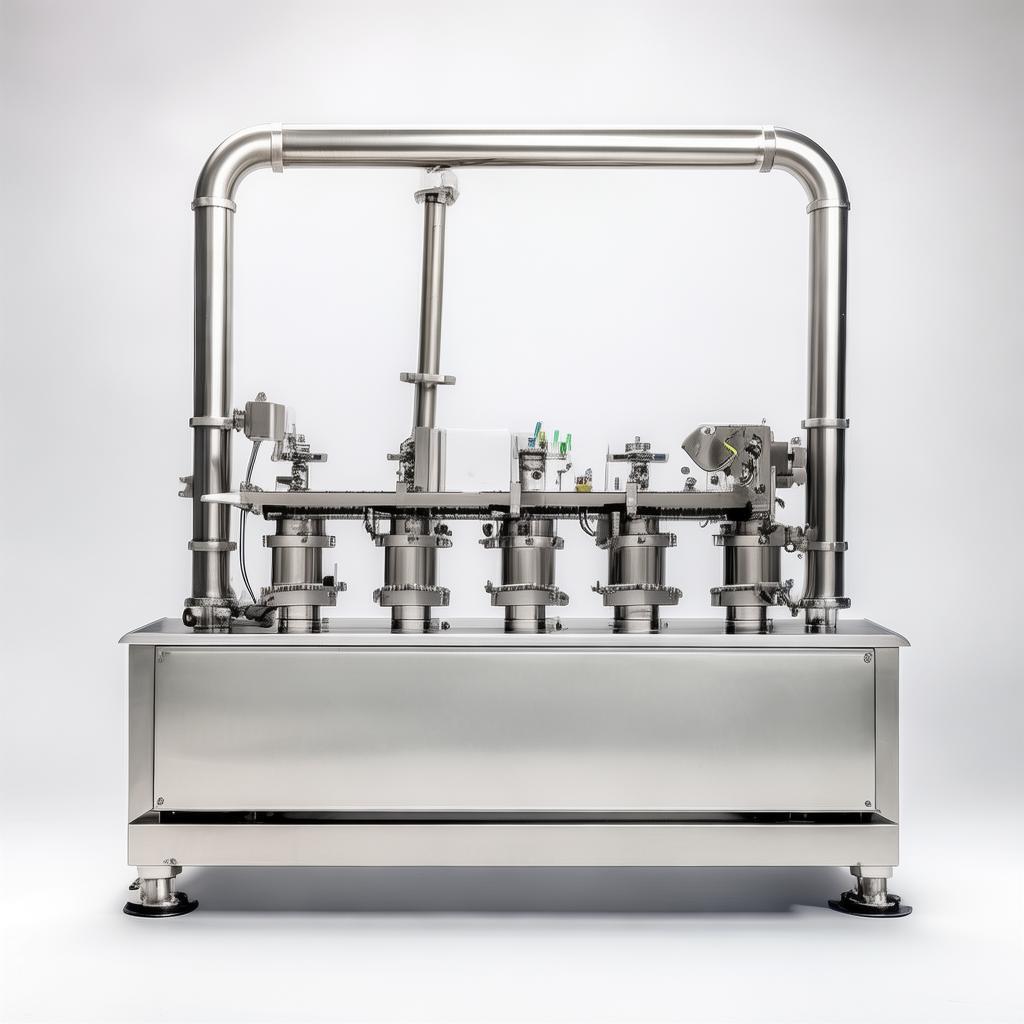
Type Of Vacuum Pumps
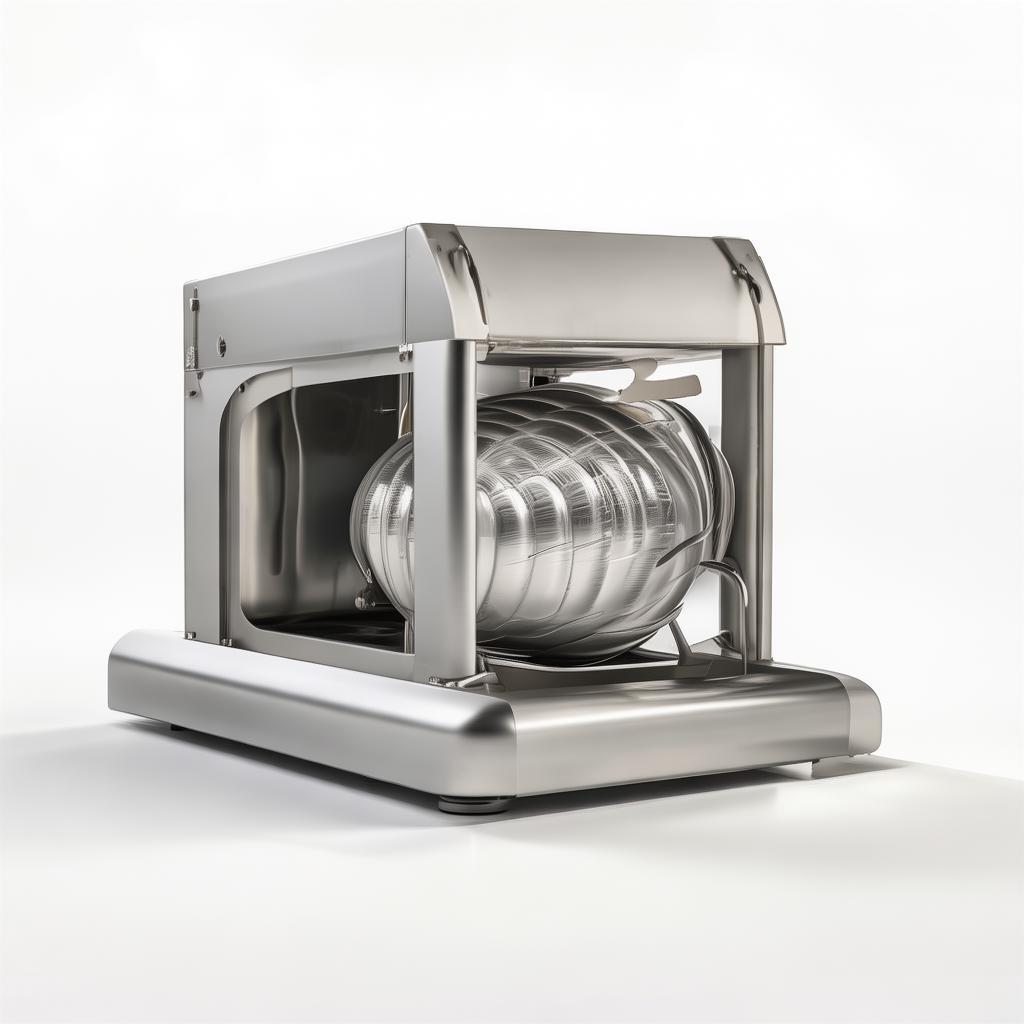
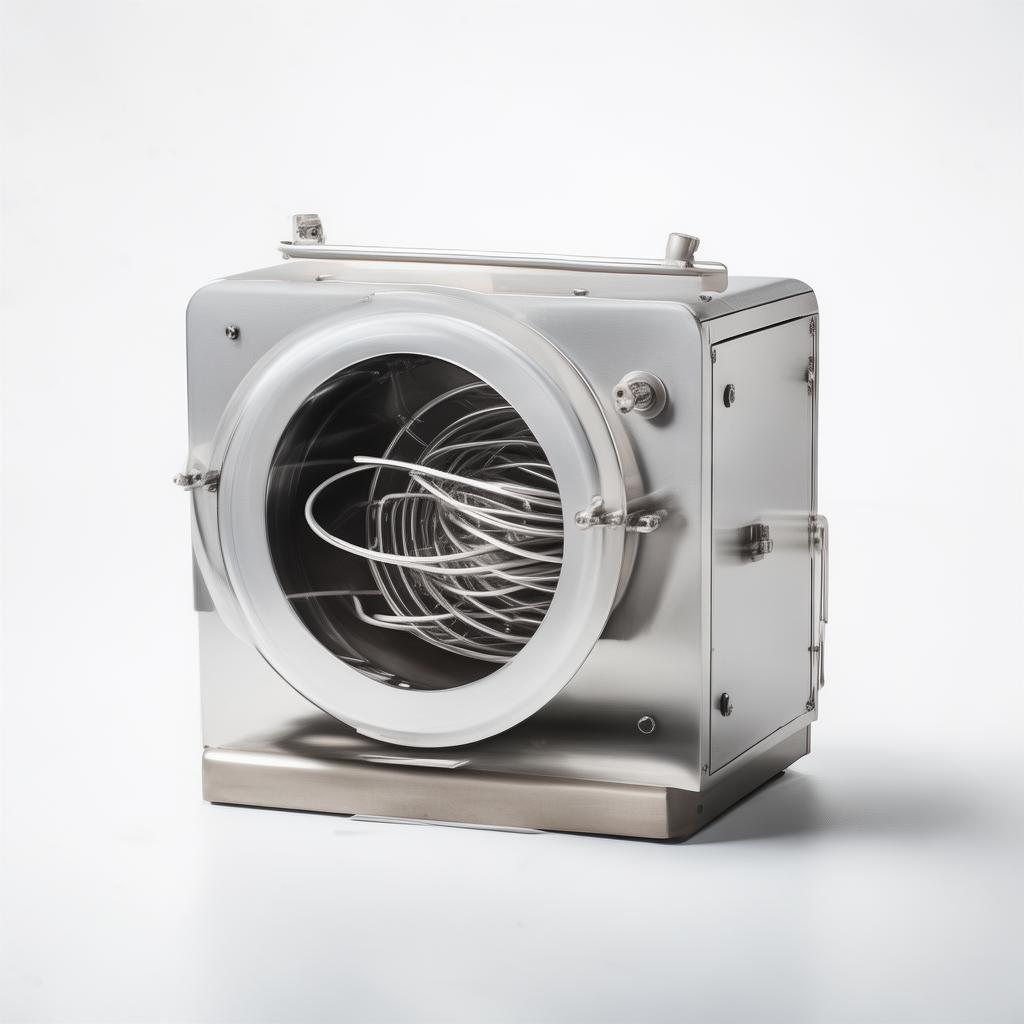
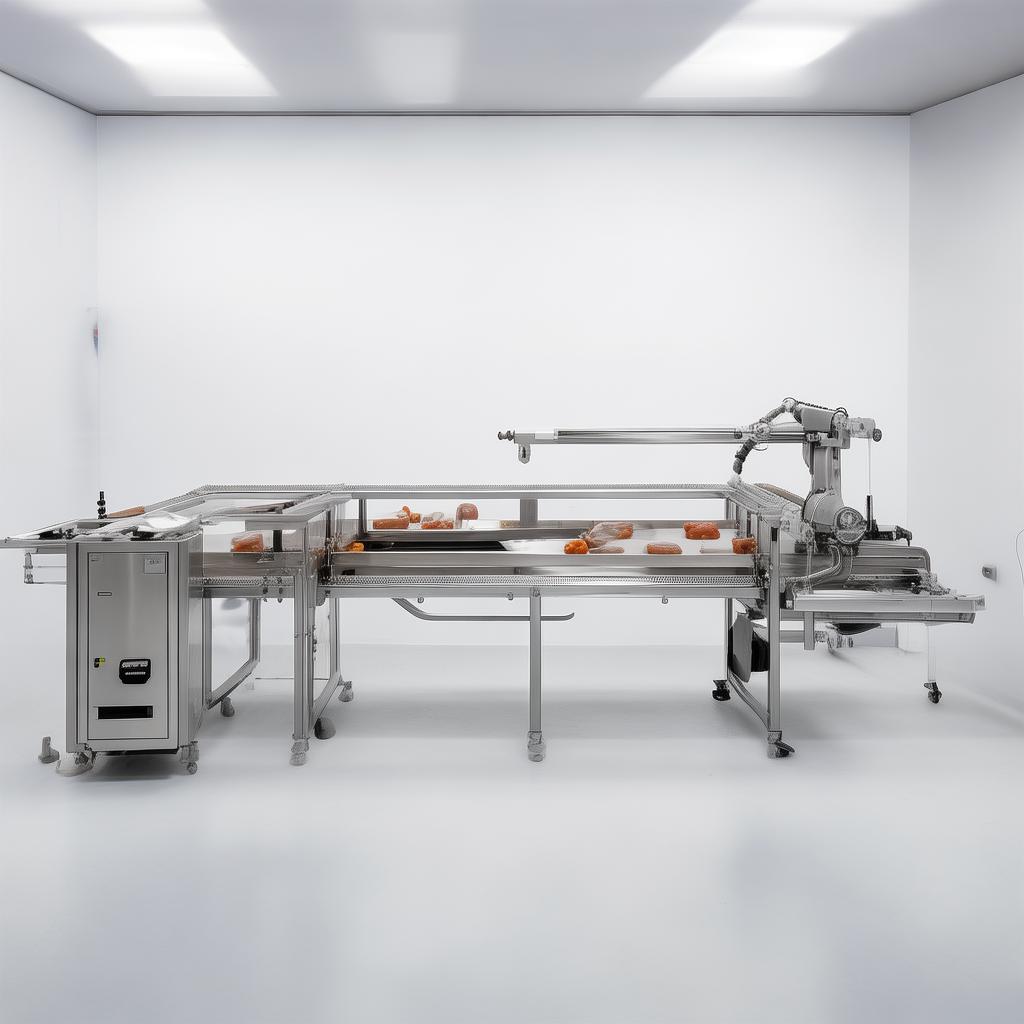
Industrial Vacuum Pumps: Precision, Performance, and Proven Reliability for Your Operations
By Zhang Wei, Senior Export Manager at Hebei Yuanchang Food Mechanism & Technology Co., Ltd.

Table of Contents
- Understanding Industrial Vacuum Pumps
- Critical Operational Challenges Vacuum Pumps Address
- Key Types of Industrial Vacuum Pumps
- Why Choose Yuanchang Vacuum Pumps?
- Diverse Application Scenarios
- Technical Specifications: A Closer Look
- Procurement Guidance for Your Operation
- Our Manufacturing Prowess: Hebei Yuanchang
- Commitment to Quality: Certifications
- What Our Clients Say
- Frequently Asked Questions
- Ready to Enhance Your Operations?
In today's demanding industrial landscape, achieving and maintaining precise vacuum levels isn't just a technical requirement; it's a cornerstone of operational efficiency, product quality, and process integrity. Whether you're involved in sensitive food processing, intricate manufacturing, chemical applications, or advanced material handling, the reliability and performance of your vacuum system are paramount. The "type of vacuum pumps" you choose directly impacts everything from processing speeds and energy consumption to the final integrity of your products. It's a decision that warrants a deep understanding of the underlying technology, your specific operational needs, and the long-term implications for your business.
The market offers a wide array of vacuum pump technologies, each with its unique strengths, ideal operating ranges, and maintenance profiles. For instance, rotary vane pumps are workhorses known for their robustness and ability to achieve deep vacuum levels, making them suitable for general industrial applications. Liquid ring vacuum pumps, on the other hand, excel in handling corrosive or dirty environments and are often favored in chemical processing or power generation due to their inherent simplicity and cooling capabilities provided by the sealing liquid. Screw vacuum pumps offer oil-free operation and high efficiency, critical for applications where contamination is a concern, such as in pharmaceutical or electronics manufacturing. Diaphragm pumps provide a clean, oil-free vacuum, perfect for laboratory settings or delicate material transfer. And then there are lobe pumps (Roots blowers) often used as boosters to significantly increase the pumping speed of another vacuum pump, vital for achieving high throughput.
Navigating this landscape requires more than just knowing the names; it demands an appreciation for how each technology functions, its typical performance envelope, and its suitability for your specific process medium. For example, a food processing operation, especially one focused on pet food manufacturing, where hygiene and avoiding product contamination are non-negotiable, would lean towards oil-free designs or those with robust sealing mechanisms. The meat processing equipment market, which was valued at USD 11.29 billion in 2025 and projected to reach USD 17.39 billion by 2034, highlights the critical role of precise processing technologies. Within this sector, vacuum pumps are essential for tasks like vacuum packaging to extend shelf life, massagers to improve texture and ripening, and filling machines for creating uniform products. Failure in a vacuum system here can lead to spoilage, inconsistent product density, and significant quality issues.
Our experience at Hebei Yuanchang, spanning over 40 years since 1986 in manufacturing sophisticated food processing machinery, has shown us firsthand how integral reliable vacuum technology is. We integrate various vacuum solutions into our complete production lines for meat and pet food, from pretreatment to ripening and filling. This hands-on involvement gives us a unique perspective on the operational demands and the performance characteristics that truly matter. We understand that a pump isn't just a piece of equipment; it's a critical component that can make or break a production run. For instance, inadequate vacuum in a filling process for sausages can lead to air pockets, affecting texture and appearance, while also potentially compromising the vacuum seal required for shelf stability. The global meat processing equipment market is projected to reach USD 15.04 billion by 2030, with filling and stuffing equipment being key growth areas – and these often depend heavily on precise vacuum control.
When evaluating vacuum pumps, consider the operating environment. Is it dusty, humid, or corrosive? This dictates the materials of construction and the pump's ingress protection (IP) rating. What is the required vacuum level – rough, medium, high, or ultra-high vacuum? This narrows down the technology choices significantly. Equally important are flow rate requirements and the nature of the gas or vapor being pumped. Are you dealing with non-condensable gases, solvent vapors, or particulate matter? Each presents different challenges. The meat processing equipment market is expected to reach USD 19.66 billion by 2033, and this growth is powered by innovations in machinery that handle diverse materials and processes, often under vacuum.
Beyond the technical specifications, the long-term operational costs – energy consumption, maintenance intervals, spare parts availability, and technician expertise – are crucial factors. An initial lower purchase price can be misleading if the pump consumes excessive power or requires frequent, costly servicing. The concept of Total Cost of Ownership (TCO) is paramount in industrial procurement. Furthermore, supplier support, especially for international clients, is vital. Do they offer readily available technical documentation, responsive customer service, and efficient logistics for spare parts or replacement units? These are areas where a long-standing manufacturer like Hebei Yuanchang, with decades of experience in global exports, provides a distinct advantage. We understand the complexities of international logistics and after-sales support, ensuring our clients receive not just a pump, but a complete, reliable solution.
This guide aims to demystify the world of industrial vacuum pumps, providing you with the practical knowledge to make informed decisions. We will delve into the common challenges they solve, explore the different pump types, highlight the advantages of choosing a robust and well-supported solution, and offer guidance on selecting the right equipment for your unique operational context. Our goal is to equip you, the purchasing manager, operations director, or technical engineer, with the insights needed to optimize your processes and ensure a stable, efficient vacuum supply.
Critical Operational Challenges Vacuum Pumps Address
In many industrial settings, the absence of a reliable vacuum system can lead to a cascade of issues. Understanding these pain points helps underscore the true value of investing in appropriate vacuum technology.
- Product Quality Degradation: Inconsistent vacuum levels can lead to uneven product formation, inadequate sealing (in packaging), loss of volatile compounds (flavor/aroma), and textural defects. For example, in meat processing, improper vacuum during molding or filling can result in a product that is too dense or has undesirable air pockets.
- Reduced Process Efficiency: Slow processing speeds, increased reject rates, and downtime due to equipment failure directly impact throughput and profitability. A weak or fluctuating vacuum can halt automated filling, molding, or transfer operations.
- Hygiene and Safety Compromises: In sensitive industries like food and pharmaceuticals, maintaining a sterile or low-contamination environment is crucial. Vacuum pumps are key in removing air and preventing the ingress of contaminants. The global meat processing equipment market, expected to hit USD 29.8 billion by 2034, is heavily influenced by evolving food safety regulations.
- Material Handling Difficulties: Many operations rely on vacuum for lifting, holding, or transferring materials. Inadequate vacuum strength means unreliable gripping, leading to dropped products, damage, and potential workplace hazards.
- Extended Shelf Life Limitations: For packaged goods, a strong and consistent vacuum seal is critical to preventing oxidation, spoilage, and microbial growth. This directly impacts product freshness and market reach.
- Energy Inefficiency: Older or improperly sized vacuum systems can be significant energy drains, increasing operational costs without delivering optimal performance. The meat processing equipment market shows a trend towards energy-efficient solutions.
Addressing these challenges head-on is where the right vacuum pump technology makes a tangible difference.
Key Types of Industrial Vacuum Pumps
Selecting the appropriate vacuum pump technology is fundamental to ensuring efficient and reliable operation. Each type is designed for specific performance characteristics and applications. At Hebei Yuanchang, we understand these nuances and often integrate or recommend pumps that best suit the context of meat and pet food processing, but the principles extend across many industrial sectors.
1. Rotary Vane Vacuum Pumps
These are perhaps the most common type for general industrial vacuum applications. They work by using a motor-driven rotor with sliding vanes inside a casing. As the rotor turns, the vanes create chambers of varying volume, drawing in gas, compressing it, and expelling it.
- Pros: Relatively simple design, robust, cost-effective, capable of achieving deep vacuum levels (down to 10-3 mbar).
- Cons: Typically require oil lubrication, which can lead to contamination in sensitive applications. Vanes can wear over time.
- Ideal For: General material handling, packaging, conveying, basic process vacuum.
2. Liquid Ring Vacuum Pumps
A sealing liquid (often water) is used to create the vacuum. An eccentric impeller rotates within a casing, pushing the liquid outwards to form a ring against the casing wall. This creates chambers between the impeller and the liquid ring that expand and contract, drawing in and exhausting gas.
- Pros: Excellent for handling corrosive vapors, high moisture content, or dusty environments due to the self-cooling and flushing action of the liquid. Simple construction, reliable.
- Cons: Limited vacuum level achievable (typically down to 30-50 mbar), requires a constant supply of sealing liquid, which needs treatment or disposal. Can be energy-intensive.
- Ideal For: Chemical processing, solvent recovery, sterilization, high-moisture applications.
3. Screw Vacuum Pumps
These pumps feature two intermeshing helical screws that rotate in opposite directions. As the screws turn, they create sealed cavities that move gas from the inlet to the outlet.
- Pros: Oil-free operation is standard, making them ideal for contamination-sensitive processes. High efficiency, robust, and can handle aggressive media.
- Cons: Higher initial cost compared to some other types. Requires precise manufacturing.
- Ideal For: Pharmaceutical, chemical processing, electronics manufacturing, food processing (where oil-free is critical).
4. Diaphragm Vacuum Pumps
These are positive displacement pumps that use a flexible diaphragm to pump gas. A crank mechanism moves the diaphragm up and down, creating a pumping action. They are typically oil-free.
- Pros: Completely oil-free, good for low flow rates and sensitive applications, compact.
- Cons: Limited vacuum levels (medium vacuum range), lower flow rates compared to rotary vane or screw pumps. Diaphragm requires eventual replacement.
- Ideal For: Laboratory applications, medical devices, small-scale material handling, degassing.
5. Lobe Pumps (Roots Blowers)
Often used in conjunction with other vacuum pumps (e.g., rotary vane or liquid ring) as "boosters." They don't compress gas significantly but rapidly sweep large volumes of gas from the system, dramatically increasing overall pumping speed once a certain vacuum level is achieved by the primary pump.
- Pros: Greatly enhance pumping speed and reduce ultimate pressure when boosting. Oil-free operation.
- Cons: Cannot create vacuum from atmospheric pressure on their own. Requires a primary pump.
- Ideal For: High-throughput processes, vacuum furnaces, large-scale material handling requiring rapid evacuation.
The choice is critical. For a meat processing line focused on filling and molding, an oil-free screw pump or a well-sealed rotary vane with appropriate filtration might be the most practical choice, balancing contamination control with performance. The processed meat market reaching USD 1,330.45 billion by 2035 relies on such precision.
Why Choose Yuanchang Vacuum Pumps? Proven Performance for Demanding Operations
At Hebei Yuanchang, we don't just manufacture meat processing equipment; we engineer solutions. Our 40 years of experience since 1986 have taught us the absolute necessity of integrating reliable, high-performance vacuum technology into our systems. When you partner with us, you're not just acquiring a pump; you're gaining a critical component backed by deep industry knowledge and a commitment to operational excellence.
- Industrial-Grade Durability: Our vacuum pumps are built to withstand the rigors of continuous industrial operation. We select robust materials and employ precise machining (over 20 sets of processing machinery, including Japanese Mazak CNC centers) to ensure longevity and minimal downtime.
- Consistent Performance: Engineered for stability, our pumps deliver reliable vacuum levels, crucial for maintaining product consistency and process integrity. This is vital in applications like filling and molding where precise vacuum control dictates final product quality.
- Energy Efficiency Focus: We understand that operational costs matter. Our designs are optimized for energy efficiency, helping to reduce your overall power consumption and improve your bottom line. Automation and energy efficiency are key trends.
- Tailored Solutions (OEM/ODM): Beyond standard offerings, we excel in providing OEM/ODM solutions. Our extensive in-house machining capabilities allow us to customize pumps or integrate them seamlessly into your existing or new equipment lines, meeting non-standard specifications.
- Traceable After-Sales Support: With over 100 employees and a dedicated focus on R&D, production, and sales, we offer a traceable after-sales management system. This ensures you receive prompt and effective support, backed by our ability to produce high-precision parts independently.
- Global Export Experience: For over four decades, we've been a trusted supplier to international markets. We understand the logistics, compliance, and service requirements for global B2B trade, ensuring a smooth procurement and operational experience.
Investing in Yuanchang means investing in a partner dedicated to your operational success.
Diverse Application Scenarios: Where Our Vacuum Pumps Excel
The versatility of industrial vacuum pumps means they are indispensable across a wide spectrum of sectors. While our core expertise lies in meat and pet food processing, the vacuum technology we employ and recommend finds critical application in many areas. The meat processing equipment market is projected to grow, driven by demand for processed and convenience foods, all of which rely on efficient vacuum systems.
Food & Beverage Processing
This is our home turf. Vacuum pumps are essential for:
- Vacuum Packaging: Extending shelf life of meats, poultry, seafood, and convenience meals by removing air.
- Massaging & Tumbling: Improving texture, moisture retention, and marination in meat products for ripening and tenderization. This is a key process for many cured and formed meat items.
- Filling & Molding: Creating uniform sausages, formed patties, and other shaped products with consistent density.
- Degassing: Removing air from liquids or semi-solids to improve texture and appearance.
- Oven/Dryer Vacuum: Accelerating drying processes and removing moisture.
Industrial Manufacturing & Automation
Vacuum technology is fundamental to many automated processes:
- Vacuum Lifting: Handling large panels (glass, metal, wood), automotive components, and more.
- Material Conveying: Pneumatic transport of powders, granules, and small parts.
- Robotic End-Effectors: Vacuum grippers for precise placement and handling in assembly lines.
- Vacuum Chucks/Fixturing: Holding workpieces securely for machining or assembly.
Chemical & Pharmaceutical Industries
High standards for purity and safety are met by specific vacuum pump types:
- Vacuum Distillation & Evaporation: Separating components or concentrating solutions at lower temperatures, preserving sensitive compounds.
- Drying: Removing solvents and moisture from pharmaceutical powders and chemical products.
- Filtration: Accelerating the filtration process.
- Sterilization: Vacuum steam sterilization in medical equipment.
Other Applications
- Woodworking: Vacuum clamping for edge banding and assembly.
- Printing: Holding paper or substrates in place.
- Aerospace: Vacuum degassing, composite curing.
- Research & Development: Laboratory vacuum ovens, freeze dryers, testing equipment.
The meat and poultry processing equipment market is growing substantially, indicating a continuous need for advanced solutions like efficient vacuum systems.
Technical Specifications: A Closer Look at What Matters
When evaluating vacuum pumps for your operation, understanding key technical specifications is non-negotiable. These metrics dictate performance, suitability, and ultimately, your operational success. We provide these details to ensure transparency and empower your procurement decisions.
| Parameter | Description | Importance for Buyers |
|---|---|---|
| Ultimate Vacuum Level | The lowest pressure a pump can achieve under ideal conditions (e.g., mbar, Torr, Pa). | Crucial for determining if the pump meets the required vacuum for your specific process (e.g., deep vacuum for freeze-drying vs. medium vacuum for packaging). |
| Pumping Speed | The volume of gas a pump can remove per unit of time at a given pressure (e.g., L/min, m³/h, CFM). | Determines how quickly your system can reach and maintain the desired vacuum. Higher speed is needed for larger volumes or faster processes. |
| Operating Pressure Range | The range of pressures where the pump operates efficiently and reliably. | Ensures the pump is suitable for the entire operational cycle, not just the final vacuum level. |
| Motor Power | Electrical power consumption (e.g., kW, HP). | Impacts energy costs and determines the pump's capacity and robustness. Consider both peak and average consumption. |
| Sealing Method | Oil-sealed, water-sealed, oil-free (dry running). | Directly affects process contamination risk, maintenance requirements, and suitability for specific media (e.g., oil-free for food/pharma). |
| Ingress Protection (IP) Rating | Standardized rating indicating resistance to solids (dust) and liquids (water). | Essential for pumps operating in harsh, dusty, or humid industrial environments. Higher IP ratings offer better protection. |
| Noise Level | Measured in decibels (dB). | Important for workplace health and safety regulations and overall plant comfort. |
vacuum pump types and applications claw type vacuum pumps vacuum pumps for hvac
At Hebei Yuanchang, our vacuum pump solutions are designed with these critical parameters in mind, ensuring they meet and exceed the demanding requirements of international B2B clients. Our meat processing equipment market focus means we prioritize reliability, efficiency, and contaminant-free operation in our vacuum system integrations.
Procurement Guidance: Making the Right Choice for Your Business
Sourcing industrial vacuum pumps involves more than just comparing price tags. It’s a strategic procurement decision that impacts your entire operation. As a seasoned exporter with 40 years of experience, I've seen firsthand the pitfalls of hasty purchasing and the benefits of a well-considered approach.
1. Define Your Exact Requirements
Don't guess. Document your needs clearly:
- Process Medium: What are you pumping? (Air, steam, corrosive vapors, particulates?)
- Vacuum Level: What is the target pressure?
- Flow Rate: How much gas needs to be removed, and how quickly?
- Operating Environment: Temperature, humidity, dust levels, hazardous area classification.
- Contamination Sensitivity: Is an oil-free solution mandatory?
- Duty Cycle: Continuous or intermittent operation?
- Power Supply: Voltage, frequency, phases available at your site.
2. Evaluate Pump Technologies
Match your requirements to the appropriate pump type (as discussed in the "Key Types" section). A liquid ring pump might be robust for chemical fumes, while a screw pump is better for clean pharmaceutical processes.
3. Assess Total Cost of Ownership (TCO)
Look beyond the initial purchase price:
- Energy Consumption: High-efficiency pumps save money long-term.
- Maintenance Costs: Frequency and cost of spare parts (vanes, seals, oil changes, diaphragms).
- Downtime Costs: Reliability is key. Frequent breakdowns are expensive.
- Consumables: Cost of sealing liquids, filters, etc.
4. Scrutinize the Supplier
This is where experience matters immensely.
- Manufacturing Reputation: Years in business, production capacity, quality control processes. Hebei Yuanchang has been a reputable manufacturer since 1986.
- Technical Support: Can they offer expert advice and help you select the right pump?
- After-Sales Service: Availability of spare parts, repair services, warranty. Traceable management is a significant plus.
- Export Experience: Do they understand international shipping, customs, and documentation?
- Certifications: Do they meet relevant international standards (ISO, CE)?
5. Consider Integration and Installation
How will the pump fit into your existing or new line? Are specialized installation requirements or skilled technicians needed? For our integrated systems, we ensure seamless compatibility.
Making an informed choice minimizes risk and maximizes operational benefits, aligning with the strategic goals of procurement professionals in competitive markets like the processed meat market.
Our Manufacturing Prowess: Hebei Yuanchang - 40 Years of Engineering Excellence
At Hebei Yuanchang Food Mechanism & Technology Co., Ltd., our foundation is built on decades of hands-on manufacturing experience, since 1986. We operate from a substantial facility spanning approximately 14,000 square meters, powered by a dedicated team of 80-100 skilled professionals. This robust infrastructure allows us to integrate R&D, meticulous production, and global sales of specialized equipment, including critical vacuum pump systems for meat processing lines.
Our in-house machining workshop is the heart of our precision manufacturing. Equipped with over 20 sets of advanced processing machinery – encompassing lathes, milling machines, high-precision grinding machines, boring machines, plate shears, bending machines, and wire cutting equipment – we possess the capability to fabricate components with exceptional accuracy. This is further amplified by the strategic integration of 8 sets of Japanese Mazak CNC machining centers acquired in 2012. These state-of-the-art machines empower us to undertake the production of high-standard, critical components, even those requiring large volumes, extremely high precision, and non-standard specifications.
This level of internal control over component manufacturing is a significant differentiator. It means we can guarantee the quality and precision of every part that goes into our vacuum pumps and the machinery they support. This capability is particularly vital for custom OEM/ODM projects where unique specifications must be met without compromising on performance or reliability. Coupled with our traceable after-sales management system, our independent production of high-precision parts translates directly into worry-free operation and dependable service for our international clientele.
Our comprehensive product lines, including pretreatment, filling, molding, and ripening equipment, are all designed to work synergistically. The integration of reliable vacuum solutions is a testament to our holistic approach to food processing automation. The global meat processing equipment market is dynamic, and our long-standing presence ensures we adapt to evolving demands for efficiency and quality.
When you choose Hebei Yuanchang, you are partnering with a manufacturer that possesses the technical depth, manufacturing capacity, and decades of practical experience to deliver superior industrial vacuum pump solutions.
Commitment to Quality: International Certifications and Standards
At Hebei Yuanchang, our commitment to delivering high-quality, reliable industrial vacuum pumps and machinery is underscored by our adherence to international standards and our attainment of relevant certifications. This dedication assures our global partners that our products meet rigorous quality, safety, and performance benchmarks.
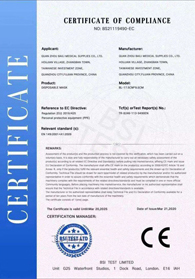
Our manufacturing processes are aligned with ISO standards, ensuring systematic quality management from raw material sourcing to final product inspection. For products destined for European markets, CE marking signifies compliance with health, safety, and environmental protection standards. We are also committed to following RoHS (Restriction of Hazardous Substances) guidelines to minimize the environmental impact of our equipment.
These certifications are not mere formalities; they are reflections of our operational discipline and our dedication to providing dependable, safe, and compliant solutions for international B2B trade. This is particularly important in sectors like food processing, where strict regulations govern equipment used, as highlighted by the continuous growth in the processed meat market.
By choosing Hebei Yuanchang, you are selecting a partner that prioritizes global compliance and unwavering quality.
What Our Clients Say: Real-World Experiences
Hearing directly from our clients provides the best insight into the practical impact of our vacuum pump solutions and integrated systems. Here are a few testimonials from businesses that have partnered with Hebei Yuanchang:
"We integrated Yuanchang's vacuum pump system into our sausage production line two years ago. The improvement in filling consistency and the reduction in air pockets was immediate. Their technical team provided excellent support during the selection and installation phase, ensuring we chose the right model for our throughput needs. Reliability has been outstanding; we've experienced minimal downtime."

Operations Manager, Premium Meats Co. (USA)
"As a pet food manufacturer, maintaining product integrity and hygiene is paramount. We opted for Yuanchang's oil-free vacuum solution for our extrusion and molding process. The peace of mind knowing there's no risk of oil contamination is invaluable. The pump's performance is consistent, and the after-sales support for spare parts has been efficient and responsive, crucial for our export operations."

Procurement Director, NutriPaw Foods (Canada)
"We needed a robust vacuum pump for our meatball forming line that could handle high humidity and dust. The liquid ring pump recommended by Yuanchang has exceeded our expectations. Its simple design means fewer breakdowns, and the continuous flushing keeps it clean and efficient even in challenging conditions. Their 40 years of experience clearly translates into practical, durable equipment."

Plant Manager, Sabor Latino Meats (Mexico)
These reviews reflect the tangible benefits that businesses experience with our reliable vacuum solutions and dedicated support.
Frequently Asked Questions About Industrial Vacuum Pumps
We understand that investing in industrial equipment involves questions. Here are some common queries we address to help clarify your decision-making process.
Q1: How do I determine the correct vacuum pump size for my application?
Sizing depends on several factors: the required ultimate vacuum level, the volume of gas to be evacuated (which relates to chamber size and pump-down time), and any process gases or vapors that need to be handled. It's best to consult our technical team or provide detailed process parameters so we can recommend the optimal pump. For instance, faster pump-down times in meat processing require pumps with higher pumping speeds at relevant operating pressures.
Q2: Are oil-free vacuum pumps truly necessary for food processing?
Yes, for most food processing applications, especially those involving direct product contact like filling, molding, or packaging, oil-free pumps are highly recommended or mandatory. This prevents contamination of the food product, ensuring safety, quality, and compliance with regulations. Screw vacuum pumps or specialized rotary vane pumps with appropriate sealing are good options. The meat processing equipment market trend towards automation emphasizes hygiene.
Q3: What is the typical maintenance schedule for your vacuum pumps?
Maintenance varies by pump type and operating conditions. Generally, rotary vane pumps require regular oil changes and vane inspections. Liquid ring pumps need monitoring of the sealing liquid and potential seal replacements. Oil-free pumps typically have fewer wear parts, focusing on bearing and seal maintenance. We provide detailed operation and maintenance manuals for all our products. Our traceable after-sales system ensures you can easily procure replacement parts.
Q4: How long is the lead time for ordering and delivery?
Lead times can vary based on product availability and customization requirements. Standard models may ship within a few weeks, while custom OEM/ODM solutions or large orders might take longer. Our sales team will provide a precise quotation and estimated delivery timeline upon confirmation of your order, taking into account international shipping logistics.
Q5: Do you offer installation support or training?
We provide comprehensive installation guidelines and technical documentation. For major integrated systems or complex installations, we can arrange for on-site technical support or remote assistance. Operator training can also be arranged to ensure your team can safely and efficiently operate the equipment.
Have more questions? Reach out to us directly; our experts are ready to assist.
Ready to Enhance Your Operational Efficiency and Product Quality?
Discover how Hebei Yuanchang's industrial vacuum pump solutions can be tailored to meet the precise demands of your operation. Benefit from 40 years of manufacturing expertise, robust engineering, and reliable global support.
We look forward to discussing your specific needs and providing a customized solution.