Rotary Screw Vacuum Pumps
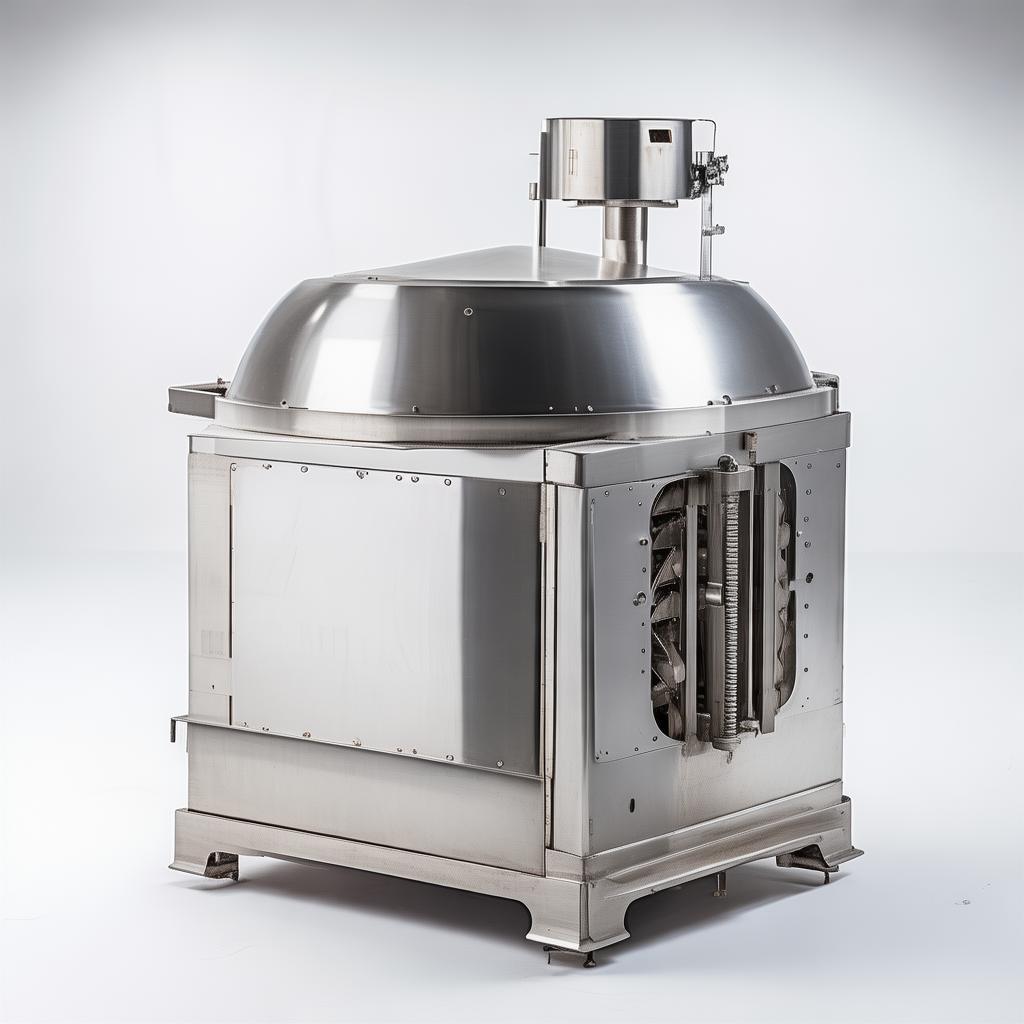
High-Performance Rotary Screw Vacuum Pumps for Demanding Industrial Applications
 By John Davies, Senior Export Manager | Hebei Yuanchang Food Mechanism & Technology Co., Ltd.
Published: October 26, 2023
Introduction: Rotary Screw Vacuum Pumps in Modern Industry
In the complex world of industrial manufacturing and processing, reliable vacuum generation isn't just a convenience—it's a cornerstone of efficiency, precision, and product quality. Among the various vacuum technologies available, rotary screw vacuum pumps have carved out a significant niche, particularly for applications demanding high throughput, consistent performance, and robust operation. These pumps are engineered with a sophisticated internal mechanism involving intermeshing screw rotors that compress and move gas, creating a vacuum. This design inherently lends itself to handling a wide range of operating conditions, from high vacuum levels to significant gas loads, making them incredibly versatile.
For businesses operating in sectors like food processing, packaging, material handling, and chemical manufacturing, selecting the right vacuum system is a critical decision. A poorly chosen pump can lead to production bottlenecks, product spoilage, increased energy consumption, and costly downtime. This is where understanding the nuances of rotary screw technology becomes paramount. Unlike older, more basic vacuum technologies such as liquid ring or dry vane pumps, rotary screws offer a unique combination of speed, efficiency, and durability, often at lower operating temperatures and with reduced maintenance requirements.
Our experience at Hebei Yuanchang Food Mechanism & Technology Co., Ltd., spanning over four decades, has shown us firsthand how vital reliable vacuum systems are, especially within the meat and pet food processing industries. While our core expertise lies in meat processing machinery – including filling, molding, and ripening processes – we understand the integral role vacuum technology plays in many of these operations. Think about vacuum tumblers for marination, vacuum fillers for sausages, or even vacuum packaging for extended shelf life; all these processes rely heavily on efficient and dependable vacuum generation. The global meat processing equipment market itself is a testament to this demand, projected to reach significant figures, with segments like filling and ripening equipment showing robust growth. Reports indicate the market was valued at approximately USD 11-15 billion in recent years and is expected to grow to upwards of USD 19-30 billion by 2034-2035, at CAGRs ranging from 4.8% to 7%.1 This growth underscores the increasing need for high-quality, specialized equipment, including advanced vacuum solutions.
Rotary screw vacuum pumps are particularly well-suited for continuous duty cycles. Their direct-driven design with few moving parts minimizes wear and tear, contributing to a longer service life and lower total cost of ownership. Furthermore, modern rotary screw designs often incorporate advanced features like variable speed drives (VSDs) to optimize energy consumption based on demand, significantly reducing operational costs, which is a major consideration for procurement managers focused on ROI. The ability to maintain a stable vacuum level even under fluctuating process conditions is another key benefit, ensuring consistent product quality and process integrity. For example, in vacuum packaging, maintaining a precise vacuum is crucial for maximizing shelf life and preventing product degradation.
When evaluating vacuum pump options, it's essential to consider the specific requirements of your application. Factors such as the required vacuum level (e.g., rough, medium, high vacuum), the volume of gas to be evacuated, the presence of any vapors or contaminants in the gas stream, and the operating environment all play a role in pump selection. Rotary screw pumps excel in applications that require a deeper vacuum than traditional pumps can easily achieve, or where high pumping speeds are necessary to quickly evacuate large chambers or process vessels. Their oil-flooded variants, for instance, offer excellent sealing and cooling, enabling them to reach very low vacuum levels efficiently while effectively managing heat generated during compression.
This page is designed to provide a comprehensive overview of rotary screw vacuum pumps, focusing on their operational principles, key advantages, diverse applications, and what to look for when sourcing them from a reliable manufacturer. We aim to equip you with the knowledge to make an informed decision that supports your production goals and streamlines your procurement process. Whether you're a procurement director seeking cost-effective, long-term solutions, a technical engineer specifying equipment for a new line, or an operations manager looking to upgrade existing systems, this guide will offer practical insights. We understand that selecting industrial equipment involves careful consideration of technical performance, reliability, after-sales support, and overall value. Our goal is to showcase how our rotary screw vacuum pump offerings meet these stringent demands.
Navigating the landscape of industrial vacuum technology can be complex. From understanding the difference between dry screw and oil-flooded designs to assessing a manufacturer's capacity for customization and international shipping, there are many factors at play. We strive to be a transparent and knowledgeable partner, offering solutions that are not only technologically advanced but also commercially realistic and operationally sound. Our commitment extends beyond the initial sale, emphasizing long-term support and partnership.
The global market for meat processing equipment, where vacuum technology is integral, highlights a trend towards automation and efficiency. As noted by market research, demand for equipment that enhances processes like filling, molding, and ripening is strong.2 This mirrors the evolution in other industrial sectors, where vacuum pumps are indispensable for tasks ranging from degassing plastics and curing composites to holding workpieces during machining and lifting heavy objects. The versatility of rotary screw pumps makes them a preferred choice across many of these domains.
Why Choose Rotary Screw Technology? The Operational Edge
The internal mechanics of a rotary screw vacuum pump are elegant yet highly effective. Two intermeshing helical rotors, often shaped as a male and female rotor, rotate in opposite directions within a housing. As the rotors turn, chambers are formed between them and the housing. Gas is drawn into the inlet port, filling these chambers. As the rotors continue to turn, the chambers move axially along the length of the screws towards the discharge port. During this axial movement, the volume of the chambers decreases, compressing the trapped gas. At the discharge port, the compressed gas is expelled. This continuous rotary action means there are no valves or reciprocating parts to wear out, leading to high reliability and low maintenance.
One of the most significant advantages is their ability to achieve high pumping speeds across a wide range of vacuum levels. This makes them ideal for applications where rapid evacuation is necessary, such as in large-scale vacuum coating processes, industrial drying operations, or the evacuation of large tanks and vessels. The fixed volume displacement ensures a constant pumping rate, contributing to predictable process times. This consistency is critical for quality control in many manufacturing settings.
Compared to other vacuum technologies, rotary screws often offer a better balance of performance and robustness.
- Efficiency: Modern designs, especially those with VSDs, are highly energy-efficient, adapting speed to process demand. This can lead to substantial savings on electricity bills, a key metric for procurement teams.
- Dry vs. Oil-Flooded: Both configurations have their place. Dry screw pumps offer oil-free operation, crucial for contamination-sensitive processes like semiconductor manufacturing or certain food packaging applications. Oil-flooded pumps provide superior sealing and cooling, enabling higher vacuum levels and better handling of condensable vapors.
- Durability: With fewer wear parts than piston or diaphragm pumps, and often robust construction, rotary screw pumps are built for longevity, even in harsh industrial environments.
- Quiet Operation: Compared to some other vacuum technologies, well-designed rotary screw pumps can operate relatively quietly, contributing to a better workplace environment.
- Compact Design: For their displacement capabilities, rotary screw pumps often have a relatively compact footprint, which can be an advantage in facilities with limited space.
The internal compression ratio is also a benefit. Because the gas is compressed in stages as it moves along the screws, the final discharge pressure is typically higher than what can be achieved with simple displacement pumps, reducing the need for interstage cooling or complex bypass systems. This inherent efficiency translates directly into lower operating costs and a more stable vacuum environment.
Consider the context of industrial markets. The global meat processing equipment market is projected to grow significantly, with trends favoring automation and efficiency.3 This growth inherently fuels demand for reliable ancillary equipment like vacuum pumps. Our extensive experience, since 1986, in providing robust machinery means we understand the operational demands placed on every component of a production line. Rotary screw pumps fit this profile perfectly – built for continuous, demanding duty.
The ability to handle moderate amounts of moisture or dust, especially in oil-flooded designs, can also simplify upstream process requirements, reducing the need for extensive pre-treatment of the gas stream. This operational flexibility is invaluable in real-world manufacturing settings where perfect process conditions are not always guaranteed.
Key Applications & Industries Relying on Rotary Screw Vacuum
The versatility of rotary screw vacuum pumps means they are deployed across a remarkably wide spectrum of industries. Their ability to provide deep vacuum, handle high gas loads, and operate reliably in demanding environments makes them indispensable in numerous manufacturing and processing operations.
Food & Beverage Processing:
This is a core area where vacuum technology plays a crucial role. In our own field of meat processing, vacuum pumps are essential for:
- Vacuum Filling: Removing air during filling processes for sausages, cured meats, and pet food ensures a denser product, better texture, and extended shelf life.
- Vacuum Tumbling/Massaging: For marination of meats, vacuum helps draw marinades deep into the product, improving flavor and tenderness. Reports on meat processing equipment highlight massaging (tumbling) as a key area for ripening and texture enhancement.4
- Vacuum Packaging: Removing air before sealing extends the shelf life of processed meats, poultry, and seafood, a critical factor in the global processed meat market, which is projected to grow substantially.5
- Degassing: Removing dissolved gases from liquids like chocolate, juices, or dairy products to improve texture and prevent spoilage.
Packaging Industry:
Beyond food, vacuum is critical for:
- Thermoforming: Creating plastic packaging by heating and forming plastic sheets over a mold using vacuum.
- Vacuum Sealing: For a wide range of consumer goods, ensuring product integrity and tamper-proofing.
- Molding and Casting: Removing air bubbles from resins, plastics, and other materials during casting and molding processes.
Woodworking and Manufacturing:
Rotary screw pumps are excellent for:
- Vacuum Lifts: Heavy-duty lifting and material handling applications where a reliable vacuum is needed for gripping.
- Vacuum Presses: Used in furniture manufacturing and composite material production to apply even pressure.
- Wood Drying: Accelerating the drying process of lumber by reducing the boiling point of water under vacuum.
Chemical and Pharmaceutical:
Precision and reliability are key here:
- Distillation and Evaporation: Lowering boiling points for efficient separation of chemicals or solvents.
- Drying: Removing solvents from pharmaceutical powders or intermediate products.
- Degassing: Removing dissolved gases from liquids or resins.
Other Industries:
Including aerospace, automotive (e.g., vacuum impregnation for parts), and research laboratories. The demand for robust vacuum systems is a consistent trend across the industrial landscape, driving innovation in pump technology.6
The "Fit For Now (2026)" expectation for industrial equipment means focusing on current and near-future needs. Rotary screw pumps, with their adaptability to energy-saving technologies like VSDs and their long service life, are a prime example of equipment that meets these evolving demands.
Understanding Key Technical Specifications
When evaluating rotary screw vacuum pumps, several key specifications will determine their suitability for your application. It's not just about raw numbers; understanding what these numbers represent in practical terms is crucial for making the right selection.
Vacuum Level:
This is often expressed in millibar (mbar), Torr, or Pascals (Pa).
- Rough Vacuum: Typically from atmospheric pressure down to 30-50 mbar.
- Medium Vacuum: From 30-50 mbar down to 1 x 10⁻³ mbar.
- High Vacuum: Below 1 x 10⁻³ mbar.
Rotary screw pumps, especially oil-flooded designs, are capable of reaching medium to high vacuum levels effectively, often down to 0.1 mbar or even lower, depending on the specific model and operating conditions. Dry screw pumps typically operate in the medium vacuum range.
Pumping Speed:
Measured in cubic meters per hour (m³/h) or cubic feet per minute (CFM), this indicates the volume of gas the pump can evacuate per unit of time at a specific vacuum level. Higher pumping speed means faster evacuation of chambers or process vessels. It's important to note that pumping speed can vary significantly with vacuum level; always refer to the pump's performance curve.
Motor Power:
Indicates the electrical power consumption, typically in kilowatts (kW) or horsepower (HP). This is a direct indicator of the energy required to run the pump. Selecting a pump with an appropriately sized motor, potentially with VSD control, is key for both performance and energy efficiency.
Operating Temperature:
Rotary screw pumps, particularly oil-flooded types, are designed to operate efficiently within a specific temperature range. Effective cooling (air or water) is crucial for maintaining performance and longevity. Overheating can lead to reduced efficiency and premature wear.
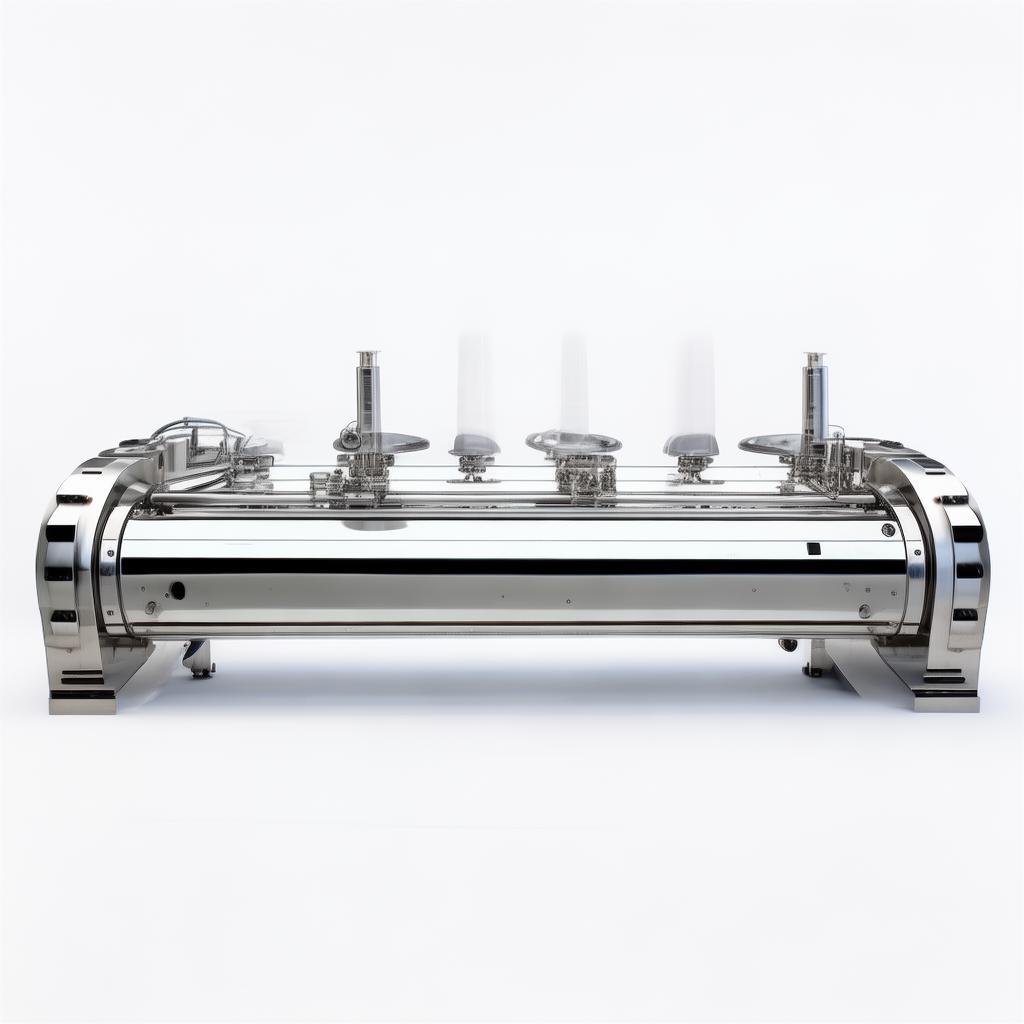
screw type vacuum pump rotary claw vacuum pump rotary vane vacuum pump
Gas Ballast:
A feature on some oil-flooded pumps that allows a small amount of air (or inert gas) to be intentionally introduced into the compression chamber. This is invaluable for pumping process gases that contain significant amounts of condensable vapors (like water vapor or solvents). It prevents condensation within the pump, protecting the oil from degradation and the pump from corrosion. This is a critical consideration for many chemical and food processing applications.
Noise Level:
Measured in decibels (dB), this is important for workplace health and safety regulations, as well as general comfort. Modern designs prioritize noise reduction.
It's also worth considering the type of oil used in oil-flooded pumps. Standard mineral oils are common, but synthetic oils or even food-grade oils are available for specific applications requiring higher temperature stability or compliance with food safety regulations. For dry screw pumps, the sealing materials (like PEEK or PTFE) are critical and will affect their suitability for different chemical environments.
Here's a simplified comparison table for context:
| Feature | Rotary Screw | Liquid Ring | Dry Vane |
|---|---|---|---|
| Vacuum Level | Medium to High (<0.1 mbar achievable) | Rough to Medium (typically >30 mbar) | Medium (limited by vane wear) |
| Pumping Speed | High | Moderate to High | Moderate |
| Contaminant Handling | Good (especially oil-flooded with ballast) | Excellent (handles vapor/dust well) | Poor (sensitive to dust/vapor) |
| Maintenance | Low (oil changes, seals) | Moderate (seal wear, fluid management) | High (vane replacement) |
| Oil Free Option | Yes (Dry Screw) | No (uses sealing liquid) | Yes |
Choosing the right pump involves matching these specifications to your specific process requirements. Don't hesitate to consult with our technical team.
Core Advantages of Our Rotary Screw Vacuum Pumps
At Hebei Yuanchang Food Mechanism & Technology Co., Ltd., we leverage our extensive manufacturing experience to deliver rotary screw vacuum pumps that offer tangible benefits for your operations. Our 40 years in the industry, particularly since integrating advanced CNC machining in 2012, means we build precision into every component.
- Exceptional Reliability: Built with robust materials and precision-engineered components, our pumps are designed for continuous operation in demanding industrial environments. We understand that downtime is costly, so we prioritize longevity and consistent performance.
- High Efficiency & Energy Savings: Many of our models can be equipped with Variable Speed Drives (VSDs). This technology allows the pump's speed to automatically adjust to the actual vacuum demand, leading to significant energy savings compared to fixed-speed units. For large industrial users, this can translate to substantial operational cost reductions.
- Versatile Vacuum Levels: Our range includes both oil-flooded and dry screw configurations, allowing us to meet diverse application needs, from general industrial tasks to highly sensitive processes requiring oil-free environments. Oil-flooded models offer superior vacuum performance and vapor handling.
- Low Maintenance & Operating Costs: The inherent design of rotary screws, with fewer wear parts, means less frequent maintenance. Regular oil changes (for oil-flooded) and periodic checks of seals are typically the primary maintenance tasks, contributing to a lower total cost of ownership over the pump's lifecycle.
- Customization & OEM/ODM Capabilities: As a manufacturer with strong in-house machining capabilities, including Japanese Mazak CNC centers, we excel at providing customized solutions. Whether you need specific performance parameters, unique mounting configurations, or integration into a larger system, we can engineer a pump to your exact specifications. This is where our OEM/ODM expertise truly shines.
- Technical Expertise & Support: Our team comprises experienced engineers and export managers who understand the technical and logistical challenges of international trade. We provide comprehensive support from initial inquiry through installation and after-sales service.
- Quality Assurance: With our own machining workshop and stringent quality control processes, we ensure that every pump leaving our facility meets high standards of precision and durability. Certifications such as ISO are integral to our manufacturing approach.
We know that purchasing industrial equipment is a significant investment. That's why we focus on delivering value through not just the product itself, but also through the operational efficiencies and cost savings it enables. Our commitment to quality manufacturing ensures that our pumps are a sound investment for your business.
OEM & ODM Manufacturing: Tailored Vacuum Solutions
At Hebei Yuanchang Food Mechanism & Technology Co., Ltd., we recognize that off-the-shelf solutions don't always meet the unique demands of specialized industrial applications. Our extensive experience as a manufacturer, equipped with advanced CNC machining centers, positions us perfectly to offer comprehensive Original Equipment Manufacturer (OEM) and Original Design Manufacturer (ODM) services for rotary screw vacuum pumps.
OEM Services: If you have a proprietary design or specific engineering requirements for a vacuum pump that you wish to brand as your own, we can manufacture it to your exact specifications. Our state-of-the-art facility, including over 20 sets of precision machining equipment and Japanese Mazak CNC centers, allows us to produce high-standard components with large volumes, high precision, and non-standard specifications. We act as your trusted manufacturing partner, ensuring consistent quality and adherence to your design blueprints.
ODM Services: For clients who require a complete vacuum pump solution but may not have detailed engineering specifications, our ODM services are invaluable. We collaborate closely with your technical team to understand your application's needs, performance targets, and integration requirements. Our experienced engineering department can then design, develop, and manufacture a custom rotary screw vacuum pump tailored to your specific operational context. This might include custom flow rates, specific vacuum levels, specialized materials, unique interface requirements, or integration with your existing machinery.
Our 40 years of accumulated knowledge since 1986, combined with our advanced manufacturing capabilities, enable us to tackle complex projects. We understand the importance of component traceability, precision machining, and robust assembly processes, especially for critical equipment like vacuum pumps. Our traceable after-sales management system further ensures that we can support any customized unit effectively.
Whether you are an international distributor looking to expand your product line, a system integrator requiring specialized vacuum components, or a manufacturer in need of reliable OEM production, we offer a partnership built on technical expertise, manufacturing excellence, and commercial reliability.
Request a consultation to discuss your OEM/ODM vacuum pump needs.
Procurement Guide: Evaluating Vacuum Pump Suppliers
Sourcing industrial equipment like rotary screw vacuum pumps requires a methodical approach. Beyond the technical specifications, several factors contribute to a successful long-term partnership with a supplier.
1. Manufacturing Capability & Experience:
Look for suppliers with demonstrable manufacturing experience and in-house capabilities. A company that designs, engineers, and manufactures its own pumps, rather than just distributing, usually offers better quality control, customization options, and technical depth. Our 40 years of experience and advanced CNC facilities are a testament to this.
2. Technical Expertise & Support:
Does the supplier have engineers available to discuss your application and recommend the best solution? Can they provide detailed technical documentation, performance curves, and installation guidance? Responsive and knowledgeable technical support is invaluable.
3. Quality Certifications & Standards:
While not always mandatory for every component, adherence to international standards (like ISO for quality management) is a good indicator of a supplier's commitment to quality. Ensure pumps meet relevant regional safety and performance standards (e.g., CE marking for Europe, UL for North America if applicable).
4. OEM/ODM Capabilities:
If you anticipate needing custom modifications or want to integrate pumps into your own manufactured products, a supplier with strong OEM/ODM services is essential. This indicates flexibility and engineering depth.
5. After-Sales Service & Spare Parts:
What is the warranty policy? How readily available are spare parts? A supplier with a robust after-sales support system and accessible spare parts inventory can significantly reduce downtime in the long run. Our traceable management system ensures we can support our products.
6. Logistics & Export Experience:
For international buyers, a supplier's experience in handling export documentation, packaging for international transit, and managing shipping logistics is critical. Ensuring compliance with import regulations in your region is also key. We have extensive experience shipping globally.
Consider the Total Cost of Ownership (TCO), not just the initial purchase price. Energy consumption, maintenance, spare parts, and expected lifespan all factor into the TCO. A slightly higher initial investment in a high-quality, energy-efficient pump can yield significant savings over its operational life.
Partner with a supplier committed to your long-term success.
Frequently Asked Questions
1. What is the main difference between dry and oil-flooded rotary screw vacuum pumps?
Dry screw pumps operate without any oil in the pumping chamber, making them ideal for applications where product contamination is a concern (e.g., semiconductor, pharmaceutical). They typically have lower vacuum limits and may require more frequent maintenance due to vane wear. Oil-flooded pumps use oil for sealing, cooling, and lubrication, allowing them to achieve deeper vacuum levels and better handle process vapors or contaminants, with generally lower maintenance requirements between oil changes.
2. How often should I perform maintenance on a rotary screw vacuum pump?
Maintenance schedules vary by model and operating conditions. For oil-flooded pumps, regular oil level checks and periodic oil changes (e.g., every 2,000-4,000 operating hours, or as recommended by the manufacturer) are crucial. Air/oil filter replacements and seal inspections are also standard. Dry screw pumps typically require vane inspection and replacement as per manufacturer guidelines. Always refer to the specific operation and maintenance manual for your pump model.
3. Can rotary screw vacuum pumps handle process gases with moisture?
Yes, particularly oil-flooded models equipped with a gas ballast feature. The gas ballast introduces a small amount of air into the compression chamber, preventing water vapor from condensing and contaminating the oil, thereby protecting the pump from corrosion and extending oil life. Dry screw pumps are generally not suitable for high concentrations of condensable vapors.
4. What is the expected lifespan of a rotary screw vacuum pump?
With proper maintenance and operation within design parameters, a well-maintained rotary screw vacuum pump can have a lifespan of 10 to 20 years or more. The robust construction and fewer wear parts contribute to their longevity compared to some other vacuum technologies.
5. How can I reduce the energy consumption of my vacuum pump system?
The most effective method is using pumps equipped with Variable Speed Drives (VSDs). These systems adjust pump speed based on real-time vacuum demand, significantly reducing energy usage compared to fixed-speed pumps running at full capacity even when not needed. Proper system design, leak detection, and regular maintenance also contribute to energy efficiency.
Have more questions? Contact our engineering team directly.
Direct Insights from Our Experts

Inquiry on Custom Specs

Logistics & Shipping Details

Technical Application Support
What Our Clients Say
"We integrated their rotary screw vacuum pumps into our automated sausage filling lines. The reduction in processing time and the improved consistency of fill weight have been significant. Their team provided excellent support during the selection process."
- Mark Jenkins, Production Manager, USA
"As a packaging solutions provider, we needed a reliable OEM partner for vacuum pumps. Hebei Yuanchang delivered precisely what we required, meeting tight tolerances and branding specifications. Their manufacturing quality is top-notch."
- Sarah Chen, Procurement Director, Canada
"We were experiencing issues with vacuum stability on our composite curing presses. After installing their oil-flooded rotary screw pumps, we've achieved much deeper vacuum levels and greater process repeatability. The VSD integration has also cut our energy costs."
- David Rodriguez, Operations Lead, Mexico
"Reliable vacuum is critical for our vacuum tumblers. Yuanchang's pumps have proven exceptionally durable and require minimal downtime. Their export team made the logistics straightforward."
- Anya Petrova, Supply Chain Manager, Australia
"We needed a specialized vacuum solution for a food drying application. Yuanchang's engineers worked with us to design a custom pump that met our exact requirements. Excellent product and even better service."
- Kenji Tanaka, Technical Specialist, Japan
Ready to Enhance Your Operations?
Discover how our high-performance rotary screw vacuum pumps can optimize your processes, reduce costs, and ensure reliable operation.