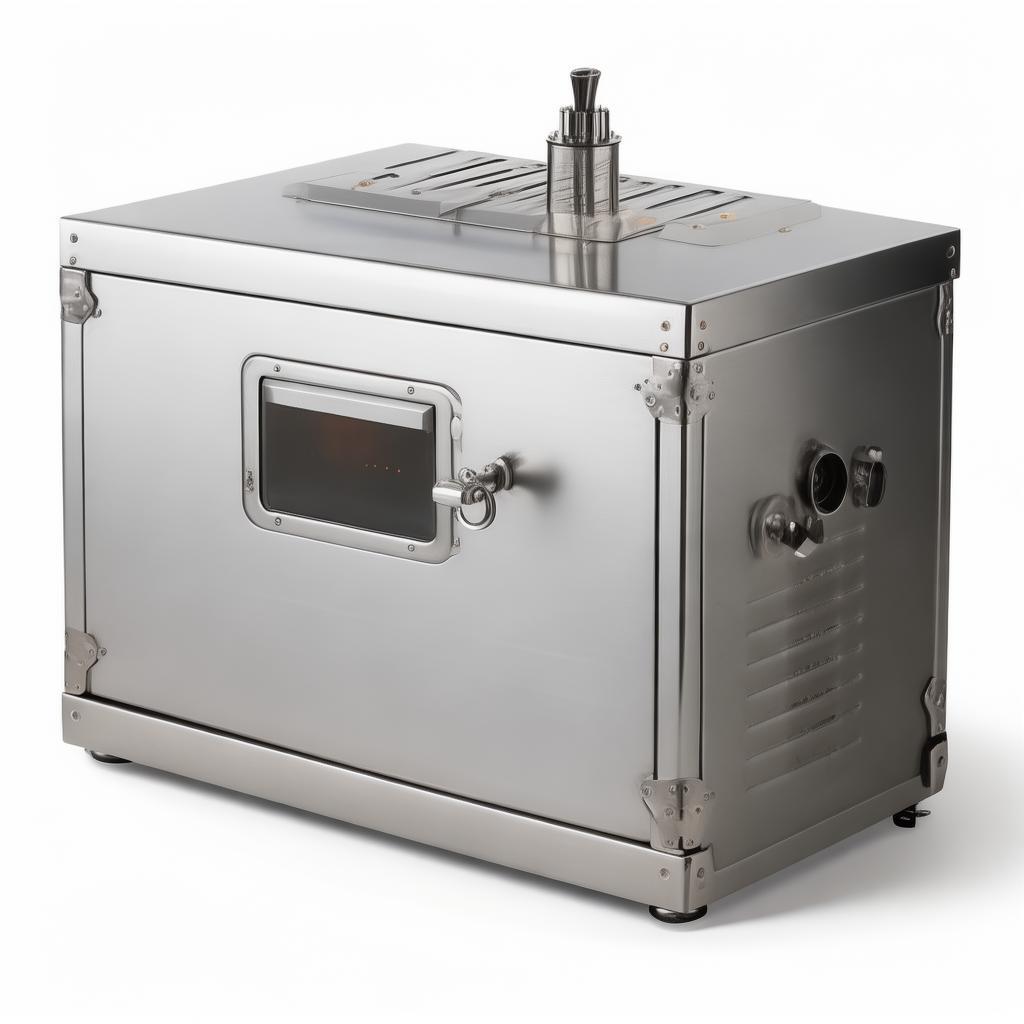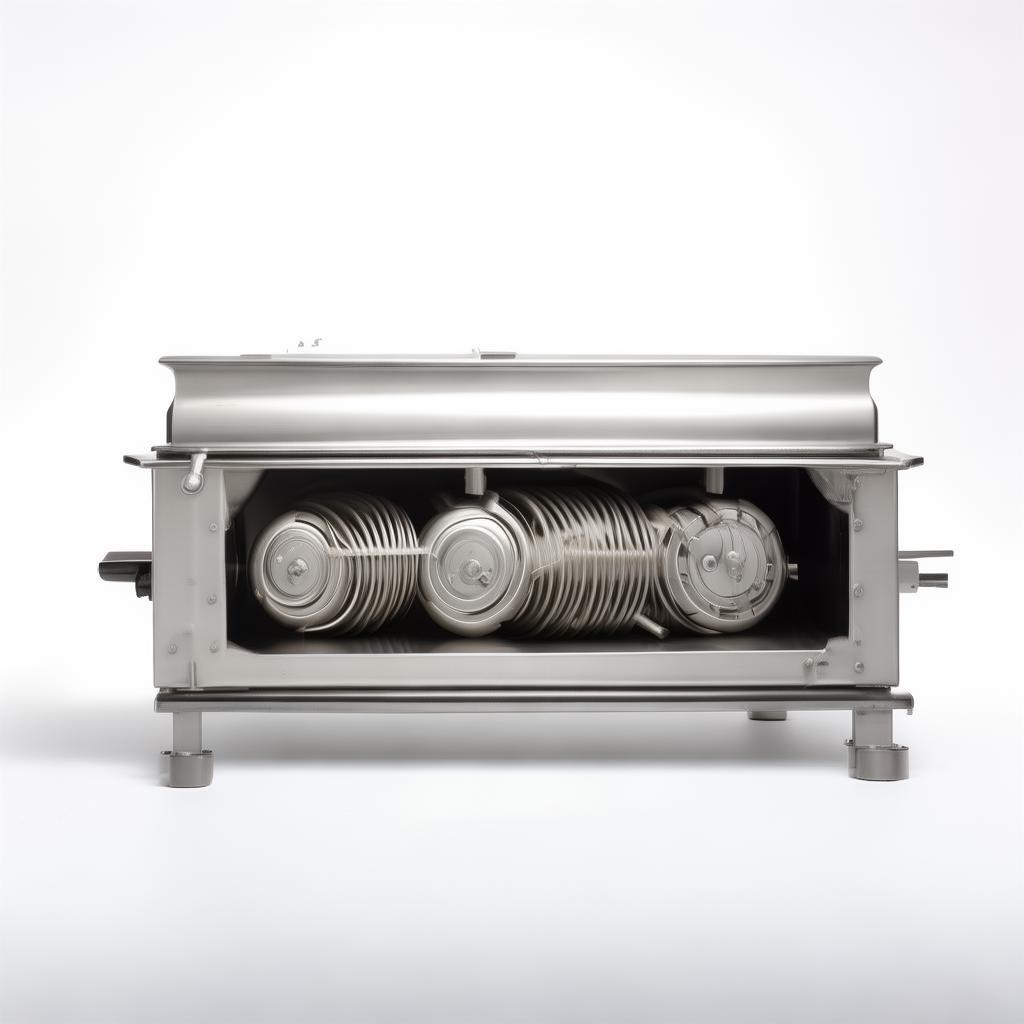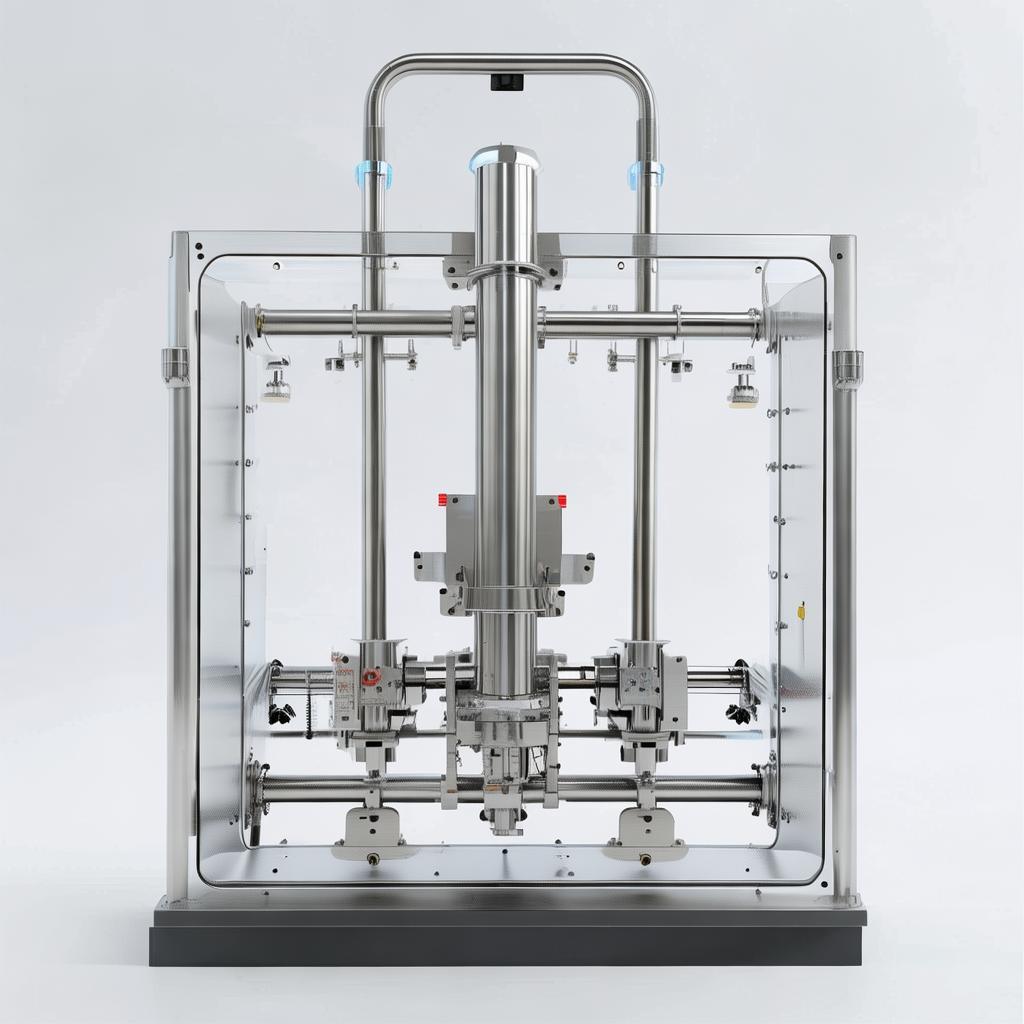
Vacuum Generator Pump
Vacuum Generator Pumps: Precision, Efficiency, and Reliability for Industrial Applications
Engineered for demanding environments, delivering consistent vacuum performance for your critical processes.
Understanding the Core of Industrial Vacuum Generation
In the complex world of modern manufacturing and industrial processes, precision, reliability, and efficiency are not just buzzwords; they are the bedrock of successful operations. When your workflow hinges on precise material handling, secure fixturing, or efficient product transfer, the performance of your vacuum system is paramount. At the heart of many such systems lies the vacuum generator pump. It's the engine that drives the suction, enabling tasks that range from delicate component assembly to robust material manipulation.
For international buyers, particularly those in sectors like food processing, packaging, automation, and specialized manufacturing, sourcing the right vacuum generator pump involves navigating a landscape of technical specifications, performance metrics, and supplier credibility. You're not just buying a piece of equipment; you're investing in a component that directly impacts your production uptime, product quality, and ultimately, your bottom line. A poorly chosen or unreliable vacuum pump can lead to costly downtime, product damage, and operational inefficiencies.
This is where understanding the nuances of vacuum generator pump technology becomes critical. These devices convert a compressed air source into a vacuum, creating the necessary negative pressure for a multitude of applications. The key lies in their ability to achieve and maintain specific vacuum levels consistently, often under challenging industrial conditions. Whether you're looking for a multi-stage pump for high flow rates or a single-stage unit for precise holding, the underlying engineering must be robust.
The global market for meat processing equipment, for instance, is projected to reach substantial figures. Reports from Fortune Business Insights and Grand View Research indicate market values in the tens of billions of dollars, with significant growth driven by demand for processed meats and automation. Within this sector, vacuum technology plays a crucial role in filling, molding, and packaging operations. Similarly, in automated manufacturing, vacuum generators are indispensable for robotic pick-and-place systems, ensuring secure handling of everything from delicate electronic components to heavier industrial parts. The efficiency of these operations directly correlates with the reliability of the vacuum source.
Consider the procurement perspective: A Purchasing Manager in the USA or Europe is not just looking at the pump's specifications in isolation. They are evaluating total cost of ownership, considering factors like energy consumption, maintenance requirements, lifespan, and the supplier's ability to provide ongoing support and spare parts. The 'Fit For Now' principle for 2026 and beyond emphasizes not just immediate functionality but long-term sustainability and adaptability. This means selecting equipment that aligns with evolving industry standards, environmental regulations, and operational demands.
At Hebei Yuanchang Food Mechanism & Technology Co., Ltd., with our 40 years of experience since 1986 in manufacturing precision machinery, we understand these multifaceted requirements. Our facility, spanning 14,000 square meters and employing 80-100 skilled professionals, is equipped with advanced CNC machining centers and over 20 sets of processing machinery. This allows us to not only produce complete production lines but also to engineer and manufacture high-precision components, including robust vacuum generator pumps, to meet the exacting standards of international clients. We pride ourselves on our capacity to deliver solutions that are both technically superior and commercially viable, backed by a traceable after-sales management system.
This page delves into the critical aspects of vacuum generator pumps, from their fundamental operation and diverse applications to the crucial factors you should consider when selecting a supplier. We aim to equip you, the industrial buyer, engineer, or procurement specialist, with the knowledge needed to make an informed decision, ensuring your operations benefit from the precision and reliability that only a well-engineered vacuum system can provide. Let's explore how these vital components can enhance your workflow and contribute to your business's success.
Request a consultation with our technical team to discuss your specific vacuum generation needs today.
The Workhorse of Suction: How Vacuum Generator Pumps Operate
At its core, a vacuum generator pump is a deceptively simple yet highly effective device. It leverages the power of compressed air to create a vacuum. Most commonly, these are venturi-type generators. They work by passing a high-velocity stream of compressed air through a constricted nozzle. This rapid acceleration of air creates a low-pressure zone, a vacuum, in an adjacent chamber. This vacuum can then be used to draw air out of a connected system, be it a suction cup, a transfer line, or an enclosure.
The compressed air stream entrains surrounding air molecules, effectively drawing them into the main flow and expelling them through an exhaust port. This continuous process removes air from the connected circuit, lowering the pressure and generating the desired suction. The effectiveness of this process depends on several factors: the pressure and flow rate of the supplied compressed air, the internal geometry of the generator (nozzle and diffuser design), and the efficiency of the seals in the vacuum circuit itself.
There are typically two main types encountered in industrial settings:
- Single-Stage Vacuum Generators: These are the most common. They employ a single venturi nozzle to create vacuum. They are ideal for applications requiring moderate vacuum levels and fast response times, such as simple pick-and-place operations with suction cups. Their simplicity also means fewer potential points of failure and often lower initial cost.
- Multi-Stage Vacuum Generators: These units incorporate multiple venturi nozzles or stages, often arranged in series. Each stage amplifies the vacuum created by the previous one. This allows for deeper vacuum levels to be achieved, which is crucial for applications requiring very strong holding force or the evacuation of larger volumes quickly. They can be more energy-efficient for achieving deep vacuums compared to a single, oversized venturi.
The choice between these types depends heavily on your specific application's demands. For example, in the meat processing industry, achieving a strong, reliable seal during vacuum packaging of processed meats is vital to extend shelf life. This often requires a consistent, deep vacuum. Reports suggest the processed meat market is growing robustly, with demand for products like cured, smoked, and filled items driving the need for efficient packaging solutions. Filling and molding equipment are critical here, and the vacuum pump is an unsung hero in ensuring package integrity.
Furthermore, operational considerations are key. Unlike traditional rotary vane pumps that require oil lubrication and produce exhaust, venturi-style vacuum generators typically run on clean, dry compressed air and exhaust the same air. This can be advantageous in environments where oil contamination is a concern, such as food production or cleanroom applications. However, it also means that the energy cost of compressed air must be factored into the overall operating expense. A high-performance vacuum generator can significantly reduce compressed air consumption for a given vacuum level, leading to tangible energy savings.
Understanding this fundamental operation helps in selecting a generator that matches your compressed air availability and vacuum requirements. Explore our technical specifications to find the ideal match.
Key Advantages: Why Choose a Vacuum Generator Pump?
The widespread adoption of vacuum generator pumps across diverse industrial sectors isn't by accident. They offer a compelling set of advantages that make them the preferred choice for many applications, especially when compared to other vacuum generation technologies like piston pumps or rotary vane systems.
- Compact and Lightweight Design: Due to their venturi principle, vacuum generators are remarkably compact and light. This is a significant advantage in applications where space is limited or when mounted on moving robotic arms where every gram counts. Their small footprint simplifies integration into existing machinery or new designs.
- No Moving Parts (in the core generation): The primary venturi mechanism has no rotating or reciprocating parts. This translates directly into higher reliability, significantly reduced maintenance requirements, and a longer operational lifespan compared to pumps with motors or pistons. Downtime due to mechanical wear is drastically minimized.
- Instant Vacuum Generation & Fast Response: As soon as compressed air is supplied, a vacuum is generated. This rapid response time is critical for high-speed automation, enabling precise pick-and-place cycles without delay. The ability to switch vacuum on and off almost instantaneously improves cycle times.
- Oil-Free Operation: Venturi vacuum generators typically use compressed air as their operating medium and do not require lubrication. This makes them ideal for clean applications, such as in the food and beverage industry, pharmaceutical manufacturing, or electronics assembly, where oil contamination is unacceptable. This aligns with increasingly stringent hygiene and quality standards in global markets.
- High Durability and Robustness: Constructed from durable materials, these generators are built to withstand harsh industrial environments, including exposure to dust, moisture, and temperature fluctuations. Their simple design inherently makes them robust.
- Scalability and Modularity: Vacuum generators are available in a wide range of flow rates and vacuum levels. For larger applications, multiple generators can be manifolded together to achieve the required suction capacity. This modularity offers flexibility in system design.
- Cost-Effective for Many Applications: While the initial purchase price can vary, the total cost of ownership, considering their low maintenance, long life, and energy efficiency for certain vacuum levels, often makes them highly cost-effective, especially for intermittent use or applications requiring fast response.
These advantages are particularly relevant in fast-growing sectors. For example, the global market for meat processing equipment is expanding, driven by automation and hygiene standards. Vacuum packaging, a key application for reliable vacuum pumps, is essential for extending shelf-life and maintaining the quality of processed meats. Companies in this space are constantly looking for equipment that minimizes downtime and ensures product integrity, precisely where vacuum generators excel.
Ready to enhance your operational efficiency? Request our product catalog to see the full range of vacuum generator solutions.
Applications: Where Vacuum Generator Pumps Excel
The versatility of vacuum generator pumps means they find application in a surprisingly broad spectrum of industries and processes. Their ability to provide precise, reliable suction makes them indispensable tools for automation and material handling.
Industrial Automation & Robotics
This is perhaps the most common domain. Vacuum generators are the go-to solution for robotic end-effectors (grippers) that use suction cups to pick and place objects. From automotive assembly lines handling body panels to electronics manufacturing placing tiny components, vacuum generators enable precise, non-damaging gripping. The fast response time is critical for high-cycle operations.
Packaging Industry
Vacuum generators are essential for vacuum packaging machines used to extend the shelf life of food products, medical devices, and industrial goods. They evacuate air from the packaging material, creating a vacuum seal. This is critical for maintaining freshness in the processed meat sector, where consumers increasingly demand longer shelf-life convenience foods. Reports indicate the processed meat market's significant growth, underscoring the demand for reliable packaging solutions.
Material Handling & Machining
In woodworking, CNC machining, and sheet metal fabrication, vacuum chucks and fixtures utilize vacuum generators to securely hold workpieces in place without physical clamps that might obstruct cutting tools. This allows for full 5-axis machining and ensures precise positioning. For instance, holding delicate materials like thin veneers or large, awkward sheets of material becomes manageable and secure.
Printing & Labeling
Precise registration of paper, films, or labels is crucial in high-speed printing and labeling processes. Vacuum generator-powered systems hold substrates flat and in exact position as they pass through the printing or labeling stations.
Medical Devices and Pharmaceutical Manufacturing
The requirement for sterile, oil-free operation makes vacuum generators ideal for automated assembly of medical devices, fluid transfer, and precise dispensing of pharmaceutical ingredients. Maintaining product purity is paramount in this sector.
Food Processing Auxiliary Systems
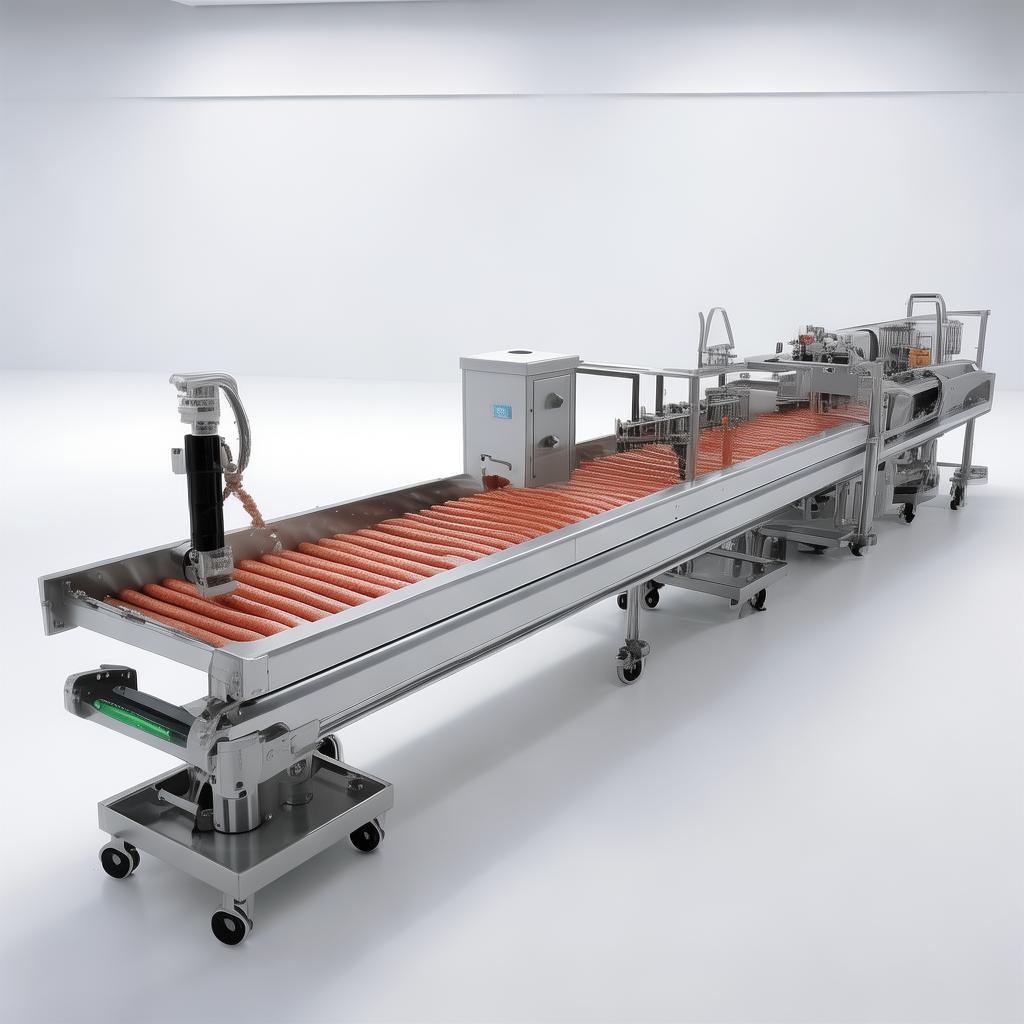
Beyond packaging, vacuum generators are used in various food processing auxiliary functions. This includes vacuum transfer of powders or granules, vacuum sealing for marination or tenderizing processes (to enhance flavor and texture absorption), and in certain molding applications for creating specific shapes with vacuum pressure. For example, in the context of meat processing, they can assist in creating uniform shapes for sausages or formed meat products before cooking.
The market for food processing equipment is projected to grow significantly, with automation and hygiene being key drivers. This growth directly translates into increased demand for reliable components like vacuum generator pumps. We consistently see demand for systems that can handle high volumes and maintain strict sanitary standards.
Discover how our vacuum generator pumps can be tailored for your specific industry needs. Talk to an Engineer about your application.
Technical Specifications: What Matters for Your Purchase Decision
Selecting the right vacuum generator pump involves understanding key technical parameters. These specifications dictate the pump's performance and suitability for your intended application. We ensure our products meet rigorous international standards, providing transparency and reliability for our global clientele.
| Parameter | Description | Typical Range / Considerations |
|---|---|---|
| Flow Rate (Suction Capacity) | The volume of air the generator can evacuate per unit of time. Usually measured in liters per minute (L/min) or cubic feet per hour (CFH). | Crucial for determining how quickly a vacuum can be established or how large a leak the system can tolerate. Matched to the volume of suction cups or the sealing area. |
| Maximum Vacuum Level | The deepest vacuum the generator can achieve, typically expressed in mbar, kPa, or in.Hg. | Determines the holding force or the level of air removal. For example, -900 mbar is a common high vacuum level. |
| Operating Pressure (Compressed Air Supply) | The required air pressure for the compressed air inlet to achieve optimal performance. Usually in bar or PSI. | Must match your existing compressed air system. Common ranges are 4-6 bar (60-90 PSI). Higher pressure generally yields higher flow and vacuum. |
| Air Consumption | The amount of compressed air consumed by the generator per unit of time. Measured in L/min or SCFM. | A key factor in energy efficiency. Lower consumption for a given performance means lower operating costs. |
| Port Size and Connections | The size and type of threads for compressed air inlet and vacuum outlet. | Ensures compatibility with your existing pneumatic lines and vacuum tubing. Standardized fittings simplify installation. |
| Materials of Construction | The materials used for the generator body and internal components. | Commonly anodized aluminum, brass, or engineered plastics. Consider chemical resistance and food-grade compliance (e.g., for FDA applications) if necessary. |
| Operating Temperature Range | The ambient temperature range within which the generator operates reliably. | Important for installations in hot or cold environments. Standard ranges are often 0-50°C (32-122°F). |
Our technical team is adept at helping you interpret these specifications in the context of your specific application. We understand that a deep vacuum might be critical for holding heavy components, while a high flow rate is essential for rapid evacuation in packaging. We also consider integration complexities, such as plumbing, electrical controls (if your generator includes integrated valves), and air supply quality.
Looking for specific model details? Request detailed product specifications.
Considerations for Procurement: Beyond the Spec Sheet
Sourcing industrial equipment internationally involves more than just comparing technical data. As experienced exporters and manufacturers, we understand the practical challenges and strategic considerations that purchasing managers and procurement directors face. Making the right choice for vacuum generator pumps requires a holistic approach.
Supplier Reliability and Experience
Who are you buying from? With 40 years in the manufacturing sector, Hebei Yuanchang has built a reputation for quality and dependability. Look for suppliers with a proven track record, deep industry expertise, and certifications that attest to their quality management systems (like ISO standards). A supplier who understands your industry's specific needs, whether it's for food processing, automation, or specialized OEM applications, will provide more value.
OEM/ODM Capabilities
Do you need a standard product, or a customized solution? We offer both Original Equipment Manufacturer (OEM) and Original Design Manufacturer (ODM) services. This means we can either produce vacuum generators to your exact specifications (OEM) or help design and manufacture a novel solution from the ground up based on your requirements (ODM). For unique applications or when integrating into proprietary machinery, this flexibility is invaluable.
Quality Control and Certifications
What guarantees do you have on the product's quality? Verify if the manufacturer adheres to international standards. We are equipped with advanced machining capabilities, including Japanese Mazak CNC centers, allowing us to produce high-precision parts. This internal control over component manufacturing is key to consistent quality. Certifications like CE mark are often essential for market entry in many regions, and we can provide documentation as needed.
Lead Times and Production Capacity
How long will it take to receive your order? Understanding the supplier's production capacity and typical lead times is critical for project planning. Our facility is equipped to handle both large-volume orders and custom runs, ensuring timely delivery to meet your project schedules. We factor in manufacturing time, quality checks, and export logistics to provide realistic timelines.
After-Sales Support and Spare Parts
What happens after delivery? A robust traceable after-sales management system is vital. This ensures that if issues arise or spare parts are needed, you can get support quickly. Our in-house machining allows us to produce critical spare parts independently, minimizing potential service disruptions. We aim to build long-term relationships based on trust and reliable support.
Logistics and Shipping
International shipping requires expertise. We manage the complexities of container loading, documentation, and customs compliance to ensure smooth delivery to your location, whether in North America, Europe, or elsewhere. Our aim is to make the cross-border purchasing process as seamless as possible.
Choosing a supplier is a strategic decision. Partnering with a manufacturer like Hebei Yuanchang, which combines decades of experience, advanced manufacturing capabilities, and a commitment to customer satisfaction, provides a solid foundation for your vacuum system needs.
Mitigate procurement risks. Get transparent factory pricing and understand our commitment to quality.
Customer Spotlight: Real-World Impact
We pride ourselves on building partnerships that deliver tangible results. Here's what some of our international clients have experienced:
"We were struggling with inconsistent vacuum levels on our automated assembly line for electronic components. The small, compact vacuum generators from Yuanchang provided stable suction, significantly reducing dropped parts. The oil-free operation was a major plus for our cleanroom environment."

Operations Manager, Tech Solutions Inc. (USA)
"Integrating new vacuum pumps for our sausage production line was a critical step. We needed something reliable and efficient for vacuum sealing. Hebei Yuanchang provided pumps with excellent vacuum depth and flow, and their export process was smooth. Our packaging integrity has improved, leading to fewer spoilage claims."

Procurement Director, EuroFood Processors (Italy)
"We required custom vacuum generator units for our robotic palletizing system for bags of raw materials. Hebei Yuanchang's engineering team worked closely with us, designing and delivering units that perfectly fit our specific gripping requirements and operating environment. The quality and responsiveness were exceptional."

Senior Engineer, Global Logistics Co. (Japan)
"As a distributor of industrial components, reliability is key. The vacuum generator pumps we source from Hebei Yuanchang have proven to be robust and perform consistently, even in demanding workshop conditions. Our customers appreciate the low maintenance and long service life."

Purchasing Manager, Industrial Supply Co. (Canada)
FAQs: Your Questions Answered
We've compiled answers to some of the most common questions about vacuum generator pumps to help you make an informed decision.
A: The main advantages are their compact size, oil-free operation, high reliability due to fewer moving parts, and near-instantaneous vacuum generation. This makes them ideal for automation and clean applications.
A: Yes, but it's crucial that the compressed air is clean, dry, and filtered to the manufacturer's recommended specifications. Contaminated air can reduce performance and shorten the lifespan of the generator. For food applications, ensure appropriate filtration for hygiene.
A: You need to consider the total volume of your suction cups or sealing area, the desired cycle time, and the maximum vacuum level required. Our engineers can assist you in calculating the necessary flow rate and vacuum level based on your application parameters.
A: With proper installation and maintenance of the compressed air supply, vacuum generators are known for their long operational life, often lasting many years without requiring significant maintenance. The absence of wear-prone components is a key factor.
A: Absolutely. We specialize in both OEM and ODM services. Our in-house engineering and machining capabilities allow us to develop and manufacture custom vacuum generator units tailored to your unique project requirements.
A: While robust, extreme temperatures can affect performance. Standard units are designed for typical industrial ranges (e.g., 0-50°C). If your application operates outside this, please consult us, as specialized materials or designs might be necessary.
Ready to Optimize Your Vacuum Operations?
Partner with a manufacturer that combines 40 years of experience with cutting-edge technology. Hebei Yuanchang Food Mechanism & Technology Co., Ltd. offers reliable, efficient, and cost-effective vacuum generator pump solutions for your global industrial needs.