Turbo Vacuum Pump
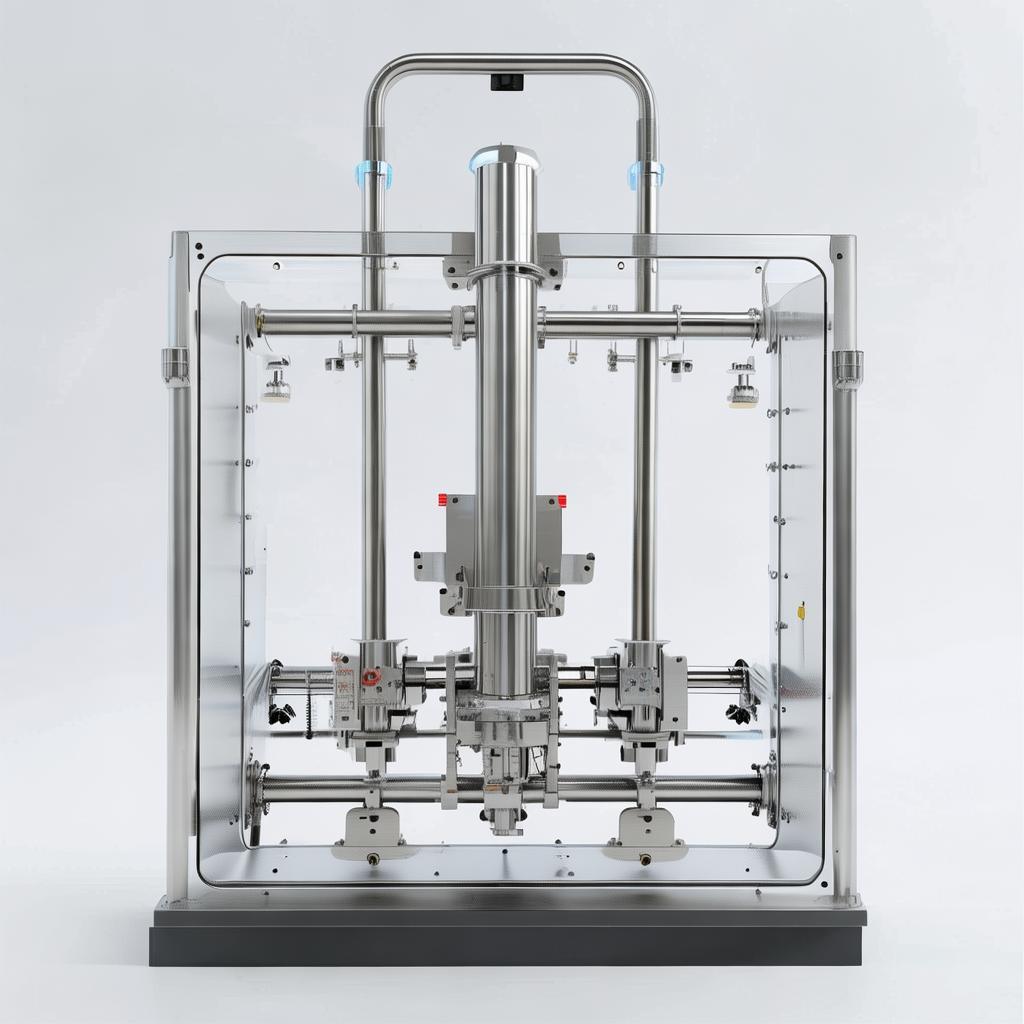
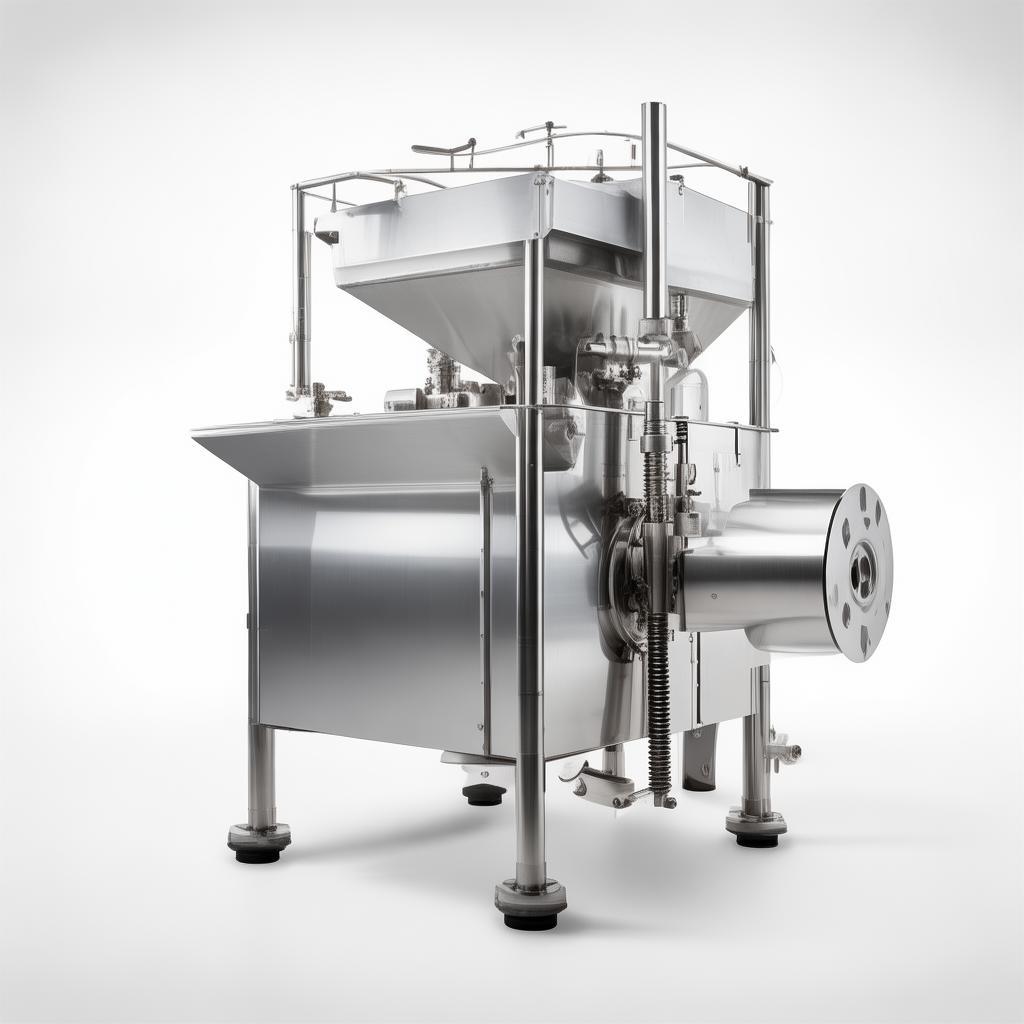
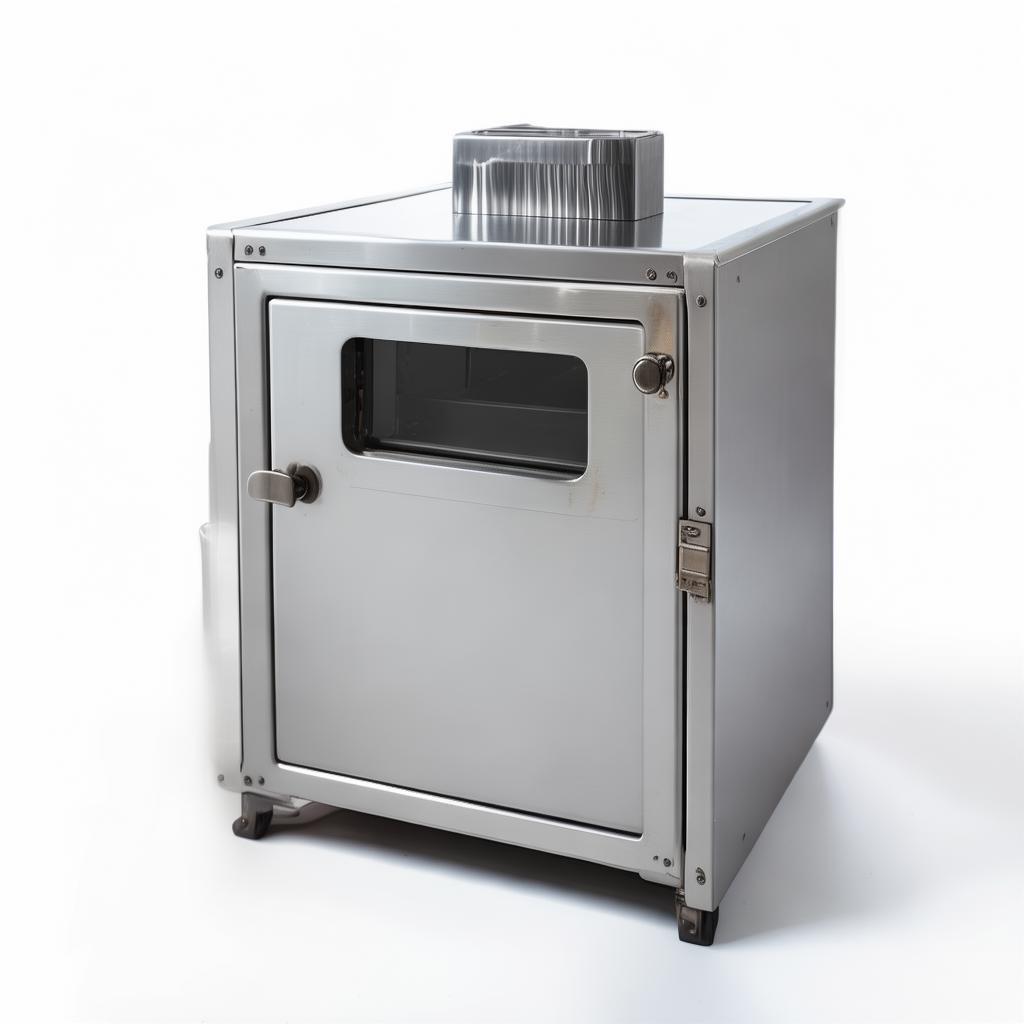
Turbo Vacuum Pumps: Precision Engineered for Demanding Industrial Applications
Experience Unrivaled Performance, Reliability, and Efficiency in Your Processing Lines

By Alex Chen, Senior Export Manager at Hebei Yuanchang Food Mechanism & Technology Co., Ltd.
The Heartbeat of Modern Processing: Why Your Operation Needs a High-Performance Turbo Vacuum Pump
In the intricate world of industrial manufacturing, particularly within sectors like food processing, pharmaceuticals, and advanced materials, the demand for consistent, high-quality output hinges on every component within the production chain. At the core of many critical processes—from meat tenderizing and filling to vacuum packaging and material handling—lies the vacuum system. And when it comes to achieving the precise low-pressure environments required for optimal performance, few technologies rival the efficiency and speed of a well-engineered turbo vacuum pump. These aren't just generic pumps; they are specialized pieces of equipment designed to evacuate air and other gases rapidly, creating the necessary vacuum conditions that directly impact product integrity, shelf life, and processing efficiency.
For years, manufacturers have grappled with the challenges of maintaining stable vacuum levels. Inconsistent vacuum can lead to a cascade of problems: uneven product texture in meat processing, compromised sealing in packaging, slower throughput, and even product degradation. This is where the robust design and superior performance characteristics of turbo vacuum pumps come into play. They offer a distinct advantage over older technologies like liquid ring pumps or dry screw pumps in applications where rapid evacuation and deep vacuum are paramount. Their ability to achieve high flow rates at low pressures makes them indispensable for operations that cannot afford downtime or compromised quality due to vacuum system limitations.
The global meat processing equipment market, a significant consumer of advanced vacuum technologies, is projected to reach USD 17.39 billion by 2034, growing at a CAGR of 5.0% according to Fortune Business Insights. This growth is fueled by the rising demand for processed meats, the increasing adoption of automation for hygiene and labor efficiency, and stringent food safety standards. Within this market, the role of vacuum pumps is pivotal. They are essential for processes such as sausage filling and molding, where precise vacuum control prevents air pockets and ensures uniform density, directly impacting product quality and consumer acceptance. Furthermore, in the ripening and tenderizing processes for meat products, a controlled vacuum environment can contribute to enhanced texture and flavor development. Our own 40 years of experience at Hebei Yuanchang Food Mechanism & Technology Co., Ltd. since 1986 has shown us firsthand how crucial reliable vacuum systems are. We’ve seen operations transform when they upgrade to equipment that offers consistent performance, and the turbo vacuum pump is often a key enabler of that transformation.
Beyond food, the applications are vast. In industries dealing with sensitive materials, such as semiconductors or scientific instrumentation, ultra-high vacuum levels are non-negotiable. Turbo pumps excel here by removing even trace amounts of gas, achieving vacuums that are simply unattainable with other technologies alone. For chemical processing, vacuum distillation and drying rely heavily on efficient vacuum generation to lower boiling points and remove solvents, speeding up cycles and reducing energy consumption. The complexity of these applications demands equipment that is not only powerful but also reliable and precisely controllable. When specifying such equipment, buyers are often looking for solutions that can be integrated seamlessly into existing lines, require minimal maintenance, and offer long-term operational cost savings. This is why understanding the nuances of turbo vacuum pump technology—its principles, benefits, and integration challenges—is critical for procurement and engineering teams alike.
This page is dedicated to providing a comprehensive overview of turbo vacuum pumps, focusing on their industrial relevance, technical specifications, and the operational advantages they bring to your business. We will delve into why these pumps are the preferred choice for many leading manufacturers and what factors you should consider when selecting the right unit for your specific needs. Whether you're involved in large-scale food production, sensitive pharmaceutical manufacturing, or any process requiring superior vacuum performance, understanding the capabilities of a modern turbo vacuum pump is key to optimizing your operations and staying ahead of the competition. Let's explore how this advanced technology can elevate your production capabilities.
Understanding the Turbo Vacuum Pump: How It Works and Why It Matters
At its core, a turbo vacuum pump, often referred to as a turbomolecular pump, operates on a different principle than many common vacuum pumps. Unlike positive displacement pumps (like rotary vane or piston pumps) or kinetic pumps (like liquid ring pumps) that physically trap and move gas molecules, a turbo pump uses a high-speed rotating impeller with angled blades. Imagine a series of fans spinning at extremely high RPMs. As gas molecules enter the pump, they collide with these rapidly moving blades. The blades impart momentum to the gas molecules, directing them away from the inlet and towards the pump outlet, effectively pushing them out of the vacuum chamber and into a higher-pressure exhaust system, often provided by a backing pump such as a roughing pump.
This momentum transfer mechanism allows turbo pumps to achieve very high pumping speeds for light gases and to generate very low pressures, often in the high vacuum to ultra-high vacuum range (from 10-3 mbar down to 10-10 mbar and below). This capability is crucial for applications where even trace amounts of residual gas can be detrimental. For example, in semiconductor fabrication, the purity of the vacuum environment directly impacts the quality and performance of microchips. Any contamination from residual gases can lead to defects that render the chips unusable. Similarly, in scientific research involving particle accelerators or vacuum chambers for experiments, achieving and maintaining these low pressures is paramount for the success of the research itself.
The design of a turbo pump typically involves multiple stages, each with a rotor and stator assembly. The rotors spin at high speeds, while the stators remain stationary. The angled blades on the rotors and stators are precisely aligned to efficiently direct gas molecules from one stage to the next, progressively lowering the pressure as the gas moves towards the exhaust. The high rotational speeds, often exceeding 30,000 RPM, are what give these pumps their name and their exceptional performance. This necessitates robust construction, precision balancing, and sophisticated control systems to ensure longevity and reliable operation. The bearings, often magnetic or hybrid ceramic, are designed to withstand these high speeds and minimize friction and wear, contributing to the pump's quiet operation and extended service life.
The synergy between a turbo pump and a backing pump is essential. A turbo pump is not capable of exhausting directly to atmospheric pressure. It needs a backing pump (typically a roughing pump like a diaphragm pump or a rotary vane pump) to reduce the pressure at its exhaust to a level where it can effectively operate and transfer molecules. The backing pump handles the initial evacuation of the system to a rough vacuum, and once that level is reached, the turbo pump is started to achieve the higher vacuum levels. The choice of backing pump is critical and depends on the desired ultimate vacuum, the gas load, and the process gases involved. Understanding this two-stage evacuation process is fundamental to setting up an effective vacuum system.
Why does this matter to a procurement manager or an operations director? Because the efficiency and reliability of your vacuum system directly translate to your bottom line. A high-performance turbo vacuum pump can significantly reduce cycle times in processes requiring vacuum, leading to increased throughput. It ensures product consistency, which reduces waste and improves customer satisfaction. For processes involving sensitive materials, the ability to achieve and maintain deep vacuum prevents contamination and ensures product integrity. Furthermore, the specialized nature of turbo pumps often means they are more energy-efficient at very low pressures compared to other pump technologies struggling to maintain deep vacuum. When we consider the global meat processing equipment market, where efficiency and food safety are paramount, the demand for precise vacuum control offered by these pumps is a clear indicator of their value. Reports like the one from Grand View Research, projecting the market to reach USD 15.04 billion by 2030, highlight the critical role of integrated equipment, including advanced vacuum systems.
Key Advantages: Why Choose a Turbo Vacuum Pump for Your Operations
When evaluating vacuum pump technologies for industrial applications, the turbo vacuum pump stands out for a multitude of reasons. Its unique operating principle translates into tangible benefits that can significantly enhance operational efficiency, product quality, and overall cost-effectiveness. These advantages are not theoretical; they are the result of decades of engineering refinement and real-world application across diverse sectors.
- Exceptional Pumping Speed & Low Ultimate Pressure: This is the hallmark of turbo pumps. They can evacuate large volumes quickly and achieve very low ultimate pressures (high vacuum). This is critical for processes requiring rapid cycle times or ultra-clean environments. For instance, in the rapid development of processed meats, precise vacuum control is needed to prevent oxidation and extend shelf life, making fast evacuation a key requirement.
- Clean Operation: Turbo pumps are inherently clean. They do not use oil in the pumping mechanism, meaning there's no risk of oil contamination in the vacuum process. This is absolutely vital for industries like pharmaceuticals, food processing, and semiconductor manufacturing where contamination can ruin entire batches of product or compromise sensitive equipment.
- Low Vibration and Noise: Due to their balanced design and often magnetic or high-quality ceramic bearings, modern turbo pumps operate with remarkably low vibration and noise levels compared to many other pump types. This contributes to a more stable working environment and can reduce the need for extensive vibration dampening measures on the production floor.
- Energy Efficiency at Low Pressures: While roughing pumps consume significant power to maintain low pressures, turbo pumps are highly efficient at taking over once the system reaches a certain vacuum level. They use the energy effectively to move gas molecules at low densities, often making them more cost-effective to run for deep vacuum applications over extended periods.
- Compact Design: For their performance capabilities, many turbo pump models are relatively compact, making integration into existing or new equipment layouts easier, especially in facilities where space is at a premium.
- Wide Range of Applications: From sophisticated scientific instruments to robust industrial processing lines, the versatility of turbo pumps is a significant advantage. They can be configured for different gas loads and process requirements.
Consider the demands of the global processed meat market, projected to reach USD 1,253.77 billion by 2034. Equipment that ensures product integrity and extends shelf life is paramount. A turbo vacuum pump’s ability to rapidly create a low-oxygen environment during vacuum packaging not only preserves freshness but also enhances the visual appeal of products like cured meats. Its clean operation means no risk of oil vapor contaminating the food, adhering to the highest safety standards. This is precisely why our expertise, honed over 40 years in meat processing mechanisms, leads us to recommend and integrate high-quality vacuum solutions. As noted by IMARC Group, filling & stuffing and tenderizing equipment are key, and the vacuum system is the silent engine behind their optimal performance.
In essence, investing in a turbo vacuum pump is an investment in reliability, precision, and quality. It’s about ensuring your most critical processes are supported by technology that minimizes risk and maximizes output. Our focus at Hebei Yuanchang is to provide not just equipment, but complete solutions that enhance your operational capabilities, and superior vacuum technology is a non-negotiable part of that equation.
Technical Specifications & Key Considerations for Selection
Choosing the right turbo vacuum pump requires a thorough understanding of your process requirements and the technical specifications of the pumps available. It's not a one-size-fits-all scenario, and overlooking critical details can lead to underperformance or premature equipment failure. At Hebei Yuanchang, we work closely with our clients to ensure the chosen pump aligns perfectly with their application, whether it's for precise filling of meat products or other demanding industrial tasks. Here are the key parameters to consider:
| Specification | Description & Importance | Considerations for Your Application |
|---|---|---|
| Pumping Speed (L/s or m³/h) | The volume of gas the pump can remove per unit of time at a specific pressure. Higher speed means faster evacuation. | Match this to your chamber volume and required process speed. For quick cycle times in meat filling or packaging, a higher pumping speed is essential. |
| Ultimate Pressure (mbar / Torr) | The lowest pressure the pump can achieve when operating under ideal conditions, typically with a suitable backing pump. | Crucial for high-vacuum applications. Ensure it meets or exceeds your process needs (e.g., for cleanroom environments or sensitive material processing). |
| Inlet Flange Size | Standardized connection size (e.g., CF, KF) that connects the pump to your vacuum system. | Must be compatible with your existing or planned vacuum manifold. Common standards simplify integration. |
| Power Consumption (W) | The electrical power required for operation. | Factor into your operational costs and ensure your power supply can handle the load, especially when considering the combined load of the turbo and backing pump. |
| Bearing Type | Typically oil-lubricated, magnetic, or ceramic hybrid bearings. Affects maintenance, noise, and ultimate pressure. | Magnetic and ceramic bearings are generally preferred for high-vacuum, clean applications due to their lower outgassing and maintenance needs. |
| Gas Load & Composition | The volume and type of gases to be pumped. Corrosive or heavy gases may require special pump designs or materials. | Specify if your process involves aggressive chemicals, high steam loads, or particulates. This impacts pump material selection and the choice of backing pump. |
| Cooling Method | Air-cooled or water-cooled. | Ensure adequate cooling is available. Water-cooled units are often used for higher power pumps or in environments with limited airflow. |
vacuum generator pump vacuum pump compressor vacuum piston pump
When it comes to selecting a turbo vacuum pump for specific industrial processes, like those within the meat processing sector, it's essential to match the pump's capabilities to the task. For instance, in sausage stuffing and molding operations, the vacuum needs to be strong enough to create a dense, uniform product without introducing air bubbles, which affects texture and spoilage rates. This requires a pump with a rapid response time and sufficient speed. The global processed meat market, valued significantly and growing, demands equipment that ensures quality and safety. According to Fortune Business Insights, the market is set to reach USD 1,253.77 billion by 2034. This growth underscores the need for reliable processing equipment, where vacuum pumps play a critical, often unseen, role.
We also need to consider the backing pump. A properly sized roughing pump is vital. If it's undersized, the turbo pump will struggle to reach its optimal performance. If it's oversized, it might be an unnecessary expense in terms of initial cost and energy consumption. Factors like the total volume to be evacuated, the expected gas load from the process, and the type of gases are all considered. Our engineering team evaluates these parameters to recommend a complete vacuum solution, not just a single component. For example, a process involving high steam loads (like in certain food preparation steps) would necessitate a backing pump with high steam handling capability, possibly a liquid ring pump with a gas ballast, to prevent condensation and damage within the pump.
Practical Warning: Never run a turbo pump without its dedicated backing pump established first, and never vent a turbo pump too quickly. Sudden pressure changes can damage the high-speed rotor. Always follow recommended startup and shutdown procedures. These operational insights come from years of practical experience on the factory floor and in export logistics, ensuring our clients understand not just the technical merits but also the operational realities.
Request a Consultation: Discuss your specific application needs with our technical experts to receive a tailored recommendation for the optimal turbo vacuum pump and backing pump system.
Applications Across Industries: Where Turbo Vacuum Pumps Excel
The versatility and high-performance capabilities of turbo vacuum pumps make them indispensable across a wide spectrum of industrial and scientific applications. Their ability to generate and maintain clean, deep vacuum conditions is crucial for processes that demand precision, purity, and efficiency. At Hebei Yuanchang, while our heritage is deeply rooted in meat processing equipment, we recognize the universal applicability of high-quality vacuum technology and work with clients across various sectors.
Food Processing & Packaging
Critical for vacuum packaging of meats, cheese, and other perishables to extend shelf life and maintain product quality. Used in stuffing and molding machines for creating dense, uniform products like sausages, preventing air pockets and spoilage. Essential for freeze-drying processes where low pressure is key.
Example: Consistent vacuum in sausage production ensures uniform density and texture, directly impacting consumer satisfaction and reducing product waste. The global processed meat market's growth, projected to exceed USD 1.3 trillion by 2035, fuels demand for such precision equipment.
Pharmaceuticals & Biotechnology
Vacuum drying of pharmaceuticals, sterile filtration, and lyophilization (freeze-drying) processes to preserve heat-sensitive compounds. Used in research laboratories for mass spectrometry, electron microscopy, and surface analysis, where ultra-high vacuum is necessary for accurate results.
Example: Lyophilization of vaccines requires maintaining deep vacuum for efficient water sublimation, ensuring the drug's efficacy and long-term stability.
Semiconductor Manufacturing
Essential for thin-film deposition, etching, and other microfabrication processes that require extremely clean and precise vacuum environments. Even minute contamination can render delicate microchips useless.
Example: Pumping down vacuum chambers in sputtering or CVD (Chemical Vapor Deposition) processes to achieve the necessary high vacuum levels for creating semiconductor layers.
Industrial Coating & Surface Treatment
Used in Physical Vapor Deposition (PVD) and Chemical Vapor Deposition (CVD) for applying wear-resistant, decorative, or functional coatings to components. Processes like vacuum metallization are reliant on turbo pumps.
Example: Applying anti-reflective coatings to lenses or hard coatings to cutting tools requires a clean, high-vacuum environment created by turbo pumps.
Research & Development
Ubiquitous in scientific research for particle accelerators, fusion energy research, vacuum chambers for scientific experiments, and general laboratory vacuum needs such as glove boxes and vacuum ovens.
Example: Maintaining vacuum in particle accelerator beamlines prevents collisions with air molecules, allowing particles to travel unimpeded over long distances.
The market trends support the increasing adoption of these advanced pumps. For instance, the meat processing equipment market is projected to expand due to automation needs for hygiene and labor efficiency, as highlighted by Mordor Intelligence. This automation often involves precise vacuum control for forming, filling, and packaging. Similarly, the broader food processing equipment market is seeing growth, with meat-specific segments driving demand for pretreatment and auxiliary systems where vacuum plays a key role. Our 40 years of manufacturing experience have equipped us to understand these diverse needs, ensuring our turbo vacuum pump offerings meet stringent industry standards.
Installation, Maintenance, and Operational Insights
Maximizing the lifespan and performance of your turbo vacuum pump involves more than just initial selection. Proper installation, routine maintenance, and understanding operational best practices are crucial. At Hebei Yuanchang, we don't just sell equipment; we aim to provide ongoing support and knowledge to ensure your operations run smoothly. Drawing from our extensive experience in manufacturing and exporting industrial machinery, we offer these practical insights.
Installation Considerations:
- Mounting: Ensure the pump is mounted securely to minimize vibration transfer. If the pump is not designed for all-position operation, adhere strictly to the manufacturer's recommended orientation.
- Backing Pump Connection: The connection between the turbo pump exhaust and the backing pump inlet must be short and wide to minimize backpressure. Ensure all fittings are airtight to prevent leaks that could degrade performance.
- Electrical Connections: Follow wiring diagrams precisely. Turbo pumps often have sophisticated controllers that manage startup, shutdown, and monitoring. Ensure compatibility with your facility's power supply.
- System Purging: Before initial startup, ensure the vacuum system and the pump inlet are purged with an inert gas (like nitrogen) to remove air and moisture, especially after installation or maintenance. This prevents premature wear and potential damage.
Routine Maintenance:
- Bearing Lubrication (if applicable): For pumps with oil-lubricated bearings, adhere to the recommended lubrication schedule and use only the specified high-purity vacuum oil. Magnetic or ceramic bearings generally require no lubrication.
- Inlet Flange Cleaning: Regularly inspect and clean the inlet flange and any roughing valves. Contamination here can affect vacuum integrity. Use lint-free wipes and appropriate solvents.
- Controller Checks: Monitor the pump's controller for any error codes or unusual readings. Many modern controllers offer diagnostic functions that can alert you to potential issues before they become critical.
- Backing Pump Service: The backing pump also requires regular maintenance, such as oil changes (for oil-sealed pumps) or filter replacement. Its reliability is directly linked to the turbo pump's performance.
Operational Best Practices:
- Controlled Shutdown: Always follow the recommended shutdown sequence, which typically involves isolating the turbo pump from the atmosphere using a valve and allowing it to decelerate to a safe speed before powering off.
- Avoid Frequent Venting: Rapid changes in pressure put stress on the pump. If your process requires frequent venting and re-evacuation, consider system design adjustments or pumps specifically built for such cycles.
- Monitor Gas Load: Be aware of your process's gas load. If it exceeds the pump's rated capacity, the pump may not achieve the desired vacuum or could overheat. Consider pre-trapping or using a higher-capacity pump.
- Temperature Monitoring: Many pumps have built-in temperature sensors. High temperatures can indicate insufficient cooling, high gas load, or bearing issues. Address these immediately.
For operations involving processes like vacuum packaging in the food industry, where hygiene is paramount, ensuring all seals are intact and that the pump remains free from product contamination is vital. Our 40 years of experience in food mechanism manufacturing have taught us that robust design and adherence to maintenance schedules are non-negotiable for ensuring equipment longevity and operational safety. The consistent demand for processed meats, a market expected to grow significantly, means that processing lines must operate with maximum uptime. A well-maintained vacuum system is a cornerstone of this efficiency. As market reports from Fortune Business Insights indicate, automation and hygiene are key drivers, and reliable ancillary equipment like vacuum pumps are essential.
Hebei Yuanchang: Your Trusted Partner for Industrial Vacuum Solutions
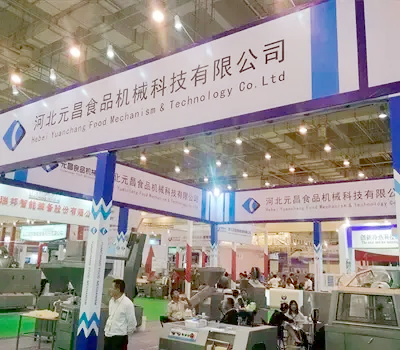
With over four decades of experience in manufacturing specialized industrial equipment, including advanced food processing machinery, Hebei Yuanchang Food Mechanism & Technology Co., Ltd. brings a deep understanding of operational needs and precision engineering to the table. Our commitment to quality, reliability, and customer satisfaction is the bedrock of our business, established since 1986. We understand that selecting the right vacuum pump is critical for the success of your operations, whether you're involved in large-scale meat processing, pharmaceutical production, or other demanding industrial applications.
Our in-house machining workshop, equipped with over 20 sets of precision processing machinery and advanced Japanese Mazak CNC machining centers introduced in 2012, allows us to produce high-standard, high-precision components independently. This capability is vital for manufacturing robust and reliable turbo vacuum pumps that meet stringent international standards. We don't just assemble; we engineer and manufacture, ensuring complete control over quality from raw material to finished product. This end-to-end control means we can offer OEM/ODM solutions tailored precisely to your specifications, ensuring a perfect fit for your existing production lines or new projects.
Extensive Manufacturing Expertise
40 years of experience in industrial machinery manufacturing, with a focus on precision and durability.

Advanced Production Facilities
State-of-the-art machining capabilities, including multiple CNC centers for high-precision component manufacturing.
Commitment to Quality & Compliance
Adherence to international standards, ensuring reliable and compliant equipment for global markets.

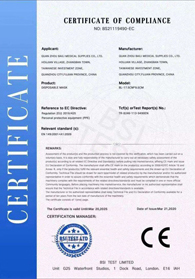
We understand the critical role vacuum pumps play in your processes. Our team of engineers and export specialists are dedicated to providing solutions that enhance your productivity, ensure product quality, and offer excellent return on investment. The global demand for efficient processing equipment, as reflected in market reports citing substantial growth in the meat processing sector and related machinery, underscores the importance of reliable components like turbo vacuum pumps. We are proud to be a supplier that brings decades of practical manufacturing knowledge to the table, offering not just products but partnership.
Our traceable after-sales management system ensures that we can support your equipment throughout its lifecycle. When you choose Hebei Yuanchang, you are partnering with a manufacturer that values long-term relationships, built on trust, technical expertise, and a shared commitment to operational excellence. Let us help you achieve the precision vacuum performance your business demands.
Frequently Asked Questions (FAQs)
1. What is the main difference between a turbo vacuum pump and a liquid ring pump?
A turbo vacuum pump uses high-speed rotating blades to impart momentum to gas molecules, achieving high vacuum efficiently. A liquid ring pump uses a rotor that displaces liquid, creating chambers that trap and compress gas. Turbo pumps are ideal for deep vacuum and clean applications, while liquid ring pumps are robust for high gas loads, high moisture content, and aggressive gases.
2. Do turbo vacuum pumps require a backing pump?
Yes, absolutely. Turbo pumps cannot exhaust to atmospheric pressure. They require a backing pump (often called a roughing pump, like a diaphragm or rotary vane pump) to reduce the system pressure to a level where the turbo pump can effectively operate and transfer molecules to achieve high vacuum.
3. How often does a turbo vacuum pump need maintenance?
Maintenance frequency depends on the pump's design (especially the bearings) and the application's operating conditions. Oil-lubricated bearing pumps require regular lubrication checks and oil changes. Magnetic or ceramic bearing pumps typically require less frequent maintenance, often focused on keeping the unit clean and monitoring operational parameters. We recommend consulting the specific pump's manual and your operational logs.
4. Can turbo vacuum pumps handle steam or moisture?
Generally, turbo pumps are not designed for high concentrations of steam or moisture, as it can condense and potentially damage the pump or its bearings. The backing pump is usually responsible for handling initial gas loads, including steam. If significant steam is present, a backing pump with a gas ballast feature or a liquid ring pump is often recommended.
5. What is the typical lifespan of a turbo vacuum pump?
With proper installation, operation, and maintenance, a high-quality turbo vacuum pump can last many years, often 10-15 years or more. Bearing type, operating environment, and adherence to operational guidelines significantly influence longevity. Our manufacturing standards aim for maximum durability.
Hear From Our Clients
"We upgraded our sausage production line with Hebei Yuanchang's vacuum pump system, and the improvement in product consistency is remarkable. Less air in the casings means better texture and longer shelf life. Their team really understood our needs."
- Maria Rodriguez, Operations Manager, Premium Meats Co., USA

"As a distributor of food processing equipment, we need reliable partners. Hebei Yuanchang consistently delivers high-quality machines, and their turbo vacuum pumps are a key component that our customers trust for demanding applications like vacuum packaging and precise filling.
- David Lee, Procurement Director, Global Food Tech Supplies, Canada

"We faced challenges maintaining stable vacuum for our freeze-drying process. Hebei Yuanchang's technical consultation led us to their specialized turbo vacuum pump solution. The performance leap was significant, reducing our cycle times and improving product quality considerably."
- Dr. Anya Sharma, R&D Lead, BioPharm Innovations, UK

Need a Custom Vacuum Solution?
Let our experts help you find the perfect turbo vacuum pump for your unique industrial needs. We offer OEM/ODM services and tailor-made solutions.