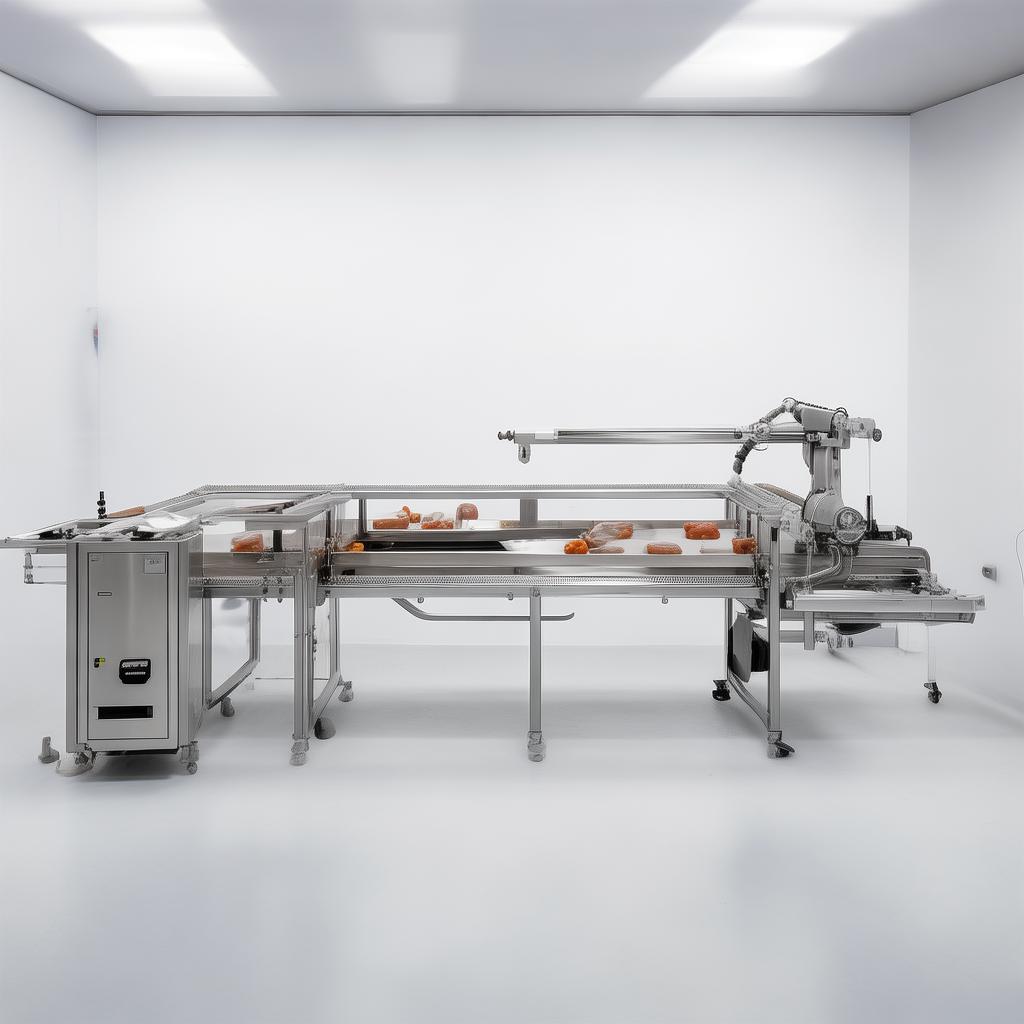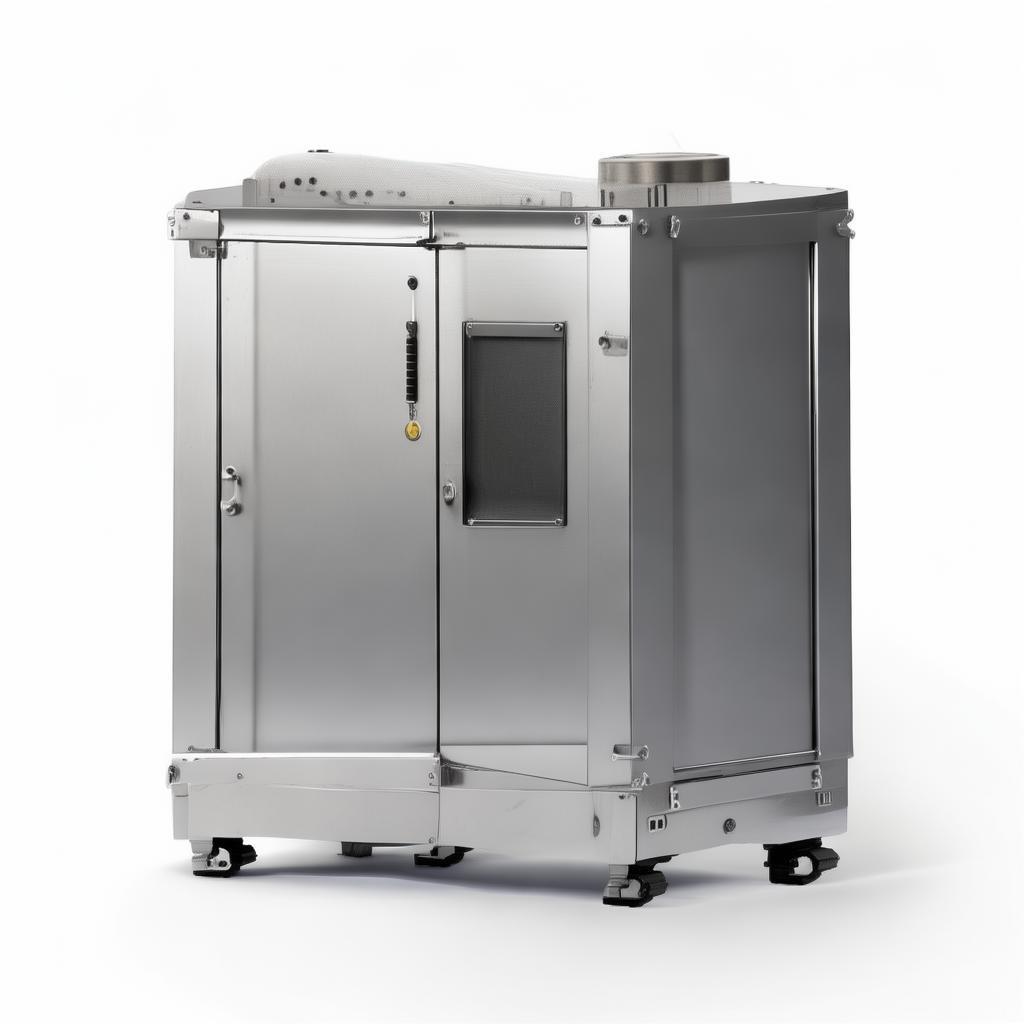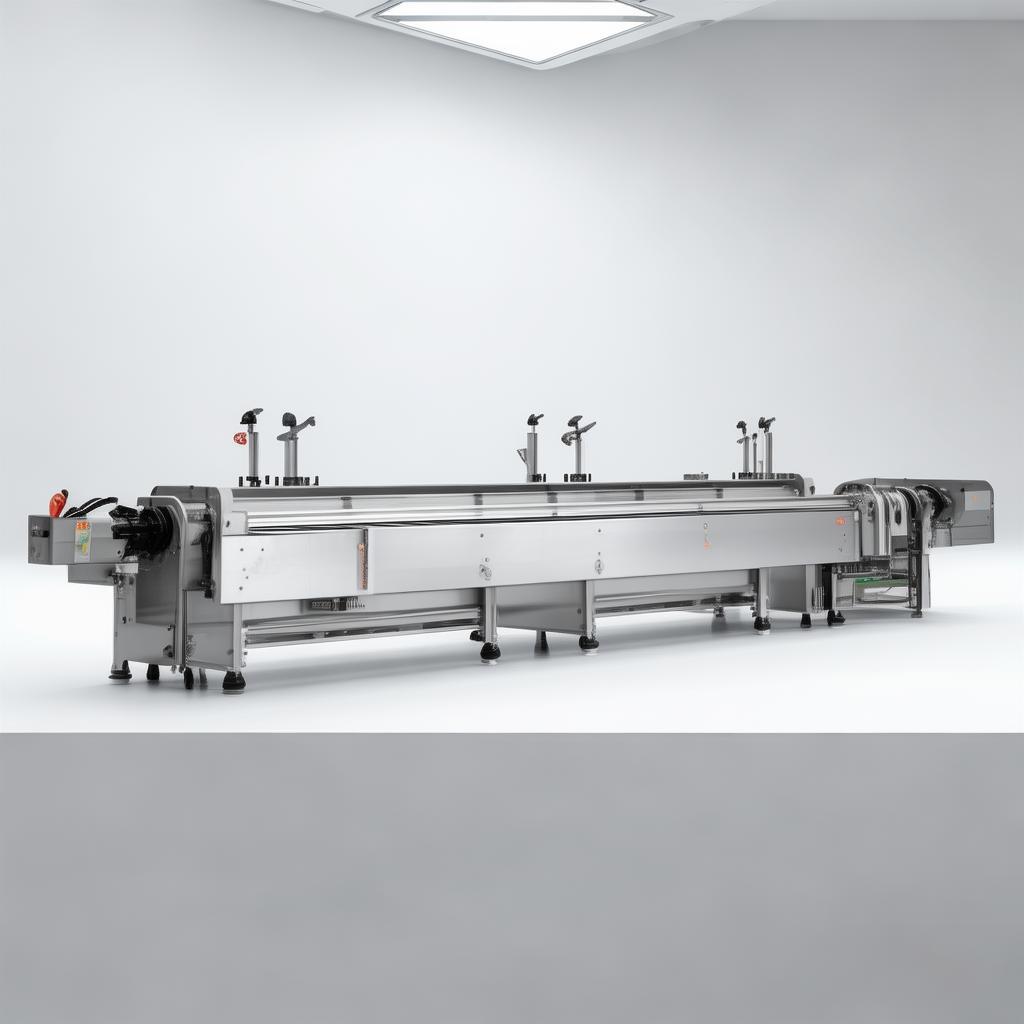
Venturi Vacuum Valve
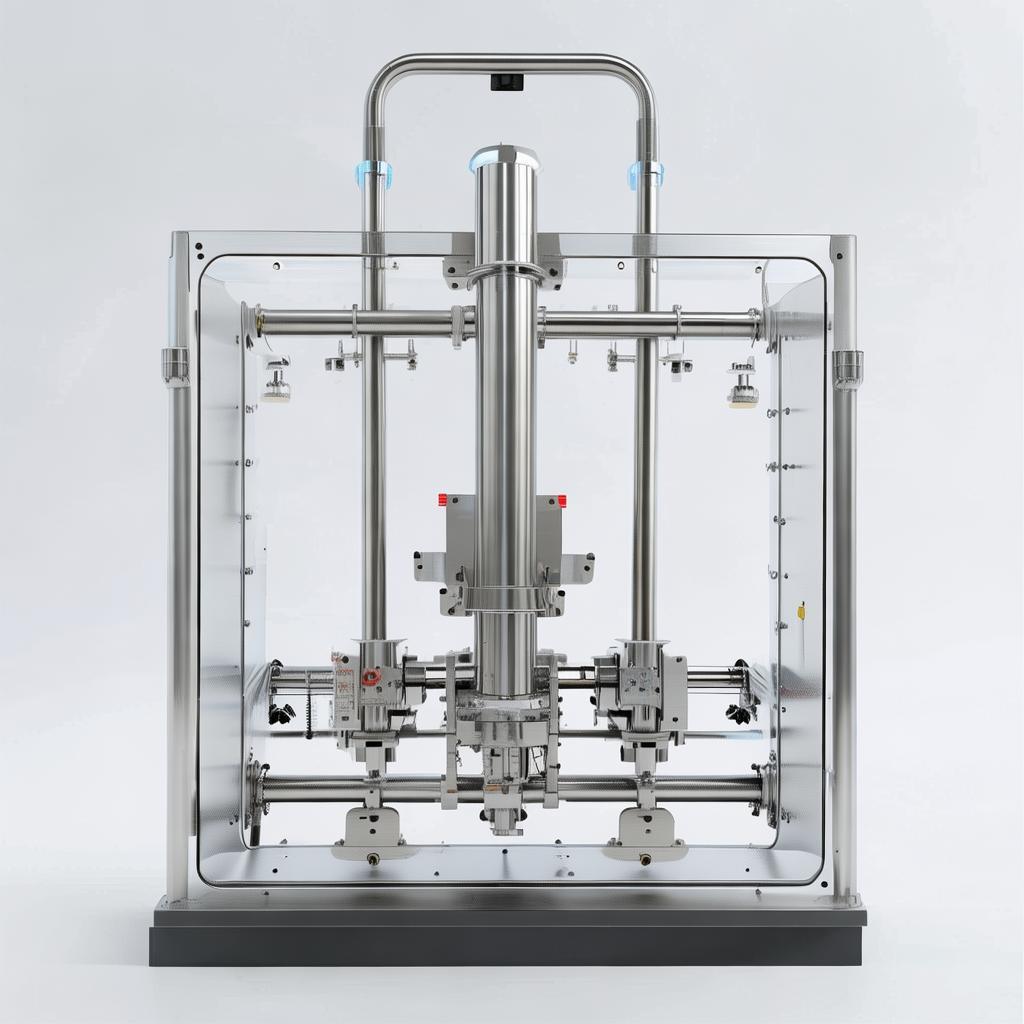
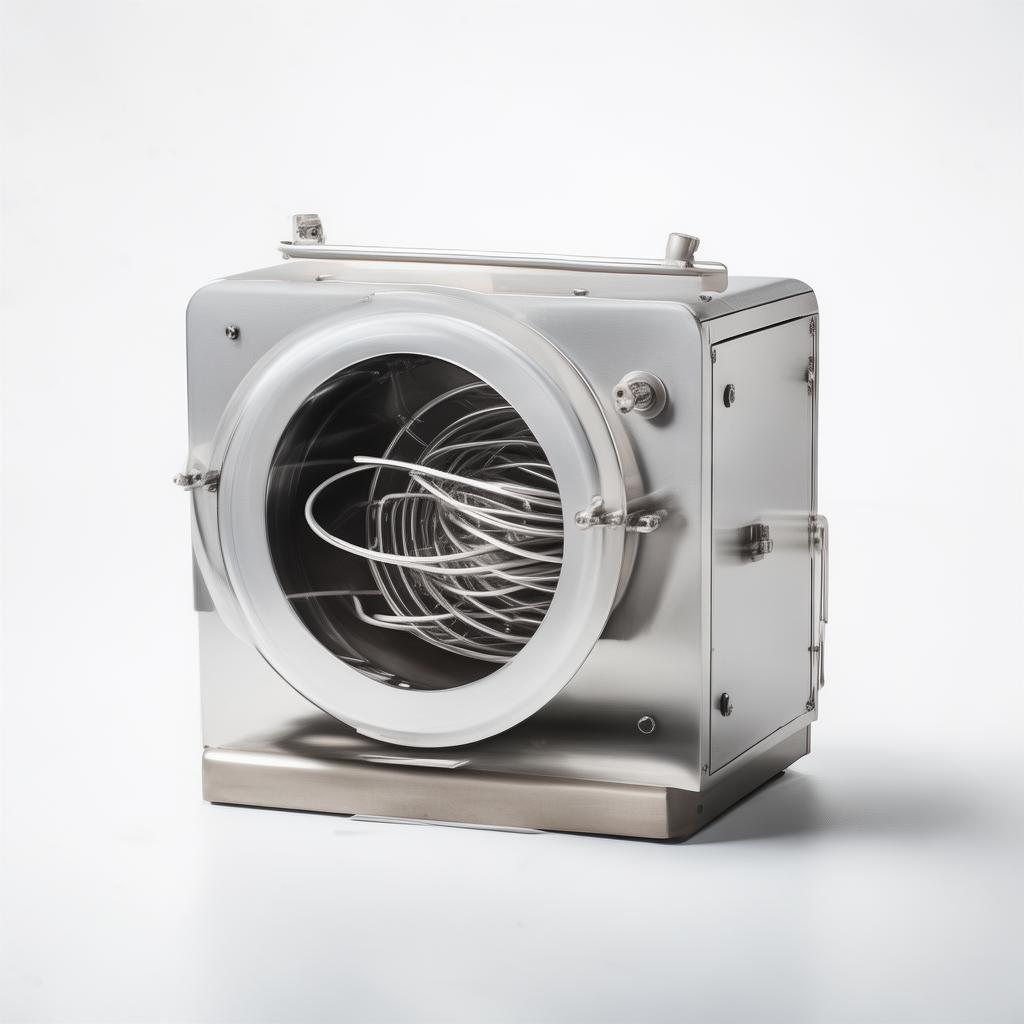
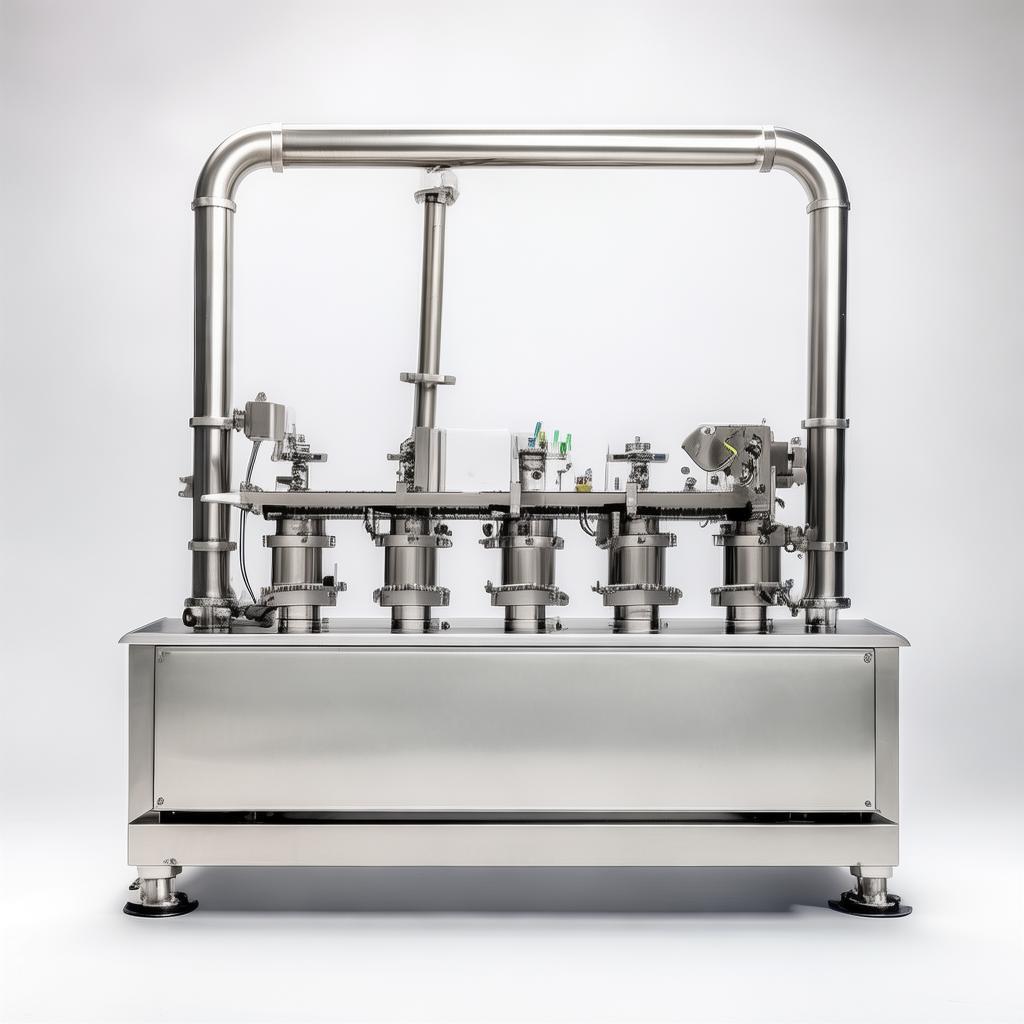
Venturi Vacuum Valves: Precision Engineered for Industrial Fluid Control
Reliable, Efficient, and Durable Solutions for Demanding Applications

By Dr. Jian Li
Senior Industrial Engineer & Procurement Advisor
40 Years of Manufacturing Expertise
The Essence of Venturi Vacuum Valves: Driving Efficiency in Industrial Processes
In the intricate world of industrial manufacturing, particularly where precise fluid handling and vacuum generation are paramount, the choice of componentry can dramatically impact overall operational efficiency, product quality, and cost-effectiveness. Among the critical components, the Venturi vacuum valve stands out as a deceptively simple yet profoundly effective device. It's not just about creating a vacuum; it's about doing so reliably, efficiently, and often under challenging conditions that less robust solutions simply cannot withstand. Understanding the core principles and practical applications of these valves is essential for any procurement manager, operations director, or engineering team tasked with optimizing vacuum-dependent processes.
The demand for sophisticated vacuum solutions continues to rise across diverse sectors. The global meat processing equipment market, for instance, is projected to reach significant figures, with market research indicating values between USD 11.28 billion (Grand View Research) and USD 18.3 billion (IMARC Group) by 2030-2034, exhibiting compound annual growth rates around 5%. This growth is underpinned by the increasing demand for processed meats, automation for hygiene, and stringent food safety standards. Within these processing lines, components that ensure consistent vacuum for filling, molding, and preserving are vital. Similarly, the broader food processing machinery market, a significant portion of which includes meat processing, is expected to cross USD 100 billion by 2035 (Meticulous Research). These are not abstract numbers; they represent real-world operational demands that require dependable, high-performance equipment.
Venturi vacuum valves, at their heart, leverage a fundamental principle of fluid dynamics – the Venturi effect. This effect, discovered by Giovanni Battista Venturi, describes how a fluid (liquid or gas) flowing through a constricted section of a pipe or tube experiences an increase in velocity and a corresponding decrease in pressure. While many might associate this with simple flow meters, its application in vacuum generation is where its true industrial value shines. By forcing a primary fluid (often compressed air) through a narrow throat, a low-pressure zone is created, which then entrains a secondary fluid – in this case, the air to be evacuated. This direct, mechanical process eliminates the need for complex seals, moving parts, or electrical components often found in other vacuum pumps, translating into significant advantages in terms of reliability and maintenance.
For procurement professionals and technical engineers, this translates directly into tangible benefits. Think about the challenges in a high-volume meat processing plant where consistent vacuum is critical for sausage stuffing or vacuum packaging. A failure here doesn't just halt production; it can lead to product spoilage, batch rejection, and significant financial loss. Traditional vacuum pumps might require regular maintenance, filter changes, and can be susceptible to ingress of moisture or particulates, especially in wet environments. A Venturi vacuum valve, constructed from appropriate materials, offers a robust alternative, capable of handling these demanding conditions with minimal downtime. The global processed meat market's projected growth further emphasizes the need for such reliable auxiliary systems that ensure consistent output and food safety compliance.
The inherent simplicity of the Venturi design is its greatest strength. A typical Venturi vacuum generator consists of an inlet for the motive fluid (compressed air), a converging section, a narrow throat, a diverging section, and an outlet for the exhausted air. Crucially, there's also an additional port that connects to the system requiring vacuum. As the motive fluid accelerates through the throat, its static pressure drops significantly. This pressure drop creates a vacuum at the connection point, drawing air or other gases from the connected system. The motive fluid and the entrained fluid then exit through the diverging section, where velocity decreases and pressure recovers, albeit at a lower level than the initial motive fluid pressure. This self-contained operation is a core reason why Venturi vacuum valves are favored in applications where contamination, harsh chemicals, or explosive atmospheres are present. Their lack of internal moving parts means no friction, no wear, and critically, no sparks.
Considering the global landscape, the increasing industrialization in Asia-Pacific, highlighted in several market reports, coupled with a steady rise in demand for processed and convenience meats worldwide, underscores the need for adaptable, efficient vacuum solutions. Whether it's for a large-scale operation or a specialized application, the Venturi vacuum valve offers a scalable and dependable answer. This page aims to provide a comprehensive overview, moving beyond basic definitions to explore the practical implications, technical nuances, and strategic advantages these components bring to your operations. We'll delve into why selecting the right Venturi valve isn't just a technical decision, but a critical business one, impacting everything from operational uptime to the bottom line.
Addressing Industry Challenges with Reliable Vacuum Generation
Manufacturing environments are inherently tough. Dust, moisture, aggressive chemicals, fluctuating temperatures, and the constant need for high throughput can push standard equipment to its limits. When it comes to vacuum systems, these challenges can lead to premature component failure, inconsistent performance, and costly downtime. Many operations grapple with one or more of these persistent issues:
- Unreliable Vacuum Levels: Fluctuations in vacuum pressure can compromise product integrity, leading to issues in sealing, forming, or material handling. This is particularly critical in processes like vacuum packaging or pick-and-place operations.
- High Maintenance Overhead: Traditional vacuum pumps often require regular servicing, filter replacements, oil changes, and component overhauls. The labor and parts costs associated with this can be substantial over time.
- Sensitivity to Contaminants: Dust, debris, and moisture can easily clog filters, damage impellers, or corrode internal parts of many vacuum systems, necessitating frequent cleaning or replacement.
- Energy Inefficiency: Some vacuum generation methods consume significant amounts of power, especially when operating at partial loads or when inefficiently designed, adding to operational expenses.
- Safety Concerns: In environments with flammable gases or dust, electrical components in traditional vacuum systems can pose an ignition risk.
- Limited Scalability & Flexibility: Often, a single vacuum pump is sized for peak demand, leading to inefficiency during off-peak times. Adapting or scaling existing systems can be complex and expensive.
- Space Constraints: Larger, more complex vacuum pump units can consume valuable floor space in already crowded production facilities.
The global meat processing equipment market, valued at over USD 11 billion and growing, exemplifies these pressures. As automation increases in this sector to meet demand for processed meats and ensure hygiene, the need for robust, low-maintenance components like vacuum valves becomes even more pronounced. Reports from Fortune Business Insights and Grand View Research consistently highlight the role of filling and stuffing equipment, which critically relies on stable vacuum.
Our Venturi vacuum valves are engineered to directly address these pain points. By eliminating wear parts and internal moving components, they offer unparalleled operational reliability and significantly reduce maintenance burdens. Their design inherently handles particulates and moisture without suffering performance degradation, making them ideal for less-than-ideal industrial conditions. This translates into sustained uptime and predictable performance, crucial for industries where consistency is key.
Understanding the Venturi Principle: Simple Physics, Powerful Vacuum
The magic behind a Venturi vacuum valve lies in its elegant simplicity, rooted in Bernoulli's principle and the Venturi effect. It’s a testament to how fundamental physics can be harnessed for sophisticated industrial applications.
Here’s a breakdown of the operational mechanism:
- Motive Fluid Inlet: Compressed air or another suitable motive fluid is introduced into the valve at a specified pressure and flow rate. This fluid is often clean, dry air, but depending on the valve material and application, other fluids might be used.
- Converging Section: The motive fluid enters a section that gradually narrows. As the fluid is forced into a smaller area, its velocity begins to increase.
- The Throat: This is the narrowest point of the valve. Here, the motive fluid reaches its maximum velocity. According to Bernoulli's principle, as the velocity of a fluid increases, its static pressure decreases. This significant pressure drop at the throat is the core of the vacuum generation.
- Vacuum Port: Adjacent to the throat is the vacuum port. The low static pressure created here acts like a suction, drawing air or gas from the connected system. This entrained fluid mixes with the motive fluid.
- Diverging Section: After the throat, the internal diameter of the valve begins to widen again. This section allows the combined fluid (motive fluid + entrained fluid) to decelerate. As velocity decreases, pressure begins to recover. While pressure recovery is not 100%, it helps to reduce the overall back pressure on the vacuum source and directs the exhausted fluid away.
The efficiency of this process is largely determined by the valve's geometry – specifically, the ratio of the throat diameter to the inlet/outlet diameter and the angles of the converging and diverging sections. Manufacturers carefully design these parameters to optimize vacuum level, flow rate, and air consumption.
Key Takeaway for Operations: Unlike piston pumps or rotary vane systems that rely on mechanical sealing and wear parts, Venturi generators have no internal moving parts that come into contact with the fluid being evacuated. This is a critical distinction for reliability and longevity.
Consider the implications for sectors like meat processing. The global market for meat processing equipment, encompassing machinery for pretreatment, molding, and ripening, is expanding. Reliable vacuum is essential for stuffing sausages, ensuring proper air removal in packaging, and maintaining product quality. A Venturi valve can provide this crucial function without the risk of mechanical contamination or failure associated with more complex pump systems. Market reports from companies like Mordor Intelligence suggest a steady growth in this sector, driven by automation and food safety regulations.
The absence of mechanical seals also makes Venturi valves inherently safe for use in potentially hazardous environments. They are non-sparking and can be constructed from materials resistant to corrosion and chemical attack. This inherent safety, combined with their operational simplicity, makes them a preferred choice where other vacuum solutions might pose a risk.
Key Advantages for Your Operations: Beyond Just Vacuum
The choice of a Venturi vacuum valve isn't merely about function; it's about a suite of operational and economic benefits that can significantly enhance your business. When evaluating these systems, look beyond the basic vacuum level to consider the total impact:
Unmatched Reliability
With no moving parts, wear and tear are virtually eliminated. This means fewer breakdowns and more consistent uptime – a critical factor in high-volume production environments.
Low Maintenance
Forget oil changes, filter replacements, and intricate servicing. Maintenance is typically limited to occasional external cleaning and ensuring the motive fluid supply is clean. This drastically reduces labor and parts costs.
Compact & Lightweight
Venturi generators are significantly smaller and lighter than comparable vacuum pumps, saving valuable space on production lines and simplifying integration.
Hazardous Environment Suitability
Being non-sparking and often made from chemical-resistant materials, they are ideal for explosive, corrosive, or hygienic environments where other vacuum solutions fail or pose risks.
Instant Vacuum Generation
Upon activation of the motive fluid, vacuum is generated almost instantaneously, allowing for rapid cycle times in pick-and-place, clamping, and other automation tasks.
Scalability
Achieve specific vacuum levels or flow rates by simply adding more Venturi units. This modular approach allows for easy scaling of vacuum capacity as your production needs evolve.
These advantages translate directly into a lower total cost of ownership (TCO). While the initial purchase price might be comparable to some vacuum pump types, the reduced maintenance, energy consumption (when properly applied), and increased uptime provide substantial long-term savings. For businesses in sectors like meat processing, where equipment uptime is directly tied to profitability, the reliability of Venturi valves is a non-negotiable asset. The projected growth in the processed meat market, with an emphasis on efficiency and safety, further validates the need for such robust solutions.
Diverse Application Scenarios: Where Venturi Vacuum Excels
The inherent simplicity, reliability, and safety of Venturi vacuum valves make them suitable for a remarkably broad range of industrial applications. Their ability to operate without contamination risks also opens doors in sensitive sectors.
Here are some common areas where they prove indispensable:
| Industry/Application | Specific Use Cases | Why Venturi Valves Shine |
|---|---|---|
| Food & Beverage Processing | Vacuum packaging, filling machines (e.g., meat/sausage fillers), pick-and-place for delicate items, bowl choppers, tray sealing, carton filling. | Hygienic operation (no internal moving parts), resistance to washdowns, consistent vacuum for sealing, suitable for wet environments. (Market growth in processed meat requires reliable auxiliary filling and ripening systems). |
| Material Handling & Automation | Pick-and-place systems, vacuum gripping, robotic end-effectors, sheet metal handling, automated assembly lines. | Fast response time, lightweight design, reliable holding force, minimal maintenance for high-cycle applications. |
| Packaging Machinery | Vacuum forming, blister packaging, tray sealing, vacuum bag sealing, bottle capping. | Consistent vacuum for tight seals, quick evacuation for faster cycles, resistance to potential product contamination. |
| Medical & Pharmaceutical | Laboratory vacuum systems, sample collection, sterile packaging, liquid transfer, degassing. | Non-contaminating, reliable vacuum for critical processes, often available in chemically resistant materials. |
| Industrial Manufacturing | Vacuum clamping for machining, degassing of resins/coatings, pneumatic conveying, filter testing. | Robust operation, resistance to dust and moisture, stable holding force for clamping applications. |
| Aerospace & Automotive | Composite layup, vacuum bonding, testing of components, automated assembly. | Precision vacuum control, reliability in demanding environments, lightweight solutions for robotic arms. |
pneumatic venturi vacuum valve high vacuum valve vacuum venturi generator
The meat processing industry alone represents a significant area where Venturi vacuum valves play a crucial role. With the global processed meat market expanding, driven by consumer demand for convenience and variety, the efficiency and hygiene offered by these valves are becoming indispensable. Equipment for pretreatment, molding, and ripening meat products relies heavily on consistent vacuum performance, and Venturi generators provide a reliable backbone for these operations.
Consider the installation of these valves. They typically require a compressed air source, and exhaust ports can often be vented directly or piped away. This makes integration into existing systems relatively straightforward, minimizing installation time and complexity.
Technical Specifications: Precision Tailored to Your Needs
Selecting the correct Venturi vacuum valve involves understanding several key technical parameters. These specifications ensure the valve performs optimally for your specific application, balancing vacuum level, flow rate, and motive air consumption.
While exact specifications vary by model and manufacturer, the following are typical parameters you’ll encounter:
| Parameter | Description | Typical Units |
|---|---|---|
| Motive Fluid Pressure | The required compressed air pressure for optimal operation. | bar, psi, kPa |
| Motive Fluid Consumption | The volume of compressed air consumed per unit of time at the specified pressure. | L/min, SCFM (Standard Cubic Feet per Minute) |
| Maximum Vacuum Level | The lowest achievable pressure (highest vacuum) under ideal conditions. This is often specified relative to atmospheric pressure. | mbar, inHg, kPa |
| Airflow Rate (Suction) | The volume of air the valve can evacuate from the system per unit of time at a given vacuum level. This is crucial for determining how quickly a system can reach its target vacuum. | L/min, CFM |
| Port Size / Connection Type | The size and type of threaded or push-to-connect fittings for motive air, vacuum port, and exhaust. | e.g., G 1/4", NPT 1/2", Push-in fitting Ø6mm |
| Operating Temperature Range | The ambient or fluid temperature range within which the valve can reliably operate. | °C, °F |
| Materials of Construction | Specifies the materials used for the valve body, throat, etc., which dictate chemical resistance and suitability for certain environments. | e.g., Aluminum, Stainless Steel (304, 316), POM, PVDF. |
It’s important to note that motive fluid consumption and vacuum level are often inversely related. High vacuum typically requires more motive air. For applications like vacuum packaging or meat filling, a balance is struck to achieve sufficient vacuum quickly without excessive air usage. The Airflow Rate (Suction) is critical for applications needing to evacuate volume rapidly, such as inflating or deflating large actuators or quickly pulling a seal on a flexible package.
When specifying, consider the Operating Temperature Range and Materials of Construction carefully. For instance, in a food processing plant with regular washdowns, stainless steel or chemically resistant polymers are essential. In the meat processing sector, compliance with hygiene standards is paramount, influencing material choices.
Pro Tip: Always consult detailed performance curves provided by the manufacturer. These graphs illustrate the relationship between motive fluid pressure, consumption, vacuum level, and suction flow rate, allowing for precise application engineering.
Material Durability & Compliance: Ensuring Longevity and Safety
The material composition of a Venturi vacuum valve is not just about structural integrity; it's about ensuring chemical resistance, thermal stability, compliance with industry regulations (especially in food, medical, and pharmaceutical sectors), and ultimately, the lifespan of the component. Choosing the right material is a critical decision that impacts performance and total cost of ownership.
Common materials used and their implications:
Aluminum Alloys
Often anodized for enhanced corrosion resistance. A cost-effective and widely used material for general industrial applications where aggressive chemicals or extreme temperatures are not primary concerns.
Stainless Steel (304, 316)
Offers excellent corrosion resistance, high durability, and is suitable for hygienic applications. 316 stainless steel provides superior resistance to chlorides and acids. Essential for food processing, medical, and harsh chemical environments. The food processing market's demand for hygiene makes stainless steel a prime choice.
Engineering Plastics (POM, PVDF, PEEK)
POM (Acetal): Good mechanical strength, low friction, and resistance to solvents. Often used in moderate chemical environments.
PVDF (Polyvinylidene Fluoride): Excellent chemical resistance, including to many acids, bases, and solvents, as well as good UV and abrasion resistance. Ideal for highly corrosive fluids.
PEEK (Polyether Ether Ketone): High-performance polymer with exceptional thermal, chemical, and mechanical resistance. Used in extreme conditions and demanding applications.
Compliance Considerations: For applications in food and beverage, medical, or pharmaceutical industries, materials must often meet specific regulatory standards such as FDA, USDA, NSF, or ATEX (for explosive atmospheres). This is particularly relevant for the meat processing industry, where hygiene and safety are paramount. Equipment must be easy to clean and made from materials that won't leach contaminants. Stainless steel and certain food-grade plastics are typically specified.
Our factory ensures that all materials used for specific applications are traceable and meet the necessary compliance requirements. We understand that for international trade, adhering to regional standards (e.g., CE marking for Europe, UL for North America) is critical for market access and buyer confidence.
The choice of motive fluid can also influence material selection. While clean, dry air is common, if steam or aggressive gases are used, the material's compatibility must be thoroughly verified.
Operational Insights: Installation & Maintenance for Peak Performance
While Venturi vacuum valves are renowned for their low maintenance, proper installation and basic operational checks are crucial for maximizing their lifespan and ensuring consistent performance. Neglecting these simple steps can still lead to suboptimal results or premature component wear.
Installation Essentials:
- Clean Motive Fluid Supply: This is paramount. Ensure your compressed air source is clean, dry, and free of oil and particulates. Use appropriate filters (e.g., particulate filters, coalescing filters) upstream of the valve. In many critical applications, a dedicated oil-free air supply is recommended.
- Proper Port Connections: Ensure all fittings are securely tightened to prevent air leaks, which can reduce vacuum efficiency and increase motive air consumption. Use appropriate thread sealant for threaded connections.
- Exhaust Management: The exhaust port should be free to vent. In noisy environments or where exhaust fumes need to be managed, connect a suitable muffler or pipe the exhaust to a desired location. Ensure back pressure in the exhaust line does not exceed the valve's specifications.
- Orientation: While many Venturi valves are non-critical regarding orientation, some designs may perform best in specific positions. Consult the manufacturer's datasheet.
Routine Checks (Not Maintenance):
- Monitor Air Consumption: An unexpected increase in compressed air usage can indicate upstream leaks or a downstream restriction in the vacuum line.
- Check Vacuum Level: Periodically verify that the vacuum level is within the expected range for your application. Deviations might point to issues in the system being evacuated or the valve itself.
- Visual Inspection: Look for any external signs of damage or unusual wear on the valve body or connections.
Practical Warning: While Venturi valves are robust, they are not indestructible. Introducing highly abrasive or corrosive substances directly into the motive air line, or operating them outside their designed pressure or temperature parameters, will lead to premature failure. For food processing applications, the cleaning procedures (CIP/SIP) must be compatible with the valve materials.
Given the global nature of supply chains and the demand for processed meats requiring reliable vacuum for quality assurance, ensuring these simple checks are part of your routine can prevent costly interruptions. A consistent vacuum level is key for product integrity and shelf-life extension.
Procurement & Supplier Selection: A Buyer's Perspective
Sourcing industrial components like Venturi vacuum valves requires a strategic approach, especially when dealing with international suppliers. It's not just about the price tag; it's about ensuring reliability, quality, and long-term partnership. Here’s how to navigate the procurement process effectively:
Key Considerations When Sourcing:
- Technical Specifications Alignment:
- Does the supplier provide detailed datasheets with clear specifications (vacuum level, flow rate, air consumption, materials)?
- Can they provide performance curves?
- Are the materials of construction suitable for your application's environment and compliance needs (e.g., FDA-approved for food use)?
- Application Expertise:
- Does the supplier understand your industry and application challenges? Can they offer guidance on selecting the right model?
- For food processing, do they understand hygiene requirements?
- Quality Assurance & Certifications:
- What quality control processes does the manufacturer employ?
- Do they hold relevant certifications (e.g., ISO 9001)?
- Are materials certified to industry standards (e.g., food-grade, chemical resistance)?
- Manufacturing Capabilities:
- What is their production capacity?
- Do they have in-house machining capabilities for custom modifications or high-precision parts (like our Japanese Mazak CNC centers)?
- What are their typical lead times for standard and custom orders?
- After-Sales Support & Logistics:
- What is their warranty policy?
- How do they handle technical support and troubleshooting?
- What are their export capabilities? Can they manage international shipping documentation, packaging for transit, and customs efficiently?
- What is their communication responsiveness like? (e.g., Response times for inquiries, quotes, technical questions).
Procurement Risk Mitigation: Requesting samples for critical applications is a wise investment. Reviewing customer testimonials or case studies, especially from similar industries, can provide valuable insight. For international purchases, understanding payment terms, shipping methods (air freight vs. sea freight, container optimization), and import duties is crucial for accurate budgeting.
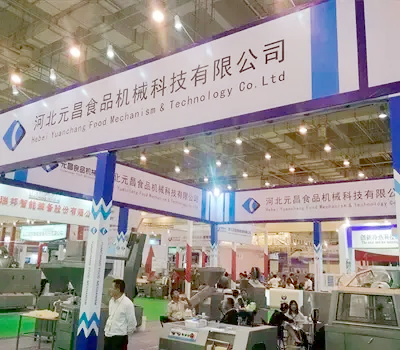
Hebei Yuanchang Food Mechanism & Technology Co., Ltd. brings over 40 years of experience since 1986, integrating R&D, production, and sales. Our robust in-house machining workshop, equipped with over 20 processing machines and advanced Japanese CNC centers, allows us to produce high-precision, non-standard components. This, combined with our traceable after-sales management system, ensures we can meet demanding international standards and provide worry-free service. We understand the intricacies of export and are committed to transparent communication and reliable delivery.
Our Manufacturing Prowess: Engineering Excellence Since 1986
At Hebei Yuanchang, our 40-year legacy since 1986 isn't just a number; it's a testament to accumulated experience, continuous innovation, and an unwavering commitment to quality. We operate from a substantial 14,000 square meter facility, employing a dedicated team of 80-100 skilled professionals. Our core strength lies in the seamless integration of research and development, precision manufacturing, and efficient sales, particularly within the demanding food processing equipment sector.
Our in-house machining capabilities are the bedrock of our quality control. We house over 20 advanced processing machinery, including lathes, milling machines, high-precision grinders, boring machines, plate shears, bending machines, and wire cutting equipment. This comprehensive arsenal allows us to control every aspect of component production.
A significant leap in our precision manufacturing occurred in 2012 with the integration of 8 sets of Japanese Mazak CNC machining centers. This investment empowered us to undertake the production of high-standard components requiring large volumes, extreme precision, and unique, non-standard specifications. This capability is not merely about machinery; it’s about the expertise to program, operate, and maintain these state-of-the-art systems to produce parts that meet and exceed international tolerances.
This rigorous in-house production capability ensures that we can independently manufacture high-precision parts for our Venturi vacuum valves and other machinery. Coupled with our traceable after-sales management system, this vertical integration provides our clients with unparalleled assurance. It means we are not reliant on external suppliers for critical components, enabling us to maintain consistent quality, manage lead times effectively, and provide reliable, worry-free after-sales service. For businesses in the international market, particularly those in regulated sectors like food processing, this level of control and transparency is invaluable.
Our expertise spans complete production lines, including pretreatment, filling, molding, and ripening processes for meat products. This deep understanding of our clients' operational workflows informs our design and manufacturing decisions, ensuring our components integrate seamlessly and enhance overall productivity.
We are proud of our heritage and the technological advancements that allow us to serve global markets with confidence and precision.
Frequently Asked Questions (FAQs)
1. What is the primary advantage of a Venturi vacuum valve over a traditional vacuum pump?
The main advantage is reliability due to the absence of moving parts, leading to significantly lower maintenance requirements and higher uptime. They are also non-sparking and often more compact.
2. Are Venturi vacuum valves suitable for food processing applications?
Yes, especially when constructed from food-grade materials like stainless steel (304/316) or specific polymers (like PVDF or PEEK). They are hygienic, easy to clean, and do not introduce contamination risks.
3. What kind of compressed air quality is required?
Clean, dry air is essential. Particulate filters and possibly coalescing filters are highly recommended to prevent clogging of the narrow throat and ensure optimal performance and longevity. Oil-free air is often preferred for sensitive applications.
4. How do I select the correct Venturi vacuum valve for my application?
Consider the required vacuum level, the volume of air to be evacuated (airflow rate), the available motive air pressure and its consumption limitations, and the environmental conditions (temperature, chemical exposure). Consulting manufacturer datasheets and performance curves is crucial.
5. Can Venturi vacuum valves handle moisture or dust?
They are generally more tolerant of moisture and dust than many traditional vacuum pumps. However, excessive ingress can still impact performance. For very wet or dusty environments, upstream filtration and proper exhaust management are still advised.
6. What is the typical lifespan of a Venturi vacuum valve?
With proper installation and a clean motive air supply, Venturi vacuum valves can last for many years, often exceeding the lifespan of mechanical vacuum pumps, due to the lack of wear parts.
7. Do you offer custom Venturi vacuum valve solutions?
Yes, our extensive in-house machining capabilities, including advanced CNC centers, allow us to engineer custom solutions tailored to specific performance requirements, materials, or connection types.
8. What are the lead times for international orders?
Lead times vary based on order volume and customization. We strive for efficient production and can provide estimated lead times upon inquiry. Our integrated manufacturing process helps manage timelines effectively.
What Our Clients Say
"We implemented their Venturi vacuum valves in our automated packaging line for cured meats. The vacuum consistency is excellent, and the reduction in maintenance compared to our old pumps has been substantial. We've seen fewer stops on the line, which directly impacts our output."

Mark Jenkins
Operations Manager, USA
"The team at Yuanchang worked with us to find the precise Venturi valve for our custom sausage stuffing machine. Their technical support was knowledgeable, and the lead time for the custom ports was very reasonable. The valve performs flawlessly and has improved our filling accuracy."

Anja Müller
Production Engineer, Germany
"We needed a solution for a very dusty environment in our snack food production. Their stainless steel Venturi valves have proven incredibly robust. No more constant filter changes or pump failures. It was a wise investment for operational stability."

Kenji Tanaka
Plant Manager, Japan
Ready to Enhance Your Vacuum Systems?
Discover how Hebei Yuanchang's Venturi vacuum valves can bring reliability, efficiency, and cost savings to your operations. Partner with a manufacturer with 40 years of experience dedicated to industrial excellence.
We offer solutions tailored for USA market and English-speaking regions.