Pneumatic Venturi Vacuum Valve
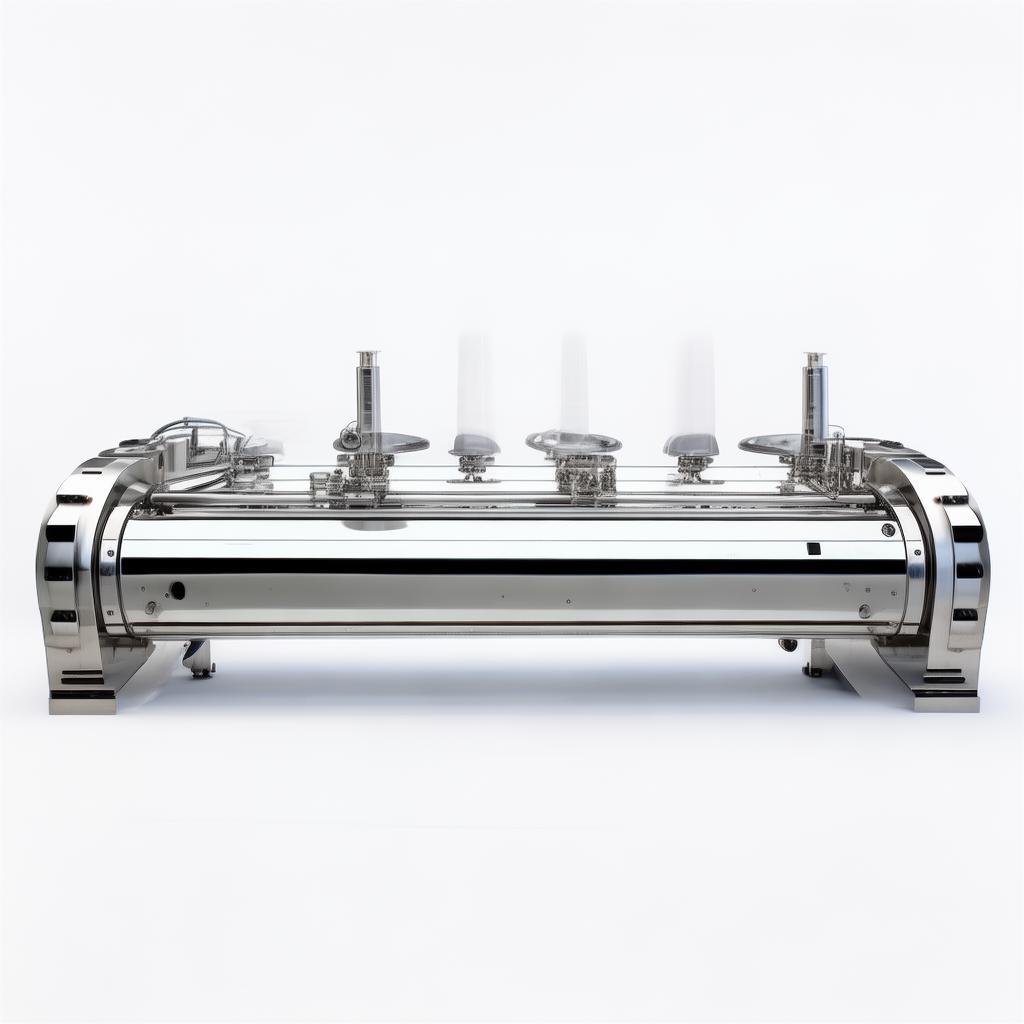
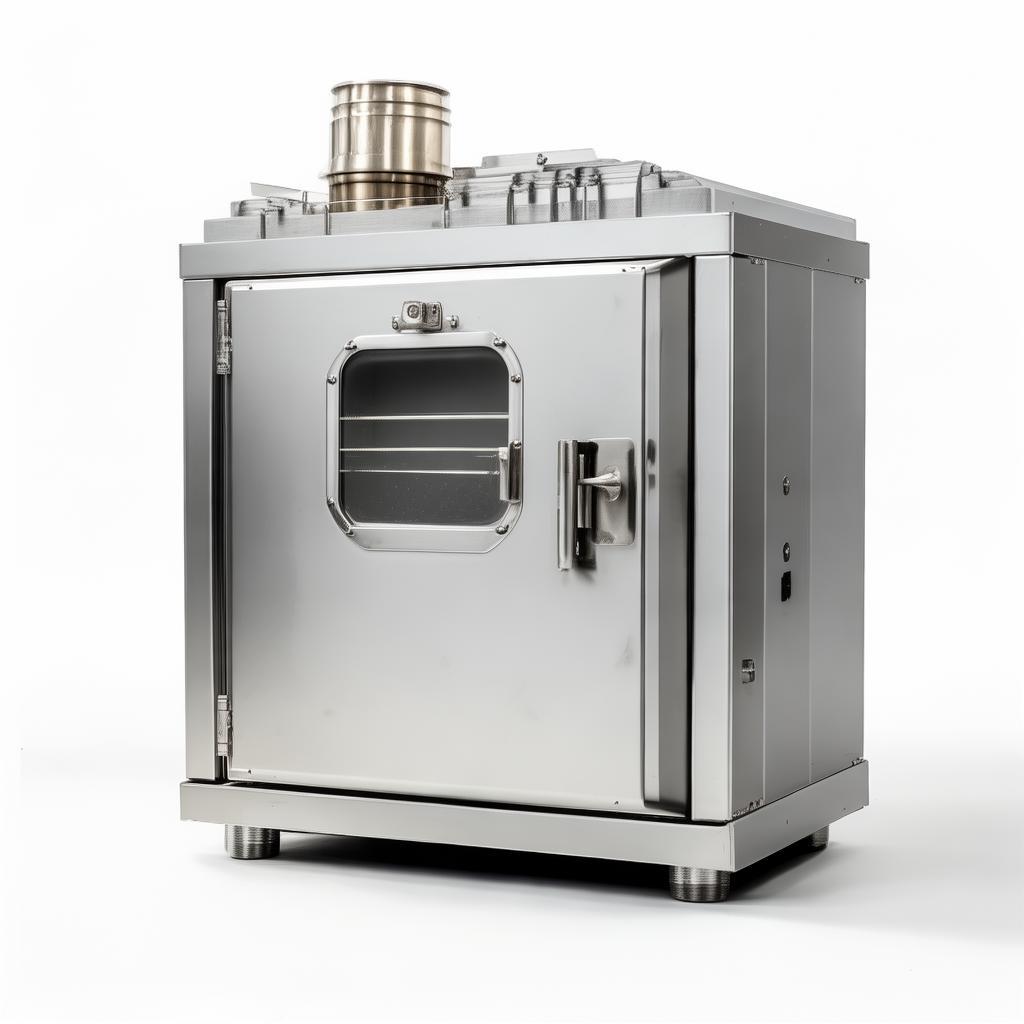
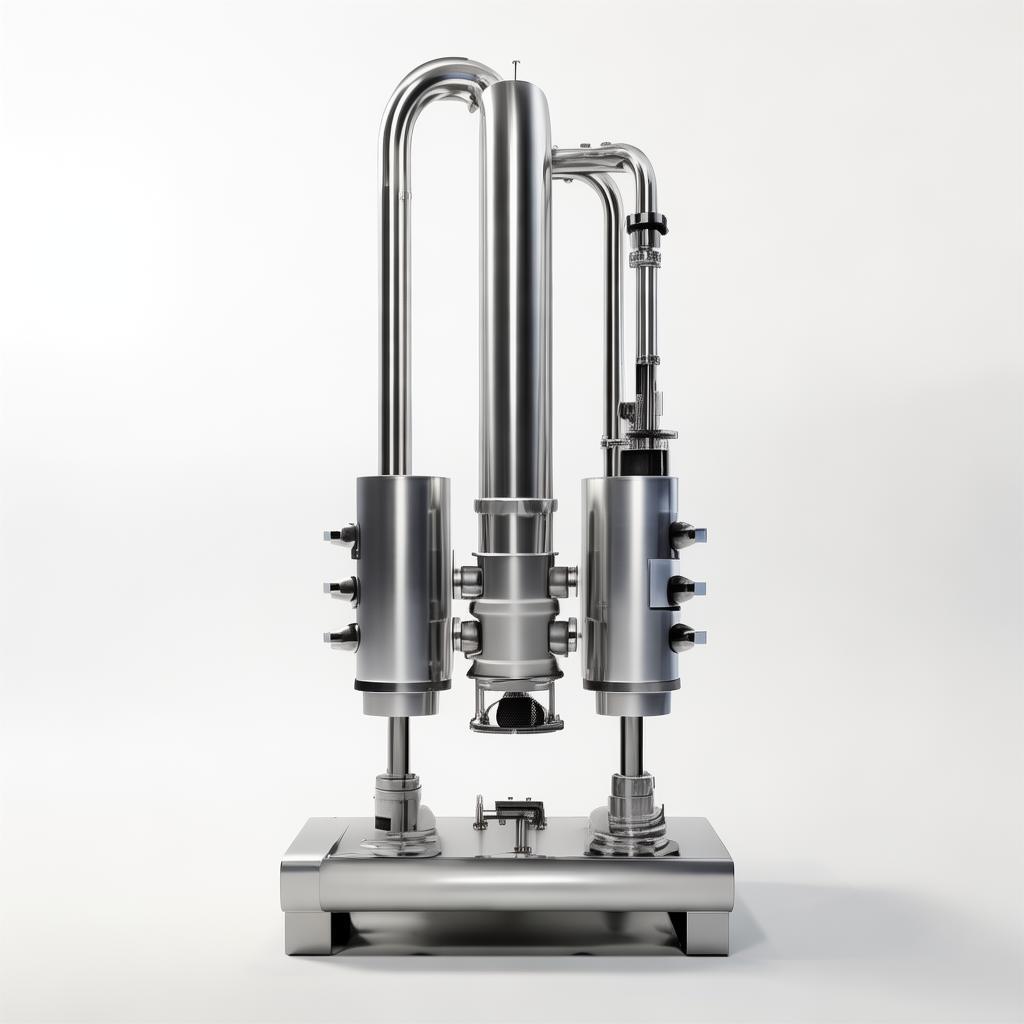
Pneumatic Venturi Vacuum Valves: Precision Control for Demanding Industrial Applications
Engineered for efficiency, reliability, and peak performance in automated handling systems.
 By: Alex Chen, Senior Industrial Automation Engineer
In the intricate dance of modern manufacturing and industrial automation, the silent, efficient operation of every component is critical. While large robotic arms and complex control systems often grab the spotlight, the success of an automated process frequently hinges on smaller, yet equally vital, elements. Among these, the pneumatic venturi vacuum valve stands out as a remarkably effective and deceptively simple solution for creating vacuum, essential for countless pick-and-place, material handling, and assembly tasks. These valves, often overlooked, are the unsung heroes that enable delicate manipulation of objects, secure holding of components, and seamless integration into sophisticated automated workflows.
The global market for industrial automation continues its robust expansion, driven by the relentless pursuit of efficiency, increased production throughput, and enhanced product quality. Reports consistently highlight this trend, with figures pointing to a market valued in the tens of billions of dollars, projected to grow significantly over the next decade. For instance, the Meat Processing Equipment Market alone, a segment where precise handling is paramount, is expected to reach substantial figures, underscoring the demand for reliable automation components. While not directly a meat processing component, the principles of precise, efficient handling using vacuum technology are universal across many industries, from electronics and packaging to automotive and logistics. The underlying need for robust, dependable vacuum generation systems is a constant.
Consider the sheer variety of items that need precise, non-damaging handling: delicate electronic components, irregularly shaped items, porous materials, or even just bulk goods that need to be moved efficiently. Traditional vacuum pumps can be bulky, expensive, and slow to respond. Mechanical grippers might be too aggressive or lack the adaptability for diverse product types. This is where the venturi vacuum valve proves its worth. By leveraging the basic principles of fluid dynamics – specifically, the Venturi effect – these compact devices generate vacuum using only compressed air. This inherent simplicity translates into remarkable reliability, low maintenance requirements, and a cost-effectiveness that is hard to match. It’s this elegant engineering that makes them indispensable in modern manufacturing environments where every second and every cent counts.
When procurement teams evaluate suppliers for critical automation components, they look for more than just competitive pricing. They need assurance of quality, consistency, technical support, and a supplier's capacity to scale with their demands. Understanding the operational nuances – such as air consumption, response times, vacuum levels achievable, and integration complexity – is paramount. A well-chosen venturi vacuum valve doesn't just lift a product; it optimizes a process, reduces waste, and contributes to a safer, more efficient workplace. Our goal here at Hebei Yuanchang is to provide not just components, but solutions that drive tangible improvements on the factory floor.
This page delves deep into the world of pneumatic venturi vacuum valves. We'll explore what they are, how they work, their diverse applications, and what critical factors to consider when selecting the right model for your specific needs. Whether you're an automation engineer designing a new system, a procurement manager sourcing components, or an operations director looking to optimize existing processes, this guide aims to provide the comprehensive, practical insights you need. We believe in empowering our clients with knowledge, so they can make informed decisions that lead to long-term operational success. The insights from market reports, like those on the growth of Meat Processing Equipment, highlight a broader trend: the increasing demand for automation that ensures hygiene, efficiency, and precision. Venturi valves fit perfectly into this overarching need.
Understanding the Pneumatic Venturi Vacuum Valve
At its core, a pneumatic venturi vacuum valve is a device that generates a vacuum pressure by using a flow of compressed air passing through a specially shaped nozzle. Unlike traditional vacuum pumps that might use pistons, diaphragms, or rotary vanes, the venturi valve achieves vacuum through a fluidic principle. It’s a type of ejector, a system that uses a high-velocity fluid jet to entrain and move a secondary fluid – in this case, ambient air – creating a lower pressure zone.
The beauty of this design lies in its mechanical simplicity. There are typically no moving parts within the vacuum generation mechanism itself. This absence of friction and wear translates directly into enhanced durability, reduced maintenance schedules, and a longer operational lifespan. This is a critical consideration for any buyer focused on total cost of ownership, not just the initial purchase price.
These valves are designed to be integrated directly into pneumatic lines. When compressed air is supplied, it accelerates through a converging nozzle, creating a high-velocity jet. As this jet expands into a larger chamber (the diffuser), its velocity decreases, and according to Bernoulli's principle, the pressure drops. This pressure drop creates a vacuum at a separate port, which can then be connected to a suction cup or other vacuum tooling to grip and move objects. The Meat Processing Equipment Market reports often mention the need for efficiency and hygiene, which aligns with the compact, easy-to-clean nature of venturi valves.
They come in various configurations, from single-stage units for basic vacuum needs to multi-stage or multi-ejector systems designed for faster evacuation times or higher vacuum levels. The choice depends heavily on the specific application requirements, such as the type of material being handled, the speed of the cycle, and the available compressed air supply. Understanding these nuances is where our experience as a manufacturer with over 40 years in industrial machinery truly benefits our clients.
The Ingenious Principle: How Venturi Valves Create Vacuum
The magic behind a venturi vacuum valve is the Venturi effect, a phenomenon derived from the principle of conservation of energy in fluid dynamics. Simply put, as the speed of a fluid increases, its pressure decreases. Here’s a breakdown of the process:
- Compressed Air Input: A stream of compressed air is supplied to the valve's inlet port.
- Converging Nozzle: This air is then forced through a narrow, converging nozzle. As the cross-sectional area decreases, the air's velocity must increase dramatically to maintain flow rate, according to the continuity equation.
- Bernoulli's Principle: The increase in kinetic energy (velocity) comes at the expense of potential energy (pressure). Bernoulli's principle states that in a fluid system, an increase in the speed of the fluid occurs simultaneously with a decrease in pressure. So, the high-velocity air jet exiting the nozzle has a significantly lower pressure than the ambient air around it.
- Diffuser and Entrainment: The high-velocity jet then enters a diffuser, where the area expands. This gradual expansion slows down the air, converting some of its kinetic energy back into pressure. Crucially, the low-pressure region created by the fast-moving jet draws in (entrains) surrounding air from a separate port – the vacuum port.
- Vacuum Generation: This entrainment of ambient air into the high-velocity jet effectively "pumps" air out of the vacuum port, creating a vacuum. The stronger the compressed air jet, the more ambient air it entrains, and the lower the pressure achieved at the vacuum port.
This process is remarkably efficient for its simplicity. It allows for very fast vacuum generation and immediate release when the compressed air supply is cut off, which is ideal for high-cycle applications common in industries like electronics assembly and food packaging. The Meat Processing Equipment Market reports also emphasize the need for fast, precise operations, making vacuum handling technologies highly relevant.
Practical Consideration: The efficiency of a venturi valve is also influenced by the quality of the compressed air. Contaminants like oil, water, or particulate matter can erode the nozzle or diffuser, reducing performance over time. Therefore, proper air preparation (filtration and drying) is essential for maintaining optimal vacuum levels and extending the valve's service life. Our factory's robust machining capabilities ensure the tight tolerances required for these critical internal geometries.
Key Advantages for Your Operations
Incorporating pneumatic venturi vacuum valves into your automation setup offers a compelling array of benefits that directly impact operational efficiency, cost-effectiveness, and system reliability.
1. Compact and Lightweight Design
Their small footprint and low weight make them ideal for applications where space is limited or for integration onto robotic end-effectors where minimizing inertia is crucial. This is a significant factor in robotics, where every gram saved can improve speed and reduce energy consumption.
2. High Reliability & Low Maintenance
With few or no moving parts in the vacuum generation mechanism, venturi valves are exceptionally reliable. They are less prone to mechanical failure compared to traditional vacuum pumps, leading to reduced downtime and lower maintenance costs. This translates to less frequent replacement parts and fewer engineering hours spent on troubleshooting.
3. Fast Vacuum Response
Venturi valves can generate vacuum almost instantaneously upon air supply and release it just as quickly when air is vented. This rapid response is critical for high-speed pick-and-place operations, enabling faster cycle times and increased throughput.
4. Cost-Effectiveness
When considering the initial investment, maintenance, and operational lifespan, venturi valves often represent a more economical solution than many types of vacuum pumps, especially for moderate vacuum levels and flow rates. This is a key driver in industries constantly seeking to optimize budgets, as seen in the continuous market analysis of equipment like that for meat processing.
pneumatic vacuum valves vacuum valve pneumatic vacuum rotary valve
5. Versatility and Adaptability
They can be configured for various vacuum levels and flow rates. Multi-stage or multi-ejector designs can achieve higher vacuum levels or faster evacuation for larger suction cups or porous materials. They are also relatively insensitive to orientation, simplifying installation.
6. Safety and Simplicity
Their pneumatic operation means they are inherently safe in potentially hazardous environments where electrical components might pose a risk. The operational principle is straightforward, making integration and troubleshooting less complex for your engineering teams.
These advantages make them a compelling choice for a wide spectrum of automation challenges, from delicate item handling to securing heavier loads. Our decades of experience, including supplying machinery for complex food processing lines, underscore the value of such dependable components.
Where Venturi Valves Shine: Diverse Applications
The versatility of pneumatic venturi vacuum valves means they are deployed across a vast range of industries and applications. Their ability to provide precise, reliable vacuum on demand makes them integral to automated systems that require efficient material handling.
Electronics Manufacturing
Handling small, delicate components like PCBs, wafers, and microchips. Their precise control prevents damage, and rapid response is key for high-volume assembly lines.
Packaging Industry
Picking up films, sealing cartons, and placing labels. The ability to generate vacuum quickly on porous or flexible materials is essential.
Automotive Manufacturing
Automated placement of interior panels, glass, and other components. The reliability and robustness are critical in fast-paced automotive production.
Logistics and Warehousing
Sortation, order picking, and palletizing of various goods. Lightweight designs are perfect for robotic arms in automated warehouses.
Food and Beverage Processing
Handling containers, forming delicate food items, and picking up pre-packaged goods. Hygiene and precise handling are key, similar to the needs discussed in meat processing equipment.
General Material Handling
Lifting, moving, and manipulating a wide range of objects from sheet metal to plastic parts in diverse manufacturing settings.
The consistent demand for improved automation across industries, as evidenced by consistent market growth across various processing equipment sectors, highlights the universal need for reliable components like venturi valves. Their adaptability ensures they remain relevant in evolving manufacturing landscapes.
Selecting the Right Venturi Valve: Key Factors
Choosing the appropriate venturi vacuum valve requires a thorough understanding of your specific application needs. Simply picking the smallest or cheapest option might lead to performance issues down the line. Here are critical factors to consider:
- Vacuum Level (Pressure): What level of vacuum is needed to securely hold your workpiece? This is typically measured in kPa, mbar, or inHg. Different venturi designs provide different maximum vacuum levels. Consider if handling porous materials requires a deeper vacuum or higher airflow.
- Air Consumption: Venturi valves operate on compressed air. Evaluate the flow rate (e.g., L/min or SCFM) required by the valve. High air consumption can significantly increase operating costs. Multi-stage or energy-saving designs can mitigate this.
- Ejector Flow Rate (Airflow): This refers to the volume of air the valve can evacuate from the system per unit of time. It's crucial for fast pump-down times, especially when using larger suction cups or handling materials that leak air.
- Response Time: How quickly does the valve need to generate vacuum and release it? For high-speed automation, this is paramount.
- Port Size and Thread Type: Ensure compatibility with your existing pneumatic fittings and tubing. Standardized ports simplify integration.
- Operating Temperature and Environment: Consider the environmental conditions where the valve will operate (e.g., dusty, humid, extreme temperatures). Material selection for the valve body and seals is important.
- Special Features: Do you need integrated sensors for object detection, silencers to reduce noise, or specific valve configurations (e.g., normally closed or normally open)?
- Material of Construction: For standard industrial use, brass or aluminum are common. For specific applications (e.g., food-grade, corrosive environments), stainless steel or other specialized materials might be necessary.
Our team of engineers can assist you in navigating these factors to select the optimal venturi vacuum valve solution for your unique operational challenges. With 40 years of experience, we understand that the "right" component isn't just about specs; it's about how it performs in your specific workflow.
Buyer Tip: Always request detailed performance data from suppliers. Don't rely solely on theoretical maximums; look for performance curves under realistic operating conditions, especially regarding air consumption versus vacuum level.
Technical Specifications at a Glance
Below is a representative table of specifications for a common type of venturi vacuum valve. Specific models will vary, so please contact us for detailed datasheets for your application.
| Parameter | Value/Range | Unit |
|---|---|---|
| Model Series | VC-S3 | - |
| Max. Vacuum Level | -85 / -92 | kPa |
| Max. Airflow (Ejector) | 15 / 22 | L/min |
| Max. Air Consumption | 45 / 60 | L/min |
| Inlet Port Size | G1/8" | - |
| Vacuum Port Size | G1/8" | - |
| Ambient Temperature Range | 0 to 60 | °C |
| Material | Aluminum Alloy | - |
| Weight | 55 | g |
Note: The first value in ranges indicates typical performance with standard compressed air; the second value indicates performance with filtered, dry air for optimal efficiency.
OEM/ODM Capabilities: Custom Solutions
At Hebei Yuanchang, we understand that standard solutions don't always meet the unique demands of every automation project. Leveraging our extensive experience in industrial machinery manufacturing, we offer robust OEM (Original Equipment Manufacturer) and ODM (Original Design Manufacturer) services for pneumatic venturi vacuum valves and related automation components.
Whether you need valves with custom port sizes, specific vacuum/airflow characteristics, integrated sensors, unique material compositions, or specialized sealing for challenging environments, our in-house engineering and machining capabilities allow us to deliver tailored solutions. Our ISO 9001 certified quality management system ensures that every custom component meets stringent standards.
OEM Services
We can manufacture venturi vacuum valves under your brand, to your exact specifications, ensuring seamless integration into your equipment designs.
ODM Services
Our experienced R&D team can collaborate with you to design entirely new venturi valve solutions or optimize existing designs for enhanced performance or cost efficiency.
Our facility is equipped with over 20 sets of advanced processing machinery, including Japanese Mazak CNC machining centers, allowing us to produce high-precision, non-standard components in volume. We pride ourselves on our ability to handle complex requirements, ensuring that your custom venturi vacuum valves perform flawlessly.
Partner with us for your custom automation needs. Let's discuss your project specifications and explore how our OEM/ODM capabilities can provide a competitive edge.
Our Manufacturing Prowess
At Hebei Yuanchang Food Mechanism & Technology Co., Ltd., our 40 years of experience since 1986 have cemented our reputation as a reliable and highly capable manufacturer of industrial machinery and components. Our commitment to quality and precision is evident in every aspect of our operations.

State-of-the-art machining workshop.

Certified ISO 9001 quality management.
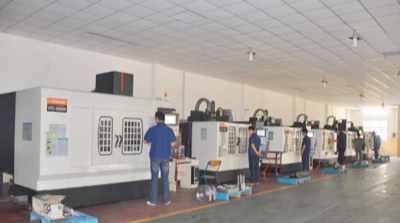
Advanced Japanese Mazak CNC centers.
Spanning approximately 14,000 square meters with a dedicated team of 80-100 skilled professionals, we integrate R&D, production, and sales. Our in-house machining workshop is equipped with over 20 sets of precision processing machinery, including lathes, milling machines, high-precision grinding machines, boring machines, and wire cutting equipment. The integration of Japanese Mazak CNC machining centers in 2012 significantly boosted our capacity for high-standard, high-precision, and non-standard component production.
Furthermore, our traceable after-sales management system means we can independently produce high-precision parts for any component, ensuring dependable, worry-free support for our clients. This vertical integration is a cornerstone of our ability to deliver consistent quality and reliable lead times, even for complex custom orders.
We are not just suppliers; we are manufacturing partners. Our understanding of industrial processes, honed over decades, allows us to contribute valuable insights to our clients' projects. Whether it's a standard venturi valve or a bespoke automation component, our factory is engineered for excellence.
What Our Clients Say
Real feedback from businesses like yours, who rely on our automation components for their critical operations.

Operations Manager, Tech Solutions Inc.
"We integrated their venturi valves into our new automated PCB assembly line. The vacuum response is incredibly fast, allowing for much higher throughput than our previous setup. Installation was straightforward, and the low air consumption is a welcome bonus for our energy budget."

Procurement Director, Global Packaging Corp.
"Sourcing reliable vacuum components for our high-speed packaging machines is always a challenge. Hebei Yuanchang's venturi valves have proven to be exceptionally durable and consistent. We appreciate their OEM capabilities, which allowed us to get custom-branded units that fit perfectly into our product line."

Lead Engineer, Automotive Systems Ltd.
"The venturi valves we sourced from Yuanchang are integrated into our robotic car door assembly cell. They've handled continuous operation for over a year with zero failures. The consistent vacuum pick-up is essential for preventing dropped parts, and the low maintenance has been a real operational win."

Factory Manager, Fine Food Processors
"We needed a solution for gently handling delicate pastry shells. The venturi valves provide just the right amount of vacuum, adjustable and responsive. They are easy to clean, which is critical in our food processing environment. Our production line runs smoother now."
Frequently Asked Questions
What is the typical lifespan of a venturi vacuum valve?
With proper installation and clean compressed air, venturi vacuum valves are known for their long service life. Since they have minimal to no moving parts in the vacuum generation mechanism, wear and tear is significantly reduced compared to mechanical pumps. Many installations see reliable operation for many years, often exceeding the lifespan of other machine components.
Can venturi valves handle porous materials?
Yes, venturi valves can be highly effective for handling porous materials. This typically requires a valve with a higher airflow capacity (ejector flow rate) and potentially a deeper vacuum level to compensate for air leakage through the material. Multi-ejector or multi-stage venturi systems are often ideal for such applications, as they can evacuate air faster.
What is the difference between a venturi valve and a vacuum pump?
A vacuum pump (e.g., rotary vane, diaphragm, piston) actively creates a vacuum by mechanical means, often achieving very low pressures but can be slower to respond and more complex. A venturi valve, on the other hand, uses the Venturi effect of compressed air to entrain ambient air and generate vacuum. They are simpler, lighter, respond faster, and are generally more cost-effective for moderate vacuum levels, but they consume compressed air to operate.
Do I need air preparation (filters, dryers) for venturi valves?
While venturi valves are robust, using filtered and dried compressed air is highly recommended. Contaminants like oil, water, and dirt can erode the critical internal nozzle and diffuser geometries over time, reducing vacuum performance and lifespan. Proper air preparation ensures optimal efficiency and longevity, especially in demanding industrial environments.
How do I determine the correct size venturi valve for my application?
Sizing involves matching the valve's vacuum level, airflow capacity, and response time to the requirements of the workpiece and the automation cycle. Key considerations include the weight and surface area of the object, whether it's porous, the required grip force, and the cycle time. Consulting with our technical team is the most effective way to ensure accurate sizing for optimal performance.
Ready to Enhance Your Automation Precision?
Discover how Hebei Yuanchang's high-performance pneumatic venturi vacuum valves can optimize your material handling, assembly, and pick-and-place operations. Benefit from decades of manufacturing expertise and a commitment to quality.
Contact us today for tailored solutions and reliable industrial components.