Pneumatic Vacuum Gripper
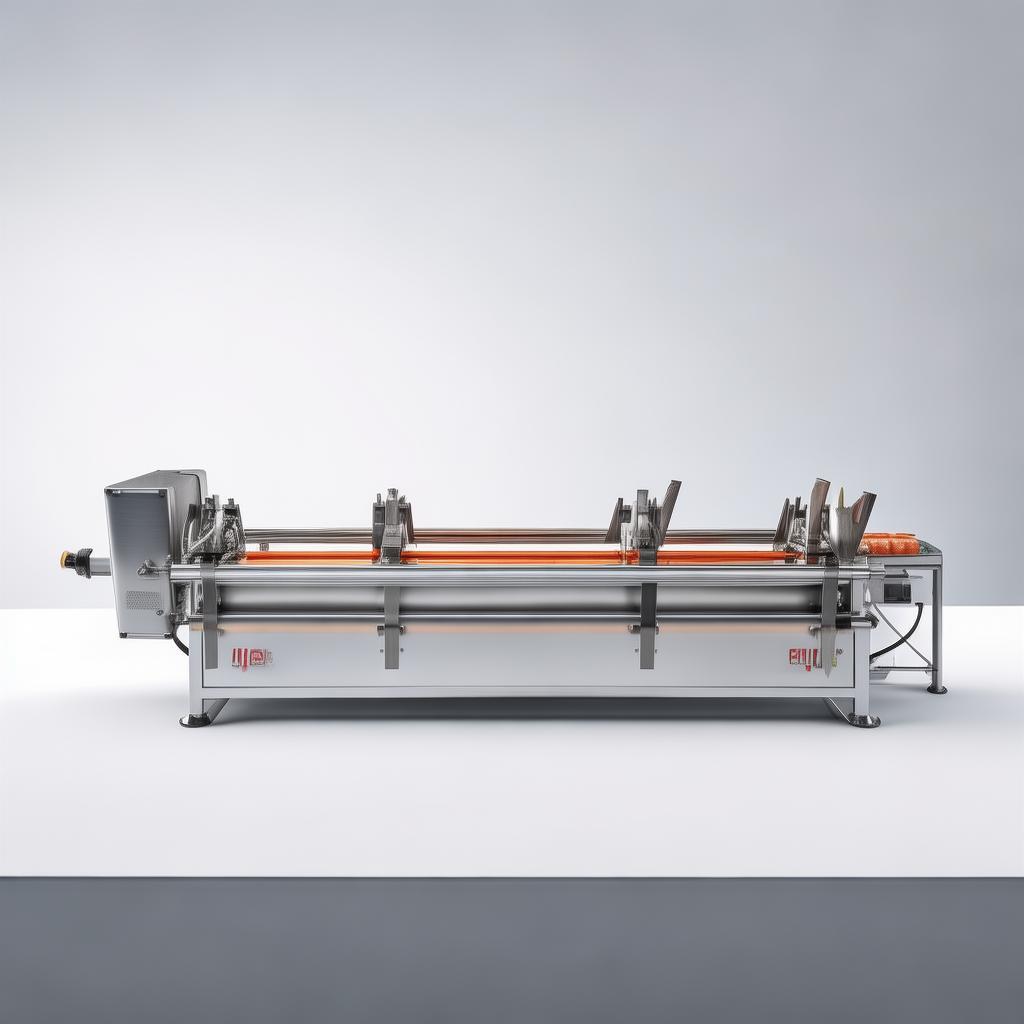
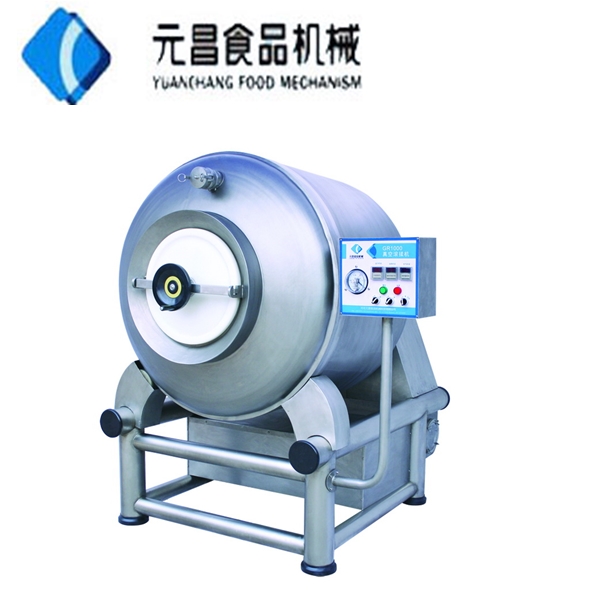
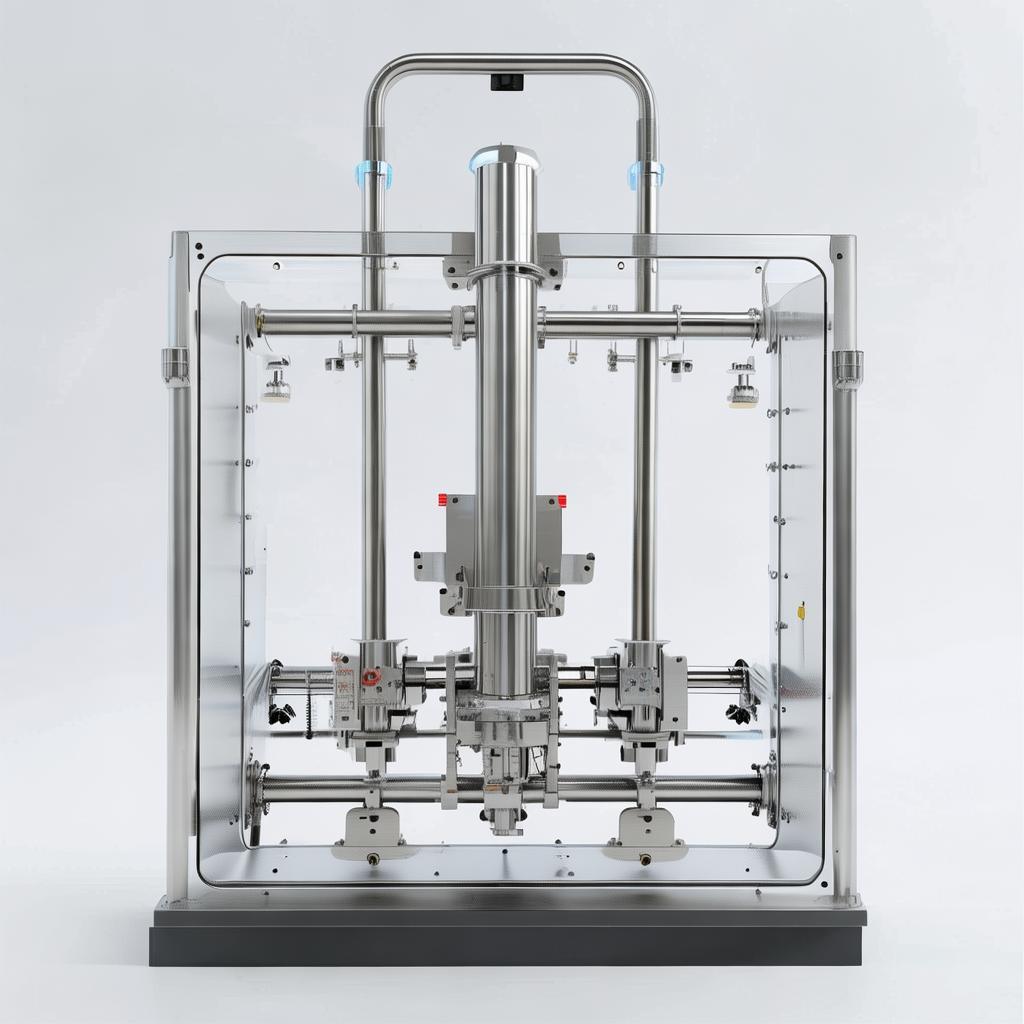
Pneumatic Vacuum Grippers: Precision, Adaptability, and Efficiency for Industrial Automation
Revolutionize your material handling with advanced pneumatic vacuum gripping solutions from Hebei Yuanchang Food Mechanism & Technology Co., Ltd.
In today's fast-paced manufacturing and logistics environments, optimizing every stage of the material handling process is paramount. From intricate assembly lines to high-volume packaging and palletizing operations, the demand for speed, precision, and reliability has never been higher. Pneumatic vacuum grippers have emerged as a cornerstone technology, offering a versatile and efficient solution for a broad spectrum of applications. These systems, powered by compressed air to create a vacuum, provide the necessary force to securely grasp, lift, and move a vast array of objects, often with delicate surfaces or irregular shapes that traditional clamping mechanisms struggle with. Their adaptability means they can be integrated into robotic arms, pick-and-place machines, and automated conveyor systems, significantly boosting throughput and reducing the risk of product damage or operator injury.
At Hebei Yuanchang Food Mechanism & Technology Co., Ltd., we understand the critical role that robust and intelligent gripping solutions play in your operational success. With over 40 years of experience since 1986 in designing and manufacturing precision industrial machinery, including sophisticated food and meat processing equipment, our expertise extends to providing highly reliable pneumatic vacuum gripper systems tailored for diverse industrial needs. We recognize that selecting the right gripper involves more than just picking a component off a shelf; it requires a deep understanding of your specific workflow, the materials you handle, and your overall automation strategy. Whether you're dealing with fragile electronic components, porous packaging materials, or heavy industrial parts, our team is dedicated to providing solutions that enhance efficiency, minimize downtime, and deliver a tangible return on investment.
The global market for meat processing equipment, a sector where precise handling is non-negotiable, is projected to reach USD 17.39 billion by 2034 with a CAGR of 5.0% [Source: Fortune Business Insights]. This growth underscores the increasing adoption of automated systems, including advanced gripping technologies, to meet demands for efficiency, hygiene, and consistency in food production. Similarly, the broader food processing equipment market is expected to reach USD 109.61 billion by 2035 [Source: Market Research Future], highlighting a massive industrial landscape where reliable material handling is foundational. Our pneumatic vacuum grippers are engineered to meet these exacting standards, offering the precision required for delicate food items and the robustness needed for industrial applications.
The operational advantages of pneumatic vacuum grippers are multifaceted. Unlike mechanical grippers that require precise positioning of jaws to avoid product damage, vacuum grippers distribute the holding force evenly across the contact surface, significantly reducing the risk of crushing or marking sensitive items. This makes them ideal for handling products with irregular shapes, smooth surfaces, or limited gripping points. Furthermore, the inherent simplicity of pneumatic systems often translates to lower maintenance requirements and higher operational uptime compared to more complex electro-mechanical alternatives. For procurement professionals and operations managers, this means fewer unexpected breakdowns, reduced spare parts inventory, and a more predictable production schedule.
Our commitment at Hebei Yuanchang extends beyond just supplying components. We leverage our extensive 40-year history in manufacturing, including our advanced in-house machining capabilities with over 20 sets of processing machinery and 8 Japanese Mazak CNC machining centers, to ensure the highest quality and precision in every gripper we produce. This vertical integration allows us to maintain stringent quality control, offer custom OEM/ODM solutions, and guarantee independent production of high-precision parts. When you partner with us, you're not just buying a vacuum gripper; you're gaining access to a wealth of engineering experience and a reliable manufacturing partner committed to your long-term success. Let’s explore how these sophisticated tools can elevate your automation strategy.
Addressing Critical Industrial Handling Challenges
Manufacturing and logistics operations globally grapple with a consistent set of material handling challenges. Inefficient gripping mechanisms lead to lost cycles, damaged goods, and increased labor costs. Imagine the impact of a robotic arm repeatedly dropping a product due to an unreliable grip, or worse, crushing a delicate component that requires specialized handling. These aren't just minor inconveniences; they directly affect your bottom line and your reputation for quality.
- Product Damage: Many items, especially those with soft surfaces, irregular shapes, or high surface area, are prone to damage from traditional clamp-style grippers. This leads to increased scrap rates and material waste.
- Inconsistent Grip Force: Achieving the precise grip force needed for different materials without over-applying pressure is a constant balancing act. Variations can lead to slippage or damage.
- Limited Versatility: A single gripper type may not be suitable for handling a variety of products within a single production line, necessitating frequent tool changes or multiple robotic setups, which adds complexity and cost.
- Speed and Throughput Bottlenecks: Gripping and releasing operations that are not optimized can become significant bottlenecks, limiting the overall speed of automated systems.
- Integration Complexity: Integrating new gripping solutions with existing automation systems can be challenging, requiring specialized knowledge and potentially extensive modifications.
- Operational Costs: Beyond initial equipment purchase, factors like energy consumption, maintenance, and downtime contribute significantly to the total cost of ownership.
The demand for processed meats, a significant segment of the food industry, is projected to grow substantially, with projections indicating a market value of up to USD 1,330.45 billion by 2035 [Source: Precedence Research]. This expansion necessitates highly efficient and precise handling solutions for everything from raw meat portions to finished, packaged products. Pneumatic vacuum grippers are instrumental in achieving this, ensuring hygienic handling and minimizing product loss.
Our pneumatic vacuum grippers are engineered specifically to mitigate these challenges. By utilizing a uniform suction force across a compliant gripping surface, they offer a gentle yet secure hold, adapting to variations in product shape and surface texture. This inherent adaptability minimizes the need for specialized grippers for each product variation, simplifying automation and reducing capital expenditure.
The Power of Pneumatic Vacuum Gripping: Key Advantages
Pneumatic vacuum grippers offer a compelling blend of performance, flexibility, and cost-effectiveness, making them a preferred choice for many automation professionals. Their design principle, leveraging atmospheric pressure to create a holding force, is elegant in its simplicity and powerful in its application.
Gentle Yet Secure Handling
Unlike mechanical grippers that rely on direct contact and pressure at specific points, vacuum grippers distribute the holding force evenly over the contact area. This makes them ideal for handling delicate items such as glass, soft plastics, food products, or items with sensitive surfaces without causing deformation or cosmetic damage.
Adaptability to Product Variations
The compliant nature of suction cups allows them to conform to slightly irregular product surfaces, porous materials, and even objects with minor imperfections. This means a single vacuum gripper can often handle a wider range of product types than a dedicated mechanical gripper, enhancing operational flexibility.
High Speed and Efficiency
Pneumatic systems operate very quickly. The engagement and disengagement of vacuum grippers can happen in milliseconds, enabling rapid cycle times essential for high-throughput applications like pick-and-place, packaging, and palletizing.
Simplified Design and Maintenance
The core components of a pneumatic vacuum system are relatively simple: a vacuum generator (e.g., venturi or pump), suction cups, and pneumatic valves. This simplicity often translates to fewer moving parts, lower risk of mechanical failure, and easier maintenance compared to more complex gripping technologies.
Cost-Effectiveness
Generally, pneumatic vacuum grippers offer a lower initial investment compared to servo-driven or vision-guided mechanical grippers, especially for high-volume production lines. Their energy efficiency, when properly designed, also contributes to lower operational costs.
Versatile Application Range
From delicate wafer handling in electronics to lifting bags of raw materials in food processing, vacuum grippers can be adapted with various suction cup designs, materials, and vacuum generation methods to suit a vast array of industrial tasks.
The global meat processing equipment market is expected to reach USD 15.04 billion by 2030, driven by factors such as the rising consumption of ready-to-eat meats and the adoption of automation for hygiene and efficiency [Source: Grand View Research]. Vacuum grippers play a crucial role in handling diverse products within this sector, from bags of sausages to formed meat patties.
Technical Deep Dive: How Pneumatic Vacuum Grippers Work
Understanding the fundamental principles behind pneumatic vacuum grippers is key to appreciating their capabilities and selecting the right model for your application. At its core, the system leverages the difference in pressure between the atmosphere and a created vacuum to generate a gripping force.
Vacuum Generation
The vacuum is typically generated in one of two primary ways:
- Venturi Ejectors: These devices use a flow of compressed air passing through a specially shaped nozzle to create a low-pressure zone, drawing air from the suction cup and thus creating a vacuum. They are compact, reliable, and require no moving parts, making them a popular choice.
- Vacuum Pumps: For applications requiring very high vacuum levels, consistent vacuum, or when compressed air is limited or undesirable, dedicated vacuum pumps (e.g., rotary vane, diaphragm) are used. These are more energy-intensive but offer greater control and performance for demanding tasks.
Suction Cups
The interface between the gripper and the object is the suction cup. These come in a wide variety of shapes, sizes, and materials, each optimized for specific applications:
- Material: Common materials include natural rubber (NR) for general use, silicone (SI) for high temperatures or food contact, polyurethane (PU) for wear resistance, and NBR for oil resistance.
- Shape: Flat cups are standard, bellows cups offer compliance for irregular surfaces or angular displacement, and lip cups provide a good seal on curved surfaces.
- Size: The diameter and surface area of the suction cup directly determine the maximum holding force achievable (Force = Pressure x Area).
The holding force of a vacuum gripper is a critical specification. It's calculated by the effective area of the suction cup(s) multiplied by the differential pressure (atmospheric pressure minus vacuum pressure). However, real-world holding force is also affected by factors such as surface quality, object porosity, and dynamic forces during movement. It's crucial to select grippers with a safety factor to account for these variables.
Control and Integration
Gripper operation is typically controlled by pneumatic valves, which are activated by signals from the automation controller (PLC or robot controller). For more advanced applications, integrated sensors within the gripper can provide feedback on:
- Vacuum Level: Ensuring a sufficient vacuum has been achieved before lifting an object.
- Object Presence: Detecting whether an object has been successfully gripped.
- Force Monitoring: In sophisticated systems, sensors can monitor grip force for precise control.
Our factory is equipped with over 20 sets of processing machinery, including high-precision grinding and CNC machining centers, allowing us to produce vacuum gripper components with exceptional tolerances. This ensures the reliability and performance demanded by industries ranging from electronics to food processing.
Specification Guide: Selecting Your Ideal Pneumatic Vacuum Gripper
Choosing the right pneumatic vacuum gripper involves carefully considering several key parameters to ensure optimal performance, reliability, and safety for your specific application. Ignoring these details can lead to underperformance, product damage, or system failures.
| Parameter | Considerations | Our Solutions |
|---|---|---|
| Object Weight & Size | Calculate the maximum weight of the object to be lifted. Consider multiple suction cups for larger or heavier items to distribute load and improve grip stability. | Wide range of gripper bodies and suction cup configurations available. Options for multi-cup arrays and high-lift capacity designs. |
| Surface Properties | Is the surface smooth, rough, porous, curved, or oily? This dictates the type of suction cup material and profile needed for a reliable seal. | Variety of suction cup materials (NR, SI, PU, NBR) and designs (flat, bellows, lip) to accommodate diverse surfaces. |
| Required Holding Force | Determine the force needed, factoring in object weight, acceleration, deceleration, and potential external forces. Always apply a safety factor (typically 2x to 3x). | Detailed force calculations and recommendations based on object specifications. Engineered solutions for high-force applications. |
| Operating Environment | Consider temperature extremes, presence of chemicals, dust, or moisture. This influences the choice of gripper body material and suction cup compound. | Options for high-temperature silicone cups, chemical-resistant materials, and enclosures for harsh environments. |
| Cycle Time Requirements | Fast actuation speed is crucial for high-throughput lines. This influences the choice of vacuum generator and valve speed. | High-speed venturi ejectors and fast-acting pneumatic valves for rapid pick and place cycles. |
| Integration with Automation | Consider mounting options, pneumatic connections, and electrical interfaces (for sensors). Compatibility with your robot or PLC is essential. | Standardized mounting patterns, various port sizes, and optional integrated sensors for seamless integration. |
vacuum grippers pneumatic vacuum cleaner vacuum pad gripper
The global market for meat processing equipment is projected to reach USD 19.66 billion by 2033 at a CAGR of 5.6% [Source: SkyQuestt]. This growth is fueled by the increasing demand for processed and convenience meats, necessitating robust handling solutions. Our pneumatic vacuum grippers are designed to meet these demands with precision and reliability.
To ensure you get the perfect fit, our engineering team is available to discuss your specific application. Simply Request a Technical Consultation to discuss your needs in detail.
Applications Across Industries
The versatility of pneumatic vacuum grippers makes them indispensable across a wide spectrum of industries and applications. Their ability to handle diverse materials and shapes with precision opens up numerous automation possibilities.
Food & Beverage Processing
Handling delicate food products, packaging (bags, cartons, trays), bottling, and palletizing. Ensuring hygiene is paramount; we offer FDA-compliant materials for specific suction cups. The global processed meat market growth, projected up to USD 1.25 trillion by 2034 [Source: Fortune Business Insights], demands efficient handling solutions.
Packaging & Palletizing
Picking and placing boxes, bags, films, and various container types onto pallets or into secondary packaging. High-speed operation is critical here.
Electronics Manufacturing
Handling delicate electronic components, PCBs, semiconductor wafers, and glass substrates where contamination and surface damage must be avoided.
Automotive Industry
Picking and placing interior parts, glass panels (windshields), body panels, and electronic modules on assembly lines.
Sheet Metal & Stamping
Moving sheet metal blanks and formed parts during stamping, bending, and laser cutting operations.
Logistics & Warehousing
Automated order picking, sorting, and loading/unloading of goods in distribution centers.
With our 40 years of manufacturing experience, including precision machining capabilities, we can tailor vacuum gripper solutions that integrate seamlessly into your existing or new automation infrastructure.
Installation & Maintenance: Practical Considerations
Proper installation and routine maintenance are crucial for maximizing the lifespan and performance of your pneumatic vacuum gripper system. While these systems are known for their simplicity, neglecting these aspects can lead to premature wear and operational issues.
Installation Best Practices
- Air Supply: Ensure a clean, dry, and regulated compressed air supply. Moisture and contaminants can damage the vacuum generator and valves. Use appropriate filters and regulators.
- Mounting: Securely mount the gripper to the robot arm or automation system. Misalignment can lead to excessive vibration and stress.
- Hose Routing: Ensure pneumatic hoses are routed to allow full robot or arm articulation without kinking or excessive strain.
- Electrical Connections: If sensors are used, ensure all electrical connections are properly made and protected against environmental factors.
- Initial Testing: Perform thorough vacuum leak tests and functional checks before full production deployment.
Routine Maintenance Schedule
- Daily: Visually inspect suction cups for wear, tears, or embedded debris. Check for any obvious leaks or unusual noises.
- Weekly: Clean suction cups and check filters on the compressed air supply. Verify vacuum levels.
- Monthly: Inspect all pneumatic hoses and fittings for wear or leaks. Check for proper valve actuation.
- Annually (or as per usage): Replace suction cups showing signs of wear. Inspect and clean or replace the vacuum generator/pump. Professional servicing may be recommended for complex systems.
- Troubleshooting: Low vacuum, slow response, or failure to grip often point to air leaks, clogged filters, worn suction cups, or valve issues.
Practical Tip: Keep a small stock of common spare parts, especially suction cups and seals, to minimize downtime during unexpected failures. Our traceable after-sales management system ensures you can quickly source the exact high-precision parts you need.
Procurement Guidance: Partnering with Hebei Yuanchang
Selecting the right supplier for industrial components like pneumatic vacuum grippers is a strategic decision that impacts your entire production chain. At Hebei Yuanchang Food Mechanism & Technology Co., Ltd., we aim to be more than just a vendor; we strive to be a trusted partner.
Why Choose Us?
- 40 Years of Manufacturing Excellence: Since 1986, we've honed our expertise in precision engineering and industrial machinery.
- In-House Precision Machining: Our extensive workshop with over 20 sets of machinery, including advanced Japanese Mazak CNC centers, ensures the highest quality and precision for critical components.
- OEM/ODM Capabilities: We excel at providing customized solutions tailored to your unique specifications and integration requirements.
- Quality Assurance: Strict quality control at every stage of production guarantees reliable and durable products.
- Global Export Experience: We have a proven track record of supplying machinery and components to international clients.
Navigating the Purchase Process
When you engage with us for pneumatic vacuum grippers, expect a process focused on clarity and your specific needs:
- Requirement Analysis: Our sales and engineering teams will work with you to understand your application, object characteristics, and integration needs.
- Solution Proposal: We will recommend the most suitable standard gripper models or propose custom OEM/ODM modifications.
- Quotation & Lead Times: You will receive a clear, itemized quotation along with realistic production and delivery timelines.
- Production & QC: We maintain transparent communication throughout the manufacturing process, with rigorous quality checks.
- Logistics & Support: We provide comprehensive support for international shipping and after-sales service.
The complexity of procurement decision workflows in B2B environments means clear communication, reliable lead times, and demonstrable quality are non-negotiable. We ensure these are central to our client interactions.
Ready to optimize your material handling? Request Factory Pricing now for bulk orders or custom solutions.
Certifications and Quality Assurance
At Hebei Yuanchang, quality is not just a buzzword; it's embedded in our manufacturing ethos. We understand that for international B2B trade, adherence to global standards and rigorous quality control is essential for building trust and ensuring product reliability.

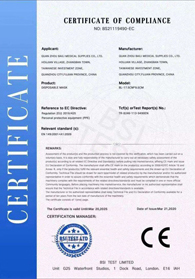


Our manufacturing processes adhere to stringent international standards, and we provide relevant certifications to assure our clients of product quality, safety, and compliance. For applications requiring specific certifications, such as FDA compliance for food-grade suction cups or CE marking for market access in Europe, please specify your needs during the inquiry process. Our engineering team will ensure the chosen components meet all necessary regulatory requirements.
Learn more about our commitment to quality. Visit our Contacts page or reach out directly.
Client Testimonials: Real-World Impact
Hearing from our clients provides the best insight into the practical benefits of our pneumatic vacuum grippers.
"We integrated Yuanchang's vacuum grippers into our automated packaging line for snack bags. The changeover time between different bag sizes has drastically reduced, and we've seen a noticeable decrease in bag punctures. Their technical support was excellent in helping us select the right cup materials."

Operations Manager, Packaging Solutions Inc.
"As a contract manufacturer for electronics, precision handling is everything. Yuanchang's vacuum grippers allow our pick-and-place machines to handle delicate PCBs and small components without any surface marking. The reliability has improved our throughput significantly."

Lead Engineer, Precision Assembly Co.
"We needed a robust solution for palletizing automotive glass windshields. The vacuum gripper's ability to conform to the glass surface and provide a secure hold, even with slight curvature, has been invaluable. Downtime due to dropped parts is now a thing of the past."

Logistics Supervisor, AutoGlass Manufacturing
"For our high-volume pet food bag filling and sealing process, speed and reliability are key. Yuanchang's custom-designed vacuum gripper system has integrated perfectly, ensuring a consistent grip on various bag types and sizes, which has improved our overall efficiency."

Production Engineer, Premium Pet Foods Ltd.
See Our Pneumatic Vacuum Grippers in Action
Explore our capabilities and see how our precision-engineered solutions can enhance your automation.

Our advanced manufacturing facility ensures the highest quality components.
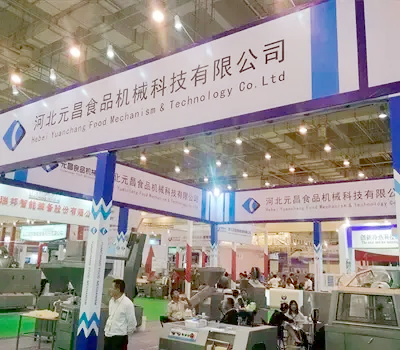
Precision machining for critical components.
For detailed product catalogs and specific technical datasheets, Request Our Latest Catalog. It contains comprehensive information on our range of pneumatic vacuum grippers and related automation components.
Interested in a custom solution? Contact our engineering team to discuss your OEM/ODM requirements.
Frequently Asked Questions (FAQ)
A pneumatic vacuum gripper's lifespan depends heavily on the application, operating environment, and maintenance schedule. With proper care and standard usage, the main body and vacuum generator can last for many years. Suction cups, being consumable parts, typically need replacement every 6-12 months depending on wear and tear, or more frequently if exposed to abrasive materials or harsh chemicals. Regular inspection is key.
Q2: Can your vacuum grippers handle porous materials like cardboard or textiles?Yes, with the right suction cup design. We offer specialized suction cups, such as multi-lip or bellowed cups, and cups made from materials like polyurethane (PU) that can create a seal on slightly porous surfaces. For highly porous materials, larger cup diameters or multiple cups may be required to achieve sufficient holding force. It's always best to test with your specific material.
Q3: What is the maximum object weight a vacuum gripper can lift?The lifting capacity is determined by the total effective surface area of the suction cups and the maximum achievable vacuum level, factoring in a safety margin. For example, a standard suction cup of 50mm diameter can theoretically lift a significant weight under ideal conditions. However, for heavier items, multiple cups are arranged on a gripper body, or larger custom-designed cups are used. We can engineer solutions for very heavy loads.
Q4: Do I need a special compressed air supply?A clean, dry, and regulated compressed air supply is recommended for optimal performance and longevity. Standard industrial compressed air that is free from excessive moisture, oil, and particulates is usually sufficient. We advise using appropriate filters and regulators to protect the vacuum generator and valves from contaminants. For applications sensitive to oil mist (e.g., food processing), oil-free compressors or inline oil separators may be necessary.
Q5: What differentiates your OEM/ODM services for vacuum grippers?Our 40 years of manufacturing experience, coupled with our advanced in-house CNC machining capabilities, allows us to offer highly customized vacuum gripper solutions. This includes modifying mounting dimensions, integrating specific sensors, designing unique gripper body shapes, or developing specialized suction cup arrays to perfectly fit your robot, automation system, and the exact product you need to handle. We provide end-to-end engineering and manufacturing support.
Q6: How do I choose the right suction cup material?The choice depends on the application:
- Natural Rubber (NR): General purpose, good for most applications.
- Silicone (SI): High-temperature resistance, suitable for food contact, good flexibility.
- Polyurethane (PU): Excellent wear resistance, good for abrasive materials and high cycle rates.
- Nitrile (NBR): Good resistance to oils and greases.