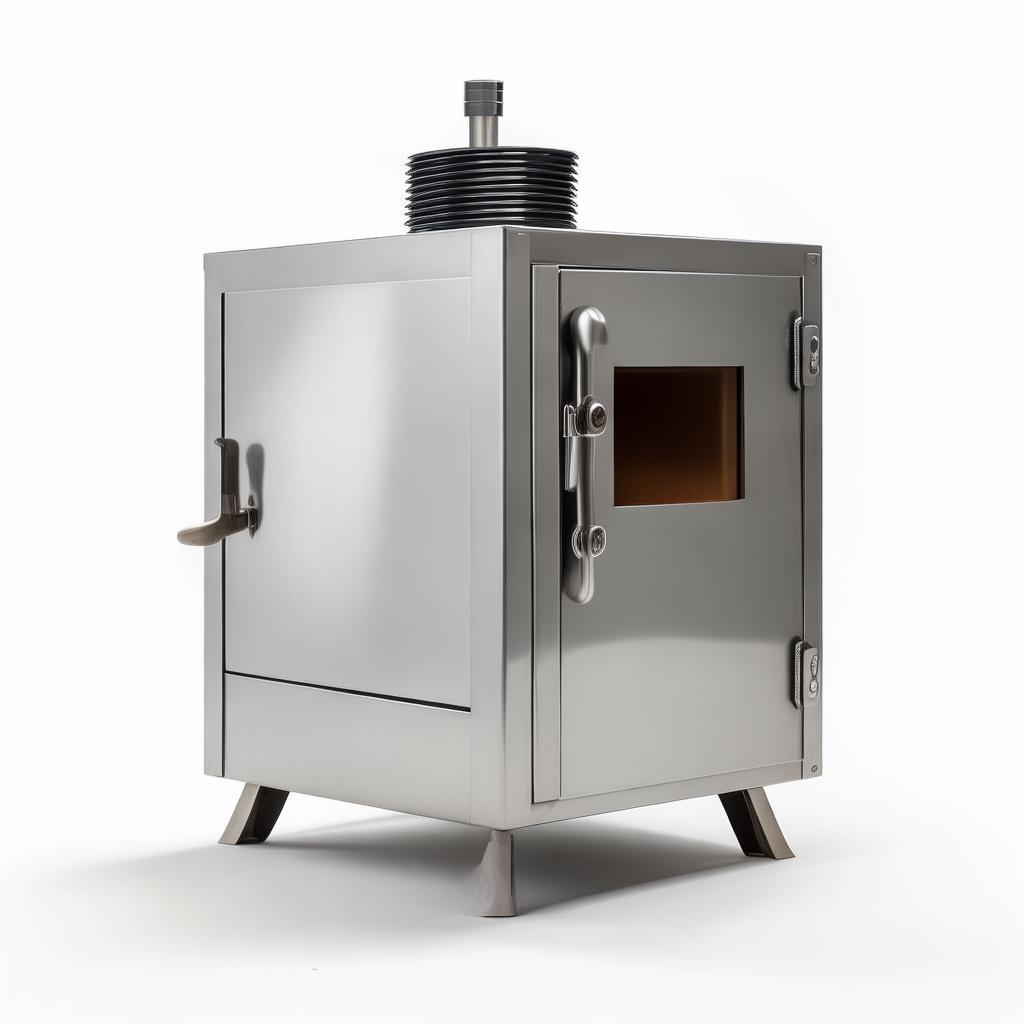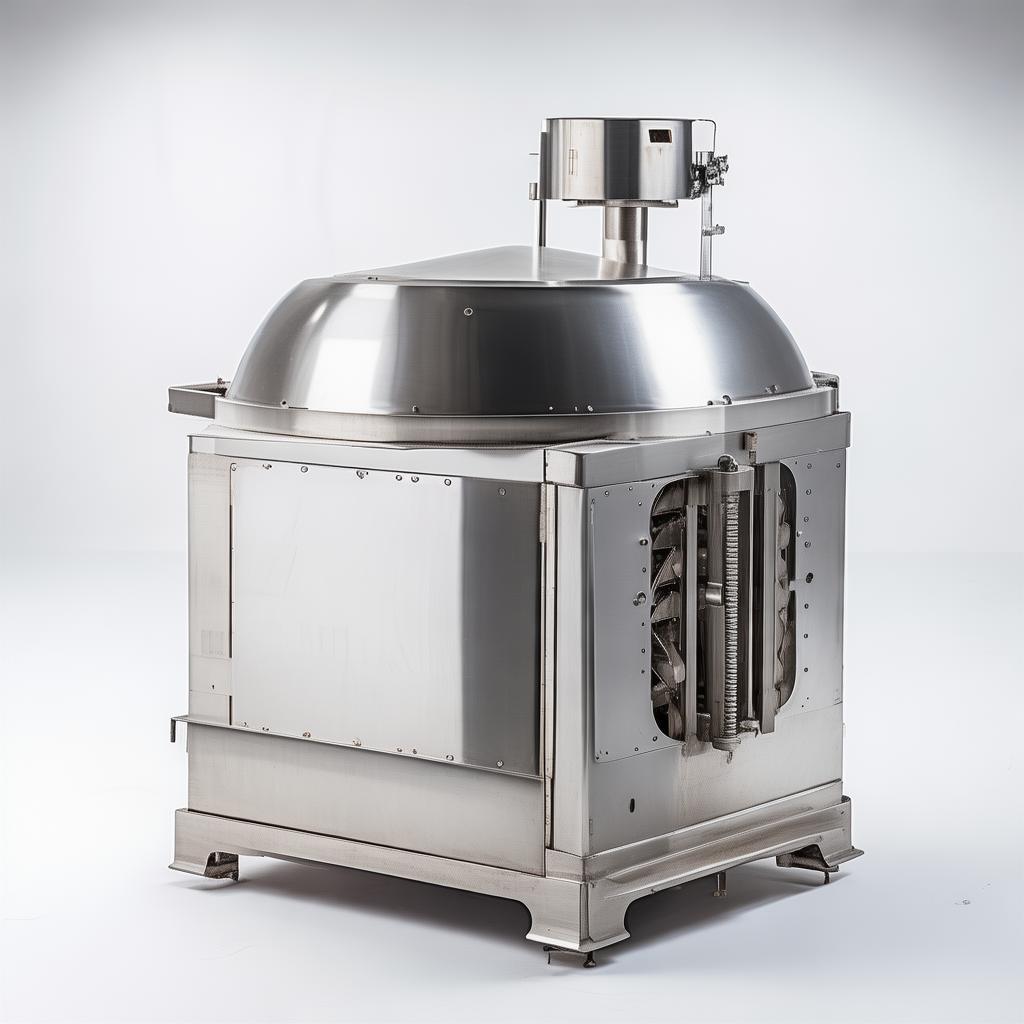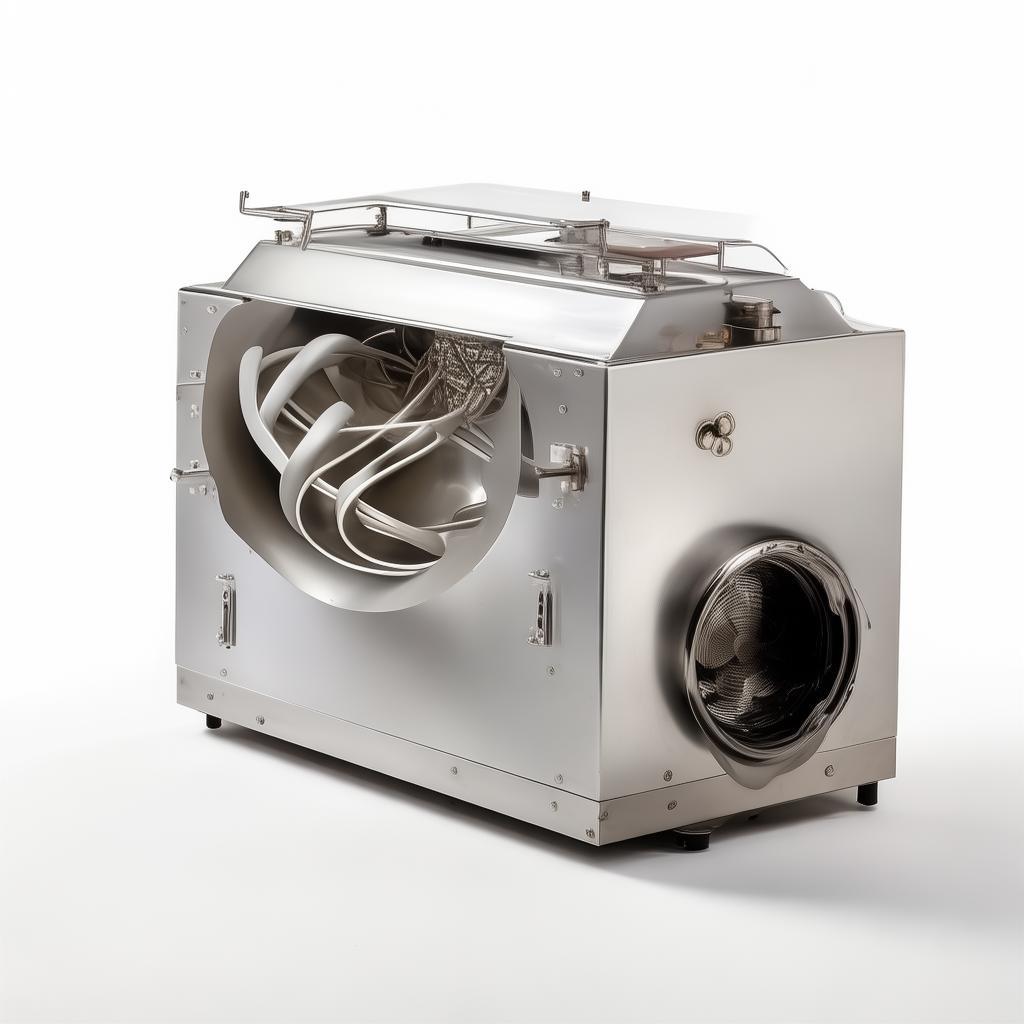
Pneumatic Vacuum Cleaner
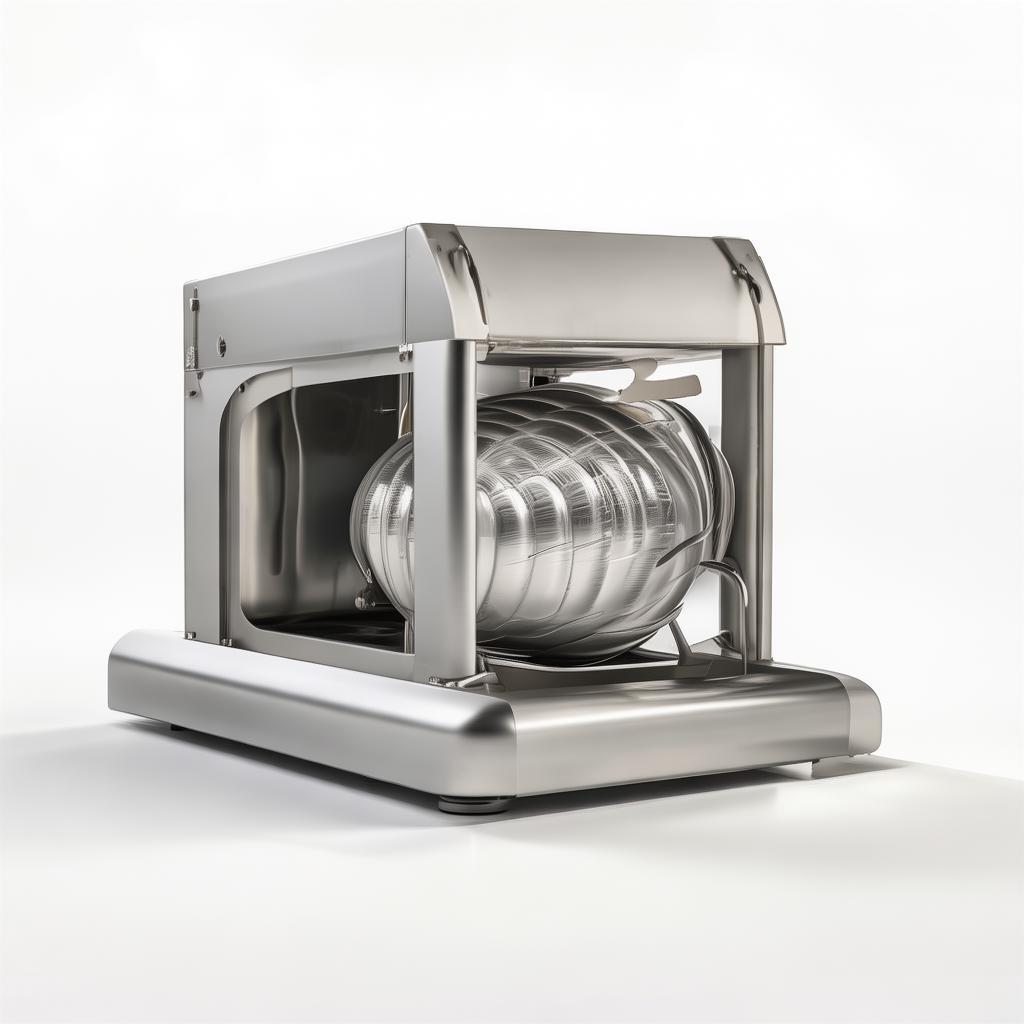
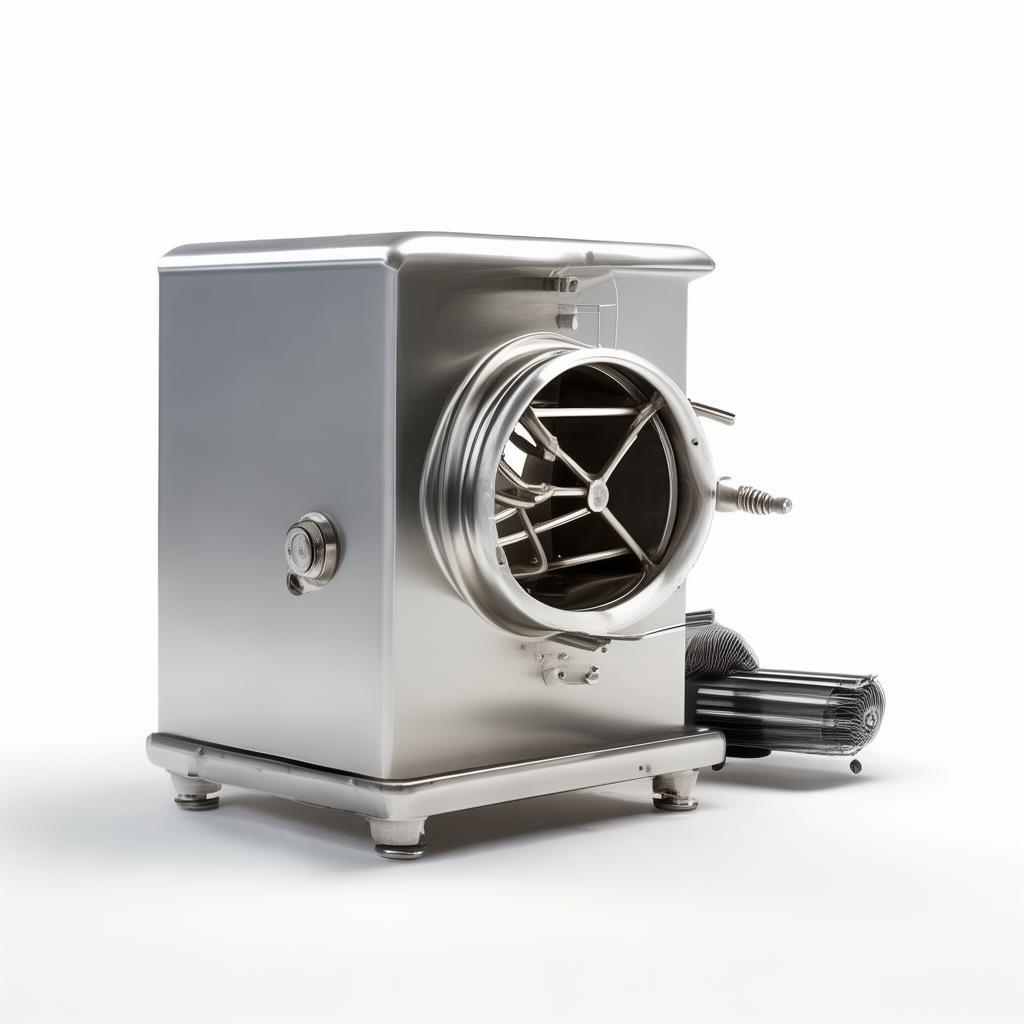
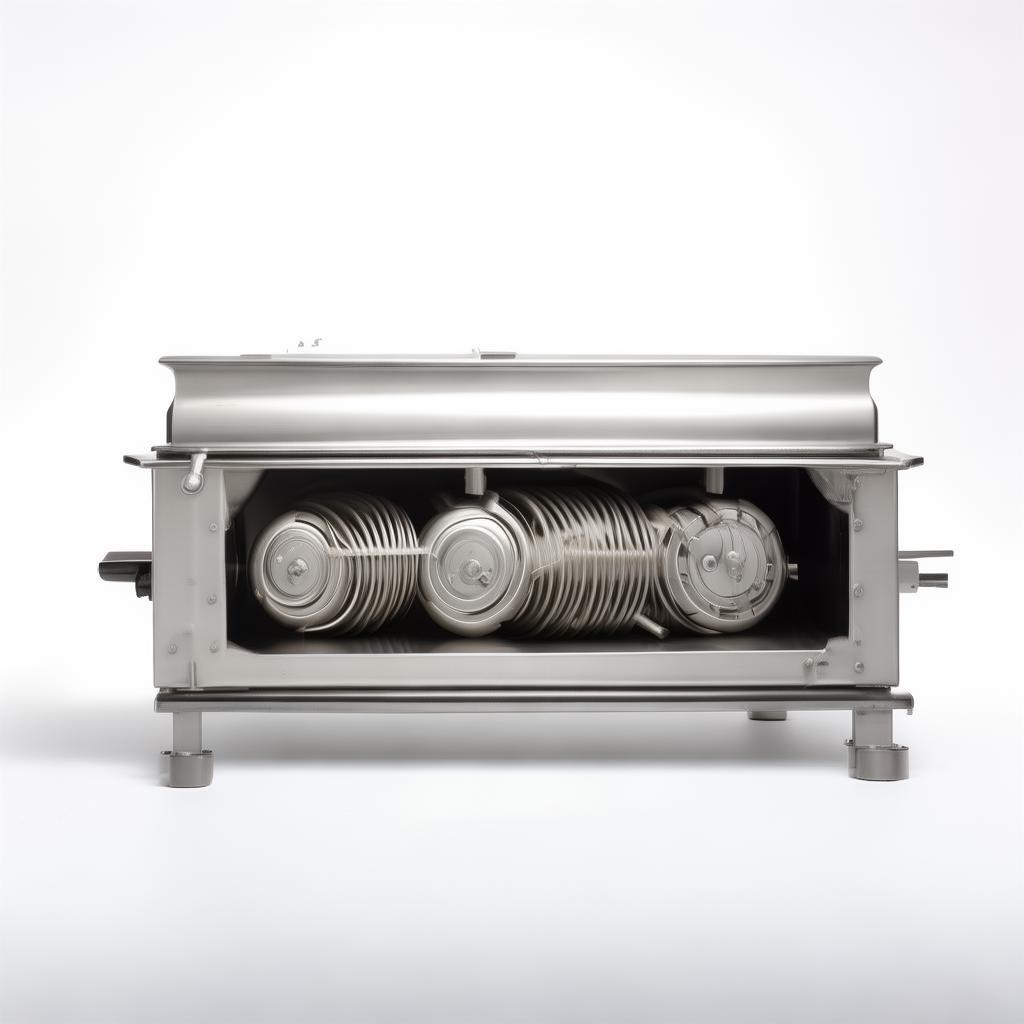
Pneumatic Vacuum Cleaners: The Industrial Workhorse for Demanding Environments
Efficient, Reliable, and Powerful Cleaning Solutions for Wholesale Export.
Elevate Your Site's Cleanliness and Safety with Advanced Pneumatic Vacuum Technology
In the demanding world of industrial operations, from manufacturing floors and workshops to construction sites and chemical plants, maintaining a clean and safe environment is paramount. Traditional cleaning methods often fall short, leading to inefficiencies, potential hazards, and increased downtime. This is where pneumatic vacuum cleaners, also known as industrial vacuum systems or air-powered vacuums, emerge as a superior solution. Leveraging the power of compressed air, these units offer unparalleled suction strength, durability, and operational flexibility, making them indispensable tools for any serious B2B operation looking for robust cleaning capabilities and reduced operational risks.
Common Challenges in Industrial Cleaning & How Pneumatic Vacuums Address Them
Hazardous Material Cleanup
Many industrial sites deal with fine dusts, powders, metal shavings, or even hazardous chemicals. Standard vacuums can be overwhelmed, leading to filter damage, motor burnout, or worse, expelling fine particles back into the air. Pneumatic vacuums, powered by compressed air, offer continuous operation without relying on electric motors for suction, making them safer for potentially explosive dust environments (with appropriate ATEX certification) and robust enough to handle abrasive materials.
Excessive Downtime
Frequent breakdowns of cleaning equipment translate directly to lost productivity. The mechanical simplicity and durable construction of pneumatic vacuum systems, often featuring fewer moving parts compared to electric models, significantly reduces the likelihood of failure. This leads to more reliable operation and less unscheduled maintenance, keeping your facility running smoothly.
Inefficient Debris Removal
When cleaning large areas or dealing with heavy debris, underpowered vacuums can require multiple passes, wasting time and labor. The inherent power of compressed air allows pneumatic units to generate substantial airflow and vacuum pressure, ensuring that even large volumes of material are collected efficiently in a single pass. This is critical for keeping production lines clear and maintaining operational flow.
Safety and Compliance Concerns
Workplace safety regulations are increasingly stringent. Accumulation of dust and debris can create slip hazards and fire risks. Pneumatic vacuums, especially those designed for specific hazardous materials (like Class I or II Division 1/2 applications), help facilities meet these compliance demands by providing a safe and effective method for material containment and removal.
Understanding Pneumatic Vacuum Technology: The Core of Industrial Cleaning Power
At its heart, a pneumatic vacuum cleaner operates on a simple yet incredibly effective principle: harnessing the power of compressed air. Unlike electric vacuums that rely on motor-driven fans, pneumatic units utilize a venturi effect. Compressed air is directed through a specially designed nozzle, creating a high-velocity stream. This stream then induces a flow of ambient air, generating a powerful vacuum at the collection port. The debris-laden air is drawn into a collection tank or drum, where it is separated from the air. The filtered air is then typically exhausted, often through a secondary filtration system to ensure minimal particulate release.
The beauty of this system lies in its robustness and versatility. The absence of electric motors in the suction pathway makes pneumatic vacuums intrinsically safer for use in environments where flammable vapors or combustible dusts might be present, provided they are appropriately certified (e.g., ATEX, Class I/II/III rated). This inherent safety is a critical consideration for industries such as chemical processing, pharmaceutical manufacturing, grain handling, and areas with high concentrations of fine metal dust. Furthermore, their simpler design means fewer components prone to wear and tear, leading to extended service life and reduced maintenance costs. Many operators find the continuous operation capability without overheating concerns a significant operational advantage over their electric counterparts, especially for prolonged cleaning tasks.
Procurement managers often scrutinize equipment based on total cost of ownership. While the initial investment in compressed air infrastructure is a factor, the long-term benefits of pneumatic vacuums—lower maintenance, increased uptime, and enhanced safety—can quickly offset this. The operational costs are primarily linked to compressed air consumption, which, when managed efficiently, can be very competitive. For wholesale buyers and international distributors, understanding these nuances allows for better product positioning and customer support.
The global market for meat processing equipment, for instance, underscores the importance of specialized cleaning and material handling. Reports like the one from Fortune Business Insights highlight that the meat processing equipment market was valued at USD 11.29 billion in 2025 and is projected to reach USD 17.39 billion by 2034. Key segments include filling & stuffing equipment, massaging & tumbling, and cutting/grinding. In such high-hygiene, high-debris environments, efficient and safe cleaning solutions are not just beneficial but essential. Pneumatic vacuums play a vital role in maintaining the cleanliness required for food safety compliance, handling everything from fine meat particles to floor spills, without compromising operational integrity.
Similarly, as noted by Grand View Research, the global meat processing equipment market was estimated at USD 11.28 billion in 2024, with projected growth to USD 15.04 billion by 2030. Their analysis emphasizes segments like tenderizing, filling, and massaging, all crucial for product quality. The need for sterile, efficient processing environments directly translates to the demand for powerful and reliable cleaning tools. Pneumatic systems excel here by offering superior debris removal and hazardous material handling capabilities, supporting the overall hygiene and efficiency goals of these processing plants.
The drive for automation and labor efficiency is another significant trend impacting equipment choices. SkyQuestt reports that the meat processing equipment market was valued at USD 12.04 billion in 2024, aiming for USD 19.66 billion by 2033. Automation in processing facilities necessitates integrated cleaning solutions that can keep pace. Pneumatic vacuum systems, with their high capacity and continuous operation, fit seamlessly into automated workflows, ensuring that the environment remains clean and conducive to high-speed production without manual intervention.
In essence, pneumatic vacuum cleaners are not just cleaning tools; they are integral components of an efficient, safe, and compliant industrial operation. Their unique technology, rooted in compressed air, provides a level of performance, durability, and safety that often surpasses conventional electric vacuum solutions, making them a wise investment for businesses across a wide spectrum of industries.
Key Advantages of Our Pneumatic Vacuum Cleaners
- ✔ Unmatched Suction Power: Driven by compressed air, these units generate high airflow and vacuum lift, capable of handling heavy debris, fine dust, liquids, and abrasive materials with ease. This efficiency reduces cleaning time and ensures thorough removal of contaminants.
- ✔ Enhanced Safety Features: The absence of electric motors in the suction pathway makes them ideal for hazardous locations (ATEX certified options available) where flammable dusts or vapors are present. This significantly mitigates explosion risks compared to electric vacuums.
- ✔ Durable Construction & Reliability: Built with industrial-grade materials and featuring fewer moving parts than electric vacuums, our pneumatic cleaners offer exceptional longevity and require minimal maintenance. This translates to fewer breakdowns and extended operational life.
- ✔ Continuous Operation: Unlike electric vacuums that can overheat, pneumatic units can run continuously as long as compressed air is supplied, making them perfect for large-scale cleanup operations or continuous process environments.
- ✔ Versatile Application: Suitable for collecting dry solids, dust, liquids, and sludge across a wide range of industries including manufacturing, chemical processing, food production, pharmaceuticals, metalworking, and construction.
- ✔ Low Noise Levels: Generally operate at lower noise levels than comparable electric vacuums, contributing to a safer and more comfortable work environment.
Technical Specifications Overview
Our range of pneumatic vacuum cleaners is designed to meet diverse industrial needs. Below is a representative overview. For detailed specifications on specific models, please consult our product catalog or contact our sales team.
| Feature | Model A (General Duty) | Model B (Heavy Duty) | Model C (Hazardous Location - ATEX) |
|---|---|---|---|
| Power Source | Compressed Air | Compressed Air | Compressed Air |
| Air Consumption | 35 CFM @ 90 PSI | 70 CFM @ 90 PSI | 45 CFM @ 90 PSI (Variable) |
| Collection Capacity | 20 Gallons (75 Liters) | 55 Gallons (208 Liters) | 30 Gallons (114 Liters) |
| Filtration | Standard Filter (HEPA Optional) | Heavy-Duty Filter (HEPA Optional) | Certified Static Dissipative Filter (ATEX) |
| Construction Material | Steel / Polyethylene | Heavy Gauge Steel | Stainless Steel / Conductive Poly |
| Certifications | CE, ISO 9001 | CE, ISO 9001 | ATEX Zone 22, CE, ISO 9001 |
| Optional Accessories | HEPA filter, liquid collection wand, extended hose | Bulk collection kits, specialized nozzles, long hoses | Grounding cables, conductive hoses, specialized tool kits |
industrial portable vacuum cleaner stationary vacuum cleaner compressed air vacuum cleaner
Note: Specifications are subject to change without prior notice. Please confirm with our sales team for the most up-to-date information.
Versatile Applications Across Industries
Manufacturing & Machining
Ideal for collecting metal shavings, grinding dust, coolant spills, and general workshop debris. Reduces wear on machinery and improves workplace safety.
Chemical & Pharmaceutical
Essential for safely cleaning up powders, fine dusts, and spills of non-flammable chemicals. ATEX-certified models are crucial for hazardous material handling.
Food & Beverage Processing
Perfect for collecting flour, sugar, grain dust, spills, and general waste in compliance with hygiene standards. Helps maintain sterile processing environments.
Construction & Demolition
Efficiently removes concrete dust, plaster, drywall debris, and general construction waste from job sites, promoting air quality and safety.
Foundries & Metalworking
Handles abrasive materials like sand, slag, and hot metal fragments effectively. Durable construction withstands harsh industrial conditions.
Warehousing & Logistics
Keeps floors clean from dust, packaging materials, and spills, ensuring safe passage for forklifts and personnel. Improves overall facility appearance.
Procurement Insight: Selecting the Right Pneumatic Vacuum Cleaner
Choosing the correct industrial vacuum system involves more than just picking the cheapest option. As experienced suppliers, we understand that procurement decisions in B2B settings are driven by ROI, operational efficiency, safety compliance, and long-term reliability. Here are key factors to consider:
- Airflow and Vacuum Requirements: Assess the type and volume of material you need to clean. Fine dusts require high filtration, while heavy debris needs strong suction lift. Ensure your plant's compressed air system can support the unit's air consumption (CFM) without impacting other critical operations.
- Hazardous Location Certification: If you operate in environments with flammable dusts or vapors, ATEX or equivalent certifications (e.g., Class I/II/III Division 1 or 2) are non-negotiable. Our specialized models meet these stringent safety standards.
- Filtration Levels: For fine particles (like silica dust or pharmaceutical powders), HEPA or ULPA filtration may be required to ensure air purity and worker safety. Our standard and optional filters are designed to meet various particulate capture needs.
- Material of Construction: For corrosive substances or hot materials, stainless steel or specialized coatings might be necessary. Standard steel and polyethylene offer excellent durability for general industrial use.
- Capacity and Mobility: Consider the size of the area to be cleaned and the frequency of emptying. Units on sturdy casters offer better mobility, while larger tank capacities reduce downtime for disposal.
- Supplier Reliability & After-Sales Support: Partnering with an established manufacturer like Hebei Yuanchang ensures you receive not just a product, but also technical support, spare parts availability, and a commitment to quality. Our 40 years of experience since 1986, coupled with modern CNC capabilities, means we can deliver reliable, precision-engineered solutions.
Understanding these points will help you make an informed decision that optimizes your cleaning operations and contributes positively to your bottom line.
Why Partner with Hebei Yuanchang?
For over four decades, Hebei Yuanchang Food Mechanism & Technology Co., Ltd. has been a cornerstone in industrial equipment manufacturing. While our heritage is in meat processing machinery, the precision engineering, robust manufacturing processes, and deep understanding of industrial operations translate directly into the high-quality pneumatic vacuum cleaners we offer.

Our 14,000 sq. meter facility houses advanced production capabilities.
Leveraging precision manufacturing techniques similar to global industry leaders.

Certified to ISO 9001 standards, ensuring consistent quality and processes.
- 40 Years of Manufacturing Excellence (Since 1986): Our deep-rooted experience means we understand the practical demands of industrial equipment.
- In-House Machining Capabilities: With over 20 sets of processing machinery, including Japanese Mazak CNC machining centers, we ensure high-precision component manufacturing, vital for reliable performance.
- Quality Assurance: Rigorous quality control throughout the production process, from raw material sourcing to final assembly, guarantees our products meet stringent international standards.
- Export Expertise: We have extensive experience in international trade, ensuring smooth logistics and customs handling for global clients.
- Commitment to Innovation: Continuously investing in technology and R&D to offer cutting-edge solutions that meet evolving industry needs.
What Our Clients Say

Mark Jenkins
Operations Manager, USA
"We switched to pneumatic vacuums for our metal fabrication shop about a year ago, and it's been a game-changer. The amount of fine metal dust we used to struggle with is now handled efficiently. Less dust in the air means fewer respiratory issues for the team and a cleaner workspace. The reliability is also a huge plus; we haven't had a single breakdown."

Sarah Chen
Procurement Specialist, Canada
"We needed a robust solution for cleaning up spills and ingredient dust in our food processing plant. The pneumatic vacuum cleaners from Yuanchang have exceeded expectations. They're powerful, easy to operate, and crucially, they meet our strict hygiene standards. The ability to handle both dry powder and minor liquid spills is incredibly convenient."

David Rodriguez
Site Supervisor, Mexico
"The ATEX-certified pneumatic vacuum cleaner we purchased is essential for our chemical handling operations. Knowing that it's designed to prevent ignitions in hazardous areas gives us peace of mind. It's a serious piece of equipment that performs reliably under challenging conditions. The export process was also very smooth."
Installation & Maintenance Insights
Pneumatic vacuum cleaners are designed for straightforward integration into existing industrial setups. The primary requirement is a reliable source of compressed air. Connection is typically made via standard industrial air couplings.
Installation Considerations:
- Ensure adequate compressed air supply capacity (CFM and PSI) to meet the vacuum unit's requirements.
- Properly ground the unit, especially ATEX-certified models, to prevent static discharge.
- Connect the air supply hose securely.
- Inspect all hoses, wands, and collection components before initial use.
Routine Maintenance:
- Filter Cleaning/Replacement: Regularly check and clean or replace filters according to operating conditions and material type. This is crucial for maintaining suction efficiency and preventing motor damage (if applicable to specific designs).
- Collection Tank: Empty the collection tank frequently to prevent overflow and maintain optimal performance.
- Air System Checks: Inspect air lines and connections for leaks. Ensure the air supply is clean and dry, as moisture can affect performance and component longevity.
- Wear Parts: Periodically check hoses, nozzles, and seals for wear and tear, replacing as needed.
Due to their simpler mechanical design, pneumatic vacuums typically require less intensive maintenance compared to their electric counterparts, contributing to lower overall operational costs.
Global Logistics & Export Capabilities
As an experienced international exporter, Hebei Yuanchang understands the complexities of global supply chains. We are committed to ensuring that your pneumatic vacuum cleaners arrive safely, efficiently, and on time, no matter your location.
- ✔ Container Optimization: We meticulously plan container loading to maximize space utilization, potentially reducing shipping costs for wholesale orders. Our packaging is designed to withstand the rigors of international transit.
- ✔ Documentation & Compliance: We provide all necessary export documentation, including commercial invoices, packing lists, certificates of origin, and quality inspection reports, ensuring smooth customs clearance.
- ✔ Shipping Partnerships: We work with reliable freight forwarders to offer competitive shipping rates via sea and air cargo, catering to your specific delivery timelines.
- ✔ Lead Time Transparency: We provide clear and realistic lead times for production and shipping, keeping you informed at every stage of the process.
For international buyers and distributors, our streamlined export process ensures a hassle-free procurement experience.
Frequently Asked Questions
Q: Are pneumatic vacuums suitable for wet pick-up?
Yes, many pneumatic vacuum models are designed to handle both dry materials and liquids. Ensure the specific model you are considering is rated for wet applications and use appropriate filtration or collection systems for liquids.
Q: What is the difference between pneumatic and electric industrial vacuums?
The primary difference is the power source for suction. Electric vacuums use motors and fans, while pneumatic vacuums use compressed air and the venturi effect. Pneumatic units are generally safer in hazardous locations, more durable, and can operate continuously without overheating. Electric units may offer more precise control and can be more energy-efficient in some applications if air compressors are not running constantly.
Q: Do I need a special air compressor for a pneumatic vacuum?
You need a compressed air source that can meet the specific CFM (Cubic Feet per Minute) and PSI (Pounds per Square Inch) requirements of the pneumatic vacuum unit. The unit itself doesn't require a special compressor, but your existing compressor system must be adequate to supply the necessary volume and pressure of air without impacting other operations.
Q: What does ATEX certification mean for a vacuum cleaner?
ATEX (Atmosphères Explosibles) is a European directive concerning equipment intended for use in potentially explosive atmospheres. An ATEX-certified vacuum cleaner is designed and manufactured to prevent ignition risks from sparks or hot surfaces, making it safe for use in hazardous industrial environments where flammable gases, vapors, or combustible dusts are present.
Q: What is the typical lifespan of a pneumatic vacuum cleaner?
Due to their robust construction and fewer moving parts compared to electric vacuums, pneumatic units often have a longer operational lifespan, typically many years, provided they are maintained and operated within their intended specifications.
Ready to Enhance Your Industrial Cleaning?
Discover how Hebei Yuanchang's high-performance pneumatic vacuum cleaners can transform your operations, improve safety, and reduce costs. Partner with a manufacturer with 40 years of expertise.
Hebei Yuanchang Food Mechanism & Technology Co., Ltd.
Phone: +86 15830991513 | Email: ycmeatmech@gmail.com
Address: Shijiazhuang, Hebei Province, China | Visit Our Contacts Page
See Our Expertise in Action