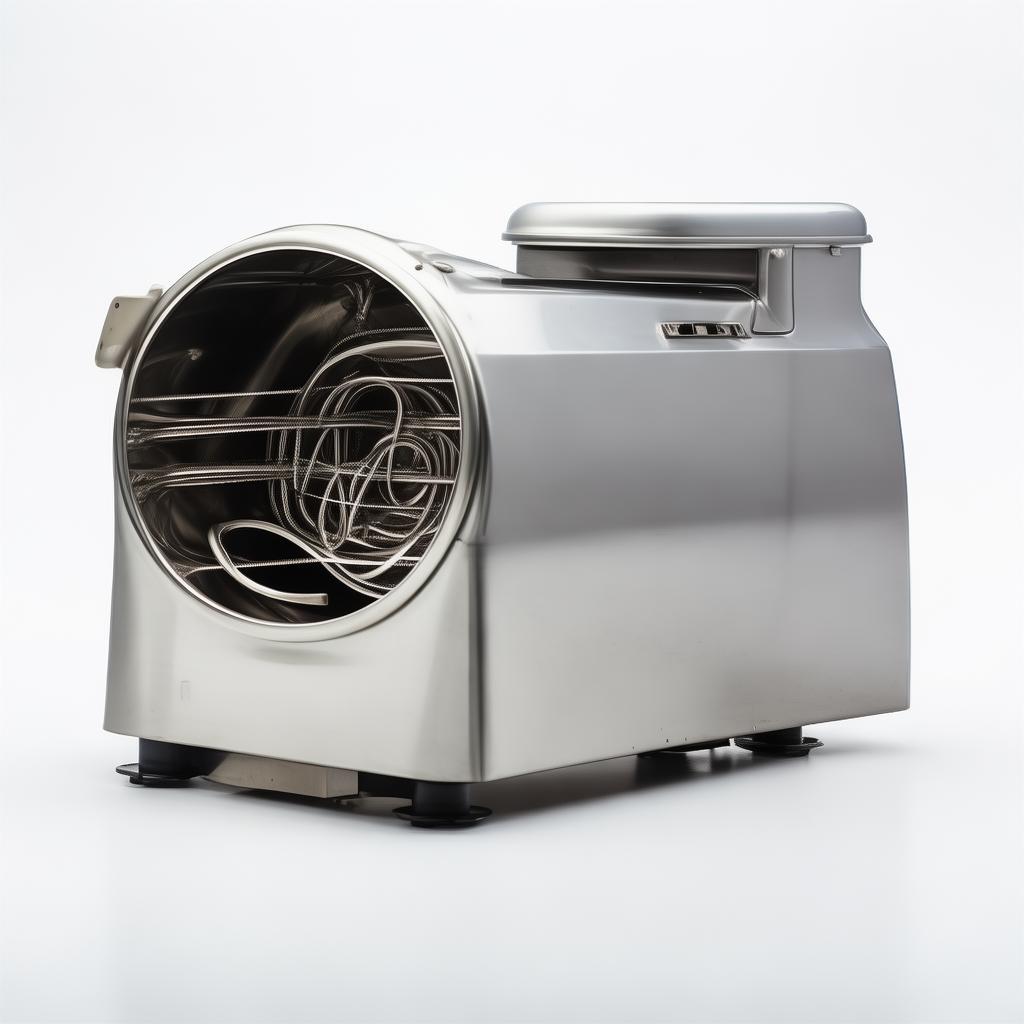
Vacuum System Filtration Solutions For Factories
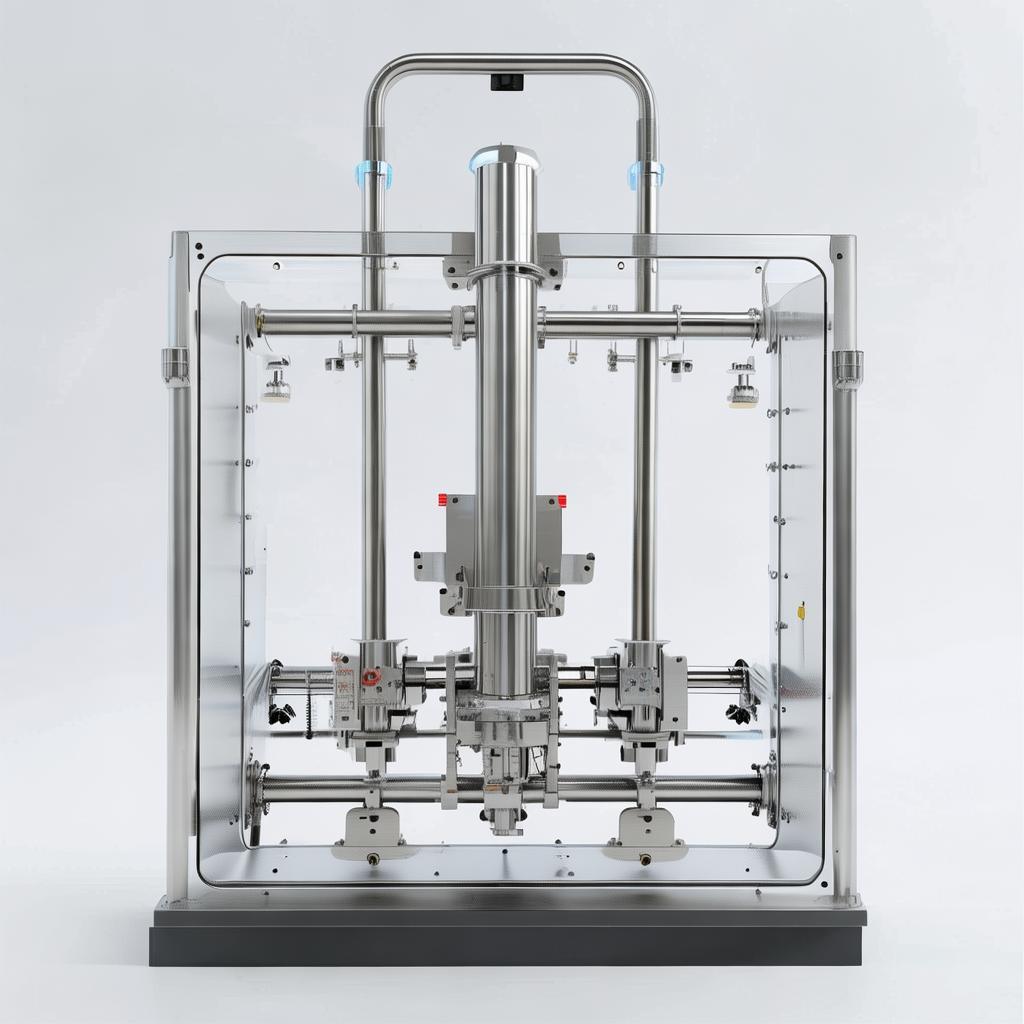
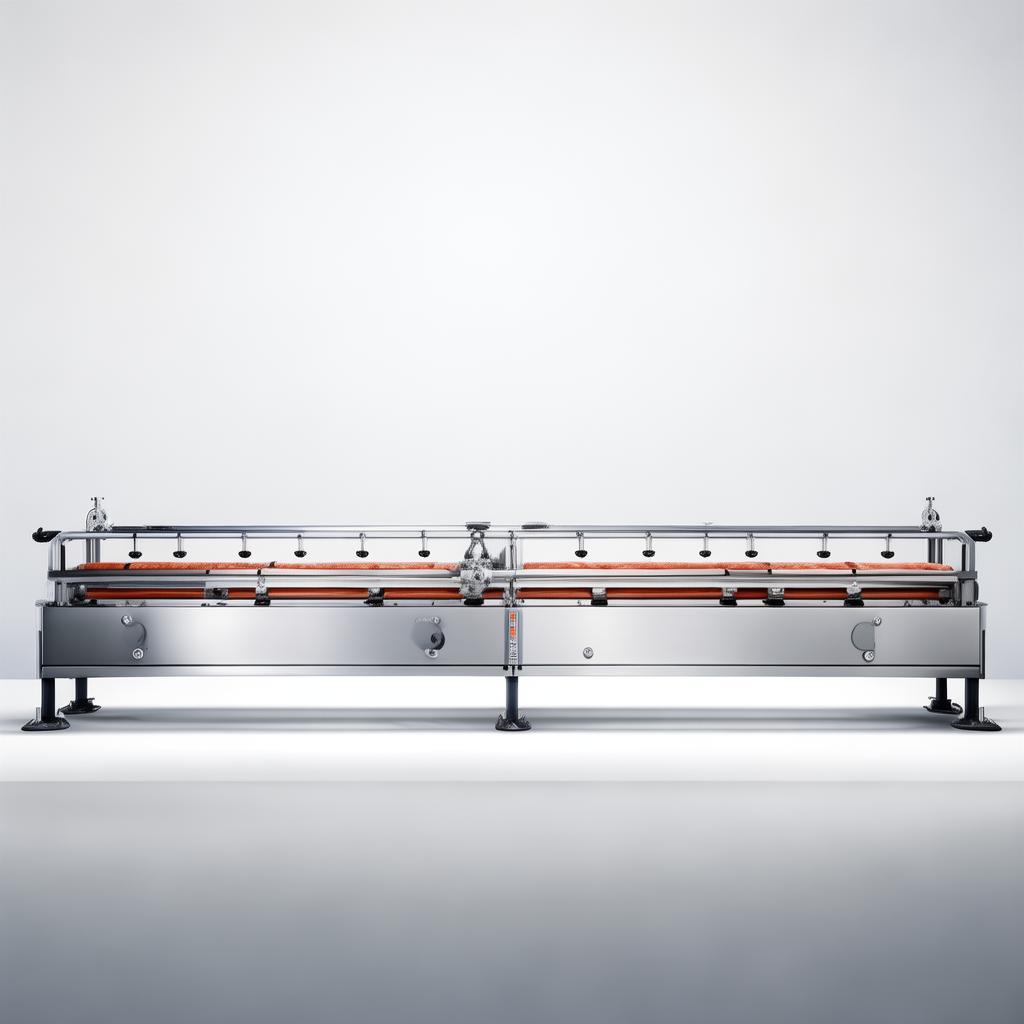
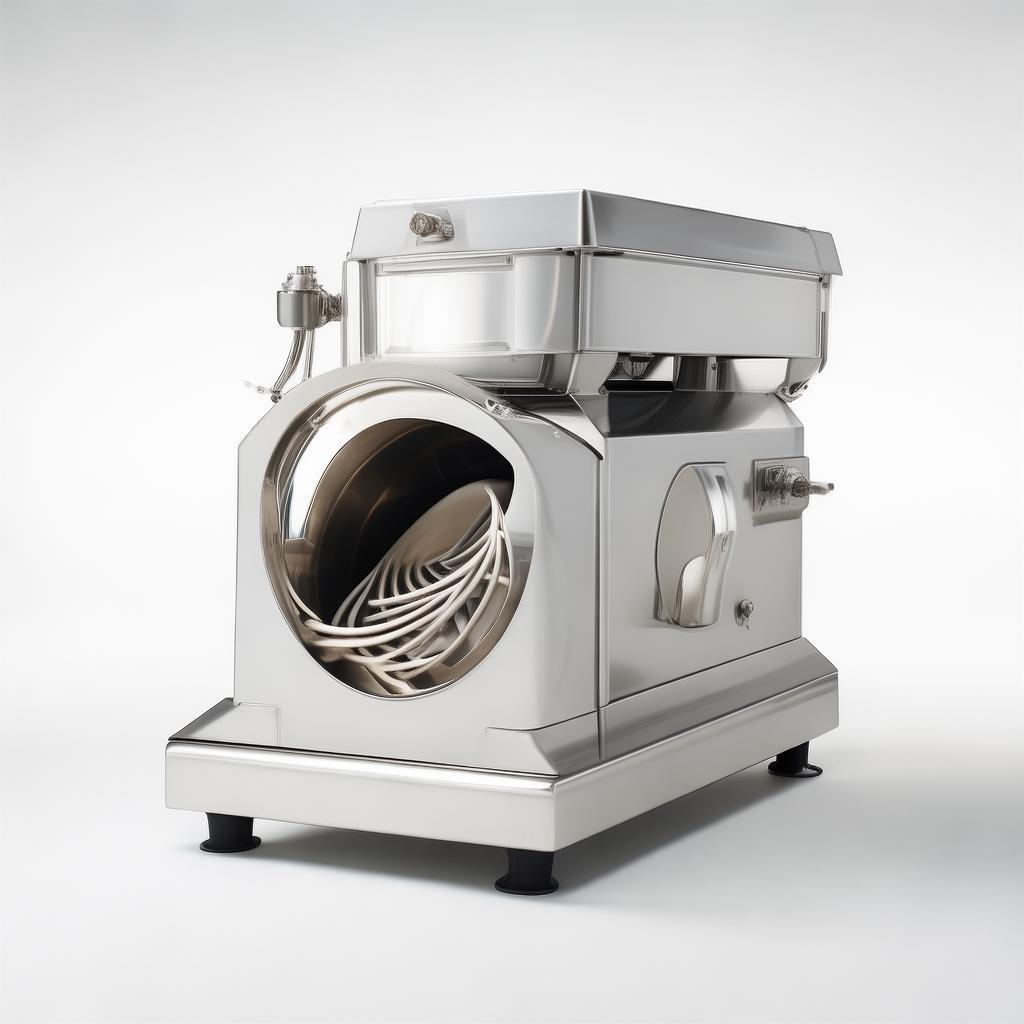
Mastering Air Quality: Advanced Vacuum System Filtration Solutions for Industrial Factories
Ensuring Optimal Production, Worker Safety, and Environmental Compliance Through Superior Filtration Technology

By David Chen, Senior Industrial Process Engineer
Navigating the Complexities of Industrial Air Filtration
In the demanding environment of modern manufacturing, the air you breathe – and the air you exhaust – is far more than just a byproduct of your operations. It's a critical factor influencing everything from the precision of your machinery and the quality of your finished goods to the health and safety of your workforce, and crucially, your adherence to increasingly stringent environmental regulations. For factories utilizing vacuum systems, which are often the workhorses for material handling, dust collection, process ventilation, and more, the management of airborne particulates, vapors, and contaminants is paramount. Without effective vacuum system filtration, operations can face a cascade of problems: premature equipment wear, compromised product integrity, increased downtime for cleaning and repairs, potential health hazards for staff, and significant penalties for environmental non-compliance. This is where robust, intelligent vacuum system filtration solutions become not just a component, but a cornerstone of operational excellence.
The scope of vacuum system filtration needs is as diverse as the industries it serves. Whether you're dealing with fine abrasive dusts in metalworking, volatile organic compounds (VOCs) in chemical processing, moisture and oil aerosols in compressed air systems, or biological contaminants in food and beverage production, the requirement for tailored filtration is universal. Generic solutions often fall short, leading to inefficient performance, accelerated filter degradation, and escalating operational costs. The key lies in understanding the specific contaminants, their physical and chemical properties, flow rates, operating temperatures, and pressures inherent to your particular vacuum system and production processes. It’s about more than just trapping particles; it's about optimizing the entire vacuum circuit for longevity, efficiency, and safety.
Consider the implications for a high-precision electronics manufacturer. Airborne particulates, even at microscopic levels, can infiltrate sensitive components, causing defects that lead to costly rework or product recalls. In such a scenario, a vacuum system used for, say, pick-and-place operations or fume extraction requires a filtration strategy that can capture particles down to sub-micron levels, often coupled with electrostatic discharge (ESD) protection. Failure here means not only financial loss but a severe dent in reputation. Similarly, a food processing plant relies on vacuum systems for packaging, stuffing, and material transfer. Here, the filtration must prevent cross-contamination, maintain hygiene standards (often exceeding FDA or USDA requirements), and avoid introducing any foreign materials or odors into the food product. The risk of product spoilage or a food safety breach is a direct consequence of inadequate filtration.
For operations involving woodworking or metal fabrication, the generation of dust and fine particles is a given. These aren't just nuisances; they're health hazards (silicosis, respiratory issues) and fire/explosion risks (combustible dust). Effective vacuum system filtration here means not only protecting workers and equipment but also preventing dust buildup that can interfere with sensors, clog pneumatic lines, or necessitate frequent, labor-intensive cleanups. The right filters capture these materials efficiently, reducing the load on downstream equipment and improving the overall safety of the workshop environment. The market for filtration technologies is vast, ranging from basic mechanical filters and HEPA units to more sophisticated activated carbon adsorbers, coalescing filters, and specialized media designed for aggressive chemical environments. The challenge for procurement and operations managers is to identify the solution that offers the best balance of performance, longevity, and cost-effectiveness for their specific application.
The global trend towards stricter environmental regulations, such as the EPA's Clean Air Act in the US or similar mandates worldwide, adds another layer of complexity. Factories are increasingly held accountable for their emissions, and vacuum systems, particularly those that vent processed air, are under scrutiny. Effective filtration is no longer just about internal process improvement; it's a critical component of environmental stewardship and regulatory compliance. Choosing a filtration system that not only meets current standards but also anticipates future ones can save considerable expense and headaches down the line. Furthermore, the operational integration of these systems is key. A filter that is difficult to access, maintain, or replace will quickly become a bottleneck, regardless of its theoretical efficiency. This is why many forward-thinking manufacturers are looking beyond simple component purchases and seeking comprehensive filtration partners who understand the entire lifecycle of the equipment and the operational realities of their factory floor.
At Hebei Yuanchang Food Mechanism & Technology Co., Ltd., we’ve seen firsthand the transformative impact that properly engineered vacuum system filtration can have. With our 40 years of experience in demanding industrial environments, we understand that efficiency, reliability, and a keen eye for operational detail are not optional. This is why we’ve dedicated ourselves to developing and supplying filtration solutions that address the core challenges faced by factories worldwide. We don't just offer filters; we offer optimized air management strategies, built on a foundation of deep technical expertise and a commitment to practical, cost-effective results. Let's explore how advanced filtration can elevate your operations.
The Hidden Costs of Inadequate Vacuum Filtration
Ignoring the quality of your vacuum system's air intake and exhaust filtration is like leaving the door open to a host of operational inefficiencies and unexpected expenses. Many plant managers, focused on core production output, underestimate the cumulative impact of airborne contaminants. Let's break down the tangible and intangible costs:
- Accelerated Equipment Wear: Abrasive dusts, metal fines, or even fine plastic particles can act like sandpaper within vacuum pumps, valves, and piping. This leads to premature wear, reduced performance, and the need for costly component replacements or overhauls far sooner than anticipated. For example, in a woodworking facility, fine sawdust can quickly degrade pump seals and impellers.
- Product Contamination and Quality Degradation: In industries like food, beverage, pharmaceuticals, or electronics manufacturing, inadequate filtration is a direct threat to product integrity. Airborne contaminants can spoil food, compromise sterile environments, or cause defects in sensitive electronic components. This can result in batch rejection, product recalls, and severe reputational damage.
- Increased Maintenance and Downtime: Clogged filters, fouled pump components, and dirty ductwork all translate into more frequent and extensive maintenance. These activities not only consume valuable technician time but also pull machinery offline, directly impacting production schedules and output. A plant may experience unplanned downtime that costs thousands, if not tens of thousands, per hour.
- Reduced System Efficiency and Higher Energy Consumption: As filters become saturated, the vacuum system has to work harder to achieve the desired vacuum levels. This increased load on the pumps translates directly into higher energy consumption. Over time, this can significantly inflate operating expenses, often without being immediately obvious until energy audits are performed.
- Health and Safety Hazards: Many industrial dusts and fumes are hazardous. Inhaling fine particles can lead to chronic respiratory illnesses like silicosis or asthma. Explosive dusts, if not properly contained and filtered, pose a serious fire and explosion risk. Ensuring adequate filtration is a fundamental aspect of worker safety and OSHA compliance.
- Environmental Non-Compliance: Venting unfiltered exhaust from vacuum systems can release pollutants into the atmosphere, leading to violations of environmental regulations. Fines for non-compliance can be substantial, and repeated offenses can result in operational shutdowns.
Ignoring filtration is essentially accepting a built-in operational penalty. Investing in the right solutions upfront is a strategic move to mitigate these risks and optimize your entire manufacturing process.
Our Advanced Filtration Solutions: Engineering for Performance and Reliability
At Hebei Yuanchang, we design and manufacture vacuum system filtration solutions with a singular focus: delivering uncompromising performance that translates into tangible operational benefits for your factory. We understand that each application is unique, which is why our approach is rooted in deep technical understanding and a commitment to tailored engineering. Our product range is built to address the diverse challenges encountered across industrial sectors.
Key Filtration Technologies We Employ:
- High-Efficiency Particulate Air (HEPA) Filters: For applications demanding the absolute highest levels of purity, our HEPA filters capture 99.97% of particles 0.3 microns in size. Crucial for cleanroom environments, pharmaceutical processing, and sensitive electronics manufacturing.
- Sub-Micron Mechanical Filters: Utilizing advanced media with high surface area and micron ratings down to 0.1 microns, these filters are robust for capturing fine dusts, powders, and aerosols in general manufacturing, metalworking, and chemical handling.
- Activated Carbon Adsorbers: Essential for removing VOCs, odors, and chemical vapors. Our activated carbon filters are engineered for high adsorption capacity and longevity, vital for processes involving solvents, printing, or specific chemical reactions.
- Coalescing Filters: Designed to remove liquid aerosols (oil, water) from compressed air and vacuum lines. These are critical for protecting sensitive equipment, preventing corrosion, and ensuring the dryness of air used in pneumatic systems or for product packaging.
- Specialty Media Filters: We offer filters with media tailored for specific chemical resistance, high-temperature applications, or unique particle types, ensuring optimal performance in challenging operational conditions.
- Explosion-Proof and ATEX-Certified Units: For environments with combustible dusts or flammable vapors, we provide ATEX-compliant filtration systems designed to prevent ignition sources and safely manage hazardous atmospheres.
Engineered for Your Factory Floor:
Our solutions are not just about the filtration media; they encompass the entire system design:
- Robust Construction: Built with industrial-grade materials like stainless steel and high-strength polymers to withstand demanding environments, vibration, and temperature fluctuations.
- Modular Design: Many of our units feature a modular approach, allowing for easy integration, scalability, and straightforward replacement of filter elements. This minimizes installation complexity and future maintenance overhead.
- Pressure Drop Optimization: We meticulously design our filters to minimize pressure drop across the system, ensuring your vacuum pumps operate efficiently without unnecessary energy expenditure.
- Ease of Maintenance: Filter element access and replacement are simplified to reduce downtime. Features like quick-release clamps and integrated service indicators help streamline routine checks.
- Customization Capabilities: Leveraging our extensive machining workshop, including Japanese Mazak CNC centers, we can engineer bespoke filtration solutions to meet highly specific requirements for flow rate, particle size, chemical compatibility, or space constraints.
Ready to discuss your specific needs?
Technical Specifications and Performance Metrics
Understanding the technical specifications is crucial for selecting the right vacuum system filtration solution. Below, we outline key parameters and provide an example specification table. We emphasize that these are illustrative; your actual configuration will be determined by a detailed needs assessment.
Key Performance Indicators:
- Filtration Efficiency: Measured as a percentage of particles removed at a specific micron size (e.g., 99.97% at 0.3 microns for HEPA).
- Maximum Flow Rate: The volume of air the filter can handle per unit of time (e.g., CFM or m³/hr) without excessive pressure drop.
- Initial Pressure Drop: The resistance to airflow when the filter is new and clean. This is a critical factor for system efficiency.
- Operating Temperature Range: The environmental temperature limits within which the filter media and housing can safely and effectively operate.
- Maximum Operating Pressure: The maximum positive or negative pressure the filter housing can withstand.
- Connection Size/Type: Standardized fitting sizes and types (e.g., NPT, Flange, Camlock) for seamless integration into your piping system.
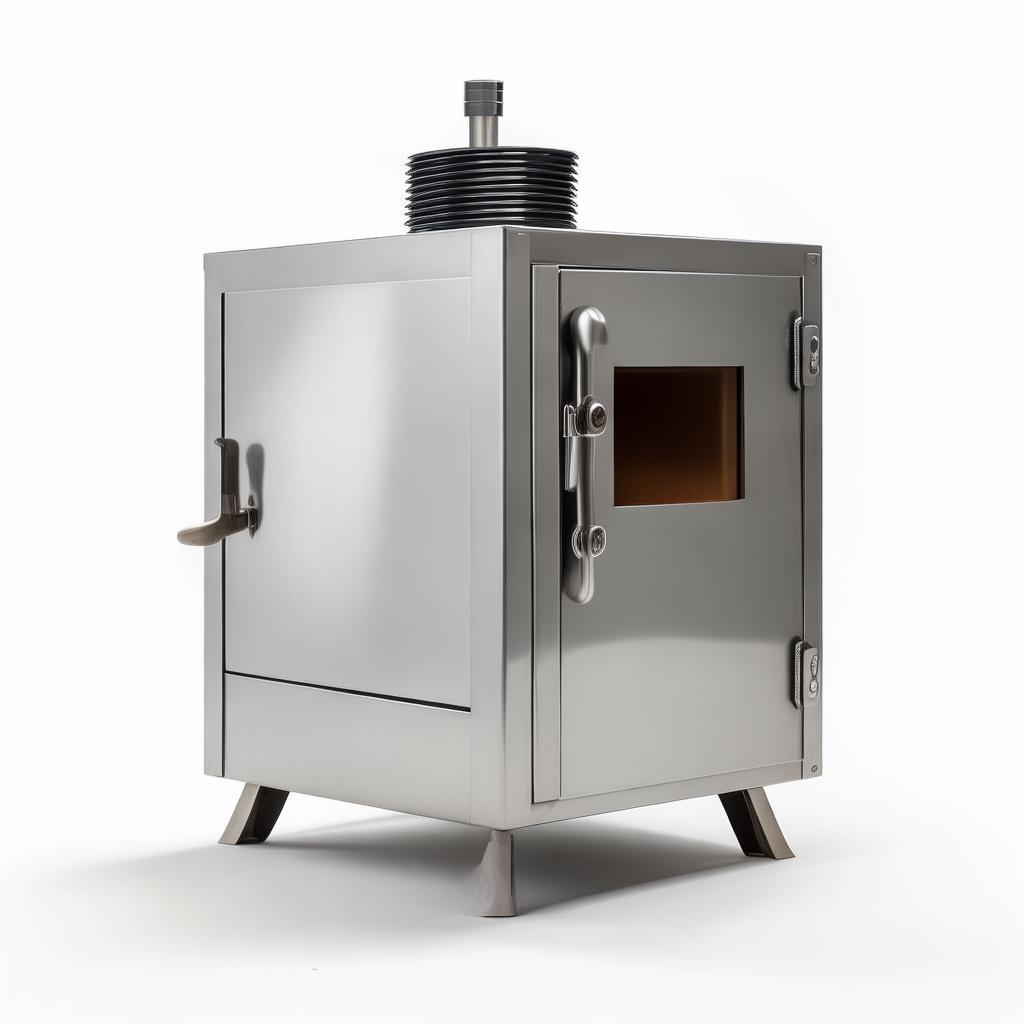
Example: Sub-Micron Industrial Dust Filter (Model: VSF-S200)
| Parameter | Specification | Notes |
|---|---|---|
| Filtration Efficiency | 99.95% @ 0.5 microns | Nominal rating, Beta 5000 |
| Maximum Flow Rate | 1000 CFM (1700 m³/hr) | At specified pressure drop |
| Initial Pressure Drop | ≤ 2" H₂O (500 Pa) | Clean filter |
| Housing Material | Powder-coated Carbon Steel | Optional Stainless Steel 304/316 |
| Operating Temperature | -10°C to 80°C (14°F to 176°F) | Ambient |
| Inlet/Outlet Connection | 4" ANSI Flange | Customizable |
industrial vacuum filtration vacuum filtration system vacuum conveying systems suppliers
For detailed specifications of our entire product line, please request our full catalog.
Applications Across Diverse Industries
The versatility of our vacuum system filtration solutions allows them to be deployed effectively across a wide spectrum of industrial applications. Whether your concern is particulate, vapor, or liquid contaminant removal, our expertise helps tailor the right approach.
Illustrative Application Scenarios:
Metalworking & Fabrication
Capturing abrasive metal fines, oil mist, and coolant aerosols generated during grinding, machining, and cutting operations. Protects vacuum pumps and prevents air pollution.
Woodworking & Furniture Manufacturing
Efficiently collecting fine sawdust and wood particles to maintain a clean environment, prevent dust explosions, and protect vacuum-powered material handling systems.
Chemical Processing
Removing corrosive vapors, solvent aerosols, and fine chemical dusts. Specialty media and corrosion-resistant housings are critical here.
Food & Beverage Production
Preventing contamination of processed foods, capturing airborne moisture or oil from packaging equipment, and ensuring hygienic exhaust air. FDA-compliant options available.
Pharmaceuticals & Biotechnology
Maintaining sterile environments, capturing fine drug powders, and ensuring absolute purity in vacuum-assisted processes. HEPA and custom solutions are common.
Electronics Manufacturing
Extracting flux fumes, soldering aerosols, and micro-particulates to prevent damage to sensitive components and maintain cleanroom standards. ESD-safe options are vital.
Installation, Maintenance, and Operational Insights
A high-performance filtration system is only as good as its integration and upkeep. We provide guidance to ensure your investment delivers long-term value.
Installation Considerations:
- Location: Install filters as close to the source of contamination as possible. For exhaust filtration, position it before the final vent point. Ensure adequate space for access during maintenance.
- Orientation: Most dust filters are designed for vertical installation to allow collected dust to fall away from the filter media. Consult specific product manuals.
- Sealing: All connections, including ductwork and filter housing seals, must be airtight to prevent bypass of unfiltered air. Gasket integrity is paramount.
- System Compatibility: Ensure the filter's flow rate and pressure drop characteristics are compatible with your existing vacuum pump and piping system.
Routine Maintenance is Key:
Regular maintenance prevents system failures and ensures optimal performance:
- Visual Inspections: Check for external damage, leaks, or unusual noises. Monitor any installed pressure gauges or indicators.
- Filter Element Replacement: Follow the recommended replacement schedule based on your operating conditions and the manufacturer's guidelines. Signs of a clogged filter include increased vacuum pump load, reduced airflow, and elevated system temperature.
- Housing Cleaning: Periodically clean the inside of the filter housing, especially after replacing elements, to remove accumulated debris.
- Record Keeping: Maintain logs of filter replacement dates and any maintenance performed. This aids in predictive maintenance and identifying recurring issues.
Procurement Insights:
When sourcing filtration solutions, consider the total cost of ownership:
- Filter Lifespan: A cheaper initial purchase might lead to more frequent replacements, increasing long-term costs.
- Energy Savings: Filters with lower pressure drops can significantly reduce energy consumption over their lifespan.
- Supplier Reliability: Partnering with a reputable supplier ensures consistent quality and timely delivery of replacement parts. Our extensive experience and in-house manufacturing capabilities ensure this reliability.
Why Partner with Hebei Yuanchang?
For over 40 years, Hebei Yuanchang Food Mechanism & Technology Co., Ltd. has been a trusted name in industrial equipment manufacturing. Our deep-rooted experience, spanning R&D, production, and sales, provides us with a unique perspective on operational demands and the critical role of ancillary systems like vacuum filtration.
Our Strengths at a Glance:
- 40 Years of Industry Expertise: Since 1986, we've honed our craft, understanding the intricacies of industrial processes and equipment reliability.
- Integrated Manufacturing: Our 14,000 sq meter facility houses a full machining workshop with over 20 sets of advanced machinery, including Japanese Mazak CNC machining centers. This allows us to produce high-precision components and custom solutions independently.
- Quality Assurance: We adhere to rigorous quality control throughout the production process, ensuring every filtration unit meets stringent performance and durability standards.
- Traceable After-Sales Service: Our robust after-sales management system, coupled with our in-house component manufacturing, means you receive reliable support and readily available spare parts.
- Global Export Experience: We have a proven track record of supplying high-quality industrial equipment to international markets, understanding the logistics and compliance requirements for cross-border commerce.
- Commitment to Innovation: We continually invest in R&D to bring you the most effective and efficient filtration technologies.
Experience the Yuanchang Difference.
What Our Clients Say

Operations Manager, Precision MetalWorks Inc.
"We were struggling with fine dust interfering with our CNC machines. The VSF-S200 units Yuanchang recommended have been a game-changer. Machine downtime has decreased significantly, and our air quality reports are looking much better. Their technical team really understood our specific challenges with abrasive dust."

Procurement Specialist, Global Food Packers
"Maintaining hygiene standards is non-negotiable for us. Yuanchang's custom filtration solutions for our vacuum packaging lines ensure we meet all regulatory requirements. The ease of cleaning and the reliability of their components have really streamlined our maintenance schedule. Excellent support from their export team."

Plant Engineer, Advanced Chemical Solutions
"We were experiencing significant corrosion in our vacuum system due to solvent vapors. Yuanchang provided us with specialized adsorber filters that have completely resolved the issue. The initial consultation was thorough, and the solution they proposed was cost-effective and highly efficient. A trustworthy partner for complex needs."
Ready to Enhance Your Factory's Air Quality?
Let our experts help you design and implement the optimal vacuum system filtration solution for your specific operational needs. We offer:
Free Consultation
Discuss your challenges with our engineers.
Customized Solutions
Tailored designs for unique requirements.
Factory Direct Pricing
Competitive pricing from the manufacturer.
Contact Us Directly
Phone:
Email:
Address:
Shijiazhuang, Hebei Province, China
Website:
We look forward to partnering with you to achieve cleaner air, more efficient operations, and a safer working environment.