Vacuum Conveying Systems Suppliers
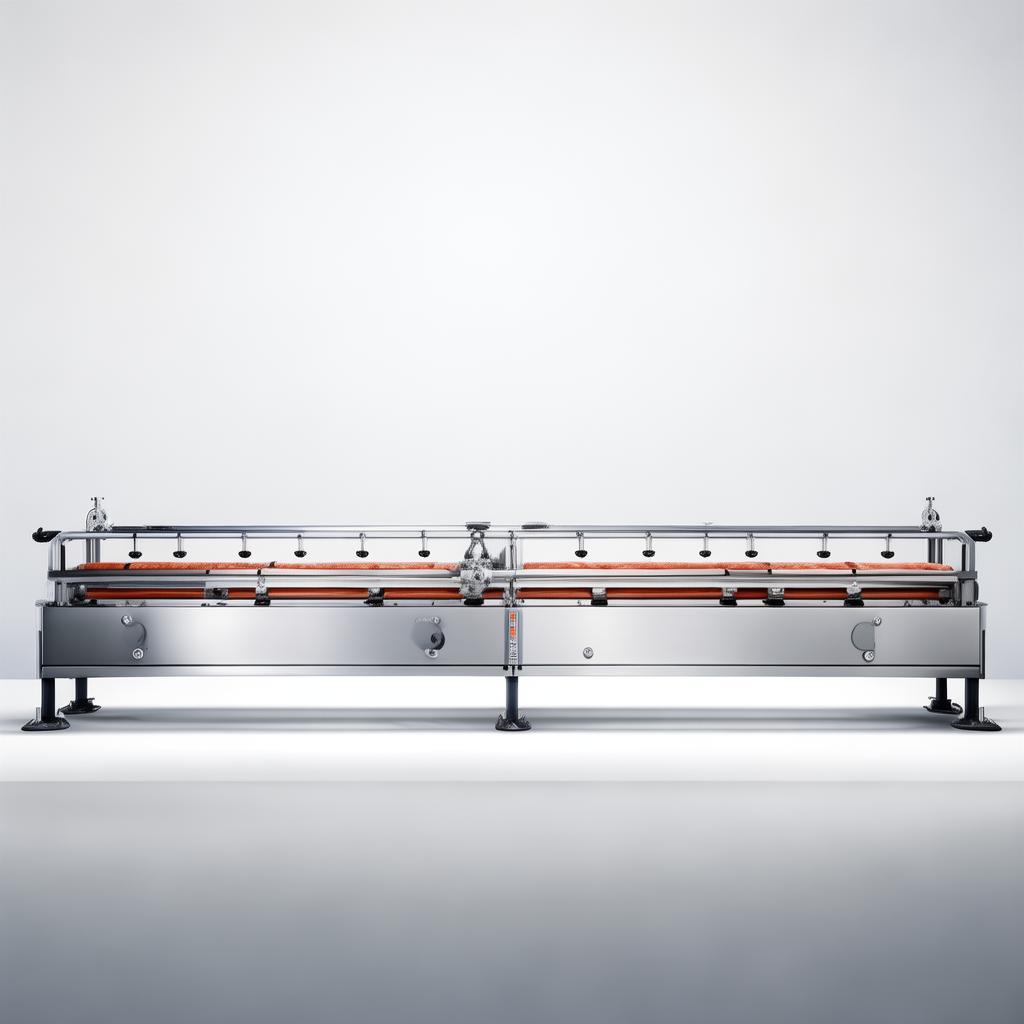
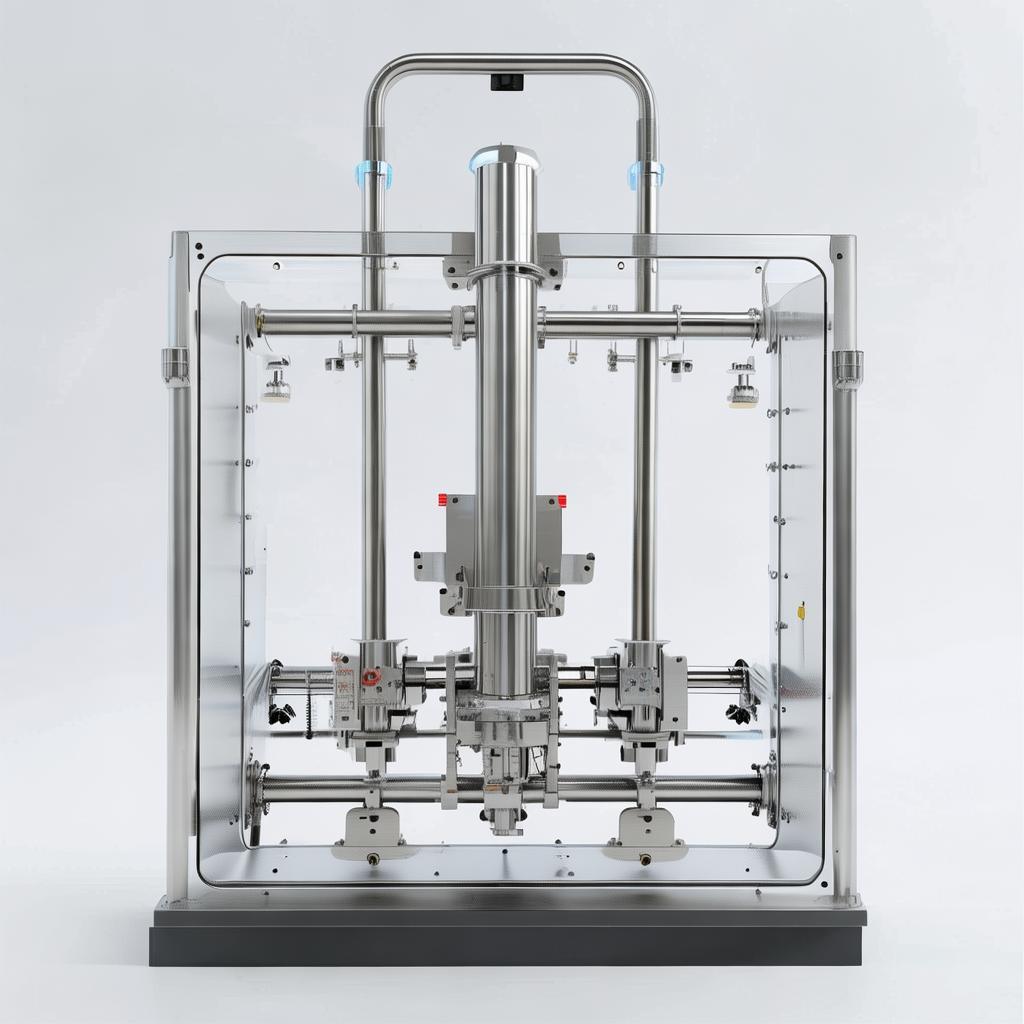
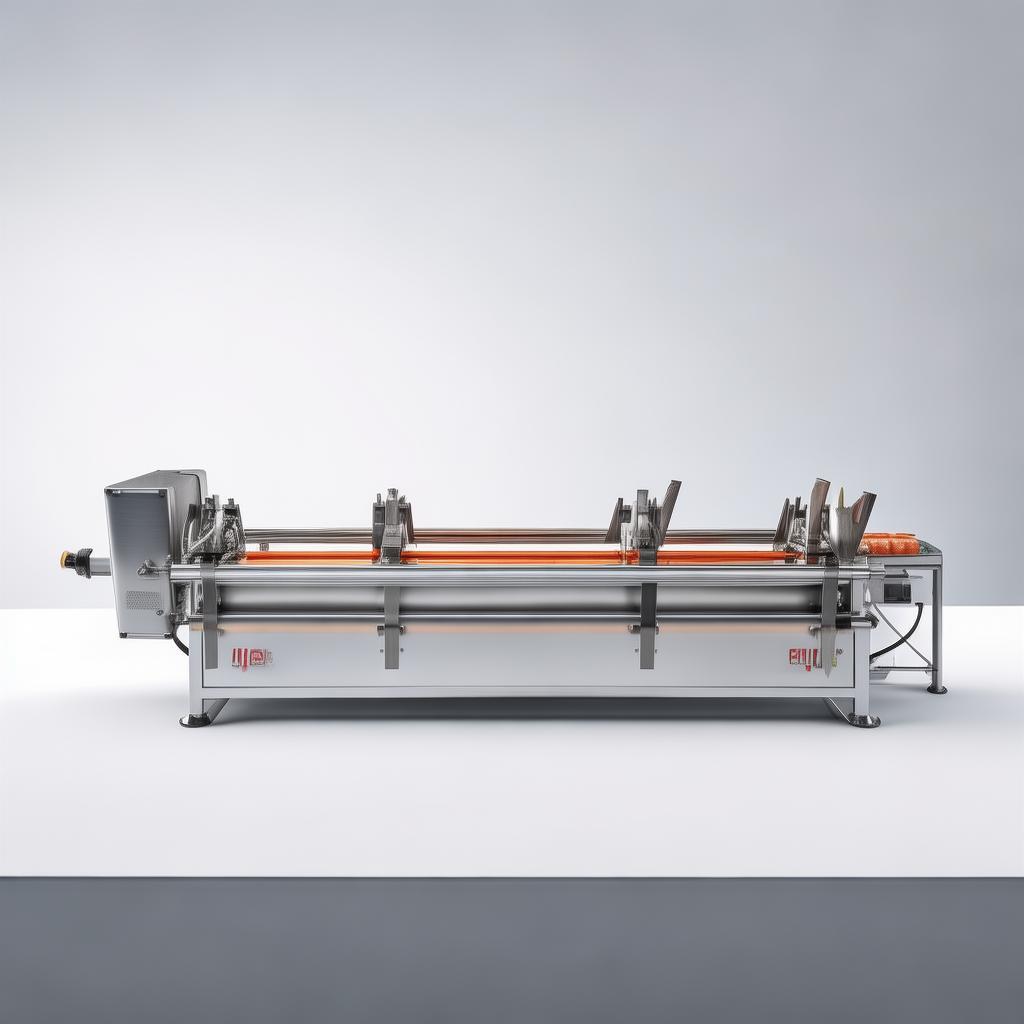
Precision Vacuum Conveying Systems for Industrial Demands
Streamline Your Material Handling with Reliable, Efficient, and Scalable Solutions

Introduction: The Backbone of Modern Manufacturing
In today's fast-paced industrial landscape, the efficient and safe transfer of bulk materials is not just a convenience; it's a critical operational necessity. Whether you're dealing with powders, granules, pellets, or even delicate ingredients, the method of transport directly impacts your production cycle, product integrity, worker safety, and ultimately, your bottom line. Traditional methods, like manual scooping, screw conveyors, or belt systems, often fall short when it comes to dust control, cross-contamination prevention, energy efficiency, and adapting to complex plant layouts. This is where advanced vacuum conveying systems emerge as the intelligent solution, offering a cleaner, more controlled, and highly adaptable approach to material handling.
At Hebei Yuanchang Food Mechanism & Technology Co., Ltd., we understand the intricate challenges faced by manufacturers across a spectrum of industries. With 40 years of experience since 1986, we've honed our expertise in delivering robust and innovative machinery, including specialized solutions for food processing and, by extension, the foundational principles of handling bulk materials that apply universally. While our primary focus has been on meat processing equipment, the engineering rigor, precision manufacturing, and commitment to quality that define us are directly transferable to the design and production of high-performance vacuum conveying systems. Our extensive background equips us with a deep, practical understanding of material flow, containment, and the critical role of reliable equipment in maintaining production uptime and product quality.
The global market for meat processing equipment itself is a testament to the demand for specialized handling solutions. Reports indicate a steady growth, with market values reaching upwards of USD 11-19 billion annually, driven by factors like increasing demand for processed foods, automation for hygiene, and strict safety standards. This signifies a broader trend: industries worldwide are prioritizing efficiency, safety, and controlled environments for material handling. Vacuum conveying systems are at the forefront of this evolution, offering a way to move materials from point A to point B without exposing them to the environment or creating hazardous dust clouds. They are particularly vital in sectors where contamination is a significant concern – pharmaceuticals, food and beverage, chemical processing, and plastics manufacturing, to name a few.

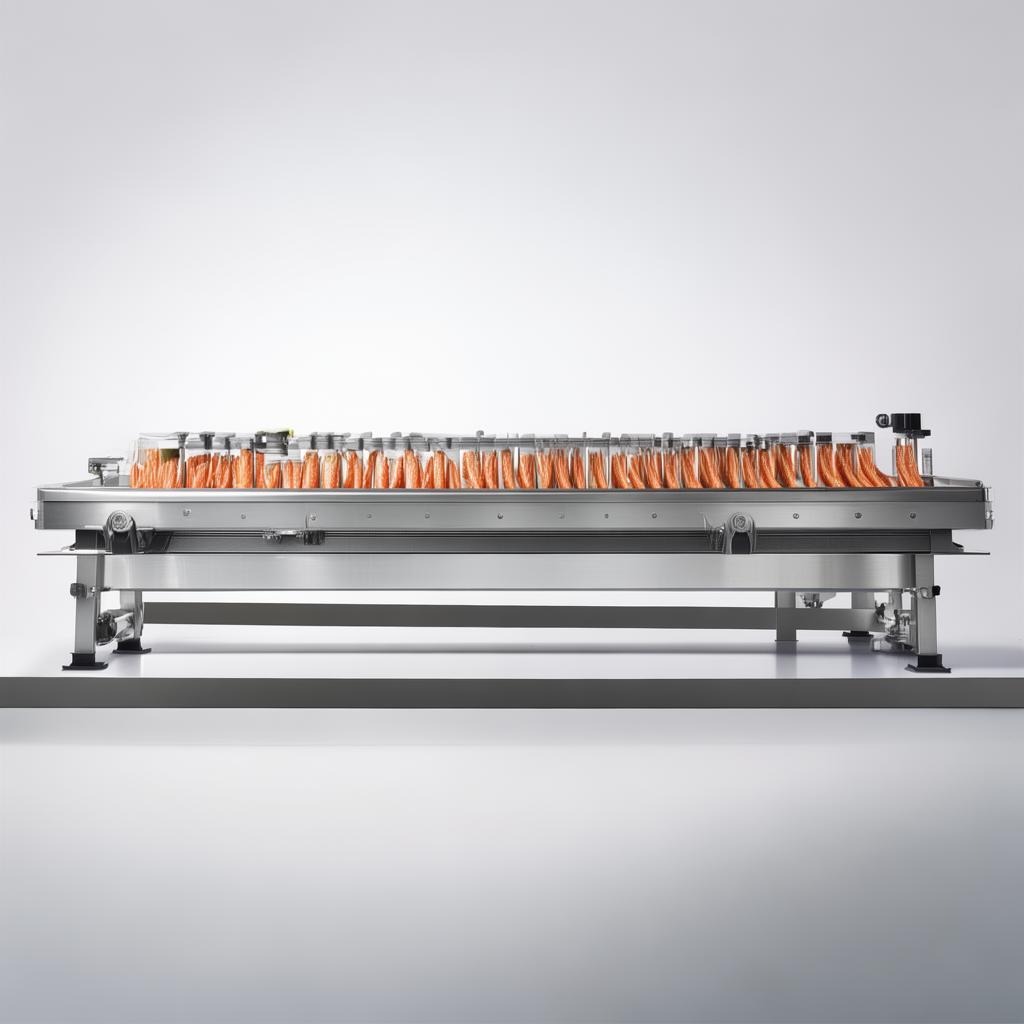
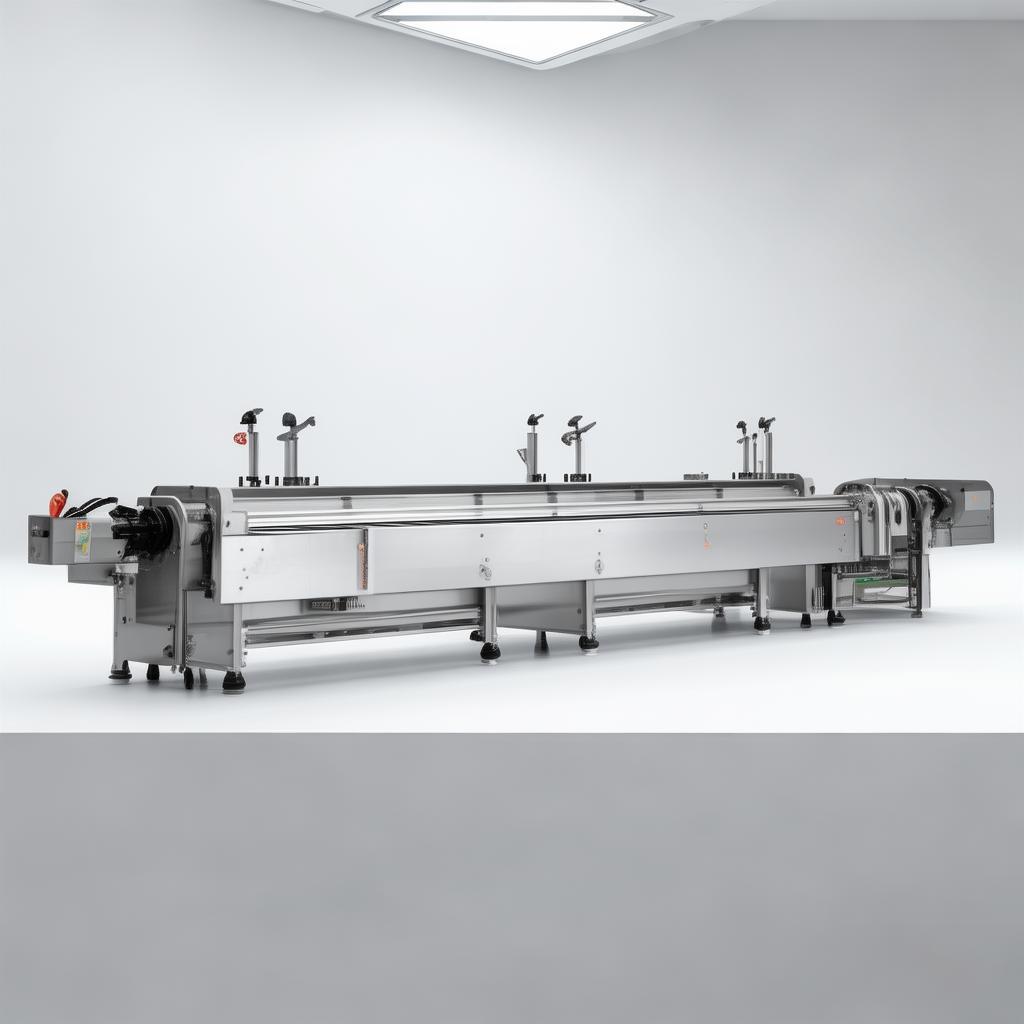
A typical vacuum conveying setup illustrating material flow.
This technology addresses a core procurement need: reliable, repeatable, and safe material transfer. For purchasing managers and operations directors, the decision to invest in such a system hinges on tangible benefits: reduced product loss, minimized manual labor, enhanced workplace safety, and compliance with stringent regulatory standards. Our approach at Hebei Yuanchang is rooted in understanding these very procurement drivers. We don't just build machines; we engineer solutions that integrate seamlessly into your existing workflow, offering a tangible return on investment through improved operational efficiency and reduced risk.
Addressing Common Material Handling Challenges
Many facilities grapple with material handling issues that impede efficiency and compromise safety. Recognizing these challenges is the first step toward finding the right solution. Are any of these familiar in your operations?
- Dust and Air Quality: Airborne dust is a major concern, leading to respiratory issues for workers, potential explosion hazards, and product contamination. Traditional open systems exacerbate this.
- Product Degradation: Fragile materials, powders that cake, or granules that break down can suffer damage during transfer, leading to waste and inconsistent product quality.
- Cross-Contamination: In multi-product facilities, preventing the mixing of ingredients or materials between batches or different product lines is paramount.
- Labor Intensity & Safety: Manual handling is time-consuming, physically demanding, and increases the risk of injuries such as strains and sprains.
- Complex Plant Layouts: Moving materials across long distances, through multiple floors, or around existing machinery can be a logistical nightmare with conventional methods.
- Batch Consistency: Ensuring that each batch receives the correct amount of material, without loss or segregation during transfer, is key to quality control.
- Environmental Control: Maintaining a controlled atmosphere for sensitive materials (e.g., preventing moisture absorption) is often difficult.
These issues can significantly impact operational costs, product yield, and regulatory compliance. Our vacuum conveying systems are engineered specifically to mitigate these very problems, providing a closed-loop, controlled environment for your materials.
Understanding Vacuum Conveying Technology
The principle behind vacuum conveying is elegantly simple yet remarkably effective. At its core, it utilizes a vacuum generator (typically a vacuum pump) to create a negative pressure within a sealed conveying line. This draws material from a source (like a hopper, bag dump station, or reactor) through a transfer hose or pipe and into a receiving vessel, often a cyclone separator or directly into a processing machine. The process involves several key components:
A robust vacuum pump creates the necessary negative pressure. The type and capacity of the pump are determined by factors like material characteristics, conveying distance, and required throughput.
2. Conveying Line:
A network of food-grade or industrial-grade hoses and pipes forms the pathway for material transfer. The material of construction is critical to prevent static buildup or product contamination.
3. Inlet/Pick-up Point:
This is where material enters the system. It could be a specialized vacuum lance for bulk bags, a direct connection to a feed hopper, or a port on a processing machine.
Crucial for separating the conveyed material from the airstream. These filters are designed for easy cleaning and maintenance, often featuring automatic pulse-jet cleaning to maintain airflow.
5. Receiver Vessel:
This vessel collects the conveyed material. Often designed as a cyclone separator, it uses centrifugal force to separate bulk material from the air before it reaches the filters, which prolongs filter life.
6. Discharge Mechanism:
Once the material is collected, it needs to be discharged. This can be via a rotary valve, a butterfly valve, or other specialized discharge devices, often integrated with the processing equipment.
There are two primary modes of vacuum conveying: dilute phase and dense phase. Dilute phase conveying moves materials at high speeds with a large volume of air, suitable for lighter, less abrasive, and non-friable materials over shorter to medium distances. Dense phase conveying, on the other hand, uses lower air velocities and higher material-to-air ratios, ideal for abrasive, fragile, or heat-sensitive materials over longer distances, minimizing product degradation.
Our engineering team works closely with clients to determine the optimal mode and configuration for their specific application, considering factors like particle size, density, flowability, and the required transport duration. This tailored approach ensures maximum efficiency and minimal wear on the system.
Key Advantages of Our Systems
Investing in a Hebei Yuanchang vacuum conveying system brings a host of benefits that directly impact your operational efficiency and product quality:
- Enhanced Safety:
Closed-loop system virtually eliminates airborne dust, reducing explosion risks and improving workplace air quality. Operator exposure to hazardous materials is minimized. - Product Integrity:
Gentle conveying action minimizes breakage, degradation, or segregation of delicate powders and granules. Ideal for sensitive food ingredients, pharmaceuticals, and specialty chemicals. - Reduced Contamination:
The sealed system prevents external contaminants from entering and internal product cross-contamination between different batches or products. Crucial for food safety and pharmaceutical applications (e.g., FDA compliance). - Operational Efficiency:
Automated transfer reduces manual labor, freeing up staff for more value-added tasks. Consistent material flow ensures uninterrupted production. - Flexibility & Scalability:
Systems can be designed for various distances and complexities, easily reconfigured if plant layouts change. Scalable to meet growing production demands. - Energy Efficiency:
Modern vacuum pumps are designed for high efficiency, often consuming less power than continuous mechanical conveying systems, especially when considering the overall process. - Simplified Installation:
Compared to complex mechanical setups, vacuum lines are often easier to route through existing facilities, requiring less structural modification. - Low Maintenance:
Fewer moving parts compared to screw or belt conveyors means less wear and tear, reduced downtime, and lower maintenance costs.
This combination of safety, quality, and efficiency makes vacuum conveying a smart investment for businesses serious about optimizing their material handling processes.
Versatile Applications Across Industries
The adaptability of vacuum conveying systems makes them indispensable across a broad spectrum of manufacturing sectors. Our solutions are designed to meet the unique demands of each:
Transferring ingredients like flour, sugar, starches, spices, coffee beans, cocoa powder, milk powder, and pre-mixes. Crucial for preventing dust explosion risks in flour mills and ensuring hygiene for direct food contact applications, often requiring FDA-compliant materials.
Handling active pharmaceutical ingredients (APIs), excipients, powders, and granules. The contained nature of the system is paramount for preventing cross-contamination and ensuring operator safety, often adhering to cGMP standards.
Transporting plastic pellets, granules, powders (e.g., PVC, PET), masterbatches, and additives. Maintains material purity and prevents contamination from ambient moisture or dust. Systems can be designed for high temperatures.
Moving fine powders, granules, pigments, catalysts, and raw materials. Essential for handling potentially hazardous or sensitive chemicals where containment is critical. Compliance with ATEX directives for explosive environments may be required.
Conveying fine powders, metal powders, abrasives, and fillers. Robust systems are needed to handle abrasive materials and long conveying distances.
Including ceramics, coatings, agriculture (e.g., fertilizers, animal feed), and more. Any industry dealing with bulk powders or granular materials can benefit.
We've seen firsthand how vacuum conveying can revolutionize processes. For instance, in the meat processing sector, while we focus on machinery for forming and ripening, the principles of controlled material transfer are similar. Imagine moving large volumes of spices or binding agents into a mixer without dust escaping – that's where vacuum conveying excels. Our experience in handling diverse materials ensures we can engineer a system that precisely fits your operational context.
Technical Specifications & Customization
A one-size-fits-all approach doesn't work in industrial material handling. That's why our vacuum conveying systems are highly customizable to meet your specific operational needs and the unique properties of your materials.
Key design considerations we address include:
- Material Properties: Density, particle size, flowability, abrasiveness, friability, moisture sensitivity, particle shape.
- Conveying Distance & Height: Horizontal and vertical reach requirements significantly influence system design.
- Throughput Requirements: Kilograms or cubic meters per hour (kg/hr or m³/hr) needed.
- System Type: Dilute phase (aeration assisted) or dense phase (pressure/vacuum assisted).
- Vacuum Pump Capacity: Sized based on system requirements and air volume.
- Filter Media: Selection based on particle size, temperature, and chemical compatibility (e.g., polyester, PTFE, HEPA).
- Piping & Hose Material: Stainless steel, food-grade plastics, abrasion-resistant liners.
- Explosion Protection: Compliance with ATEX or similar standards where necessary.
- Control System: Simple on/off, PLC-based automation, integration with plant SCADA systems.
- Discharge Method: Rotary valves, cone valves, butterfly valves, pneumatic diverter valves.
As an experienced manufacturer, we offer comprehensive OEM/ODM services. We can integrate our vacuum conveying components into your proprietary equipment or develop bespoke systems tailored precisely to your clients' unique project specifications. Our in-house machining capabilities, including advanced CNC centers, allow us to produce high-precision, custom-engineered parts efficiently.
We believe in engineering for the long haul. Our systems are built with durable, high-quality components designed for continuous operation and minimal downtime. Regular preventative maintenance, outlined in our service manuals, ensures decades of reliable service.
Sample Specification Outline (Customizable)
| Parameter | Specification | Notes |
|---|---|---|
| System Type | Dilute Phase / Dense Phase | Based on material properties |
| Capacity | Up to X,XXX kg/hr | Adjustable |
| Conveying Distance | Up to XXX meters | Horizontal & Vertical |
| Vacuum Pump | Rotary Vane / Ring Blower | Brand/Model specific |
| Filter Unit | Cartridge Filters | Surface Area, Material & Cleaning Type |
| Receiver Vessel | Stainless Steel Cyclone | Volumetric Capacity |
| Power Supply | 380V/50Hz/3Phase (or custom) | International standards supported |
| Material Contact Parts | SS304 / SS316L | Food/Pharma Grade |
vacuum conveyor manufacturers vacuum conveyor system vacuum conveyor for industrial application
We encourage potential clients to engage with our technical sales team. Providing detailed information about your material and process allows us to engineer the most effective and cost-efficient solution.
Choosing the Right Supplier: What to Look For
Selecting a vacuum conveying system supplier is a significant procurement decision. Beyond price, consider these critical factors to ensure you partner with a company that can deliver long-term value and reliable performance:
- Proven Experience: Does the supplier have a history of successful installations in your industry or with similar materials? Look for case studies and testimonials.
- Technical Expertise: Can they demonstrate a deep understanding of material handling principles, vacuum technology, and relevant industry standards (e.g., FDA, ATEX, cGMP)?
- Customization Capabilities: Are they willing and able to engineer a system specifically for your needs, rather than offering generic solutions? This is where OEM/ODM providers shine.
- Quality of Manufacturing: What materials are used? How is the equipment constructed? A well-built system means fewer breakdowns and a longer service life. Inspecting factory capabilities is key.
- After-Sales Support & Service: What kind of support is available for installation, commissioning, training, spare parts, and troubleshooting? A traceable after-sales management system is a good sign.
- Global Reach & Logistics: Can they manage international shipping, documentation, and potentially installation support in your region?
- Commitment to Quality: Are they certified to international standards like ISO? Do they have internal quality control processes?
At Hebei Yuanchang, our 40 years in manufacturing, including our investment in advanced CNC machining and a structured after-sales management system, directly addresses these points. We pride ourselves on not just delivering equipment, but building lasting partnerships based on trust and proven performance.
Our Manufacturing Prowess
Our manufacturing facility in Shijiazhuang, Hebei Province, spans approximately 14,000 square meters and is the heart of our operation. With a dedicated team of 80-100 skilled professionals, we integrate research and development, meticulous production, and global sales to deliver high-quality machinery.
Our in-house machining workshop is a testament to our commitment to precision. It's equipped with over 20 sets of advanced processing machinery, including:
- Lathes and milling machines for foundational shaping.
- High-precision grinding machines for tight tolerances.
- Boring machines for internal diameter finishing.
- Plate shears and bending machines for fabrication.
- Wire cutting equipment for intricate designs.
Since 2012, we have further enhanced our capabilities with the addition of 8 sets of Japanese Mazak CNC machining centers. This significant investment allows us to undertake the production of components requiring extremely high standards, large volumes, non-standard specifications, and exceptional precision – critical for reliability in any industrial system.

State-of-the-art CNC machining at our facility.
This control over our manufacturing process, from raw material to finished product, ensures that every vacuum conveying system we deliver meets our stringent quality benchmarks. Our ability to independently produce high-precision parts is fundamental to our guarantee of worry-free after-sales service. When you partner with Hebei Yuanchang, you're partnering with a manufacturer that controls its destiny and yours.
Quality Assurance & Certifications
Trust is built on demonstrable quality. We adhere to rigorous international standards and maintain key certifications to assure our clients of the reliability, safety, and compliance of our vacuum conveying systems and manufacturing processes.
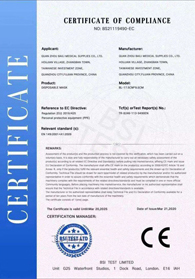

Our commitment to quality is embedded in our operations. We are proud to hold:
- ISO 9001: Demonstrating our robust quality management system for consistent production and customer satisfaction.
- CE Marking: Indicating that our products comply with relevant European health, safety, and environmental protection standards for sale within the European Economic Area.
- RoHS Compliance: Ensuring our products restrict the use of specific hazardous materials, vital for global market access and environmental responsibility.
- FDA Compliance (for relevant parts): For systems intended for food or pharmaceutical contact, we ensure that all material-contacting components meet the stringent requirements of the U.S. Food and Drug Administration.
These certifications are not merely badges; they represent our dedication to engineering excellence and providing secure, compliant solutions for our international clientele. When you choose Hebei Yuanchang, you choose a partner dedicated to upholding the highest standards in manufacturing and product performance.
Global Logistics & Support
Operating on an international scale requires more than just manufacturing capabilities; it demands expertise in global logistics and a commitment to supporting clients wherever they are. At Hebei Yuanchang, we've established robust processes to ensure your vacuum conveying system reaches you efficiently and that you receive the necessary support.
We have extensive experience exporting our machinery worldwide. Our team is adept at handling international trade regulations, customs documentation, and compliance requirements for various regions, including North America (USA, Canada), Europe, Asia, and beyond.
Shipping & Packaging:
We utilize professional export packaging designed to protect equipment during transit. Whether it's crated machinery, containerized shipments, or specialized freight, we ensure your investment is secure. We work with reliable freight forwarders to provide competitive shipping options, whether by sea or air.
Installation & Commissioning:
While many of our systems are designed for straightforward installation, we offer comprehensive support. This can include detailed installation manuals, remote technical assistance, and, if required, on-site supervision or commissioning services by our experienced engineers.

Optimized container loading for international shipments.
Spare Parts:
Our traceable after-sales management system ensures that you can easily order spare parts. Given our in-house precision machining, we can often produce critical components on demand, minimizing lead times and keeping your operations running smoothly.
We understand that procurement doesn't end with delivery. Our global support network is designed to provide you with confidence throughout the lifecycle of your vacuum conveying system.
Frequently Asked Questions
1. What is the typical lifespan of a vacuum conveying system?
With proper maintenance, our vacuum conveying systems are built for longevity. Key components like the vacuum pump and filters are the primary wear items. A well-maintained system can operate reliably for 15-20 years or more, with individual components being replaced as needed.
2. How much maintenance is typically required?
Maintenance is generally low compared to other conveying methods. Regular checks include inspecting and cleaning or replacing filter elements, lubricating the vacuum pump (according to manufacturer recommendations), and checking for any leaks in the conveying lines. Our provided manuals detail a recommended maintenance schedule.
3. Can these systems handle abrasive materials?
Yes, but the system design needs to account for it. We can specify more robust materials for the conveying lines (e.g., hardened steel or wear-resistant liners), specialized valves, and potentially use dense phase conveying to minimize particle-on-particle and particle-on-pipe abrasion. It's crucial to communicate the nature of the abrasive material during the specification process.
4. What is the maximum conveying distance?
The maximum conveying distance is highly dependent on the material being conveyed, its characteristics, the system's throughput requirement, and whether it's dilute or dense phase conveying. Distances can range from a few meters to over 100 meters horizontally, and significantly shorter for vertical lifts. Our engineering team calculates this based on your specific project parameters.
5. How do I determine the right system for my material?
The best approach is to consult with our technical experts. We'll need details about your material (e.g., powder, granule, pellet; density; particle size; flow characteristics) and your process requirements (e.g., from where to where, how much per hour). We may also request a sample of your material for testing in our lab to ensure optimal system design.
6. Can your systems be integrated with existing processing equipment?
Absolutely. This is a core capability. We design our vacuum conveying systems with standard connection interfaces and can customize discharge mechanisms to seamlessly integrate with your existing mixers, reactors, filling machines, or packaging lines. Our OEM/ODM services are particularly valuable here.
What Our Clients Say
Real-world feedback from businesses that have implemented our solutions:

Operations Manager, NovaChem Solutions
"We were struggling with dust control in our pigment handling process. The vacuum conveying system from Hebei Yuanchang has been a game-changer. Our air quality has improved dramatically, and product loss due to spillage is practically gone. The system was integrated smoothly into our existing batching line. Highly recommend their technical team."

Production Supervisor, Golden Harvest Foods
"Handling our specialized flour blends required a system that was both efficient and prevented cross-contamination. Hebei Yuanchang's vacuum system met all our stringent FDA requirements. The precise material transfer ensures batch consistency, which is vital for our premium product line. Their support during installation was invaluable."

Plant Engineer, Apex Plastics Inc.
"We needed to convey PET granules over a long distance without degrading the material. The solution provided by Hebei Yuanchang, utilizing dense phase conveying, has exceeded our expectations. The system is robust, energy-efficient, and the minimal material degradation has improved our product yield. Their understanding of polymer handling was evident."

Procurement Specialist, PharmaGlobal Mfg.
"For our pharmaceutical powder handling, containment and hygiene are non-negotiable. Hebei Yuanchang delivered a system that strictly adheres to cGMP standards. The ease of cleaning and validated material traceability have significantly streamlined our validation processes and reduced audit concerns. Excellent engineering support."
Ready to Optimize Your Material Handling?
Discover how Hebei Yuanchang's precision vacuum conveying systems can enhance your operations, improve safety, and drive efficiency. Let our 40 years of manufacturing expertise work for you.
You can also reach us directly:
Email: ycmeatmech@gmail.com | Phone: +86 15830991513