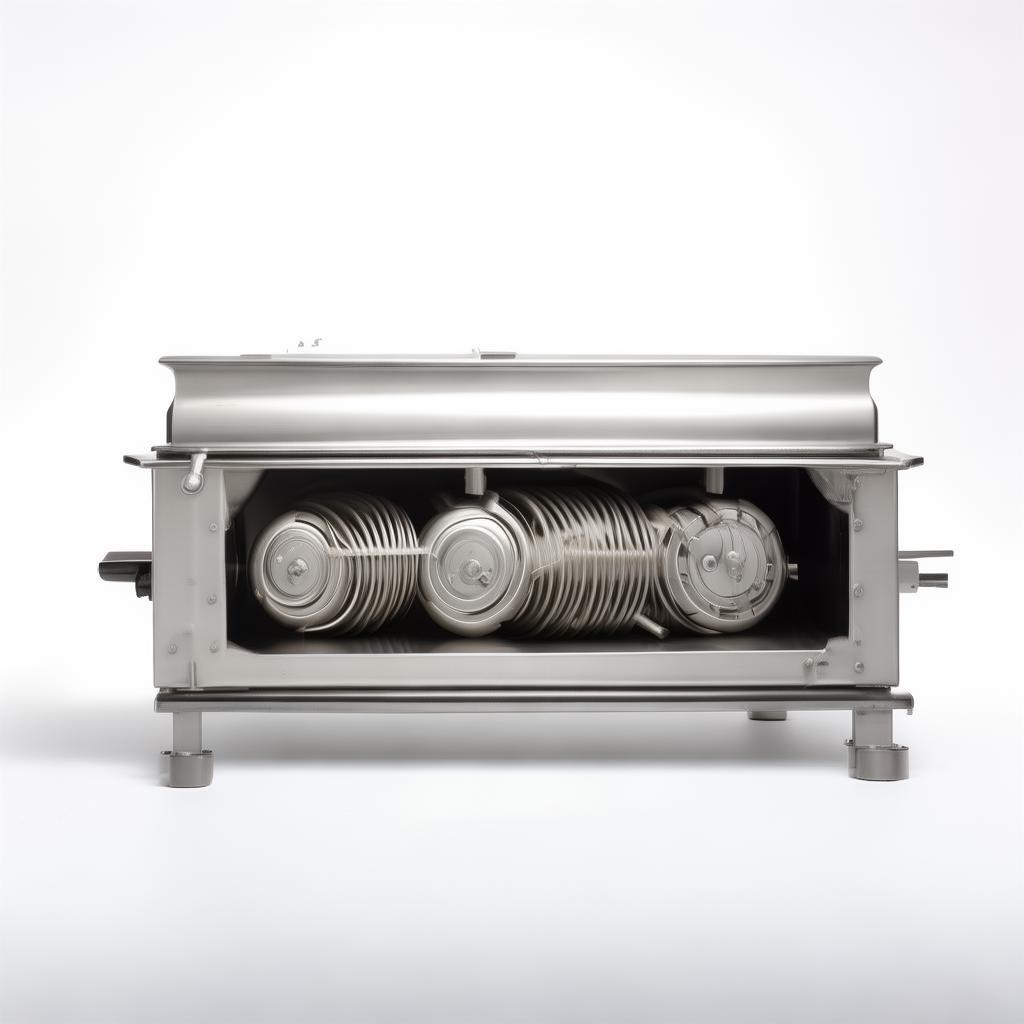
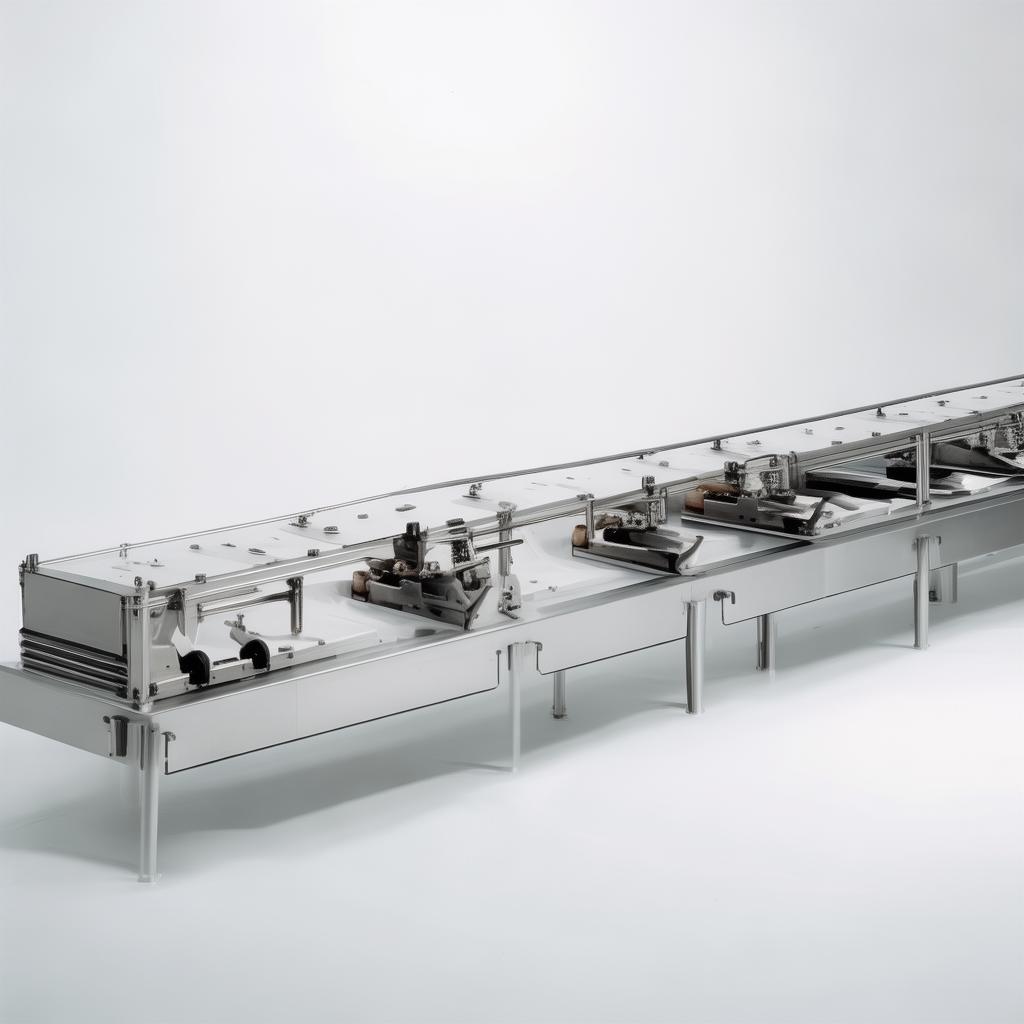
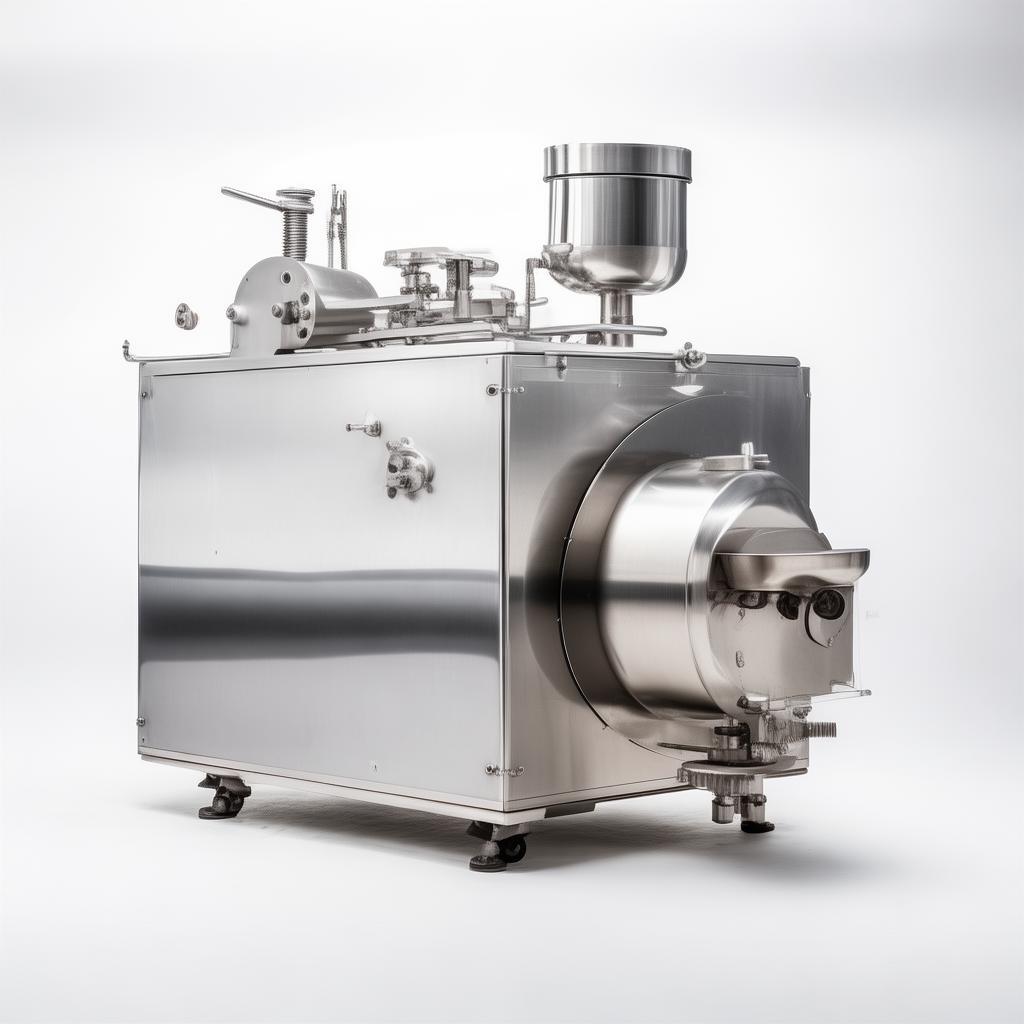
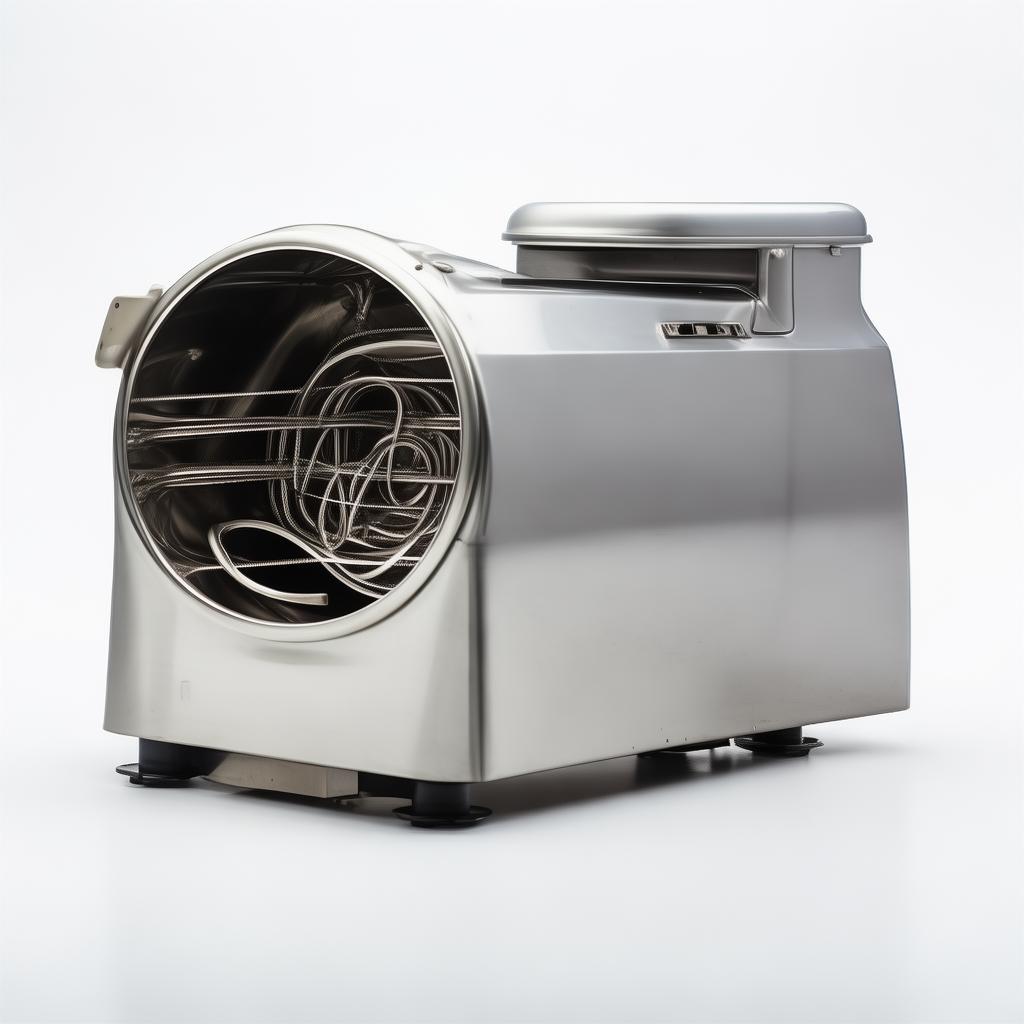
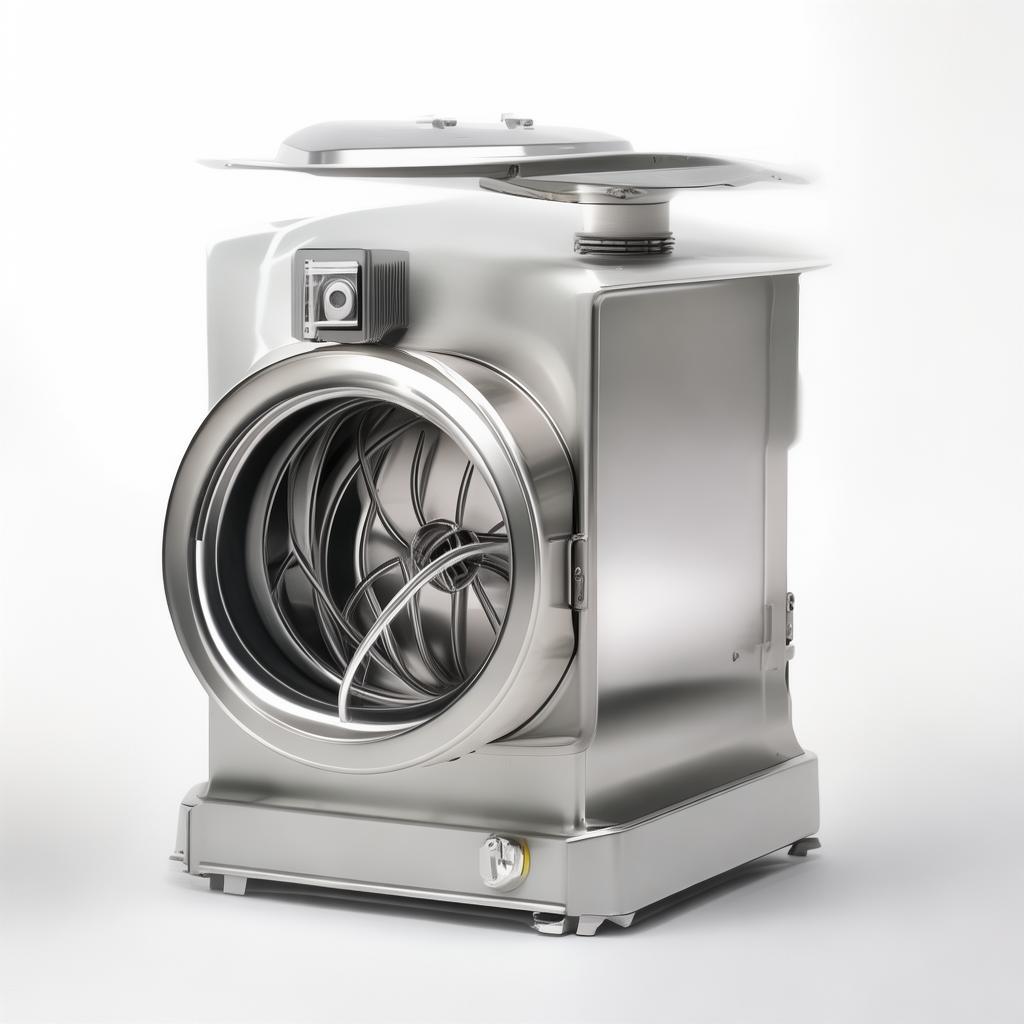
Vacuum Conveyor For Industrial Application
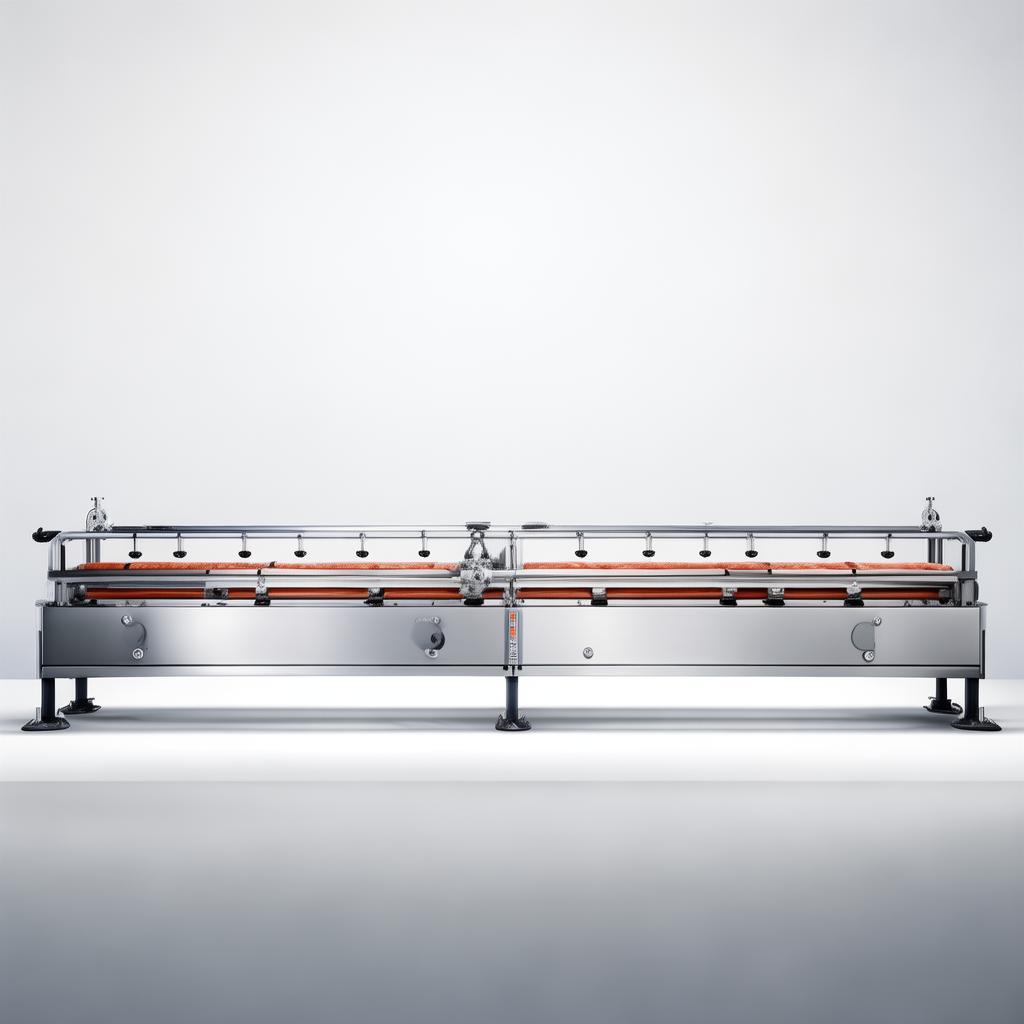
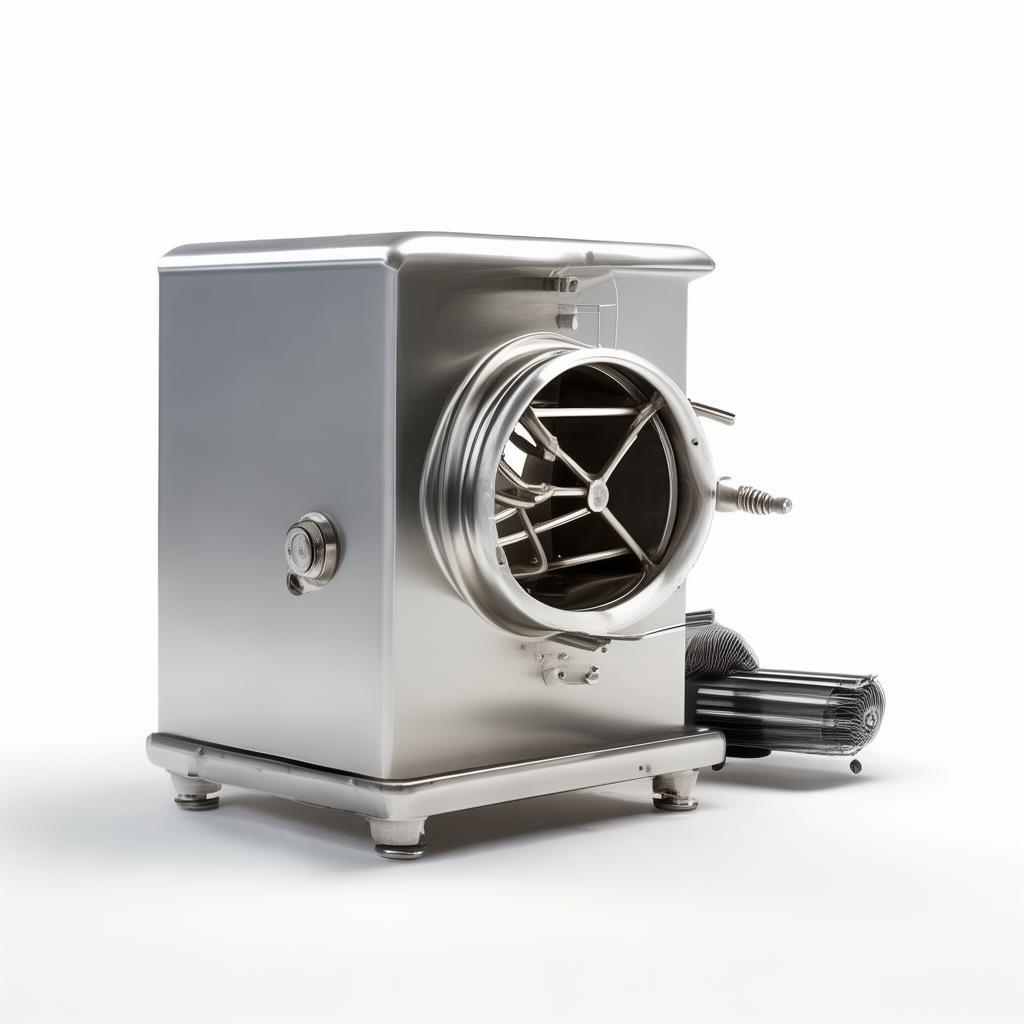
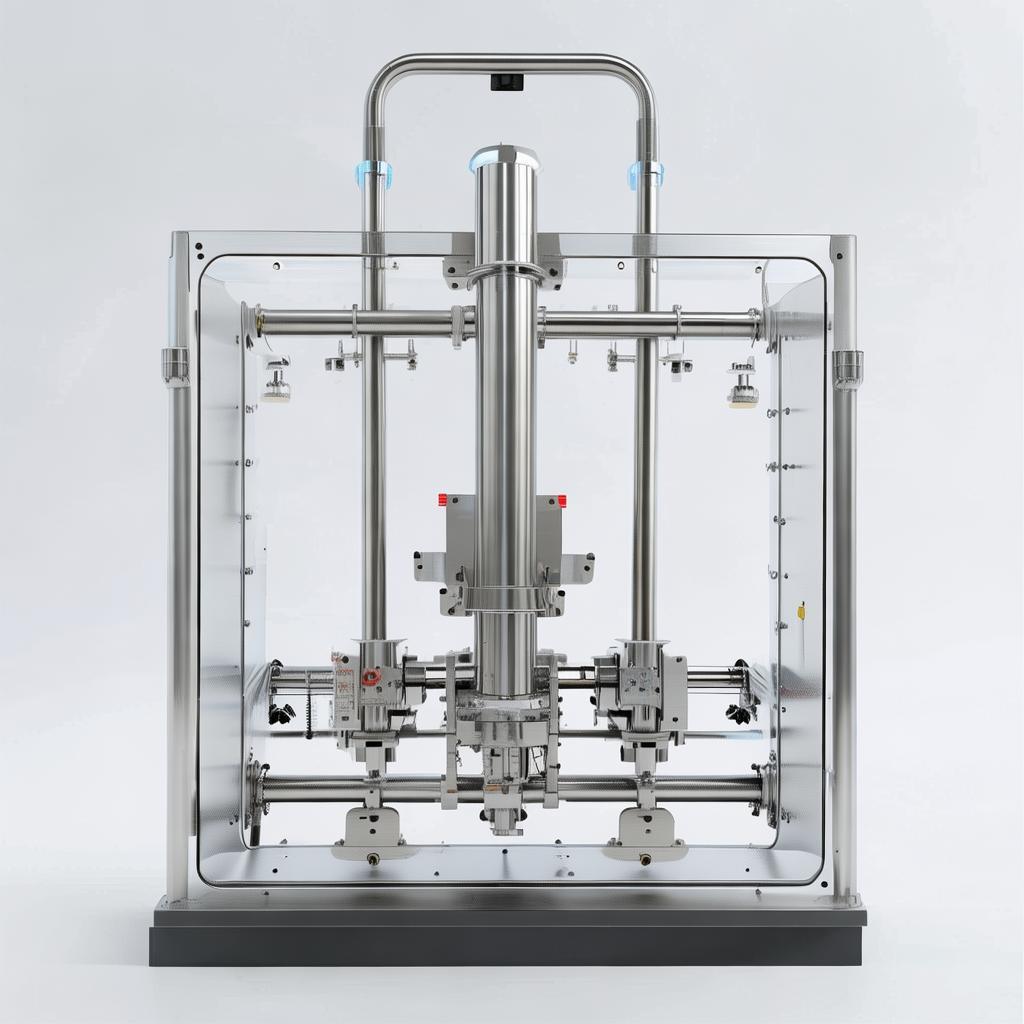
Industrial Vacuum Conveyors: Streamlining Material Handling for Peak Efficiency

Table of Contents
- Introduction: The Challenge of Material Transfer
- What Exactly is an Industrial Vacuum Conveyor?
- Why Opt for Vacuum Conveying? The Core Advantages
- Where Do Vacuum Conveyors Shine? Application Scenarios
- Technical Deep Dive: What to Look For
- Vacuum vs. Other Methods: A Practical Comparison
- Installation, Operation & Maintenance Insights
- Navigating Procurement: Key Considerations for Buyers
- Our Manufacturing Strength: Hebei Yuanchang
- What Our Clients Say
- Frequently Asked Questions
- Ready to Optimize Your Material Flow?
Introduction: The Challenge of Material Transfer in Modern Industry
In the relentless pursuit of operational efficiency and cost-effectiveness, industries worldwide grapple with a fundamental challenge: the effective, safe, and reliable transfer of bulk materials. Whether it's granular solids, powders, or even delicate food ingredients, manual handling or outdated mechanical systems often become bottlenecks, introducing risks of contamination, product degradation, increased labor costs, and compromised throughput. We've seen firsthand how inefficient transfer processes can cascade into production delays and higher operating expenses, directly impacting a company's bottom line.
The global meat processing equipment market, for instance, is a prime example of where material handling sophistication is paramount. Driven by robust demand for processed meats and convenience foods – a market projected to reach over USD 1.3 trillion by 2035 according to Precedence Research, with a CAGR of 6.03% – the need for sanitary, efficient movement of raw materials, ingredients, and finished products is critical. Similarly, broader food processing machinery markets are expanding, necessitating advanced solutions. The demand for automated, hygienic transfer systems in sectors like meat, poultry, and seafood processing is steadily increasing.
Consider the complexities involved: ensuring product integrity from intake to processing, minimizing dust generation for environmental and safety compliance, preventing cross-contamination, and adapting to varied material properties like particle size, density, and flowability. Traditional methods such as screw conveyors, belt conveyors, or even manual scooping often fall short when faced with these demands. They can be difficult to clean, prone to material degradation due to mechanical shear, create significant dust, and require substantial space and labor. This is where innovative solutions, particularly those leveraging pneumatic principles, become indispensable.
The evolution of industrial material handling has seen a significant shift towards technologies that offer greater control, containment, and versatility. This shift is not merely about replacing old machinery; it's about fundamentally re-evaluating how materials are moved to optimize every stage of the production cycle. Companies that invest in smart material transfer solutions are better positioned to meet stringent industry standards, enhance product quality, improve worker safety, and achieve a competitive edge. As the global meat processing equipment market itself expands, with various reports estimating its value to be between USD 11 billion and USD 30 billion and projected CAGRs ranging from 4.8% to 7% (Fortune Business Insights), the focus on efficient, sanitary transport systems intensifies.
At Hebei Yuanchang Food Mechanism & Technology Co., Ltd., with our 40 years of experience since 1986 in designing and manufacturing industrial equipment, we understand these challenges intimately. Our expertise spans complete production lines, and we’ve seen firsthand how the right material handling system can transform a manufacturing operation. This brings us to a technology that consistently proves its worth in demanding environments: the industrial vacuum conveyor. It’s a system designed not just to move material, but to do so intelligently, safely, and efficiently.
What Exactly is an Industrial Vacuum Conveyor?
At its core, an industrial vacuum conveyor system utilizes a vacuum generator (often a powerful blower or vacuum pump) to create a negative pressure within a closed-loop conveying line. This vacuum draws materials from a source point – such as a hopper, silo, or bagging station – through a flexible or rigid pipe network to a destination point, like a processing machine, mixer, or packaging unit. The material is transported as a dilute or dense phase stream, depending on the specific system design and material characteristics.
Think of it like a sophisticated, industrial-scale vacuum cleaner. The key difference, however, is that instead of just collecting dust, it's designed to move bulk solids reliably. The system typically comprises a vacuum source, inlet valves (which control material pickup), conveying pipes, a receiver/filter unit (where the material is separated from the air), and an outlet valve or device for controlled discharge.
The materials handled can range widely: from fine powders (like flour or spices) and granules (such as plastic pellets or coffee beans) to more abrasive materials. The system's design is crucial; it dictates whether it operates in dilute phase (high air velocity, material suspended) or dense phase (lower air velocity, material moves as plugs), which impacts efficiency, wear, and the handling of fragile materials. Understanding these nuances is vital when specifying a system for a particular application.
This method offers a stark contrast to traditional conveying systems, especially in terms of containment and cleanliness. Because the material is drawn *into* the system, rather than pushed out, there's a significantly reduced risk of dust escaping into the atmosphere. This containment is critical for health and safety, product quality (preventing contamination), and environmental protection.
Why Opt for Vacuum Conveying? The Core Advantages
The adoption of vacuum conveying systems isn't just a trend; it's a strategic decision driven by tangible operational benefits. For manufacturers and processors, especially those in demanding sectors like food, pharmaceuticals, and chemicals, the advantages are compelling:
- Enhanced Containment & Dust Control: This is perhaps the most significant benefit. The closed-loop system minimizes dust generation and escape, crucial for food safety, pharmaceutical purity, and creating a healthier, safer working environment. It also reduces material loss.
- Product Integrity: Vacuum conveying systems are generally gentle on materials. Unlike systems that rely on high-speed mechanical agitation, the vacuum draw minimizes breakage and degradation, which is especially important for fragile granules, flakes, or pellets.
- Flexibility in Routing: The pipe-based system can be routed around existing plant infrastructure, over, under, or through walls, offering remarkable design flexibility compared to fixed mechanical conveyors. This simplifies plant layout and retrofitting.
- Reduced Labor Requirements: Automation of material transfer significantly cuts down on manual labor, reducing operational costs and the risk of human error or strain.
- Sanitary Design & Easy Cleaning: Many vacuum conveyor systems are designed with food-grade stainless steel and feature smooth surfaces and easy-access components, making them straightforward to clean and maintain, which is non-negotiable in hygiene-sensitive industries.
- Versatility: They can handle a wide range of bulk materials, from fine powders to granules, and can be configured for various capacities and distances.
- Improved Workplace Safety: By containing dust and fumes, and reducing manual lifting, these systems contribute to a safer operational environment.
Considering the expansion of processed meat markets, which rely heavily on efficient ingredient and product handling, these advantages translate directly to higher quality output and more streamlined production. Reports suggest that auxiliary systems like filling and tenderizing equipment are key drivers in this sector (Fortune Business Insights), and vacuum conveyors are often the backbone of such operations.
Where Do Vacuum Conveyors Shine? Application Scenarios
The adaptability of vacuum conveyor systems means they find utility across a surprisingly broad spectrum of industrial applications. Their ability to handle diverse materials and maintain a controlled environment makes them ideal for:
Food & Beverage Processing:
Transferring powders (flour, sugar, cocoa), granules (coffee beans, cereal, pet food kibble), pasta, seeds, and even delicate items like potato chips without breakage. Essential for filling and molding processes in sausage production or for ingredients in baked goods.
Pharmaceuticals:
Handling active pharmaceutical ingredients (APIs), excipients, tablets, and capsules. The high level of containment and ease of cleaning prevents cross-contamination and meets strict GMP standards.
Chemical Industry:
Transporting powders, pellets, catalysts, and other granular chemicals where dust control and material containment are critical for safety and environmental compliance.
Plastics & Polymers:
Moving plastic pellets, powders, masterbatches, and regrind material from storage silos to extruders or molding machines, often in a closed-loop system to maintain material dryness and prevent contamination.
Minerals & Metallurgy:
Transporting fine powders, ores, metal powders, and refractory materials where dust suppression is a major concern.
Agriculture:
Handling grains, animal feed, fertilizers, and other agricultural products efficiently and with minimal loss.
The expanding global processed meat market, as noted, drives demand for equipment that supports efficient pretreatment and molding. Vacuum conveyors fit perfectly into these workflows, moving meat slurries, seasonings, or pre-mixed ingredients to filling machines or forming units. This mirrors the broader trend in the food processing equipment market, which is projected to see significant growth, with key segments including filling, massaging, and cutting machines.
Technical Deep Dive: What to Look For
Selecting the right vacuum conveyor system requires a careful assessment of several technical parameters. It's not a one-size-fits-all solution. Here are critical factors to consider:
| Parameter | Considerations for Your Application |
|---|---|
| Material Properties | Particle size, shape, density, abrasiveness, moisture content, tendency to cake or clump, fragility. These dictate conveying medium, pipe material, and system design (dilute vs. dense phase). |
| Conveying Capacity & Distance | Required throughput (kg/hr or TPH) and the total conveying distance (horizontal and vertical). This determines the necessary vacuum source power and pipe diameter. |
| Vacuum Source | Rotary vane pumps, positive displacement blowers, or liquid ring vacuum pumps. Choice depends on required vacuum level, flow rate, and energy efficiency needs. |
| Receiver/Filter Unit | Crucial for material/air separation. Consider filter media type (e.g., polyester, PTFE), filter area, cleaning mechanism (e.g., pulse jet, shaker), and ATEX compliance if handling flammable dusts. |
| System Configuration | Single-point to multi-point or multi-point to single-point. Requires appropriate valve arrangements (e.g., rotary valves, diverter valves, vacuum-rated slide gates). |
| Material of Construction | Stainless steel (e.g., 304, 316L) for food/pharma, carbon steel for general industrial. Consider specific coatings or liners for highly abrasive materials. |
| Safety Features | Dust explosion protection (ATEX certification, explosion vents, suppression systems), motor overload protection, emergency stops. |
For industries like pharmaceuticals and food processing, compliance with standards such as GMP (Good Manufacturing Practices) or FDA regulations is paramount. This influences material choices, surface finishes, and the design of the filter and discharge mechanisms. The precision required in these sectors often necessitates high-quality component manufacturing, something our advanced Japanese CNC machining centers enable us to deliver.
It's worth noting that the broader food processing equipment market, which includes these transfer systems, is showing strong growth. The global market size was estimated at USD 11.28 billion in 2024 and is projected to reach USD 15.04 billion by 2030, according to Grand View Research. This growth underscores the increasing reliance on advanced material handling solutions.
Vacuum vs. Other Methods: A Practical Comparison
To fully appreciate the value of vacuum conveyors, it's helpful to compare them against common alternatives. Each method has its place, but vacuum systems often excel where containment, flexibility, and gentle handling are critical.
| Method | Pros | Cons | Best For |
|---|---|---|---|
| Vacuum Conveyor | Excellent containment, dust-free operation, flexible routing, gentle on product, automated. | Higher initial cost, requires energy for vacuum generation, can be limited by distance/elevation for very dense materials. | Fine powders, granules, fragile materials, high-hygiene environments, long/complex routes. |
| Screw Conveyor | Simple, robust, cost-effective for short distances, can handle sticky materials. | Open system (dust issues), potential for product degradation, limited routing flexibility, difficult to clean. | Bulk, less sensitive materials over short, straight runs where dust isn't a primary concern. |
| Belt Conveyor | High capacity, handles large volumes, relatively simple maintenance. | Open system, product loss/contamination risk, not suitable for fine powders, fixed routes, can damage fragile items. | Larger bulk items, continuous flow over long, straight paths (e.g., mining, warehousing). |
| Pneumatic Dense Phase | Handles abrasive/fragile materials, low velocity reduces wear, efficient for long distances. | Requires higher pressure, more complex system design, can be slower throughput than dilute phase. | Abrasive, fragile, or cohesive materials over long distances where product integrity is key. |
vacuum conveyor system vacuum conveyor manufacturers vacuum conveyor belt
When making this decision, consider the total cost of ownership, not just the initial capital expenditure. Factors like energy consumption, maintenance, downtime, product loss, and safety compliance can significantly shift the economic balance in favor of a vacuum system over time, particularly in demanding applications.
Installation, Operation & Maintenance Insights
Proper installation and a proactive maintenance schedule are key to maximizing the lifespan and efficiency of any vacuum conveying system. While relatively straightforward, these aspects require attention to detail.
Installation Considerations:
- Site Preparation: Ensure a stable, level base for the receiver unit and vacuum source. Adequate space for access and ventilation is crucial.
- Pipe Routing: Minimize sharp bends where possible to reduce pressure drop and wear. Ensure all pipe connections are sealed to maintain vacuum integrity. Support pipes adequately to prevent sagging.
- Electrical Connections: Follow local electrical codes strictly. Ensure proper grounding and use appropriately rated components, especially if in a hazardous area (ATEX).
- Commissioning: Thoroughly test the system with the actual product before full operation. Verify vacuum levels, flow rates, and material discharge. Calibrate sensors and control systems.
Operation & Maintenance:
- Regular Inspections: Daily checks of seals, pipe integrity, and the vacuum source are recommended. Listen for unusual noises.
- Filter Maintenance: This is critical. Filters need regular cleaning (if applicable) and timely replacement. Clogged filters drastically reduce efficiency and can strain the vacuum source. Document filter service life.
- Lubrication: Follow manufacturer recommendations for lubricating vacuum pumps or blowers.
- Wear Parts: Keep an eye on wear in high-abrasion areas like bends and inlet valves. Have spares on hand for critical components.
- Cleaning Procedures: For hygiene-sensitive applications, establish and follow rigorous cleaning protocols between batches or product runs.
Investing in a well-designed system from an experienced manufacturer like Hebei Yuanchang means you also benefit from readily available spare parts and technical support, ensuring minimal downtime. Our in-house machining capabilities allow us to produce high-precision parts, supporting our traceable after-sales management system for worry-free service.
Navigating Procurement: Key Considerations for Buyers
Procuring an industrial vacuum conveyor is a significant investment. To ensure you select the right solution and supplier, consider these points:
1. Define Your Needs Clearly:
Have detailed information on the materials to be conveyed, capacity requirements, conveying distances, plant layout constraints, and any specific hygiene or safety certifications needed. Don't underestimate the importance of material testing if you have unique or challenging products.
2. Supplier Experience & Reputation:
Look for manufacturers with a proven track record in your specific industry. Do they understand the nuances of food grade, pharmaceutical, or chemical applications? Check for case studies, client testimonials, and their commitment to quality standards (e.g., ISO). Our 40 years of experience since 1986 at Hebei Yuanchang speaks to our deep understanding of industrial mechanics and material handling.
3. Technical Support & After-Sales Service:
What level of technical support is offered during selection, installation, and commissioning? How readily available are spare parts? A traceable after-sales management system, like ours, ensures continued support and minimizes operational disruptions.
4. OEM/ODM Capabilities:
If you have unique requirements, investigate the manufacturer's ability to provide custom solutions (OEM/ODM). Can they modify standard designs or engineer entirely new systems to fit your precise needs? Our advanced machining facilities allow us to handle complex, non-standard specifications.
5. Total Cost of Ownership:
Look beyond the sticker price. Factor in energy consumption, maintenance costs, expected lifespan, and the potential savings from increased efficiency, reduced waste, and improved safety.
Remember that reliable material handling is foundational to efficient production. The global market for processing equipment, including conveyors, is robust, indicating a strong demand for sophisticated solutions that drive productivity and quality.
Our Manufacturing Strength: Hebei Yuanchang
At Hebei Yuanchang Food Mechanism & Technology Co., Ltd., we bring over four decades of dedicated experience to the table. Since our founding in 1986, we have focused on building robust, reliable industrial machinery. Our facility spans approximately 14,000 square meters and is powered by a team of 80-100 skilled professionals who integrate R&D, production, and sales.
Our in-house machining workshop is the backbone of our quality commitment. It's equipped with over 20 sets of advanced processing machinery, including precision lathes, milling machines, high-precision grinding machines, boring machines, plate shears, bending machines, and wire cutting equipment. This comprehensive setup allows us to control the quality and precision of every component.
A significant milestone in our capabilities was the introduction of 8 sets of Japanese Mazak CNC machining centers in 2012. This investment allows us to undertake the production of high-standard components that demand large volumes, exceptional precision, and non-standard specifications. Coupled with our traceable after-sales management system, this ensures we can independently produce high-precision parts, offering you peace of mind regarding long-term support and serviceability.

While our roots are in meat processing equipment, our engineering expertise and precision manufacturing capabilities are transferable and form the foundation for producing high-quality vacuum conveyor systems tailored to various industrial needs.
What Our Clients Say
"We were struggling with dust control in our bakery ingredient handling. The vacuum conveyor system from Hebei Yuanchang has been a game-changer. Installation was smooth, and the system has significantly improved our workplace air quality and reduced material loss. Easy to clean too, which is vital for us."
 Sarah Chen, Operations Manager
Artisan Breads Inc. (USA)
"As a plastics manufacturer, maintaining material purity is non-negotiable. The vacuum conveyor system we purchased for our pellet transfer operates flawlessly. It’s durable, efficient, and the precision of the components is evident. Their support team was very helpful during the selection process."
 David Rodriguez, Procurement Director
PolyTech Solutions (Canada)
"We needed a flexible system to move various powders for our chemical blends. The custom-engineered solution from Hebei Yuanchang exceeded expectations. The team understood our unique challenges and delivered a system that integrated seamlessly into our existing line. Minimal downtime during startup."
 Mark Jenkins, Plant Manager
ChemBlend Corp. (UK)
Frequently Asked Questions
Q1: Can vacuum conveyors handle very fine powders without clogging the filters?
A1: Yes, but it requires careful system design. The key is selecting the right filter media, filter area, and a robust filter cleaning mechanism (like pulse-jet or shaker systems) designed for fine dusts. The conveying mode (dilute vs. dense phase) also plays a role. We assess your specific powder properties to ensure optimal filter performance.
Q2: What is the typical lifespan of a vacuum conveyor system?
A2: A well-maintained system can last 10-20 years or even longer. Key factors include the materials of construction, the abrasiveness of the product being conveyed, the operating hours, and the quality of the maintenance program. Regular filter changes and inspections of wear parts are crucial.
Q3: Are these systems suitable for explosive or flammable materials?
A3: Yes, with proper design and certification. Systems can be built to ATEX or equivalent standards, incorporating features like explosion-proof motors, grounding, inert gas purging, explosion venting, or suppression systems. It's vital to declare any hazardous material risks upfront.
Q4: How does the "Fit For Now (2026)" concept apply to your vacuum conveyors?
A4: "Fit For Now" emphasizes designing systems that are not only immediately effective but also adaptable to future operational needs and evolving industry standards. Our conveyors are built with modularity in mind, allowing for easier upgrades, integration with new automation systems, and compliance with future hygiene and safety regulations. We engineer for longevity and adaptability, ensuring your investment remains relevant.
Ready to Optimize Your Material Flow?
Discover how a precision-engineered vacuum conveyor system from Hebei Yuanchang can enhance your operational efficiency, product quality, and workplace safety.
Call us: +86 15830991513 | Email: ycmeatmech@gmail.com
Hebei Yuanchang Food Mechanism & Technology Co., Ltd. - Shijiazhuang, Hebei Province, China