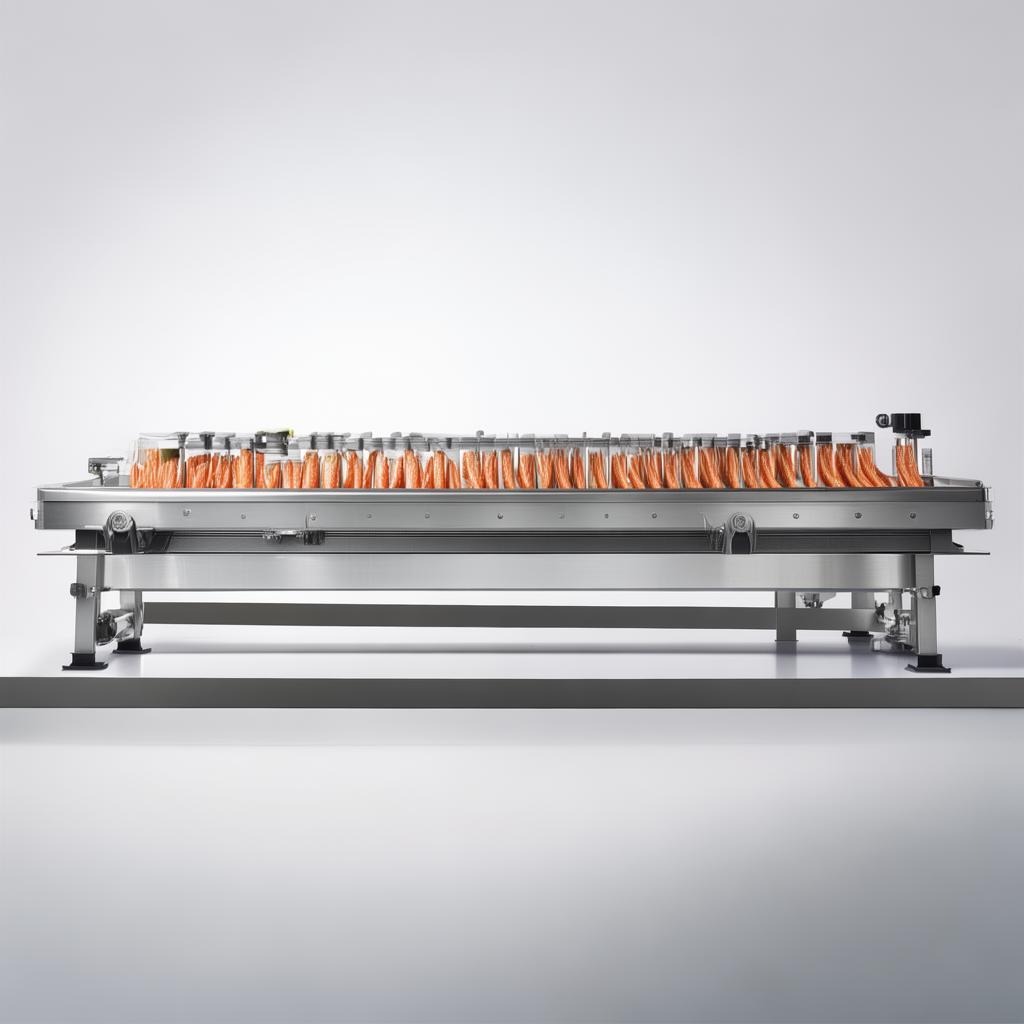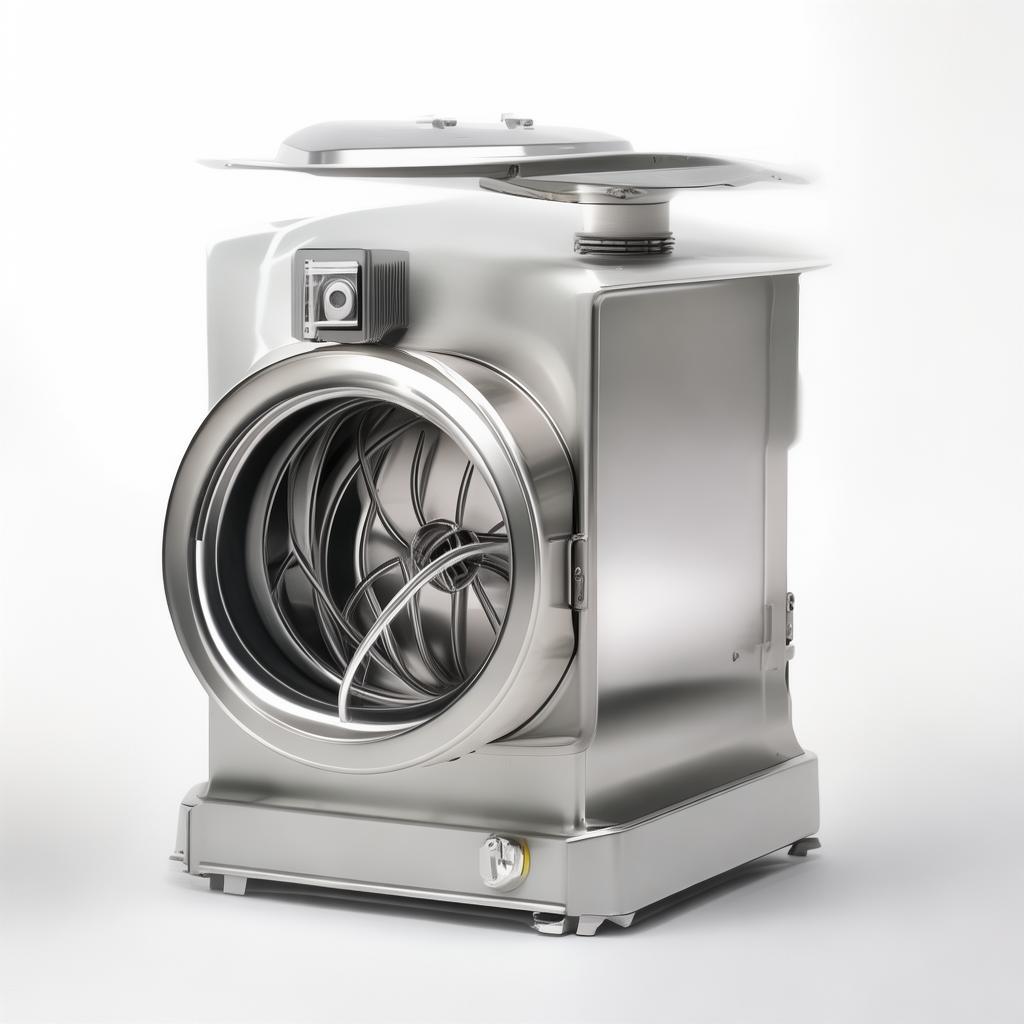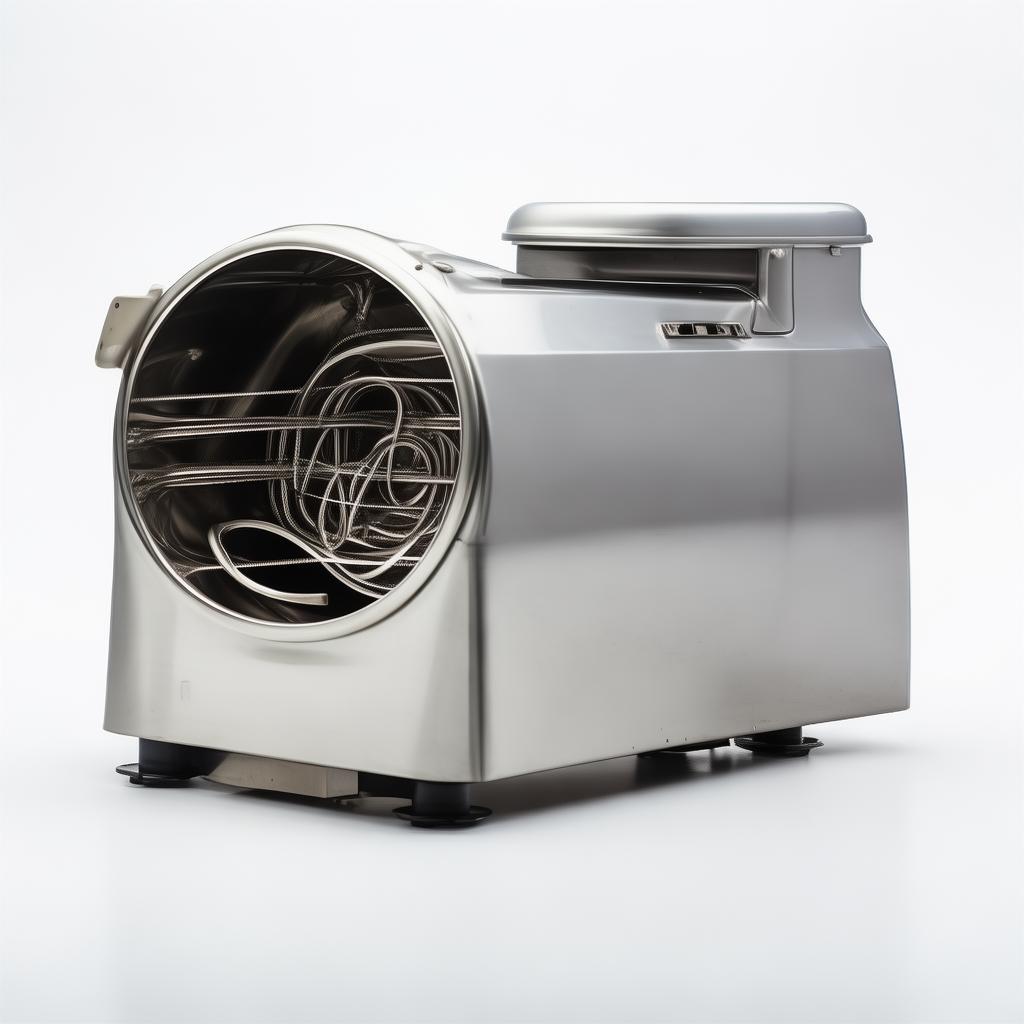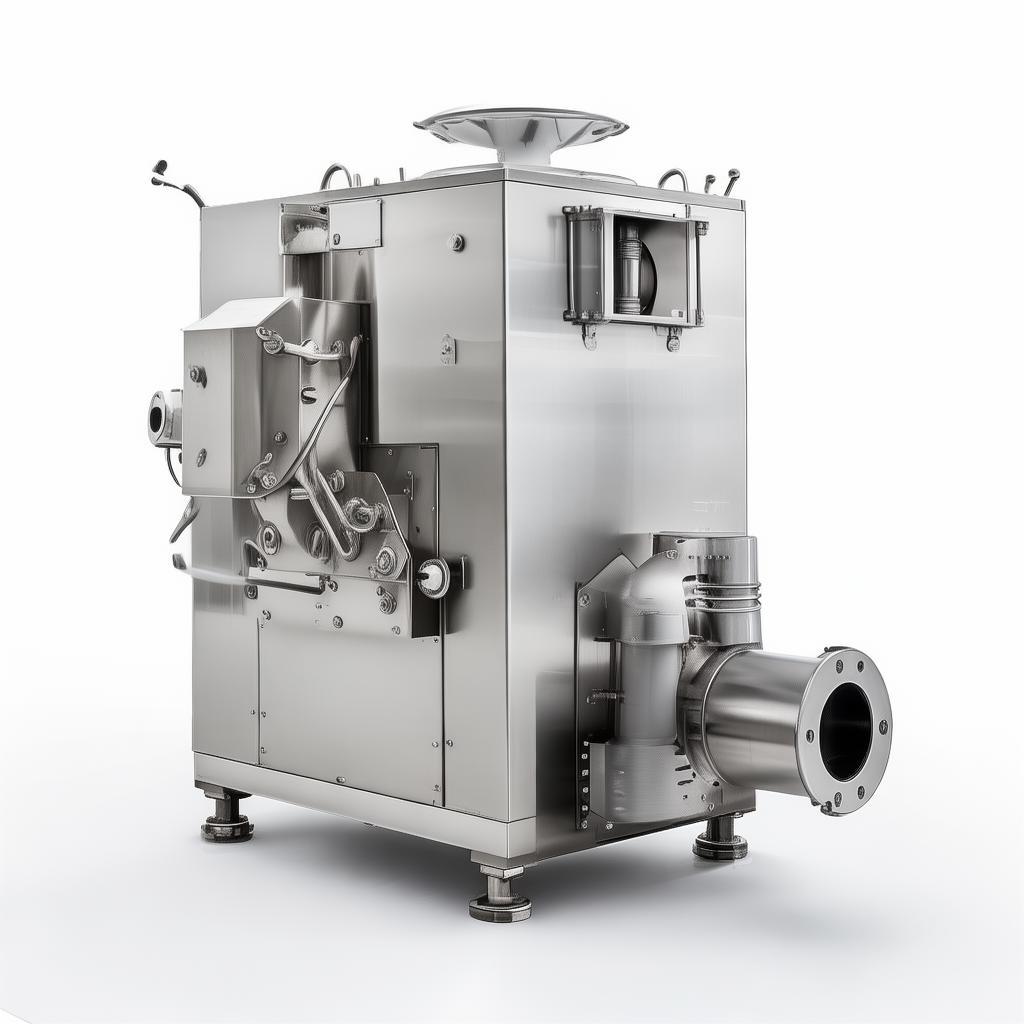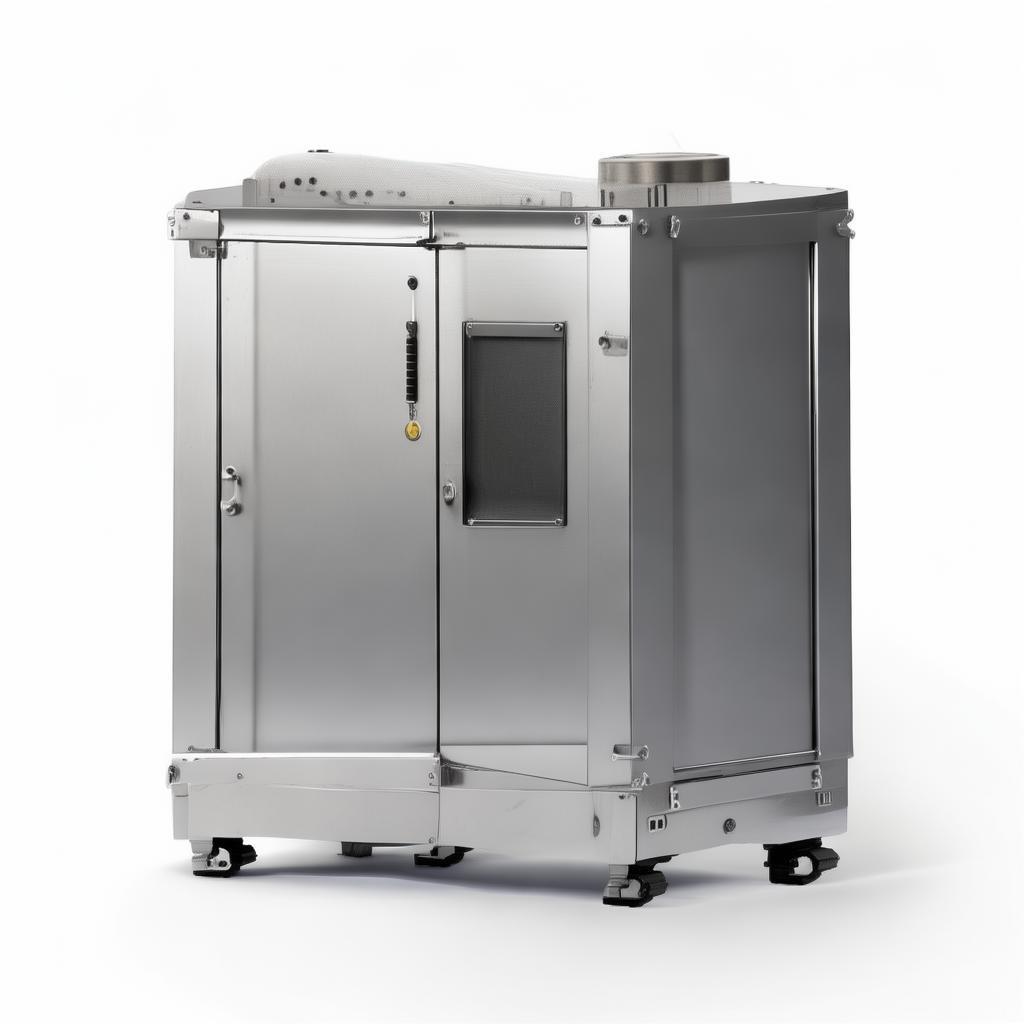
Vacuum Conveyor Belt
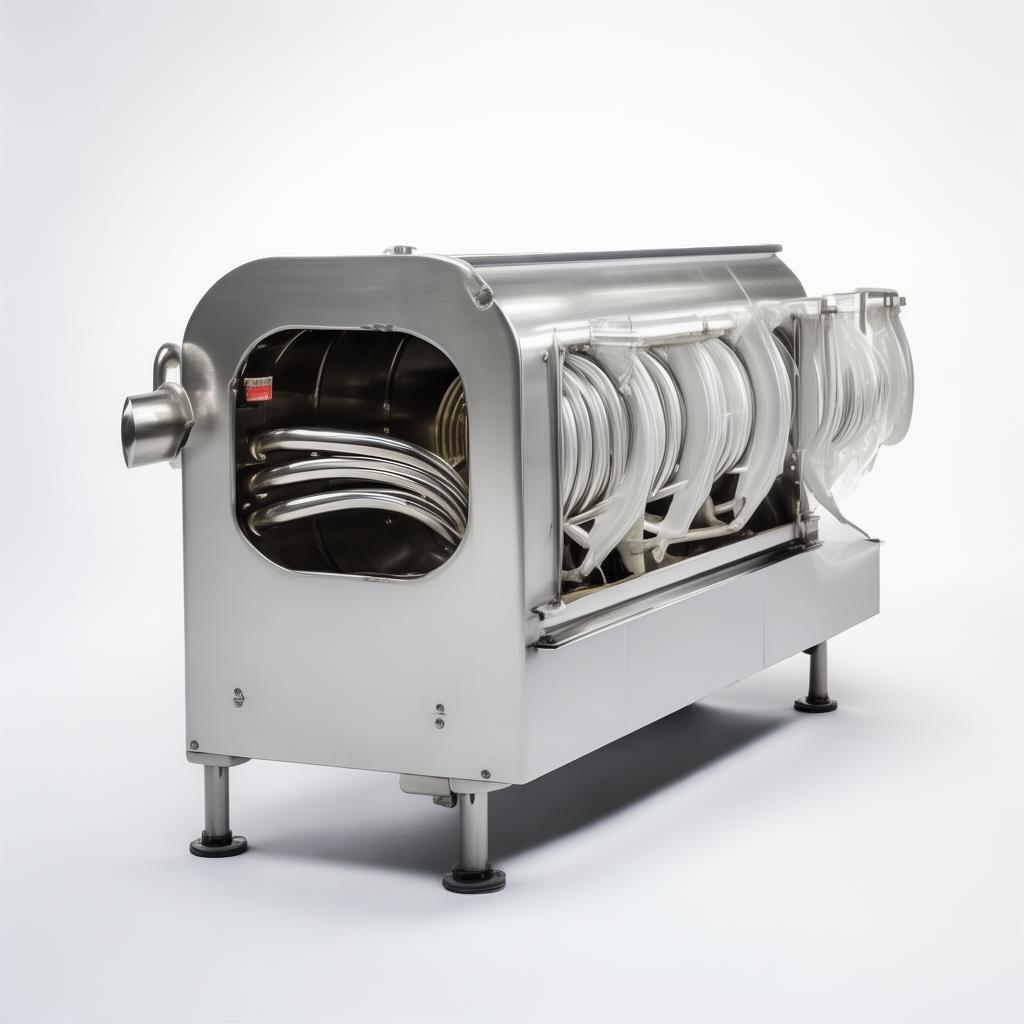
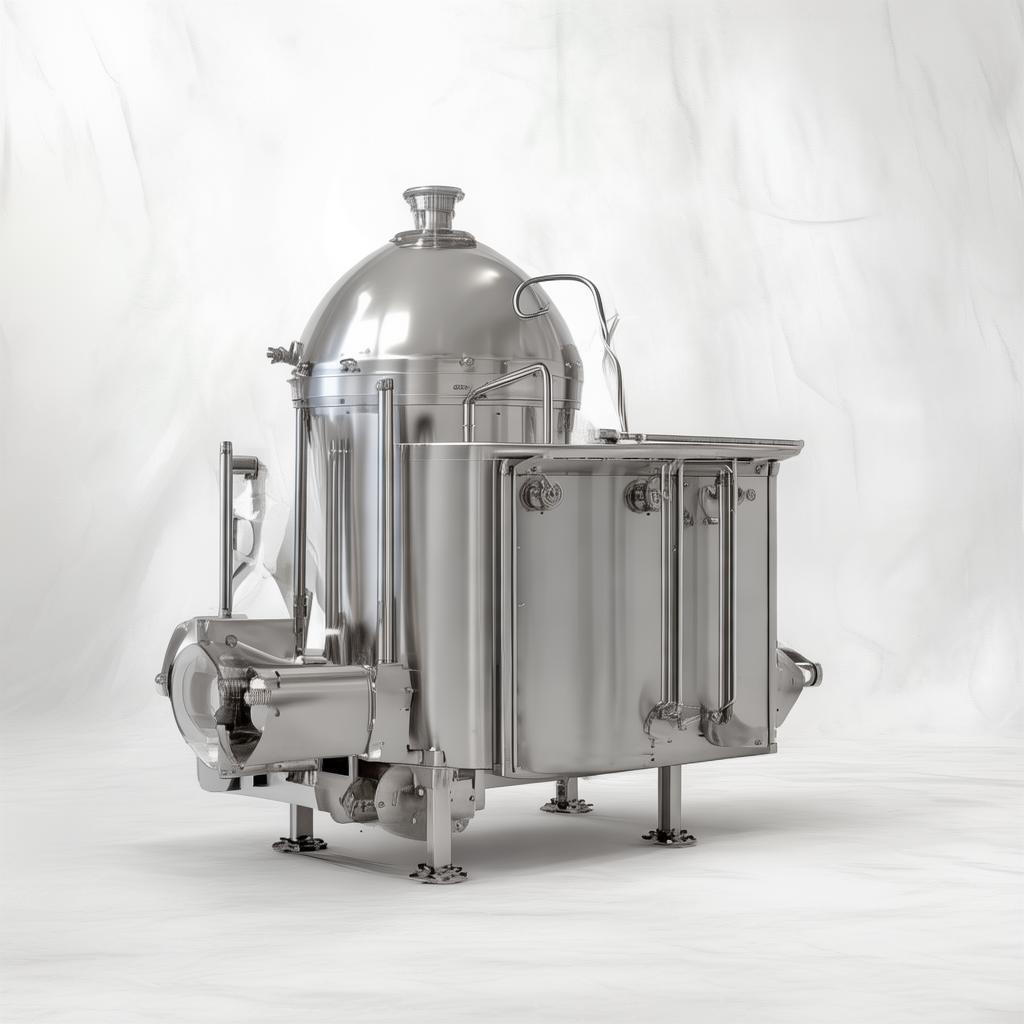
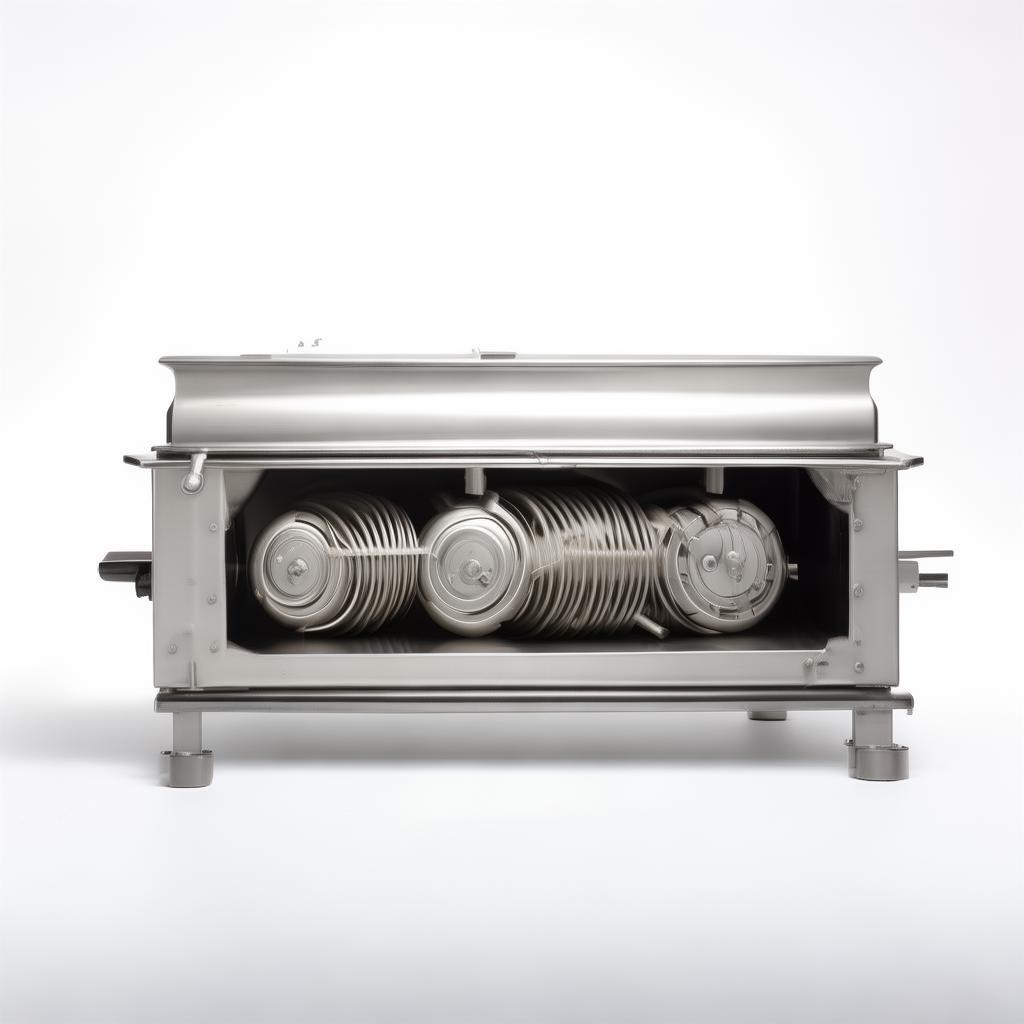
Vacuum Conveyor Belts: Precision, Efficiency, and Reliability for Industrial Transport
Engineered for demanding environments and critical material handling needs.
By Hebei Yuanchang Food Mechanism & Technology Co., Ltd.
Understanding Your Material Handling Challenges
In industrial operations, particularly within sectors like food processing, pharmaceuticals, chemicals, and bulk material handling, the reliable and efficient transport of sensitive or difficult-to-handle materials is paramount. Traditional conveying systems often fall short when dealing with fine powders, granular substances, sticky or fragile products, or in environments where dust containment and hygiene are critical concerns. The risk of material degradation, cross-contamination, product loss, and even safety hazards can significantly impact operational efficiency and profitability.
Consider the intricacies of transporting bulk ingredients in a high-volume food manufacturing plant. Materials like flour, sugar, spices, or even delicate grains require gentle handling to maintain their integrity and prevent wastage. Dust generation is a major issue, not only for hygiene and potential explosion risks in certain industries but also for worker health and environmental compliance. Then there's the challenge of ensuring that materials move precisely from one process stage to another, without spillage or contamination from the external environment. This is where the sophisticated design and operational principles of vacuum conveyor belts become indispensable.
For years, manufacturers have relied on various methods, from manual labor and screw conveyors to basic belt systems. However, these often present limitations. Manual handling is labor-intensive, inconsistent, and carries ergonomic risks. Screw conveyors can cause shear damage to certain products and are difficult to clean thoroughly. Open belt systems are prone to dust leakage, spillage, and external contamination. In industries with strict regulatory requirements, such as food or pharmaceuticals, meeting hygiene standards with these older methods can be a constant battle, leading to increased cleaning downtime and higher operational costs.
The global demand for processed foods, driven by convenience and changing consumer lifestyles, has significantly impacted the food processing equipment market. Reports indicate this market was valued at over USD 11 billion in 2025 and is projected to exceed USD 17 billion by 2034, with a CAGR of around 5%. This growth necessitates advanced, efficient, and hygienic processing solutions. Similarly, the pharmaceutical and chemical industries face stringent purity and containment standards. The integration of robust material handling systems is a cornerstone of modern production lines.
This is where the precision and containment offered by vacuum conveyor belts shine. Unlike pneumatic systems that rely on high-pressure air streams, vacuum conveyors utilize a gentle vacuum to draw materials through a closed-loop system. This principle ensures that materials are moved efficiently and, more importantly, safely. It minimizes dust dispersion, prevents product degradation through gentle suction, and significantly reduces the risk of contamination. The enclosed nature of the system makes it ideal for hazardous materials, sensitive ingredients, and environments where cleanliness is non-negotiable.
Our expertise at Hebei Yuanchang Food Mechanism & Technology Co., Ltd., honed over 40 years since 1986, allows us to understand these intricate demands deeply. While our primary focus has been on meat processing equipment, the underlying principles of precision engineering, material handling, and robust design are transferable. We recognize that even within specialized sectors like meat processing—where equipment for pretreatment, filling, molding, and ripening, such as massaging machines, are critical—the broader challenges of bulk material transfer often intersect. For instance, moving ingredients into stuffing machines or conveying processed meat products between stages requires systems that are both efficient and hygienic. This is why we've extended our engineering acumen to provide solutions like advanced vacuum conveyor belts, designed to integrate seamlessly into complex production workflows.
The selection of the right conveyor system is not a trivial decision. It impacts throughput, product quality, operational costs, regulatory compliance, and overall plant safety. A poorly chosen system can lead to costly downtime, product rejections, and even pose risks to personnel and the environment. Therefore, understanding the specific properties of the material being conveyed—its flowability, abrasiveness, density, friability, and any hazardous characteristics—is the first step.
Vacuum conveyor belts offer a compelling solution by addressing many of these inherent challenges. They provide a controlled, enclosed transfer, moving materials from one point to another with minimal degradation and maximum containment. This makes them particularly suitable for delicate bulk ingredients that need to be transferred without damage, or for fine powders that would otherwise create significant dust hazards. Our commitment to quality manufacturing, backed by our in-house machining capabilities—including over 20 sets of processing machinery and advanced Japanese Mazak CNC centers since 2012—ensures that we can deliver components with the precision required for these demanding applications. We understand that in international trade, reliability and consistent performance are non-negotiable.
This page delves into the technical merits, operational advantages, and diverse applications of vacuum conveyor belts. We aim to provide procurement managers, operations directors, and technical engineers with the comprehensive information needed to assess how this technology can optimize their material handling processes. We'll cover everything from the core operating principles to installation nuances and how to select a system that truly fits your operational 'now' and for the future.
The global meat processing equipment market itself is substantial, with projections suggesting it could reach upwards of USD 30 billion by 2035. Within this, systems that ensure hygienic and efficient transfer of ingredients and products are vital. Vacuum conveyors, by their nature, fit perfectly into such demanding workflows.
The Operational Advantages of Vacuum Conveyor Belts
When evaluating material handling solutions, operational efficiency, safety, and maintenance are key factors. Vacuum conveyor belts are engineered to excel in these areas, offering tangible benefits that translate directly to your bottom line.
- Superior Dust Containment: The enclosed nature of vacuum conveying systems is perhaps their most significant advantage. By operating under a negative pressure, any dust generated during transfer is contained within the system, preventing it from escaping into the work environment. This is critical for compliance with health and safety regulations (e.g., OSHA standards for dust exposure), minimizing housekeeping burdens, and preventing cross-contamination between products. This aligns with the growing emphasis on hygiene in industries like pharmaceuticals and food processing, where strict adherence to standards like GMP (Good Manufacturing Practice) is essential.
- Gentle Material Handling: Unlike high-velocity pneumatic conveying systems that can cause attrition and degradation of fragile materials, vacuum conveyors employ a gentler suction. This makes them ideal for conveying delicate ingredients such as grains, powders, or even finished products that need to maintain their physical integrity. Think about transferring cereal flakes, dried fruit, or specialty coffee beans – these items require handling that preserves their form and texture.
- Reduced Product Loss & Spillage: The closed-loop design inherently minimizes spillage. Materials are drawn directly from the source (e.g., a hopper, mixer, or bagging station) and delivered precisely to the destination. This significantly reduces material waste, which is a direct cost saving, especially for expensive or high-volume commodities. It also means cleaner processing areas and less frequent downtime for cleanup.
- Versatile Application Range: Vacuum conveyors can handle a wide array of materials – from fine powders and granules to sticky or free-flowing solids. They are adaptable to various processing stages, including loading mixers, feeding filling machines, emptying bags or drums, and transferring products between different levels or areas within a facility. This adaptability makes them a versatile choice for many manufacturing lines.
- Simplified Installation and Maintenance: Compared to complex pneumatic systems or extensive mechanical conveyor setups, vacuum conveyors often feature a more straightforward design. Their flexible hoses or rigid piping can be routed through tight spaces or around existing equipment with relative ease. Maintenance typically involves periodic checks of filters, seals, and the vacuum source, which are generally less labor-intensive than maintaining intricate mechanical parts. Our 40 years of experience in designing complex machinery has instilled in us a deep understanding of what constitutes robust and maintainable equipment.
- Improved Workplace Safety: By containing dust and potentially hazardous materials, vacuum conveyors contribute to a safer working environment. They also reduce the need for manual handling, thereby mitigating risks associated with lifting and repetitive motion injuries. This is a key consideration for operations aiming to improve their EHS (Environment, Health, and Safety) performance.
Choosing a vacuum conveyor means investing in a system that prioritizes product integrity, operational hygiene, and worker safety, all while streamlining material flow.
Technical Specifications & Configuration Options
The effectiveness of a vacuum conveyor system hinges on its design and configuration, tailored to the specific materials and operational demands. At Hebei Yuanchang, we leverage our extensive manufacturing experience to offer robust solutions.
Our vacuum conveyor belts are constructed using high-quality materials to ensure durability and compliance with industry standards. Key components typically include:
- Conveying Tubing: Available in various materials such as stainless steel (AISI 304, 316L for food-grade or corrosive environments), PVC, or specialized polymers, depending on the application's chemical compatibility and abrasion resistance needs. Diameters can range from 2 inches (approx. 50mm) up to 12 inches (approx. 300mm) or more for high-capacity systems.
- Flexible Hoses: For areas requiring flexibility or connecting to mobile equipment, durable hoses with internal reinforcement (e.g., wire helix) are utilized. These are designed for high flex life and resistance to kinking.
-
Vacuum Generator: This is the heart of the system. Options include:
- Regenerative Blower: Common for general-purpose applications, offering a good balance of vacuum level and airflow.
- Rotary Vane Vacuum Pump: Provides deeper vacuum levels for more demanding applications or finer powders.
- Liquid Ring Vacuum Pump: Suitable for systems with high moisture content or where explosion-proof requirements are stringent.
- Filtration System: Crucial for protecting the vacuum generator and ensuring clean discharge. This often includes primary cyclonic separation and secondary fine-particle filters (e.g., cartridge filters, bag filters) with filter ratings down to 1 micron or finer. Material choices for filters, such as polyester or PTFE, depend on the product properties and temperature requirements. Compliance with FDA or ATEX standards may necessitate specific filter materials and designs.
- Intake Hopper/Station: The point where materials are introduced. This can range from simple manual loading points to integrated stations for emptying bags, drums, or from upstream process equipment like dryers or mixers. For food or pharmaceutical applications, designs often incorporate hygienic features like sanitary fittings and easy-clean surfaces.
- Control Panel: Featuring automation for cyclic operation (loading/emptying), monitoring of vacuum levels, filter cleaning cycles (e.g., reverse pulse jet), and integration with plant-wide SCADA systems.
We understand that "off-the-shelf" rarely fits perfectly. Our engineering team excels at customizing solutions. This includes determining the optimal tubing diameter, bend radii, vacuum level, filtration efficiency, and control logic based on material characteristics like bulk density, particle size distribution, moisture content, and flow properties. For instance, conveying fine, sticky powders might require specialized internal tube coatings and optimized filter cleaning cycles to prevent blinding.
Typical Specification Range:
| Parameter | Typical Range | Notes |
|---|---|---|
| Conveying Capacity | 0.5 - 20+ Tons/Hour | Varies significantly with material density and system configuration. |
| Vacuum Level | -0.4 to -0.9 Bar (G) | Deeper vacuum for finer powders, higher lifts, or longer distances. |
| Transfer Distance | Up to 100+ Meters | Can be extended with booster pumps or multiple stages. |
| Tubing Diameter | 50mm (2") to 300mm (12") | Selected based on material particle size and flow rate. |
| Material Compatibility | Powders, Granules, Pellets, Flakes | Suitable for food, pharma, chemical, plastics, minerals, and more. |
| Operating Temperature | -20°C to +150°C (Standard) | Higher temperature options available with specialized components. |
| Power Requirement | 2.2 kW - 30+ kW | Depends on vacuum generator size and system capacity. |
| Certifications | CE, ATEX (Optional) | FDA-compliant materials for food/pharma standard. |
vacuum conveyor system vacuum conveyor for industrial application vacuum conveyor manufacturers
We encourage you to discuss your specific material properties and process requirements with our technical team. Accurate data on bulk density, particle size, flowability, and temperature is crucial for a precise system design.
Applications Across Industries
The versatility of vacuum conveyor belts makes them a valuable asset in a wide range of industrial sectors, addressing specific material handling challenges that other systems struggle with. Our 40 years of manufacturing experience, even in specialized fields like meat processing equipment (e.g., filling, molding, ripening), has shown us the common need for reliable material transfer.
Food & Beverage Processing
Transferring flour, sugar, salt, spices, grains, coffee beans, cocoa powder, dried fruits, milk powder, and even delicate snacks. Essential for loading mixers, filling machines, extruders, and packaging lines while maintaining hygiene and preventing dust explosion risks. Think about supplying raw materials to sausage stuffers or transferring cooked products for further processing – containment is key.

Pharmaceuticals & Nutraceuticals
Conveying active pharmaceutical ingredients (APIs), excipients, powders, and granules in a highly controlled, sterile environment. Critical for preventing cross-contamination and ensuring operator safety, adhering to strict GMP, FDA, and cleanroom standards. Our precision machining capabilities ensure components meet these high demands.

Chemical & Plastics Industry
Handling plastic pellets, masterbatches, powders, pigments, and various chemical compounds. Excellent for charging extruders, molding machines, and reactors, especially when dealing with materials that are dusty, hazardous, or sensitive to moisture. ATEX-certified systems are available for explosive environments.

Minerals & Construction
Transporting fine powders like cement, lime, gypsum, clay, and other bulk materials for processing, mixing, or packaging. Reduces dust exposure on construction sites or in processing plants.

Procurement & Supplier Selection: What to Consider
When sourcing vacuum conveyor belts for your international operations, selecting the right supplier is as critical as selecting the right equipment. With over 40 years in manufacturing, we understand the nuances of B2B procurement and the importance of reliable partnerships.
Here are key points to evaluate:
- Engineering Expertise & Customization: Does the supplier have a proven track record of designing tailored solutions? Can they adapt standard designs to meet your specific material properties, plant layout, and regulatory requirements (e.g., FDA, ATEX)? Our in-house engineering and advanced CNC machining allow for precise customization.
- Manufacturing Capabilities: Assess their production facilities, quality control processes, and commitment to using high-grade materials. A supplier with strong internal manufacturing, like our facility equipped with over 20 processing machines and Japanese CNC centers, can ensure component quality and control lead times.
- Material Handling Experience: Look for suppliers with deep knowledge of various materials and their conveyance challenges. Experience in related fields, like our 40 years in food processing equipment, provides valuable insights into the complexities of material flow, hygiene, and efficiency.
- After-Sales Support & Service: International trade means considering long-term support. How responsive are they for spare parts, technical assistance, or troubleshooting? A traceable after-sales management system, as we maintain, is crucial for ensuring client confidence.
- Certifications & Compliance: Ensure they can provide equipment compliant with relevant international standards (e.g., CE, ISO). For specific industries, material compliance (e.g., FDA-approved for food contact) is non-negotiable. We are committed to meeting these global standards.
- Logistics & Export Experience: Can they efficiently manage international shipping, documentation, and customs? Experience in exporting, like our company's, simplifies the process for overseas buyers.
Choosing Hebei Yuanchang means partnering with a manufacturer that embodies these principles, offering not just equipment but also reliable solutions and support for your global operations.
Request a detailed catalog or a custom quote to explore how our vacuum conveyor belt solutions can benefit your facility.
Installation & Maintenance Considerations
Proper installation and routine maintenance are key to maximizing the lifespan and performance of your vacuum conveyor belt system. While robustly engineered, these systems require attention to ensure continuous, efficient operation.
Installation Insights:
- Location Planning: Consider the source and destination points, required lift height, and any obstacles in the path. Flexible hoses allow for easier routing around corners and equipment, but minimize their length to reduce pressure drop and material accumulation. Rigid piping is often preferred for longer runs or where greater durability is needed.
- Support Structures: Ensure adequate support for tubing and hoses, especially for longer runs, to prevent sagging and maintain smooth airflow. Proper clamping and mounting techniques are essential.
- Electrical Connections: Follow all local electrical codes and manufacturer guidelines for connecting the vacuum generator and control panel. For ATEX-rated equipment, ensure certified installation practices are followed.
- System Testing: After installation, conduct leak tests on the entire system before introducing product. Verify vacuum levels and ensure all safety interlocks are functioning correctly.
Routine Maintenance for Optimal Performance:
- Filter Inspection & Cleaning: This is paramount. Regularly check the primary and secondary filters for blockages or damage. Many systems incorporate automatic filter cleaning cycles (e.g., reverse pulse jet), but manual inspection is still advised. Clogged filters severely reduce vacuum efficiency and can damage the vacuum source.
- Seal Checks: Inspect all seals on hopper connections, tube joints, and the vacuum generator for wear or leaks. Even small leaks can significantly impact system performance.
- Tubing & Hose Condition: Periodically examine the conveying lines for wear, internal abrasion, or damage. Replace worn sections promptly to prevent product contamination or system failures.
- Vacuum Generator Service: Follow the manufacturer's recommendations for servicing the vacuum generator (e.g., oil changes for pumps, checking bearings for blowers).
- Control System Check: Ensure timers, sensors, and other control components are functioning accurately.
Our commitment to providing comprehensive solutions includes offering spare parts and technical support to keep your vacuum conveyor system running smoothly for years to come. Talk to our engineers about recommended maintenance schedules and spare parts packages.
Why Choose Hebei Yuanchang?
For over 40 years, Hebei Yuanchang Food Mechanism & Technology Co., Ltd. has been a trusted name in manufacturing high-quality industrial equipment. While our roots are deep in meat processing machinery, our engineering expertise, precision manufacturing capabilities, and commitment to customer satisfaction are universal. We understand the rigorous demands of international B2B trade and the critical need for reliable, efficient, and robust material handling systems like vacuum conveyor belts.
40 Years of Proven Experience
Since 1986, we've accumulated unparalleled practical knowledge in machinery design and production. This deep-seated experience translates into robust, reliable equipment.
Advanced Manufacturing
Our 14,000 sq meter facility, featuring over 20 precision machining tools and Japanese Mazak CNC centers, allows us to produce high-tolerance, custom components.
Global Export Expertise
We regularly serve international clients, ensuring smooth export processes, documentation, and logistics. Trust us to deliver efficiently worldwide.
Traceable After-Sales Service
Our traceable management system ensures you receive prompt and reliable support for spare parts and technical assistance, long after your purchase.
Invest in quality and reliability. Partner with a manufacturer that understands your challenges and delivers solutions built to last.
Ready to Optimize Your Material Handling?
Discover how our vacuum conveyor belt systems can enhance your operational efficiency, product quality, and safety standards. Don't let outdated material handling slow you down.
Get In Touch
Contact Information
Company: Hebei Yuanchang Food Mechanism & Technology Co., Ltd.
Address: Shijiazhuang, Hebei Province, China
Phone: +86 15830991513
Email: ycmeatmech@gmail.com
Website: ycmeatmech.com
We are ready to assist you with your material handling needs.
Send Us a Message
What Our Clients Say

Operations Manager, Food Processing Plant
"We were struggling with dust control and ingredient wastage from our open belt conveyors. The vacuum system from Hebei Yuanchang has been a game-changer. Installation was straightforward, and the reduction in airborne dust and product loss is significant. Their team provided excellent support throughout the process."

Procurement Lead, Pharmaceutical Manufacturer
"Hygiene and containment are paramount in our industry. The precision and dust-free operation of their vacuum conveyor belts meet our strict GMP standards. We appreciated their detailed consultation and the ability to customize the system to our specific API powders. A solid choice for sensitive applications."

Plant Manager, Chemical Additives
"We needed a solution for transferring fine chemical powders without creating explosive dust clouds. Hebei Yuanchang's ATEX-compliant vacuum conveyor system provided the necessary safety and efficiency. The reliability has been excellent, minimizing downtime in our continuous production process."
Enhance Your Trust in Our Solutions
See the genuine interactions and support we provide to our clients.