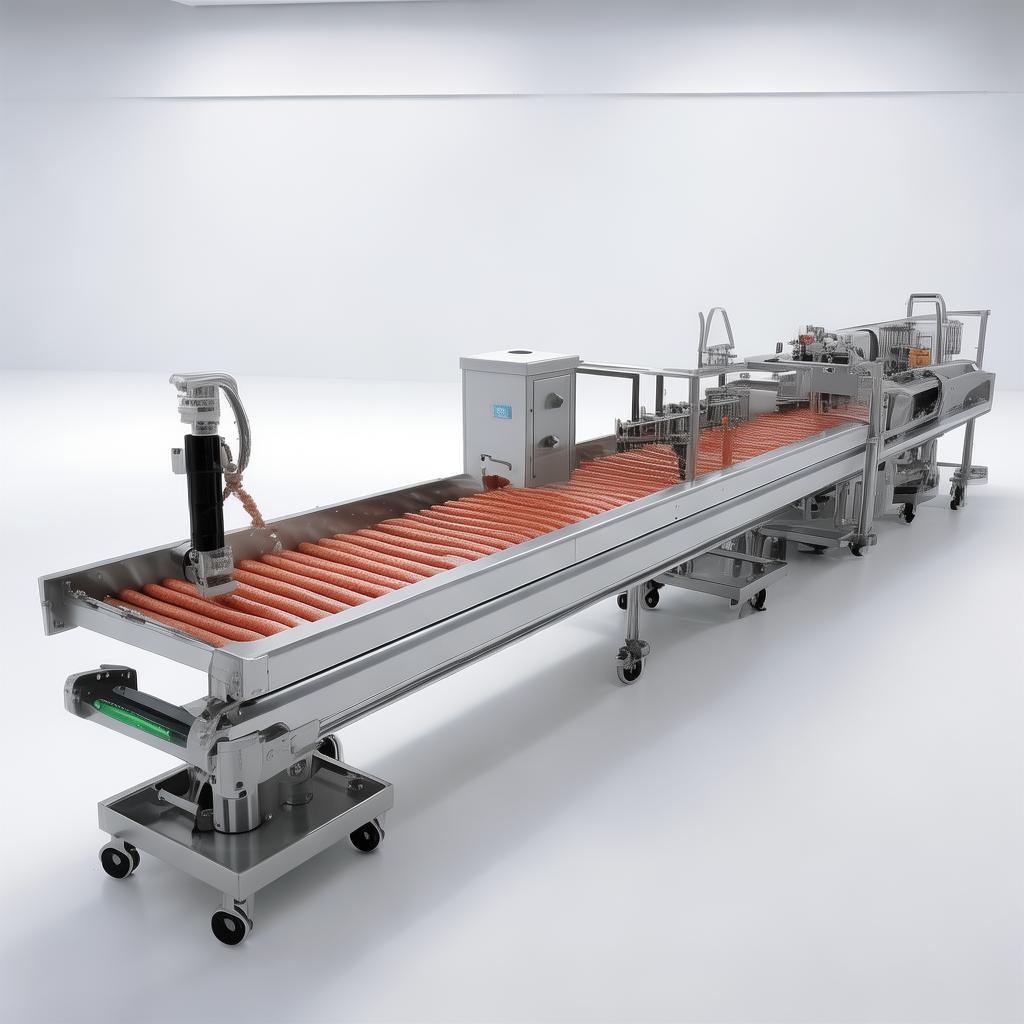
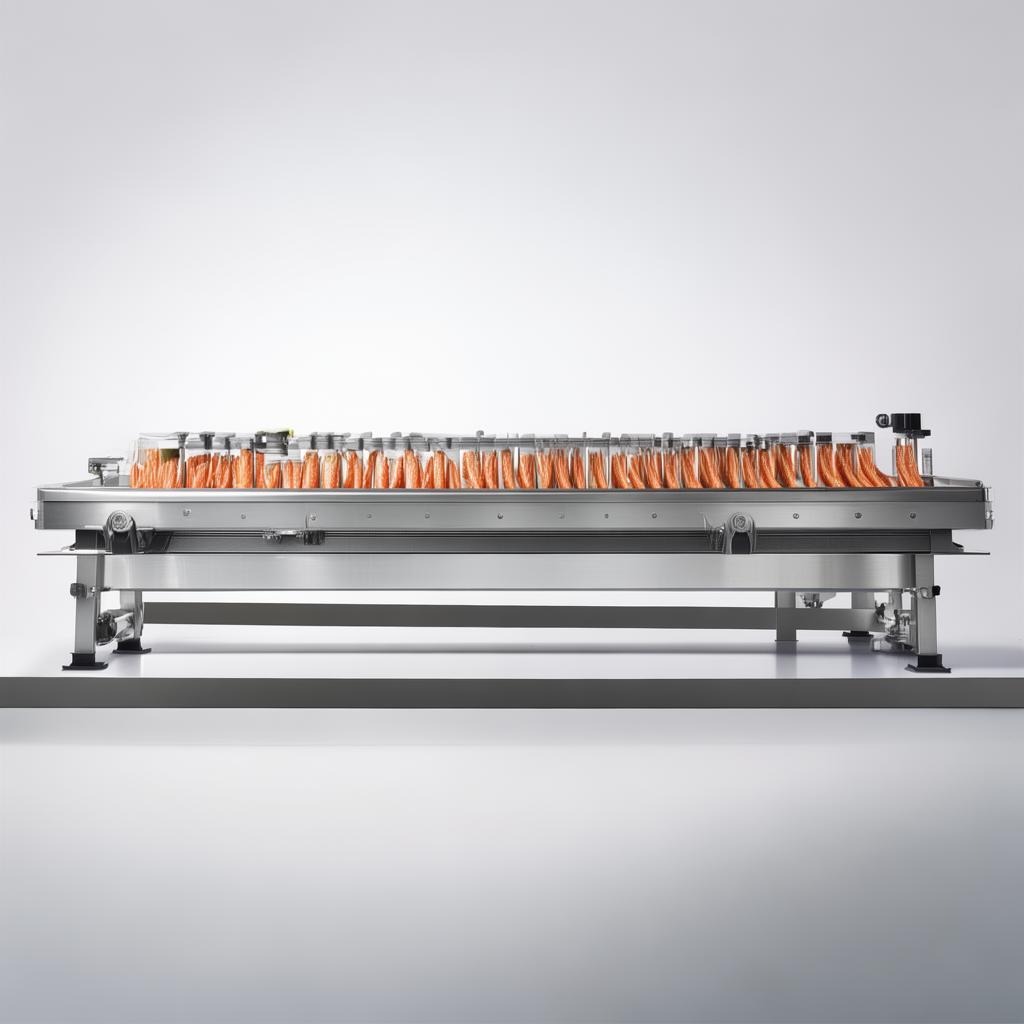
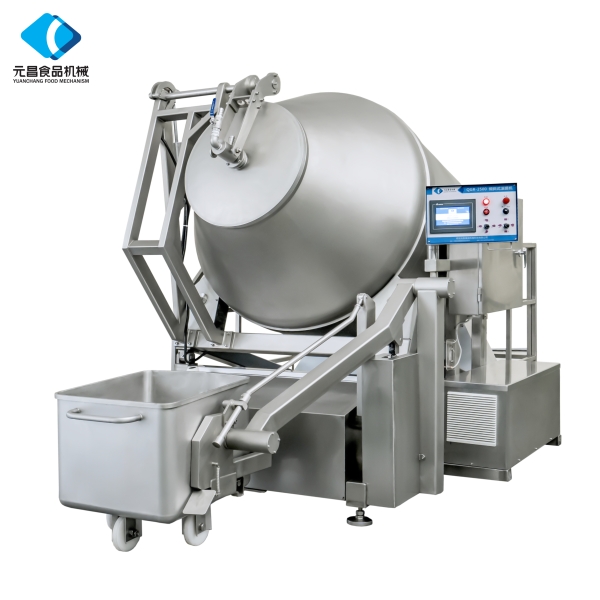
Vacuum Stuffer
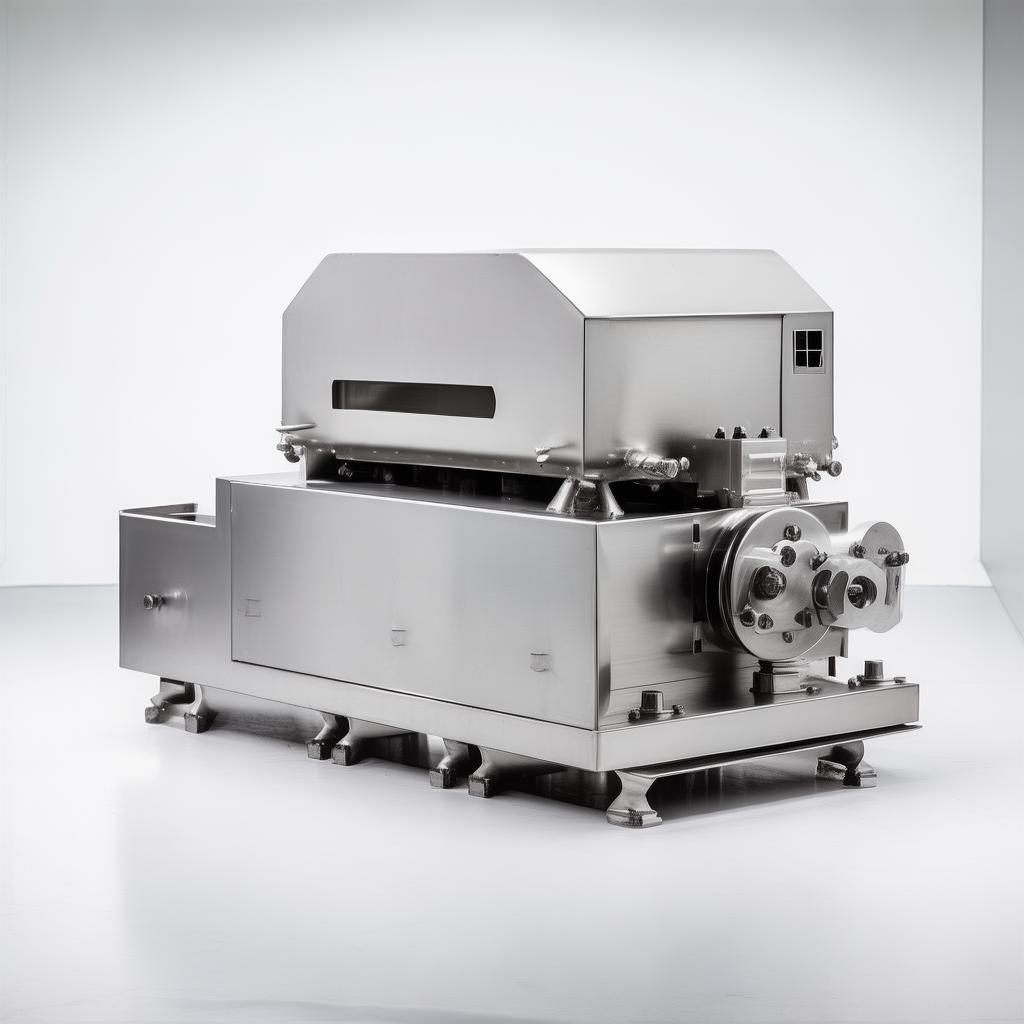
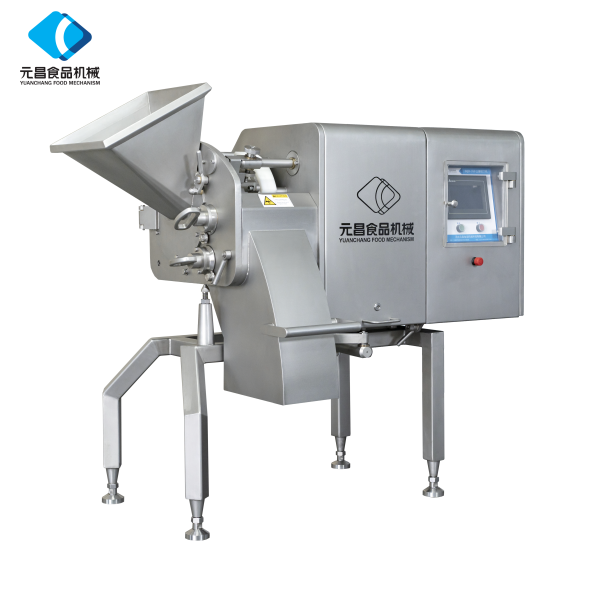
Vacuum Stuffers: Precision Filling for Quality Meat Products
Optimizing your meat processing line demands reliable, high-capacity equipment. A robust vacuum stuffer isn't just a machine; it's the cornerstone of consistent product quality, improved yields, and enhanced operational efficiency. At Hebei Yuanchang, we understand the intricate balance between cutting-edge technology and the practical realities of your production floor. For over 40 years, since 1986, we've been refining our expertise in meat processing machinery, including the critical filling and molding stages. Our deep-rooted experience, combined with a rigorous approach to engineering, ensures our vacuum stuffers meet the demanding standards of international B2B markets. We've navigated the complexities of global trade, from initial concept to seamless installation, and it's this hands-on knowledge that informs every piece of equipment we design and manufacture.
This guide delves into the operational advantages, technical nuances, and procurement considerations of industrial vacuum stuffers. Whether you're expanding an existing line, establishing a new processing facility, or seeking to upgrade your OEM/ODM capabilities, understanding the capabilities of your filling machinery is paramount. We’ll explore how these machines contribute to product integrity, reduce waste, and ultimately, boost your bottom line.




Operational Pain Points & The Vacuum Stuffer Solution
In the fast-paced world of meat processing, inefficiencies can quickly erode profit margins. You’re likely familiar with common challenges: inconsistent product weight and texture leading to customer complaints, excessive air entrapment causing spoilage and reducing shelf life, and laborious manual filling processes that are slow and prone to error.
Consider the impact of trapped air. It doesn't just affect appearance; it creates voids where bacteria can thrive, accelerating spoilage and necessitating stricter inventory control. This can also lead to a less desirable mouthfeel and a product that doesn't hold its shape during cooking or further processing. Manual stuffing, even with basic equipment, often results in uneven density and considerable operator fatigue, impacting throughput.
This is where a well-engineered vacuum stuffer becomes indispensable. By actively removing air from the meat mixture before and during the filling process, these machines drastically improve product quality. The result? Tighter, more uniform products with extended shelf life, reduced spoilage, and a consistent, premium feel that builds brand loyalty. The automation inherent in vacuum stuffing also significantly boosts production speed, reduces labor costs, and minimizes the risk of repetitive strain injuries for your team.
Industry Observation: Many processors find that the reduction in product spoilage alone can justify the investment in vacuum stuffing technology within the first year of operation, particularly for high-volume, export-oriented production lines.
Understanding the Vacuum Stuffer: Beyond Simple Filling
At its core, a vacuum stuffer is designed to fill casings or molds with meat product under a controlled vacuum. This process involves several key mechanical elements:
- Hopper & Screw/Auger System: The meat mixture is loaded into a hopper and then moved towards the filling nozzle by a rotating screw or auger. This gentle, positive displacement ensures consistent product flow.
- Vacuum System: A crucial component. As the meat is moved by the screw, a vacuum pump actively draws air out of the meat mass. This is typically done in the vicinity of the screw or just before the filling outlet.
- Filling Nozzle/Twisting Horn: Designed to facilitate efficient stuffing into casings. Some advanced systems also feature connections for linking to automated linking machines.
- Control Panel: Modern units feature intuitive interfaces for setting vacuum levels, filling speeds, casing lengths (if automated linking is integrated), and monitoring operational parameters.
The efficiency of the vacuum system is paramount. It’s not just about pulling a vacuum; it’s about how effectively that vacuum is applied to the specific meat formulation. Different sausage blends (e.g., fresh pork, beef, poultry, or fine-emulsion products) have varying densities and air-holding capacities, requiring adjustable vacuum levels for optimal results. This adaptability is a hallmark of professional-grade equipment.
Our machines are engineered with robust components. The screw and casing are typically made from high-grade stainless steel, ensuring durability and compliance with food safety standards. The vacuum pump is sized appropriately for high-capacity throughput, and integrated safety features are standard, protecting both the operator and the machinery.
Key Advantages for Your Production Line
Investing in a quality vacuum stuffer translates directly into tangible operational benefits. It's about more than just filling; it's about optimizing every aspect of your product creation.
- Enhanced Product Quality & Consistency: Reduced air content means a denser, more uniform product. This leads to better texture, improved mouthfeel, and consistent weight and appearance batch after batch. For export markets, this consistency is non-negotiable.
- Extended Shelf Life: By minimizing oxygen within the product, spoilage bacteria have a harder time proliferating. This directly increases your product's shelf life, reducing waste and allowing for more flexible distribution.
- Increased Yield & Reduced Waste: Efficient filling means less product left behind in the hopper or screw. Furthermore, by reducing spoilage, you waste less finished product. This efficiency contributes significantly to cost savings.
- Higher Throughput & Productivity: Automated vacuum stuffing eliminates bottlenecks associated with manual processes. Production speeds can be significantly increased, allowing you to meet higher demand or reduce overtime.
- Improved Safety & Ergonomics: Automation reduces the physical strain on operators, lowering the risk of workplace injuries. Closed systems also enhance hygiene and food safety.
- Versatility: Modern vacuum stuffers can handle a wide range of meat products and casing types, offering flexibility for diverse product lines.
From a commercial perspective, these advantages translate directly into higher customer satisfaction, reduced operational costs, and a stronger competitive position. The global meat processing equipment market is projected to reach substantial figures, with filling and stuffing equipment being a critical segment driving this growth. Reports indicate a market value of USD 11.29 billion in 2025, forecasted to reach USD 17.39 billion by 2034, with efficiency and quality as key drivers. (Source: Fortune Business Insights)
Procurement Insight: When evaluating potential suppliers, inquire about their proven track record in reducing air content and its measurable impact on shelf life for similar products. This demonstrates a focus on your specific business outcomes.
Versatile Applications Across the Meat Industry
The utility of a vacuum stuffer extends far beyond a single product category. Its ability to precisely control density and air content makes it vital for a wide array of meat processing applications, supporting both fresh and processed meat markets which are themselves experiencing robust growth.
- Sausage Production: This is the most common application. From fresh breakfast sausages to cured Italian or dry-cured salami, the vacuum stuffer ensures consistent filling into natural or synthetic casings.
- Hot Dogs & Frankfurters: Achieving the desired fine emulsion texture and ensuring these products are packed tightly into artificial casings is a prime role for vacuum stuffers.
- Patty Forming & Portioning: While not directly a patty former, the stuffer can prepare uniform meat extrusions that are then cut or formed into patties, ensuring consistent weight and density.
- Cooked & Cured Products: For products like ham or other processed meats that are stuffed before cooking or curing, the vacuum stuffer provides the necessary density and uniformity for even cooking and consistent texture.
- Pet Food Processing: High-quality pet food often mimics human food processing. Vacuum stuffers are used for filling pet food sausages and other formed products, ensuring nutrient density and palatability.
- Plant-Based Alternatives: The technology is also adaptable for producing vegetarian and vegan sausages and other meat analogue products that require precise filling and texture control.
The processed meat market, in particular, is a significant driver for equipment investment. With global market sizes projected to exceed USD 1.2 trillion by 2034 (Source: Fortune Business Insights), the demand for technologies that ensure quality and consistency in filled products is immense. Whether you're in pork, beef, poultry, or specialized markets, the vacuum stuffer plays a foundational role.
Operational Note: When processing delicate emulsions or high-fat content mixtures, carefully adjust the screw speed and vacuum level to prevent overworking the product, which can lead to fat separation.
Technical Specifications: What Matters Most
Selecting the right vacuum stuffer involves understanding its technical capabilities and how they align with your production volume and product requirements. Here are critical specifications to consider:
| Specification | Considerations for Buyers |
|---|---|
| Hopper Capacity | Measured in liters or kilograms. Choose based on batch size and desired run time between refills. Higher capacity means less downtime. |
| Filling Output Rate | Measured in kg/min or pcs/min. Critical for matching upstream and downstream equipment. Look for sustained, reliable output under vacuum. |
| Vacuum Pump Power | Indicates the machine's ability to remove air effectively. Higher CFM (Cubic Feet per Minute) usually means better de-aeration. Needs to be balanced with filling speed. |
| Power Requirements | Voltage, phase, and wattage. Ensure compatibility with your plant's electrical infrastructure. |
| Materials of Construction | Food-grade stainless steel (e.g., 304, 316) for all contact parts is essential for hygiene and durability. |
| Portability/Footprint | Consider the physical space available and whether the machine needs to be moved frequently. Wheels are a common feature on smaller models. |
| Automated Linking Compatibility | If using automated twisters, ensure the stuffer's filling port and control system are compatible. |
vacuum packer machine vacuum dryer vacuum tray dryer
The global meat processing equipment market, which includes filling machines, is substantial. Projections place it between USD 11.28 billion in 2024 and USD 15.04 billion by 2030 (Source: Grand View Research). When selecting, remember that a higher output rate often requires a more powerful vacuum system and larger hopper to maintain efficiency. Don't underestimate the importance of the control interface; ease of use and clear diagnostics reduce operator errors and training time.
Material Handling & Product Integrity
The way a vacuum stuffer handles your meat product is critical to both quality and machinery longevity. The screw design, the fit within the cylinder, and the sealing mechanisms all play a role.
We engineer our screws and cylinders for minimal shear and friction. This approach is vital for preserving the texture and integrity of the meat emulsion. Overly aggressive mechanical action can lead to fat smearing, protein denaturation, and an undesirable change in the product's physical properties, which is especially critical for fine emulsion products like hot dogs or mortadella.
Stainless steel (typically AISI 304 or 316) is the industry standard for all food-contact surfaces. This material is non-reactive, easy to clean, and highly resistant to corrosion, crucial for maintaining strict food safety and hygiene standards. Seals and gaskets must also be FDA-approved, food-grade materials that can withstand the operational temperatures and cleaning agents used in your facility.
A well-maintained vacuum system also ensures that even finer ingredients, like spices or binders, are properly incorporated without being blown out of the system, contributing to a homogeneous final product. This attention to detail in material handling directly impacts your product's final sensory characteristics and overall appeal.
Installation and Operational Insights
Proper installation and initial setup are key to realizing the full potential of your vacuum stuffer. While our machines are designed for robust performance, a few considerations can optimize your experience.
- Power Supply: Ensure your electrical connection meets the machine's requirements. Incorrect voltage or phase can damage the motor and vacuum pump.
- Ventilation: Vacuum pumps generate heat and require adequate airflow. Position the stuffer where it has space around it for ventilation to prevent overheating.
- Floor Leveling: For stable operation and to prevent vibration, the machine should be placed on a firm, level surface.
- Ergonomics: Consider the workflow. The filling nozzle should be positioned conveniently for casing attachment or connection to automated linking equipment. The control panel should be easily accessible.
- Initial Commissioning: We recommend a thorough cleaning and a test run with a suitable product before full production. This allows operators to familiarize themselves with the controls and confirm all functions are operating correctly.
Maintenance is equally important. Regular cleaning after each production run is paramount for hygiene. Beyond that, periodic checks of seals, the vacuum pump's oil level (if applicable), and lubrication of moving parts will ensure longevity and consistent performance. We provide comprehensive user manuals and offer technical support to guide you through these processes.
Practical Warning: Failure to properly clean the filling nozzle and screw can lead to product buildup that hardens, making future cleaning difficult and potentially causing jams or damage.
Procurement: What to Look For in a Supplier
Sourcing industrial equipment is a significant investment. Beyond the machine itself, the supplier's reliability, support, and manufacturing capabilities are crucial.
- Experience & Reputation: Look for suppliers with a long history in manufacturing processing equipment, particularly vacuum stuffers. Their track record speaks volumes about their understanding of the industry and product quality.
- Manufacturing Capabilities: A supplier with in-house machining capabilities, like our own extensive workshop featuring CNC centers, can ensure precision component manufacturing and quicker turnaround times for custom orders or parts. This offers a distinct advantage in quality control and supply chain reliability.
- After-Sales Support: What is their warranty policy? Do they offer readily available spare parts? Is their technical support accessible and knowledgeable? For international buyers, clear communication and efficient logistics for parts are vital.
- Customization Options: If your needs are highly specific, can the supplier offer OEM or ODM services? Flexibility in design and features can be a major differentiator.
- Certifications & Compliance: Ensure the equipment meets relevant international standards for food safety and electrical compliance (e.g., CE, UL).
- Transparency: A reputable supplier will be open about their production processes, lead times, and pricing. Request detailed specifications and understand what is included.
The global meat processing equipment market is competitive, with demand driven by automation and food safety. Choosing a partner who understands these dynamics, and can provide robust support, is as important as the machine itself.
Our Manufacturing Prowess: Hebei Yuanchang
Hebei Yuanchang Food Mechanism & Technology Co., Ltd. isn't just a manufacturer; we are deeply ingrained in the meat processing industry with over 40 years of experience since 1986. Our dedicated facility, spanning approximately 14,000 square meters and employing a team of 80-100 skilled professionals, allows us to control every stage of production.
Our integrated approach covers research, development, production, and sales. The cornerstone of our quality control lies within our in-house machining workshop, equipped with over 20 precision processing machines. This includes lathes, milling machines, high-precision grinding machines, and wire cutting equipment.
A significant step in our technological advancement was the installation of 8 sets of Japanese Mazak CNC machining centers in 2012. This capability empowers us to produce high-standard, non-standard components with exceptional precision and in large volumes. This allows us to offer highly customized OEM/ODM solutions and ensures that critical parts for our vacuum stuffers are manufactured to exacting tolerances, directly contributing to machine reliability and longevity.
Coupled with our traceable after-sales management system, we provide peace of mind. Our ability to independently produce high-precision parts means you receive dependable equipment and worry-free service, even across international borders. We understand the demands of global commerce and are structured to meet them.

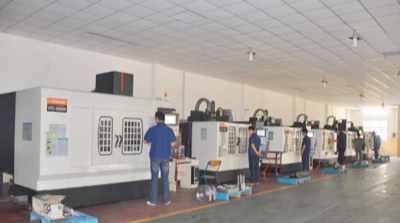
Our state-of-the-art manufacturing facilities ensure precision and quality.
Industry Standards and Certifications
Adherence to international standards is not just a formality; it's a guarantee of safety, quality, and reliability for your operations. Hebei Yuanchang is committed to meeting these benchmarks.

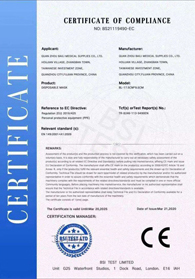


Our commitment to quality is reflected in our adherence to rigorous standards. Equipment produced by Hebei Yuanchang is designed and manufactured with considerations for international food safety regulations and electrical compliance, ensuring your investment meets global market demands. While specific certifications may vary by product model and target market, our overarching principle is to deliver machinery that is both robust and compliant.
What Our Clients Say
Real-world feedback from businesses like yours provides invaluable insight into the performance and impact of our vacuum stuffers.

David Miller
Operations Manager, USA
"The Yuanchang vacuum stuffer has been a game-changer for our sausage production. We've seen a noticeable improvement in product consistency and shelf life since implementing it. The reduced air content is significant, and the machine runs reliably day in and day out."
Key Benefit: Improved Product Consistency & Shelf Life

Maria Garcia
Procurement Director, Mexico
"We were looking for a reliable, high-capacity filling solution for our export market. Hebei Yuanchang provided a robust vacuum stuffer that meets our throughput needs. The pre-sales technical consultation was excellent, helping us select the right model. Installation was straightforward."
Key Benefit: High Throughput for Export

Kenji Tanaka
Production Engineer, Japan
"The precision of the filling weight is impressive. Our batch-to-batch variation has decreased significantly. The build quality feels solid, and the ease of cleaning is a major plus for our hygiene protocols. We've also appreciated their prompt response for spare parts."
Key Benefit: Precision Weight Control & Ease of Cleaning
Frequently Asked Questions
- Q: What is the primary benefit of using a vacuum stuffer compared to a non-vacuum stuffer?
- A: The primary benefit is the removal of air from the meat mixture. This leads to a denser, more uniform product, significantly extending shelf life by reducing oxidation and inhibiting bacterial growth. It also improves texture and appearance.
- Q: Can these machines handle different types of meat emulsions?
- A: Yes, our vacuum stuffers are designed with adjustable parameters (like screw speed and vacuum level) to accommodate a wide range of meat formulations, from fresh pork and beef to finely emulsified products and even vegetarian alternatives. It’s crucial to find the right settings for each specific mix.
- Q: What kind of maintenance is typically required?
- A: Regular, thorough cleaning after each use is essential. Beyond that, periodic checks on seals, lubrication of moving parts, and monitoring the vacuum pump's performance are recommended. We provide detailed maintenance schedules in our user manuals.
- Q: Do you offer OEM/ODM services for vacuum stuffers?
- A: Absolutely. With our advanced CNC machining capabilities and extensive R&D, we are well-equipped to provide OEM/ODM solutions. We can customize features, capacities, and even designs to meet your specific brand or production requirements.
- Q: How long is the typical lead time for an order?
- A: Lead times can vary depending on the specific model and any customization required. For standard models, it typically ranges from 30-60 days. For custom orders, we will provide a detailed timeline during the quotation process.
Elevate Your Meat Processing with Precision Filling
Don't let inconsistent filling and air entrapment compromise your product quality and profitability. Hebei Yuanchang's vacuum stuffers are engineered for performance, reliability, and efficiency, backed by 40 years of industry expertise.
We are ready to discuss your specific needs. Contact us today for a personalized consultation.
Get In Touch
Hebei Yuanchang Food Mechanism & Technology Co., Ltd.
Shijiazhuang, Hebei Province, China
Phone: +86 15830991513
Email: ycmeatmech@gmail.com
Chat with Us
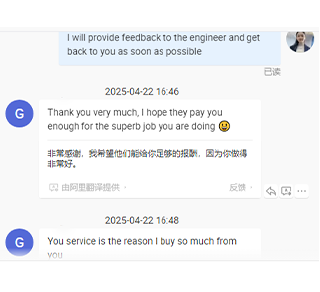


(Screenshots represent typical customer support interactions)