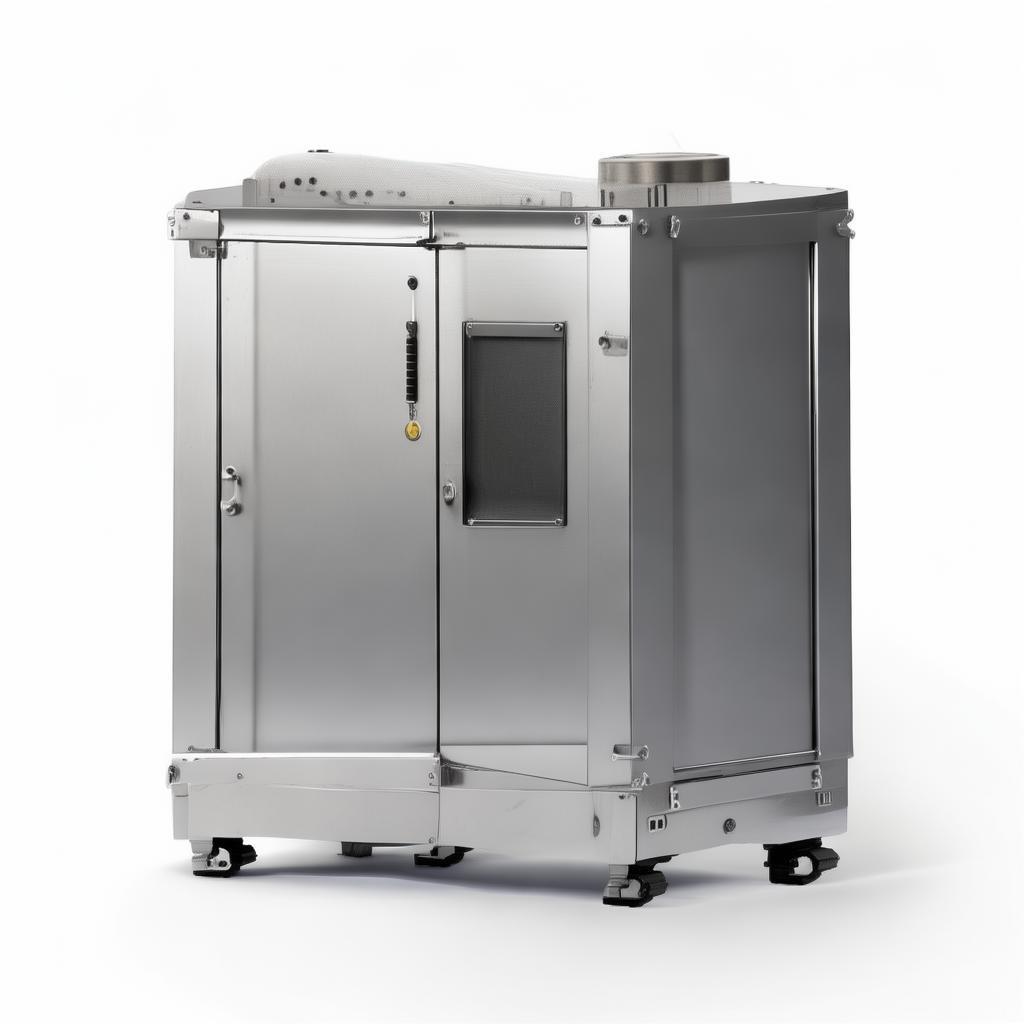
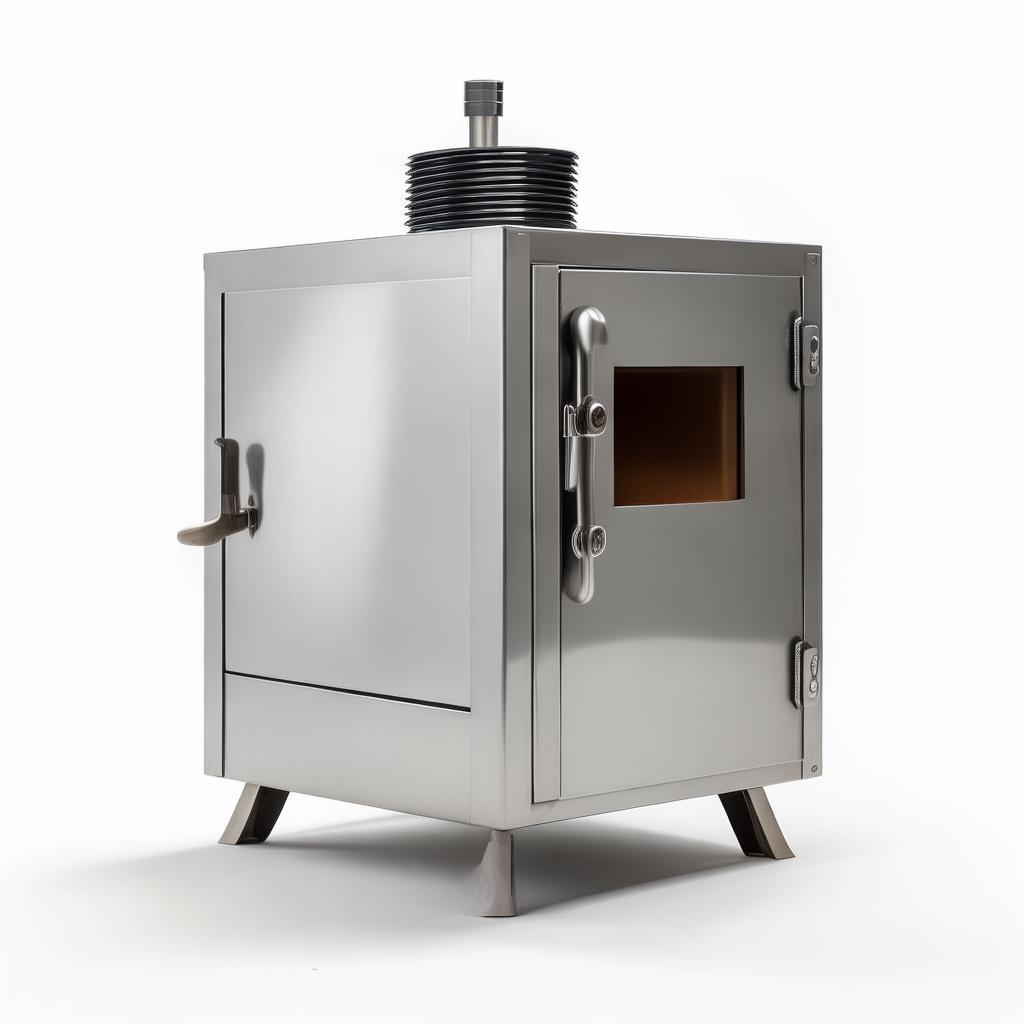
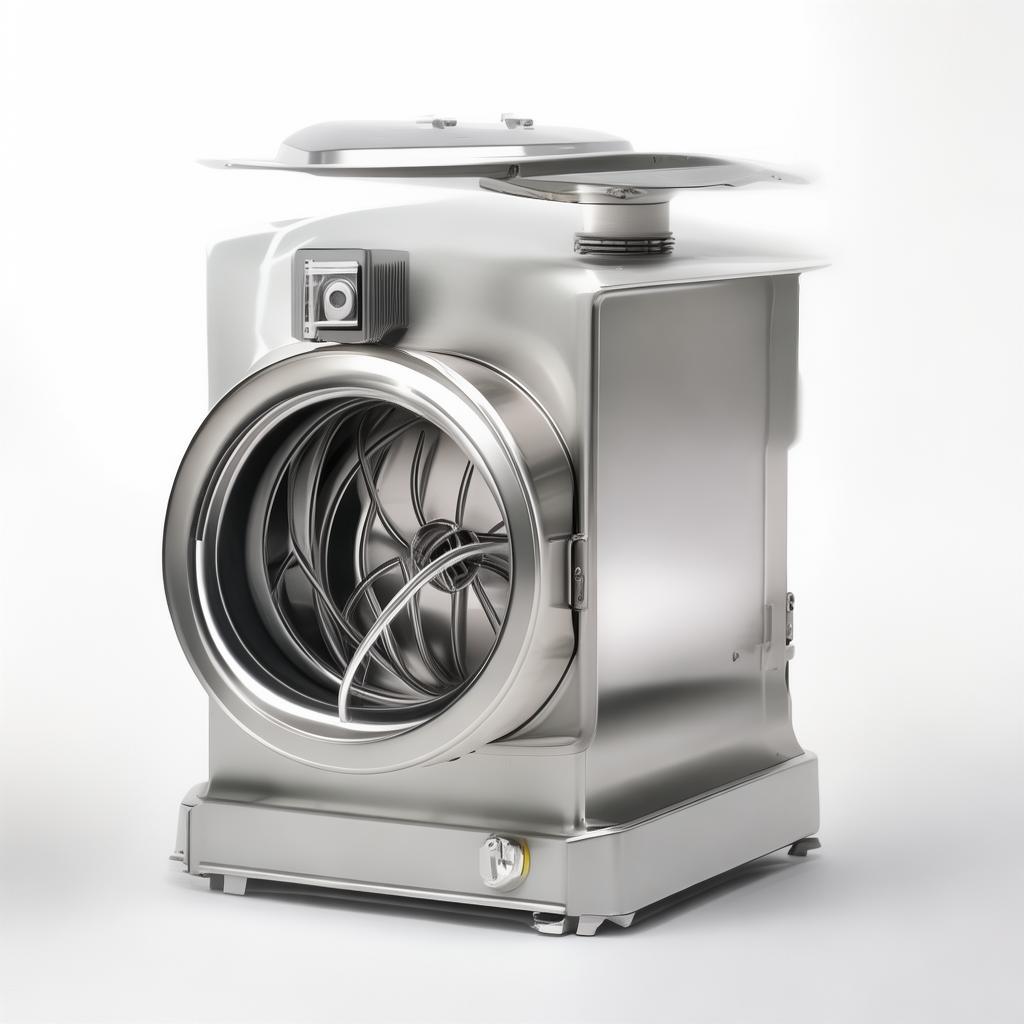
Vacuum Tray Dryer
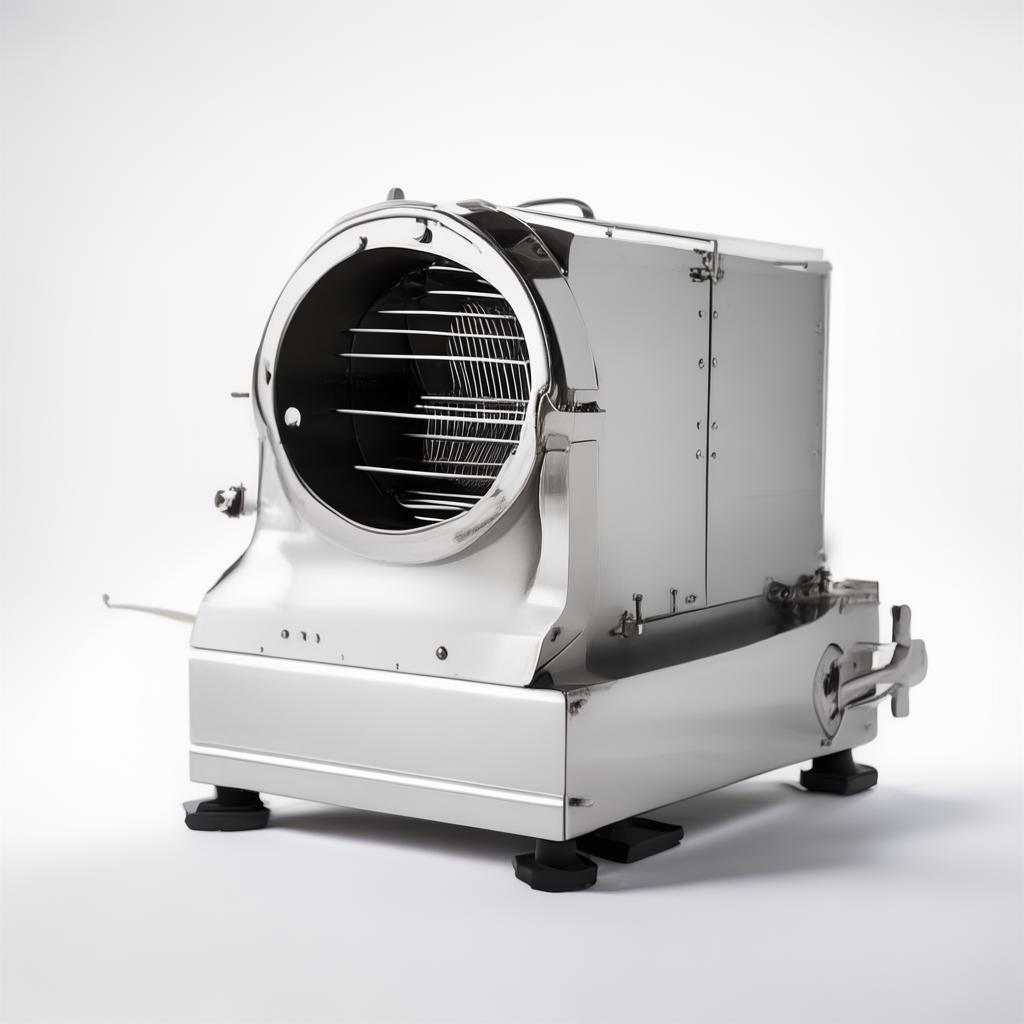
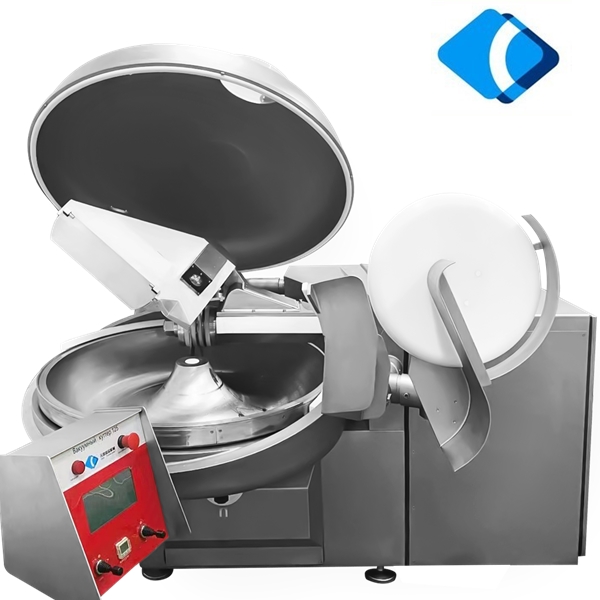
Vacuum Tray Dryers: Precision Drying for Sensitive Materials in Industrial Applications

October 26, 2023
Precision Drying Engineered for Purity and Performance
In demanding industrial sectors like pharmaceuticals, chemicals, food processing, and advanced materials, the integrity of your final product hinges on effective and controlled drying. Degraded active ingredients, compromised textures, or inconsistent moisture content can lead to significant batch failures, regulatory hurdles, and reputational damage. This is precisely where the vacuum tray dryer emerges as a critical piece of processing equipment. It offers a sophisticated solution for removing solvents or moisture from sensitive materials under carefully managed conditions, preserving product quality while maximizing operational efficiency. For any operation prioritizing purity, stability, and consistent results, understanding and implementing this technology is not just beneficial – it's essential for competitive market positioning.
We recognize that selecting the right drying technology involves more than just matching specs. It's about understanding the unique physical and chemical properties of your materials, the specific regulatory requirements of your industry, and the broader operational goals of your manufacturing floor. Our expertise, honed over decades in industrial equipment manufacturing, allows us to guide you through these complexities. We don't just supply machinery; we provide solutions that integrate seamlessly into your production workflow, addressing potential bottlenecks before they arise and ensuring a reliable, long-term return on investment.
This guide delves into the critical aspects of vacuum tray drying, from fundamental operating principles to advanced application insights, empowering you to make an informed decision that aligns with your production objectives and quality standards.
Navigating the Complexities of Material Drying
Drying is often one of the final, most critical steps in a manufacturing process. When it goes wrong, the consequences ripple through the entire value chain. Procurement professionals and operations managers face a persistent set of challenges:
- Material Degradation: Many valuable compounds are sensitive to heat. Conventional drying methods, which often rely on high temperatures, can degrade active pharmaceutical ingredients (APIs), delicate food components, or heat-sensitive chemicals, leading to reduced efficacy or altered properties.
- Inconsistent Moisture Levels: Uneven drying results in batches with pockets of high moisture and others that are over-dried. This inconsistency compromises product shelf life, uniformity, and performance, making quality control a constant battle.
- Solvent Recovery & Environmental Concerns: Many processes use organic solvents that need to be efficiently removed and, where possible, recovered for economic and environmental reasons. Inadequate drying can lead to solvent emissions or expensive disposal costs.
- Long Drying Cycles: Traditional drying methods can be time-consuming, tying up valuable equipment, reducing throughput, and increasing energy consumption per batch. This directly impacts production capacity and operational costs.
- Contamination Risks: Open drying systems are susceptible to atmospheric contaminants. For applications demanding high purity, such as pharmaceuticals or sterile food ingredients, maintaining a clean, controlled environment is paramount.
- Batch-to-Batch Variability: Achieving consistent results from one production run to the next is a core requirement. Without precise control over drying parameters, variability is inevitable, leading to rejected batches and lost revenue.
Addressing these issues requires a drying technology that offers meticulous control over temperature, pressure, and time. It needs to operate within a contained environment to prevent contamination and facilitate efficient solvent recovery.
The Science Behind Vacuum Tray Drying
At its core, a vacuum tray dryer operates on a simple yet powerful principle: lowering the boiling point of water or solvents by reducing the ambient pressure. This allows for efficient moisture removal at significantly lower temperatures than would be possible at atmospheric pressure. Here's a breakdown of the typical operational cycle:
- Loading: Wet or solvent-laden material is spread evenly onto perforated trays. These trays are then loaded into the dryer's chamber. Proper loading density is key to ensuring uniform drying.
- Vacuum Application: The chamber is sealed, and a vacuum pump is activated to evacuate the air, creating a low-pressure environment. This reduction in pressure drastically lowers the boiling point of the liquid within the material.
- Heating: The chamber walls, or in some designs, a heated fluid circulating through shelves, provide controlled heat. Because the boiling point is lowered, this heat input is sufficient to vaporize the moisture or solvent at much lower temperatures. This is the critical step for heat-sensitive products.
- Vapor Removal: The generated vapors are drawn out of the chamber by the vacuum system. Often, these vapors are passed through a condenser to recover solvents or simply expelled after appropriate treatment, depending on the application.
- Drying Cycle: The vacuum, temperature, and drying time are precisely controlled throughout the process. Sensors monitor conditions, allowing for adjustments to maintain optimal drying rates and ensure the target moisture content is achieved without product degradation.
- Unloading: Once the drying cycle is complete and the desired dryness is reached, the vacuum is released, and the chamber is returned to atmospheric pressure. The trays of dried product are then removed for further processing or packaging.
The result is a product that has been dried gently, uniformly, and efficiently, retaining its intended properties.
Unlocking Efficiency: The Tangible Benefits of Vacuum Tray Drying
Implementing a vacuum tray dryer can fundamentally transform your drying operations, offering a suite of advantages that directly impact product quality, operational costs, and overall output.
Preserving Product Integrity
The low-temperature operation is the cornerstone. This gentle drying process is ideal for heat-sensitive materials such as pharmaceuticals, enzymes, vitamins, and delicate food ingredients. It effectively minimizes thermal degradation, preserving the chemical structure, biological activity, and sensory properties of your product.
Enhanced Purity and Reduced Contamination
Operating under vacuum means the drying chamber is sealed. This closed-system design prevents external contaminants from entering, a critical factor for high-purity applications. It also facilitates efficient solvent recovery, reducing emissions and potential environmental hazards.
Uniformity and Consistency
Precise control over temperature, vacuum level, and drying time, combined with uniform heat distribution across the trays, ensures consistent moisture removal throughout the entire batch. This eliminates variability and yields a higher percentage of on-spec product.
Faster Drying Cycles
By lowering the boiling point of liquids, vacuum dramatically accelerates the evaporation process. While cycle times vary by material and equipment specifics, vacuum drying is generally significantly faster than atmospheric oven drying for many substances, leading to increased throughput.
Versatility and Adaptability
Vacuum tray dryers are suitable for a wide range of materials, from powders and granules to pastes and slurries. They can be configured with different heating systems (e.g., steam, hot water, electric), vacuum pump types, and control systems to meet specific process requirements.
Cost-Effectiveness in the Long Run
Although the initial investment might be higher than simpler drying solutions, the reduction in product loss due to degradation, improved batch consistency, potential for solvent recovery, and increased throughput contribute to a compelling ROI. Reduced energy consumption compared to high-temperature drying also factors into operational savings.
Where Precision Drying Makes a Difference: Key Application Areas
The vacuum tray dryer's ability to handle heat-sensitive materials and achieve high levels of dryness and purity makes it indispensable across numerous industries.
Pharmaceuticals & Biotechnology
Drying of APIs, intermediates, sterile powders, enzymes, vaccines, and other bio-active compounds where maintaining potency and preventing degradation is paramount. Compliance with GMP (Good Manufacturing Practices) is often a key consideration.
Food Processing
Dehydrating fruits, vegetables, herbs, dairy products, coffee, tea, and specialty food ingredients. Crucial for preserving flavor, color, nutrients, and extending shelf life without the use of excessive heat.
Chemical Industry
Drying of fine chemicals, pigments, catalysts, specialty polymers, and intermediates where solvent removal or precise moisture control is needed. Essential for products sensitive to oxidation or thermal decomposition.
Ceramics & Advanced Materials
Drying of advanced ceramic powders, battery materials, nanomaterials, and precursor compounds. Ensures uniform particle drying and prevents structural defects that can occur with rapid or uneven drying.
Other Specialty Applications
Including drying of dyes, photographic chemicals, rubber compounds, and various other materials requiring gentle, controlled moisture extraction.
Technical Specifications: Tailoring to Your Needs
Our vacuum tray dryers are engineered for performance and reliability. While configurations can be customized, standard specifications provide a baseline for understanding capabilities. Below is a representative overview.
| Parameter | Typical Range/Option | Notes |
|---|---|---|
| Chamber Material | Stainless Steel (304, 316L) | Food grade/Pharma grade options |
| Effective Drying Area | Configurable (e.g., 5 m² to 50 m²) | Depends on unit size and number of trays |
| Temperature Range | Ambient to 200°C (Max) | Precise PID control |
| Vacuum Level | 0.01 MPa to -0.1 MPa (Absolute to Gauge) | Rotary vane, liquid ring, or dry pumps available |
| Heating Medium | Steam, Hot Water, Electric | Based on facility infrastructure |
| Tray Dimensions | Standardized or Custom | Max loading capacity per tray |
| Control System | PLC with HMI Touchscreen | Programmable cycles, data logging |
*Specifications are subject to change based on specific design requirements and material properties.
Vacuum Tray Dryer vs. Alternative Drying Methods
Choosing the right drying technology is crucial. Here’s a brief comparison to help contextualize the benefits of vacuum tray drying:
| Feature | Vacuum Tray Dryer | Convective Oven Dryer | Fluid Bed Dryer |
|---|---|---|---|
| Heat Sensitivity | Excellent (Low Temp Operation) | Moderate (Higher temps needed) | Good (Can be controlled) |
| Product Purity | High (Closed System) | Moderate (Exposure to air) | Moderate (Air circulation) |
| Drying Speed | Fast (for many materials) | Variable, often slower | Very Fast (Continuous process) |
| Batch Uniformity | High | Moderate to Low | High |
| Material Handling | Trays (Batch) | Trays, belts (Batch/Continuous) | Powders/Granules (Continuous) |
| Solvent Recovery | Excellent | Limited | Limited |
vacuum dryer vacuum plate dryer conical vacuum dryer
For materials that are heat-sensitive, prone to oxidation, or require high purity and solvent recovery, the vacuum tray dryer typically presents the most robust solution.
Procurement Considerations: Choosing the Right Partner
Sourcing industrial equipment like a vacuum tray dryer involves more than just finding the lowest price. For a reliable, long-term investment, consider these critical factors when evaluating suppliers.
Material-Specific Expertise
Does the supplier understand your specific product’s drying characteristics? A good partner will ask detailed questions about your material’s thermal stability, particle size, moisture content, and any solvent involved. This ensures the equipment is configured correctly from the start.
Customization Capabilities
While standard models exist, many processes benefit from customization – perhaps a specific tray size, a higher vacuum level, or specialized sealing for a particularly volatile solvent. Ensure the manufacturer has robust in-house engineering and machining to deliver these adaptations. Our 40 years of experience since 1986, coupled with modern Japanese CNC machining centers, allows us to produce highly precise, custom components.
Quality of Construction & Materials
Inspect the build quality. Look for high-grade stainless steel (e.g., 316L for corrosive environments), quality seals, reliable vacuum pumps, and robust control systems. Certifications like CE or compliance with GMP standards can indicate adherence to stringent quality protocols.
After-Sales Support & Spare Parts
Downtime is costly. A reliable supplier provides readily available spare parts, technical assistance, and efficient repair services. Traceable after-sales management, as we provide, is key to ensuring you can maintain your equipment without extended delays.
Manufacturing Strength & Lead Times
Understand the manufacturer's production capacity and typical lead times. For critical projects, working with a factory that can demonstrate significant in-house manufacturing capabilities—including precision machining—offers greater reliability.
Hebei Yuanchang Food Mechanism & Technology Co., Ltd. leverages over four decades of experience, a substantial facility footprint (14,000 sq m), and advanced machinery (including Japanese Mazak CNC) to deliver high-precision, reliable vacuum tray dryers. We offer comprehensive support from design to after-sales service.
Our Manufacturing Advantage: Precision, Scale, and Experience
At Hebei Yuanchang, our manufacturing capabilities are the bedrock of the quality and reliability you expect. With 40 years of continuous operation since 1986, we have cultivated an in-depth understanding of industrial equipment design and production.
Comprehensive In-House Machining
Our 14,000-square-meter facility houses over 20 sets of advanced processing machinery, including lathes, milling machines, high-precision grinding machines, boring machines, plate shears, bending machines, and wire cutting equipment. This allows us to control every critical component's manufacturing process.
Advanced CNC Technology
The integration of 8 sets of Japanese Mazak CNC machining centers in 2012 was a significant leap. This enables us to produce high-standard components requiring large volumes, exceptional precision, and non-standard specifications – crucial for building robust vacuum tray dryers that meet exact customer needs.
Integrated R&D, Production, and Sales
Our team of 80-100 dedicated professionals ensures seamless integration from initial research and development through to production and sales. This holistic approach guarantees that market feedback and engineering innovations are quickly incorporated into our product designs.
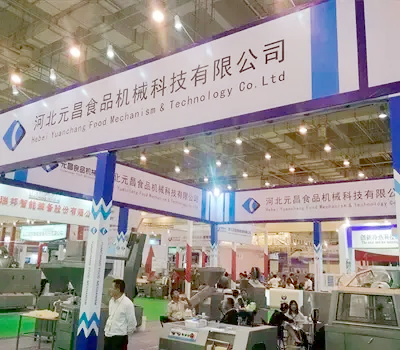
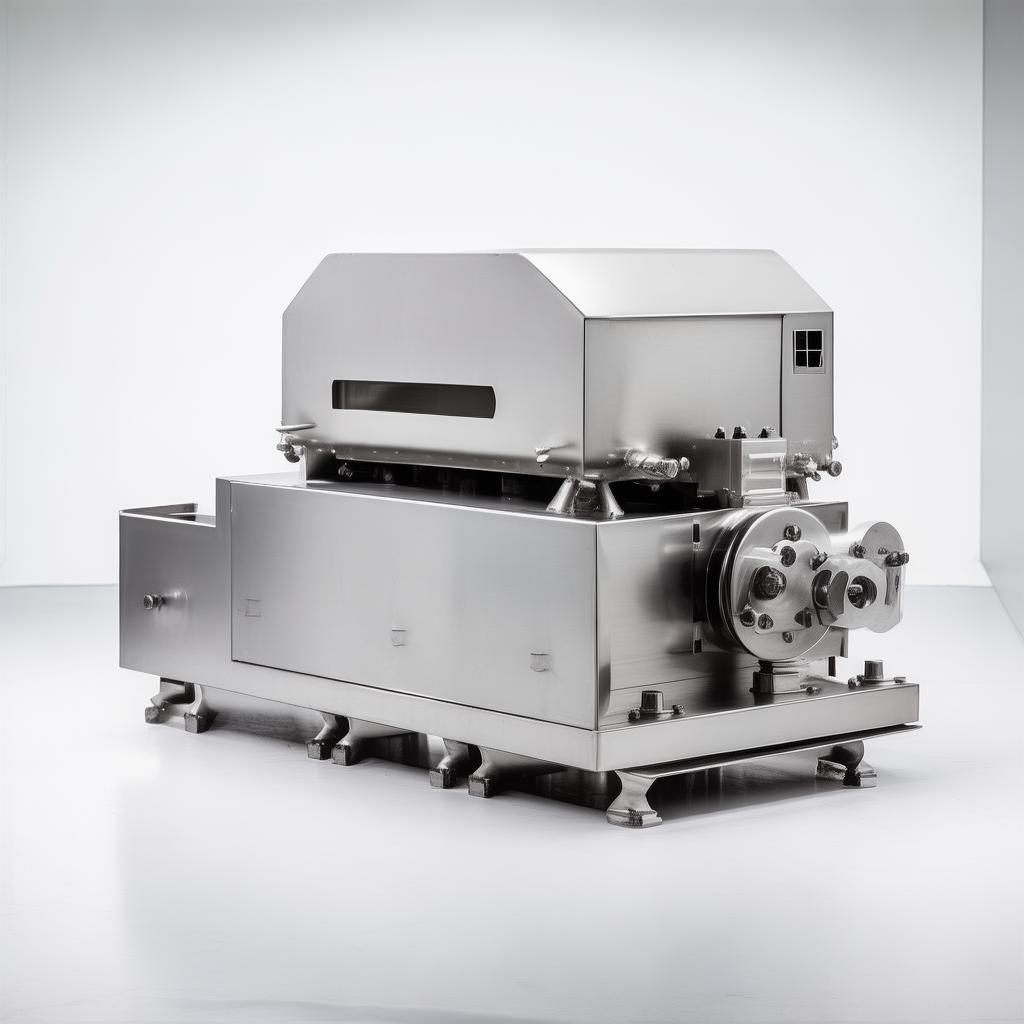
State-of-the-art manufacturing floor at Hebei Yuanchang.
This commitment to in-house manufacturing excellence means we can offer superior quality, faster lead times for custom solutions, and unparalleled after-sales support, ensuring your vacuum tray dryer operates at peak performance for years to come.
Your Questions Answered: Vacuum Tray Dryer FAQs
Q1: What is the typical lead time for a standard vacuum tray dryer?
A: Lead times can vary based on order volume and specific configurations, but typically range from 8 to 16 weeks from order confirmation to shipment. Custom or large-scale orders may require additional time. We provide estimated delivery schedules with all quotes.
Q2: Can a vacuum tray dryer handle materials with residual solvents?
A: Yes, vacuum tray dryers are particularly well-suited for drying materials containing solvents. The vacuum environment facilitates solvent evaporation at lower temperatures, and the closed system allows for efficient vapor capture and potential recovery, crucial for safety and environmental compliance.
Q3: What are the maintenance requirements for a vacuum tray dryer?
A: Routine maintenance typically includes checking and maintaining vacuum pump oil levels, inspecting door seals for integrity, cleaning trays, and periodic checks of heating elements and control systems. Our equipment is designed for durability and ease of maintenance. We provide detailed maintenance manuals.
Q4: Is installation complex?
A: Installation is generally straightforward. It involves connecting the unit to utilities (power, steam/hot water if applicable) and the vacuum system. Detailed installation guides are provided, and our technical team is available for consultation or on-site support if required.
Q5: What is the role of the condenser in a vacuum tray dryer system?
A: The condenser, often a jacketed heat exchanger, is connected to the vacuum line. Its purpose is to cool the vapors drawn from the chamber, causing them to condense back into liquid. This is vital for recovering valuable solvents or for safely removing moisture.
Q6: Can these dryers be certified for specific industry standards like GMP?
A: Absolutely. We can configure and manufacture vacuum tray dryers to meet stringent industry standards such as GMP, FDA requirements, and ATEX directives for hazardous environments. Material selection, surface finishes, and documentation are critical aspects we address.
Elevate Your Drying Process with Confidence
Don't let inefficient or quality-compromising drying processes hinder your production. Discover how our precision-engineered vacuum tray dryers can deliver the performance, consistency, and reliability your operations demand.
© 2023 Hebei Yuanchang Food Mechanism & Technology Co., Ltd. All rights reserved. | Phone: +86 15830991513 | Email: ycmeatmech@gmail.com
Address: Shijiazhuang, Hebei Province, China