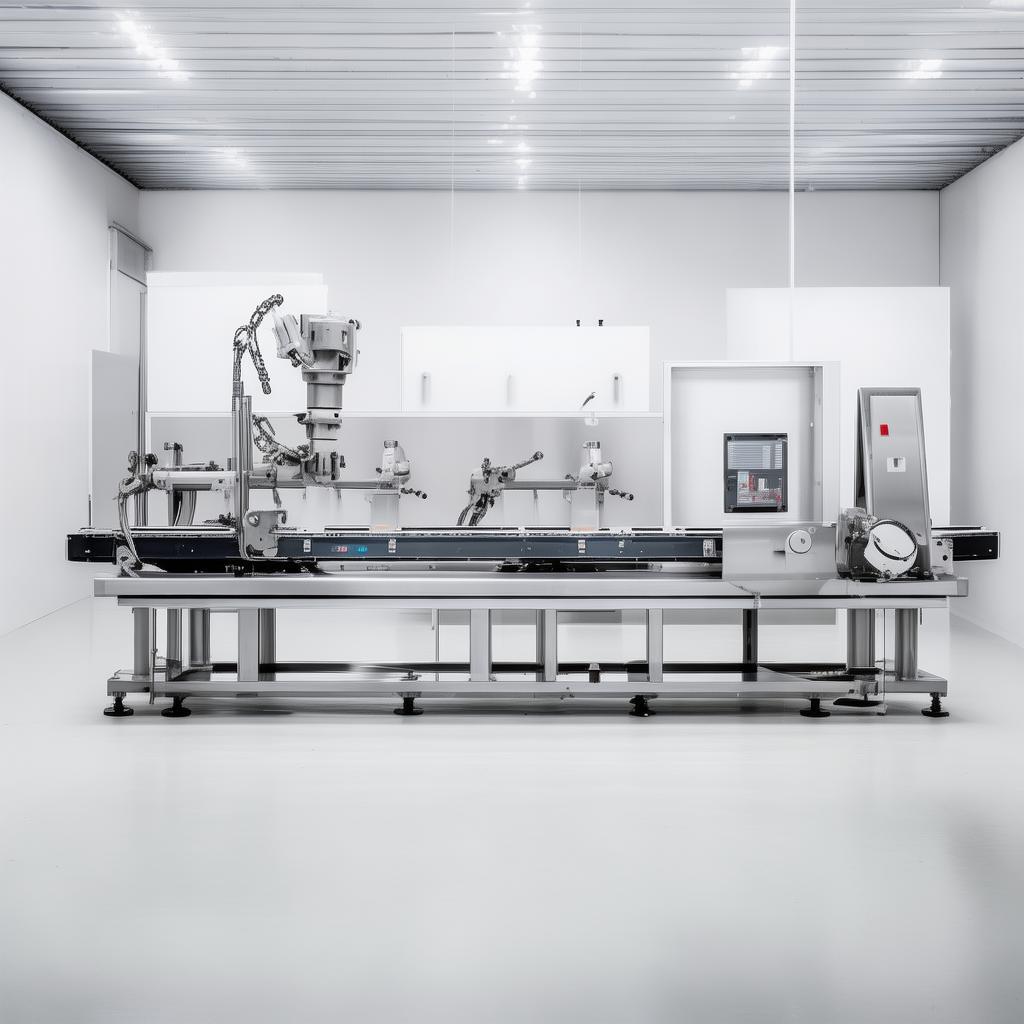
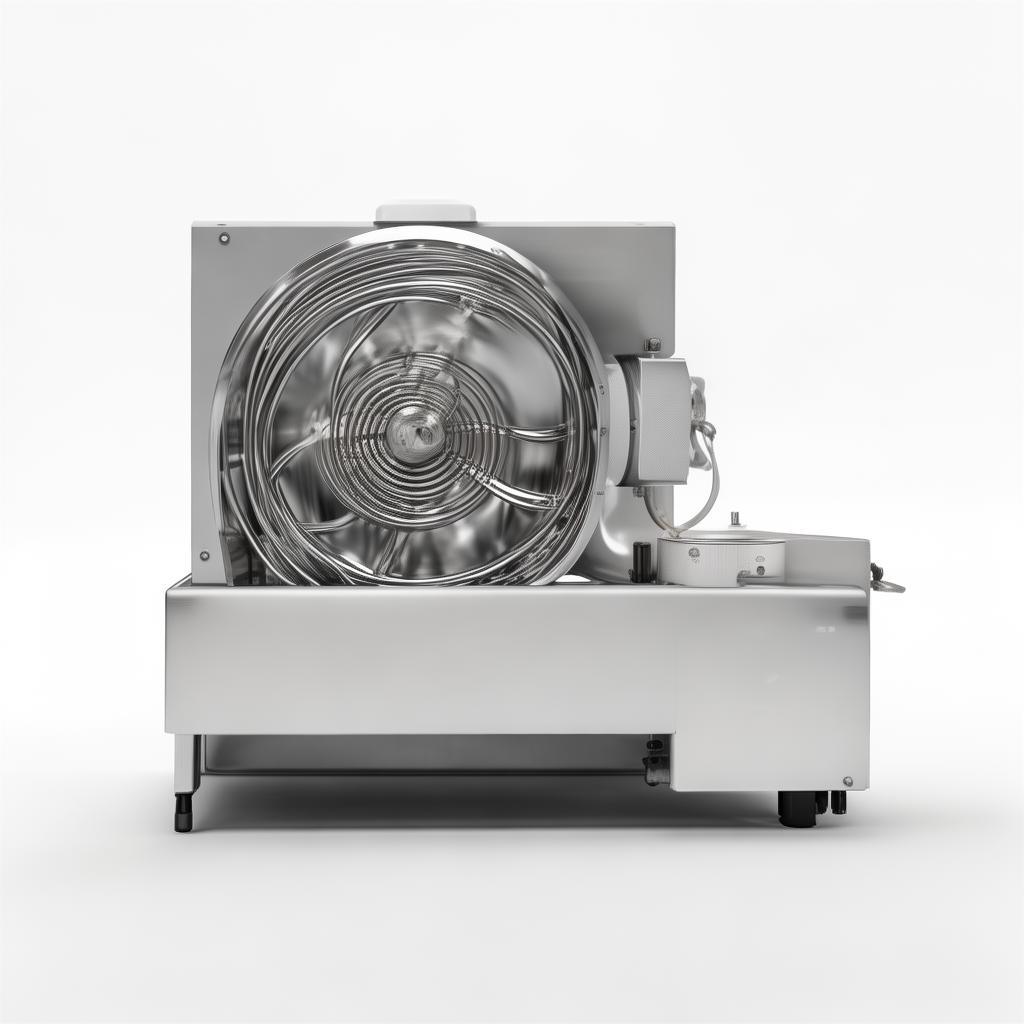
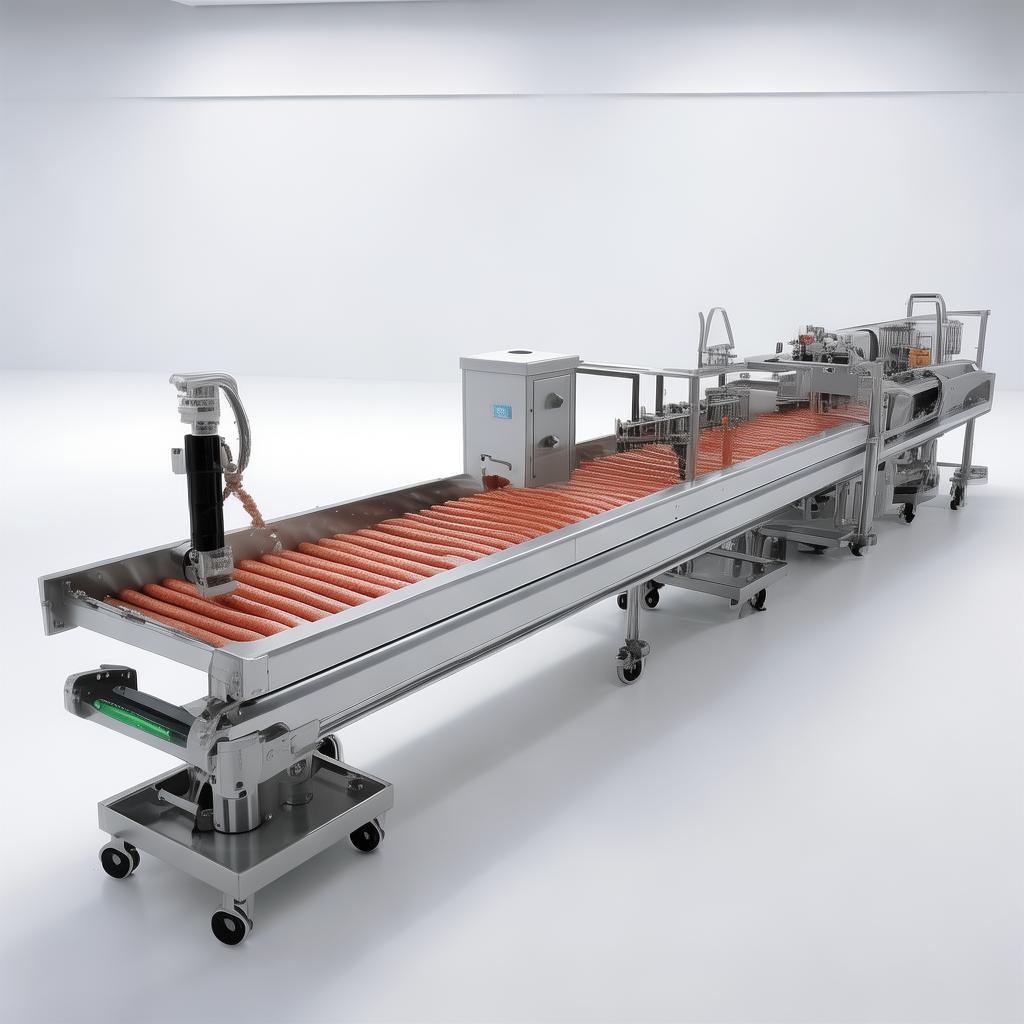
Rotary Vacuum Drier
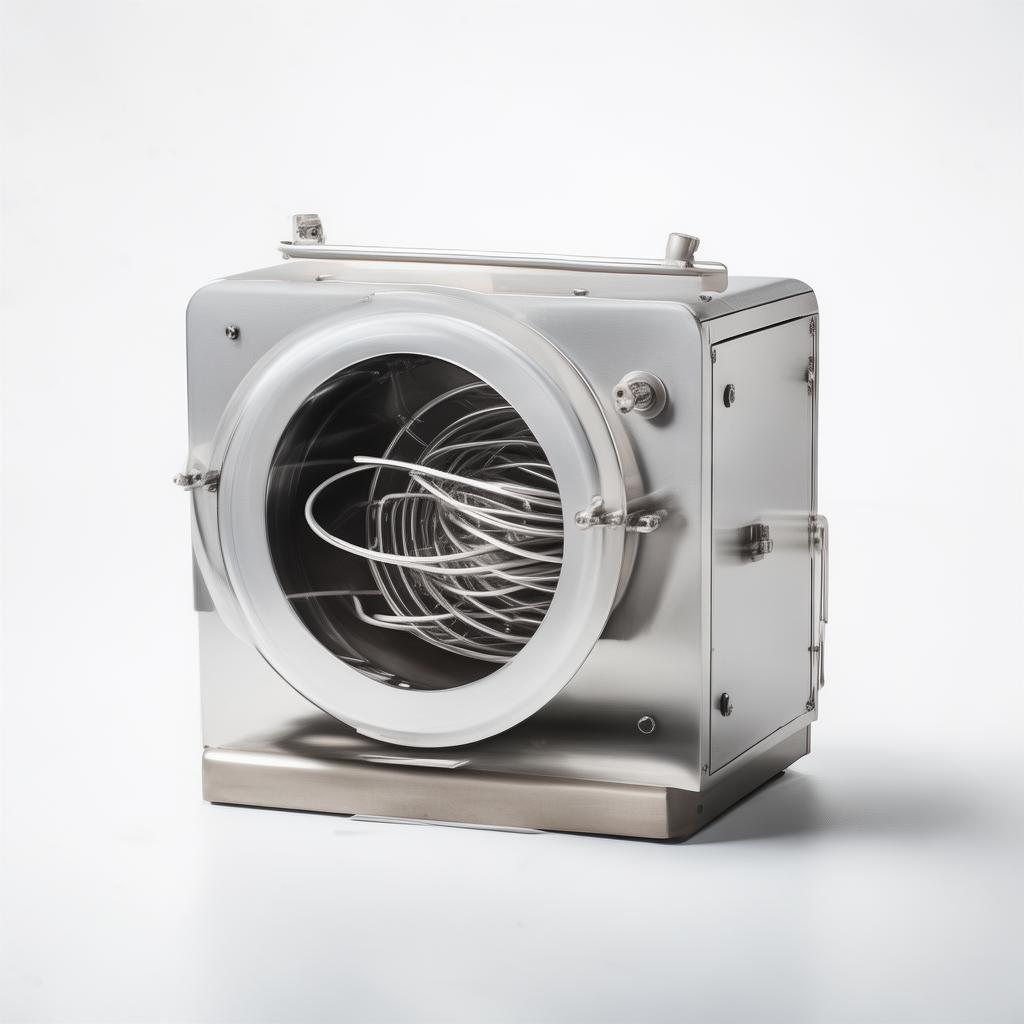
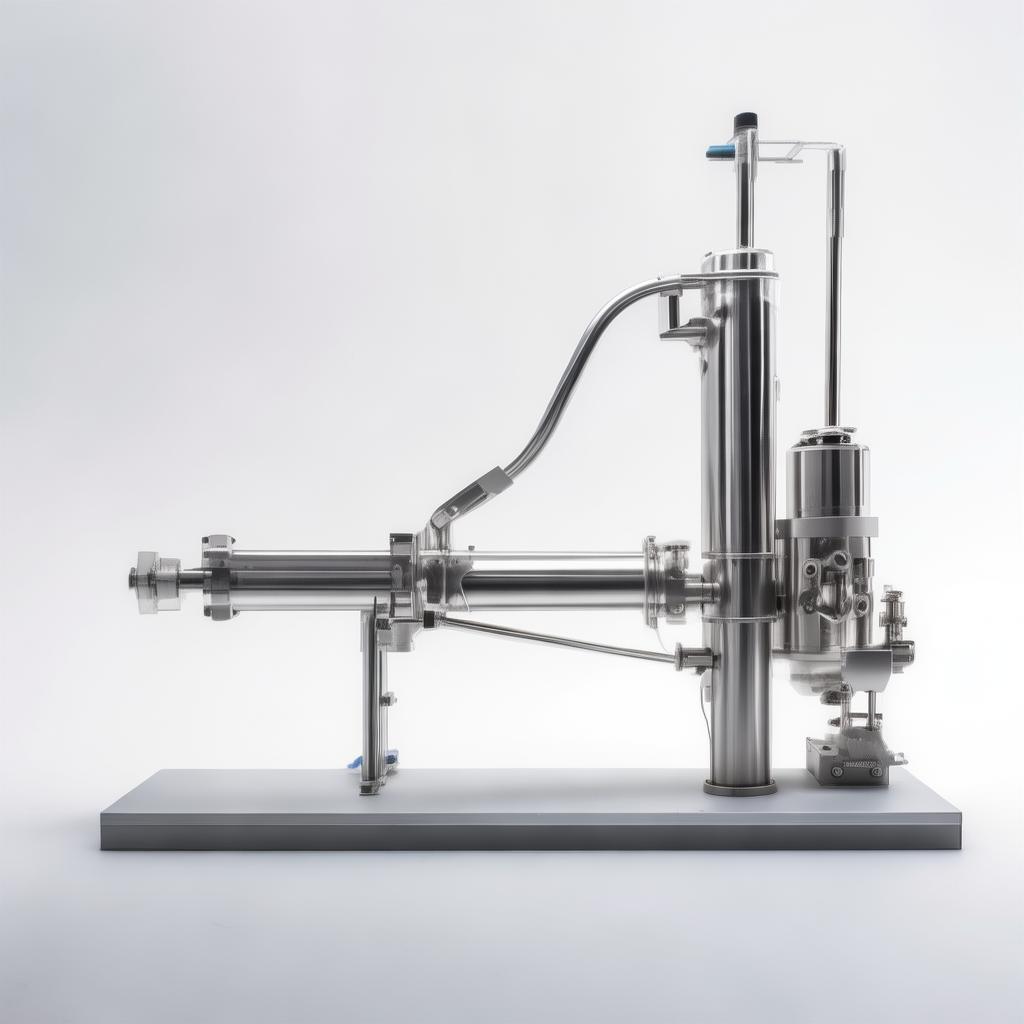
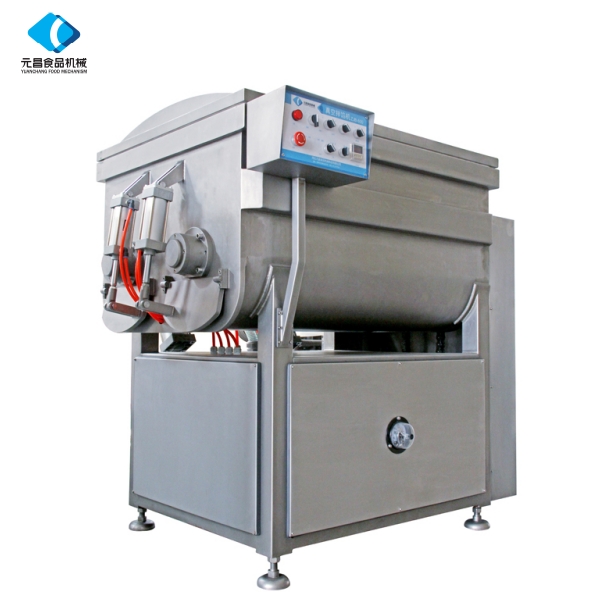
Rotary Vacuum Dryers: Precision Drying for Demanding Industrial Applications
Optimizing Your Process with Efficient, Contained, and High-Quality Drying Solutions
 Authored by: Jian Li, Senior Export Manager at Hebei Yuanchang Food Mechanism & Technology Co., Ltd.
Introduction: Why Rotary Vacuum Dryers Matter
In today's competitive industrial landscape, the efficiency, quality, and integrity of your product are paramount. For businesses dealing with sensitive materials – whether it's pharmaceuticals, fine chemicals, food ingredients, or specialized polymers – the drying process isn't just a step; it's a critical determinant of final product viability and market success. Traditional drying methods often fall short, leading to thermal degradation, uneven moisture removal, cross-contamination, and significant energy waste. This is precisely where the rotary vacuum dryer emerges as a superior solution, offering a meticulously controlled environment for achieving optimal dryness while preserving product integrity.
Imagine a scenario where your valuable chemical intermediates or high-purity food powders require rigorous drying without exposure to ambient air, high temperatures, or prolonged processing times that could compromise their delicate molecular structure or active properties. This is the domain where rotary vacuum technology excels. By combining gentle agitation with a precisely controlled low-pressure environment, these dryers facilitate rapid and uniform moisture evaporation at significantly reduced temperatures. This capability is not merely an advantage; for many advanced manufacturing sectors, it's an absolute necessity to meet stringent quality standards, regulatory requirements, and market expectations. The ability to consistently achieve target moisture content, maintain product homogeneity, and prevent oxidation or degradation is directly tied to the performance and reliability of your drying equipment.
The global market for meat processing equipment, for instance, saw significant growth, with various reports projecting values ranging from USD 11.28 billion in 2024 to over USD 30 billion by 2035, driven by demand for processed foods and automation. While our expertise at Hebei Yuanchang lies in meat processing machinery, the core principles of efficient, controlled material processing – including drying for specific ingredients or intermediate products – are universally applicable. The demand for processed meat, valued at over USD 750 billion and projected to exceed USD 1.2 trillion by 2034, underscores the importance of robust processing technologies. Even in this sector, precise drying can be crucial for certain additives or components. For industries demanding absolute control over product characteristics, a rotary vacuum dryer offers a sophisticated answer. The meticulous engineering behind these machines ensures that heat-sensitive substances, volatile compounds, or materials prone to oxidation can be processed effectively and safely. This translates to higher yields, extended shelf life, and ultimately, a more competitive product in the marketplace.
Consider the complexities of international trade in specialized materials. When exporting sensitive powders or granules, ensuring that they arrive at their destination with the precisely specified moisture content, free from degradation, is vital. A rotary vacuum dryer provides the inherent containment and controlled atmosphere necessary to maintain product quality throughout the manufacturing and shipping lifecycle. This technology directly addresses issues like clumping, caking, or loss of potency that can plague products dried by less sophisticated methods. By investing in a rotary vacuum dryer, you're not just purchasing a piece of equipment; you're investing in process control, product quality assurance, and a competitive edge in global markets. It represents a commitment to operational excellence and a deep understanding of material science, enabling you to tackle some of the most challenging drying tasks with confidence.
We understand that selecting the right drying technology is a significant decision, impacting operational costs, product quality, and overall business sustainability. This guide aims to demystify the rotary vacuum dryer, detailing its operational principles, showcasing its diverse applications, and highlighting why partnering with an experienced manufacturer like Hebei Yuanchang offers distinct advantages. Our 40 years of experience, since 1986, in manufacturing complex machinery, including specialized processing lines, has equipped us with the deep technical insights necessary to support your critical operational needs. We don't just build machines; we engineer solutions that stand the test of time and demanding industrial environments. The integration of advanced CNC machining centers and a robust after-sales management system ensures that we can produce high-precision components and provide seamless support, giving you peace of mind.
Common Drying Challenges You Face
Many manufacturing processes grapple with a common set of drying-related hurdles. Identifying these pain points is the first step toward finding a robust solution. If you're experiencing any of these, a rotary vacuum dryer might be the answer you're looking for:
- Thermal Degradation: High drying temperatures can destroy sensitive active ingredients in pharmaceuticals, degrade flavors and aromas in food products, or alter the chemical structure of fine chemicals, rendering them useless or unsafe.
- Oxidation and Contamination: Exposure to atmospheric oxygen can lead to unwanted chemical reactions, discoloration, and loss of potency in many materials. Open-air drying methods also increase the risk of particulate contamination from the environment.
- Uneven Moisture Removal: Traditional static dryers can result in a gradient of moisture content across the batch, with some particles over-dried and others still too wet. This leads to inconsistent product quality and potential batch rejection.
- Long Drying Cycles: Inefficient heat transfer and poor mass transfer can extend drying times significantly, slowing down production throughput and increasing operational costs, including energy consumption and labor.
- Product Caking and Agglomeration: Overheating or prolonged drying can cause particles to fuse together, forming hard lumps that are difficult to break down, impacting flowability, solubility, and downstream processing.
- Solvent Recovery Issues: For processes involving organic solvents, inefficient containment and recovery systems not only pose safety and environmental risks but also lead to significant material loss and increased operational expenditure.
- Batch-to-Batch Inconsistency: Variations in drying conditions, feed material properties, or operational procedures can lead to unacceptable differences in the final product quality from one batch to the next.
- Difficulty with Sticky or Paste-like Materials: Some materials, due to their inherent properties, tend to stick to surfaces or form cohesive masses, making them exceptionally difficult to dry effectively in conventional equipment.
These issues are not trivial. They directly impact your bottom line through reduced yields, increased rework, product failures, and potential loss of customer trust. Addressing them requires a drying technology that offers precise control over temperature, pressure, and material handling.
Understanding Rotary Vacuum Dryer Technology
The rotary vacuum dryer is an elegantly simple yet highly effective piece of industrial equipment designed for efficient and gentle drying of bulk solids. Its operation is based on a few key principles working in synergy:
1. Vacuum Environment
The dryer's jacketed chamber is sealed and connected to a vacuum system. By reducing the internal pressure, the boiling point of water and other solvents is significantly lowered. This means that moisture can be evaporated at much lower temperatures, typically between 30°C to 80°C, depending on the specific vacuum level and product. This low-temperature drying is crucial for heat-sensitive materials.
2. Gentle Agitation
The dryer's cylindrical body is designed to rotate slowly on its axis. Inside, helical or ribbon-like agitators continuously lift, tumble, and mix the material. This gentle action ensures that all particles are regularly exposed to the heated chamber walls and the vacuum. It prevents clumping, promotes uniform drying, and enhances heat transfer efficiency. For sticky materials, the agitators also help to break up agglomerates and keep the product in a free-flowing state.
3. Controlled Heating
conical vacuum dryer rotary vacuum filters dry rotary vane vacuum pump
The outer jacket of the dryer is supplied with a heating medium – typically steam, hot water, or thermal oil. This jacket transfers heat efficiently to the tumbling material through conduction. The precise temperature control of the heating medium allows for fine-tuning of the drying rate and ensures that the material never exceeds its safe thermal limit.
4. Solvent Recovery
The water vapor or solvent removed from the product is drawn out by the vacuum system and typically passed through a condenser. Here, the vapor is cooled and liquefied, allowing for efficient recovery of valuable solvents or simple removal of water. This feature is essential for environmental compliance, cost savings, and safety when working with flammable or valuable solvents.
This combination of vacuum, agitation, and controlled heating creates an ideal environment for removing moisture quickly and uniformly, even from difficult materials, while preserving their chemical and physical properties. The sealed nature of the system also ensures minimal product loss and complete containment.
Key Advantages for Your Operation
Adopting a rotary vacuum dryer can bring a transformative shift to your production processes. The benefits extend beyond just drying; they impact product quality, operational efficiency, and cost-effectiveness:
- Preservation of Product Quality: The low-temperature operation prevents thermal degradation, oxidation, and loss of volatile compounds. This is critical for pharmaceuticals, APIs, food ingredients, and sensitive chemicals.
- Uniform Moisture Content: Continuous tumbling and agitation ensure that all particles dry evenly, leading to highly consistent batches and eliminating the need for reprocessing or blending over/under-dried materials.
- Reduced Drying Times: The combination of a large heated surface area, effective agitation, and low-pressure evaporation accelerates the drying process compared to many atmospheric methods.
- High Solvent Recovery Rates: The closed system allows for efficient condensation and collection of solvents, minimizing environmental impact, reducing waste, and enabling solvent reuse – a significant cost-saving measure.
- Enhanced Safety: The contained, low-oxygen environment is ideal for drying flammable or air-sensitive materials, significantly reducing fire or explosion risks.
- Versatility: Suitable for a wide range of materials, including powders, granules, pastes, and even slurries. It’s particularly effective for sticky, heat-sensitive, or easily oxidizable products.
- Low Maintenance: Designed with robust construction and fewer moving parts (primarily the motor and gearbox for rotation), these dryers typically require minimal maintenance, leading to lower operational downtime.
- Cleanliness and Containment: The sealed system prevents dust emissions and cross-contamination, crucial for industries with strict hygiene or containment requirements.
These advantages translate directly into tangible benefits: higher product yields, longer shelf life, improved product performance, reduced operational costs, and greater compliance with safety and environmental regulations. For many businesses, this represents a significant competitive advantage.
For context, consider the global meat processing equipment market, which is expected to reach USD 17.39 billion by 2034. While our specialty is direct meat processing, the underlying need for precise material handling and processing is universal. Technologies that ensure product integrity, whether it's a pharmaceutical ingredient or a specialized food additive, are always in demand. Our 40 years of experience have taught us the importance of precision in every piece of machinery we design and build.
Where Rotary Vacuum Dryers Shine
The versatility and controlled drying capabilities of rotary vacuum dryers make them indispensable across a broad spectrum of industries. If your process involves drying bulk solids where quality, purity, and sensitive characteristics are paramount, this technology is likely a fit. Here are some prime application areas:
Pharmaceuticals & APIs
Drying of active pharmaceutical ingredients (APIs), intermediates, sterile powders, and excipients. Crucial for maintaining potency and stability, and meeting strict GMP (Good Manufacturing Practice) standards.
Fine Chemicals
Drying of catalysts, specialty polymers, pigments, agrochemicals, and other high-value chemical products where purity and precise specifications are essential.
Food & Beverage Ingredients
Drying of food additives, flavorings, starches, proteins, dehydrated vegetables, fruit powders, coffee, tea, and yeast. Essential for preserving taste, aroma, nutritional value, and preventing microbial growth.
Advanced Materials
Processing of battery materials, electronic components, nanomaterials, and other advanced substances that require controlled drying environments to maintain their functional properties.
Polymers & Plastics
Drying of plastic pellets, resins, and polymer powders to remove residual moisture before molding or extrusion, preventing defects and ensuring material integrity.
Specialty & Bulk Chemicals
Drying of salts, minerals, ceramic powders, and other industrial chemicals where low residual moisture is required for performance or storage.
The ability to handle a wide range of particle sizes and material consistencies, from fine powders to sticky pastes, further broadens its applicability. If your material is sensitive to heat, easily oxidized, requires solvent recovery, or needs highly uniform drying, this technology should be at the top of your list.
Technical Specifications Overview
Our rotary vacuum dryers are engineered for reliability and performance. While specific configurations can be tailored to your exact needs, here’s a general overview of typical specifications you can expect:
| Parameter | Typical Specification |
|---|---|
| Working Principle | Vacuum drying with continuous rotary agitation |
| Operating Temperature Range | Ambient to 150°C (adjustable, product dependent) |
| Vacuum Level | -0.098 MPa to -0.1 MPa (adjustable) |
| Heating Medium | Steam, hot water, thermal oil, or electricity |
| Material of Construction | Stainless Steel 304, 316L (or as per specific application needs) |
| Agitation Type | Helical ribbon, paddle, or shoe-type agitators |
| Power Supply | 380V/50Hz/3 Phase (customizable) |
| Capacity Range | From 50 Liters to 20,000 Liters (and beyond on request) |
| Key Features | Full vacuum capability, GMP compliance options, explosion-proof configurations, easy cleaning, solvent recovery system. |
We emphasize the use of high-quality stainless steel (like SS304 or SS316L) to ensure corrosion resistance and prevent product contamination, especially critical for food and pharmaceutical applications. The selection of the heating medium and explosion-proof features are often customized based on your facility's infrastructure and the nature of the materials being processed.
Rotary Vacuum Dryer vs. Other Drying Methods
Choosing the right drying technology is crucial for optimizing your process. Here’s a brief comparison to highlight why rotary vacuum dryers often stand out for specific applications:
| Feature | Rotary Vacuum Dryer | Tray Dryer (Atmospheric/Vacuum) | Fluid Bed Dryer |
|---|---|---|---|
| Temperature Sensitivity | Excellent (low temp drying) | Good (vacuum) to Poor (atmospheric) | Moderate (can cause fines attrition) |
| Uniformity | Excellent (continuous mixing) | Fair to Poor (uneven heat/mass transfer) | Very Good (fluidization) |
| Oxidation/Contamination | Excellent (contained, low O2) | Fair (exposed to air) | Good (contained) |
| Drying Time | Fast to Moderate | Slow | Fast |
| Solvent Recovery | Excellent (closed system) | Poor (vented) to Fair (vacuum with condenser) | Good (with integrated condenser) |
| Handling Sticky Materials | Excellent (agitator action) | Poor (clumping on trays) | Fair (can cause agglomeration) |
| Energy Efficiency | Good (effective heat transfer) | Poor | Good (efficient heat transfer) |
While fluid bed dryers are fast and efficient for many granular materials, they can cause attrition or fines generation. Tray dryers are simple but slow and often result in uneven drying. Rotary vacuum dryers strike a balance, offering excellent control for sensitive materials, uniform results, and superior containment, making them the go-to choice for many high-value applications.
Procurement Considerations & Factory Strengths
When sourcing industrial drying equipment, particularly from international suppliers, a rigorous procurement process is essential. At Hebei Yuanchang, we understand the procurement decision workflow and strive to be a transparent and reliable partner. Here’s what to consider and why partnering with us offers an advantage:
OEM/ODM Capabilities
We offer both Original Equipment Manufacturer (OEM) and Original Design Manufacturer (ODM) services. This means we can either build to your exact specifications or leverage our extensive design and engineering expertise to develop a custom solution tailored to your unique drying challenges. Our 40 years of experience since 1986 in manufacturing complex machinery provides a solid foundation for both.
Manufacturing Precision
Our in-house machining workshop is equipped with over 20 sets of advanced processing machinery. Crucially, our investment in 8 sets of Japanese Mazak CNC machining centers allows us to produce high-precision components that meet stringent tolerances, vital for the reliable operation of vacuum systems and moving parts. This capability means we can handle large volumes, high precision, and non-standard specifications in-house.
Quality Assurance & Traceability
Every machine leaving our facility is subject to rigorous quality control checks. Our traceable after-sales management system ensures that we can identify and address any issues promptly. The ability to independently produce high-precision parts is a cornerstone of our "worry-free after-sales service" promise.
Export Experience
We have a proven track record of exporting machinery worldwide. Our team understands international shipping regulations, documentation requirements, and the importance of robust packaging to ensure safe transit. We can provide detailed specifications and certifications necessary for import into the USA and other English-speaking markets.
Consider the implications of procurement risks. A poorly manufactured or inaccurately specified dryer can lead to costly downtime, product spoilage, and safety hazards. Partnering with a manufacturer with deep engineering capabilities, like Hebei Yuanchang, mitigates these risks significantly. We pride ourselves on building equipment that is not just functional but durable and efficient, delivering a strong ROI over its lifecycle.
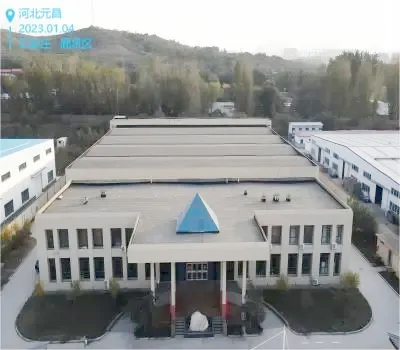
Our state-of-the-art manufacturing facility in Shijiazhuang, China.
Installation & Operational Insights
Proper installation and operation are key to maximizing the performance and lifespan of your rotary vacuum dryer. While our machines are designed for robust operation, a few practical considerations can make a significant difference:
- Site Preparation: Ensure a level and stable foundation capable of supporting the dryer's weight, especially when fully loaded. Adequate space should be allocated around the unit for maintenance access and ventilation.
- Utilities Hookup: Correctly connect the required utilities: heating medium (steam, hot water, oil), vacuum source, cooling water for the condenser, and electrical power. Incorrect hookups can lead to inefficiency or equipment damage. Always use qualified technicians.
- Vacuum System Integrity: The vacuum pump and associated piping are critical. Regular checks for leaks are essential. A good vacuum system ensures lower boiling points and faster drying. We recommend vacuum pumps with good oil-free capabilities or robust sealing to prevent contamination.
- Loading & Unloading: Design your material handling system for efficient loading and safe unloading. For sticky materials, consider specialized discharge mechanisms to ensure complete product removal. Ensure seals are clean and intact before closing the manway.
- Process Parameter Control: Precise control over temperature and vacuum is paramount. Ensure your control system is calibrated and that operators are trained on proper setpoints for different materials. Start with conservative parameters and adjust as needed.
- Condenser Efficiency: For solvent recovery, the condenser's performance is critical. Ensure adequate cooling water flow and temperature to maximize condensation efficiency. A well-performing condenser saves valuable solvents and reduces emissions.
We provide detailed installation and operation manuals with every unit. Our technical team is also available for consultation during the installation phase and can offer training to your operational staff. Proper setup is an investment that pays dividends in consistent performance and longevity.
Maintenance & Longevity
Rotary vacuum dryers are known for their robust design and relatively low maintenance requirements. However, consistent, proactive maintenance is key to ensuring optimal performance and extending the equipment's service life. Think of it as preventative care for your critical production asset.
- Daily/Per Batch Checks:
- Inspect seals (manway, shaft) for wear or damage. Clean them to ensure a proper seal.
- Check for unusual noises or vibrations during operation.
- Ensure clear pathways for material loading and unloading.
- Weekly/Monthly Checks:
- Lubricate the gearbox and bearings as per manufacturer recommendations.
- Inspect the vacuum pump oil level and quality (if applicable) and change as scheduled.
- Check all bolted connections for tightness.
- Clean the condenser tubes to maintain efficient heat transfer.
- Annual Overhaul:
- Thorough inspection of the internal agitator, chamber lining, and lifting flights.
- Full service of the vacuum pump and heating system components.
- Replacement of any seals or wear parts identified during inspection.
Adhering to a maintenance schedule, outlined in your equipment manual, prevents minor issues from escalating into costly downtime. We also maintain a comprehensive stock of spare parts, ensuring rapid delivery should any component need replacement, further minimizing your operational disruption. Our commitment to quality extends to the after-sales support we provide.
Quality & Compliance: Our Certifications
At Hebei Yuanchang, quality and compliance are not afterthoughts; they are foundational to our manufacturing process. We adhere to recognized international standards to ensure our equipment meets the highest benchmarks for safety, performance, and reliability. Our certifications include:

ISO 9001 Certified Quality Management System
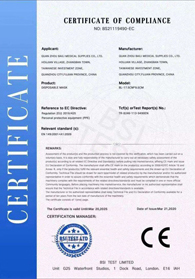
CE Marking Compliance (for relevant models)

RoHS Compliant Materials
For specific industries like pharmaceuticals or food processing, we can also engineer equipment to meet GMP (Good Manufacturing Practice) guidelines, utilizing sanitary designs, crevice-free construction, and polished surfaces as required. Our commitment to quality is backed by our manufacturing expertise, including the use of advanced Japanese CNC machinery for unparalleled precision. This ensures that every piece of equipment we deliver is not only compliant but also built to perform.
What Our Clients Say
Real-world performance and customer satisfaction are the best indicators of equipment quality. Here’s what some of our clients have experienced:

Procurement Manager, PharmaChem Inc.
"We needed a reliable vacuum dryer for a sensitive API intermediate. The team at Hebei Yuanchang understood our needs perfectly. The Rotary Vacuum Dryer (Model RVD-5000) provided excellent results, achieving our target moisture content without any degradation. Their support during installation was invaluable."

Operations Lead, AgriBio Solutions
"The challenge was drying a sticky food additive without it caking. Their rotary vacuum dryer with specialized agitators has been a game-changer. Drying times are significantly reduced, and product uniformity is now consistent batch-to-batch. Highly recommend their export capabilities."

R&D Engineer, Specialty Polymers Ltd.
"We needed a contained system for drying polymer pellets with solvent recovery. Hebei Yuanchang delivered a robust solution that met all our safety and efficiency requirements. The technical support was excellent, and the lead time was within our project schedule. A reliable partner for advanced materials."
Talk to Our Experts
Have specific questions about your application or need a custom quote? Our technical sales team is ready to assist you.



Email Us | Call: +86 15830991513 | Visit Our Contact Page
Frequently Asked Questions
- Q: What is the maximum batch size for a rotary vacuum dryer?
- A: Batch sizes vary greatly depending on the specific model and your material's bulk density. Our standard units range from 50 liters up to 20,000 liters, but we can engineer custom solutions for even larger capacities.
- Q: Can these dryers handle materials that are sticky or pasty?
- A: Yes, rotary vacuum dryers are particularly well-suited for sticky or pasty materials. The internal agitators continuously tumble and break up agglomerates, preventing sticking to the walls and ensuring even drying.
- Q: What kind of maintenance is required?
- A: Maintenance is generally low. Key areas include regular lubrication of moving parts (gearbox, bearings), inspection and cleaning of seals, and periodic servicing of the vacuum pump and condenser. Detailed schedules are provided in the operation manual.
- Q: What is the typical lead time for a unit?
- A: Lead times can vary depending on the complexity of the order and our current production schedule, typically ranging from 3 to 5 months from order confirmation. Custom configurations may require slightly longer lead times.
- Q: Do you offer installation support and training?
- A: Yes, we provide comprehensive installation and operation manuals. We can also offer on-site installation supervision and operator training services upon request.
- Q: Can these dryers be designed for explosion-proof applications?
- A: Absolutely. We can configure our rotary vacuum dryers with explosion-proof motors, controls, and heating systems to safely handle flammable solvents or materials prone to dust explosions, meeting stringent safety standards.
Ready to Optimize Your Drying Process?
Don't let inefficient drying compromise your product quality and output. Discover how a Hebei Yuanchang Rotary Vacuum Dryer can elevate your manufacturing capabilities.
Contact us today for a no-obligation consultation on how our Rotary Vacuum Dryers can meet your specific industrial needs.