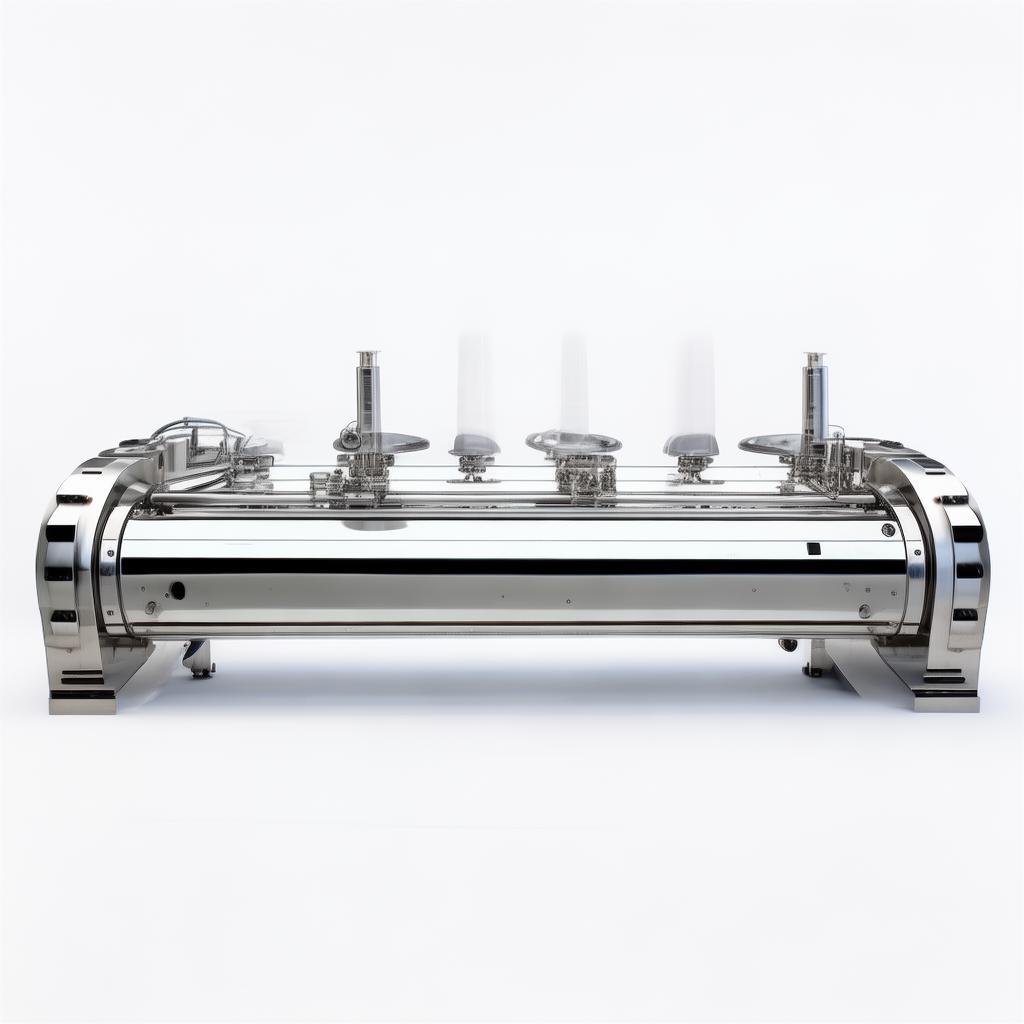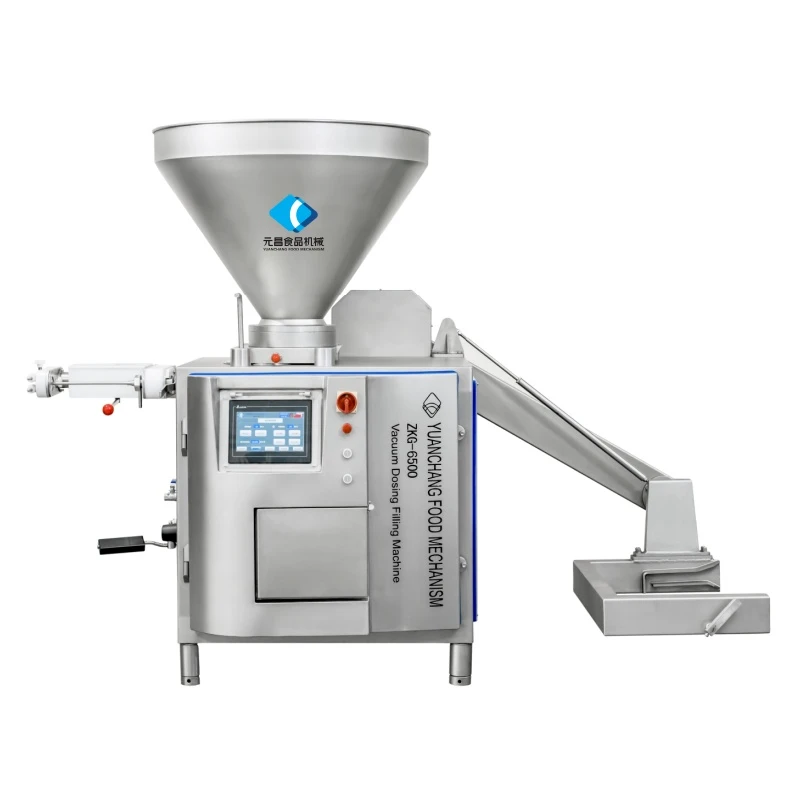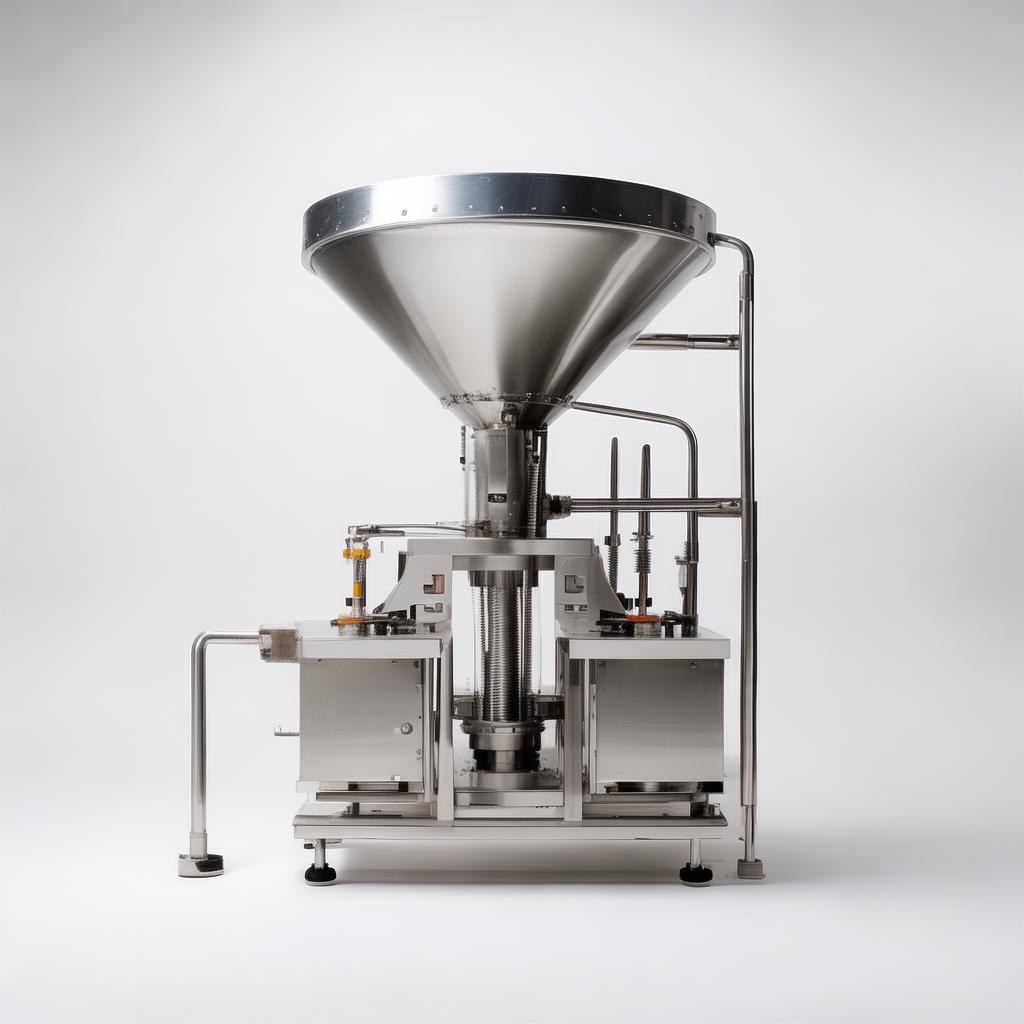
Vacuum Systems For Dryers
Industrial Vacuum Systems for Drying: Optimizing Efficiency and Product Quality
Elevate your drying processes with advanced vacuum technology tailored for industrial applications.
 By Eng. Anya Sharma, Senior Process Engineer
Table of Contents
- 1. The Drying Challenge: More Than Just Moisture Removal
- 2. Understanding Vacuum Drying: The Core Principle
- 3. Our Vacuum Systems for Dryers: Engineered for Performance
- 4. Why Choose Vacuum Drying? Tangible Benefits
- 5. Diverse Applications Across Industries
- 6. Technical Specifications & Customization
- 7. Manufacturing Excellence: Our Commitment to Quality
- 8. Procurement Considerations for Industrial Vacuum Systems
- 9. What Our Clients Say
- 10. Installation, Integration, and Maintenance Insights
- 11. Frequently Asked Questions
- 12. Ready to Optimize Your Drying Process?
The Drying Challenge: More Than Just Moisture Removal
In many industrial sectors, from pharmaceuticals and food processing to chemicals and textiles, the drying phase is absolutely critical. It's not just about removing water or solvents; it's about preserving product integrity, ensuring stability, achieving desired physical properties, and meeting stringent quality standards. Traditional atmospheric drying methods, while straightforward, often present significant hurdles. Think about the time it takes, the energy consumption, and crucially, the potential for thermal degradation of sensitive materials. For many delicate compounds or heat-labile substances, high temperatures can lead to unwanted chemical reactions, loss of potency, or undesirable changes in color and texture. This isn't a minor inconvenience; it can render an entire batch unusable, leading to substantial financial losses and reputational damage. Procurement managers and operations directors are constantly seeking solutions that mitigate these risks while improving throughput and cost-efficiency.
The sheer variety of materials requiring specialized drying approaches is vast. Consider the challenges in drying high-purity active pharmaceutical ingredients (APIs) where even trace moisture can impact efficacy and shelf life. Or think about food products, where maintaining nutritional value and preventing spoilage through effective moisture reduction is paramount. Even in the chemical industry, the precise control over residual solvent levels in finished products can be the difference between meeting regulatory compliance and facing costly recalls. The atmospheric drying approach often struggles to provide the fine-tuned control needed for these complex scenarios. The risk of oxidation, for instance, increases significantly when products are exposed to air at elevated temperatures for extended periods. This is where advanced drying methodologies become not just beneficial, but essential.
Furthermore, operational efficiency is a constant pressure point. Labor shortages, rising energy costs, and the need to maximize output from existing infrastructure mean that drying processes must be as streamlined and energy-efficient as possible. Older, less efficient drying technologies can become bottlenecks, slowing down the entire production line. The environmental impact is also under increasing scrutiny, pushing industries towards solutions that minimize energy usage and reduce emissions. The challenge, therefore, is to find a drying system that is not only effective at removing moisture but also gentle on the product, energy-efficient, rapid, and adaptable to a wide range of materials and production scales. This complexity drives the search for more sophisticated drying solutions that can offer precise control and superior outcomes.
Understanding Vacuum Drying: The Core Principle
At its heart, vacuum drying leverages a fundamental principle of physics: reducing the pressure above a liquid lowers its boiling point. When you create a vacuum environment around a material containing moisture (or other volatile liquids), you significantly decrease the temperature required for that liquid to evaporate. Instead of needing high temperatures, which can damage sensitive products, vacuum drying allows moisture to vaporize at much lower temperatures, often at or even below ambient. This is a game-changer for heat-sensitive materials.
Imagine a pot of water on a stove. At sea level, it boils at 100°C (212°F). If you take that pot to a high mountain where atmospheric pressure is lower, the water will boil at a lower temperature. Vacuum drying takes this concept to an extreme. By actively pumping out the air within a sealed chamber, we create a low-pressure environment. As the pressure drops, the vapor pressure of the water within the material exceeds the ambient pressure of the chamber much sooner. This phenomenon facilitates rapid and efficient evaporation of moisture directly into a gaseous state, which is then removed by the vacuum pump.
The efficiency of this process is amplified by the continuous removal of water vapor. As moisture evaporates from the product, it enters the vacuum space. The vacuum system's pump then continuously extracts this vapor, preventing it from saturating the environment and slowing down further evaporation. This constant "pull" ensures a favorable gradient for moisture transfer from the solid matrix to the gas phase, leading to faster drying times compared to atmospheric methods, even at reduced temperatures. It’s a controlled and predictable way to achieve a desired dryness level.
This method also has a beneficial effect on product morphology. Because the drying occurs at lower temperatures and without the direct blast of hot air, products often retain their structure and porosity better. This can be crucial for applications where the physical form of the dried material is as important as its moisture content.
Our Vacuum Systems for Dryers: Engineered for Performance
At Hebei Yuanchang Food Mechanism & Technology Co., Ltd., we understand that "one size fits all" rarely applies in industrial processing. Our vacuum systems are designed with this principle firmly in mind. We offer a robust range of vacuum pumps and associated drying solutions, meticulously engineered to integrate seamlessly with various types of industrial dryers. Whether you operate tray dryers, rotary vacuum dryers, conical dryers, or agitated vacuum dryers, our systems are built to optimize their performance.
Our expertise, honed over 40 years in meat processing and related mechanical engineering, translates directly into the reliability and efficiency of our vacuum solutions. We don't just supply components; we provide integrated systems. This means our vacuum pumps, condensers, filters, and control modules are designed to work harmoniously, ensuring stable vacuum levels, efficient moisture capture, and minimal operational downtime. We focus on durability and performance, using high-quality materials and precision manufacturing processes in our own state-of-the-art machining workshop, which includes advanced Japanese Mazak CNC machining centers.
We offer both liquid ring vacuum pumps and dry screw vacuum pumps, each with distinct advantages depending on the application's specific needs regarding solvent recovery, process gas tolerance, and maintenance requirements. Liquid ring pumps are known for their robustness and ability to handle wet vapor streams, making them ideal for many general drying applications. Dry screw pumps, on the other hand, offer solvent-free operation and higher energy efficiency for certain sensitive processes. Our team works closely with clients to identify the most suitable pump technology and configuration.
Our commitment extends beyond the initial sale. With a traceable after-sales management system and the capability to independently produce high-precision parts, we ensure that your vacuum system remains operational and efficient throughout its lifecycle. This comprehensive approach is why international clients trust us for their critical drying operations.
Why Choose Vacuum Drying? Tangible Benefits
The decision to implement or upgrade to a vacuum drying system is driven by a clear understanding of the significant advantages it offers over conventional methods. These benefits directly impact product quality, operational costs, and overall business competitiveness. Let's break down some of the most compelling reasons:
- Preservation of Product Quality: As discussed, the lower operating temperatures are crucial for heat-sensitive materials. This prevents degradation, maintains potency (e.g., in pharmaceuticals), preserves flavor and aroma (in food products), and retains the desired color and texture. You maintain the intrinsic value of your product.
- Faster Drying Cycles: By lowering the boiling point of water and continuously removing vapor, vacuum systems can significantly reduce drying times. This translates to higher throughput, increased production capacity, and quicker order fulfillment. Imagine cutting your drying time by 30-50% – that's a substantial operational boost.
- Energy Efficiency: While vacuum pumps consume energy, the overall process can be more energy-efficient. Lower temperatures mean less heat input is required. Furthermore, the faster cycle times mean less total operational time for the drying equipment. Modern vacuum pump technologies are also increasingly energy-conscious.
- Solvent Recovery: In processes involving organic solvents, the vacuum system, coupled with appropriate condensers, allows for efficient recovery of valuable solvents. This not only reduces material costs but also significantly minimizes environmental emissions and enhances workplace safety by containing volatile compounds. This is a critical factor for sustainability and cost control.
- Improved Product Uniformity: The controlled environment of a vacuum dryer leads to more uniform moisture distribution throughout the product batch. This consistency is vital for quality control and reduces the risk of product rejection due to uneven drying.
- Reduced Oxidation and Contamination: The absence of air in the vacuum chamber minimizes the risk of oxidation reactions, which can degrade product quality and shelf life. It also acts as a barrier against airborne contaminants, ensuring a cleaner final product.
These advantages collectively contribute to a better bottom line, enhanced product reputation, and greater operational flexibility. It's a strategic investment for companies serious about optimizing their production processes.
Diverse Applications Across Industries
The versatility of vacuum drying technology makes it indispensable across a broad spectrum of industrial sectors. Our vacuum systems are designed to cater to these diverse needs, ensuring optimal performance regardless of the specific material or process.
Pharmaceuticals & Biotechnology:
Drying APIs, intermediates, biological samples, enzymes, and vaccines where preserving potency and preventing degradation are paramount. The low-temperature, controlled environment is essential for these high-value products.
Food Processing:
Drying fruits, vegetables, herbs, spices, dairy products, instant beverages, and pet food ingredients. Vacuum drying helps retain nutritional content, color, flavor, and texture, extending shelf life while meeting stringent food safety standards. The demand for processed meats and convenience foods is a significant driver here, with technologies enabling consistent product quality. (Ref: Fortune Business Insights, Grand View Research)
Chemical Industry:
Drying fine chemicals, pigments, catalysts, polymers, and specialty powders. Efficient solvent recovery is often a key requirement in these applications, making vacuum systems with integrated condensers highly valuable. Precision in residual solvent control is non-negotiable for many chemical products. (Ref: SkyQuestt on market trends for processing equipment)
Advanced Materials:
Drying ceramics, powders for additive manufacturing, composite materials, and battery components where trace moisture can compromise performance or create defects during subsequent processing. The integrity of the material's structure is critical.
Other Industries:
Including textiles, wood drying, and waste treatment where efficient moisture removal is needed with minimal thermal impact or for resource recovery.
The global market for meat processing equipment, a sector where efficient drying and ripening are crucial, demonstrates the significant demand for advanced processing technologies. This market was projected to reach approximately USD 17-19 billion by 2033-2035, with key segments including filling, massaging, and drying systems. (Ref: IMARC Group, Mordor Intelligence)
Technical Specifications & Customization
Our vacuum systems are designed for robustness and adaptability. While specific configurations are tailored to individual client needs, here’s a look at the core components and parameters we consider:
Vacuum Pump Types:
- Liquid Ring Vacuum Pumps: Ideal for wet and dirty applications, high vapor loads, and continuous operation. Offers simplicity and reliability. Available in various materials of construction (cast iron, stainless steel) to suit corrosive environments.
- Dry Screw Vacuum Pumps: Solvent-free operation, high energy efficiency, and minimal maintenance. Excellent for processes requiring high purity and where contamination from sealing fluid is unacceptable.
Performance Parameters:
| Parameter | Typical Range | Considerations |
|---|---|---|
| Ultimate Vacuum Level | 30 mbar (abs) to 0.5 mbar (abs) | Depends on pump type, sealing fluid (if applicable), and system sealing. Crucial for achieving low-temperature evaporation. |
| Flow Rate / Capacity | Customizable based on dryer size and moisture load | Determines how quickly vapor is removed, impacting drying time. Must match the dryer's evaporation rate. |
| Motor Power | Varies based on required vacuum and flow | Impacts energy consumption. Optimized selection balances performance and operating cost. |
| Operating Temperature | Standard industrial ranges; special materials for extreme conditions | Ensures system longevity and performance stability. |
Ancillary Equipment:
Our systems often include:
- Condensers: For efficient vapor capture and potential solvent recovery.
- Gas-Liquid Separators: To protect the pump from excess liquid.
- Filters: To remove particulate matter.
- Control Panels: For automated operation, monitoring vacuum levels, and system status.
Customization is our strength. We can engineer solutions based on your specific dryer type, product characteristics, required vacuum levels, and existing plant infrastructure. We've handled projects requiring non-standard specifications, leveraging our in-house precision machining capabilities.
Manufacturing Excellence: Our Commitment to Quality
Hebei Yuanchang Food Mechanism & Technology Co., Ltd. isn't just a supplier; we are a manufacturer with deep-rooted engineering and production capabilities. Operating from a 14,000 square meter facility with a dedicated team of 80-100 professionals, we integrate Research & Development, production, and sales. Our 40 years of experience since 1986, particularly in complex processing equipment like meat and pet food machinery, has endowed us with a unique understanding of operational demands and reliability requirements.
Our strength lies in our comprehensive in-house machining workshop. It houses over 20 sets of advanced processing machinery, including:
- Lathes
- Milling Machines
- High-Precision Grinding Machines
- Boring Machines
- Plate Shears and Bending Machines
- Wire Cutting Equipment
Significantly, in 2012, we invested in 8 sets of Japanese Mazak CNC machining centers. This allows us to produce high-standard components that demand large volumes, exceptional precision, and often non-standard specifications. This capability is crucial for ensuring the quality and longevity of our vacuum system components and the complex machinery they serve.
We adhere to stringent quality control protocols throughout the manufacturing process. From raw material sourcing to final assembly and testing, every step is monitored. Our traceable after-sales management system further reinforces our commitment to customer satisfaction, ensuring that support and spare parts are readily available. For clients prioritizing dependable, high-performance vacuum solutions, our manufacturing pedigree offers a significant advantage. We are certified under  , demonstrating our adherence to international quality management standards.
Procurement Considerations for Industrial Vacuum Systems
Sourcing industrial equipment like vacuum systems for dryers requires a diligent and informed approach. It’s not just about the initial price; it’s about the total cost of ownership, operational reliability, and long-term support. As procurement professionals, you’ll want to consider several key factors:
1. Application Specificity:
Does the proposed system truly match your drying application? A system for pharmaceuticals will have different requirements (e.g., material of construction, sealing standards) than one for chemical powders or food products. Ensure the supplier understands your specific material and process parameters. A one-size-fits-all solution is rarely optimal.
2. Technical Support and Expertise:
Look for a supplier with demonstrable engineering expertise. Can they provide detailed technical advice, assist with system integration, and offer solutions for complex challenges? Our team of engineers and 40 years of manufacturing experience are at your disposal. Don't underestimate the value of talking to an engineer before making a decision.
3. Reliability and Durability:
Industrial vacuum systems operate under demanding conditions. Investigate the quality of components, manufacturing processes, and the supplier’s track record for reliability. Our use of CNC machining and stringent quality control directly contributes to a longer service life and fewer unexpected breakdowns. Equipment downtime is lost production.
4. After-Sales Service and Spare Parts:
What is the supplier's policy on after-sales support? How accessible are spare parts, especially critical components? A traceable management system and in-house manufacturing capability, like ours, ensures better availability and quicker delivery of parts. This is crucial for minimizing operational disruptions.
5. Total Cost of Ownership (TCO):
Beyond the initial purchase price, factor in energy consumption, maintenance costs, potential downtime, and the cost of spare parts over the system’s lifespan. A slightly higher upfront investment in a more efficient or durable system can lead to significant savings. Consider also potential savings from solvent recovery.
6. Compliance and Certifications:
Ensure the equipment meets relevant industry standards and certifications (e.g., ISO for quality management). For food or pharmaceutical applications, compliance with specific regulatory bodies might be necessary. We are ISO certified ().
Choosing the right vacuum system is a strategic decision. Partnering with an experienced manufacturer like Hebei Yuanchang provides confidence in both product quality and ongoing support. Request a detailed quotation tailored to your specific needs.
What Our Clients Say
Real-world experiences from our partners highlight the impact of our vacuum systems.
"We were struggling with heat degradation of our specialty chemical powders. Since installing their vacuum system on our existing tray dryer, drying times have halved, and product quality is consistently high. Their engineering support during selection was invaluable."

Operations Manager, ChemTech Solutions (USA)
"Reliability is key in our food processing line. Yuanchang's vacuum pump has been running 16 hours a day for over a year with zero unscheduled downtime. The energy savings are noticeable, and solvent recovery efficiency is excellent. We’re looking at expanding our capacity with them."

Procurement Director, Gourmet Foods Inc. (Canada)
"The precision required for our pharmaceutical intermediates is extreme. Their team understood our needs for a contamination-free process and recommended a dry screw system. The vacuum stability is exceptional, and the build quality is evident. Highly recommended for critical applications."

R&D Lead, PharmaPure Labs (UK)
We are proud to support industries worldwide with dependable, high-performance vacuum solutions.
Installation, Integration, and Maintenance Insights
A smooth installation and proactive maintenance schedule are crucial for maximizing the lifespan and performance of any industrial vacuum system. We provide comprehensive support to ensure your integration process is as seamless as possible.
Installation & Integration:
Our vacuum systems are designed for straightforward integration. Key considerations during installation include:
- Site Preparation: Ensuring adequate space, ventilation, and a stable foundation for the vacuum pump and ancillary equipment.
- Piping and Connections: Proper sizing and sealing of vacuum lines are critical to prevent leaks, which can significantly degrade vacuum performance and efficiency. We advise on optimal material choices for piping based on process fluids.
- Electrical Hookup: Connecting the motor and control panel to your plant's power supply, adhering to all safety regulations. Our control panels are designed for compatibility with standard industrial automation systems.
- Commissioning: Our engineers can provide on-site commissioning support to ensure the system is set up correctly, tested, and operating at optimal performance levels before handover. This step is vital for validating system performance against specified parameters.
Tip: Plan for adequate access around the equipment for future maintenance. For larger systems, consider future expansion needs.
Routine Maintenance:
Preventive maintenance is key to avoiding costly breakdowns and ensuring consistent vacuum levels. While specific schedules depend on operating conditions, typical tasks include:
- Regular Inspections: Checking for leaks, unusual noises, vibrations, or temperature deviations.
- Fluid Levels & Quality (Liquid Ring Pumps): Monitoring and topping up sealing fluid (water or oil) and replacing it periodically based on usage and contamination levels.
- Filter Checks: Cleaning or replacing air and oil filters as per manufacturer recommendations.
- Seal Checks: Inspecting mechanical seals or gland packing for wear.
- Motor Maintenance: Lubrication and general upkeep of the drive motor.
We provide detailed O&M manuals with every system, outlining specific maintenance intervals and procedures. Our traceable management system ensures you can easily procure the correct spare parts when needed, minimizing downtime.
Logistics Consideration: For international shipments, robust crating and proper documentation are essential. We have extensive experience in preparing equipment for global transit, ensuring it arrives safely and ready for installation.
Consultation Insights

Understanding material compatibility.

Optimizing vacuum level for specific products.

Discussing solvent recovery integration.
Frequently Asked Questions
Q1: How much space does a typical vacuum system for an industrial dryer require?
A1: Space requirements vary significantly based on the pump type, capacity, and any ancillary equipment like condensers. A basic liquid ring pump setup might require a footprint of 2-3 square meters, whereas a more complex system with extensive solvent recovery could need considerably more. We provide detailed layout drawings based on your selected system.
Q2: What is the typical lead time for a custom vacuum system?
A2: Lead times can range from 6 to 16 weeks, depending on the complexity of the customization, the availability of specific components, and our current production schedule. We strive to provide accurate lead time estimates at the quotation stage.
Q3: Can your vacuum systems be used with flammable solvents?
A3: Yes, with proper safety considerations. For flammable solvents, we recommend using systems with ATEX-certified components or designing systems with inert gas blanketing and robust explosion-proof features. Our team can guide you through the specific requirements.
Q4: What is the expected lifespan of your vacuum pumps?
A4: With proper installation and regular preventive maintenance, our industrial-grade vacuum pumps are designed to operate reliably for 10-15 years or more. The use of high-quality materials and precision manufacturing in our own facilities contributes to this longevity.
Q5: How do I determine the correct vacuum system size for my dryer?
A5: Sizing depends on several factors: the type and size of your dryer, the volume of material being processed, the initial moisture content, the desired final moisture content, the specific heat of vaporization of the solvent, and the required drying time. Our engineering team will work with you to calculate the necessary vacuum capacity (flow rate and ultimate vacuum) based on your process data. Contact us for a detailed assessment.
vacuum dryer conical vacuum dryer vacuum drying machine
Ready to Elevate Your Drying Efficiency?
Discover how our advanced vacuum systems can optimize your industrial drying processes, reduce operational costs, and enhance product quality.
We offer tailored solutions. Let's discuss your project.