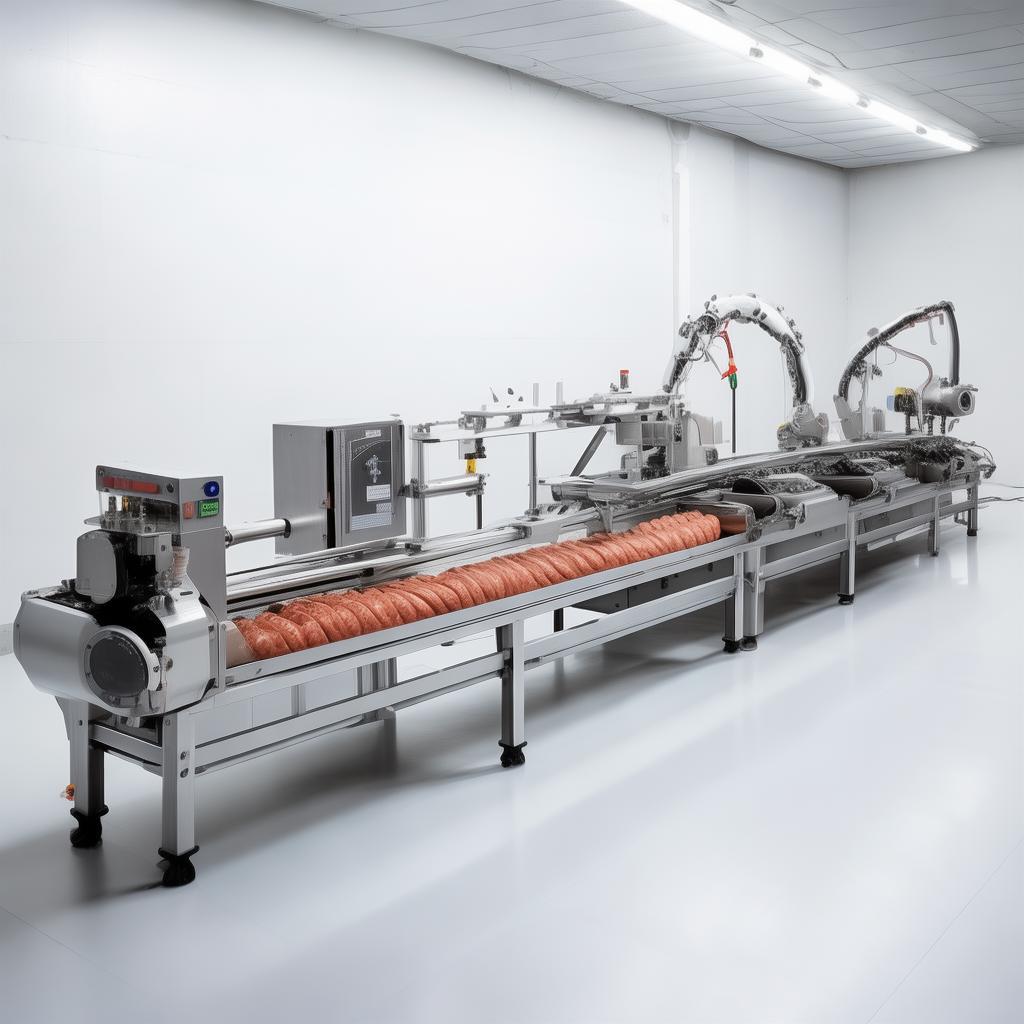
Vacuum Cabinet Dryer
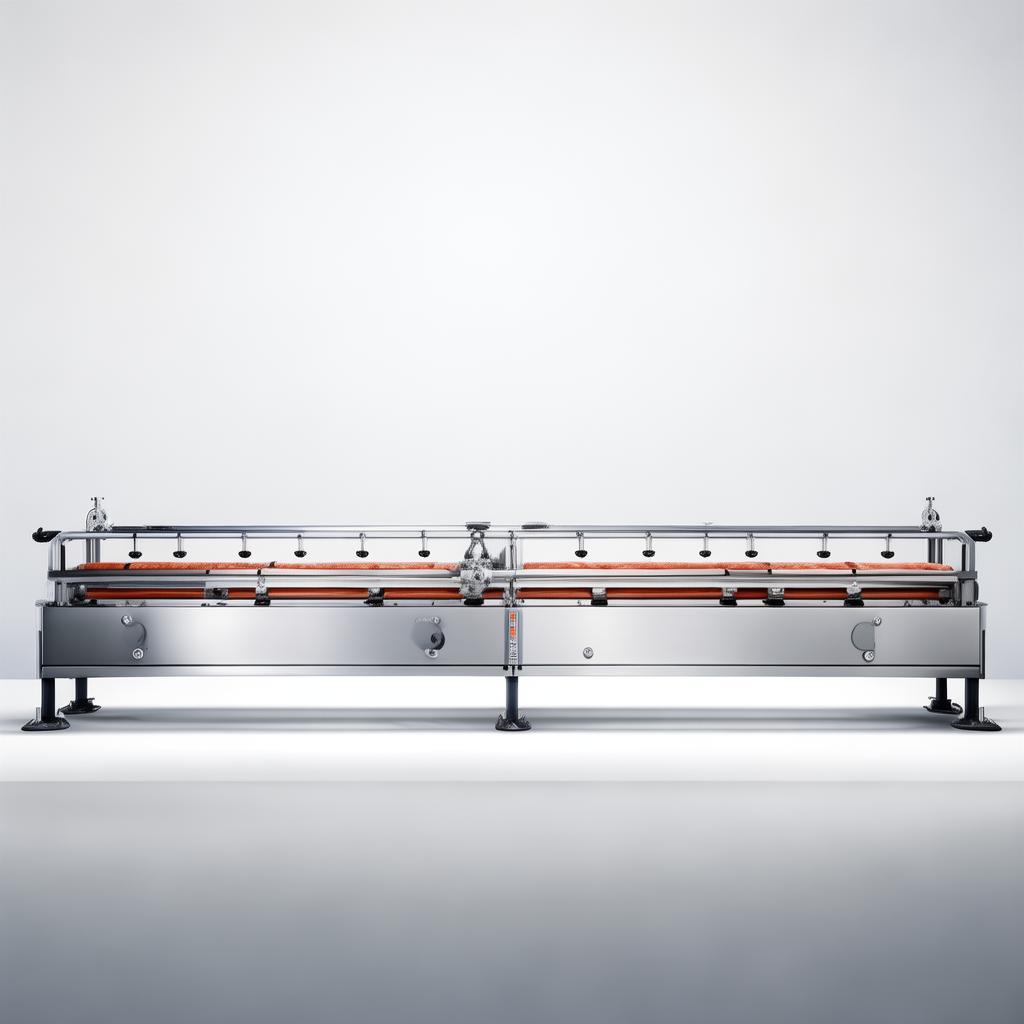
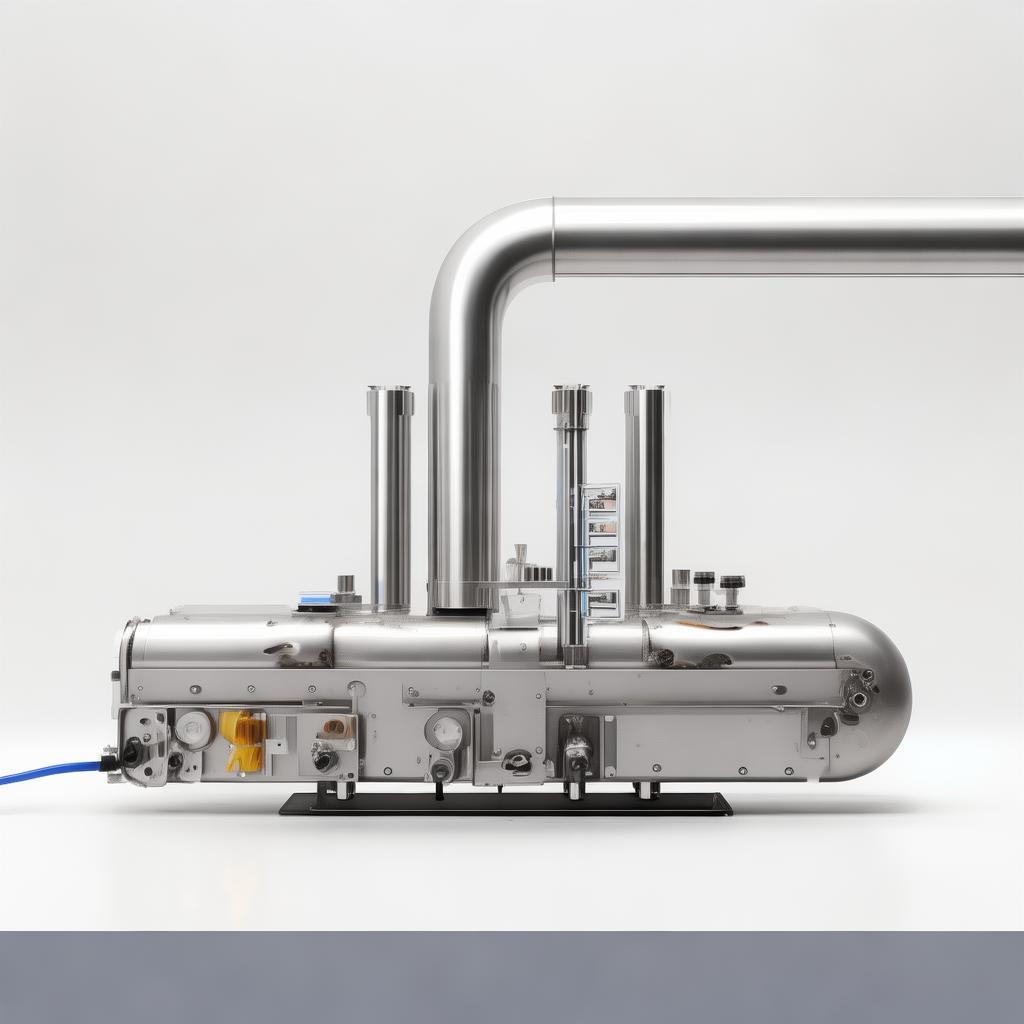
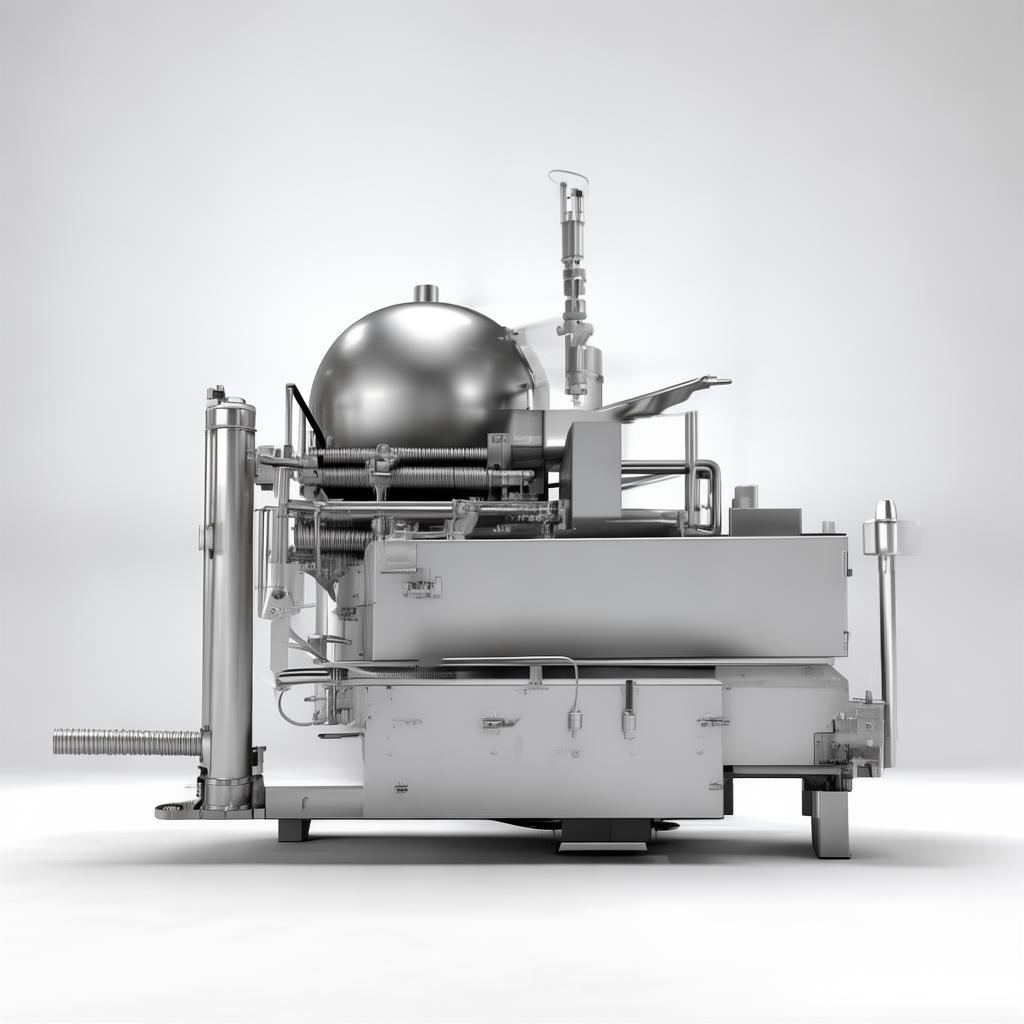
Vacuum Cabinet Dryers: Precision Drying for Premium Food Products
Elevating Moisture Control for Superior Quality and Shelf-Life
 By Dr. Evelyn Reed, Lead Process Engineer
| 40 Years of Expertise in Industrial Food Processing |
By Dr. Evelyn Reed, Lead Process Engineer
| 40 Years of Expertise in Industrial Food Processing |
Introduction: The Critical Role of Drying in Food Processing
In the competitive landscape of global food manufacturing, achieving consistent product quality, extending shelf-life, and maintaining nutritional integrity are paramount. The drying process, often a crucial step in transforming raw ingredients into finished or semi-finished goods, plays an indispensable role. However, traditional drying methods can frequently lead to undesirable outcomes: nutrient degradation, color and flavor loss, textural changes, and even safety concerns due to incomplete moisture removal or microbial growth. For delicate food items, especially those rich in fats, proteins, or sensitive compounds, achieving optimal dryness without compromising their inherent value presents a significant technical challenge.
The global processed meat market, projected to reach figures upwards of USD 1.3 trillion by 2035 (Precedence Research), underscores the immense demand for processed food products. This growth is intrinsically linked to the need for advanced processing technologies that can handle diverse ingredients and produce consistent, high-quality outputs. Furthermore, the meat processing equipment market itself is substantial, estimated to be valued between USD 11 billion and USD 19 billion annually across various market reports. Within this, specialized equipment like vacuum dryers are becoming increasingly vital for manufacturers looking to differentiate their offerings. The ability to precisely control drying parameters is not just about removing water; it's about preserving flavor, enhancing texture, and ensuring the safety and stability of high-value products like dried meats, pet foods, herbs, and pharmaceutical ingredients.
This is where the vacuum cabinet dryer emerges as a sophisticated solution. Unlike atmospheric dryers that rely on high temperatures and airflow, which can denature sensitive components and accelerate oxidation, vacuum drying operates under reduced pressure. This fundamental difference allows for moisture evaporation at significantly lower temperatures. For manufacturers dealing with products where heat sensitivity is a primary concern – think high-fat sausages, delicate pet food kibbles, or even specialized spice blends – this low-temperature drying capability is a game-changer. It means that valuable volatile compounds responsible for aroma and taste are retained, resulting in a superior sensory profile. Moreover, the reduced oxygen environment inherent in vacuum conditions drastically minimizes oxidative spoilage, a common culprit behind rancidity and off-flavors in many food products.
From a procurement perspective, investing in the right drying technology is a strategic decision that impacts product quality, operational efficiency, and ultimately, market competitiveness. A poorly chosen dryer can lead to product recalls, increased waste, higher energy costs, and a damaged brand reputation. Therefore, understanding the specific benefits and operational nuances of advanced drying systems like vacuum cabinet dryers is essential for purchasing managers, R&D specialists, and operations directors aiming for excellence. This document will delve into the technical underpinnings, practical advantages, and real-world applications of vacuum cabinet dryers, providing a comprehensive overview for discerning B2B buyers.
Addressing Industry Challenges in Drying
The quest for the perfect dried product is often fraught with hurdles. Many manufacturers grapple with:
- Product Degradation: High drying temperatures can lead to thermal damage, reducing nutritional value and altering the natural color and aroma of ingredients. This is particularly problematic for items like meat jerky or dehydrated fruits where appearance and flavor are key selling points.
- Oxidation & Rancidity: Exposure to air and heat during conventional drying can accelerate the oxidation of fats, leading to rancidity and a shortened shelf life. This is a persistent concern for fatty meat products and certain oils used in food formulations.
- Inconsistent Moisture Levels: Achieving uniform drying across an entire batch can be difficult, leading to pockets of under-dried or over-dried product. This inconsistency impacts texture, safety, and overall product integrity.
- Extended Drying Times: Some methods require prolonged exposure to heat and air, increasing energy consumption and reducing throughput, which can bottleneck production lines.
- Microbial Contamination Risks: Incomplete drying or improper temperature control can create environments conducive to microbial growth, posing significant food safety risks and necessitating stringent HACCP protocols.
- Loss of Volatile Aromatics: Delicate flavor compounds can easily evaporate at higher temperatures, resulting in a bland or less appealing final product.
These challenges translate directly into higher production costs, decreased product appeal, and potential market rejection. Finding a drying solution that mitigates these issues is not just desirable; it's a competitive necessity. The continuous demand for processed meat products, a market forecast to reach USD 1.33 trillion by 2035 (Precedence Research), means that efficiency and quality in processing are directly linked to market share.
Introducing the Vacuum Cabinet Dryer: Precision Moisture Control
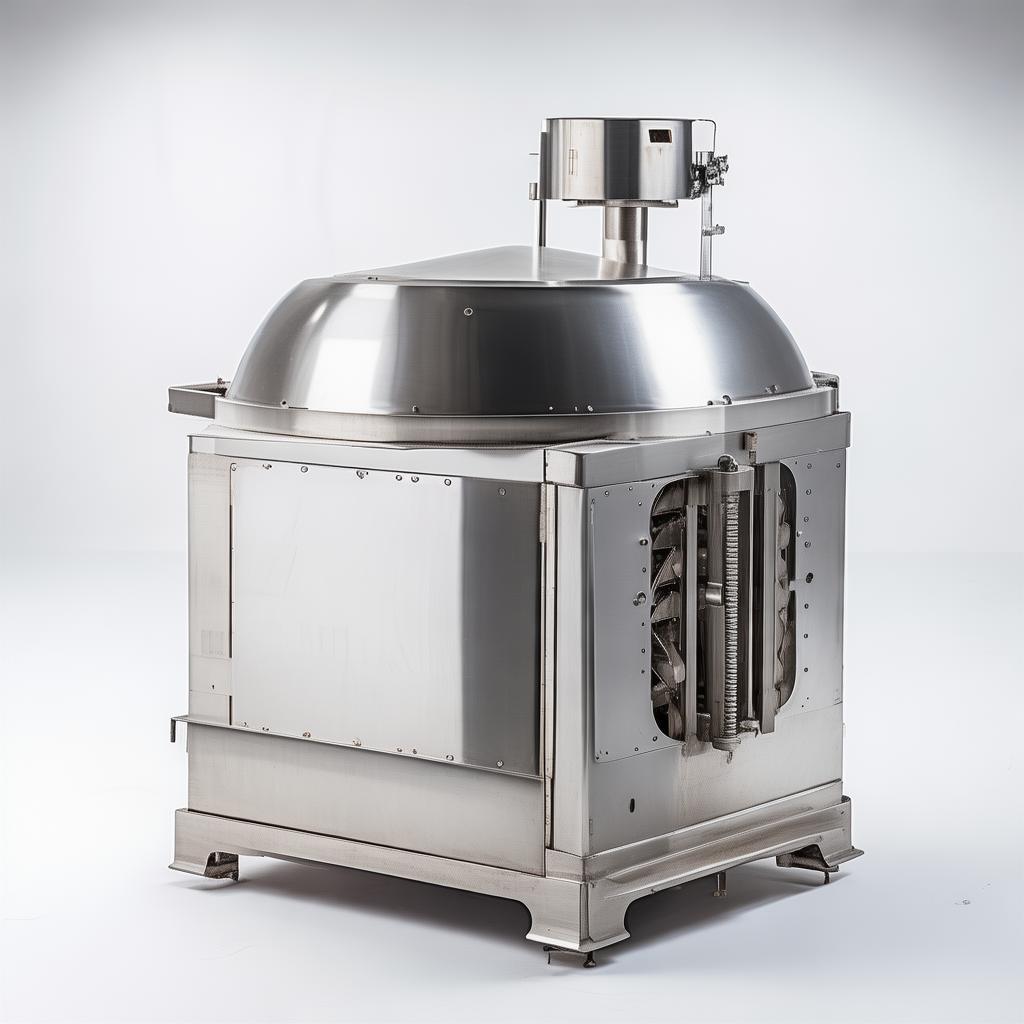
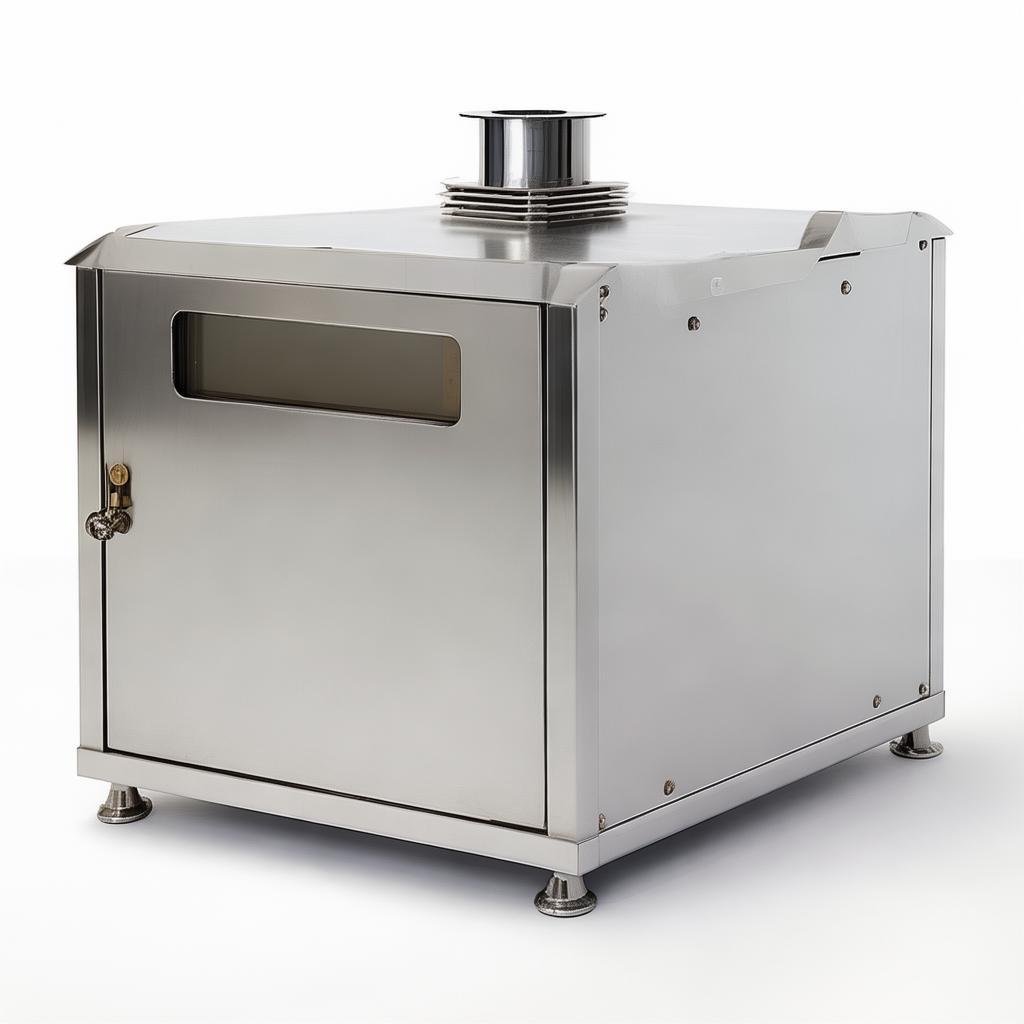
At its core, a vacuum cabinet dryer is an enclosed system designed to remove moisture from materials under reduced atmospheric pressure. The enclosure, or cabinet, typically features racks or trays upon which the product is placed. A vacuum pump connected to the cabinet reduces the internal pressure, while a heating system—often integrated into the cabinet walls or via heated shelves—supplies the energy needed for evaporation. The key advantage here is that water's boiling point drops significantly under vacuum. For instance, water boils at 100°C (212°F) at standard atmospheric pressure, but at a mere 30°C (86°F) under 0.04 bar (approx. 1.2 inHg) of vacuum. This fundamental principle is what makes vacuum drying so effective for heat-sensitive materials.
Our vacuum cabinet dryers are engineered for industrial B2B applications, offering robust construction, precise control systems, and efficient operation. They are ideal for a wide array of food products, including but not limited to: dried meats (jerky, biltong), pet food kibble, fruits, vegetables, herbs, spices, and even specialized ingredients where preserving flavor, aroma, and nutritional value is critical. The enclosed nature of the system also ensures excellent containment, preventing cross-contamination and maintaining hygiene standards, a critical factor in food production environments. The meat processing equipment market is projected to grow to USD 15.04 billion by 2030 (Grand View Research), highlighting the continuous demand for advanced solutions that improve product quality and safety.
We understand that procurement decisions for capital equipment are substantial. Our approach focuses on delivering not just a machine, but a reliable processing solution. This means considering not only the drying performance but also the long-term operational costs, ease of maintenance, and integration into existing production lines. With decades of experience, Hebei Yuanchang Food Mechanism & Technology Co., Ltd. has honed its manufacturing processes to deliver equipment that meets stringent international standards, ensuring our clients receive machinery that is both highly effective and durable.
The Science Behind Vacuum Drying: Gentle Yet Effective
The operation of a vacuum cabinet dryer is a testament to applied physics. Here’s a simplified breakdown:
- Loading: Product is evenly distributed on trays, which are then loaded onto racks inside the drying chamber. Uniform loading is key for even drying.
- Sealing & Evacuation: The chamber door is securely sealed, and a vacuum pump begins to draw air out, progressively lowering the internal pressure. This process should be controlled to avoid damaging the product with sudden pressure drops.
- Heating: Once the desired vacuum level is achieved, the heating system activates. Heat is transferred to the product, providing the latent heat of vaporization required for the water within the product to turn into vapor. Because the boiling point is significantly reduced, this can occur at temperatures that do not degrade sensitive compounds.
- Vapor Removal: The generated water vapor is continuously drawn out of the chamber by the vacuum pump and typically passed through a condenser. The condenser cools the vapor back into liquid water, which is then collected, allowing for measurement of the total moisture removed. This prevents re-condensation within the drying chamber.
- Monitoring & Control: Sophisticated control systems allow operators to precisely manage temperature, vacuum level, and drying time. This allows for customization based on product type, initial moisture content, and desired final dryness. Many systems also monitor vapor exhaust rate to indicate drying progress.
- Discharge: Once the target moisture content is reached, vacuum is released, and the dried product is removed.
The benefits of this controlled environment are substantial. For instance, in the meat processing equipment market, where tenderizing and ripening processes are often followed by drying, ensuring product stability and preventing spoilage is critical. A study highlights that equipment for filling, tenderizing, and smoking are key for meat pretreatment, forming, and ripening, and vacuum drying complements these by ensuring product longevity and quality post-processing (GMInsights).
Our machines leverage advanced vacuum technology and efficient heating systems to ensure rapid yet gentle drying, maximizing throughput while preserving product integrity. We integrate PLC control systems for precise parameter management, offering peace of mind for operations managers focused on consistency and yield.
Unlocking Superior Product Quality and Operational Gains
Choosing a vacuum cabinet dryer over conventional methods offers a cascade of benefits that directly impact your bottom line and product marketability:
Preservation of Quality
Significantly reduced temperatures minimize thermal degradation of nutrients, flavors, colors, and aromas. This results in a higher quality, more palatable final product. Think vibrant colors in dried herbs or rich aromas in specialty meats.
Extended Shelf-Life
Lower moisture content inhibits microbial growth. The vacuum environment also drastically reduces oxidation, preventing rancidity and extending product stability without the need for excessive artificial preservatives.
Enhanced Texture & Structure
Gentle drying preserves the cellular structure of the product, leading to desirable textures. For instance, it helps maintain the chewy yet tender texture of jerky, which is crucial for consumer satisfaction.
Reduced Drying Times
While gentle, vacuum drying can often be faster than conventional methods for specific products due to the increased evaporation rate under reduced pressure, leading to higher throughput.
Energy Efficiency
While a vacuum pump requires energy, the lower operating temperatures and often shorter drying cycles can lead to overall energy savings compared to high-temperature atmospheric drying methods, especially for bulk processing.
Versatile Application
Suitable for a wide range of food items, from delicate herbs to dense meat products, and even non-food applications requiring controlled drying. This versatility reduces the need for multiple specialized drying machines.
The meat processing equipment market analysis consistently points to advancements in filling, molding, and ripening technologies as drivers of growth (Fortune Business Insights). Vacuum drying directly supports these by ensuring the end product from these stages is preserved optimally. Our commitment is to provide equipment that aligns with these industry trends, enhancing your product's value and market appeal.
Technical Specifications for Demanding Operations
Hebei Yuanchang Food Mechanism & Technology Co., Ltd. offers a range of vacuum cabinet dryers, customizable to your specific production needs. Below are typical specifications; custom configurations are always available.
| Feature | Standard Model (Example) | High-Capacity Model (Example) |
|---|---|---|
| Capacity (Trays) | 10-20 | 30-50+ |
| Tray Dimensions (mm) | 600 x 400 | 800 x 600 |
| Material Construction | SS304 Stainless Steel (Food Grade) | SS304 / SS316L Stainless Steel |
| Temperature Range (°C) | 30 - 80 (Adjustable) | 30 - 90 (Adjustable) |
| Vacuum Level (Adjustable) | -0.05 to -0.098 MPa (Approx. -500 to -980 mbar) | -0.05 to -0.099 MPa (Approx. -500 to -990 mbar) |
| Heating Method | Circulating Hot Air/Water Jacket/Electric Heated Shelves | Circulating Hot Air/Steam Jacket/Electric Heated Shelves |
| Control System | Digital Temperature & Vacuum Controller | PLC Control with Touchscreen Interface, Data Logging |
| Power Supply | 380V/50Hz/3Phase (Customizable) | 380V/400V/415V, 50/60Hz/3Phase (Customizable) |
| Safety Features | Over-temperature protection, Pressure relief valve | Over-temperature protection, Pressure relief valve, Emergency Stop |
vacuum dryer vacuum tray dryer conical vacuum dryer
Our engineering team is adept at tailoring these specifications. Factors like specific heat transfer coefficients for your product, desired final moisture content, and batch size are all taken into account. For specialized applications, we can integrate advanced features like explosion-proof motors or sanitary design principles adhering to GMP standards.
Versatile Applications Across Industries
The vacuum cabinet dryer is not limited to a single niche. Its ability to dry a wide array of materials gently and effectively makes it a valuable asset across several sectors:
- Meat Processing: Production of premium beef jerky, turkey jerky, pet food treats, and other dried meat snacks where flavor, texture, and preservation are paramount. It’s ideal for post-marination and molding processes to ensure consistent dryness.
- Fruit & Vegetable Dehydration: Creating high-quality dried fruits (e.g., mango, apple slices) and vegetables (e.g., herbs, mushrooms, chili peppers) while retaining their natural colors, flavors, and nutritional components.
- Seafood Products: Drying fish fillets or shrimp for snacks or ingredients, preserving their delicate taste and texture.
- Pharmaceuticals: Drying heat-sensitive pharmaceutical powders, granules, and intermediates where maintaining chemical stability is crucial.
- Chemical Industry: Drying specialty chemicals, catalysts, or sensitive materials that cannot withstand higher atmospheric drying temperatures.
- Nutraceuticals: Processing ingredients for health supplements, ensuring active compounds remain intact.
The demand for processed meat products, including value-added items like gourmet jerky, continues to grow globally. According to market analysis, segments such as filling & stuffing equipment and massaging (for ripening) are key growth areas. Vacuum drying complements these by ensuring the final product has the desired moisture content for optimal preservation and texture, crucial for consumer acceptance and shelf stability. The estimated market size for meat processing equipment supports this trend, with projections reaching USD 19.66 billion by 2033 (SkyQuestT).
We work closely with clients to understand their specific product characteristics and processing goals. This collaborative approach ensures that the vacuum cabinet dryer selected or configured is the optimal fit for your unique application, whether it's enhancing the appeal of premium pet food or ensuring the efficacy of a pharmaceutical ingredient.
Operational Considerations: Installation & Maintenance
While vacuum cabinet dryers are designed for reliability, proper installation and routine maintenance are key to ensuring consistent performance and longevity. From an operational standpoint, here’s what to consider:
Installation
Site Preparation: Ensure a stable, level floor capable of supporting the machine's weight. Adequate ventilation around the unit is also recommended, especially for models with external heating elements or condensers.
Power Supply: Verify that the incoming electrical supply matches the machine's requirements (voltage, phase, frequency) and that appropriate safety disconnects are installed.
Vacuum System: Proper connection of the vacuum pump and exhaust lines is critical. If a condenser is included, ensure adequate cooling water supply and drainage are available.
Integration: Consider how product will be loaded and unloaded. Is there space for trolleys? Are pneumatic or manual assist systems needed for heavier loads?
Maintenance
Regular Cleaning: This is paramount in food processing. All internal surfaces, trays, and seals should be cleaned according to your HACCP plan. Dedicated cleaning protocols prevent cross-contamination and buildup.
Vacuum Pump: Check and change the pump oil regularly as per the manufacturer's recommendations. Inspect seals for wear and tear.
Seals & Gaskets: Door gaskets are critical for maintaining vacuum integrity. Inspect for cracks, hardening, or damage and replace as needed. This is a common, yet vital, maintenance item.
Heating System: Periodically check heating elements or jackets for proper function and output.
Condenser: Ensure the condenser is clean and functioning efficiently to capture moisture effectively.
We provide comprehensive installation guidance and detailed maintenance manuals with every unit. Our after-sales support team is also available to assist with troubleshooting, spare parts, and on-site service when required. A well-maintained dryer operates more efficiently, dries more uniformly, and lasts longer, directly contributing to a lower total cost of ownership. For example, an improperly sealed door can lead to longer pump-down times, increased energy consumption, and inconsistent product quality—a scenario any procurement manager wants to avoid.
Procurement Insights for B2B Buyers
Selecting the right vacuum cabinet dryer involves more than just comparing technical specs. As experienced B2B suppliers, we understand the procurement decision workflow. Here are critical factors to evaluate:
Production Capacity vs. Throughput
Do not just look at tray count. Consider batch size, drying time per batch, and desired final product moisture. This determines your true daily/weekly output and ROI. Under-specifying can cripple production.
Material Compatibility & Hygiene Standards
Ensure all food-contact surfaces meet international standards (e.g., SS304/SS316L). For sensitive applications, GMP compliance and ease of cleaning (CIP/SIP compatibility) are non-negotiable.
Control System Sophistication
For complex products, precise PLC control with data logging is essential for consistency and traceability. Can it store multiple recipes? Does it offer remote monitoring?
After-Sales Support & Spares
A factory's ability to provide timely spare parts and technical support significantly impacts uptime. Inquire about lead times for critical components. Our 40 years of experience mean we have robust supply chains.
Total Cost of Ownership (TCO)
Look beyond the initial price. Factor in energy consumption, maintenance costs, lifespan, and potential for increased yield/quality. A slightly higher initial investment can yield substantial savings over the equipment's life.
OEM/ODM Capabilities
If you have unique product requirements or integration needs, partnering with a manufacturer offering OEM/ODM services is crucial. We pride ourselves on our ability to customize.
Procurement managers in the meat processing equipment sector are increasingly focused on automation and efficiency. Market reports consistently indicate a drive towards higher quality output and compliance with stringent food safety regulations. Ensuring your dryer meets these needs is vital for long-term success. We encourage you to request detailed quotes and engage in technical consultations to make an informed decision.
Our Manufacturing Prowess: Decades of Experience
At Hebei Yuanchang Food Mechanism & Technology Co., Ltd., we bring over 40 years of hands-on manufacturing experience (since 1986) to every piece of equipment we produce. Our expansive 14,000 square meter facility is home to a dedicated team of 80-100 skilled professionals, encompassing R&D, production, and sales expertise.
Our strength lies in our vertically integrated manufacturing process. With an in-house machining workshop boasting more than 20 sets of advanced processing machinery—including high-precision lathes, milling machines, grinders, and wire-cutting equipment—we control the quality of every component. The strategic integration of 8 Japanese Mazak CNC machining centers allows us to produce high-volume, non-standard, and extremely precise parts independently. This capability is critical for ensuring the reliability and longevity of our vacuum cabinet dryers, especially for components that must maintain tight tolerances for vacuum sealing and heat transfer.
This self-sufficiency translates directly into superior after-sales service. Our traceable management system ensures we can swiftly identify and supply any required part, minimizing your downtime. We don't just assemble machines; we engineer solutions based on deep practical knowledge of food processing challenges.
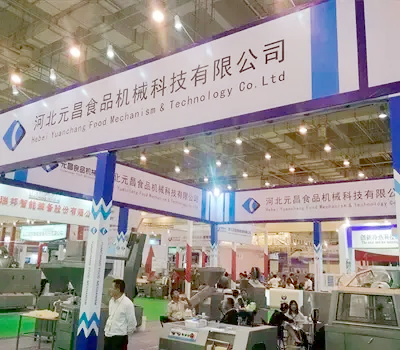
State-of-the-art machining capabilities ensure component precision.
Commitment to Quality and Safety: Our Certifications
Adherence to international standards is not just a formality; it's a fundamental aspect of our manufacturing philosophy. It assures our global B2B clients that our equipment meets rigorous quality, safety, and performance benchmarks.

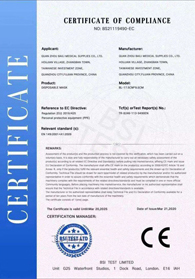


Our vacuum cabinet dryers are designed and manufactured to comply with relevant international standards, including considerations for food safety and material compliance. This commitment ensures:
- Food Safety: Materials used in food contact zones meet stringent requirements, and the dryer's design facilitates hygienic operation and cleaning.
- Electrical Safety: Compliance with electrical safety standards ensures safe operation and integration into your facility.
- Material Compliance: Use of certified materials that are durable, non-reactive, and suitable for the intended industrial environment.
For specific project requirements, we can provide detailed documentation and work towards additional certifications as needed. Our focus on quality manufacturing ensures that your investment in our equipment is protected by robust engineering and adherence to global best practices.
What Our Clients Say
Real-world feedback from businesses that have integrated our vacuum cabinet dryers into their operations.

Procurement Manager, "Gourmet Jerky Co." (USA)
"Switching to Yuanchang's vacuum dryer was a turning point for our premium beef jerky line. The consistency in moisture content across batches is remarkable, and the feedback on flavor preservation has been overwhelmingly positive. Installation was smooth, and their support team was responsive when we had a query about a specific drying profile."

Operations Director, "Pet Wellness Foods" (Canada)
"We needed a reliable way to dry our high-protein pet food kibble without compromising nutritional value or creating brittleness. Yuanchang's vacuum cabinet dryer delivered precisely that. The low-temperature drying preserves essential nutrients, and the sealed environment keeps contaminants out. It’s a robust piece of equipment that has significantly improved our product quality."

Lead Engineer, "Pharma Ingredients Inc." (USA)
"For drying sensitive active pharmaceutical ingredients, precise temperature and vacuum control are non-negotiable. Yuanchang's PLC-controlled system offers the level of repeatability and data logging we require for GMP compliance. The build quality is excellent, and the performance has been highly consistent, meeting our stringent purity and dryness specifications."

Head Buyer, "Global Spice Traders" (UK)
"We use the vacuum dryer to process delicate culinary herbs. The ability to dry at low temperatures is critical for retaining essential oils and vibrant color, which our customers demand. The machine is efficient, and the reduced drying time compared to our old methods has boosted our production capacity. We are very satisfied with the unit and the service."
Frequently Asked Questions
-
Q: How does vacuum drying differ from air drying?
A: Vacuum drying operates under reduced pressure, allowing moisture to evaporate at significantly lower temperatures than air drying. This protects heat-sensitive products from degradation and reduces oxidation. Air drying relies on heat and airflow at atmospheric pressure, which can be more aggressive. -
Q: Can I dry oily or fatty products in this dryer?
A: Yes, vacuum cabinet dryers are exceptionally well-suited for oily or fatty products. The low-temperature evaporation minimizes the risk of fat oxidation, which is a common problem with atmospheric drying methods. -
Q: What is the typical drying time?
A: Drying times vary significantly based on the product's initial moisture content, thickness, desired final moisture, temperature, and vacuum level. For many products, it can range from a few hours to overnight. We can help you estimate this based on your specific product. -
Q: Is this equipment suitable for industrial-scale production?
A: Absolutely. We offer units ranging from smaller pilot-scale models to large industrial capacities designed for continuous or high-volume batch processing. Our higher-capacity models are built for demanding production environments. -
Q: What kind of maintenance is required?
A: Regular cleaning of the chamber and trays is essential. Periodic checks and maintenance of the vacuum pump (e.g., oil changes) and door seals are also critical. We provide detailed maintenance schedules. -
Q: Can you customize the dryer for my specific product?
A: Yes, customization is a core part of our offering. We can adjust tray dimensions, chamber size, heating methods, vacuum pump capacity, and control systems to meet your unique processing requirements.
Ready to Elevate Your Product Quality?
Discover how our vacuum cabinet dryers can transform your production process, enhance product quality, and extend shelf-life.
Get in Touch
Hebei Yuanchang Food Mechanism & Technology Co., Ltd.
Shijiazhuang, Hebei Province, China
Phone: +86 15830991513
Email: ycmeatmech@gmail.com
Website: www.ycmeatmech.com
Connect with Us
Have questions or a specific project in mind? Our expert team is ready to assist you with tailored solutions and technical guidance.
Contact Us Page