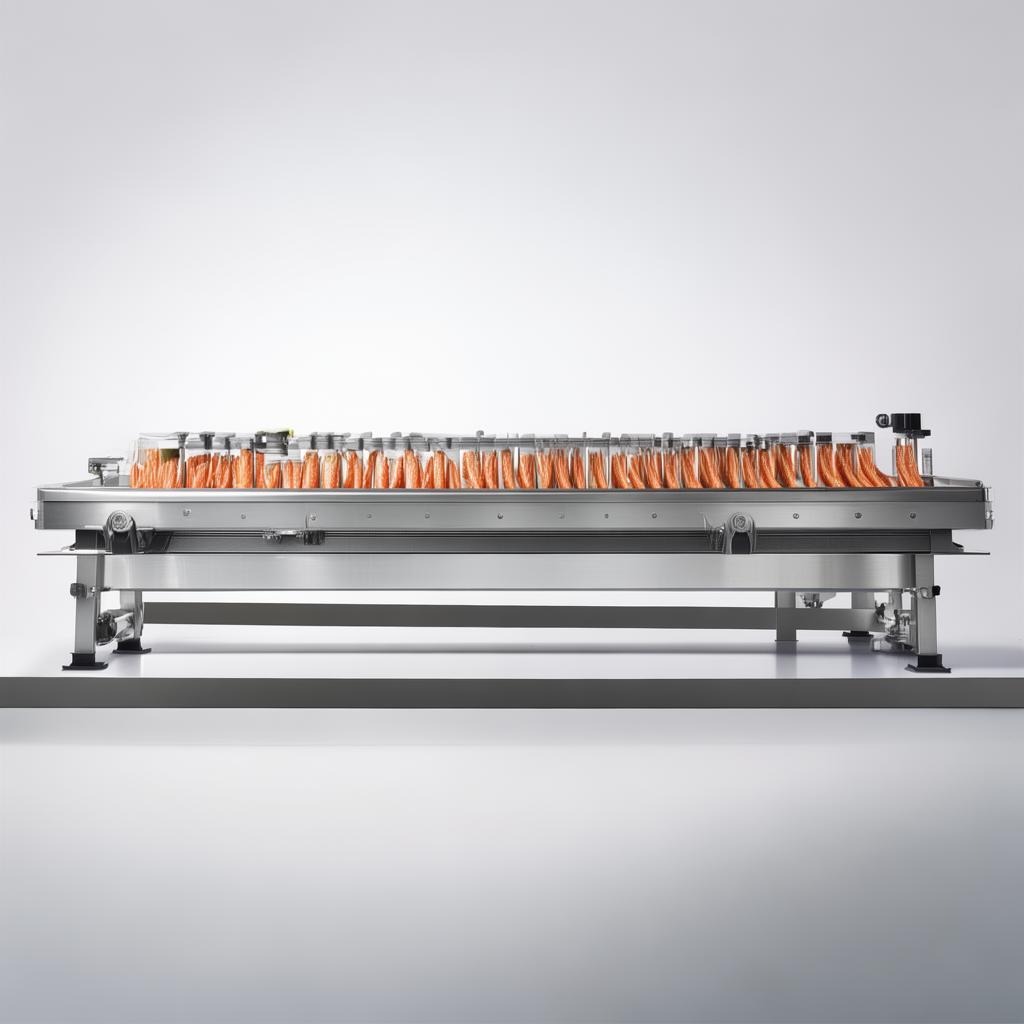
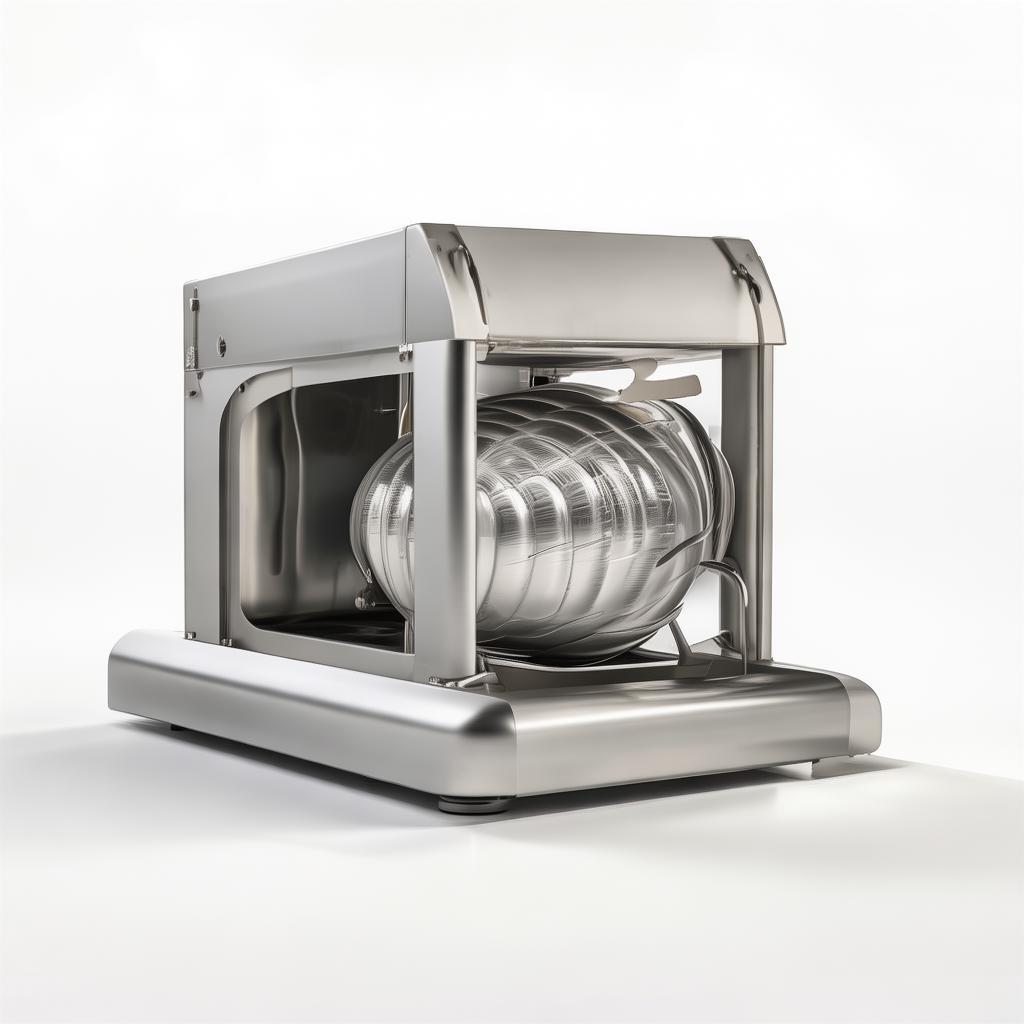
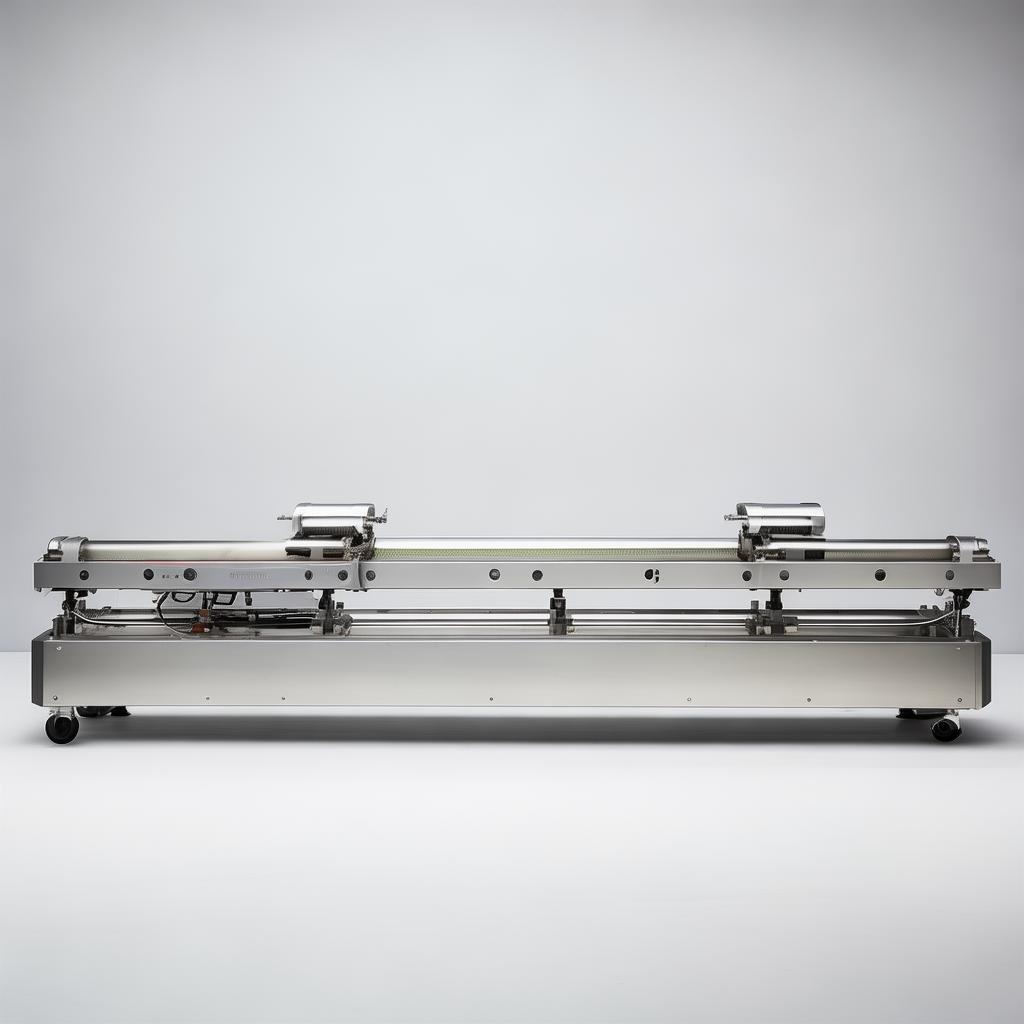
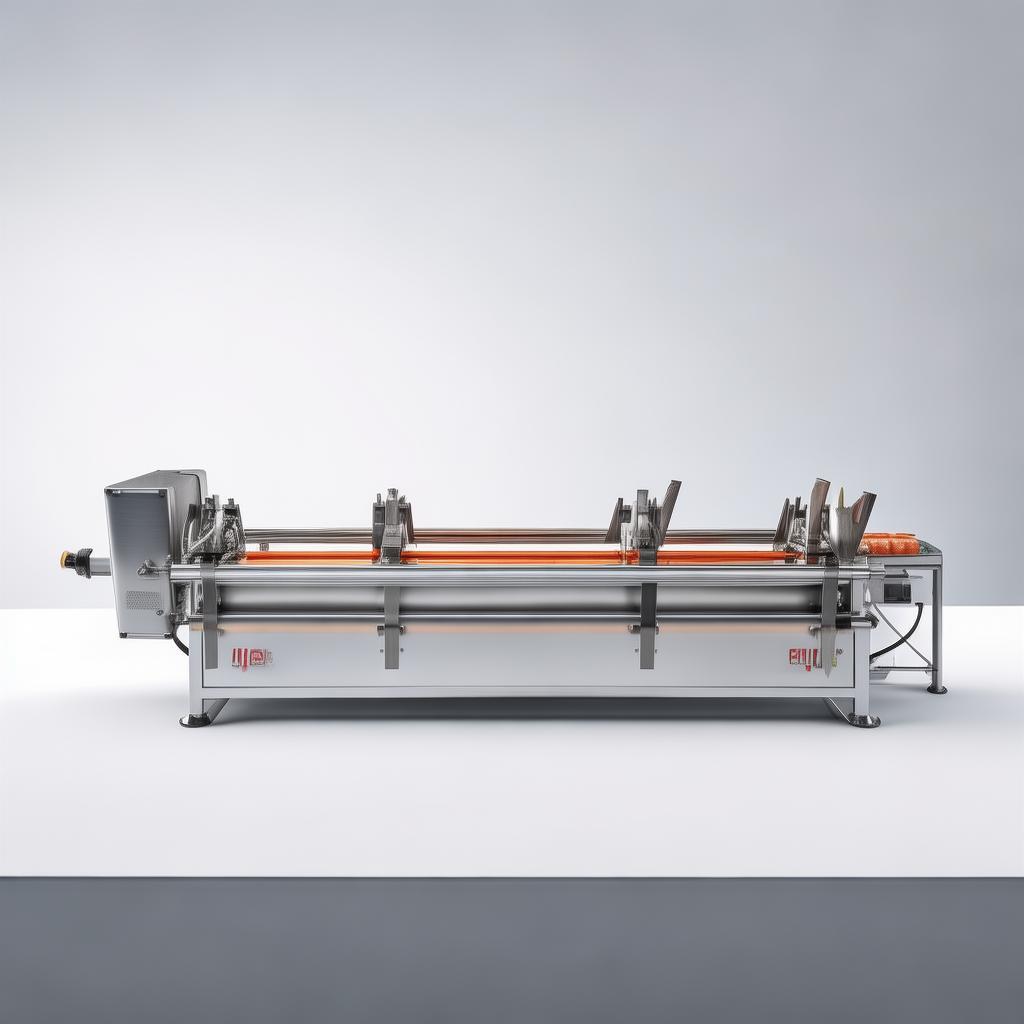
Vacuum Packaging Machinery
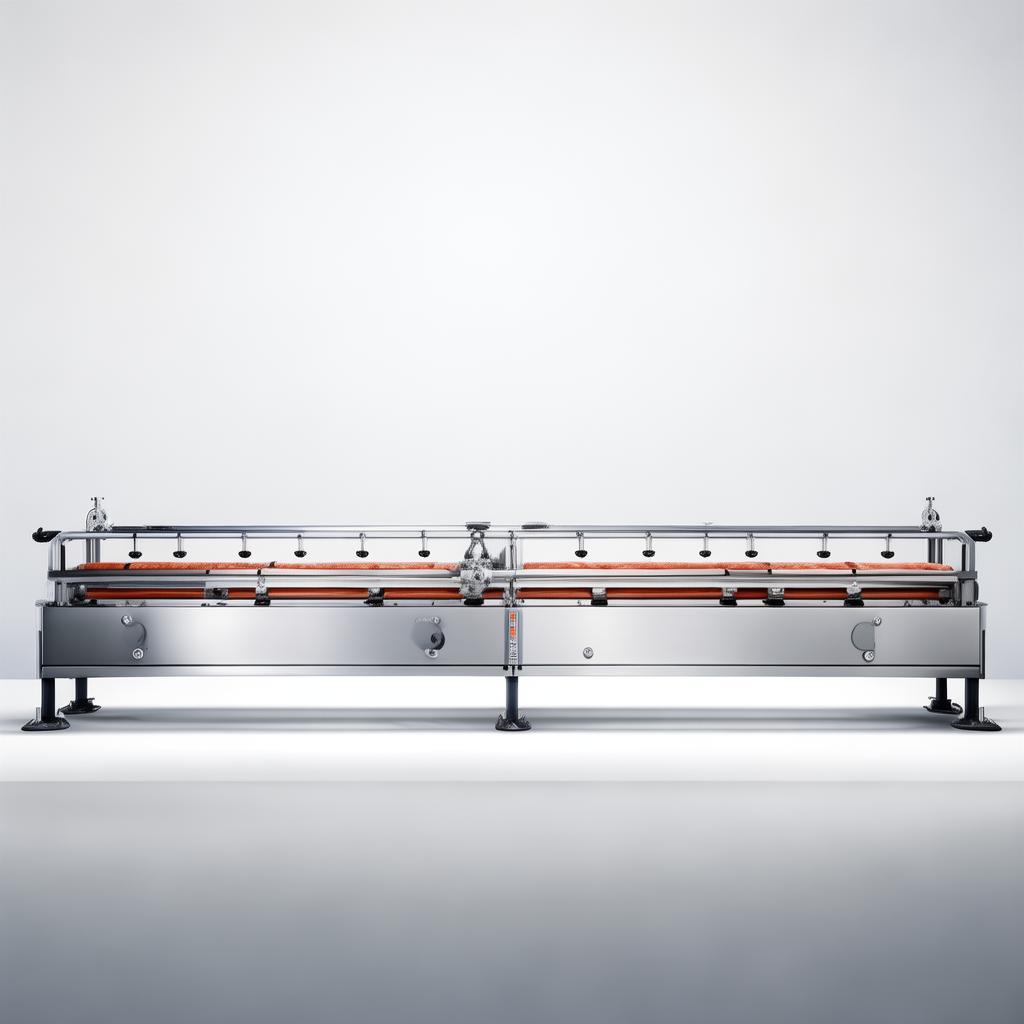
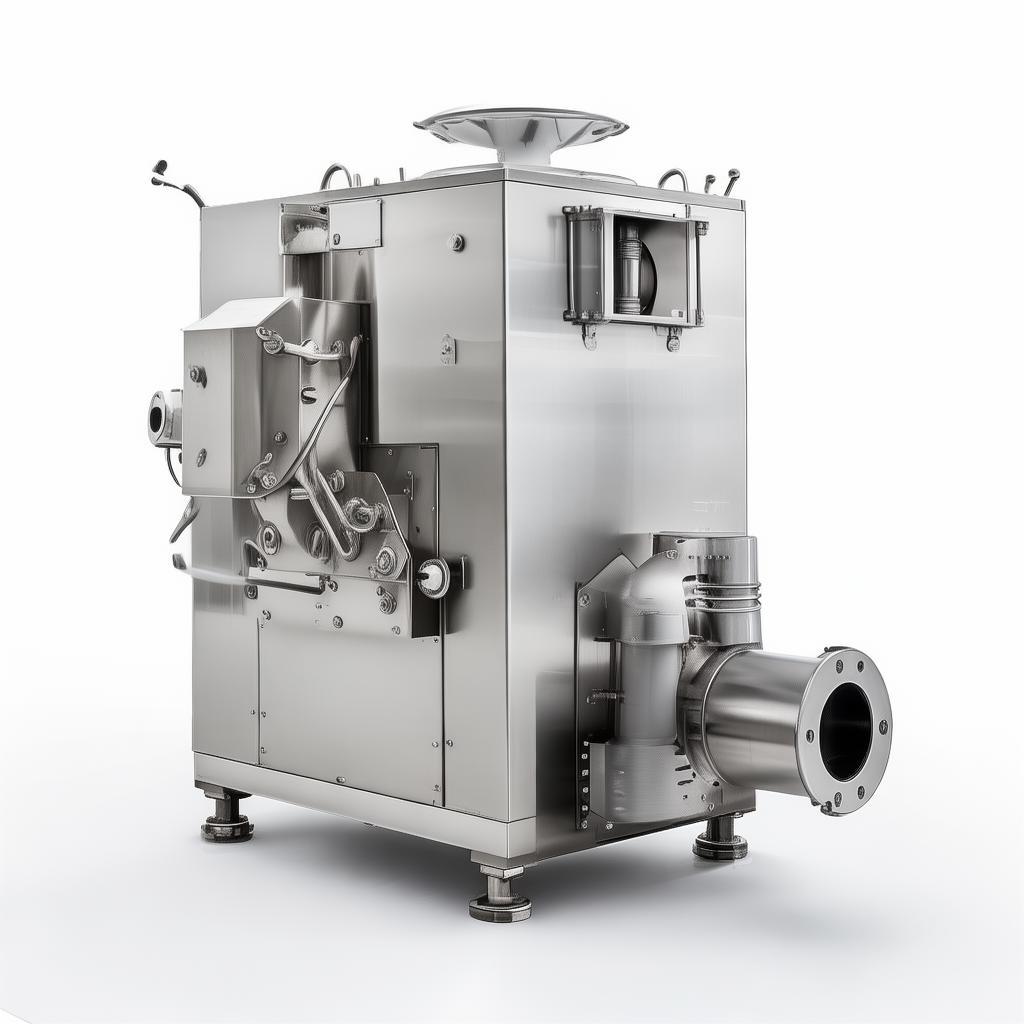
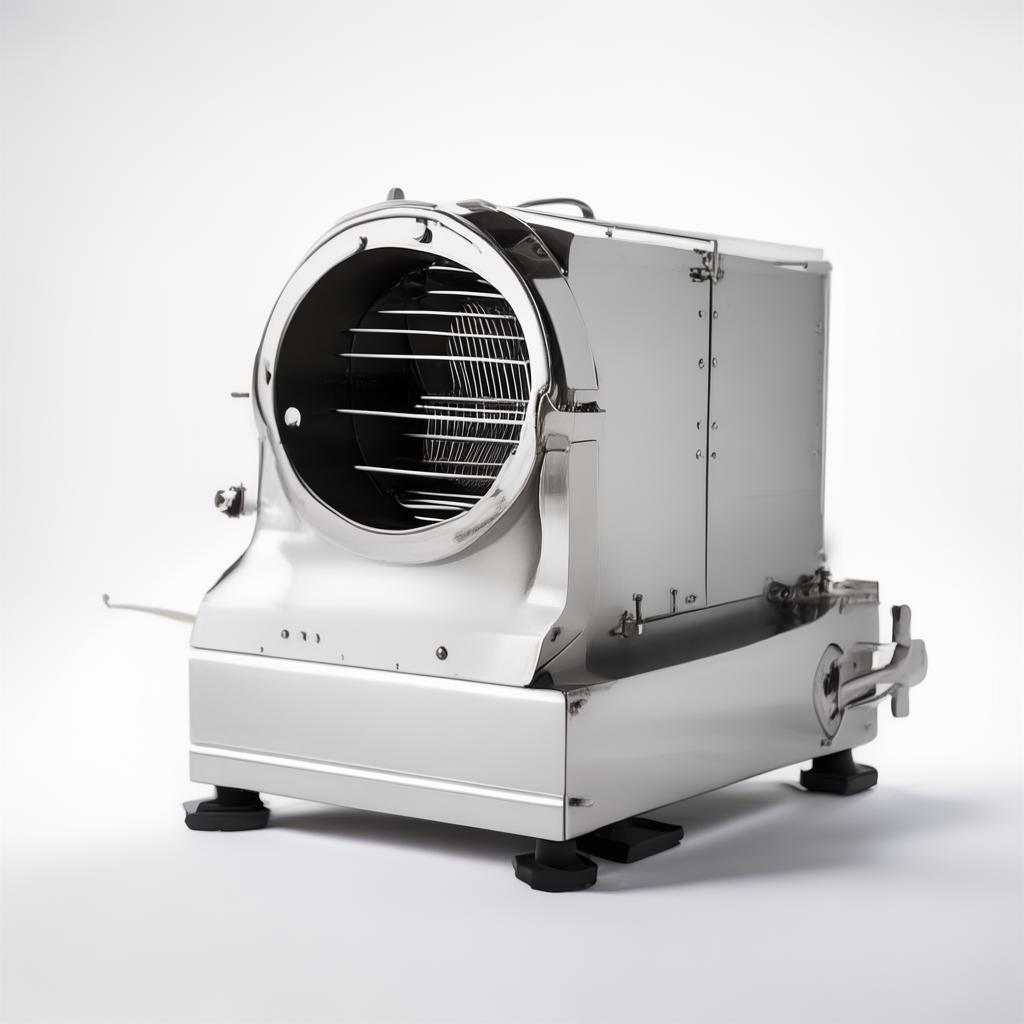
Revolutionize Your Food Preservation: High-Performance Vacuum Packaging Machinery for Industrial Excellence
Secure freshness, extend shelf life, and optimize your supply chain with our advanced vacuum sealing solutions.

 By: Liam Chen, Export Manager at Hebei Yuanchang Food Mechanism & Technology Co., Ltd.
Reviewed by: Dr. Anya Sharma, Food Processing Consultant
Why Vacuum Packaging Matters Today
In today's competitive global marketplace, particularly within the food and beverage industry, preserving product integrity and extending shelf life are not just desirable – they're critical for profitability and brand reputation. The constant battle against spoilage, oxidation, and contamination is a daily operational reality for many manufacturers. Traditional packaging methods, while functional, often fall short in truly protecting products from the pervasive threats that degrade quality and shorten viable sales periods. This is where advanced vacuum packaging machinery steps in, offering a robust solution that directly addresses these pressing concerns.
The core principle of vacuum packaging is elegantly simple yet profoundly effective: removing air from the package before sealing. This process drastically reduces the presence of oxygen, the primary culprit behind oxidative degradation, microbial growth, and enzymatic activity that lead to spoilage. By minimizing oxygen exposure, vacuum packaging significantly inhibits the processes that cause food to lose flavor, color, texture, and nutritional value. For businesses involved in wholesale export or supplying to international markets, this means products arrive at their destination retaining the quality and freshness expected by consumers, reducing costly returns and safeguarding brand loyalty.
Consider the broader market dynamics at play. The global meat processing equipment market, a sector heavily reliant on effective preservation, is substantial. Reports indicate this market was valued at approximately USD 11.29 billion in 2025 and is projected to reach USD 17.39 billion by 2034, growing at a CAGR of around 5.0%.1 This growth is intrinsically linked to the increasing demand for processed and convenience meats, which inherently require advanced packaging to maintain quality and extend shelf life. Similarly, the processed meat market itself is experiencing robust growth, projected to reach over USD 1.25 trillion by 2034.2 Such expanding markets underscore the critical need for reliable, high-capacity packaging solutions that can keep pace with production demands while ensuring product safety and appeal.
Beyond just extending freshness, vacuum packaging offers tangible operational and logistical advantages. By eliminating air, packages become more compact, allowing for more efficient storage and transportation. This optimization can lead to significant savings in warehousing space and shipping costs, especially for international freight where every cubic meter counts. Furthermore, the reduced risk of product spoilage means less waste throughout the supply chain, a critical factor in today's environmentally conscious and cost-sensitive business landscape. Reduced waste directly translates to improved profit margins and a more sustainable operational model.
For manufacturers specializing in OEM/ODM services, offering vacuum packaging capabilities can be a key differentiator. Clients increasingly seek partners who can provide end-to-end solutions, including advanced preservation techniques. Integrating high-quality vacuum packaging machinery into your production line demonstrates a commitment to product quality, safety, and innovation. It positions your company as a forward-thinking supplier capable of meeting diverse and demanding client requirements, whether for domestic distribution or cross-border commerce.
The challenges of international trade – long transit times, varying climate conditions, and complex customs procedures – all amplify the need for superior packaging. A product that is susceptible to spoilage can quickly become a liability rather than an asset when traversing continents. Vacuum sealing provides a protective barrier that helps mitigate these risks, ensuring that your product consistently meets export quality standards. This is particularly true for high-value or perishable items where maintaining perceived quality upon arrival is paramount for securing repeat business and positive market reception.
At Hebei Yuanchang Food Mechanism & Technology Co., Ltd., we understand these intricate demands. With over 40 years of experience since 1986 in manufacturing food processing equipment, we've seen firsthand how crucial effective packaging is to the success of businesses like yours. Our expertise extends to understanding the entire production flow, from initial processing to the final sealed product, allowing us to provide machinery that is not just a standalone unit but an integrated solution for your operational needs.
This focus on comprehensive solutions is what drives our commitment to offering state-of-the-art vacuum packaging machinery. We don't just sell machines; we provide the technology that safeguards your investment, enhances your product's marketability, and contributes directly to your bottom line. Whether you're a large-scale exporter, a specialized producer, or a distributor looking to improve product longevity, our vacuum packaging solutions are engineered to deliver performance, reliability, and value. Let's explore how these machines can transform your operations.
Operational Challenges in Food Preservation
Operating in the food processing and export sectors presents a unique set of challenges, particularly when it comes to maintaining product quality and shelf stability. These aren't minor inconveniences; they can directly impact your profitability, reputation, and ability to compete on a global scale. Identifying and understanding these pain points is the first step toward implementing effective solutions.
- Product Spoilage & Waste: This is perhaps the most visible and costly problem. Exposure to oxygen, moisture, and contaminants accelerates bacterial growth, oxidation, and enzymatic breakdown, leading to premature spoilage. This directly results in lost inventory, reduced profit margins, and increased disposal costs.
- Shortened Shelf Life: Products with limited shelf life present significant logistical hurdles, especially for international distribution where transit times can be lengthy. This restricts market access, limits promotional opportunities, and creates pressure on inventory management.
- Loss of Quality & Appeal: Oxidation can cause undesirable changes in color, flavor, and aroma. Texture can degrade, and nutritional value can diminish. This impacts consumer perception and satisfaction, potentially leading to negative reviews and reduced repeat business.
- Contamination Risks: Open packaging or inadequate sealing can expose food products to airborne contaminants, microorganisms, and even pests during transit and storage, posing serious health risks and regulatory compliance issues.
- Inefficient Logistics: Products packaged with excess air can occupy more volume than necessary, leading to higher shipping costs and less efficient use of warehouse space.
- Compliance with Food Safety Standards: Increasingly stringent international food safety regulations (e.g., FDA, EFSA guidelines) require robust packaging solutions that demonstrably protect product integrity and prevent contamination throughout the supply chain.
- Maintaining Consistency for Wholesale & OEM: For businesses supplying wholesale markets or providing OEM/ODM services, ensuring product consistency batch after batch is vital. Inconsistent preservation methods can lead to product failures, damaging client relationships.
These challenges are amplified when dealing with diverse product types, from delicate seafood and fresh meats to prepared meals and snacks. Each requires a tailored approach to preservation that balances effectiveness with operational efficiency and cost-effectiveness. Investing in the right equipment is not an expense; it's a strategic decision to mitigate these risks and unlock new market opportunities.
Procurement Insight: When evaluating packaging machinery, consider not just the initial purchase price but the total cost of ownership, including energy consumption, maintenance, spare parts availability, and the impact on labor efficiency. Long-term operational savings often outweigh initial investments.
Our Vacuum Packaging Machinery: Key Benefits
Our vacuum packaging machines are engineered to directly combat the challenges faced by modern food processors and exporters. We focus on delivering solutions that enhance product preservation, streamline operations, and boost profitability.
Extended Shelf Life & Freshness Preservation
By removing up to 99.9% of air, our machines create a barrier against oxygen, significantly slowing down spoilage, oxidation, and microbial growth. This translates to longer shelf life, allowing products to maintain their peak freshness and quality for extended periods, crucial for export markets.
Reduced Product Waste & Improved Margins
Minimizing spoilage means less product loss. This directly improves your bottom line by reducing write-offs and increasing the volume of sellable product. A more consistent product also leads to fewer customer complaints and returns.
Enhanced Product Quality & Appeal
Vacuum packaging helps retain the natural color, flavor, and texture of food products by preventing oxidation and dehydration. This ensures your products look and taste as intended, enhancing consumer satisfaction and brand perception.
Optimized Logistics & Cost Savings
The compact, air-free packages reduce storage volume and shipping weight. This allows for more efficient pallet loading, lower freight costs, and better utilization of warehouse space – critical for international trade operations.
Protection Against Contamination
The sealed, airtight package acts as a barrier against external contaminants, including bacteria, moisture, and odors. This is essential for maintaining hygiene standards and ensuring food safety throughout the distribution chain.
Versatile & User-Friendly Design
Our range includes machines suitable for various production volumes, from small-scale operations to high-capacity industrial lines. Intuitive controls and durable construction ensure ease of operation and minimal downtime.
Understanding the Technology
At its heart, vacuum packaging relies on removing air from a sealed environment. However, achieving consistent, high-quality results in an industrial setting requires sophisticated engineering. Our machines incorporate advanced features designed for reliability, efficiency, and superior performance.
The Vacuum Process Explained:
- Chamber Design: Products are placed inside a specially designed chamber. For our industrial machines, these chambers are robustly constructed from high-grade stainless steel, ensuring durability and ease of cleaning.
- Lid Closure: The chamber lid is closed, creating a seal.
- Vacuum Pump Activation: A powerful vacuum pump then evacuates air from the chamber. The efficiency of this pump is critical; ours are designed for rapid air removal, minimizing cycle times.
- Seal Bar Activation: Once the desired vacuum level is achieved (often adjustable based on product type), the heating elements within the seal bars activate. These bars generate precise heat to create a strong, hermetic seal across the packaging material.
- Lid Opening & Cycle Completion: After sealing, the chamber is vented, and the lid opens, allowing the operator to remove the packaged product.
Key Components & Features:
Our vacuum packaging machinery integrates several key components, each contributing to the overall performance and longevity:
Advanced Vacuum Pumps:
We utilize high-capacity, oil-lubricated or dry-running vacuum pumps known for their reliability and ability to achieve deep vacuum levels quickly. This is crucial for high-volume production environments.
Precision Sealing Systems:
Equipped with robust heating elements and precisely controlled sealing bars, our machines create consistently strong, leak-proof seals. Adjustable sealing times and temperatures ensure compatibility with a wide range of flexible packaging materials, including polyethylene (PE), polypropylene (PP), and multi-layer laminates.
Durable Construction (Stainless Steel):
The primary construction material is high-grade stainless steel (e.g., SUS304). This ensures resistance to corrosion, easy sanitation, and longevity in demanding industrial environments, meeting stringent hygiene standards like those often required for food-grade applications.
Intuitive Control Panels:
User-friendly digital interfaces allow for easy adjustment of vacuum levels, sealing times, and cooling durations. Many models offer programmable settings for different products, simplifying operation and ensuring consistency.
Safety Features:
Integrated safety mechanisms, such as automatic lid locking during operation and emergency stop buttons, are standard to protect operators and ensure smooth workflow.
Technical Consideration: When selecting a vacuum pump, factors like flow rate (L/min) and ultimate vacuum pressure (mbar) are critical indicators of performance. For demanding applications processing moist or oily products, consider pumps with gas ballast functions to extend their lifespan.
Versatile Applications Across Industries
Our vacuum packaging machinery is designed to serve a broad spectrum of industries, each with its unique demands for product preservation and presentation. The adaptability of our systems makes them an invaluable asset for diverse applications.
| Industry Segment | Typical Products Packaged | Key Benefits for This Segment |
|---|---|---|
| Meat Processing | Fresh red meat, poultry, sausages, cured meats, processed meat products, jerky | Extended shelf life for fresh cuts, prevention of oxidation in cured meats, protection from freezer burn for frozen products. Essential for meeting wholesale and export demands for products like sausages and pre-formed meat items. |
| Seafood | Fresh fish, shrimp, shellfish, smoked salmon, processed seafood | Preserves delicate flavors and textures, inhibits enzymatic spoilage, prevents odor transfer, and protects against dehydration during extended shipping, crucial for global seafood trade. |
| Dairy Products | Cheese (hard & semi-hard), butter, milk powder, processed cheese | Prevents mold growth and oxidation in cheese, maintains moisture balance, and extends the freshness of butter and milk powders for longer distribution cycles. |
| Bakery & Confectionery | Bread, cakes, cookies, pastries, dried fruits, nuts, chocolate | Maintains freshness and prevents staleness in baked goods, protects delicate items from breakage, and keeps confectionery free from moisture and oxidation. |
| Prepared Meals & Ready-to-Eat (RTE) | Sous-vide products, pre-packaged meals, salads, deli items | Enhances food safety by reducing microbial load, preserves the quality and appearance of components in mixed meals, and extends the shelf life of convenience foods. Vital for the growing RTE market. |
| Agriculture & Produce | Coffee beans, tea leaves, spices, dried vegetables, herbs | Protects aromatics and flavor profiles by preventing oxidation and moisture absorption, extends the shelf life of sensitive agricultural products, ensuring quality from farm to consumer. |
industrial vacuum packaging machine commercial vacuum packaging machine packaging vacuum machines
The market for processed meat is large and growing, with projections suggesting it could reach upwards of USD 1.33 trillion by 2035.3 This sustained demand underscores the necessity for efficient and reliable packaging solutions that can handle high volumes and ensure product integrity across complex supply chains.
Choosing the Right Manufacturing Partner
Selecting a supplier for industrial vacuum packaging machinery is a significant decision that impacts your production efficiency, product quality, and long-term operational costs. It's not just about acquiring a piece of equipment; it's about forging a partnership with a company that understands your business needs.
When evaluating potential suppliers, consider these critical factors:
Manufacturing Experience & Heritage
Look for manufacturers with a proven track record. Companies like Hebei Yuanchang Food Mechanism & Technology Co., Ltd., with over 40 years in the industry since 1986, bring invaluable practical knowledge and a deep understanding of food processing workflows. This experience translates into robust, reliable machinery.
In-House Production & Quality Control
A supplier that manufactures critical components in-house, utilizing advanced machining centers (like our Japanese Mazak CNC machines), offers greater control over quality, precision, and customization. This also ensures the availability of high-precision replacement parts, crucial for minimizing downtime.
OEM/ODM Capabilities
If you require specialized features or integration with existing lines, a supplier offering OEM/ODM services can provide tailored solutions. This flexibility is key for businesses with unique product lines or specific process requirements.
After-Sales Support & Spare Parts
Reliable after-sales service and readily available spare parts are non-negotiable. A traceable management system for parts ensures you can maintain your equipment efficiently and minimize production interruptions, especially critical for export operations.
Export Experience & Logistics Understanding
A supplier experienced in international shipping understands export documentation, packaging for transit, and global logistics. This ensures your machinery arrives safely and on schedule, reducing import complexities.
Commitment to Quality Standards
Look for adherence to international quality standards and certifications. This provides assurance of the machine's performance, safety, and compliance with regulatory requirements in your target markets.
Buyer Consideration: Don't hesitate to request factory tours (virtual or in-person) and detailed case studies. Seeing the manufacturing process and understanding how the equipment has performed for other clients provides crucial insights into a supplier's capabilities and trustworthiness.
Quality Assurance and Certifications
At Hebei Yuanchang, we are committed to delivering machinery that meets the highest standards of quality, safety, and performance. Our dedication is reflected in our manufacturing processes and the certifications we adhere to, ensuring your investment is protected and compliant with international regulations.
ISO 9001 Certified Quality Management
(Our adherence to robust quality control)
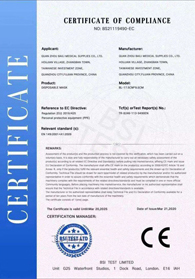
CE Marked Equipment
(Compliance with European health, safety, and environmental standards)

Food Grade Materials Compliance
(Ensuring materials in contact with food meet FDA standards)

RoHS Compliant Components
(Restriction of Hazardous Substances)
Our manufacturing facility spans approximately 14,000 square meters, housing over 20 sets of precision processing machinery. The integration of advanced CNC machining centers allows us to produce high-precision, non-standard components with exceptional accuracy. This in-house capability, combined with our traceable after-sales management system, ensures that every machine leaving our factory is built to last and supported throughout its lifecycle. Our export experience means we understand the nuances of international trade, from documentation to safe transit packaging, giving you peace of mind.
What Our Clients Say
Real feedback from businesses like yours, using our vacuum packaging solutions in demanding operational environments.

"We were struggling with spoilage on our export shipments of artisanal cheeses. Since implementing the [Specific Model Name] vacuum sealer, our return rate has dropped significantly. The seals are robust, and the machines are running reliably day in and day out. Highly recommend their export service."
- Maria Sanchez, Procurement Manager, Alpine Creamery (USA)

"As an OEM for specialty jerky products, consistent quality and shelf life are paramount. Yuanchang's vacuum packaging machines deliver the deep vacuum and strong seals we need. Their team assisted us with selecting the right machine for our production volume, and the installation support was professional."
- David Lee, Operations Director, Outback Snacks (Australia)

"We needed to upgrade our packaging line to handle higher volumes of frozen seafood. The semi-automatic vacuum sealer from Yuanchang has been a game-changer. It's faster than our old unit, and the reduced air content in the packaging means less freezer burn. Their responsiveness for spare parts is also excellent."
- Kenji Tanaka, Production Supervisor, Pacific Catch Foods (Japan)

"We were initially hesitant about sourcing from overseas, but Yuanchang made the process smooth. Their transparent communication regarding production timelines and shipping logistics was reassuring. The vacuum packaging machines are robust and performing exactly as specified. A trustworthy supplier."
- Sarah Miller, Buyer, Global Provisions Inc. (Canada)
Frequently Asked Questions
Q: What types of packaging materials can I use with your vacuum machines?
A: Our machines are compatible with a wide range of flexible packaging films, including polyethylene (PE), polypropylene (PP), laminated films, and specialized barrier materials. The optimal choice depends on your product's specific requirements for barrier properties, puncture resistance, and seal integrity. We can advise on suitable materials.
Q: How do I choose the right vacuum packaging machine for my business?
A: Key factors include your production volume, the size and type of products you package, available space, and your budget. We offer various models, from compact chamber machines suitable for smaller operations to high-capacity, fully automated systems for large-scale industrial use. Contact us with your specific needs, and our export team can guide you.
Q: What is the typical lead time for an industrial vacuum packaging machine?
A: Lead times can vary based on the model and current production schedules. For standard models, it might range from 4-8 weeks. For custom OEM/ODM solutions, the timeline will be discussed during the project planning phase. We prioritize clear communication regarding production and shipping schedules.
Q: Do you provide installation and training services?
A: Yes, we offer installation guidance and operational training to ensure your team can use the machinery efficiently and safely. For international clients, we provide comprehensive manuals and remote support. On-site services can be arranged based on your location and requirements.
Q: What kind of after-sales support can I expect?
A: We offer a traceable after-sales management system, ensuring timely access to technical support and spare parts. Our goal is to minimize your downtime and keep your operations running smoothly long after the initial purchase. We stand by the durability and reliability of our machines.
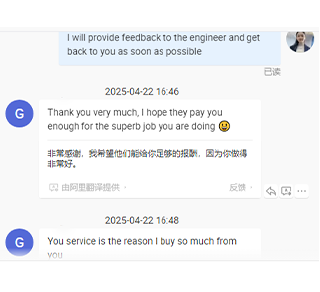
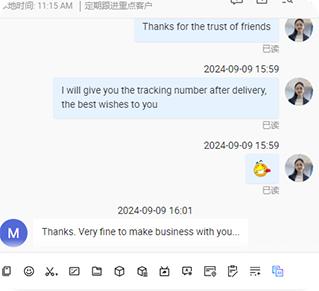
Direct Communication with Our Experts
See how we engage with clients to find the best solutions.

Ready to Enhance Your Packaging and Expand Your Reach?
Discover how our high-performance vacuum packaging machinery can optimize your production, extend product shelf life, and reduce waste. Partner with an experienced manufacturer committed to your success.
Hebei Yuanchang Food Mechanism & Technology Co., Ltd. | Shijiazhuang, Hebei Province, China | www.ycmeatmech.com