Vacuum Actuators
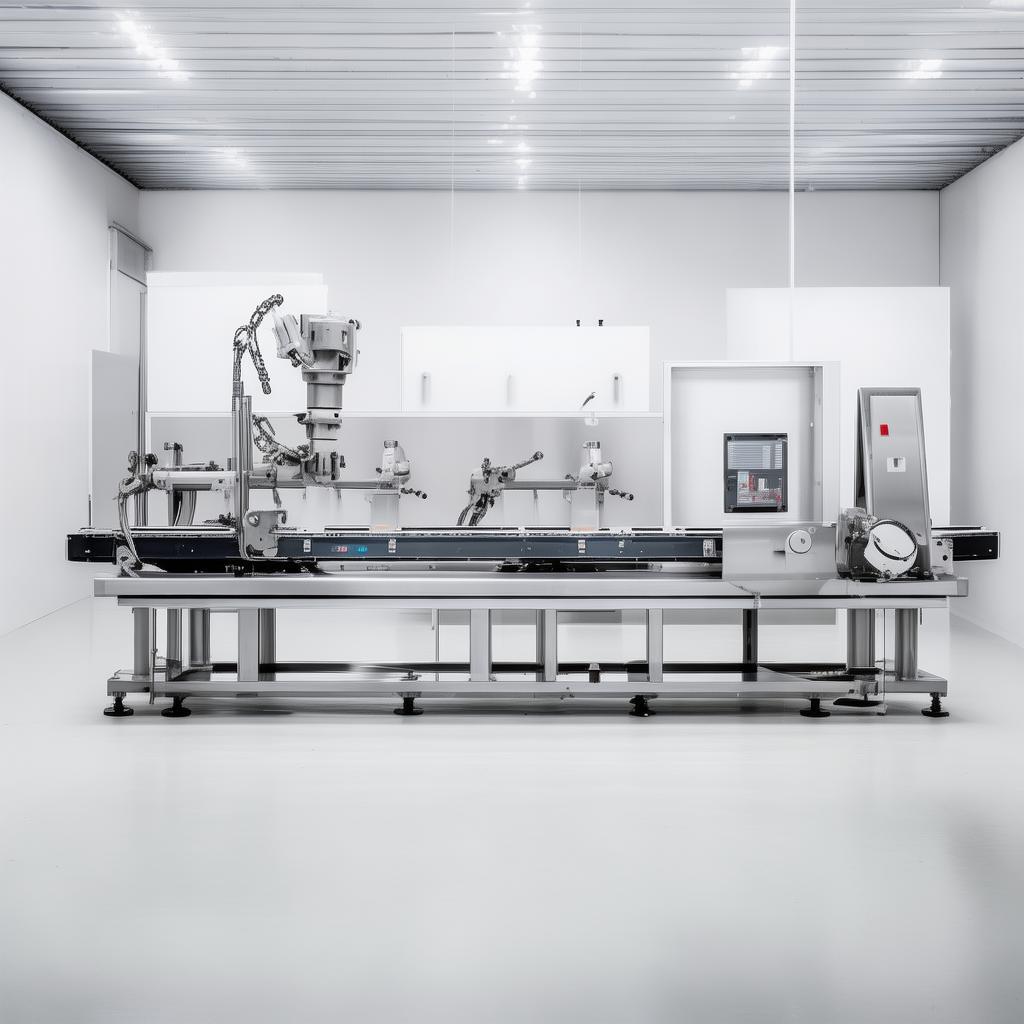
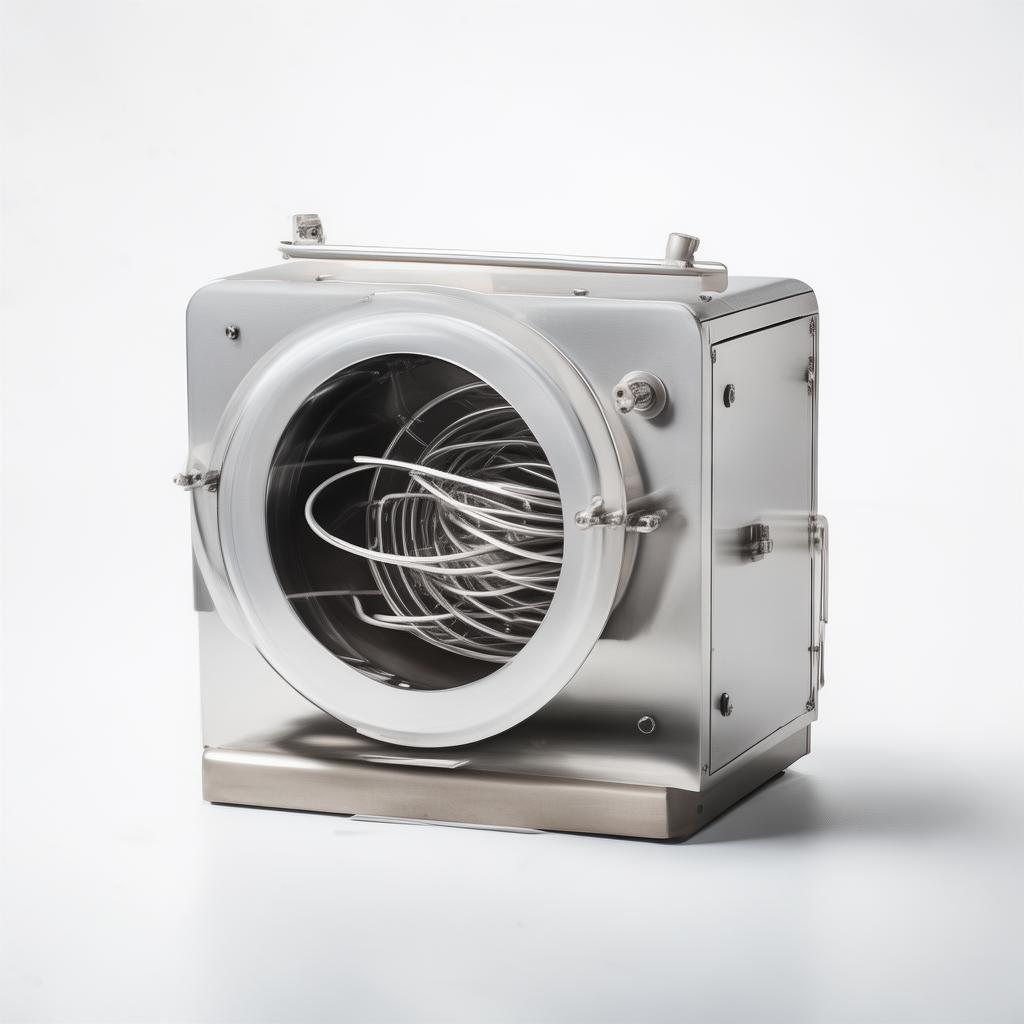
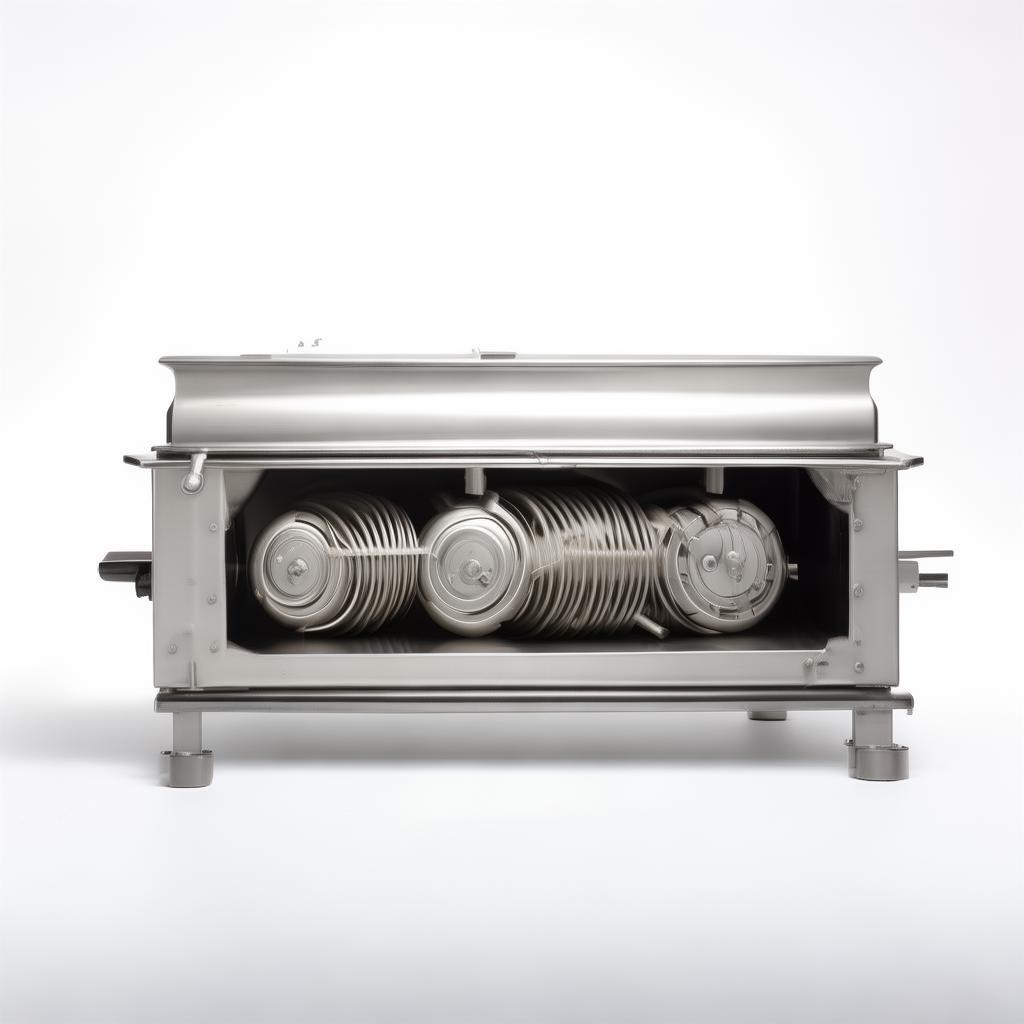
Vacuum Actuators: Precision, Reliability, and Efficiency for Demanding Industrial Applications
Unlocking Peak Performance in Manufacturing, Automation, and Beyond
 By Alex Chen, Lead Application Engineer
Understanding the Critical Role of Vacuum Actuators in Modern Industry
In the intricate world of industrial automation and manufacturing, the seamless and precise movement of components is paramount. Whether it's intricate pick-and-place operations on a high-speed assembly line, the controlled manipulation of delicate materials, or the reliable actuation of valves in complex process systems, the need for robust and responsive motion control solutions is ever-present. Among the diverse array of pneumatic components available, vacuum actuators stand out for their unique capabilities, offering a compact, energy-efficient, and highly adaptable means of generating linear or rotary motion through the application of negative pressure.
For many operational managers and procurement specialists, the term "vacuum actuator" might evoke a sense of specialized application, perhaps confined to specific niche industries. However, the reality is far more expansive. These devices are the unsung heroes in a multitude of sectors, from food and beverage processing – ensuring hygienic handling of products – to electronics manufacturing, where delicate component placement is critical. They are essential in packaging lines, automotive assembly, material handling, robotics, and even in sophisticated scientific instrumentation. Their ability to provide a strong, controlled gripping force or to drive a specific mechanical action with remarkable precision makes them indispensable in scenarios where traditional pneumatic cylinders or electric actuators might be overkill, too bulky, or not cost-effective.
The global market for meat processing equipment alone, which heavily relies on precise handling and forming technologies, was valued at approximately USD 11.29 billion in 2025 and is projected to reach USD 17.39 billion by 2034, growing at a CAGR of 5.0%. (Source: Fortune Business Insights). This growth is intrinsically linked to the demand for automation and reliable component handling, directly benefiting the need for sophisticated actuators like those powered by vacuum. Similarly, the broader food processing machinery market is expected to reach USD 109.61 billion by 2035 (Source: Meticulous Research), underscoring the pervasive use of such components across the manufacturing landscape. Our focus here is not just on the component itself, but on understanding its practical implications for your operations: how it can enhance efficiency, reduce downtime, and contribute to a more robust and cost-effective production cycle.
When sourcing vacuum actuators, the decision-making process often hinges on a complex interplay of technical specifications, operational environment, expected lifespan, and, crucially, the reliability of the supplier. Are you looking for a standard off-the-shelf solution to replace a worn-out part, or are you designing a new automated system that demands custom-engineered actuation? Do you require specialized materials for high-temperature or corrosive environments? Perhaps the priority is minimizing energy consumption to meet sustainability targets, or ensuring compliance with stringent industry standards like ISO or specific food-grade certifications. These are not trivial considerations; they directly impact the long-term performance and profitability of your investment.
At Hebei Yuanchang Food Mechanism & Technology Co., Ltd., we understand these multifaceted demands. With 40 years of experience since 1986, we've not only manufactured complex machinery but have also developed a deep, hands-on understanding of the critical components that drive them. Our expertise spans the integration of R&D, production, and sales, with an in-house machining workshop boasting over 20 sets of advanced processing machinery, including Japanese Mazak CNC machining centers. This vertical integration allows us to control precision, quality, and lead times, especially for high-standard, high-volume, or non-standard specifications – a capability crucial when selecting any critical component, including vacuum actuators. We don't just sell parts; we offer solutions backed by decades of practical, shop-floor knowledge. This article aims to demystify vacuum actuators, illuminate their advantages, and guide you toward making an informed choice that aligns with your procurement objectives and operational realities.
We recognize that for many procurement professionals, understanding the nuances of actuator technology can be time-consuming. You need clear, concise information that cuts through the marketing jargon. You need to know what distinguishes one actuator from another, what to look for in terms of durability, and how to ensure that the solution you choose integrates smoothly into your existing or planned infrastructure. This is where our experience as direct manufacturers and solution providers comes into play. We'll explore the core principles, delve into the various types and applications, and highlight the critical factors you should consider when evaluating suppliers. Our goal is to equip you with the knowledge to confidently select vacuum actuators that deliver consistent performance and tangible benefits to your bottom line.
Moreover, the global demand for processed meats, a sector that heavily utilizes these actuators for forming and handling, is substantial. Reports indicate the processed meat market is projected to grow from USD 750.58 billion in 2026 to USD 1,253.77 billion by 2034 at a CAGR of 6.62% (Source: Fortune Business Insights). This expanding market directly fuels the need for reliable, high-throughput processing equipment and its integral components. Choosing the right vacuum actuator means selecting a component that can keep pace with this demand, ensuring your production lines operate at peak efficiency without unexpected failures. We'll touch upon how different actuator designs can impact cycle times and overall throughput, a key consideration for any high-volume operation.
Finally, let's address the practicalities. Installation, maintenance, and integration are often afterthoughts during the initial selection phase, but they can become significant cost drivers if not properly considered. A vacuum actuator that requires complex setup or frequent servicing can negate its initial cost savings. We'll provide insights into common installation challenges, maintenance schedules, and how certain design features can simplify these aspects, reducing total cost of ownership and minimizing operational disruptions. This holistic view is essential for any strategic procurement decision.
Direct from Our Engineers: Your Questions Answered



Common Industrial Challenges Vacuum Actuators Help Solve
In the fast-paced world of manufacturing and automation, operational bottlenecks and inefficiencies are constant concerns. Procurement teams are under pressure to source reliable components that not only perform but also contribute to overall productivity and cost reduction. Here are some common pain points that well-selected vacuum actuators are designed to address:
- Inconsistent Material Handling: Delicate or irregularly shaped items can be difficult to grip and transfer reliably with conventional methods, leading to dropped products or damaged goods. Vacuum actuators, when paired with appropriate end-effectors (grippers, suction cups), offer a gentle yet firm hold.
- Slow Cycle Times: Existing automation processes might be limited by slow or inefficient actuation mechanisms, hindering overall production throughput. The rapid response time of many vacuum actuators can significantly speed up pick-and-place cycles.
- Complex Gripping Requirements: Handling a variety of object sizes, shapes, or surface textures can necessitate complex and expensive robotic end-effectors. Vacuum actuation offers a versatile solution that can adapt to different gripping needs with relatively simple gripper designs.
- Limited Space for Actuation: In tightly integrated machinery or compact robotic arms, there might be insufficient room for larger pneumatic cylinders or bulky electric motors. Vacuum actuators are often very compact, allowing for integration into space-constrained designs.
- High Energy Consumption: Certain actuation methods can be power-hungry, driving up operational costs. Vacuum systems can be highly energy-efficient, particularly when integrated with smart vacuum generators and leak detection systems, consuming power primarily when vacuum is actively being created or maintained.
- Need for Hygienic Operations: In food, beverage, or pharmaceutical processing, components must meet strict hygiene standards to prevent contamination. Many vacuum actuators are designed with smooth surfaces, corrosion-resistant materials, and IP-rated enclosures suitable for washdown environments.
- Risk of Component Damage: Over-clamping or mishandling can lead to damage to both the product and the actuation mechanism. Vacuum actuators offer controlled force, reducing the risk of crushing or deforming sensitive items.
- Integration Challenges: Difficulty in integrating new components with existing PLCs or control systems. Standardized pneumatic interfaces and electrical connections for vacuum generators simplify integration for many models.
By understanding these common operational hurdles, we can better appreciate the specific value propositions that different vacuum actuator technologies bring to the table. Our aim is to ensure you select a component that doesn't just fit the bill on paper, but actively contributes to solving your production challenges.
Key Advantages of Employing Vacuum Actuators
The strategic use of vacuum actuators in industrial settings offers a compelling list of benefits that translate directly into operational improvements and a healthier bottom line. These advantages stem from the fundamental principles of how vacuum is generated and utilized for motion control.
Simplicity and Cost-Effectiveness
Compared to complex electro-mechanical systems or high-pressure hydraulics, vacuum actuation systems are often simpler to design, install, and maintain. The core components—a vacuum generator (venturi or pump), vacuum lines, and the actuator/gripper—are typically less expensive, leading to a lower upfront investment. This is particularly attractive for SMBs or for applications where budget is a significant consideration. Procurement teams often find that the total cost of ownership is significantly lower.
Gentle Yet Firm Gripping
The inherent nature of vacuum allows for a conforming grip on a wide variety of surfaces and shapes without excessive force. This is crucial for handling delicate items like electronics, glass, or food products, minimizing the risk of breakage or deformation. The force applied is distributed evenly across the contact area of the suction cup or gripper.
High Speed and Responsiveness
When paired with efficient venturi vacuum generators, vacuum actuation can achieve very rapid pressure changes, leading to fast cycle times. This responsiveness is critical for high-throughput automation lines where every second counts. The system can engage and disengage suction quickly, boosting overall productivity.
Versatility and Adaptability
Vacuum actuators are not limited to specific shapes or sizes. By simply changing the suction cup or end-effector, a single vacuum system can be adapted to handle a vast array of objects. This flexibility makes them ideal for applications that involve product variety or frequent changeovers, reducing the need for specialized, single-purpose grippers.
Compact and Lightweight Design
Many vacuum actuators and vacuum generators are designed to be compact and lightweight. This is a significant advantage in robotics and automation, where payload capacity and space constraints are critical. Smaller footprints also allow for easier integration into existing machinery without major modifications.
Energy Efficiency
Modern venturi vacuum generators can be highly efficient, producing vacuum on demand. When integrated with smart controls, they only consume compressed air (for venturi types) or electricity (for pumps) when vacuum is needed. This contrasts with systems that continuously run, leading to significant energy savings over time.
Low Maintenance Requirements
With fewer moving parts compared to some other actuation technologies, vacuum systems generally require less maintenance. Regular checks of suction cups for wear, filter cleaning, and occasional checks of vacuum generators are typically sufficient, reducing downtime and maintenance costs.
These advantages, when properly understood and applied, can significantly enhance your operational efficiency and the reliability of your automated processes. Choosing the right vacuum actuator is about leveraging these inherent strengths to meet your specific industrial needs.
How Vacuum Actuators Work: The Core Principles
At its heart, a vacuum actuator leverages the concept of atmospheric pressure. Unlike pneumatic systems that use positive pressure (air pushed into a cylinder), vacuum systems utilize negative pressure – effectively, the absence of air, allowing the greater surrounding atmospheric pressure to do the work. Understanding this fundamental difference is key to appreciating their application.
The Vacuum Generation Process
The primary function is to create and maintain a low-pressure environment. This is typically achieved through two main methods:
- Venturi Vacuum Generators: These are compact, air-powered devices. When compressed air is forced through a nozzle within the generator, it creates a high-velocity jet. This jet draws in surrounding air through a secondary port, effectively reducing the pressure within the generator's output port. This is the most common method due to its speed, simplicity, and low cost, though it consumes compressed air. We often recommend venturi generators for applications requiring rapid vacuum build-up and release.
- Vacuum Pumps: These are mechanical devices (e.g., rotary vane, diaphragm, piston pumps) that actively remove air from a system to create a vacuum. Pumps are generally more energy-efficient for continuous vacuum needs and can achieve deeper vacuum levels than venturi generators. They are often used in applications where compressed air is not readily available or when minimizing compressed air consumption is a priority.
Actuation Mechanism
Once a vacuum is generated, it's routed through tubing to a specialized end-effector, most commonly a suction cup or a vacuum gripper.
- Suction Cups: These flexible cups form a seal against a workpiece. When vacuum is applied, the atmospheric pressure acting on the outside of the cup pushes it firmly against the object, creating a holding force. Releasing the vacuum allows the object to be released. Different cup shapes (bellows, flat, ribbed) and materials (nitrile, silicone, EPDM) are available to suit various surfaces and environmental conditions.
- Vacuum Grippers: More complex than simple suction cups, these can incorporate multiple suction cups, mechanical fingers actuated by vacuum, or other mechanisms to secure objects. They are often used for handling irregularly shaped items or when a more robust grip is required.
The Role of Valves and Sensors
To control the actuation cycle, valves are essential. Solenoid valves are commonly used to quickly switch the vacuum supply on and off, allowing for precise timing and control synchronized with other machine operations. Vacuum sensors play a crucial role in monitoring the level of vacuum achieved. This feedback can be used to confirm a successful grip (e.g., a sensor detects that vacuum level dropped, indicating a poor seal or dropped part) or to optimize vacuum generation, turning it off when a target vacuum level is reached, thus saving energy. For example, our systems can integrate E2S warning lights and sounders with vacuum sensing capabilities to alert operators to system status.
Key Technical Considerations for Procurement
When evaluating vacuum actuators and their associated systems, several technical specifications are critical:
- Vacuum Level (Pressure): Typically measured in kPa (kilopascals) or bar. Deeper vacuum generally means a stronger holding force.
- Flow Rate: The volume of air that can be evacuated per unit of time. Higher flow rates allow for faster gripping and release, especially important for porous materials or large suction cups.
- Holding Force: The maximum force the actuator can exert. This is dependent on the vacuum level and the effective area of the suction cup. It's essential to factor in a safety margin for dynamic loads and potential leaks.
- Actuation Speed: How quickly the vacuum can be applied and released.
- Operating Temperature and Environment: Materials compatibility (e.g., seals, cups) and IP ratings are vital for longevity in harsh conditions.
- Compressed Air Consumption (for Venturi): An important metric for operational cost and sustainability.
A thorough understanding of these principles will enable you to select vacuum actuators that precisely match the demands of your application, ensuring optimal performance and reliability.
Diverse Applications Across Industries
The versatility of vacuum actuators means they find critical roles in a remarkably wide range of industrial processes. Their ability to provide precise, non-damaging gripping and actuation makes them suitable for tasks where other technologies might fall short. Here’s a look at some key application areas:
1. Pick-and-Place Operations
This is perhaps the most common application. Vacuum end-effectors are integrated into robotic arms or linear actuators to lift and move components from one location to another. This is ubiquitous in:
- Electronics Manufacturing: Handling delicate circuit boards, semiconductors, and small electronic components. The precise grip and minimal force prevent damage.
- Food and Beverage Packaging: Placing bottles, caps, trays, or individual food items (like chocolates or pastries) into packaging. Hygienic material options for suction cups are crucial here.
- Automotive Assembly: Handling interior trim pieces, dashboard components, or even glass windshields.
- General Manufacturing: Moving parts between workstations, feeding machines, or loading/unloading CNC machines.
2. Material Handling and Logistics
In warehouses and distribution centers, vacuum lifters and grippers are used for efficient movement of goods:
- Sheet Handling: Lifting and maneuvering large sheets of glass, metal, wood, or plastic. Large vacuum cups provide a secure hold.
- Box and Bag Handling: Moving cartons or bags of product, especially those with smooth surfaces that allow for a good vacuum seal.
- Palletizing and Depalletizing: Automating the process of stacking or unstacking products onto pallets.
3. Process Automation and Control
Beyond simple gripping, vacuum actuators play roles in controlling flow and movement within processing lines:
- Valve Actuation: Small vacuum cylinders can be used to open or close valves in pneumatic or fluid systems.
- Dosing and Filling: In some specialized filling machines, vacuum can be used to control the flow of materials or to hold components in place during filling. (Think of our expertise in meat processing – precise filling is key).
- Sealing Operations: In vacuum packaging machinery, vacuum generators are fundamental to drawing air out before sealing.
4. Robotics and End-Effectors
Vacuum technology is a cornerstone of many robotic end-effector designs:
- Multi-Function Grippers: Robots often utilize vacuum end-effectors that can switch between gripping various objects or even deploy mechanical fingers.
- Collaborative Robots (Cobots): The inherent safety and low force of vacuum gripping make it ideal for cobots working alongside humans.
5. Specialized Industries
Certain sectors rely heavily on vacuum actuation for specific tasks:
- Medical Devices: Handling sensitive components in sterile environments.
- Printing and Paper Handling: Precisely positioning sheets of paper or other substrates.
- Woodworking: Holding workpieces in place for cutting, routing, or assembly.
The global meat processing equipment market, for instance, is projected to reach USD 17.39 billion by 2034 (Fortune Business Insights). Within this sector, precise handling and forming of products rely on various actuation methods, including vacuum for specific tasks like molded products or delicate placement. Our 40 years of experience in meat processing machinery (since 1986) gives us a unique perspective on the robustness and reliability needed for such demanding, high-volume applications.
Evaluating your specific operational needs against these diverse applications will help you identify the most suitable vacuum actuator solution.
Smart Procurement: What Buyers Need to Consider
Selecting the right vacuum actuator isn't just about picking a part number; it's a strategic decision that impacts your production efficiency, maintenance schedule, and ultimately, your profitability. As seasoned manufacturers, we've seen firsthand how well-chosen components can streamline operations, and conversely, how poor choices can lead to costly headaches. Here’s a buyer’s checklist to navigate the selection process:
1. Define Your Application Requirements Precisely
Before you even look at a catalog, clearly define what the actuator needs to do:
- Object(s) to be Handled: Size, weight, shape, surface texture (smooth, porous, irregular), temperature, any special handling requirements (e.g., fragile, sticky).
- Environment: Is it a cleanroom, a washdown area, a dusty industrial plant, or a high-temperature zone? This dictates material choices and IP ratings.
- Motion Profile: Required speed, stroke length (for linear actuators), cycle frequency, gripping force needed (with a safety margin).
- Integration: What existing control systems (PLC, robotics) will it interface with? Are standard electrical and pneumatic connections required?
- Space Constraints: Measure the available space for the actuator, vacuum generator, and associated plumbing.
Procurement Insight: Don't estimate. If possible, conduct trials with representative objects and environments.
2. Understand Vacuum Generation Options
The choice between a venturi generator and a vacuum pump has significant implications:
- Venturi: Best for fast cycles, integrated systems, and when compressed air is readily available. Consider air consumption and noise levels. Our Mazak CNC capabilities allow us to precision-engineer venturi components for optimal performance.
- Pump: More energy-efficient for continuous vacuum, can achieve deeper vacuum, and is suitable if compressed air is limited or costly. Requires a power source.
Operational Note: For high-cycle applications, smart vacuum generators that manage vacuum on-demand can dramatically reduce compressed air usage by up to 90%.
3. Select Appropriate End-Effectors (Suction Cups/Grippers)
This is often as critical as the actuator itself. Factors include:
- Material: Nitrile (general purpose), Silicone (high-temperature, food-grade), EPDM (weather/ozone resistant), Urethane (abrasion resistant).
- Shape: Flat for rigid, smooth surfaces; bellows for uneven or flexible items, or when significant vertical movement is needed.
- Size: Sufficient diameter for holding force, but not so large it impedes movement or creates excessive leakage.
- Sealing Lip: Consider ribbed or specially designed lips for porous materials.
Installation Tip: Always ensure suction cups have a clean, flat mating surface on the object. Even minor contaminants can break the seal.
4. Evaluate Supplier Reliability and Support
This is where experience truly matters. Look for:
- Manufacturing Expertise: Do they manufacture or just distribute? A manufacturer like us (Hebei Yuanchang) with 40 years of experience, in-house machining, and quality control has inherent advantages.
- Technical Support: Can they offer application engineering assistance? Do they have engineers who understand your industry?
- Lead Times and Inventory: Can they meet your production schedule? Do they maintain stock of critical components?
- Quality Certifications: ISO certifications (like ISO 9001) are standard. For specific industries (e.g., food), compliance with relevant standards is non-negotiable.
- After-Sales Service: What is their policy on returns, warranty claims, and spare parts availability? Our traceable after-sales management system ensures you're covered.
Risk Reduction Promise: Partnering with experienced manufacturers reduces the risk of component failure, incorrect specifications, and supply chain disruptions.
5. Consider Total Cost of Ownership (TCO)
Don't be swayed solely by the lowest upfront price. Factor in:
- Initial purchase price
- Installation costs
- Energy consumption
- Maintenance and spare parts
- Downtime costs due to failure
- Potential for product damage
Commercial Realism: A slightly higher initial investment in a reliable, high-performance actuator can save significantly more in the long run.
By following these guidelines, you can make a more informed and strategic decision, ensuring the vacuum actuators you choose will contribute positively to your operational goals.
Our Manufacturing Strength: Decades of Precision Engineering
At Hebei Yuanchang Food Mechanism & Technology Co., Ltd., our 40 years of experience since 1986 have forged us into more than just a supplier; we are a manufacturing partner with deep roots in industrial production. Our comprehensive facility, spanning approximately 14,000 square meters and employing 80-100 dedicated professionals, is the bedrock of our capability to deliver high-quality, reliable components like vacuum actuators and the systems they integrate into.
What truly sets us apart is our commitment to vertical integration and in-house precision manufacturing. Our machining workshop is equipped with over 20 sets of advanced processing machinery, including:
- Lathes
- Milling Machines
- High-Precision Grinding Machines
- Boring Machines
- Plate Shears and Bending Machines
- Wire Cutting Equipment
This robust infrastructure allows us to control every step of the component manufacturing process, ensuring that parts meet exact specifications and tolerances. The investment in 8 sets of Japanese Mazak CNC machining centers in 2012 was a significant leap, enabling us to undertake the production of high-standard components requiring large volumes, exceptional precision, and non-standard specifications. This capability is directly relevant to creating custom vacuum actuator components or precisely machined parts for integrated systems.

This in-house capability means we can:
- Ensure Uncompromising Quality: From raw material selection to final inspection, we maintain rigorous quality control.
- Offer Customization: We can readily produce custom-specification parts and components to meet unique OEM/ODM requirements for vacuum actuation systems.
- Control Lead Times: By managing production internally, we can offer more reliable and often shorter lead times compared to distributors.
- Guarantee Traceability: Every component can be traced back through our production process, providing accountability and a solid basis for after-sales support.
- Maintain Cost-Effectiveness: Efficient in-house operations and reduced reliance on external suppliers allow us to offer competitive pricing without compromising quality.
Our product range historically focuses on meat processing equipment, which demands adherence to strict hygiene standards, material traceability (often stainless steel), and robust, long-lasting performance—qualities directly transferable to the production of reliable actuation components. We understand the importance of complete production lines and the role each component plays.
Whether you require standard vacuum actuators for integration into your machinery or are developing a bespoke automated solution, our manufacturing prowess ensures you receive components built to last and perform under pressure. Our commitment is to provide the reliability and precision that only direct manufacturing experience can deliver.
Material Choices for Vacuum Components: Durability Meets Application
The materials used in vacuum actuators, particularly the suction cups and seals, are critical determinants of their performance, lifespan, and suitability for specific industrial environments. At Hebei Yuanchang, we understand that the right material choice is not a one-size-fits-all proposition. It's about matching the component's properties to the operational demands.
While vacuum generators and actuator bodies are often made from durable engineering plastics (like POM, PBT) or aluminum alloys for robustness and light weight, the key material considerations lie in the interface components.
| Material | Typical Applications & Properties | Advantages | Considerations |
|---|---|---|---|
| Nitrile Rubber (NBR) | General purpose suction cups and seals. Good for handling smooth, non-porous materials like metal, glass, and plastics. | Cost-effective, good abrasion resistance, broad chemical resistance (oils, fuels). | Limited UV and ozone resistance, not ideal for very high temperatures (typically up to 80-100°C). |
| Silicone Rubber | Food-grade applications, high-temperature environments, handling delicate or coated surfaces. | Excellent high-temperature resistance (up to 200°C+), good flexibility, FDA compliant options available, UV and ozone resistant. | Lower abrasion resistance than NBR, can be more expensive, may have lower tensile strength. |
| EPDM Rubber | Outdoor applications, environments with exposure to weather, ozone, or specific chemicals. | Excellent resistance to weathering, ozone, steam, and water-based chemicals. Good temperature range. | Poor resistance to oils and hydrocarbons. |
| Polyurethane (PU) | Applications requiring high abrasion resistance, e.g., handling rough or sharp-edged materials, palletizing. | Outstanding abrasion and tear resistance, high tensile strength, good load-bearing capacity. | Limited high-temperature performance, can be less flexible at low temperatures, moderate chemical resistance. |
| Butyl Rubber | Handling of gases, vacuum packaging, or applications requiring very low gas permeability. | Extremely low gas permeability, good resistance to heat and aging. | Lower mechanical strength compared to other elastomers, limited chemical resistance to some substances. |
vacuum linear actuator vacuum compatible linear actuator vacuum manipulators and motion
Industry Observation: For food processing applications, where our core expertise lies, food-grade silicone or specific grades of NBR are commonly specified to meet stringent hygiene and safety regulations, such as those aligned with FDA standards.
Choosing the correct material ensures not only effective gripping but also longevity, reducing replacement frequency and associated maintenance costs. When discussing your needs with our application engineers, be sure to highlight the environmental conditions and the nature of the materials you intend to handle.
Technical Specifications: Key Data for Vacuum Actuators
To ensure optimal performance and reliable integration, understanding the precise technical specifications of vacuum actuators is non-negotiable. While specific models vary greatly, the following parameters are fundamental. We provide these as representative examples; for exact specifications on our offerings, please Request Detailed Product Catalogs.
General Purpose Vacuum Cylinder (Example)
| Parameter | Specification | Unit | Notes |
|---|---|---|---|
| Actuation Type | Double Acting / Single Acting (Spring Return) | - | Depends on application requirement |
| Bore Size | 10, 16, 20, 25, 32, 40, 50 | mm | Dictates stroke and force potential |
| Operating Vacuum Range | -20 to -80 | kPa | Typical range; deeper vacuum for stronger hold |
| Operating Temperature | -10 to +70 | °C | Material dependent (seals, body) |
| Port Size | M5, G1/8", G1/4" | - | For vacuum line connection |
| Body Material | Anodized Aluminum Alloy / Stainless Steel (SS304/316) | - | SS options for corrosive or hygienic environments |
| Seal Material | NBR / Viton / EPDM | - | Select based on temperature and chemical exposure |
| IP Rating | IP52 / IP65 / IP67 | - | Crucial for washdown or dusty environments |
Example Suction Cup Data
| Parameter | Typical Value | Unit | Notes |
|---|---|---|---|
| Diameter | 10, 20, 30, 40, 50, 60+ | mm | Select based on object size and weight |
| Effective Holding Force (@ -60 kPa) | 0.5 - 30+ | N (Newtons) | Calculated, actual may vary based on seal |
| Cup Material | NBR, Silicone, PU, EPDM, Butyl | - | See Material Comparison section |
| Vacuum Port Connection | Push-in fitting, Threaded | - | Match tubing size and type |
Procurement Tip: Always request manufacturer-specific datasheets for precise application guidance. Our engineers can help you interpret these specs.
Practical Considerations: Installation & Maintenance
The performance and longevity of any industrial component hinge not only on its initial quality but also on how it's installed and maintained. Vacuum actuators, despite their relative simplicity, benefit greatly from best practices.
Installation Best Practices
- Cleanliness is Paramount: Ensure all connection ports, tubing, and suction cups are free from debris, grease, or particulate matter before assembly. Any contamination can compromise the vacuum seal and lead to leaks or inefficient operation.
- Proper Tubing: Use vacuum-rated tubing that is flexible enough for the required movement but rigid enough to prevent collapse under vacuum. Keep tubing runs as short and direct as possible to minimize pressure drop and response time. Avoid sharp bends or kinks.
- Secure Connections: Ensure all pneumatic fittings are securely tightened to prevent air leaks. For push-in fittings, verify the tubing is inserted fully.
- Component Mounting: Mount actuators and vacuum generators securely to prevent vibration-induced wear or misalignment. Ensure adequate space for maintenance access.
- System Testing: After installation, perform thorough tests. Check for vacuum leaks, verify cycle times, and confirm the holding force is adequate using your specific product. Use vacuum sensors to monitor performance and set alarm thresholds for low vacuum.
Operational Warning: Never rely solely on stated holding force figures. Always test with your actual workpiece and add a safety factor, especially for dynamic applications or when handling safety-critical items.
Routine Maintenance Schedule
Regular maintenance is key to preventing unexpected downtime and extending component life. A typical schedule might include:
-
Daily/Per Shift:
- Visual inspection of suction cups for signs of wear, tears, or damage.
- Check for any audible air leaks.
- Ensure vacuum tubing is secure and free from obstructions.
-
Weekly/Monthly:
- Clean suction cups and mating surfaces.
- Inspect and clean any external filters on vacuum generators.
- Check all pneumatic connections for tightness.
- Verify vacuum sensor readings and calibration, if applicable.
-
Quarterly/Annually (or as per manufacturer recommendation):
- Replace worn suction cups.
- Service or replace vacuum generator (e.g., check/replace pump seals, clean internal components) as per manufacturer guidelines.
- Lubricate internal parts of pneumatic actuators if required (check specific model documentation).
- Inspect and clean breather valves and silencers.
Experience Note: For applications in dusty or corrosive environments, maintenance intervals should be shortened. For food processing, compliance with hygiene protocols during maintenance is critical, often requiring specific cleaning agents and procedures.
By adhering to these installation and maintenance guidelines, you can maximize the operational efficiency and lifespan of your vacuum actuator systems, ensuring consistent performance and minimizing costly disruptions.
Logistics and Shipping: Global Reach, Local Reliability
For international B2B trade, reliable logistics and timely shipping are as crucial as product quality. At Hebei Yuanchang, we understand that for your operations, receiving the right components on schedule is non-negotiable. Our 40 years in manufacturing and export have honed our capabilities to ensure efficient and secure global distribution.
We routinely handle the complexities of international shipping, from proper packaging to documentation for customs clearance. Our in-house production allows us to better manage lead times, giving you more accurate delivery estimates. Whether your order is a few critical components or a larger shipment integrated into a complete production line, we have experience in optimizing container loading and freight arrangements to ensure cost-effectiveness and timely arrival.
Export Experience: We are adept at shipping to North America, Europe, Asia, and other global markets, understanding the nuances of different customs regulations and shipping requirements.
When you Request a Quote, our team will work with you to provide clear shipping options, estimated delivery times, and associated costs, ensuring transparency throughout the process.
What Our Clients Say
Real-world feedback from procurement professionals and engineers is the best measure of a supplier's performance. Here’s what some of our partners have shared:
 Mark Jenkins
Purchasing Manager, Automation Solutions Inc.
"We needed reliable vacuum actuators for a new high-speed packaging line. Hebei Yuanchang not only provided components that met our tight specs but also offered valuable application advice. The lead time was better than expected, and the integration was seamless. We've seen a significant reduction in handling errors since implementing their solution."
 Sarah Chen
Operations Engineer, FoodTech Manufacturing
"The food-grade suction cups and actuators from Yuanchang have been essential for our new product line. Their expertise in handling hygienic requirements is evident. The durability in our washdown environment is impressive, and the consistent performance has boosted our line efficiency. Highly recommend for food processing applications."
 David Lee
Procurement Director, Electronics Assemblers Corp.
"Reliability is key in our industry, where handling minute components is critical. Yuanchang's vacuum actuators provide the precision and gentle grip we need. Their ability to customize small-bore components was a game-changer for our compact robotic cell. Communication and support were excellent throughout the project."
Frequently Asked Questions About Vacuum Actuators
What is the typical lifespan of a vacuum actuator?
The lifespan varies significantly based on application, operating conditions (cycles per minute, environmental factors), maintenance, and the quality of the actuator. In well-maintained, moderate applications, high-quality units can last for millions of cycles. For high-cycle or harsh environments, regular inspection and replacement of wear parts like seals and suction cups are crucial. Our robust manufacturing processes aim to maximize this lifespan.
Can vacuum actuators handle porous materials?
Yes, but it requires specific types of suction cups and a more robust vacuum generation system. Cups designed for porous materials often have multiple small sealing lips or textured surfaces to create a better seal. Higher flow rate vacuum generators are also needed to evacuate air from the pores quickly enough to achieve a sufficient grip force. Let us know your material, and we can recommend the right solution.
What is the difference between a vacuum generator and a vacuum pump?
A vacuum generator (venturi type) uses compressed air to create vacuum, offering fast response but consuming air. A vacuum pump mechanically removes air, generally being more energy-efficient for continuous vacuum needs and capable of achieving deeper vacuum levels, but typically has a higher initial cost and requires electricity.
Do you offer custom vacuum actuator solutions?
Absolutely. With our extensive manufacturing capabilities, including advanced CNC machining, we specialize in developing custom solutions tailored to unique application requirements. From specific dimensions to specialized materials or integrated functionalities, we can engineer a vacuum actuator system that precisely fits your needs. Talk to our engineers about your project.
What are the safety considerations for vacuum actuation systems?
Key safety considerations include ensuring adequate holding force with a safety margin, using vacuum sensors to detect grip failures, implementing emergency stop functionality, and protecting operators from moving parts. For systems using compressed air, proper pressure regulation and safety relief valves are also essential. Our components are designed with these factors in mind, and we advise customers to integrate them within a comprehensive safety system.