Vacuum Compatible Stage
Vacuum Compatible Stages: Precision Engineered for Demanding Environments
Unlock unparalleled performance in vacuum, cleanroom, and specialized industrial applications.
Precision Motion in the Extreme: Your Solution for Vacuum Environments
In critical scientific research, advanced manufacturing, and high-tech industrial processes, the operating environment dictates the equipment's capability. For applications requiring an ultra-clean, particle-free, and low-pressure setting – typically a vacuum – standard motion control components simply won't suffice. They can outgas contaminants, overheat, or fail due to the lack of atmospheric pressure and thermal convection. This is precisely where vacuum compatible stages become indispensable.
These are not just ordinary linear or rotary stages. They are meticulously designed and manufactured to perform reliably and precisely within vacuum chambers, cleanrooms, semiconductor fabrication facilities, and various advanced R&D laboratories. The term "vacuum compatible" implies a rigorous adherence to material selection, lubrication, assembly, and outgassing specifications. It's about engineering for a total lack of ambient air, where every component must function without the usual support systems and where contamination is an absolute enemy.
Consider the challenges: Thermal management is critical. Without air for convection, heat generated by motors, bearings, and electronics must be dissipated through conduction or radiation. Lubricants must be specifically chosen to have extremely low vapor pressure, preventing them from evaporating into the vacuum and contaminating sensitive samples or processes. Materials themselves must be selected for their low outgassing rates to maintain the purity of the vacuum environment. Any particulate generated during motion could ruin an experiment or a batch of high-value microchips. These are the operational realities that demand specialized solutions.
The market for vacuum-compatible stages is driven by innovation in fields such as thin-film deposition, surface analysis, semiconductor testing, advanced optics manufacturing, and even space simulation. As research pushes the boundaries of what's possible at the molecular and atomic levels, the need for precise, repeatable, and contamination-free motion control only intensifies. The global meat processing equipment market, for instance, is seeing significant growth, projected to reach USD 17.39 billion by 2034 according to Fortune Business Insights. While seemingly unrelated, this market's need for automation, hygiene, and precision in processes like filling, molding, and ripening (massaging) highlights a broader industrial trend: the demand for specialized, reliable machinery tailored to specific operational challenges. Similarly, the vacuum stage market caters to highly specialized, albeit smaller, niches where precision and purity are paramount. This equipment isn't just a component; it's an enabler of cutting-edge technology.
At Hebei Yuanchang Food Mechanism & Technology Co., Ltd., while our roots are deeply embedded in providing robust solutions for the meat processing industry with over 40 years of experience, our engineering ethos extends to tackling complex industrial challenges. Our in-house machining capabilities, including Japanese Mazak CNC centers, allow us to produce high-standard components with the precision and reliability required for demanding applications. This foundation in high-precision manufacturing, coupled with our commitment to quality and rigorous testing, positions us to engineer solutions for environments like vacuum chambers. We understand that in these critical settings, failure is not an option, and contamination is a direct threat to success. Therefore, our approach to vacuum compatible stages is grounded in practical engineering, material science expertise, and a deep understanding of the operational risks involved.
This page delves into what makes a stage truly "vacuum compatible," the key considerations for procurement, the advantages they offer, and how our capabilities align with the stringent requirements of your most sensitive applications. We’ll cover everything from material science and lubrication to thermal management and cleanroom assembly, ensuring you have a clear picture of what to look for and why precision matters when the atmosphere is removed.

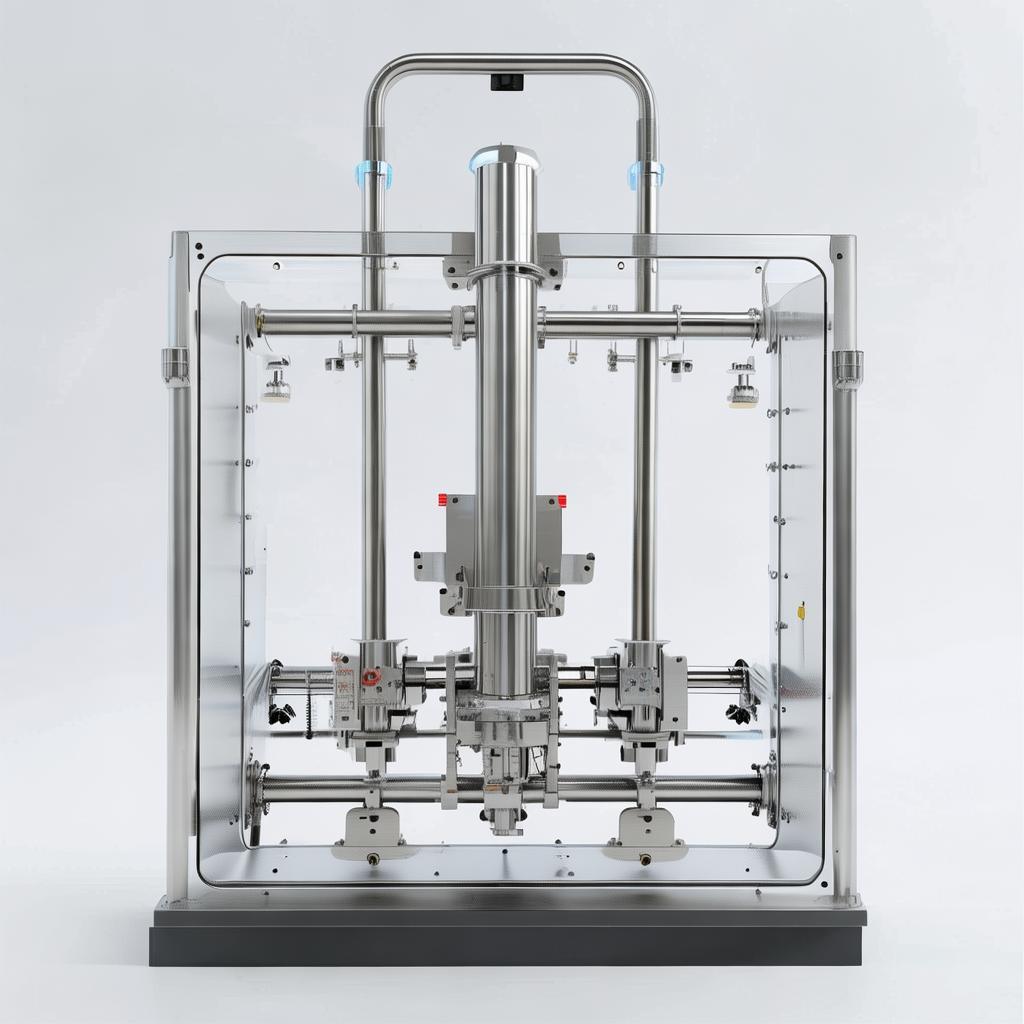
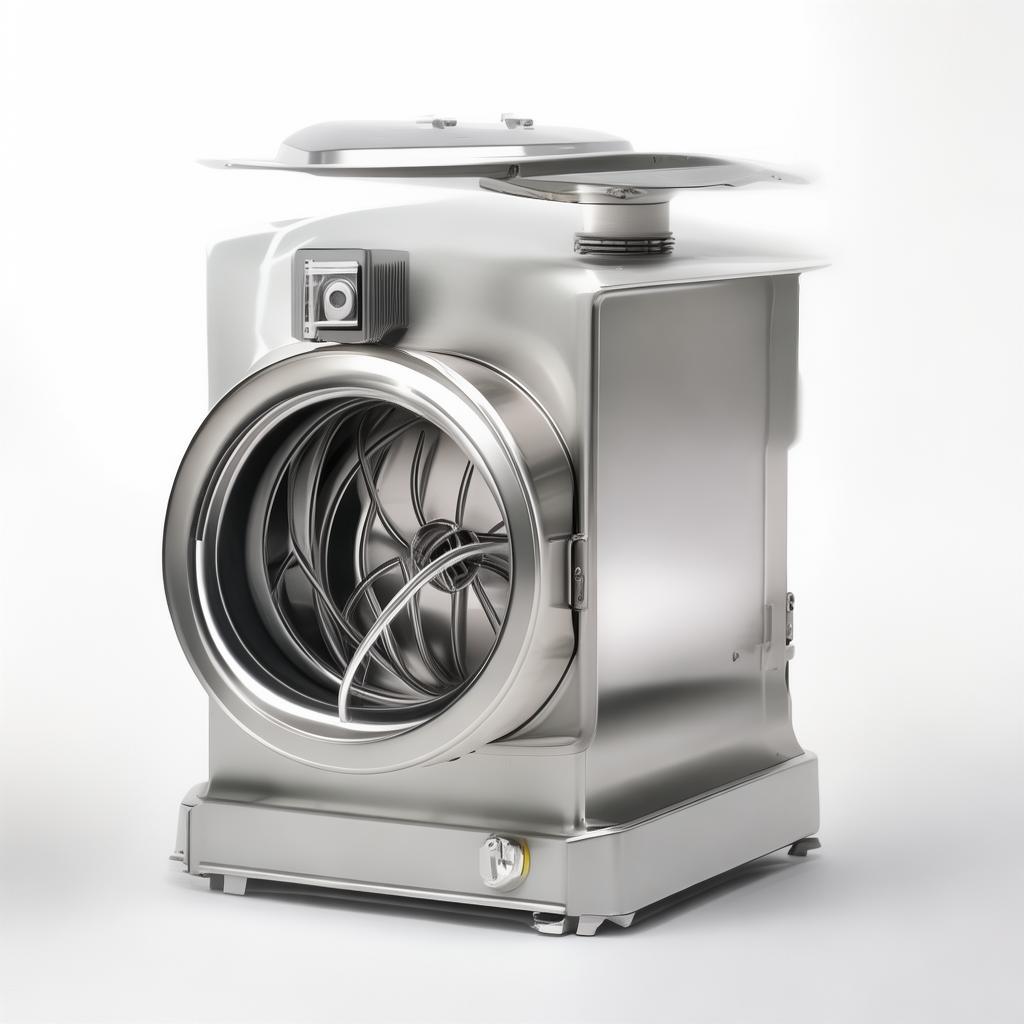
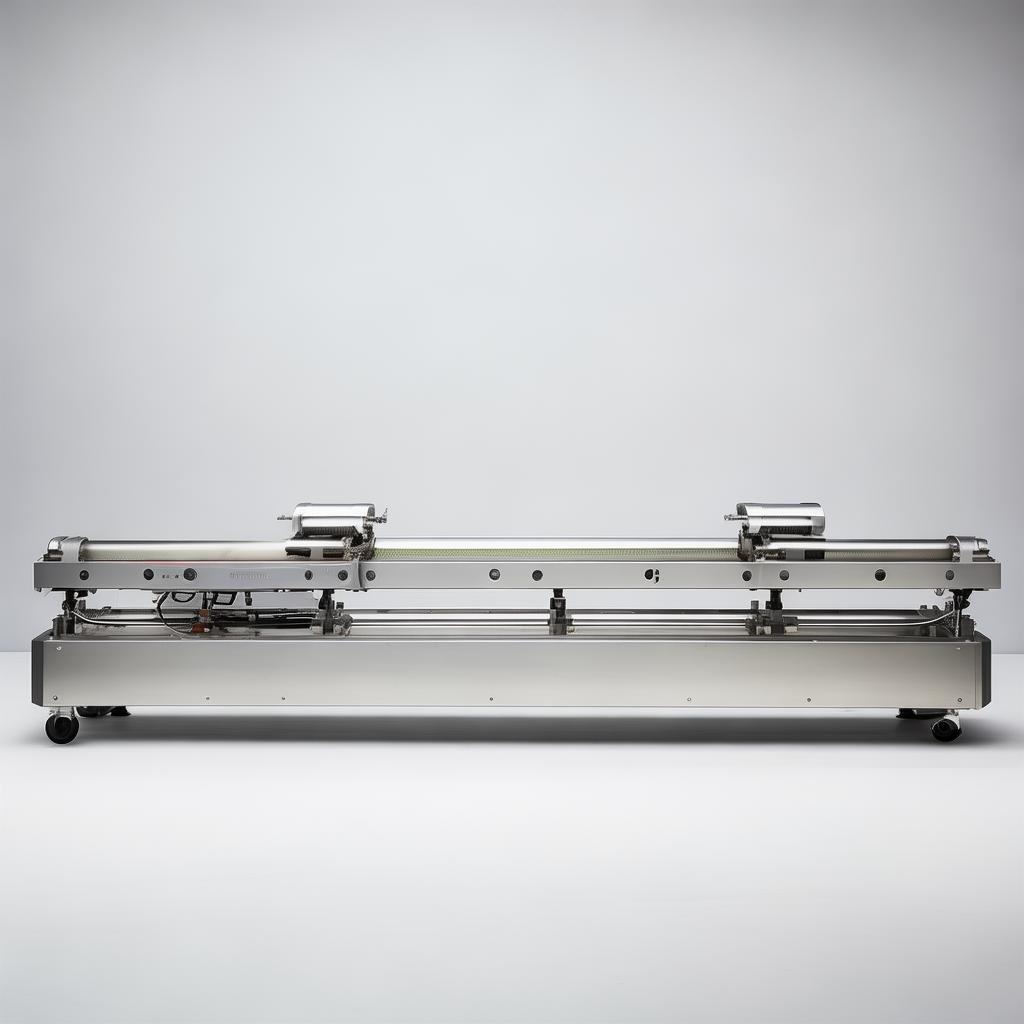
Precision engineered vacuum stage for demanding environments.
Navigating the Challenges: Why Standard Stages Fail in Vacuum
Deploying standard industrial motion components inside a vacuum chamber is a common procurement mistake. It's often driven by budget considerations or a lack of specific application knowledge, but the consequences can be severe. Let's break down the primary reasons why standard stages are fundamentally incompatible with vacuum environments:
- Outgassing & Contamination: Most conventional lubricants, adhesives, plastics, and even some metals release volatile organic compounds (VOCs) when exposed to vacuum. These outgassed molecules can condense on optical surfaces, sensors, or experimental substrates, leading to contamination, reduced performance, or complete failure of sensitive processes like thin-film deposition or UHV (Ultra-High Vacuum) experiments.
- Lubrication Issues: Standard greases and oils have vapor pressures too high for vacuum applications. They evaporate, leaving components dry and prone to wear, while the evaporated material contaminates the vacuum. Specialized, low-outgassing, high-vacuum lubricants (often based on perfluoropolyether - PFPE) are essential.
- Thermal Management: In air, heat is dissipated through convection and conduction. In a vacuum, convection is eliminated. Components that might run acceptably warm in atmosphere can overheat rapidly in vacuum, leading to thermal expansion issues, material degradation, or motor failure. Proper thermal design, often involving heat sinks or controlled conduction paths, is critical.
- Material Compatibility: Certain materials can degrade, outgas excessively, or react with residual gases in a vacuum. For example, standard elastomers can be porous or have high vapor pressures.
- Bearing and Drive System Design: Standard ball bearings, for instance, often rely on grease that outgasses. Even dry lubricants need careful selection. Drive mechanisms like lead screws might require specific coatings or materials.
- Cable Management: Standard shielded cables can also outgas. Specialized vacuum-rated cables with low-outgassing jackets and connectors are necessary to prevent contamination from wiring.
Procurement teams must be aware that a "stage" is not a universal component. Specifying a vacuum compatible stage means ensuring every single element – from the motor and bearings to the screws and cables – has been selected, tested, and assembled with the vacuum environment as the primary design constraint.
The Engineering Advantage: What Defines a Vacuum Compatible Stage
Engineering for vacuum compatibility is a specialized discipline. It involves a holistic approach, considering the entire lifecycle and operational context of the stage within the vacuum system. Here’s what sets these stages apart:
Material Selection is Paramount
This is the first line of defense against contamination. Common materials include:
- Stainless Steel (e.g., 304, 316L): Offers good strength and corrosion resistance, with relatively low outgassing rates when properly cleaned.
- Anodized Aluminum: Lightweight and can be anodized for a hard, cleanable surface. However, the anodizing process itself needs careful control to minimize contamination.
- Specialty Polymers: For certain non-load-bearing components or seals, ultra-low outgassing polymers might be used, but this is less common for the core structural elements of a stage.
Specialized Lubrication
We utilize perfluoropolyether (PFPE) based greases and oils. These compounds exhibit extremely low vapor pressures and are chemically inert, making them ideal for vacuum environments. They are critical for lubricating bearings, lead screws, and other moving parts without introducing contaminants. Many stages are also available in grease-free or dry-lubricated options for ultra-high vacuum (UHV) applications, often using solid lubricants like MoS2 or WS2 applied in thin films. These require meticulous surface preparation.
Motor and Drive Systems
Standard stepper or servo motors are typically not vacuum rated due to their internal components, windings, and insulation materials. Vacuum compatible stages often use specialized motors designed for vacuum use, or incorporate standard motors within a sealed housing and employ vacuum feedthroughs. Brushless DC motors or specialized stepper motors designed for low outgassing are common. Drive mechanisms like ball screws are preferred for their efficiency and precision, but they require careful material selection and lubrication.
Cleanroom Assembly and Handling
The assembly of vacuum compatible stages often takes place in a cleanroom environment (e.g., ISO Class 5 or better). This prevents airborne particles and contaminants from being introduced during manufacturing. Thorough cleaning protocols, including ultrasonic cleaning with specialized solvents, are applied to all components before assembly. Operators wear specialized cleanroom suits, gloves, and masks.
Cable Management and Feedthroughs
Specialized vacuum-rated cables with low-outgassing jacketing are used. These often feature robust shielding. Power and signal connections to the outside of the vacuum chamber are made via high-quality vacuum feedthroughs to maintain the integrity of the vacuum. Proper cable routing within the chamber is also crucial to prevent snagging or wear.
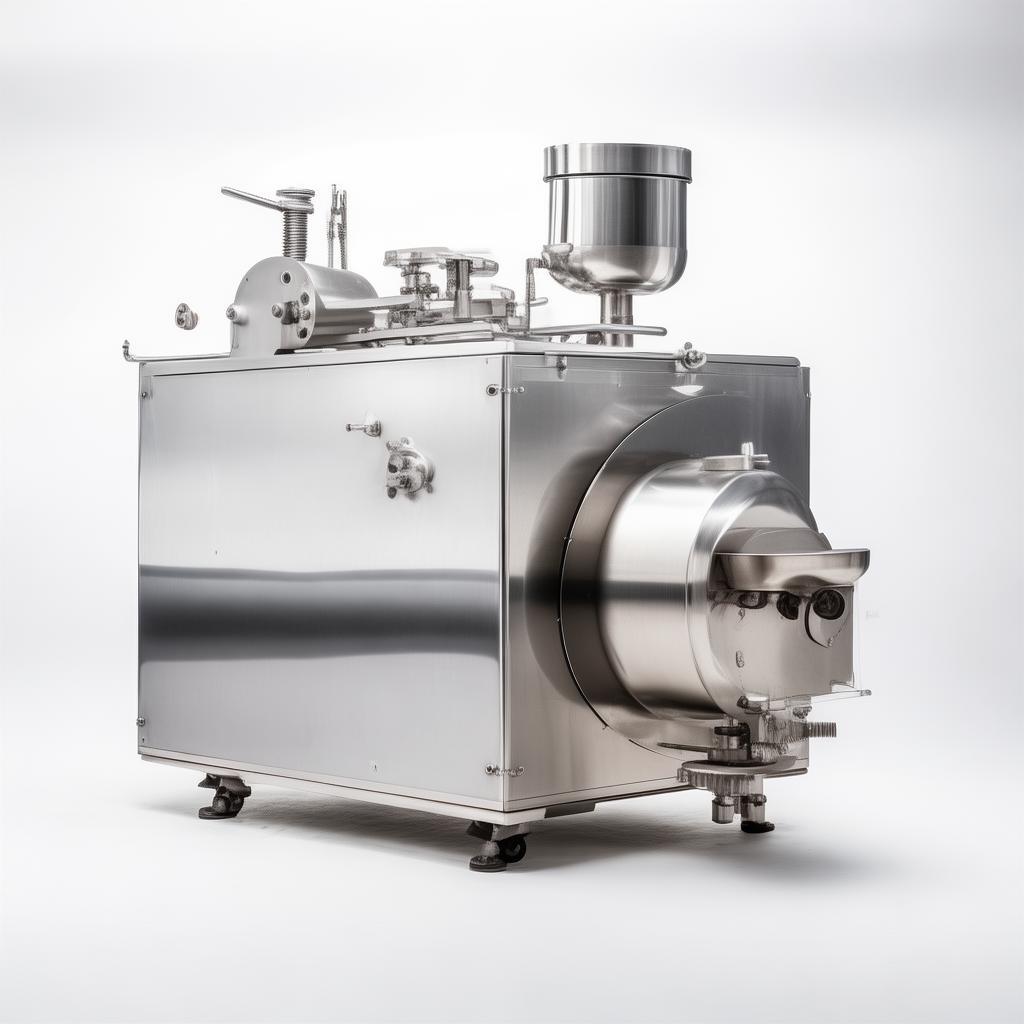
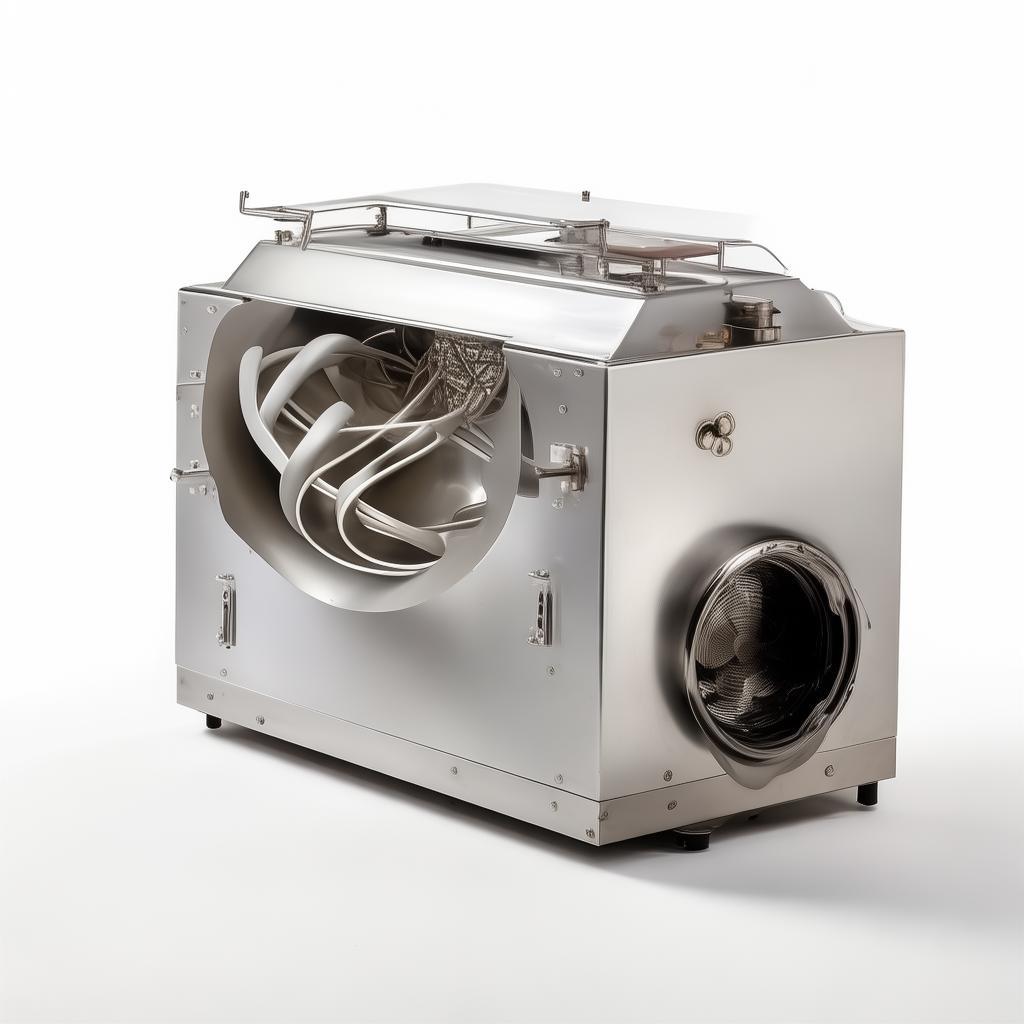
Integrated motion control within a vacuum processing environment.
Applications: Where Precision in Vacuum Matters Most
The demand for vacuum compatible stages spans a wide array of advanced industries. Their ability to provide precise, repeatable, and clean motion makes them integral to many critical processes:
- Semiconductor Manufacturing: Essential for wafer handling, lithography, etching, thin-film deposition (PVD, CVD, ALD), and probe testing. Contamination control here is not just desirable; it's foundational to chip yield and performance.
- Scientific Research & Development: Used in UHV chambers for surface science studies, molecular beam epitaxy (MBE), electron microscopy (SEM, TEM), particle accelerators, and advanced spectroscopy. Researchers rely on these stages for accurate positioning of samples and equipment in extreme conditions.
- Optics and Photonics: For the precise alignment and testing of optical components, lenses, and mirrors within vacuum environments, crucial for high-performance imaging systems and scientific instruments.
- Medical Devices and Biotechnology: In specialized cleanroom or vacuum processing steps for manufacturing implantable devices, diagnostic equipment, or in biopharmaceutical research where sterility and precision are paramount.
- Aerospace and Defense: For testing components in simulated space environments, satellite payload alignment, and advanced materials research.
- Industrial Laser Processing: When high-precision laser machining, welding, or marking needs to be performed in a vacuum to prevent atmospheric interference or contamination.
Procurement directors in these sectors understand that selecting the right vacuum compatible stage is directly tied to process yield, research integrity, and the successful development of next-generation technologies. The investment in a properly specified vacuum stage pays dividends in reduced failure rates and enhanced precision.
Technical Specifications: Key Parameters to Evaluate
When evaluating vacuum compatible stages, paying close attention to the specifications is critical. Don't just look at travel range; consider these detailed parameters:
| Parameter | Description & Importance | Typical Values/Considerations |
|---|---|---|
| Vacuum Level Compatibility | Specifies the ultimate vacuum the stage can operate in (e.g., high vacuum, ultra-high vacuum). Crucial for material and lubrication choices. | 10-6 Torr (HV), 10-9 Torr and below (UHV). |
| Outgassing Rate | Measures the rate at which materials release volatile compounds. Directly impacts chamber cleanliness. | Specified in units like cm3/(cm2·s). Lower is better. |
| Lubricant Type | Specifies the vacuum-grade lubricant used. Critical for longevity and contamination control. | PFPE-based greases, dry lubricants (MoS2, WS2), or grease-free designs. |
| Materials of Construction | Primary materials used for the stage body, slides, and fasteners. Must have low outgassing and be compatible with vacuum. | 304/316L Stainless Steel, anodized aluminum, PEEK (limited use). |
| Motor Type | The motor driving the stage. Must be vacuum-rated or suitable for integration. | Vacuum-rated stepper motors, brushless DC motors, or standard motors in sealed enclosures. |
| Encoder Type | Feedback mechanism for precise positioning. Must also be vacuum compatible. | Encoders with vacuum-rated readheads and magnetic or optical scales. |
| Feedthrough Type | Connection method for power and signal cables entering the vacuum chamber. | Hermetic, D-sub, BNC, etc., rated for specific vacuum pressures. |
Beyond the Specs: Operational Considerations
Beyond the pure technical data sheet, consider the following practical aspects:
- Assembly & Cleaning Procedures: Manufacturers should clearly document their cleanroom assembly and cleaning processes. This is a key indicator of their commitment to quality for vacuum applications.
- Testing & Certification: What tests are performed to verify vacuum compatibility? Are there certifications or test reports available?
- Modularity & Customization: Can the stage be adapted for specific travel lengths, orientations (horizontal/vertical), or mounting requirements within your chamber?
- Lead Time & Logistics: Vacuum-compatible components often have longer lead times due to specialized manufacturing and assembly. Factor this into your project planning.
- After-Sales Support: Especially crucial for complex systems. Who do you contact for troubleshooting or replacement parts?
When we engineer our vacuum compatible stages at Hebei Yuanchang, these specifications and operational considerations are at the forefront. Our 40 years of manufacturing experience informs every decision, ensuring that what leaves our facility is ready for the most demanding vacuum environments.
Procurement Guidance: Making the Right Choice
Selecting a vacuum compatible stage involves more than just comparing technical drawings. It requires understanding your specific process needs and the supplier's capabilities. Here's a practical guide for procurement managers and engineers:
1. Define Your Requirements Precisely
Before you even start looking, clearly define:
- Vacuum Level: What is your target vacuum pressure? (HV, UHV, etc.)
- Environment: Are there other factors like extreme temperatures, magnetic fields, or radiation present?
- Motion Parameters: Required travel range, speed, acceleration, resolution, and accuracy.
- Payload: The weight and dimensions of the object being moved.
- Mounting & Orientation: How will the stage be mounted? What are the operational axes?
- Integration: How will it connect to your vacuum system and control electronics?
2. Vet the Manufacturer's Expertise
Look for suppliers who:
- Specialize in Vacuum Technology: Do they have a dedicated product line or significant experience in vacuum-compatible components?
- Demonstrate Engineering Prowess: Can they provide detailed design documentation and explain their material selection and assembly processes?
- Offer Customization: Many applications require tailored solutions. A flexible supplier is invaluable.
- Have a Track Record: Can they provide references or case studies from similar applications?
3. Understand the "Vacuum Compatible" Claim
This is not a generic term. Insist on:
- Detailed Material Certifications: Evidence of low outgassing properties for all critical components.
- Lubricant Specifications: Confirmation of vacuum-grade lubricants used.
- Cleanroom Assembly Evidence: Documentation of assembly environment and procedures.
- Testing Protocols: How they verify performance and compatibility.
4. Consider Total Cost of Ownership
While initial cost is a factor, a cheap, non-vacuum-compatible stage will invariably lead to much higher costs through process failures, chamber contamination, and downtime. Focus on reliability, longevity, and the direct impact on your production yield or research outcomes.
Our 40 years of manufacturing experience since 1986, coupled with our investment in advanced machining like Japanese Mazak CNC centers, allows us to provide the precision and quality control essential for vacuum-grade components. We understand the procurement challenges and are committed to delivering reliable, high-performance solutions. We are also equipped to handle OEM/ODM inquiries for specialized vacuum-compatible stage requirements.
Why Choose Hebei Yuanchang for Your Vacuum Compatible Stage Needs?
At Hebei Yuanchang, we bring a unique blend of extensive manufacturing experience and modern technological capability to the specialized field of vacuum-compatible motion control.
Proven Manufacturing Heritage
Since 1986, we've built a reputation for precision and durability in complex machinery. This 40-year journey has instilled in us a deep understanding of material science, engineering tolerances, and robust assembly – principles directly transferable to vacuum-grade components.
State-of-the-Art Machining Capabilities
Our facility houses over 20 sets of advanced processing machinery, including high-precision grinding machines and wire cutting equipment. The addition of 8 sets of Japanese Mazak CNC machining centers in 2012 allows us to produce high-standard, high-precision, and non-standard components with exceptional accuracy, vital for vacuum applications.
Commitment to Quality & Cleanliness
We understand the critical nature of contamination control in vacuum environments. Our processes are designed with this in mind, from material sourcing and component cleaning to assembly in controlled environments where necessary. We adhere to rigorous quality control standards throughout the production cycle.
Experienced Engineering Team
Our team comprises seasoned engineers and manufacturing specialists who possess the technical acumen to design and produce stages that meet stringent vacuum compatibility requirements. We can collaborate on custom solutions tailored to your unique application.
Reliable After-Sales Support
With our independently produced high-precision parts and traceable management system, we ensure robust after-sales service. You can count on us for ongoing support and maintenance for your vacuum-compatible stage investment.
Competitive Global Export Experience
Leveraging our extensive experience, we are well-equipped to serve international clients, ensuring efficient communication, reliable logistics, and timely delivery of your critical components.
Hear From Our Clients
"We needed a highly reliable stage for our UHV surface analysis system. Hebei Yuanchang understood the critical low-outgassing requirements and delivered a stage that exceeded our expectations in terms of performance and cleanliness. Their engineering consultation was invaluable."

Senior Research Scientist, Advanced Materials Lab
"For our automated wafer inspection system within the cleanroom, precision and minimal particle generation were non-negotiable. The vacuum-compatible stage from Yuanchang has performed flawlessly, contributing significantly to our improved yield rates. Their manufacturing precision is evident."

Operations Manager, Semiconductor Equipment Integrator
"We required a customized stage for a vacuum deposition system. Hebei Yuanchang's ability to adapt their designs and their strong OEM/ODM capabilities made them the ideal partner. The lead time was reasonable, and the product quality met our strict manufacturing standards."

Procurement Specialist, Advanced Photonics Manufacturer
Ready to Enhance Your Vacuum Processes?
Discuss your specific vacuum application requirements with our engineering team. We're here to provide robust, reliable, and contamination-free motion solutions.
Frequently Asked Questions (FAQ)
What is the difference between vacuum compatible and standard stages?
Standard stages are not designed for vacuum. They can outgas contaminants, their lubricants evaporate, and they may overheat due to lack of convection. Vacuum compatible stages use special materials, lubricants, and construction to prevent contamination and ensure reliable operation in low-pressure environments.
Can I use standard motors with a vacuum stage?
Generally, no. Standard motors contain components and lubricants that are incompatible with vacuum. Vacuum-rated motors or specially enclosed standard motors with vacuum feedthroughs are required.
What are the lead times for vacuum compatible stages?
Lead times can vary significantly based on complexity and customization. Due to specialized materials, cleanroom assembly, and rigorous testing, vacuum stages typically have longer lead times than standard industrial components. It's crucial to factor this into your project planning.
How is contamination prevented during assembly?
Assembly is typically performed in a cleanroom environment (e.g., ISO Class 5 or better) by personnel wearing cleanroom attire. Components undergo meticulous cleaning procedures, often involving ultrasonic baths with specialized solvents, before assembly to remove any residual oils, particles, or volatile compounds.
What vacuum levels can your stages operate in?
We engineer stages for various vacuum levels, from high vacuum (HV) down to ultra-high vacuum (UHV). Specific material choices and lubricant selections are critical for achieving and maintaining these low pressures. Please consult with our engineers to define the precise requirements for your application.
Chat with Our Experts
Need immediate assistance or have a technical question? Connect with our specialists directly.