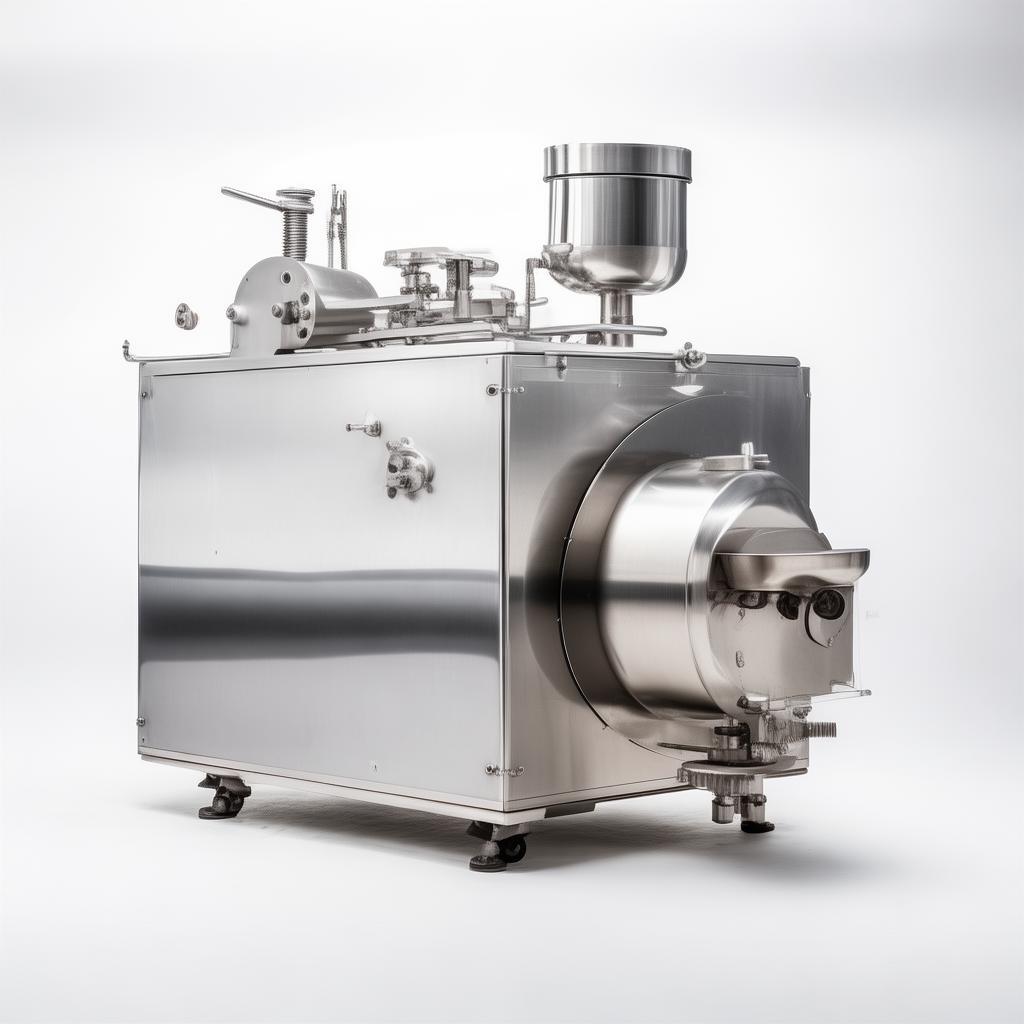
Vacuum Manipulators And Motion
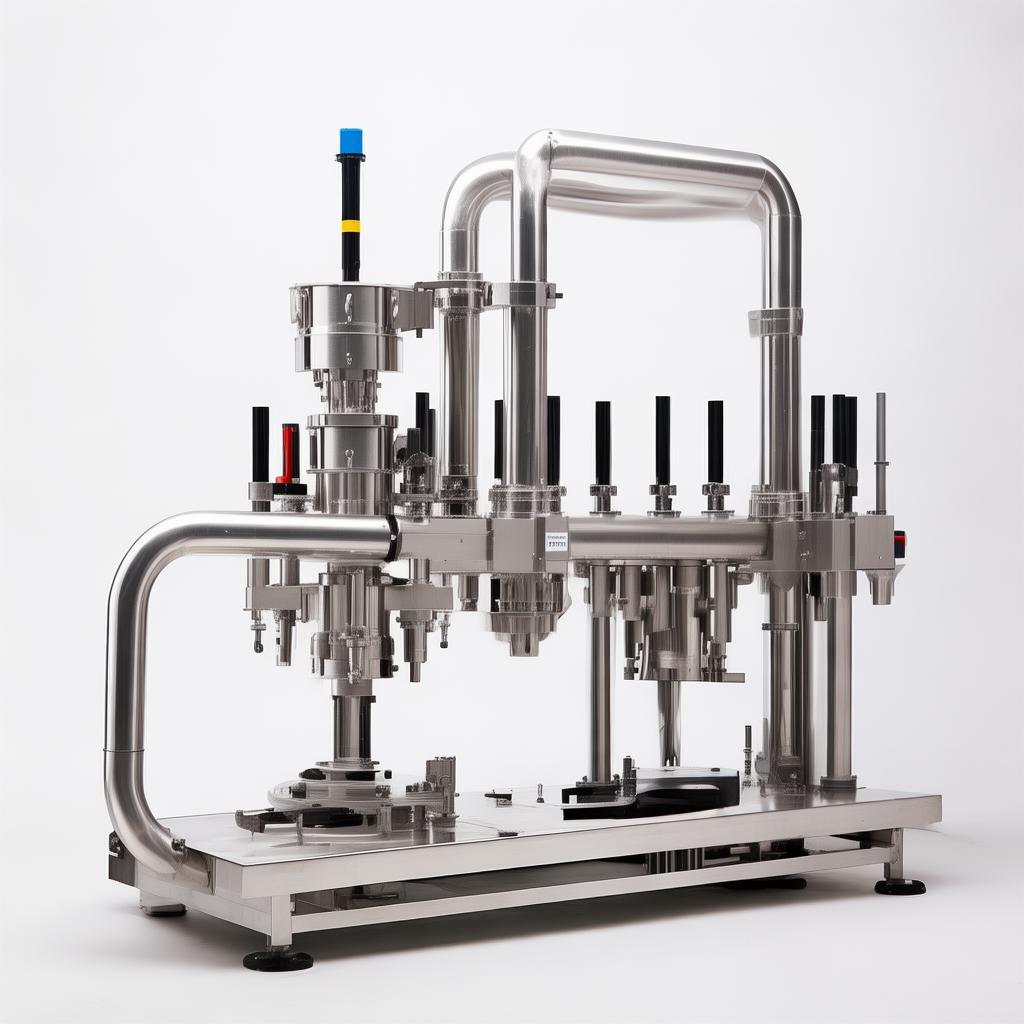
Advanced Vacuum Manipulators & Motion Systems: Precision for Industrial Automation
Streamlining Your Operations with Intelligent Handling Solutions

Navigating the Complexities of Industrial Material Handling
In today's fast-paced manufacturing and logistics environments, the efficient and precise movement of goods is paramount. For businesses operating within sectors like food processing, packaging, automotive assembly, and beyond, the challenge isn't just about moving items – it's about doing so with speed, accuracy, minimal product damage, and optimized labor utilization. Traditional handling methods, relying heavily on manual labor or less sophisticated machinery, often present significant bottlenecks. These can range from repetitive strain injuries for workers and inconsistent handling leading to product defects, to slower throughput rates that directly impact your bottom line. The demand for smarter, more adaptable solutions has never been greater.
Consider the delicate nature of many consumer goods or the precise alignment required in complex assembly lines. A single misstep, a jolt during transit, or an improperly gripped item can lead to costly rejections, waste, and delayed shipments. This is where advanced vacuum manipulators and integrated motion control systems emerge as critical differentiators. These systems are engineered to provide a level of control and finesse previously unattainable, transforming how industries approach material handling. They are not merely tools; they are intelligent extensions of your operational capabilities, designed to tackle diverse challenges from picking and placing sensitive components to transferring bulk materials with unprecedented accuracy.
The global meat processing equipment market, for instance, is projected to reach USD 17.39 billion by 2034, with significant growth driven by the demand for processed meats and automation for hygiene and labor efficiency. 【Fortune Business Insights】. Within this sector, the precise handling of raw and finished meat products – from initial raw material transfer to final packaging – is vital. Vacuum manipulators excel here by offering a gentle yet firm grip, minimizing crushing or tearing of delicate textures. Coupled with sophisticated motion control, these systems can execute complex pick-and-place routines for sausages, formed patties, or packaged goods with exceptional speed and consistency, directly supporting the ripening process and ensuring product integrity throughout the supply chain. This integration of handling and controlled movement is fundamental to achieving operational excellence across a broad industrial spectrum.
Furthermore, the broader food processing equipment market, which includes sophisticated meat handling, is expected to reach USD 129.47 billion by 2036. 【Meticulous Research】. This growth underscores a persistent need for specialized equipment that can handle diverse materials, varying weights, and complex shapes. Whether it's lifting entire boxes on a pallet, precisely positioning electronic components on a circuit board, or moving fragile glass panels, the core requirement remains the same: a reliable, intelligent handling solution. Our vacuum manipulator and motion systems are engineered to meet these demands, offering modularity and adaptability to suit a wide array of applications. The ability to customize gripping heads, integrate with robotic arms, and synchronize movements with existing automation infrastructure makes these systems a scalable investment for businesses looking to enhance productivity and reduce operational risks.
Beyond mere movement, the "motion" aspect is where true operational intelligence lies. It's about orchestrating a sequence of precise actions – acceleration, deceleration, path planning, and precise endpoint positioning. This is achieved through advanced servo-drives, robotic controllers, and sophisticated software algorithms. For instance, in a high-volume packaging operation, a vacuum manipulator might need to lift a product, rotate it 90 degrees, and place it perfectly into a blister pack every 2 seconds. This requires seamless coordination between the vacuum gripper's activation/deactivation and the robotic arm's multi-axis movement. Failure to achieve this synchronization can result in dropped products or misaligned placements, leading to downtime and increased scrap rates. Our integrated solutions are designed to eliminate these inefficiencies, offering deterministic performance you can rely on, day in and day out.
The complexity of modern manufacturing processes often necessitates specialized handling that goes beyond a simple pick-and-place. Many applications require precise articulation, angling, or insertion. This is where the synergy between robust vacuum gripping technology and dynamic motion control becomes indispensable. Think about tasks like inserting a component into a tight-fitting housing, or precisely aligning multiple parts for a welding operation. These aren't simple vertical lifts; they are intricate movements that demand a sophisticated understanding of kinematics and precise feedback loops. Our systems are built with this in mind, offering the flexibility to program complex trajectories and achieve micron-level precision where needed. This capability is particularly valuable in industries such as electronics manufacturing and medical device assembly, where even slight deviations can render a product unusable.
The operational benefits are tangible. By automating repetitive or strenuous lifting tasks with vacuum manipulators and precise motion systems, companies can significantly reduce workplace injuries, leading to lower insurance premiums and improved employee morale. Furthermore, the consistent, repeatable performance of automated systems minimizes product damage and defects, directly enhancing quality control and reducing waste. This improved efficiency translates into higher throughput, shorter cycle times, and ultimately, a stronger competitive edge in your market. We understand that integrating new automation technology can seem daunting, but our focus is on providing solutions that are not only technologically advanced but also practical and easily integrated into your existing workflows.
As the global processed meat market grows, projected to reach USD 1,330.45 billion by 2035 【Precedence Research】, the demand for specialized equipment that ensures hygiene, consistency, and efficient handling intensifies. Vacuum manipulators, coupled with precise motion control, are instrumental in achieving these goals for products like sausages, cured meats, and ready-to-eat meals. They can gently grip and position items for filling, slicing, or packaging, minimizing manual contact and reducing the risk of contamination. This focus on precision and hygiene is non-negotiable in food safety, and our systems are designed to meet the stringent requirements of this industry.
The integration of vacuum technology with advanced motion control represents a significant leap forward in industrial automation. It allows for handling of a vast array of products with a level of precision, speed, and delicacy that manual processes or less advanced automation simply cannot match. Whether your operation involves picking up lightweight, fragile items or positioning heavy components with pinpoint accuracy, our solutions are engineered to deliver reliable performance. The ability to adapt quickly to changing product lines or new operational demands further enhances their value, making them a strategic investment for future-proofing your business.
The Core Advantage: Understanding Vacuum Manipulation and Motion Control
Vacuum Manipulators: The Gentle Giants of Gripping
At its heart, a vacuum manipulator is a device that uses a vacuum to create suction, enabling it to grip, lift, and move objects. The principle is straightforward but the engineering behind it is sophisticated. A vacuum generator (often an electric venturi pump or a compressed air venturi) creates a low-pressure area within a gripper pad or cup. When this cup is placed against a surface, atmospheric pressure outside the cup holds the object firmly against it. The key advantages lie in its versatility and gentleness.
- Versatile Gripping: Vacuum cups can be designed in countless shapes and sizes to conform to irregular or curved surfaces, unlike rigid mechanical grippers.
- Damage Reduction: The gripping force is distributed over a wide area, minimizing pressure points and reducing the risk of damage to delicate or easily deformed products – crucial for items like processed meats, baked goods, or electronic components.
- Surface Adaptability: While porous materials can be a challenge, treated surfaces, plastics, glass, metal, and even many food products offer sufficient seal for effective vacuum gripping.
- Hygiene: With minimal moving parts in the gripping head and often made from food-grade materials, vacuum systems can be inherently hygienic, a major plus in food and pharmaceutical applications.
The controlled release of the vacuum is just as important as the gripping. This is typically achieved via solenoid valves, allowing for rapid and precise detachment of the object at the designated destination. For high-volume operations, this rapid cycle time is a significant productivity booster.
Motion Control: Orchestrating Precision Movement
Motion control refers to the precise management of movement, often involving the use of actuators (like servo motors or stepper motors), drives, controllers, and feedback devices (encoders). In conjunction with vacuum manipulators, motion control systems enable:
- Robotic Integration: Vacuum grippers are often mounted on robotic arms (industrial robots, collaborative robots) that provide multi-axis movement. Motion control dictates the robot's path, speed, and precision.
- Automated Guided Vehicles (AGVs) & Autonomous Mobile Robots (AMRs): Vacuum manipulators can be integrated onto mobile platforms for automated transport of goods within a facility.
- Articulated Arms and Gantries: For simpler pick-and-place or transfer tasks within a defined workspace, specialized articulated arms or gantry systems offer cost-effective, precise motion.
- Dynamic Path Planning: Advanced controllers can calculate and execute complex movements, avoiding obstacles and optimizing travel time, which is crucial for high-throughput lines.
The synergy is undeniable: vacuum manipulators provide the "grip," and motion control provides the "how, where, and when" of movement. This combination unlocks automation for tasks that were previously too complex or delicate for traditional methods.
Addressing Key Industry Challenges with Our Solutions
Procurement professionals and operations managers are constantly evaluating ways to enhance efficiency, ensure quality, and mitigate risks. Our vacuum manipulator and motion systems are designed to directly address common pain points across various industries.
Labor Shortages & Worker Strain
The increasing difficulty in finding and retaining skilled labor, coupled with the physical toll of manual handling, makes automation a strategic imperative. Our systems automate repetitive lifting and precise placement tasks, freeing up human workers for more value-added roles and significantly reducing the incidence of workplace injuries. This isn't about replacing people entirely; it's about empowering them and optimizing the overall workforce.
For instance, in the logistics sector, automating the depalletizing and palletizing of goods using vacuum grippers on robotic arms can dramatically increase throughput while protecting workers from heavy lifting strains. This directly impacts operational costs and safety metrics.
Product Damage & Quality Consistency
Inconsistent handling by human operators or less precise machinery can lead to product damage, cosmetic flaws, and functional defects. Vacuum manipulators provide a controlled, consistent grip that minimizes this risk. Coupled with precise motion control, they ensure each item is handled and placed identically, time after time. This translates directly to higher quality output, reduced scrap rates, and improved customer satisfaction. The meat processing industry, for example, benefits immensely from the gentle yet firm grip on delicate products like sausages or fish fillets.
As the global meat processing equipment market expands, the emphasis on consistency and food safety drives adoption of advanced handling. Our systems contribute to this by ensuring processed meat products are handled without deformation, preserving texture and presentation.
Throughput & Cycle Time Optimization
Manual processes are often the slowest link in a production chain. Automating pick-and-place, transfer, and assembly tasks with vacuum manipulators and integrated motion systems can dramatically reduce cycle times. The speed and precision of robotic movements, combined with the efficient gripping and releasing capabilities of vacuum technology, unlock new levels of throughput. This is critical for meeting demanding production schedules and staying competitive.
In high-speed packaging lines, our systems can cycle thousands of times per shift without fatigue, maintaining a consistent pace that human operators simply cannot match.
Flexibility & Adaptability
Modern manufacturing demands agility. Our vacuum manipulator and motion control solutions are designed with adaptability in mind. The ability to quickly change gripper heads for different product sizes or shapes, re-program robotic paths for new product variations, or integrate with different PLC systems makes our equipment a versatile asset. This allows businesses to respond more effectively to market changes and customer demands without significant retooling investments.
For OEM/ODM clients, this adaptability is key, enabling them to offer tailored solutions that can evolve with their end-users' needs.
Our Advanced Vacuum Manipulator & Motion System Capabilities
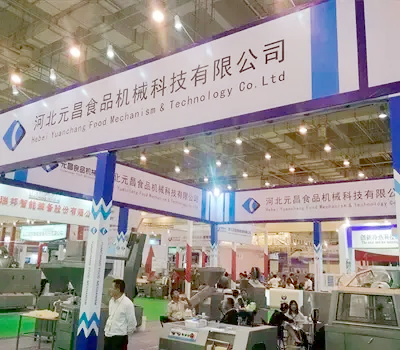
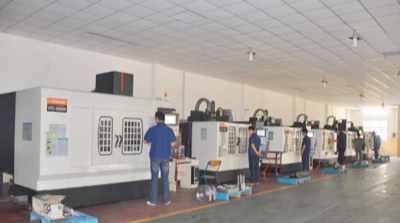
At Hebei Yuanchang Food Mechanism & Technology Co., Ltd., we leverage decades of manufacturing expertise, including over 40 years since 1986, to engineer robust and intelligent handling solutions. Our in-house machining capabilities, including Japanese Mazak CNC centers, allow us to produce high-precision components essential for reliable automation.
Key Product Features & Specifications
We offer a comprehensive range of vacuum manipulators and motion control modules, designed to meet diverse industrial requirements. Our product line includes:
| Feature Category | Description | Relevant Industries |
|---|---|---|
| Vacuum Grippers | Configurable suction cups (various sizes, materials, and sealing types), integrated filtration, robust valve systems for precise vacuum control. Available in modular designs for easy integration. | Food & Beverage, Packaging, Electronics, Automotive, Pharmaceuticals, Logistics. |
| Motion Control Modules | Servo-driven robotic arms (articulated, SCARA, Cartesian), precision linear actuators, rotary positioners, PLC integration for complex motion sequencing. High repeatability and accuracy. | Assembly Lines, Material Transfer, Pick-and-Place, Automated Warehousing, Machining. |
| System Integration | Complete turn-key solutions, PLC programming, HMI interface development, safety integration (light curtains, safety scanners), network connectivity (Ethernet/IP, Profinet). | Any facility requiring automated handling and motion. |
| Customization & OEM/ODM | Bespoke gripper designs, tailored motion profiles, custom automation cell development. We work with partners to deliver solutions that precisely fit their unique requirements. | Equipment Manufacturers, System Integrators, Large-Scale Industrial Users. |
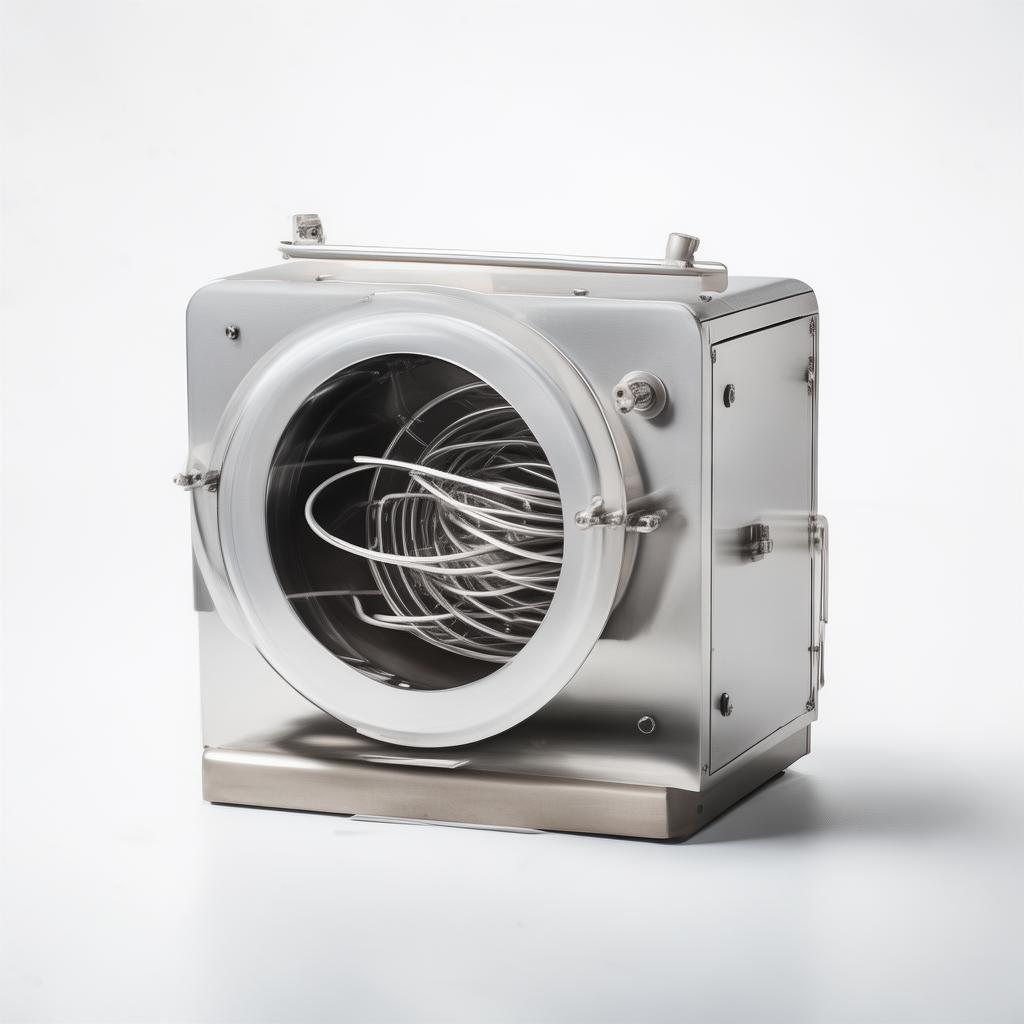
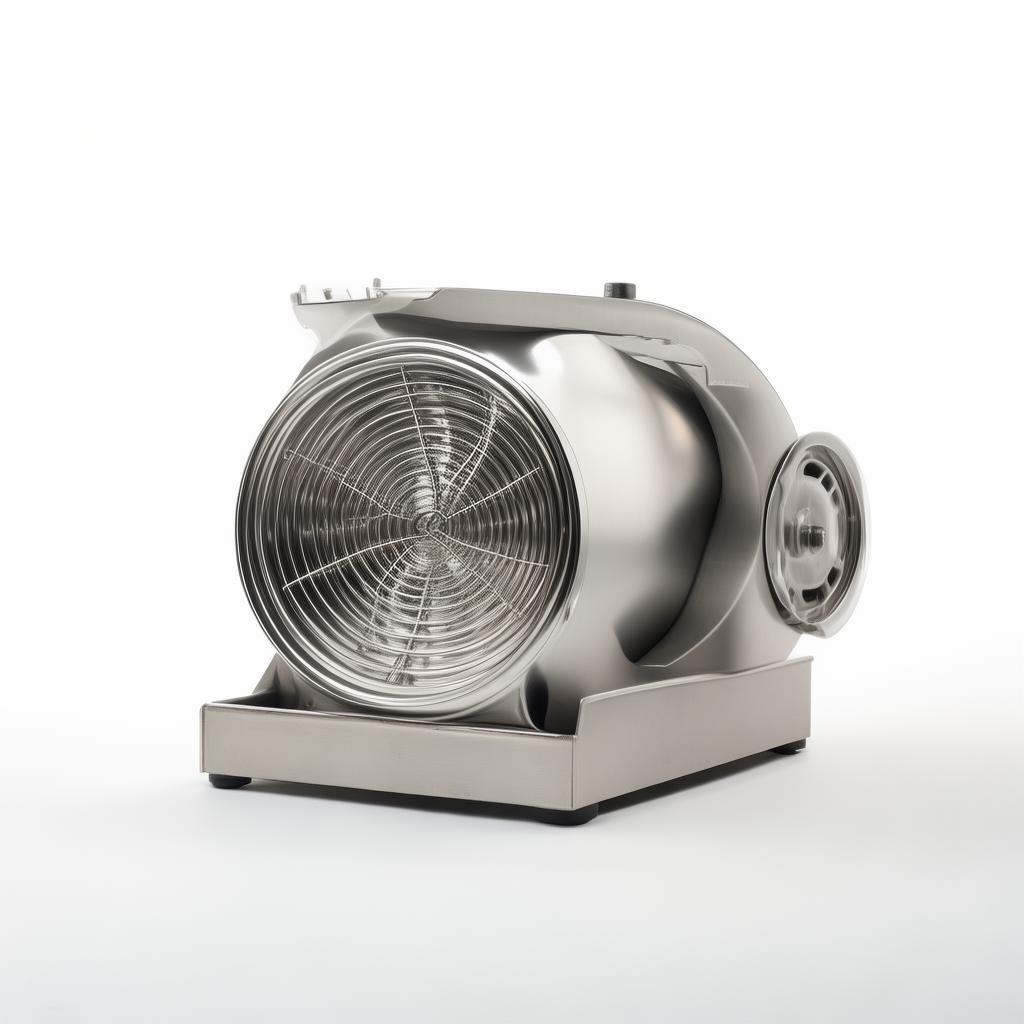
vacuum actuators jerky vacuum tumbler vacuum grippers
Technical Highlights
- Lifting Capacity: Systems designed for payloads ranging from a few grams to hundreds of kilograms.
- Accuracy & Repeatability: Motion control systems offer sub-millimeter repeatability for critical applications.
- Cycle Times: Optimized for high-speed operations, with potential for rapid cycles depending on payload and travel distance.
- Materials: Grippers utilize food-grade, oil-resistant, or FDA-compliant materials where necessary. Stainless steel construction available for harsh environments.
- Operating Environment: Designed for standard industrial environments, with options for wash-down, extreme temperatures, or hazardous areas.
Application Scenarios: Where Our Systems Excel
The versatility of our vacuum manipulators and motion control solutions means they can be deployed across a wide spectrum of industrial applications. We've seen them deployed effectively in:
Food Processing & Packaging
Delicate handling of meats, poultry, seafood, baked goods, confectionery, and bottled products. Precise placement into trays, boxes, or flow wrappers. Automated depalletizing and palletizing of finished goods.
Automotive Manufacturing
Placement of interior components, glass panels, engine parts. Robotic assembly tasks requiring precise alignment and high cycle rates. Handling of car bodies or sub-assemblies.

Electronics & Semiconductor
Handling of PCBs, components, wafers, and delicate electronic assemblies. Cleanroom compatible options available. Precision placement for automated assembly and inspection.
Logistics & Warehousing
Automated order fulfillment, e-commerce picking and packing, depalletizing cartons or bags, and palletizing finished loads. Integration with AGVs and AMRs.

Glass & Construction Materials
Lifting and positioning of glass sheets, panels, tiles, and other construction materials. Specialized vacuum cups for large, flat, or smooth surfaces.

General Manufacturing
Any repetitive pick-and-place, assembly, or material transfer task where precision, speed, and reliability are required.
Procurement & Implementation: A Practical Approach
Selecting and implementing automated handling solutions requires careful consideration. As an experienced manufacturer with a global reach, we guide our clients through every step.
Evaluating Your Needs: Key Questions for Buyers
- What specific items will be handled? (Size, weight, shape, surface properties, fragility)
- What is the required throughput? (Items per minute/hour/shift)
- What is the environment? (Temperature, humidity, dust, wash-down requirements)
- What is your existing automation infrastructure? (PLC systems, robot controllers, network protocols)
- What are your budget and ROI expectations?
- Are there specific safety standards or certifications required?
We encourage you to request a detailed consultation. Our technical sales team can help clarify these points and recommend the optimal configuration.
Installation & Integration Insights
Installation typically involves mounting the manipulator or robotic arm, connecting power and control signals, and configuring the vacuum generator. Our systems are designed for straightforward integration:
- Pre-engineered Mounting: Standard mounting patterns simplify robotic arm integration.
- Plug-and-Play Components: Where possible, we use connectors that simplify wiring.
- Documentation: Comprehensive manuals and wiring diagrams are provided.
- On-site Support: Available for complex installations or training.
Consideration for compressed air supply (if using venturi pumps) and electrical power availability is crucial. For complex robotic systems, ensuring adequate workspace and safety guarding is paramount.
Logistics & Global Shipping
As an international exporter, we have extensive experience in managing global logistics. Our systems are securely packaged to withstand international transit. We work with reputable freight forwarders to ensure timely and cost-effective delivery to your facility, handling all necessary export documentation and compliance.
We can provide detailed shipping quotes and estimated lead times upon request, factoring in production schedules and destination requirements. Container loading optimization is also a consideration for larger orders.
Why Partner with Hebei Yuanchang? Our Manufacturing Strength
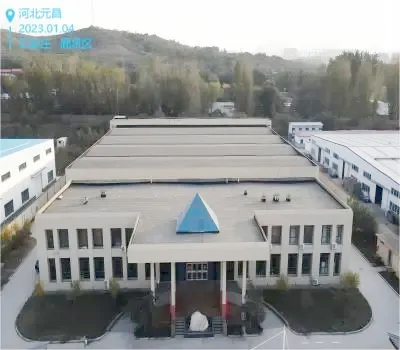
With 40 years of experience dating back to 1986, Hebei Yuanchang Food Mechanism & Technology Co., Ltd. has built a reputation for quality, reliability, and innovation in industrial machinery. Our 14,000 sq meter facility and a dedicated team of 80-100 employees are committed to excellence.
In-House Machining Precision
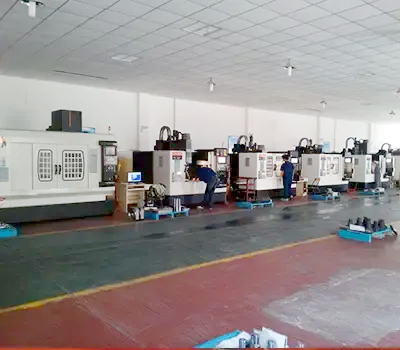
Our advanced machining workshop, featuring over 20 sets of processing machinery including Japanese Mazak CNC machining centers, enables us to produce high-precision, non-standard components in-house. This direct control over part quality is fundamental to the reliability of our automation solutions.
Quality Assurance & Certifications
We adhere to rigorous quality control processes throughout our manufacturing cycle. While our primary focus is robust mechanical engineering, we ensure our products meet relevant industrial standards. We can provide documentation and support for compliance requirements. Common industry certifications include 
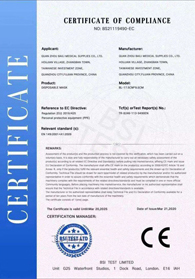 .
.
Our traceable after-sales management system ensures that every component, and indeed the entire unit, is supported throughout its lifecycle, offering peace of mind for our international clientele.
Client Success Stories

Operations Manager, Global Logistics Firm
"Implementing their vacuum manipulator system for order picking has been a game-changer. We've seen a 30% increase in throughput for our e-commerce division and a significant reduction in worker compensation claims related to strain. The integration was smoother than anticipated."

Plant Manager, Specialty Food Producer
"We were struggling with consistent handling of our delicate pastry products. Their custom vacuum gripper design, integrated with a precise motion controller, solved the problem. Product damage has dropped by over 90%, and our packaging line is now running at full capacity."

Procurement Director, Automotive Component Supplier
"We needed to automate the handling of sub-assemblies on our main production line. Hebei Yuanchang delivered a robust solution that met our tight deadlines and budget. The system's reliability has been excellent, contributing to our improved on-time delivery rates."

Engineering Lead, Electronics Manufacturer
"The precision required for handling our sensitive electronic components was a challenge. Their custom vacuum gripper with high-accuracy motion control exceeded our expectations. We've achieved near-zero defects in that stage of production since implementation."
Frequently Asked Questions (FAQ)
What types of surfaces can vacuum manipulators effectively grip?
Vacuum manipulators work best on non-porous, relatively smooth surfaces that can form a good seal. This includes most plastics, glass, polished metals, and many coated or finished materials. While they can grip some textured surfaces, success depends on the depth and pattern of the texture. For highly porous materials, alternative gripping methods or specialized vacuum cups with higher airflow might be necessary.
How is the 'motion' part of the system controlled?
The motion is controlled via sophisticated controllers, typically integrated with programmable logic controllers (PLCs) or dedicated robotic controllers. These systems use servo motors and encoders to manage speed, acceleration, deceleration, and precise positioning. Users can program complex paths and sequences through specialized software interfaces or teach pendants.
What is the typical maintenance required for these systems?
Maintenance is generally minimal. Key areas include regular inspection and replacement of vacuum cups (due to wear and tear), cleaning of filters to maintain vacuum efficiency, and periodic checks of pneumatic connections and electrical wiring. For motion control systems, routine checks on motor and bearing lubrication may be required based on manufacturer recommendations and operating hours.
Can these systems handle hot or cold products?
Yes, within certain limits. The materials used for vacuum cups can be selected to withstand specific temperature ranges. For very hot products, heat-resistant materials are used, and considerations for cooling cycles might be necessary. Similarly, specialized materials are available for low-temperature environments. Always specify operating temperature ranges when ordering.
What kind of training is needed for operators and maintenance staff?
Operator training typically focuses on basic operation, understanding safety protocols, and recognizing common error messages. Maintenance staff will require more in-depth training on system diagnostics, component replacement, and programming adjustments. We offer training packages to ensure your team can operate and maintain the system effectively.
Ready to Revolutionize Your Handling Operations?
Let us help you find the perfect vacuum manipulator and motion control solution for your specific needs.