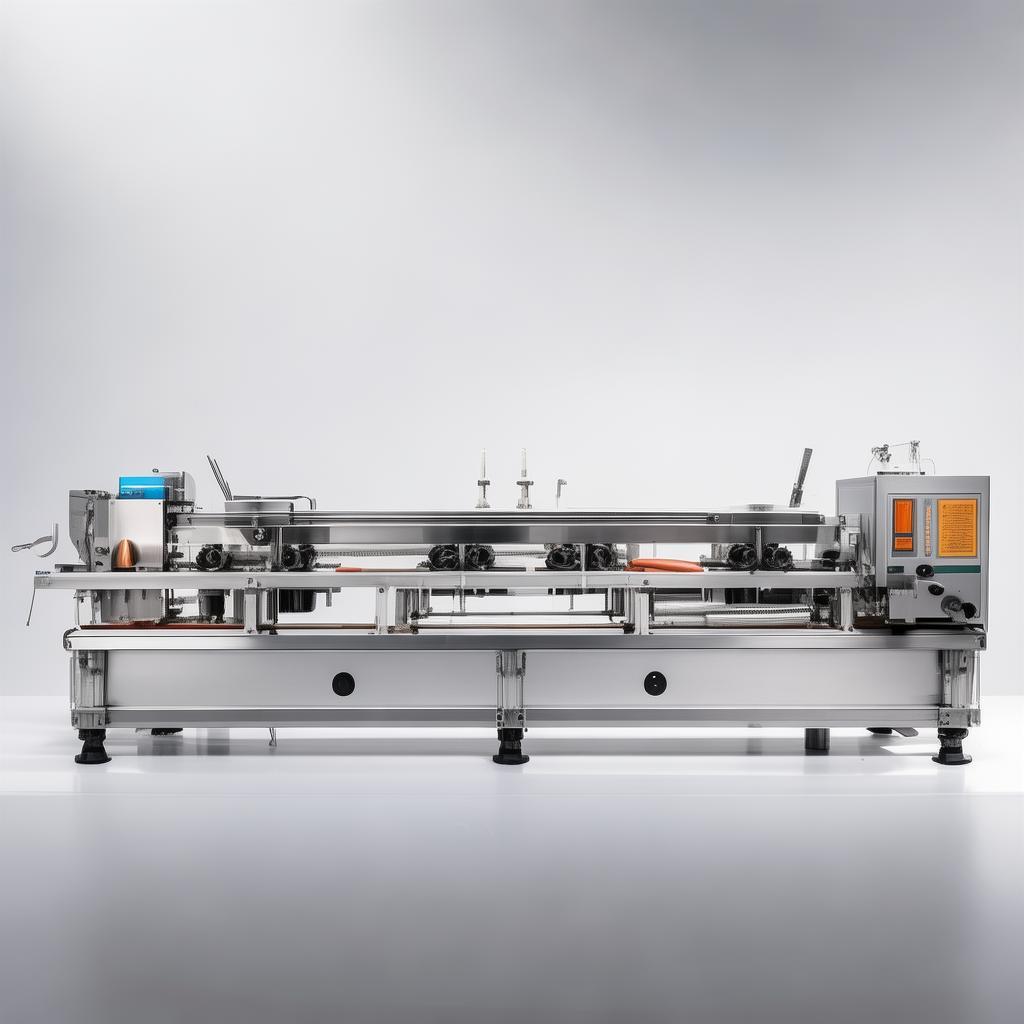
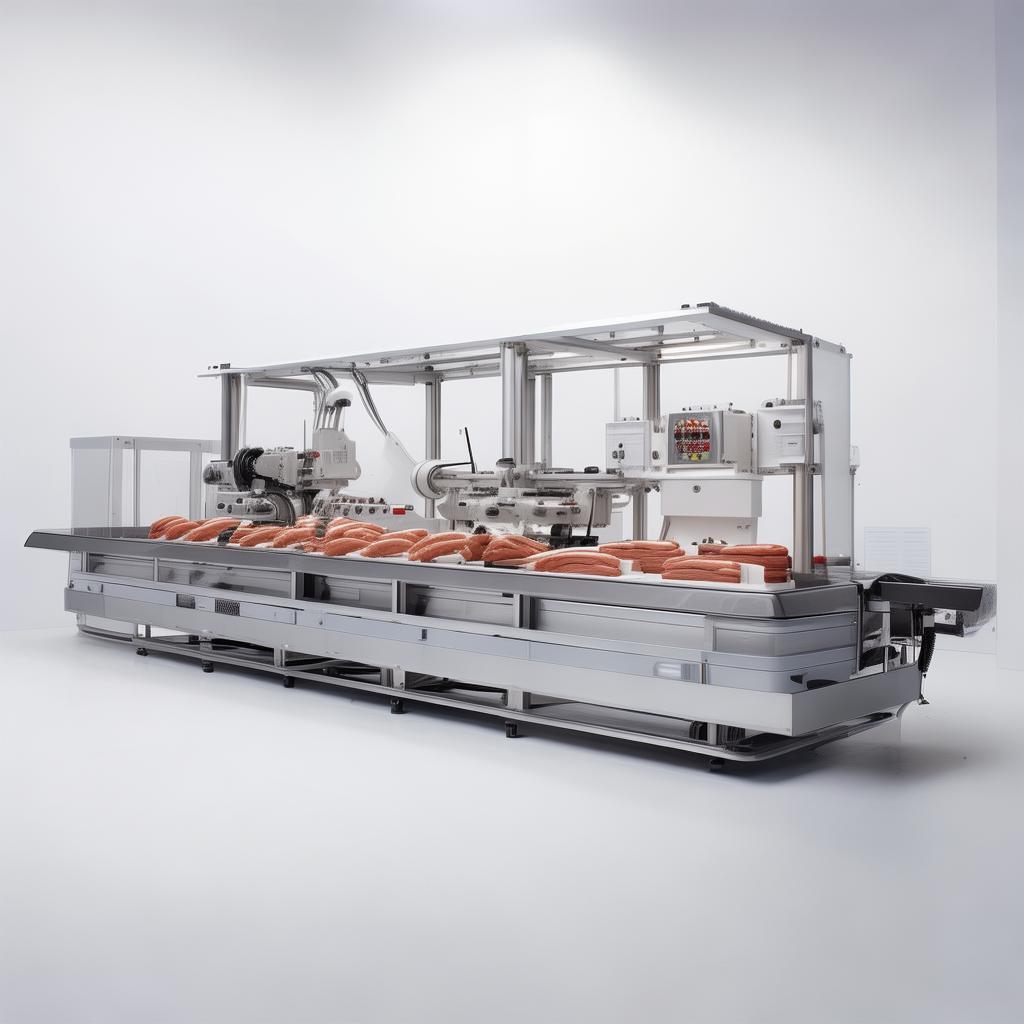
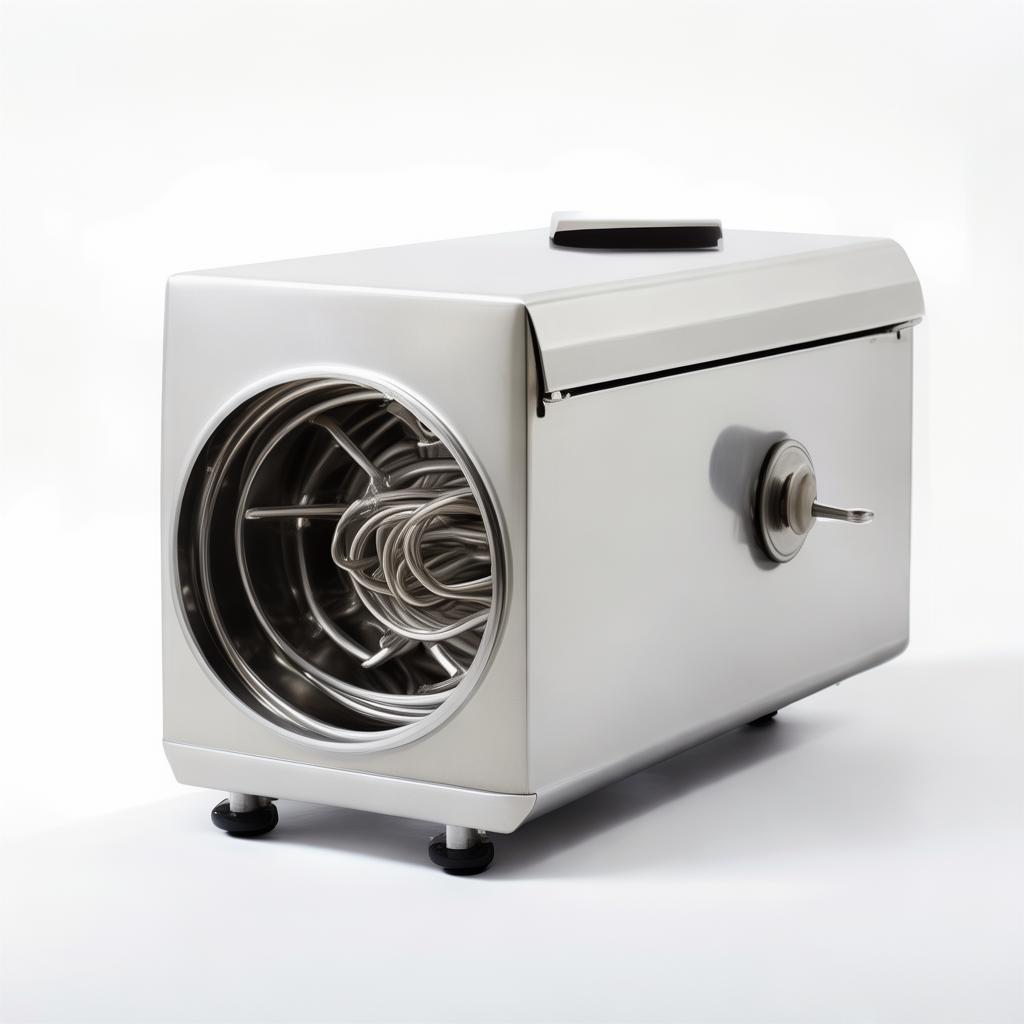
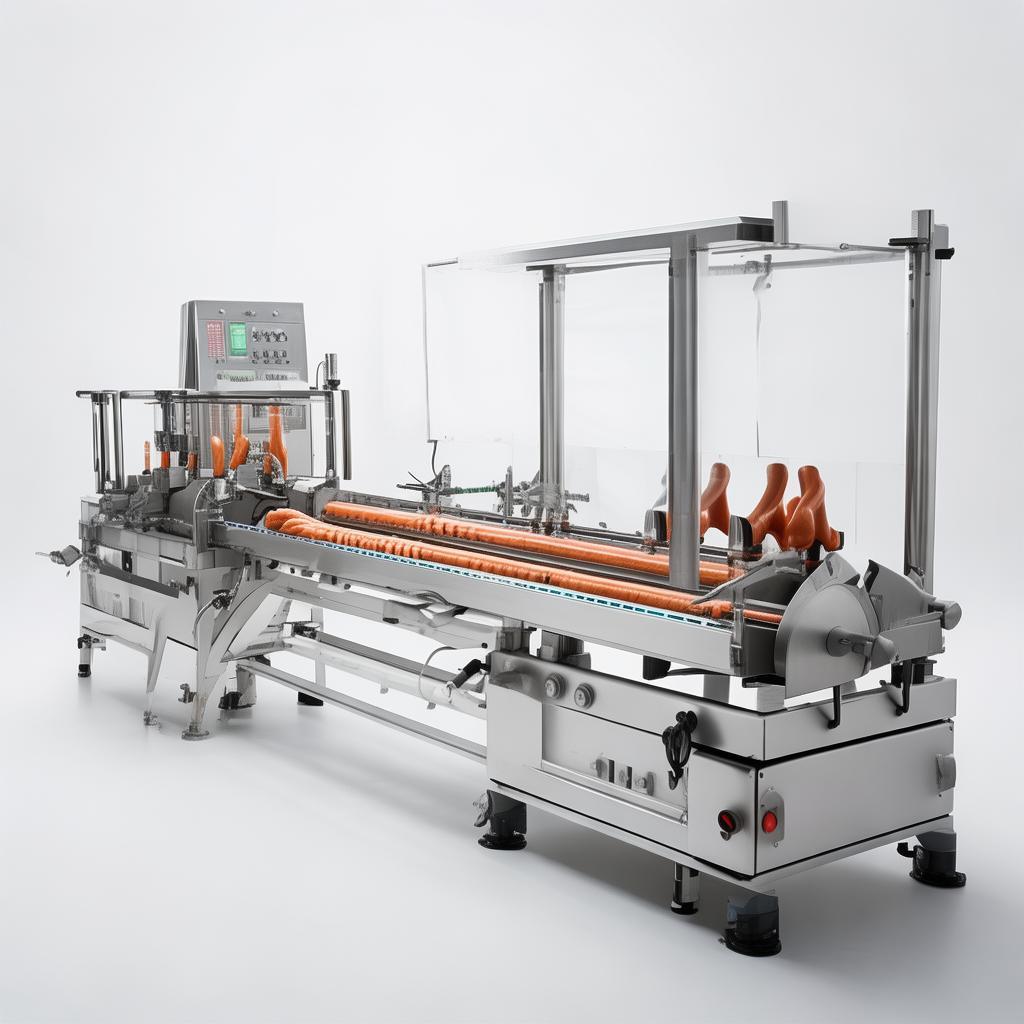
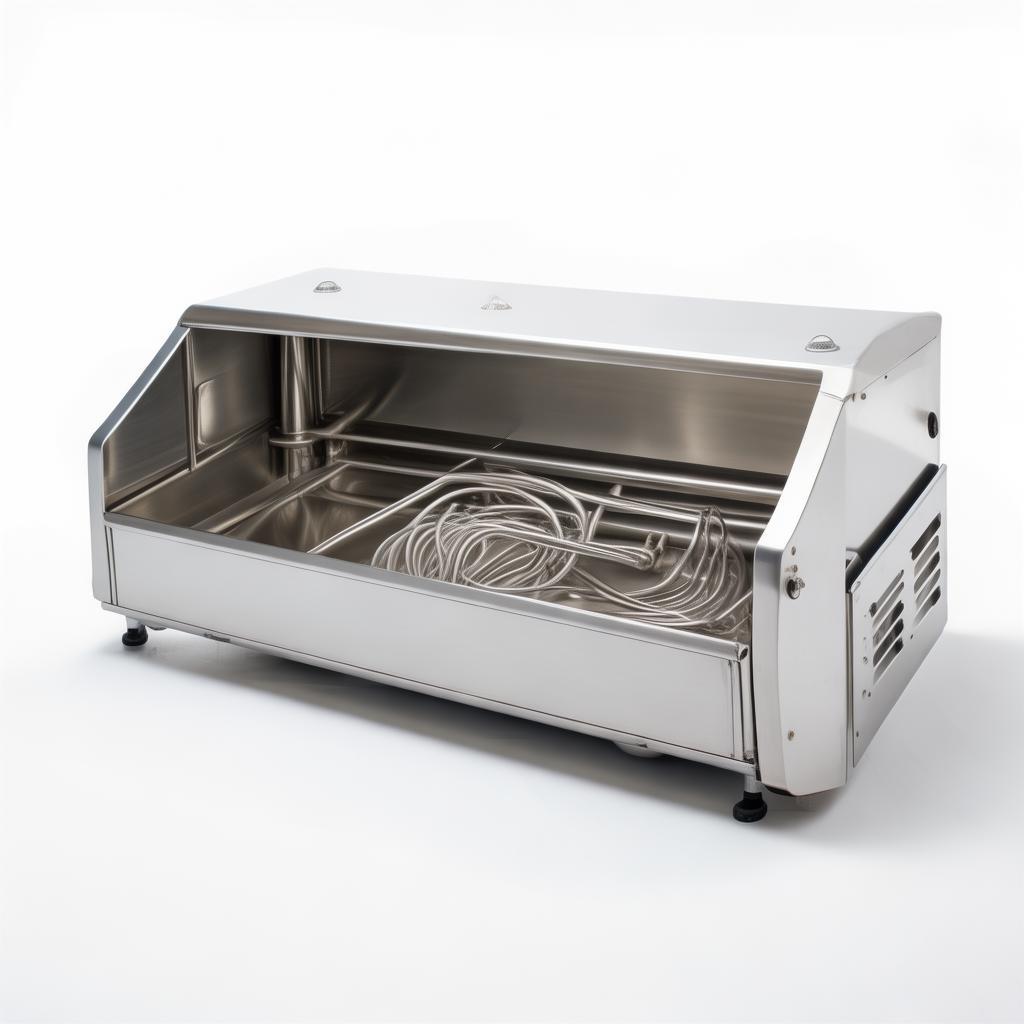
Pneumatic Filling Machine
Precision Pneumatic Filling Machines: Your Key to Efficient Product Handling
By  Li Wei, Senior Export Manager | Hebei Yuanchang Food Mechanism & Technology Co., Ltd.
Published:
In today's competitive manufacturing landscape, particularly within the food, pharmaceutical, and chemical sectors, the efficiency, accuracy, and reliability of your product handling processes are paramount. The humble pneumatic filling machine, often working tirelessly behind the scenes, plays a critical role in ensuring that your products reach consumers with consistent quality and in the desired quantities. These sophisticated pieces of industrial equipment leverage compressed air to precisely dispense a wide array of liquids, pastes, semi-solids, and even granular products into containers. For businesses focused on scaling production, maintaining stringent hygiene standards, and optimizing operational costs, selecting the right pneumatic filling machine isn't just a purchasing decision; it's a strategic investment in the backbone of your manufacturing line. Our 40 years of experience, since 1986, in developing robust food processing machinery, including specialized filling and molding equipment, has given us deep insights into what truly matters on the factory floor and in international trade. We understand the challenges procurement managers face – balancing cost with performance, ensuring long-term reliability, and navigating complex logistics. This guide aims to cut through the technical jargon and provide a clear, practical understanding of pneumatic filling machines, their applications, and what to look for when sourcing them from a trusted manufacturer.
Why Pneumatic Filling Machines?
The core advantage lies in their simplicity and robustness. Operating on compressed air, they eliminate the need for electric motors in the filling mechanism itself, reducing complexity, potential ignition sources in hazardous environments, and maintenance downtime. This makes them particularly suitable for industries where cleanliness and safety are non-negotiable. From dispensing delicate sauces and viscous batters to filling precise volumes of liquid pharmaceuticals or detergents, pneumatic fillers offer a versatile and cost-effective solution when paired with the right configuration.
Navigating Today's Manufacturing Hurdles
The global market for meat processing equipment, a sector where precise filling is crucial, was valued at approximately USD 11.29 billion in 2025 and is projected to reach USD 17.39 billion by 2034, growing at a CAGR of 5.0%. This indicates a robust and expanding need for reliable machinery. [Fortune Business Insights] Similarly, the broader food processing equipment market is expected to reach USD 129.47 billion by 2036. These figures underscore the demand for efficiency and automation. For businesses in this space, challenges abound: meeting escalating consumer demand for processed and convenience foods, adhering to increasingly stringent global food safety standards (like HACCP and ISO 22000), managing labor shortages, and optimizing production costs. The trend towards ready-to-eat meals, a segment expected to reach USD 1,253.77 billion by 2034, directly fuels the need for high-throughput, accurate filling solutions. [Fortune Business Insights] Beyond food, industries like pharmaceuticals and chemicals face similar pressures related to precision dosing, hygiene, and explosion-proof requirements. The risk of product recall due to inconsistent fill volumes or contamination is a constant concern, driving the search for dependable equipment.
Consider the complexity of handling diverse product viscosities. A system that works for a thin sauce might fail with a thick paste or a chunky salsa. This variability necessitates flexible equipment. Moreover, cross-border commerce introduces its own set of challenges: ensuring compliance with international regulations, managing international shipping logistics, and selecting suppliers with proven export experience. Buyers need machinery that is not only technically sound but also supported by a manufacturer who understands the global supply chain.
Understanding Pneumatic Filling Machines
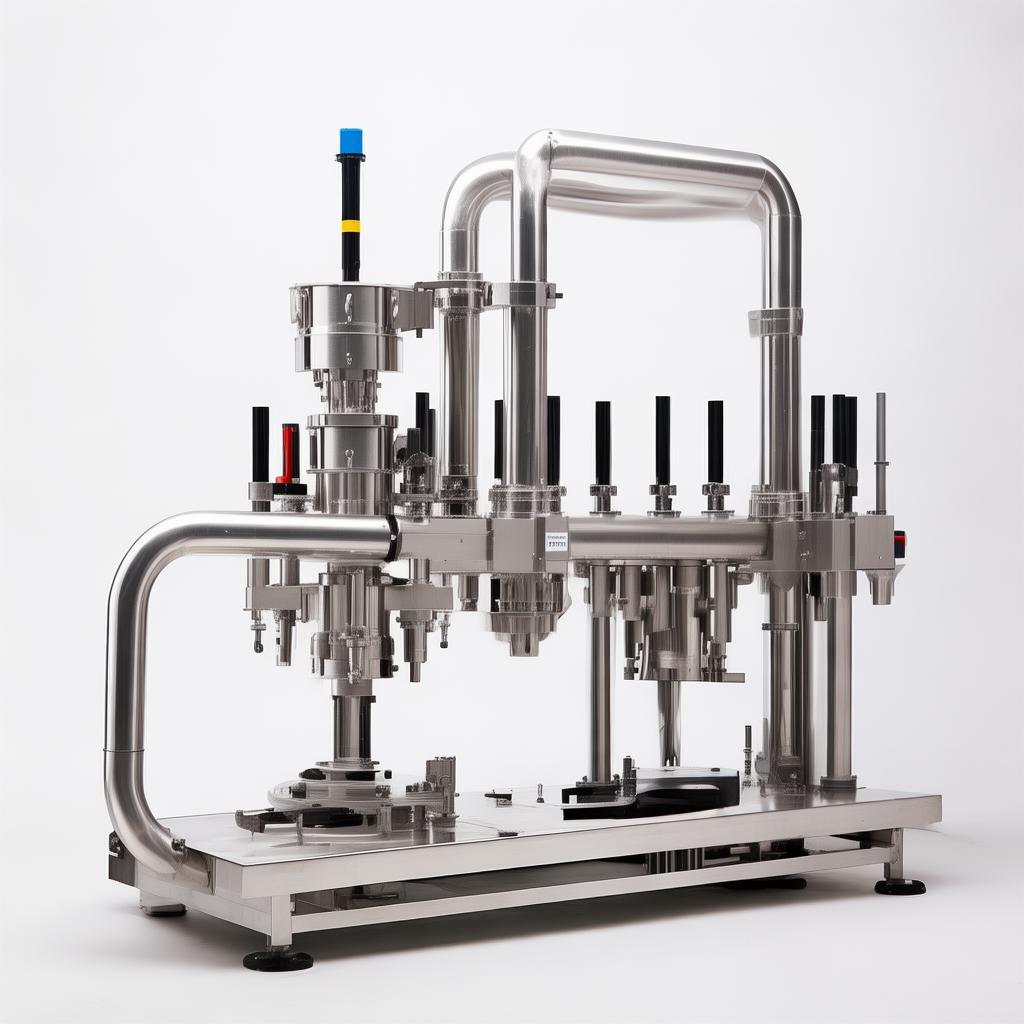
At its core, a pneumatic filling machine utilizes compressed air to drive a piston or diaphragm that dispenses a predetermined volume of product. The process typically involves a product hopper, a feed line, a cylinder, a piston (or diaphragm), and a nozzle. When activated, compressed air is directed to one side of the piston, forcing product through the nozzle into the waiting container. Reversing the air pressure retracts the piston, drawing in more product for the next cycle. The fill volume is precisely controlled by the stroke length of the piston, which can be manually adjusted or, in more advanced models, electronically set. This mechanism makes them ideal for handling liquids, gels, creams, pastes, and even products with small solid inclusions, provided they can flow.
Compared to volumetric cup fillers or gravity fillers, pneumatic piston fillers offer superior accuracy for a wider range of viscosities and are less prone to clogging. Their design minimizes the mechanical stress on the product, preserving texture and consistency, a critical factor in applications like filling delicate meat emulsions or yogurts. They are often chosen for their robust construction and ease of cleaning, essential for maintaining GMP (Good Manufacturing Practices) or HACCP compliance.
Core Advantages for Your Production Line
- Precision & Consistency: Pneumatic systems, when properly calibrated, deliver highly repeatable fill volumes, reducing product giveaway and ensuring customer satisfaction. Many reports highlight the importance of consistency in processed meats, where fill accuracy impacts both perceived value and cost control.
- Versatility: Capable of handling a broad spectrum of viscosities, from water-like liquids to thick pastes and semi-solids. This adaptability is key for manufacturers producing diverse product lines.
- Durability & Reliability: The inherent simplicity of pneumatic components means fewer moving parts that can fail. This translates to less downtime and a longer operational lifespan, a crucial consideration for ROI calculations.
- Safety in Hazardous Environments: The absence of electric motors in the direct filling mechanism makes pneumatic fillers suitable for environments where flammable vapors or dust might be present, a significant advantage in certain chemical or food processing applications.
- Ease of Operation & Cleaning: Designed for straightforward operation and quick disassembly for cleaning, supporting rapid product changeovers and maintaining hygiene standards. This is vital for industries like pet food processing where cleanliness is paramount.
- Cost-Effectiveness: Often more affordable upfront and in terms of ongoing energy consumption compared to purely electric or hydraulic filling systems for equivalent precision.
Key Components and How They Work
Understanding the basic components helps in appreciating the machine's functionality and maintenance needs:
Product Hopper
This is where the product is loaded. Size and design vary based on product type and batch size. For viscous materials, a steeper hopper angle or agitator might be necessary to ensure consistent flow.
Pneumatic Cylinder & Piston
The heart of the filling mechanism. Compressed air actuates the piston, which moves within the cylinder to draw product in and then expel it. Seals are critical for maintaining accuracy and preventing leaks.
Control Valves
These solenoid or manual valves direct the compressed air to either advance or retract the piston. They are key to the filling cycle's automation and speed.
Filling Nozzle/Head
Designed for precise product delivery. Options include drip-proof valves, adjustable height nozzles, or specialized heads for foamy products. Material is often stainless steel for hygiene and durability.
The performance of these components relies heavily on a clean and consistent supply of compressed air. Water or oil in the air lines can lead to corrosion, seal damage, and inconsistent operation. Investing in proper air filtration and drying systems is a fundamental step for ensuring the longevity and accuracy of your pneumatic filler.
Versatile Applications Across Industries
The adaptability of pneumatic fillers makes them indispensable in numerous sectors:
Food & Beverage
Ideal for sauces, dressings, jams, honey, viscous liquids, batters, fillings for pastries, and even products like minced meat or pet food. The rising demand for processed meat products globally means equipment like ours is critical.
Pharmaceuticals
Used for filling syrups, suspensions, gels, and semi-solid ointments, where precision and hygiene are paramount. Materials of construction must meet strict pharmacopeia standards.
Cosmetics
Suitable for creams, lotions, makeup foundations, and hair care products. Aesthetically pleasing packaging requires precise and clean filling.
Chemicals
Applicable for detergents, adhesives, lubricants, and cleaning agents. For hazardous chemicals, explosion-proof pneumatic systems are essential.
Our expertise, honed over decades in food machinery, extends to understanding the nuances of each industry. We can advise on material compatibility, sealing technologies, and nozzle designs to ensure optimal performance and compliance, whether you're filling sausages for the European market or viscous ingredients for the American food industry.
Buyer's Guide: Selecting Your Ideal Machine
Making the right choice requires a thorough assessment of your specific needs. Here are key factors to consider:
-
Product Characteristics:
- Viscosity: Thin liquids vs. thick pastes vs. products with particulates.
- Temperature: Hot fill vs. ambient fill.
- Abrasiveness: Does it contain particles that can wear down seals?
- Foaming Tendency: Some products require special valve designs.
-
Filling Volume & Accuracy Requirements:
- What is your target fill volume range?
- What level of accuracy (e.g., +/- 1%, +/- 0.5%) is acceptable?
-
Production Speed (Output):
- How many containers per minute or hour do you need to fill?
- Consider cycle time: filling time + container placement/removal.
-
Container Type & Size:
- Bottles, jars, tubs, pouches, bags?
- Neck opening size is critical for nozzle selection.
-
Operational Environment:
- Washdown capabilities?
- Explosion-proof requirements (ATEX, NEC)?
- Space constraints on the production line.
-
Budget and ROI:
- Initial investment vs. long-term operating costs (maintenance, energy).
- Expected increase in throughput and reduction in waste.
When evaluating suppliers, don't just look at the machine specifications. Inquire about their experience with similar applications, their customer support, spare parts availability, and their willingness to customize. A truly experienced manufacturer will ask you detailed questions to ensure they recommend the best fit, rather than just a standard model.
Our Manufacturing Strength: 40 Years of Expertise
At Hebei Yuanchang Food Mechanism & Technology Co., Ltd., our foundation is built on extensive practical knowledge accumulated since 1986. We operate from a 14,000 square meter facility, staffed by a dedicated team of 80-100 professionals. Our strength lies in our in-house machining workshop, boasting over 20 sets of advanced processing machinery, including lathes, milling machines, high-precision grinding machines, and wire cutting equipment. The integration of 8 Japanese Mazak CNC machining centers since 2012 allows us to independently produce high-precision components that meet stringent volume, accuracy, and non-standard specification requirements. This vertical integration ensures that every part of our pneumatic filling machines, from critical seals to the piston assembly, is manufactured to exacting standards. We don't just assemble; we engineer and manufacture. This capability is vital for OEM/ODM projects, allowing us to tailor solutions precisely to client needs.

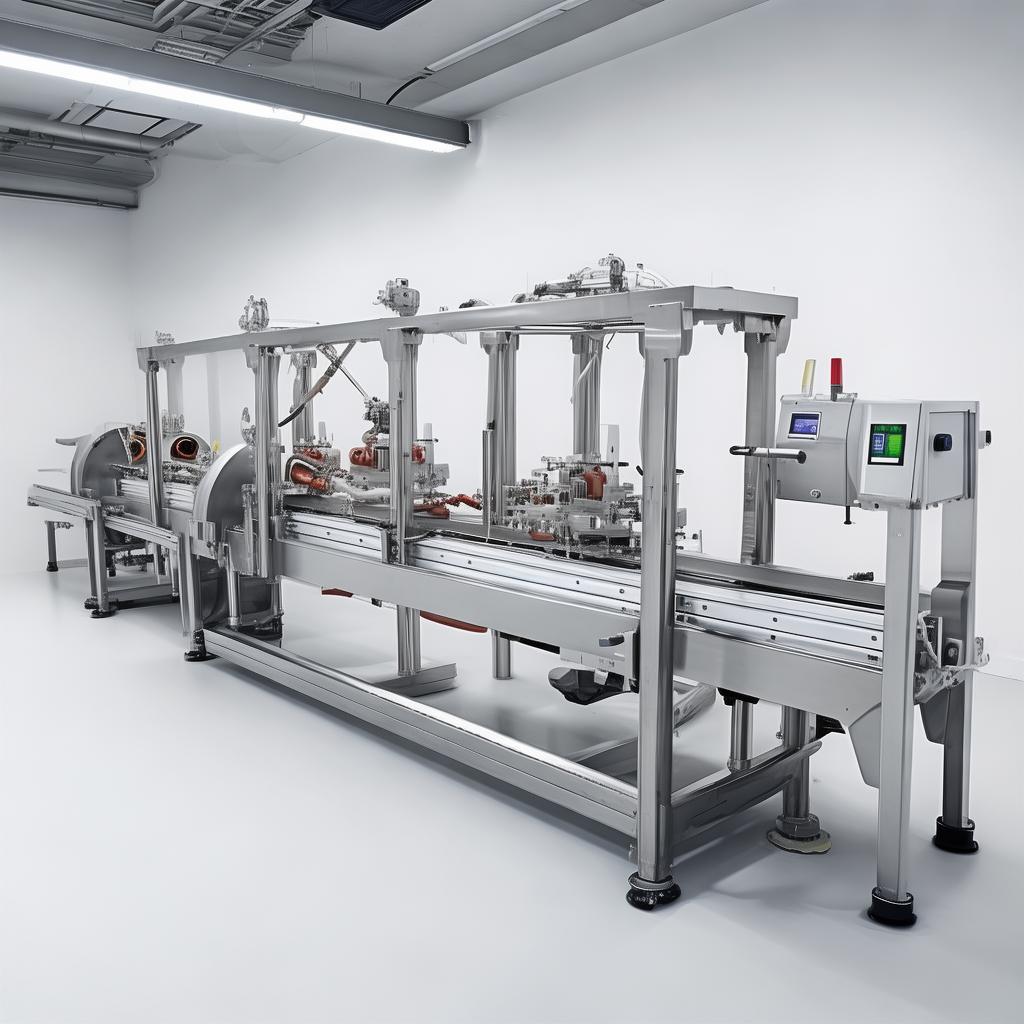
Our state-of-the-art machining facility ensures component precision.
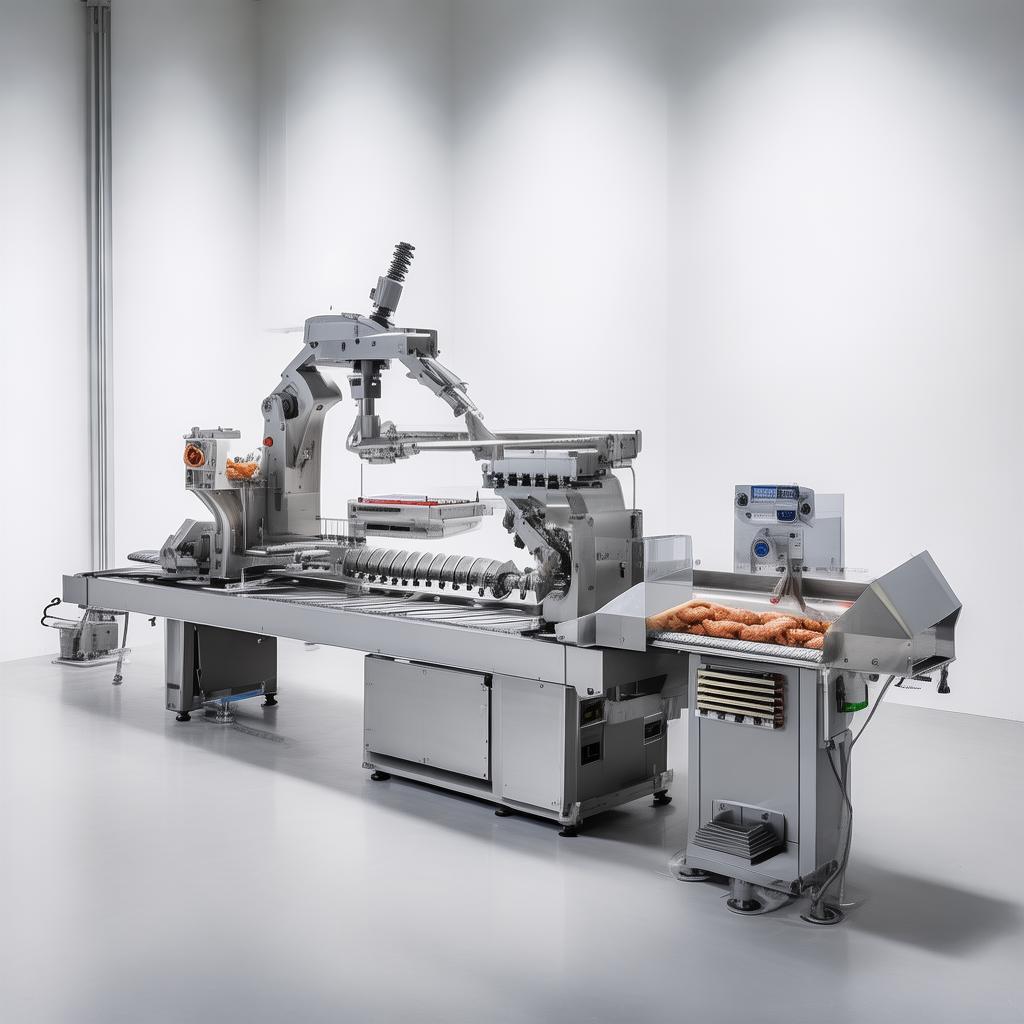
Our product range covers pretreatment, filling, molding, and ripening processes for meat products, and we apply the same rigor and quality control to our pneumatic filling machines. This deep understanding of food processing workflows, particularly for items like sausages and formed meat products, informs our design philosophy for filling equipment. We understand the importance of uniform density, proper texture, and hygienic handling, all of which are directly impacted by the filling stage.
Commitment to Quality and International Standards
Quality is not just a buzzword; it's integrated into our entire manufacturing process. We understand that international buyers require assurance of quality and compliance. Our machines are built using food-grade stainless steel (typically 304 or 316L) where applicable, ensuring corrosion resistance and ease of sanitation. We adhere to strict quality control protocols at every stage of production, from raw material inspection to final assembly testing.

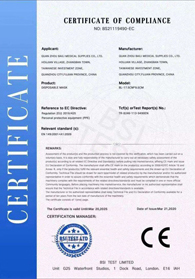


We can provide documentation and support for obtaining necessary certifications for your target markets. Our commitment to reliability is further backed by a traceable after-sales management system, allowing for swift identification and resolution of any issues. We aim to build trust through transparency and consistent delivery of high-performance equipment that meets global standards.
Installation, Operation, and Maintenance Tips
Proper installation and regular maintenance are crucial for maximizing the lifespan and performance of your pneumatic filling machine. While installation is typically straightforward for standalone units, integration into an existing line might require technical consultation.
Installation Considerations
Ensure a stable, level surface. Connect to a clean, dry, and properly regulated compressed air supply (typically 5-7 bar). Verify electrical connections if any control panel is present. Test the machine's basic functions without product before full integration.
Daily Operation
Check product flow, ensure nozzles are clear, and monitor fill volumes. Listen for unusual noises. Make small adjustments to the stroke length for volume control as needed.
Routine Maintenance
Daily cleaning is essential, especially for food and pharma applications. Periodically check and replace seals, lubricate moving parts (if required by design), and inspect air filters. A preventive maintenance schedule will significantly reduce unexpected breakdowns.
We provide comprehensive user manuals with our machines, and our technical team is available for remote support or on-site assistance if required. We also maintain a readily available stock of critical spare parts, minimizing potential production interruptions.
Exporting Excellence: Logistics and Shipping
As an experienced international supplier, Hebei Yuanchang understands the complexities of global logistics. We meticulously package our machinery to withstand the rigors of international transit, whether by sea or air freight. Our team handles all necessary export documentation, ensuring smooth customs clearance for your destination country. We work with reliable freight forwarders to provide competitive shipping quotes and ensure timely delivery. Common configurations for shipping can fit into standard 20-foot or 40-foot containers, optimizing your shipping costs. We can provide detailed packing lists and dimensional data to help you plan your logistics efficiently. Our goal is to make the procurement and delivery process as seamless as possible, from our factory floor in Shijiazhuang to your international doorstep.




We understand the global supply chain requirements of major international businesses.
What Our Clients Say
"We were looking for a reliable filling machine for our premium hot sauce line. Yuanchang's pneumatic filler has exceeded expectations. The accuracy is spot-on, and the stainless steel construction makes cleaning a breeze. Their export team was very helpful with all the paperwork."

Operations Manager, Artisan Sauces Inc.
"As a distributor of food processing equipment, we need reliable manufacturers. Hebei Yuanchang's pneumatic fillers are robust, easy to maintain, and priced competitively. We've had positive feedback from our clients in the bakery sector regarding their performance with fillings."

Procurement Director, Global Food Machinery Supply
"We switched to a pneumatic system from Yuanchang for our viscous pet food paste filling. The consistency improved dramatically, leading to less waste. Their technical support was responsive, helping us fine-tune the settings for our specific product."

Production Supervisor, Premium Pet Foods Ltd.
Procurement Insights & Risk Mitigation
Purchasing industrial equipment, especially for international markets, involves inherent risks. Here’s how we help mitigate them:
Supplier Due Diligence
Verify the supplier's manufacturing capabilities, years in business, certifications, and export history. Look for established companies with in-house production, like ourselves, rather than mere trading entities.
Clear Specification & Quotation
Ensure the quotation precisely matches your technical specifications. Ambiguities can lead to costly misunderstandings later. We provide detailed spec sheets and can issue customized proposals.
Payment Terms & Trade Assurance
Discuss secure payment methods. For new partners, partial upfront payment with the balance due upon shipment or inspection is common. We are open to discussing terms that build mutual trust.
After-Sales Support
Confirm the availability of spare parts and technical support. Our traceable management system ensures we can assist you long after the sale.
Choosing a partner like Hebei Yuanchang, with 40 years of experience and a commitment to quality manufacturing, significantly reduces procurement risk. We aim to be more than just a supplier; we strive to be a trusted partner in your production success.
Frequently Asked Questions
Q1: What is the typical lead time for a pneumatic filling machine?
Lead times can vary depending on customization and current production schedules. For standard models, it's typically 4-8 weeks from order confirmation and deposit. Complex OEM/ODM projects may require longer lead times.
Q2: Can these machines handle products with particulates, like chunky salsa or meat fillings?
Yes, with appropriate nozzle and valve selection. The size of particulates that can be handled depends on the specific machine design. We can discuss your product's particulate size to ensure compatibility. Our experience with meat product molding and filling is highly relevant here.
Q3: What are the power requirements for a pneumatic filling machine?
filling machine manufacturer automatic filling machine automatic filling machines
The primary requirement is compressed air, typically 5-7 bar (70-100 psi), with an adequate flow rate (CFM or L/min) depending on the machine's speed. Electrical power is usually minimal, often just for control circuits or solenoid valves (e.g., 220V/380V, 50/60Hz, single or three-phase), unless it's a fully automated system with integrated conveyors.
Q4: How easy is it to change fill volumes?
Volume adjustment is typically achieved by modifying the stroke length of the piston. This is usually done via a calibrated handwheel or, on more advanced models, through a digital interface. The process is generally quick and straightforward, allowing for rapid changeovers.
Q5: Do you offer OEM/ODM services for filling machines?
Absolutely. With our in-house machining capabilities and engineering team, we are well-equipped to develop and manufacture custom pneumatic filling machines tailored to your unique product, container, or line integration requirements. We have decades of experience in producing high-standard, non-standard components.
Direct Insights from Our Experts



Real-time consultations with our technical and sales teams.
Ready to Optimize Your Filling Process?
Don't let inefficient filling operations hold back your productivity and profitability. Discover how a precision pneumatic filling machine from Hebei Yuanchang can transform your production line.