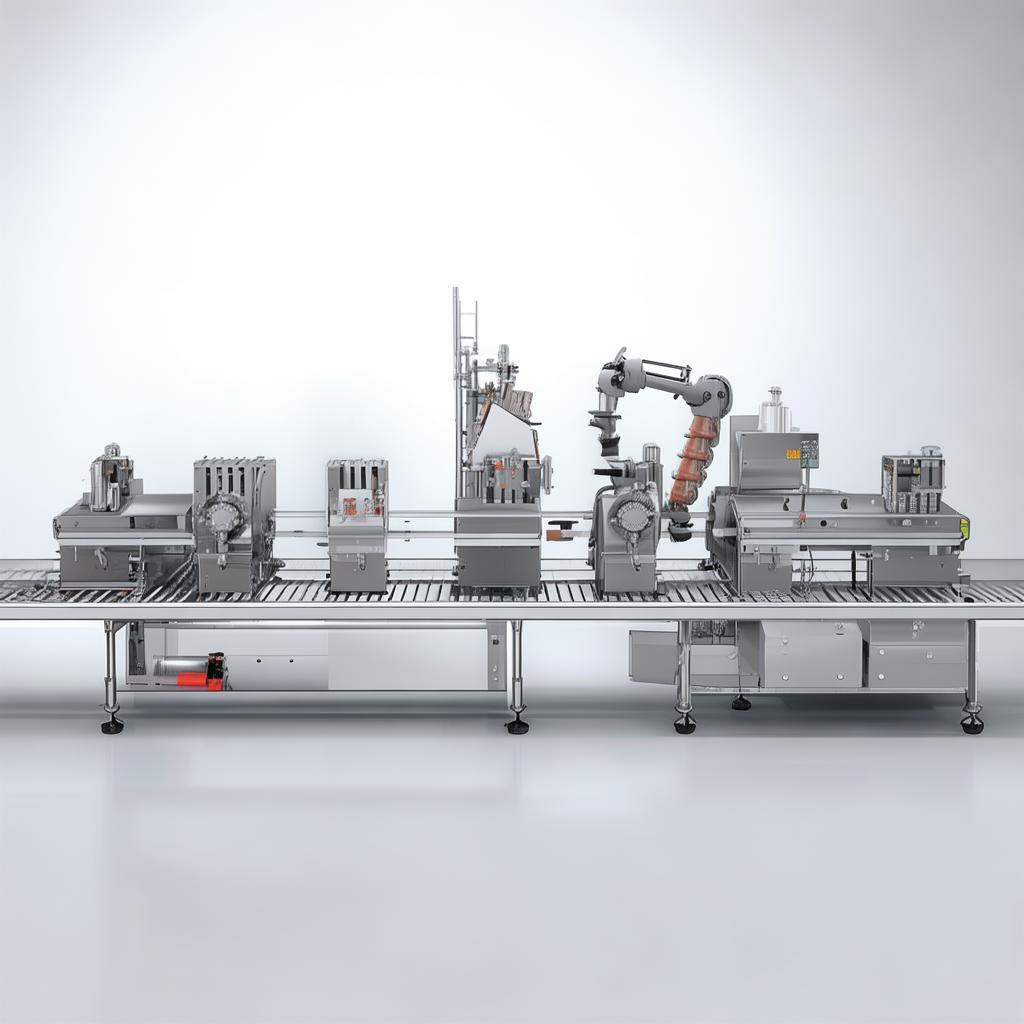
Pneumatic Vacuum Valves
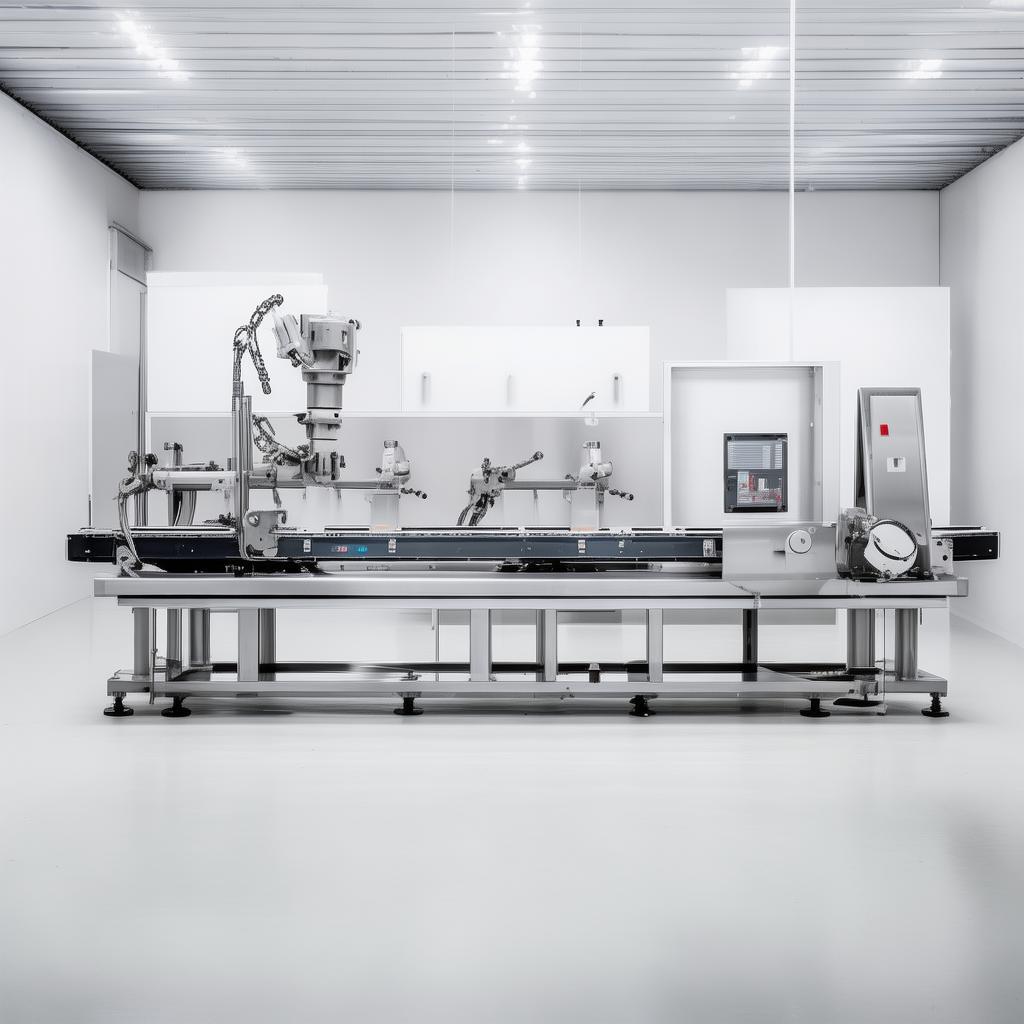
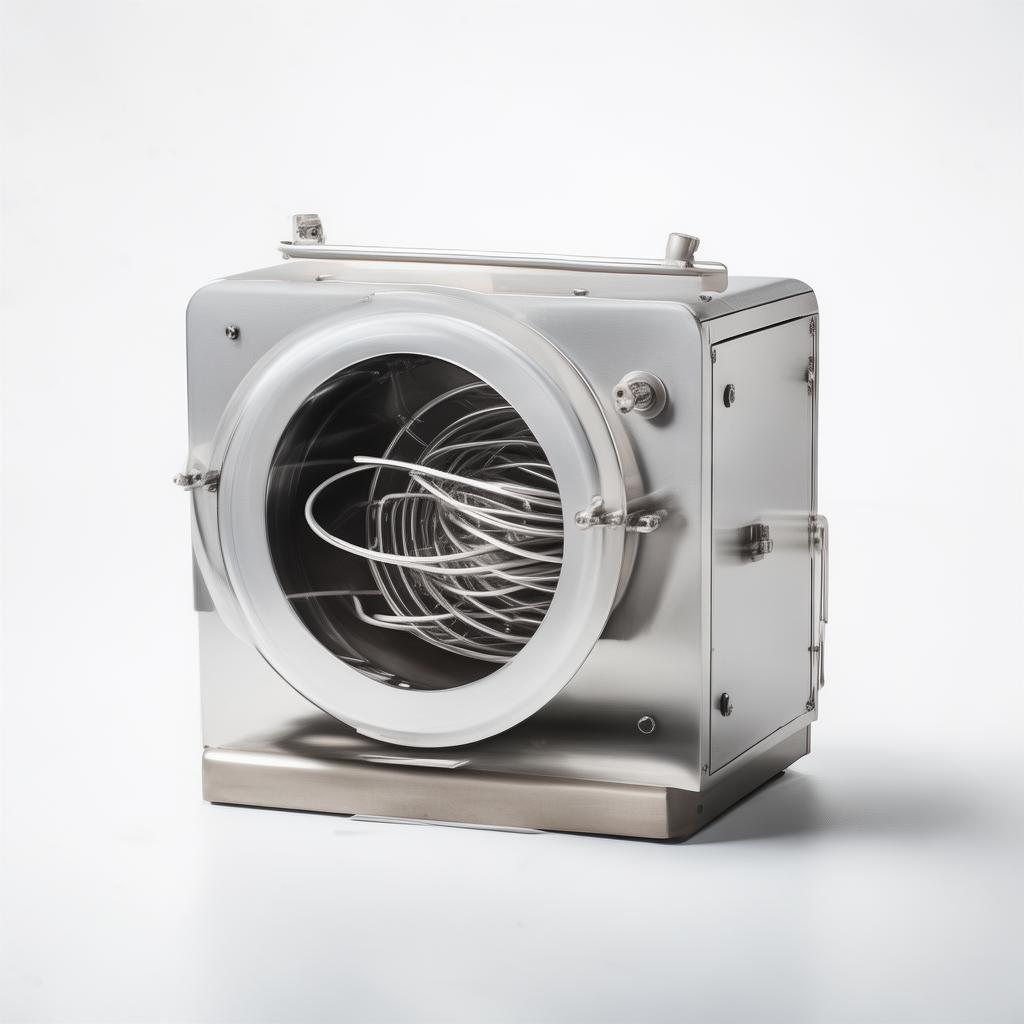
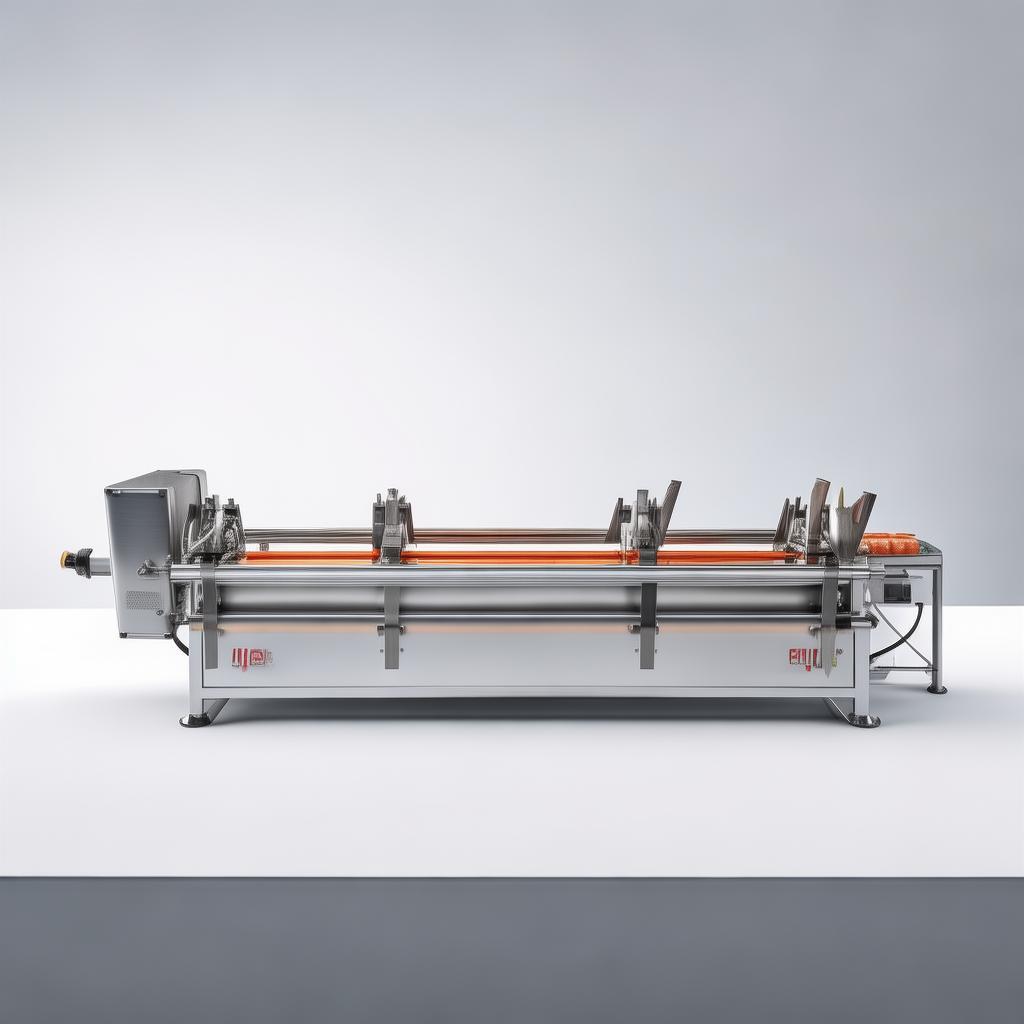
Pneumatic Vacuum Valves: Precision Control for Industrial Applications
Empowering Your Operations with Reliable Suction and Material Handling Solutions

Understanding the Critical Role of Pneumatic Vacuum Valves
In the intricate world of automated manufacturing and material handling, precise control over vacuum systems is paramount. Pneumatic vacuum valves are the unsung heroes of these operations, silently orchestrating the creation, maintenance, and release of vacuum. They are not merely components; they are precision instruments that dictate the efficiency, reliability, and safety of countless industrial processes. From delicate pick-and-place tasks on assembly lines to heavy-duty material transfer in logistics, the right vacuum valve ensures that your operations run smoothly and without interruption. The selection and application of these valves demand a deep understanding of pneumatic principles, system requirements, and the specific challenges of your industry. Our aim here is to demystify these essential components, providing you with the insights needed to make informed decisions for your business. We understand that in B2B trade, especially in industrial manufacturing, reliability isn't just a feature—it's a fundamental requirement. A single point of failure in a vacuum system can cascade into significant downtime, affecting production schedules, increasing costs, and potentially impacting product quality. This is why we focus on delivering robust, high-performance pneumatic vacuum valves that stand up to the rigors of demanding industrial environments.
The complexity of modern manufacturing processes often necessitates highly specialized solutions. Pneumatic vacuum valves, in their various forms, are designed to meet these diverse needs. Whether you require rapid cycle times for high-volume production, precise vacuum level control for sensitive materials, or robust construction for harsh environments, there's a valve designed for the job. Their function is deceptively simple: to control airflow within a vacuum circuit. However, the nuances of their design—from diaphragm actuation to solenoid control, and from normally closed to normally open configurations—offer a broad spectrum of capabilities. Mastering these nuances is key to optimizing your pneumatic systems. The global market for industrial automation, including pneumatic components, is constantly evolving. As manufacturers push for greater efficiency, reduced waste, and enhanced product quality, the demand for sophisticated control solutions like advanced vacuum valves continues to grow. We've seen a significant uptick in inquiries for integrated systems that can adapt to varying production needs, highlighting a shift towards more intelligent and flexible automation. This underscores the importance of choosing partners who understand not just the components themselves, but also their place within the larger operational ecosystem.
For procurement managers and engineers, the decision often boils down to balancing performance, cost, and long-term reliability. It's about finding a solution that offers the best total cost of ownership, factoring in installation, maintenance, and operational efficiency. A seemingly minor saving on a valve today could translate into significant expenses down the line if it leads to frequent breakdowns or suboptimal performance. Our expertise lies in bridging this gap, offering high-quality pneumatic vacuum valves that deliver on performance without compromising on value. We work with a global network of industrial partners and have a deep understanding of the material science and engineering that goes into creating durable and efficient valves. This allows us to guide you through the selection process, ensuring you get the right valve for your specific application, whether it's for handling raw materials, assembling finished goods, or ensuring the integrity of sensitive products during transit. The integration of pneumatic vacuum systems often involves considerations beyond just the valve itself. Factors like air quality, system pressure, tubing diameter, and the type of vacuum generator (e.g., venturi or pump) all play a crucial role in overall performance. A well-specified valve can only perform as well as the system it's integrated into. We take a holistic view, considering these related elements to ensure our clients achieve optimal results. This comprehensive approach is what sets us apart, moving beyond simple component supply to offering true system-level solutions.
Addressing Common Industrial Challenges
Many industrial processes face challenges that pneumatic vacuum valves are specifically designed to overcome:
- Inconsistent Suction Force: Fluctuations in vacuum pressure can lead to dropped parts or incomplete material transfer. Properly controlled valves maintain stable suction.
- Slow Cycle Times: Inefficient vacuum generation and release can bottleneck high-speed production lines. Rapid-acting valves are crucial here.
- System Leaks: Poorly sealed valves or improper actuation can lead to vacuum loss, reducing efficiency and potentially damaging products.
- Contamination Risk: In sensitive environments like food processing or electronics manufacturing, valve materials and design must prevent contamination.
- Energy Inefficiency: Systems that don't efficiently manage vacuum can waste compressed air. Smart valves help optimize air consumption.

How Pneumatic Vacuum Valves Work: The Mechanics Behind the Suction
At its core, a pneumatic vacuum valve controls the flow of air to create or release a vacuum. The mechanism typically involves a sealing element (like a diaphragm or piston) that is moved by pneumatic pressure, which in turn opens or closes ports to the vacuum line and atmosphere. The type of valve dictates the specifics:
Solenoid-Operated Valves
These are the workhorses of modern automation. A solenoid (an electromagnetic coil) is energized, generating a magnetic field that moves a plunger or armature. This movement actuates the valve, typically opening or closing a pilot port which then controls the main vacuum sealing element. When the solenoid is de-energized, a spring (or residual magnetism) returns the valve to its default position. They offer fast response times, making them ideal for high-cycle applications. We often see these specified in robotic pick-and-place systems and automated assembly lines where precise timing is critical. Their electrical control allows for easy integration into PLC (Programmable Logic Controller) systems, offering sophisticated automation capabilities.
Diaphragm Valves
Diaphragm valves utilize a flexible diaphragm that is pressed against a seat to seal or lifted away to open a port. The diaphragm can be actuated directly by a solenoid or pilot air pressure. These are often favored for their robustness and ability to handle certain types of fluids or fine particles without immediate damage to the sealing mechanism. They are commonly found in systems where a certain degree of contamination might be present, or where a soft, bubble-tight seal is required. For instance, in some food-grade applications or chemical handling, a diaphragm design offers an advantage in terms of sealing integrity and resistance to clogging.
Venturi Vacuum Valves
While not a valve in the traditional sense of controlling flow, Venturi generators are often coupled with control valves to manage vacuum creation. A Venturi system uses compressed air to create a flow that, by Bernoulli's principle, lowers the pressure in an adjacent chamber, thus generating vacuum. A pneumatic valve can control the supply of compressed air to the Venturi, thereby switching vacuum generation on or off. These systems are popular for their simplicity, low maintenance, and ability to generate vacuum rapidly from atmospheric pressure. They are frequently used in packaging, robotics, and general material handling where compact, self-contained vacuum solutions are needed. Our experience shows they are particularly effective for porous materials where high flow rates are required for quick pick-up.
Normally Closed vs. Normally Open
This designation refers to the valve's state when there is no actuation signal (e.g., no power to a solenoid). A Normally Closed (NC) valve is sealed in its default state, preventing vacuum. It opens when actuated. This is the most common configuration for pick-up operations, ensuring vacuum is only applied when needed. A Normally Open (NO) valve is open in its default state, allowing vacuum. It closes when actuated. This is less common but useful in specific applications, such as maintaining a constant vacuum that is only broken when a part is released. Understanding this difference is fundamental to designing a safe and efficient vacuum circuit.
Key Advantages of High-Quality Pneumatic Vacuum Valves

Enhanced Reliability
Precision manufacturing and quality materials ensure consistent performance, reducing unexpected downtime. This is crucial for continuous production lines.

Improved Efficiency
Fast response times and precise control optimize cycle times and reduce energy waste from compressed air. This directly impacts operational costs.

Robust Durability
Constructed with industrial-grade materials (e.g., anodized aluminum, stainless steel, durable polymers) to withstand vibration, temperature variations, and corrosive environments.
Technical Specifications: What to Look For
When specifying pneumatic vacuum valves, several technical parameters are critical for ensuring optimal performance and compatibility with your existing systems. Understanding these details helps prevent costly integration errors and ensures your vacuum system operates at peak efficiency.
| Parameter | Key Considerations | Impact on Operation |
|---|---|---|
| Port Size & Thread Type | Common sizes like G1/8", G1/4", M5. Ensure compatibility with your existing pneumatic lines and fittings. | Incorrect sizing can restrict airflow, affecting vacuum generation speed and holding force. |
| Flow Rate (Cv or L/min) | Indicates how much air the valve can pass. Higher flow rates are needed for larger suction cups or faster evacuation. | Crucial for achieving desired vacuum levels quickly. Undersized flow leads to slow pick-up times. |
| Operating Pressure Range | Typically ranges from vacuum to positive pressure (e.g., -0.95 bar to 8 bar). Must match your system's capabilities. | Operating outside this range can cause valve failure or leakage. |
| Electrical Specifications (Voltage, Wattage) | For solenoid valves: 24 VDC, 110 VAC, 220 VAC are common. Wattage indicates power consumption. | Must be compatible with your control system (PLC) and power supply. Incorrect voltage can damage the solenoid. |
| Response Time | How quickly the valve actuates (milliseconds). Crucial for high-speed automation. | Impacts the overall cycle time of your robotic or automated process. |
| Operating Temperature Range | The ambient temperature the valve can safely operate within. Often specified as -10°C to +60°C or wider. | Extreme temperatures can affect material properties, leading to leaks or component failure. |
| Sealing Material | Nitrile (NBR), EPDM, Viton™, Silicone. Choice depends on chemical compatibility and temperature resistance. | Ensures longevity and resistance to degradation from media or environment. |
vacuum valve pneumatic pneumatic venturi vacuum valve pneumatic vacuum ejector
Applications Across Industries
The versatility of pneumatic vacuum valves makes them indispensable across a wide array of sectors. Their ability to precisely control suction and release is fundamental to automated processes.
Robotics and Automation
Essential for robotic end-effectors (grippers) that pick and place components on assembly lines, in packaging, and in warehousing. Fast response times allow for high-speed, accurate movements. Consider automated material handling systems that need to rapidly pick up boxes, trays, or individual parts from conveyors.
Packaging Machinery
Used in case erectors, palletizers, bag sealing, and form-fill-seal machines to manipulate lightweight materials, cartons, and films. Maintaining a consistent vacuum is key to preventing package deformation or material waste.
Woodworking and CNC Machining
Pneumatic vacuum chucks and fixtures rely on valves to securely hold workpieces (like wood panels or sheet metal) in place during cutting, routing, or sanding operations. This ensures precision and operator safety.
Food & Beverage Processing
In applications requiring gentle handling of delicate food items, or in packaging of processed foods, specific food-grade vacuum valves are used. Hygienic design and material compatibility (like FDA-approved seals) are critical here.
Medical Device Manufacturing
Precision pick-and-place of small, sensitive components in cleanroom environments demands highly reliable and contamination-free vacuum systems, often employing specialized valves.
Procurement Insights: Choosing Your Supplier Wisely
Selecting the right supplier for pneumatic vacuum valves is as important as selecting the right valve itself. A reliable partner ensures not only quality products but also crucial support, timely delivery, and competitive pricing. Consider these factors when evaluating potential suppliers:
Experience and Expertise
Look for suppliers with a proven track record in the pneumatic components industry. Do they understand your specific application challenges? Can they offer technical advice and application support? A supplier like Hebei Yuanchang Food Mechanism & Technology Co., Ltd., with 40 years of experience in complex machinery and component manufacturing, brings a depth of practical knowledge that is invaluable. Their in-house machining capabilities, including Japanese CNC centers, speak to their commitment to precision and quality for high-standard components.
Quality Control and Certifications
Verify their quality assurance processes. Do they adhere to international standards? Certifications like ISO 9001 are a good indicator of a robust quality management system. For certain industries, specific compliance (e.g., RoHS for environmental standards) might be necessary. Our commitment to quality is reflected in our stringent manufacturing processes and adherence to global standards.
Manufacturing Capabilities and OEM/ODM
For businesses requiring custom solutions or bulk orders, understanding the supplier's manufacturing capabilities is key. Do they have their own machining workshops and advanced equipment? Can they support OEM (Original Equipment Manufacturer) or ODM (Original Design Manufacturer) requirements? Hebei Yuanchang's extensive machining facilities and ability to produce high-precision, non-standard parts independently are significant advantages for custom projects.
Supply Chain and Logistics
Reliable delivery is non-negotiable in industrial operations. Inquire about lead times, shipping options, and their experience with international logistics. A supplier with established export procedures can smooth the process considerably. We have a well-defined process for managing international shipments to ensure your order arrives on time.
After-Sales Support
What kind of support is available post-purchase? This includes technical assistance, warranty claims, and the availability of spare parts. Our traceable after-sales management system ensures you receive ongoing support and readily available high-precision parts, meaning worry-free long-term operation.
Installation and Maintenance Considerations
Proper installation and routine maintenance are key to maximizing the lifespan and performance of your pneumatic vacuum valves. Ignoring these aspects can lead to premature failure and costly downtime.
Installation Best Practices
- Cleanliness is Crucial: Before connecting any pneumatic lines, ensure they are clean and free from debris, dirt, or moisture. Blowing out lines before connecting the valve is a good practice.
- Correct Orientation: While many valves are versatile, some may have an optimal flow direction. Refer to the manufacturer's documentation.
- Secure Connections: Use appropriate thread sealant (like PTFE tape) on threaded ports to prevent leaks, but avoid over-tightening which can damage the valve body. Ensure all connections are snug and secure.
- Electrical Connections (Solenoid Valves): Ensure the correct voltage is supplied and that connections are properly insulated and protected from the environment. Use appropriate connectors and wiring standards.
- System Pressure Check: Ensure your compressed air supply is within the valve's rated operating pressure range before energizing the system.
Routine Maintenance
- Visual Inspections: Regularly check for any signs of external damage, leaks (listen for hissing), or corrosion.
- Filter Checks: If your system uses inline air filters, ensure they are clean and replaced according to recommended schedules to provide clean air to the valve.
- Actuation Testing: Periodically test the valve's actuation to ensure it responds promptly and reliably. This is especially important for normally closed valves in critical pick-up applications.
- Sealing Material Integrity: Over time, seals can degrade. While not always user-serviceable, be aware of potential issues and consider replacement if leaks become persistent. For high-wear applications, consider preventative replacement based on operating hours.
We recommend establishing a preventative maintenance schedule based on your specific operating conditions and the valve manufacturer's guidelines. Our traceable after-sales service ensures you can always procure replacement parts or consult with our technical team.
Why Partner with Hebei Yuanchang?
With over 40 years of experience since 1986, Hebei Yuanchang Food Mechanism & Technology Co., Ltd. is not just a supplier; we are a manufacturing partner. Our expertise extends beyond simple product distribution. We integrate Research & Development, robust production, and direct sales, ensuring complete control over quality and innovation.

In-House Precision Machining
Equipped with over 20 sets of advanced processing machinery, including Japanese Mazak CNC machining centers, we produce high-precision components with non-standard specifications.

Integrated Production & Sales
Our 14,000 sq meter facility houses a dedicated team of 80-100 professionals, ensuring seamless R&D, production, and sales coordination.

Commitment to Quality
We adhere to stringent quality control measures, backed by certifications and a traceable after-sales management system for your peace of mind.
Frequently Asked Questions (FAQ)
Q1: What is the primary function of a pneumatic vacuum valve?
Its main purpose is to control the flow of air within a vacuum circuit, enabling the creation, maintenance, and release of vacuum pressure. This is essential for pick-and-place operations, material handling, and securing workpieces.
Q2: How do I choose between a normally closed (NC) and normally open (NO) valve?
For most pick-and-place applications where you need to apply vacuum to grip an object, a Normally Closed (NC) valve is appropriate. It remains sealed until vacuum is actively required. A Normally Open (NO) valve, which allows vacuum by default, is used in specialized scenarios where you need to break a constant vacuum or when failure mode requires a vacuum release.
Q3: What are the main material options for valve seals, and which is best?
Common seal materials include Nitrile (NBR) for general-purpose use, EPDM for good chemical resistance and higher temperatures, Viton™ (FKM) for excellent chemical and heat resistance, and Silicone for high-temperature applications and flexibility. The 'best' choice depends on your specific application's chemical exposure, temperature, and required sealing performance.
Q4: Can pneumatic vacuum valves be used in food processing applications?
Yes, but it requires specific food-grade valves. These are constructed with FDA-approved materials for seals and internal components, and often feature hygienic designs that are easy to clean and prevent microbial growth. We can guide you to suitable options.
Q5: What is the typical lifespan of a pneumatic vacuum valve?
Lifespan varies significantly based on application duty cycle, air quality, operating conditions, and maintenance. High-cycle applications in harsh environments will see shorter lifespans than low-cycle, clean applications. Following installation and maintenance best practices is crucial for longevity.
Real-World Performance: Customer Testimonials

San Francisco, USA
"We were experiencing intermittent pick-up failures on our robotic arm. After consulting with Hebei Yuanchang, we switched to their high-speed pneumatic vacuum valves. The improvement in cycle time and reliability was immediate. Downtime has been reduced significantly, directly impacting our output."

Toronto, Canada
"For our automated packaging line, maintaining a consistent vacuum for handling delicate film is critical. The valves from Yuanchang provide precise control and have proven very durable, even with our demanding production schedule. Their technical support team was instrumental in selecting the right model for our specific needs."

Los Angeles, USA
"We use pneumatic vacuum chucks for holding wooden components on our CNC routers. Reliability is key to prevent workpiece movement. The valves we source from Hebei Yuanchang are robust and deliver consistent holding power, which has improved our machining accuracy and reduced scrap rates."
Ready to Enhance Your Vacuum System Performance?
Discover how our precision pneumatic vacuum valves can optimize your industrial processes, increase reliability, and reduce operational costs. Talk to our experts today.