Vacuum Check Valves
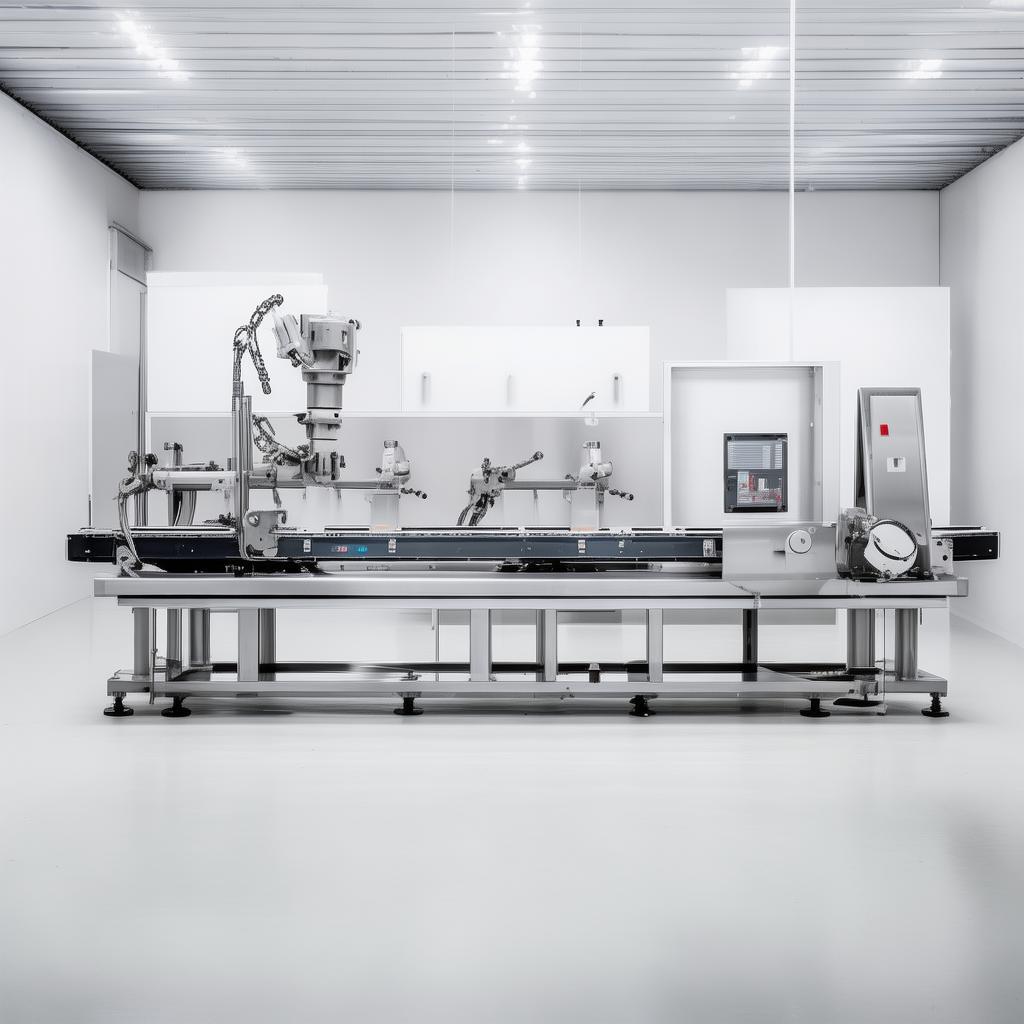

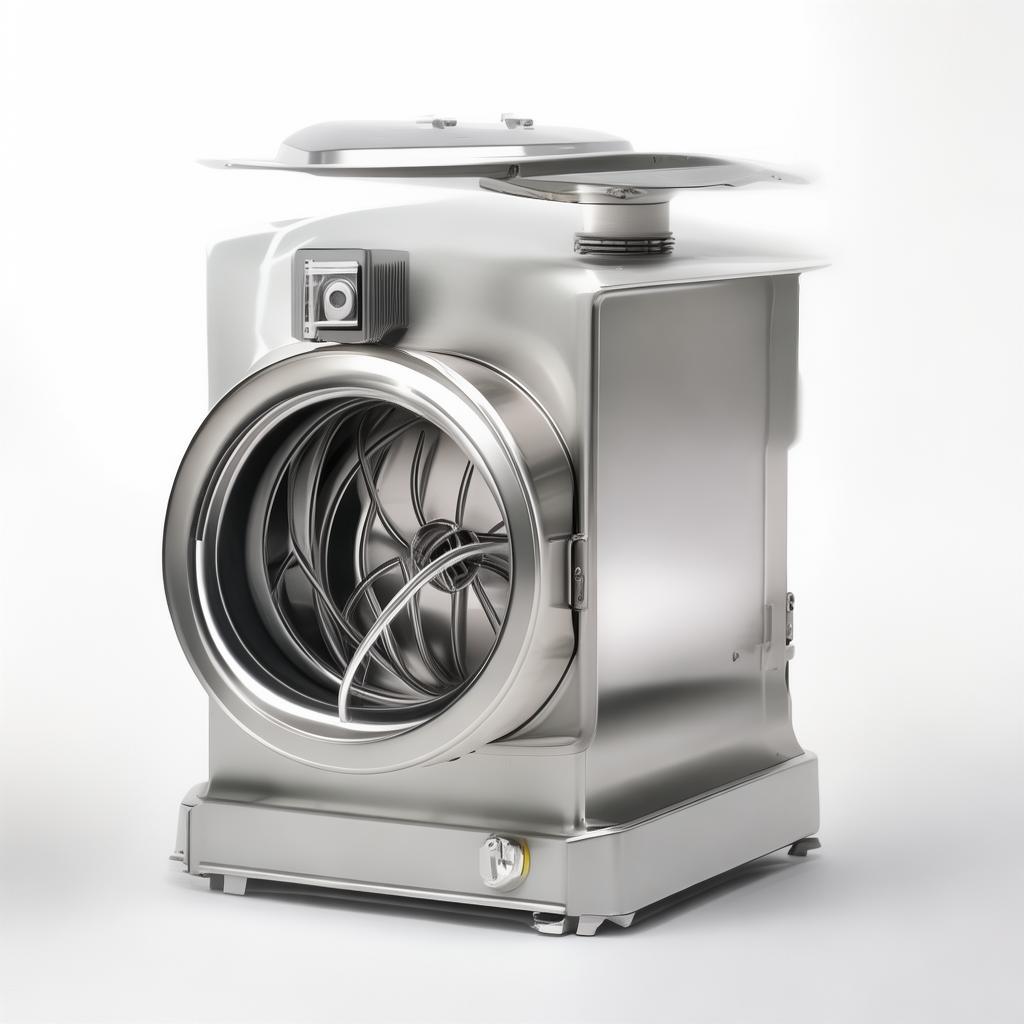
Vacuum Check Valves: Essential Components for Reliable Vacuum System Performance
 By Li Wei, Senior Export Manager
Hebei Yuanchang Food Mechanism & Technology Co., Ltd.
In the intricate world of industrial manufacturing and specialized process engineering, maintaining precise control over vacuum environments is not merely a preference; it's a critical requirement for product quality, process efficiency, and operational safety. Among the myriad of components that contribute to a robust vacuum system, the humble yet indispensable vacuum check valve plays a pivotal role. It acts as a silent guardian, ensuring that vacuum levels are maintained, preventing unwanted backflow, and safeguarding sensitive equipment. For businesses operating in sectors such as food processing, pharmaceutical manufacturing, scientific research, and advanced industrial automation, understanding the nuances of these valves is paramount. This isn't just about selecting a part; it's about integrating a solution that directly impacts your bottom line, your product integrity, and your operational reliability. As industries worldwide continue to innovate and demand higher levels of precision, the importance of components like vacuum check valves only intensifies.
Understanding Vacuum Check Valves: More Than Just a One-Way Street
At its core, a vacuum check valve is a mechanical device designed to allow fluid (gas or liquid) to flow in only one direction. In vacuum systems, this unidirectional flow control is crucial for several reasons. Primarily, it prevents the escape of vacuum from the system, thereby maintaining the desired low-pressure environment. This is vital for applications where maintaining a specific vacuum level is essential for processes like vacuum drying, vacuum packaging, vacuum lifting, or degassing. Without a properly functioning check valve, any interruption or fluctuation in the vacuum pump's operation could lead to ambient air rushing back into the system, compromising the entire process and potentially damaging delicate products or equipment.
The "check" mechanism typically involves a simple yet effective design. It might be a spring-loaded poppet, a diaphragm, a ball, or a flap that is held closed by system pressure or a light spring. When the pressure on the inlet side (the vacuum source) drops below a certain threshold, or when a positive pressure differential is created, the valve opens, allowing the vacuum to be drawn or maintained. Conversely, as soon as the pressure on the inlet side equalizes or becomes higher than the outlet side, the valve automatically closes, creating a seal. This inherent self-actuating nature makes them ideal for automated systems where manual intervention is impractical or undesirable.
The global market for meat processing equipment, a sector where precise vacuum control is often critical for hygiene and product preservation, underscores the importance of such components. Reports indicate a substantial market value, projected to reach figures like USD 17.39 billion by 2034, with a CAGR around 5.0%. This growth is fueled by rising demand for processed meats and the increasing adoption of automation for hygiene and labor efficiency. The underlying technologies supporting these processes, including robust vacuum systems, are directly influenced by the reliability of parts like vacuum check valves. [Source: Fortune Business Insights]
Consider a vacuum packaging machine for food products. The vacuum check valve ensures that once the air is evacuated from the packaging, it stays out, preserving freshness and extending shelf life. In a laboratory setting, a vacuum chamber used for material testing or coating needs to maintain a stable vacuum to ensure consistent and accurate results. The check valve acts as a crucial barrier against atmospheric ingress during power interruptions or pump maintenance. This simple component, often overlooked in broader system design, is foundational to achieving the performance benchmarks that modern industries demand. Its role is often amplified in complex OEM machinery where integration and reliability are non-negotiable.
The design and material choice for vacuum check valves are not arbitrary. They must be tailored to the specific vacuum pressures, temperatures, and the nature of the media being handled. For instance, a valve intended for a light hydrocarbon vapor environment might require different materials than one used in a cleanroom pharmaceutical application. The consequence of selecting the wrong type can range from premature failure and system downtime to contamination of the vacuum process itself. This highlights the need for deep technical understanding and a reliable supply chain partner.
Common Challenges in Vacuum System Management
Operating and maintaining vacuum systems presents a unique set of challenges that directly impact the effectiveness and longevity of the equipment. One of the primary concerns is maintaining vacuum integrity. Leaks, whether from seals, connections, or component failures, can lead to inefficient operation, increased energy consumption (as pumps work harder to compensate), and compromised process outcomes.
Contamination is another significant hurdle. In many applications, especially in food, pharmaceutical, and semiconductor manufacturing, the vacuum environment must remain pristine. The introduction of contaminants, which can happen if a check valve fails and allows backflow from a contaminated line, can lead to product spoilage, batch rejection, and costly reprocessing or recalls.
Component wear and tear are inevitable, but premature failure can disrupt production schedules and incur unexpected maintenance costs. Components exposed to corrosive gases, high temperatures, or abrasive particles require careful material selection and robust design to ensure durability. The global meat processing equipment market, for example, sees consistent demand for reliable components due to the rigorous operating conditions and hygiene standards. The market size for this sector was valued at USD 11.28 billion in 2024, highlighting the scale of operations and the critical nature of component performance. [Source: Grand View Research]
Energy efficiency is a growing concern for businesses worldwide. Vacuum pumps can be significant energy consumers. A system that is not properly sealed or contains faulty components like check valves that allow leakage will force pumps to run longer or at higher capacities, unnecessarily increasing energy bills. Optimizing vacuum system performance directly translates to operational cost savings.
Finally, system complexity and integration pose challenges. Many industrial vacuum systems are part of larger, automated processes. Ensuring that individual components like check valves integrate seamlessly with PLCs, sensors, and other machinery requires meticulous planning and a deep understanding of the overall system architecture. This is where partnering with experienced manufacturers who can offer guidance and custom solutions becomes invaluable.
The Critical Advantages of Quality Vacuum Check Valves
Integrating high-quality vacuum check valves into your systems offers a cascade of benefits that directly address the challenges outlined above. First and foremost, they provide reliable vacuum retention. This ensures that your processes, whether it’s maintaining a specific pressure for curing, holding components during assembly, or evacuating a chamber for sterilization, operate within their designed parameters without interruption.
Protection of vacuum pumps and equipment is another major advantage. By preventing backflow of air or process fluids, check valves act as a critical safeguard for expensive vacuum pumps, preventing damage from backstreaming, over-pressure, or liquid ingestion. This is particularly important for vane pumps or turbomolecular pumps which are highly sensitive to such events.
Enhanced process efficiency and consistency are direct outcomes of stable vacuum levels. In applications like vacuum drying or vacuum impregnation, maintaining a precise vacuum ensures uniform processing, reduces cycle times, and improves the quality and repeatability of the end product. This directly impacts yield and reduces waste.
Reduced operational costs are achieved through several mechanisms. By preventing leaks and maintaining efficient vacuum levels, check valves help reduce the energy consumption of vacuum pumps. Furthermore, by protecting equipment from damage and reducing process failures, they lower maintenance costs and minimize costly downtime. The ability to guarantee product quality also reduces the risk of expensive batch rejections or recalls.
Versatility and adaptability are inherent in well-designed check valves. They are available in a wide range of sizes, connection types, and actuation mechanisms to suit diverse industrial needs, from small laboratory setups to large-scale manufacturing lines. This allows for seamless integration into new designs or retrofitting into existing systems. The market for meat processing equipment, which spans pretreatment, filling, and ripening processes, relies on this versatility in auxiliary components. The demand for such equipment is significant, with market reports projecting growth to USD 19.66 billion by 2033. [Source: SkyQuestt]
Finally, by ensuring the integrity of the vacuum environment, these valves contribute to improved safety. In processes involving hazardous materials or high pressures, a reliable check valve prevents unexpected releases, protecting personnel and the environment.
Key Technical Aspects to Consider
Selecting the correct vacuum check valve requires a thorough understanding of several key technical specifications. One of the most fundamental is the operating pressure range. Vacuum levels are typically measured in negative pressure (e.g., -760 mbar absolute, or 0.01 mbar absolute). The valve must be rated to reliably open and close within your system's operational vacuum range without leaking at the closed state or sticking open.
Cracking pressure is the minimum differential pressure required to open the valve. This is a critical parameter. If the cracking pressure is too high for your pump's capability, the vacuum won't be established effectively. Conversely, if it's too low, it might open inadvertently.
Flow rate capacity is equally important. The valve must be sized to handle the volume of gas being evacuated by the vacuum pump without causing excessive restriction. Undersized valves can lead to increased pump workload, higher energy consumption, and slower evacuation times.
Port size and connection type are practical considerations for installation. Common connection types include NPT, BSP, flange, or hose barb. Ensuring compatibility with your existing piping and equipment is essential for a smooth installation. The nominal bore of the port directly influences the flow rate.
Operating temperature range is crucial, especially in environments with high ambient temperatures or where the vacuum process generates heat. The materials of the valve body and seals must be able to withstand these temperatures without degradation.
Media compatibility dictates the materials used for the valve. If the vacuum system handles corrosive gases, aggressive chemicals, or particular types of liquids, the valve's wetted parts must be resistant to chemical attack.
Seal type (e.g., O-ring, diaphragm, metal-to-metal) affects the valve's sealing efficiency and its suitability for different vacuum levels and media. For ultra-high vacuum (UHV) applications, specific seals and construction methods are required to minimize outgassing.
Finally, consider responsiveness and durability. A fast-acting valve that reliably seals and opens over millions of cycles will contribute to the overall system's efficiency and reduce the frequency of replacements. This is where the manufacturing quality and design expertise of the supplier become paramount.
Material Considerations for Different Applications
The choice of materials for a vacuum check valve is critical and depends heavily on the application's specific demands, including the media being handled, the required vacuum level, temperature, and any regulatory compliance needs.
Common Valve Body Materials:
- Aluminum Alloys: Lightweight, good corrosion resistance in many environments, and cost-effective. Suitable for general-purpose vacuum applications where extreme temperatures or aggressive chemicals are not present.
- Stainless Steel (e.g., 304, 316L): Offers excellent corrosion resistance, high strength, and durability. 316L is particularly favored for its enhanced resistance to pitting corrosion and for applications in the food, pharmaceutical, and chemical industries where purity and hygiene are paramount. It's a standard for many OEM/ODM solutions.
- Brass: Cost-effective and offers good machinability. It's commonly used in less demanding applications or where its inherent antimicrobial properties might be beneficial. However, it can be susceptible to dezincification in certain fluid environments.
- Plastics (e.g., PVC, PVDF, PEEK): Certain engineered plastics offer excellent chemical resistance and can be very lightweight. PVDF and PEEK are suitable for more aggressive chemical environments and higher temperatures than PVC. These are often chosen for specific chemical processing or medical applications.
Common Seal and Diaphragm Materials:
- Nitrile (NBR): A common, cost-effective elastomer offering good resistance to oils, fuels, and water. Suitable for many general industrial vacuum applications.
- Viton (FKM): Excellent resistance to high temperatures, fuels, oils, and a wide range of chemicals. Ideal for more demanding applications.
- EPDM: Good resistance to heat, ozone, and weathering. Often used in outdoor applications or where resistance to certain polar solvents is needed.
- PTFE (Teflon): Offers exceptional chemical inertness and a wide temperature range. Often used as a sealing surface or as a diaphragm material in highly corrosive environments. Its low friction coefficient is also beneficial.
- Silicone: Offers excellent flexibility over a wide temperature range and good resistance to weathering and ozone. However, it can have limited resistance to oils and fuels and can be prone to tearing.
The selection of materials directly impacts the valve's performance, lifespan, and cost. For instance, in the context of meat processing equipment, where hygiene is paramount, stainless steel (316L) bodies with FDA-compliant seals are often specified to prevent contamination and meet regulatory requirements. The industry demands components that are not only functional but also safe and easy to clean. The robust demand for processed meat equipment, valued at USD 18.3 billion in 2025, indicates a strong market for reliable, high-quality components. [Source: IMARC Group]
When specifying materials, it's also wise to consider the potential for outgassing, especially in high-vacuum or cleanroom applications. Materials with low outgassing rates (like certain grades of stainless steel and specific polymers) are preferred to avoid contaminating the vacuum environment.
Where Vacuum Check Valves Make a Difference
The applications for vacuum check valves are remarkably diverse, spanning numerous industrial sectors where vacuum technology is employed. Their role is often critical, ensuring the integrity and efficiency of complex processes.
Food Processing & Packaging:
- Vacuum Packaging Machines: Essential for maintaining vacuum levels after air evacuation, extending shelf life and preserving product quality for meats, cheeses, and other perishables.
- Vacuum Deaerators: Used in beverage and liquid food production to remove dissolved gases, improving product stability and appearance.
- Freeze Drying Equipment: Critical for maintaining the vacuum required for sublimation during the freeze-drying process.
Industrial Manufacturing & Automation:
- Vacuum Lifters & Handling Systems: Ensure the vacuum grip is maintained on objects during transfer, preventing accidents and product damage.
- Robotic End-Effectors: Used in pick-and-place operations to hold parts securely via vacuum.
- Vacuum Impregnation: Used to fill pores in materials like castings or composites with resins, requiring stable vacuum conditions.
- Central Vacuum Systems: For dust and debris collection in manufacturing plants.
Medical & Pharmaceutical:
- Sterilization Equipment (Autoclaves): Maintaining vacuum during pre-conditioning and drying cycles for effective sterilization.
- Laboratory Vacuum Ovens: For precise drying and curing at controlled low pressures.
- Surgical Suction Systems: Ensuring consistent negative pressure.
Research & Development:
- Vacuum Chambers: For material science experiments, thin-film deposition, and environmental testing.
- Mass Spectrometers & Analytical Instruments: Requiring stable, low-pressure environments for accurate readings.
The diverse applications underscore the universal need for reliable vacuum control. Whether it's for high-precision scientific instruments or robust industrial automation, the vacuum check valve is a foundational component. Its contribution to maintaining process integrity is significant, often overlooked until a failure occurs. Industries like food processing are increasingly relying on sophisticated equipment, with the global meat processing equipment market alone projected to reach USD 15.04 billion by 2030. [Source: Grand View Research] This growth necessitates dependable auxiliary systems.
Installation and Maintenance Insights
Proper installation and routine maintenance are key to maximizing the lifespan and performance of any vacuum check valve. While these devices are often designed for low maintenance, neglecting these aspects can lead to premature failure and system issues.
Installation Considerations:
- Orientation: Always install the valve in the correct orientation as specified by the manufacturer. For gravity-assisted valves (like some poppet or ball types), this is critical. Ensure the flow direction arrow on the valve body points in the direction of intended flow (towards the pump or lower pressure side).
- Connection: Use appropriate sealing methods (e.g., PTFE tape for NPT threads, proper gaskets for flanges) to ensure a leak-free connection. Overtightening can damage threads or the valve body.
- Cleanliness: Before installation, ensure both the valve ports and the connecting pipework are clean and free of debris, swarf, or sealing compound residue. Foreign matter can obstruct the valve mechanism.
- Accessibility: Install the valve in a location that allows for future inspection and potential replacement without major disassembly of the surrounding system.
Maintenance Best Practices:
- Regular Inspection: Periodically check for external signs of damage, corrosion, or leaks. Listen for unusual noises from the system that might indicate valve malfunction.
- Performance Monitoring: Observe system vacuum levels and pump cycling times. Any significant degradation in vacuum performance or increased pump runtime could indicate a failing check valve or a leak elsewhere.
- Cleaning: If the process media is known to cause build-up (e.g., particulate matter, sticky residues), consider periodic disassembly and cleaning of the valve. Follow manufacturer guidelines for disassembly and reassembly.
- Seal Replacement: Over time, seals can degrade due to chemical exposure, temperature cycling, or mechanical wear. Plan for periodic seal inspection and replacement, especially if performance deteriorates.
- System Purging: For critical applications, a system purge routine can help remove contaminants that might affect valve operation.
For OEM applications, designing for ease of maintenance is a key consideration. Our 40 years of experience, since 1986, in integrating machinery have taught us that accessibility for routine checks and part replacement significantly reduces operational downtime and cost for our clients. Investing in quality vacuum check valves from the outset minimizes the need for frequent interventions.
Navigating the Procurement Process for Vacuum Check Valves
Procuring the right vacuum check valves requires a strategic approach, especially for businesses operating in international markets or integrating components into OEM machinery. It's not just about finding the lowest price; it's about securing reliable performance, consistent quality, and a strong supply chain.
1. Define Your Requirements Clearly: Before you even start looking, document your exact needs. This includes:
- Required vacuum pressure range.
- Maximum flow rate.
- Media being handled (corrosiveness, viscosity, temperature).
- Operating temperature and ambient conditions.
- Connection sizes and types (NPT, BSP, flange, etc.).
- Any specific material requirements (e.g., stainless steel, FDA compliance).
- Quantity and desired lead times.
- Regulatory compliance standards (e.g., CE, RoHS).
2. Supplier Evaluation is Key:
- Experience & Expertise: Look for suppliers with a proven track record in vacuum components or relevant industrial markets. Companies with their own manufacturing capabilities and engineering teams, like Hebei Yuanchang, can offer deeper insights and customization.
- Quality Control: Inquire about their manufacturing processes, quality assurance procedures, and any certifications they hold (e.g., ISO 9001). A supplier that invests in precision machining, like our facility with Japanese Mazak CNC centers, indicates a commitment to quality.
- Technical Support: Can they provide expert advice if you're unsure about the best valve for your application? Do they offer engineering support for integration or custom solutions?
- Lead Times & Logistics: Understand their production capacity, typical lead times, and shipping capabilities, especially for international orders. Reliable logistics are crucial for maintaining your production schedules.
- Pricing & Value: Compare quotes, but focus on the total value proposition – including quality, reliability, support, and long-term cost of ownership, not just the initial unit price.
3. OEM/ODM Considerations: If you are an OEM integrating these valves into your products, consider suppliers who offer OEM/ODM services. This means they can manufacture valves to your specific design requirements, branding, and specifications, ensuring seamless integration and a consistent product for your customers. This is a core competency for experienced manufacturers looking to partner for the long term.
4. Risk Mitigation: Always factor in potential risks. What happens if a supplier faces production delays? Do they have contingency plans? Building relationships with reliable suppliers who offer transparency and proactive communication can mitigate these risks. Requesting samples for testing is a prudent step before placing large orders.
Why Partner with Hebei Yuanchang? Manufacturing Excellence for Your Vacuum Needs
At Hebei Yuanchang Food Mechanism & Technology Co., Ltd., our 40-year legacy since 1986 is built on a foundation of engineering precision, robust manufacturing, and a deep commitment to our clients' success. While our primary expertise lies in food processing machinery, the principles of precision engineering, material science, and quality control that drive our industry are directly applicable to the components that underpin critical vacuum systems.
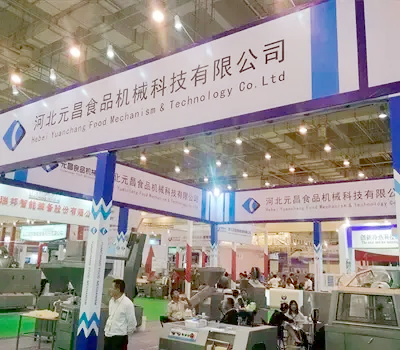
Our advanced machining workshop capabilities ensure component precision.
Extensive Experience: With four decades in the industry, we possess unparalleled practical knowledge of what constitutes reliable, high-performance machinery components. We understand the demands of industrial operations and the importance of every single part.
State-of-the-Art Manufacturing: Our facility spans 14,000 square meters and houses over 20 sets of advanced processing machinery, including lathes, milling machines, high-precision grinding machines, and wire cutting equipment. Since 2012, the addition of 8 Japanese Mazak CNC machining centers allows us to produce high-standard components with the precision, volume, and non-standard specifications required by demanding applications.
Independent Component Production: We have the capability to independently produce high-precision parts in-house. This control over the entire manufacturing process, from raw material to finished component, ensures superior quality and traceability. It means we can deliver components that meet exacting specifications, crucial for vacuum check valves where even minute imperfections can cause leaks.
Traceable After-Sales Management: Our commitment extends beyond production. Our traceable after-sales management system ensures that you receive ongoing support, troubleshooting assistance, and access to replacement parts, providing worry-free operation for the entire lifecycle of your equipment.
OEM/ODM Expertise: We specialize in integrating our deep manufacturing understanding into OEM and ODM solutions. If you require custom vacuum check valves or components tailored to your unique machinery, our engineering team is equipped to collaborate and deliver. We understand the nuances of cross-border commerce and export requirements, ensuring a smooth process for international clients.
Partnering with Hebei Yuanchang means gaining access to decades of manufacturing expertise, cutting-edge technology, and a dedication to quality that translates into reliable, high-performance components for your vacuum systems. We are committed to providing solutions that enhance your operational efficiency and product quality, just as we have for our clients in the meat processing industry, which sees significant investment driven by demand for quality and automation.
Trusted by Industry Professionals: Client Testimonials
 David Chen, Purchasing Manager
Global Packaging Solutions Inc.
"We were struggling with inconsistent vacuum levels in our new high-speed packaging line. After consulting with the team at Yuanchang, they recommended their precision-engineered vacuum check valves. The difference was immediate. Our vacuum retention is now rock solid, significantly reducing product spoilage and machine downtime. Their technical advice was spot on."
 Sarah Jenkins, Lead Engineer
Advanced Material Labs
"For our sensitive R&D vacuum chambers, maintaining ultra-low pressures is non-negotiable. Yuanchang's stainless steel check valves have proven exceptionally reliable. They offer excellent sealing at very low pressures and their low outgassing properties are vital for our experiments. The responsiveness of their export team was also very impressive."
 Marko Petrović, Operations Director
European Food Processors
"We source components for our automated meat processing lines globally. Partnering with Hebei Yuanchang for critical vacuum system parts has streamlined our supply chain. Their understanding of industrial applications, combined with their manufacturing capabilities, ensures we get parts that meet stringent hygiene and performance standards, delivered on time. Excellent value for money."
 Aisha Khan, Procurement Specialist
Automated Systems Integrators Ltd.
"Integrating vacuum check valves into complex OEM solutions requires precise specifications and reliable suppliers. Yuanchang's willingness to work with our custom designs and their high-precision machining capabilities have made them a valuable partner. The consistency of their product is excellent."
Frequently Asked Questions About Vacuum Check Valves
Q1: What is the main function of a vacuum check valve?
Its primary function is to allow the flow of gas in one direction (typically into the vacuum pump) while preventing backflow of air or process media into the vacuum system when the pump is off or when system pressure exceeds the valve's setpoint. This maintains the vacuum integrity.
Q2: How do I choose the correct vacuum check valve for my application?
You need to consider the operating vacuum range, required flow rate, media compatibility, operating temperature, and connection type. Consulting with a specialist or referring to the manufacturer's technical specifications is highly recommended.
Q3: Can vacuum check valves be used with liquids?
Some designs are specifically made for liquid service, often featuring larger port sizes and robust diaphragm or ball mechanisms. However, many standard vacuum check valves are designed for gases. Using a gas-focused valve with liquids can lead to clogging or damage. Always verify the valve's intended media.
Q4: What does "cracking pressure" mean?
Cracking pressure is the minimum differential pressure across the valve required to initiate opening. For vacuum check valves, this is usually a very low positive pressure (or a very low negative differential) on the inlet side relative to the outlet side, sufficient to overcome the spring or seal tension.
Q5: How often should I replace my vacuum check valve?
vacuum check valve check valve for vacuum 1/2 vacuum check valve
There's no fixed schedule, as it depends heavily on the application, media, and operating conditions. Regular inspection and performance monitoring are key. If you notice reduced vacuum levels, longer pump run times, or signs of wear, it's time for an evaluation and potential replacement. High-quality valves in well-maintained systems can last for years.
Ensuring Reliable Solutions: Our Commitment

Technical Consultation Example

Order Inquiry Process

Logistics & Export Support
We believe in transparent communication and providing comprehensive support. Our team is always ready to assist you with technical queries, order details, and logistics planning.
Ready to Enhance Your Vacuum System Reliability?
Don't let component failures compromise your operations. Partner with Hebei Yuanchang for high-quality vacuum check valves that deliver consistent performance and exceptional value.