Pressure And Vacuum Relief Valve
Precision Pressure & Vacuum Relief Valves: Ensuring System Integrity in Demanding Applications
Your reliable partner for industrial valve solutions worldwide.
 Authored by: Alex Chen, Lead Export Engineer
| Date: October 26, 2023
Authored by: Alex Chen, Lead Export Engineer
| Date: October 26, 2023
Navigating the Critical Balance: Why Pressure & Vacuum Relief Valves are Non-Negotiable
In the intricate world of industrial operations, particularly within sectors like food processing, chemical manufacturing, oil and gas, and pharmaceuticals, maintaining precise atmospheric conditions within vessels and pipelines isn't just about efficiency; it's about safety, product integrity, and regulatory compliance. The forces of pressure and vacuum, though often invisible, can exert immense stress on equipment and compromise sensitive processes. This is where the humble yet indispensable pressure and vacuum relief valve steps in, acting as the silent guardian of your systems.
As an engineer with decades of experience in designing and exporting critical flow control components, I've seen firsthand the catastrophic consequences of failing to adequately address over-pressurization or the detrimental effects of vacuum conditions. These aren't theoretical risks; they translate to costly downtime, compromised product batches, potential equipment damage, and, most importantly, severe safety hazards for personnel. The right relief valve isn't an accessory; it's a foundational element of robust operational design. It's about proactive protection, ensuring that when conditions deviate beyond safe operational parameters, the system has an automatic, reliable release mechanism.
Consider the delicate nature of food and beverage production. For instance, during the processed meat market, which is projected to reach USD 1.25 trillion by 2034, maintaining vacuum during filling or sealing processes is crucial for product longevity and safety. Conversely, during heating or sterilization cycles, unexpected pressure build-up can lead to vessel rupture. A high-quality pressure and vacuum relief valve, often referred to as a PVRV, or a combination relief valve, is designed to manage both these opposing forces simultaneously. It's a testament to intelligent engineering that a single device can safeguard against both destructive expansion and implosive collapse.
The complexity of modern industrial processes means that equipment is often subjected to dynamic conditions. Heating, cooling, chemical reactions, fluid transfer – all these can lead to significant changes in internal pressure. Without adequate venting, tanks can be crushed inward by external atmospheric pressure, especially during rapid cooling or when emptying. This phenomenon, known as implosion, is just as dangerous as explosion. Vacuum relief valves are specifically designed to open at a predetermined negative pressure (vacuum), allowing ambient air to enter and equalize the pressure, thereby preventing structural damage to the vessel. Similarly, pressure relief valves are engineered to open at a specific positive pressure, venting excess gas or vapor to prevent over-pressurization.
The global meat processing equipment market, for example, was valued at USD 11.29 billion in 2025 and is projected to reach USD 17.39 billion by 2034. This growth is heavily dependent on the reliability of every component within the processing chain. A single failure in a relief valve on a curing tank or a filling machine can halt production, leading to significant financial losses and potentially affecting the quality and safety of entire batches. Our commitment at Hebei Yuanchang is to provide relief valves that are not only functional but are engineered for longevity and reliability, understanding the critical role they play in our clients' operations. We don't just sell valves; we provide peace of mind and operational continuity.
Choosing the right relief valve involves a deep understanding of the operational environment, the specific media being handled, the expected pressure and vacuum ranges, and the required flow rates. It’s not a one-size-fits-all scenario. Factors like temperature, corrosivity of the media, and the need for fugitive emission control all play a vital role in material selection and valve design. For instance, in food processing, materials must be FDA-compliant and easily cleanable. In chemical applications, materials need to resist aggressive media. Our expertise lies in guiding you through these critical decisions, leveraging our 40 years of manufacturing experience since 1986 to offer solutions tailored to your exact needs. We pride ourselves on offering not just standard off-the-shelf products, but the ability to customize and engineer solutions that fit perfectly, much like our high-precision components for advanced meat processing equipment.
The insights from industry reports reinforce the importance of these systems. For instance, the meat processing equipment market growth, driven by automation and hygiene standards, directly correlates with the need for robust safety mechanisms like relief valves. As automation increases, so does the potential for rapid, unexpected pressure changes that these valves are designed to manage. Similarly, the meat processing equipment market is projected to reach USD 15.44 billion by 2035, with automation and safety requirements being key drivers. Our role is to ensure that the safety components within these advanced systems are equally sophisticated and reliable.
This page is dedicated to exploring the multifaceted world of pressure and vacuum relief valves. We’ll delve into their critical functions, the engineering principles behind their operation, the diverse applications they serve, and the key considerations for selecting and maintaining them. Our goal is to provide you with the comprehensive knowledge needed to make informed decisions, ensuring the safety, efficiency, and longevity of your industrial processes. Whether you're procuring for a new plant, upgrading existing systems, or seeking a more reliable supplier, you'll find practical insights and a clear path to the solutions you need here.
Common Operational Pains: Where Pressure & Vacuum Pose Risks
Across various industries, the battle against uncontrolled pressure fluctuations is a constant challenge. Ignoring these forces often leads to a cascade of operational issues that can be both expensive and hazardous. We've seen these scenarios play out time and again, and understanding them is the first step to prevention.
- Vessel Collapse (Vacuum Implosion): This is a particularly insidious problem. When a vessel is rapidly emptied, or when a hot liquid inside cools and condenses, it creates a significant vacuum. If the vessel isn't designed to withstand this negative pressure, atmospheric forces can literally crush it. This is common in chemical tanks, storage silos, and even pharmaceutical reactors. It can lead to structural failure, product loss, and safety incidents if personnel are nearby. Think about hot liquid transfer lines that are shut off too quickly without a vacuum break.
- Over-Pressurization and Rupture: The opposite extreme. Unexpected pressure spikes, whether from thermal expansion, chemical reactions, or blocked outlets, can exceed a vessel's design limits. This can cause catastrophic rupture, releasing hazardous materials, creating shrapnel, and posing extreme fire or explosion risks. This is a major concern in steam boilers, pressure cookers used in food processing, and any system involving exothermic reactions. The meat and poultry processing equipment market, for example, sees significant use of steam for cleaning and sterilization, demanding strict pressure control.
- Product Degradation & Contamination: For sensitive products, maintaining a specific internal atmosphere is paramount. Excessive vacuum can draw in contaminants, while pressure fluctuations can affect shelf life, taste, or efficacy. This is critical in the processed meat market where vacuum sealing is key to preventing spoilage, or in pharmaceutical filling operations where maintaining sterility is non-negotiable.
- Equipment Damage & Reduced Lifespan: Even if not catastrophic, repeated minor pressure excursions or vacuum stresses can fatigue materials, damage seals, and shorten the operational life of expensive equipment. This leads to higher maintenance costs and more frequent replacements.
- Regulatory Non-Compliance: Many industries operate under strict safety and environmental regulations (e.g., OSHA, EPA, ATEX). Failure to implement adequate pressure relief measures can result in hefty fines, shutdowns, and damage to a company's reputation.
- Operational Inefficiencies: Systems not properly protected can lead to unexpected shutdowns, slow processing times due to safety overrides, and significant waste of resources. For instance, in meat processing, improper temperature and pressure control during ripening can result in inconsistent product quality.
Recognizing these pain points is where our expertise truly comes into play. We understand that each operational environment presents unique challenges, and our relief valve solutions are designed to address them directly, safeguarding your assets and your people.
The Hebei Yuanchang Solution: Engineered Pressure & Vacuum Relief Valves
At Hebei Yuanchang, we engineer pressure and vacuum relief valves (PVRVs) to be the robust, reliable guardians your industrial systems demand. Our valves are not merely components; they are precision-engineered safety devices built on 40 years of manufacturing experience, ensuring optimal performance and peace of mind.
How They Work: A Dual Function for Comprehensive Protection
Our PVRVs are ingeniously designed to handle two opposing threats simultaneously:
Key Advantages of Our PVRVs
- Dual Protection: One valve handles both over-pressure and under-pressure (vacuum) conditions, simplifying system design and reducing the need for multiple components.
- Precise Setpoints: We ensure accurate and repeatable pressure and vacuum setpoints, critical for sensitive applications. Our precision machining capabilities, including Japanese Mazak CNC centers, allow us to achieve tight tolerances for reliable performance.
- Corrosion Resistance: Available in various materials like Stainless Steel (304, 316L), Hastelloy, and other exotic alloys to handle aggressive media and ensure long service life. This is vital for chemical and food processing industries.
- Hygienic Designs: For food, beverage, and pharmaceutical applications, we offer models with crevice-free designs, CIP/SIP compatibility, and FDA-compliant materials.
- High Flow Capacity: Engineered for efficient venting, ensuring rapid pressure equalization and minimizing system excursion times.
- Durability & Longevity: Robust construction and quality materials mean our valves can withstand demanding industrial environments, offering a lower total cost of ownership.
- OEM/ODM Capabilities: We can customize valve specifications, materials, and connections to meet unique project requirements. Our 40 years of experience means we can handle complex engineering challenges.
Our approach integrates the precision of our in-house machining workshop, equipped with over 20 sets of processing machinery and advanced CNC centers, with a deep understanding of your operational needs. This allows us to deliver components that are not just functional but are integral to the safety and efficiency of your entire process.
Technical Specifications & Material Options
Selecting the correct specifications is crucial for optimal performance and safety. Below is a typical range of specifications for our Pressure & Vacuum Relief Valves. We encourage you to discuss your unique application requirements with our engineering team for precise recommendations.
| Parameter | Specification Range | Notes & Considerations |
|---|---|---|
| Pressure Setting (Positive) | 0.5 mbar to 10 bar (or higher for specific designs) | Must be below vessel design pressure. Critical for preventing over-stress. |
| Vacuum Setting (Negative) | -0.5 mbar to -0.8 bar (or higher vacuum resistance) | Must be above the maximum vacuum the vessel will experience. Essential for preventing implosion. |
| Materials of Construction |
|
Selection depends on media compatibility, temperature, and pressure. For food use, FDA-approved materials are standard. |
| Connection Types |
|
Standardized connections for easy integration into existing piping systems. |
| Operating Temperature | -40°C to +200°C (depending on seal material) | Extreme temperatures can affect seal performance and material integrity. |
| Flow Rate Capacity | Variable based on valve size and pressure differential | Calculated to ensure relief capacity meets or exceeds vessel venting requirements. |
| Certifications | Available: CE, PED, FDA, USP Class VI (upon request) | Compliance with international standards for critical applications. |
high vacuum valve vacuum release valves Air vacuum valve
Note: Our manufacturing facility is equipped with advanced machining centers capable of producing custom components and meeting stringent precision requirements. We can tailor valve dimensions, materials, and setpoints for your specific application.
Versatile Applications: Where Our PVRVs Excel
The dual functionality of pressure and vacuum relief valves makes them indispensable across a wide spectrum of industries. Their ability to protect against both over-pressure and vacuum ensures system integrity in diverse and demanding environments.
Food & Beverage Processing
Essential for tanks, mixers, pipelines, and packaging equipment. Protects against pressure build-up during heating or fermentation and vacuum during cooling or filling. Critical for products like dairy, beer, wine, sauces, and processed meats. The market for meat processing equipment highlights the demand for reliable systems.

Chemical & Petrochemical
Used on storage tanks, reactors, and process vessels handling volatile or corrosive chemicals. Prevents over-pressurization from reactions or thermal expansion, and vacuum formation during emptying or cooling. Material selection is key here, and we offer high-grade alloys.

Pharmaceutical & Biotechnology
Crucial for maintaining sterile environments in reactors, storage tanks, and CIP/SIP systems. Hygienic designs, FDA-compliant materials, and precise setpoints are paramount to ensure product purity and regulatory compliance.

Oil & Gas
Applicable to tanks, pipelines, and separation vessels. Protects against pressure surges and vacuum conditions that can arise during fluid transfer, processing, and storage, ensuring operational safety and asset integrity.

Water Treatment & Utilities
Used on storage tanks, processing units, and pipelines to manage pressure fluctuations that can occur due to pump operations, temperature changes, or system draining.
General Industrial Manufacturing
Applicable to any closed system where pressure or vacuum can develop, including silos, hoppers, and intermediate bulk containers (IBCs).
Procurement Smartly: What to Consider When Buying PVRVs
Selecting the right pressure and vacuum relief valve is more than just choosing a part number. It's a critical procurement decision that impacts safety, operational efficiency, and long-term costs. Here’s what purchasing managers and engineers should prioritize:
1. Defining Your Operational Parameters
This is the bedrock of your selection. You absolutely need to know:
- Maximum Working Pressure (MWP) of the Vessel: Your relief valve's positive pressure setting must be below this to provide effective over-pressure protection. Never set it equal to the vessel's design pressure.
- Maximum Vacuum the Vessel Will Experience: This dictates the vacuum relief setpoint. Consider cooling cycles, rapid emptying, or external atmospheric conditions.
- Type of Media: Is it a gas, liquid, steam, or a corrosive substance? This dictates material compatibility. For food processing, compliance with FDA and USP Class VI is often required.
- Operating Temperature Range: Extreme temperatures can affect material performance and seal integrity.
2. Flow Capacity Requirements
The valve must be able to vent (or admit) gas quickly enough to prevent pressure or vacuum from reaching dangerous levels. Engineering formulas (like those from API or ASME) are used to calculate required relief rates. Your supplier should be able to assist with these calculations or verify your specifications.
3. Material Selection is Non-Negotiable
Consider:
- Corrosion Resistance: Stainless steel (304, 316L) is common, but for aggressive chemicals, Hastelloy, Monel, or Titanium might be necessary.
- Seal Compatibility: Elastomers like EPDM, Viton, or PTFE offer different resistances to chemicals, temperatures, and pressures. For high-purity applications, Silicone or Kalrez might be considered.
- Hygiene Standards: For food, pharma, and biotech, materials must be food-grade (FDA compliant), easy to clean, and free from crevices where bacteria can grow.
4. Certifications and Compliance
Does your industry or region mandate specific certifications? Look for CE marking, PED compliance for European markets, or FDA/USP Class VI for sanitary applications. A reputable manufacturer will be transparent about their certifications.
5. Supplier Reliability & Support
This is where Hebei Yuanchang stands out. With 40 years in manufacturing, we bring:
- Manufacturing Expertise: Our in-house machining capabilities ensure quality control from raw material to finished product.
- Customization: We excel at providing OEM/ODM solutions tailored to your precise needs, not just off-the-shelf products.
- Technical Support: Our engineering team is available to help you select the right valve and offer installation advice.
- Traceable After-Sales: Our system ensures you receive consistent quality and support throughout the product lifecycle.
Don't compromise on safety. Investing in the right PVRV from a trusted supplier like Hebei Yuanchang is a critical step towards ensuring operational integrity and protecting your valuable assets.
Our Manufacturing Strength: Precision Engineered for Global Markets
At Hebei Yuanchang Food Mechanism & Technology Co., Ltd., our commitment to quality and precision is deeply rooted in our manufacturing process. With over 40 years of experience since 1986, we've evolved into a comprehensive R&D, production, and sales entity, specializing in high-standard industrial components, including our robust pressure and vacuum relief valves.
Extensive Machining Workshop
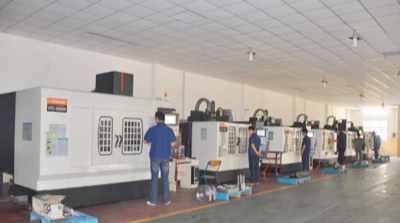
Our facility spans approximately 14,000 square meters and houses over 20 sets of advanced processing machinery. This includes lathes, milling machines, high-precision grinding machines, boring machines, plate shears, bending machines, and wire cutting equipment. This in-house capability means we control every step of production, ensuring exceptional quality and rapid turnaround.

Japanese CNC Machining Centers
Since 2012, we've invested in 8 sets of Japanese Mazak CNC machining centers. This allows us to produce high-standard components that demand large volumes, ultra-high precision, and non-standard specifications, perfectly suited for critical relief valve parts.
Vertical Integration & Quality Control
Our ability to independently produce high-precision parts, combined with a traceable after-sales management system, guarantees worry-free service. We manage the entire supply chain, from raw material sourcing to final inspection, ensuring every valve leaving our facility meets stringent international standards.
Our expertise in producing complete production lines for meat processing, which demands extreme precision and reliability, directly translates to the quality and performance of our industrial relief valves. We understand the critical nature of components that ensure safety and operational continuity.
Practical Insights: Installation & Maintenance Best Practices
Proper installation and regular maintenance are as critical as selecting the right valve. Neglecting these aspects can compromise performance and safety, leading to premature failure. Here are key considerations from our experience:
Installation Guidelines
- Orientation: Unless otherwise specified, PVRVs are typically installed in an upright position to ensure proper seating and drainage. Check manufacturer recommendations.
- Location: Install the valve as close as possible to the potential source of over-pressure or vacuum. Avoid long, restrictive piping runs to the valve inlet, as these can impede flow and affect setpoint accuracy.
- Venting: Ensure the discharge outlet is directed to a safe location, away from personnel, ignition sources, or environmentally sensitive areas. Consider local exhaust or flaring requirements for hazardous media.
- Thread Sealing: Use appropriate thread sealant (PTFE tape or paste) suitable for the media and temperature. Avoid over-tightening that could damage threads or the valve body.
- Flange Gaskets: Ensure correct gasket material and type are used for flanged connections, and that bolts are tightened evenly in a star pattern to ensure a leak-free seal.
- Protection: For valves installed in harsh environments, consider protective covers or coatings. Ensure any temporary protective plugs are removed before operation.
Routine Maintenance & Inspection
Regular checks, even if brief, can prevent major issues:
- Visual Inspection: Periodically check for external damage, corrosion, or signs of leakage around the valve seat or body.
- Functional Check (if feasible and safe): If the process allows, gently lift the pallet (if designed for it) to ensure it moves freely. This is often done during scheduled shutdowns. A quick test might involve observing valve operation during normal process fluctuations. For hygienic applications, testing might be integrated into the CIP/SIP cycles.
- Seal Integrity: Monitor for any signs of leakage, which could indicate a worn or damaged seal.
- Obstruction Check: Ensure the inlet and outlet are clear of debris, especially after maintenance work on the system. For hygienic valves, ensure the valve internals are clean.
- Set Point Verification: Periodically verify set points through testing, especially after significant maintenance or if performance issues are suspected. This often requires specialized testing equipment and should be done by qualified personnel. For critical applications, adherence to a strict testing schedule outlined by regulatory bodies or industry standards is mandatory.
We recommend consulting your specific valve's user manual for detailed maintenance procedures. Our traceable after-sales system and responsive support team are here to assist with any questions or provide replacement parts when needed.
What Our Clients Say
We're proud of the relationships we've built with our clients worldwide. Their trust is our greatest asset. Here’s what some of them have shared:
"We were experiencing consistent vacuum issues on our new filling line for processed meats. The pressure and vacuum relief valves from Hebei Yuanchang have been a game-changer. Installation was straightforward, and the setpoints have been rock-solid. Reduced our batch rejection rate significantly."

Operations Manager, Premium Foods Inc. (USA)
"As a chemical processing plant, safety is our absolute top priority. We needed reliable relief valves for our storage tanks. Hebei Yuanchang understood our need for specific material compatibility and provided valves that exceeded our expectations in terms of build quality and performance under extreme conditions. Their technical support was invaluable."

Plant Engineer, ChemTech Solutions (Canada)
"We've been sourcing components for our OEM equipment line for years. Hebei Yuanchang's pressure and vacuum relief valves offer a fantastic blend of quality, reliability, and competitive pricing. Their ability to handle custom orders for specific connection types has made them a key supplier for our international market expansion."

Procurement Director, Industrial Innovations Ltd. (UK)
Direct Communication for Your Peace of Mind
See how easily you can connect with our experts to get immediate answers:



Connect with us instantly for product inquiries, custom quotes, or technical consultations.
Frequently Asked Questions
A: A pressure relief valve opens to vent excess pressure from a system, preventing over-pressurization. A vacuum relief valve opens to admit air (or gas) into a system, preventing collapse due to sub-atmospheric pressure (vacuum). A Pressure & Vacuum Relief Valve (PVRV) combines both functions in a single unit.
Q: How do I determine the correct set pressure and vacuum for my application?A: This is critical and depends on the design pressure and vacuum rating of your vessel or pipeline, as well as the operating conditions. Generally, the pressure setpoint should be below the vessel's maximum allowable working pressure, and the vacuum setpoint should be set to prevent the vessel from exceeding its vacuum rating. Consulting our engineering team or your vessel's design specifications is essential.
Q: Can your PVRVs be used with food-grade applications?A: Yes, absolutely. We offer specific models designed for hygienic applications, using FDA-compliant materials such as SS316L for wetted parts and EPDM or Silicone for seals. These are designed for easy cleaning and are suitable for industries like dairy, beverage, and meat processing, aligning with the demands of the meat processing equipment market.
Q: What is the typical lead time for your PVRVs?A: For standard models, lead times are typically 2-4 weeks. For custom-engineered solutions or large orders, lead times can vary. Please contact us with your specific requirements for an accurate quote and delivery schedule. Our efficient production process and robust supply chain enable us to meet demanding project timelines.
Q: Do you offer OEM/ODM services for custom relief valve designs?A: Yes. With our extensive machining capabilities and engineering expertise, we specialize in developing custom solutions. We can modify existing designs or create entirely new ones to meet unique specifications regarding size, materials, connections, or performance characteristics. Our 40 years of experience means we can handle complex challenges.
Secure Your Operations with Expertly Engineered Relief Valves
Don't leave the integrity of your systems to chance. Leverage our 40 years of manufacturing experience and cutting-edge technology to find the perfect pressure and vacuum relief valve solution for your critical applications.
Or visit our contacts page: ycmeatmech.com/contacts.html